农业农村现代化

Search documents
张红宇:确保农业农村现代化取得决定性进展
Jing Ji Ri Bao· 2026-01-27 00:02
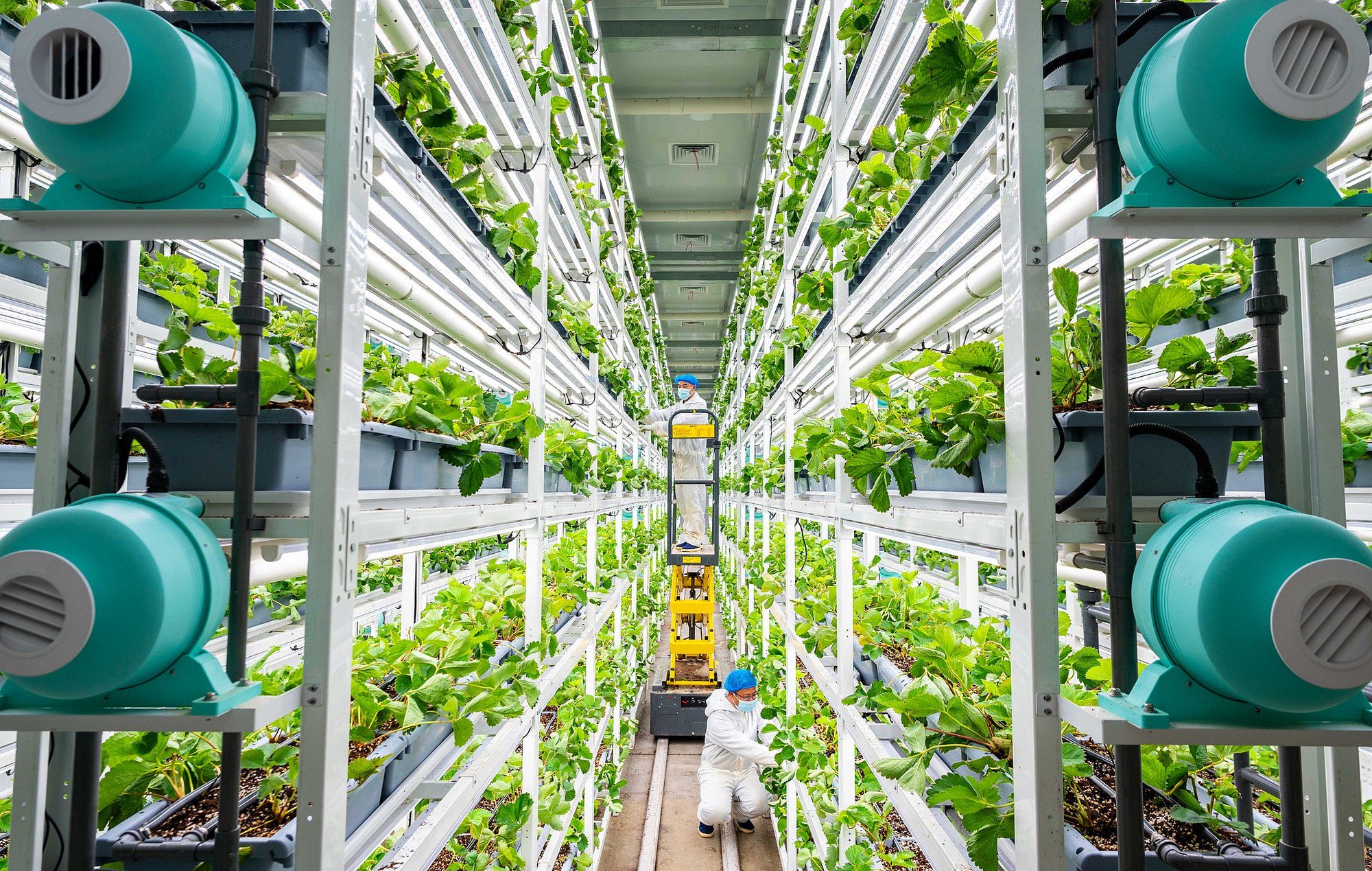
农业农村是保生存、保安全、保发展的基础,承担着保障国家粮食安全、维护社会大局稳定的责 任。推动农业农村现代化,不仅是补齐现代化短板、缩小城乡差距的迫切需要,也是促进"四化"深度融 合、实现高质量发展的战略任务,对推进中国式现代化有极为重要的意义。农业作为国民经济体系中的 基础性产业,是社会稳定的压舱石和应对系统性风险的缓冲器。农业农村的现代化关系到国家现代化的 全局性、稳定性和长期性。同时,我国发展不平衡不充分问题在农业农村领域表现得尤为突出,农业现 代化仍是"四化同步"的短板。还要看到,面对复杂多变的国际环境和日益激烈的全球农业竞争,推进农 业农村现代化提升农业质量效益,增强我国在全球粮食安全和农业治理中的话语权、影响力,是应对国 际环境变化、维护国家利益的坚实底盘。 "十五五"时期,在推进农业农村现代化上取得决定性进展,意味着粮食和重要农产品供给保障能 力、农业科技创新与应用能力、乡村治理与可持续发展能力以及农民增收能力全面提升,并能形成可持 续、可复制的发展路径。既要从根本上转变农业发展方式,构建现代农业产业体系、生产体系和经营体 系,使农业具备与工业相当的产业组织化程度、科技创新能力和市场竞争力,让农 ...
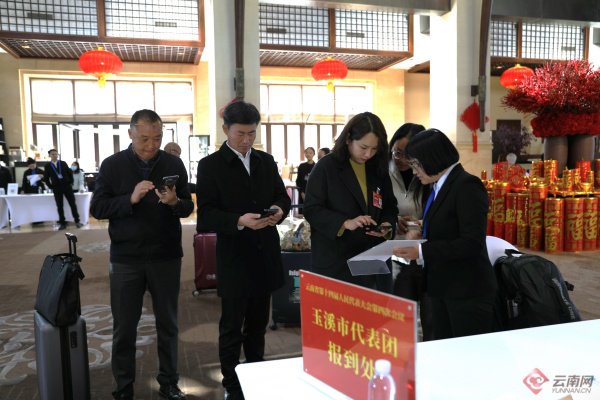
报到现场,代表们迅速进入“上会”状态
Xin Lang Cai Jing· 2026-01-26 16:55
Group 1 - The core focus of the meeting is on the "14th Five-Year Plan" and its implications for modern infrastructure and agricultural modernization in Yunnan province [1][3] - Representatives are actively engaging in discussions about youth development, mental health, and support for vulnerable children, indicating a strong emphasis on social issues [3] - There is a collective commitment among representatives to enhance the quality of their duties and contribute to high-quality development in Yunnan during the "14th Five-Year" period [5] Group 2 - Specific attention is being given to the integration of rural特色产业 (characteristic industries) and the development of green organic agriculture and ecological circular agriculture [3] - The need for improvements in rural infrastructure, particularly in cold chain logistics and digital networks, is highlighted as a critical area for development [3] - The meeting serves as a new starting point for representatives to gather public wisdom and contribute to the province's development goals [5]

吉林省委农村工作会议在长春召开
Xin Lang Cai Jing· 2026-01-26 03:35
转自:农业农村部网站 1月22日,省委农村工作会议在长春召开。会议深入学习贯彻习近平总书记关于"三农"工作的重要论述 和关于吉林工作系列重要指示精神,全面落实中央农村工作会议和省委、省政府部署,进一步统一思 想、明确任务、压实责任,对做好今年"三农"工作作出安排。省委副书记吴海英出席会议并讲话,副省 长刘伟主持会议。 会议强调,要加强党对"三农"工作全面领导,压实各方责任、强化人才保障、改进工作作风、从严管党 治党,奋力开创"三农"工作新局面,为推动吉林全面振兴和高质量发展作出新的更大贡献。 会上,部分省直有关部门和市县、金融机构、企业负责同志作了交流发言。(吉林日报记者 闫虹瑾) 会议强调,要结合编制"十五五"规划,锚定农业农村现代化总目标,以学习运用"千万工程"经验为引 领,以发展现代化大农业为主攻方向,加快推进现代农业产业体系、生产体系、经营体系"三大体系"建 设,统筹发展科技农业、绿色农业、质量农业、品牌农业,做好"吉字号"土特产文章,千方百计推动农 业增效益、农民增收入、农村增活力。 会议要求,要全面提升农业综合生产能力和质量效益,坚决扛稳国家粮食安全重任;持续巩固拓展脱贫 攻坚成果,提高常态化帮扶 ...
把握时代脉搏 解码发展蓝图
Xin Lang Cai Jing· 2026-01-25 20:19
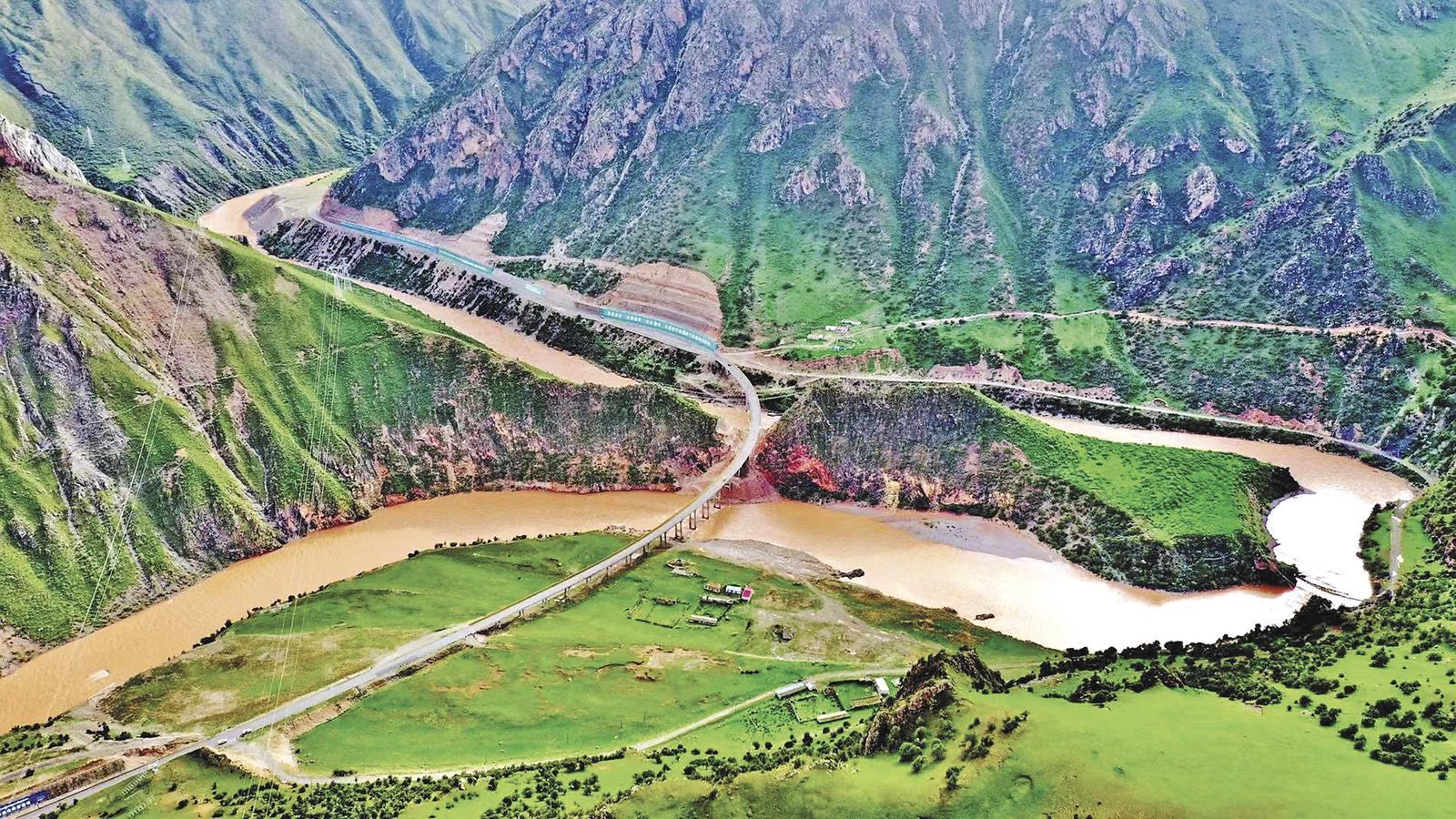
Core Viewpoint - The article discusses the key themes and initiatives presented during the annual meeting of the People's Congress and the Chinese People's Political Consultative Conference in Qinghai, emphasizing ecological priority, modern industrial development, and improvements in people's livelihoods as essential components of the province's modernization efforts [6][12]. Group 1: Ecological Priority - The concept of ecological priority and green development is highlighted as a fundamental aspect of Qinghai's modernization, with a focus on establishing a natural protection system and enhancing biodiversity [6][7]. - The Three Rivers Source governance project has seen an investment of 23 billion yuan since 2005, leading to significant ecological improvements and species protection [7]. - A shift from emergency governance to systematic enhancement in ecological protection is emphasized, with proposals for a dual-engine mechanism combining national compensation and market premiums [7]. Group 2: Modern Industrial Development - The establishment of a modern industrial system is identified as a material and technical foundation for Qinghai's modernization, with a focus on developing local特色产业 (characteristic industries) [6][8]. - Qinghai has made significant advancements in the comprehensive development of salt lake resources and has become a competitive "highland green vegetable garden" due to its unique climate [9]. - The province aims to develop a "green computing" ecosystem, integrating green electricity with computing power to create a sustainable value chain [10]. Group 3: Improvements in People's Livelihoods - The article notes that the past five years have seen significant improvements in the welfare of the people in Qinghai, with stable employment and rising incomes outpacing economic growth [12][13]. - Investments of 177.5 million yuan have been made to enhance drinking water quality, benefiting over 150,000 residents [13]. - The focus on agricultural modernization is crucial, with strategies to address challenges in the livestock sector and improve the quality of ecological agriculture [14].
今年重点做好十方面工作
Xin Lang Cai Jing· 2026-01-25 19:17
Core Viewpoint - The article emphasizes the importance of implementing urban planning and promoting coordinated development in the Beijing-Tianjin-Hebei region to enhance economic stability and growth [1] Group 1: Economic Development - Strengthening domestic demand capabilities to consolidate and expand the momentum of stable economic growth [1] - Promoting deep reforms and high-level openness to enhance the driving force and vitality of high-quality development [1] Group 2: Education and Talent Development - Integrating education, technology, and talent development to build a competitive new production capacity development pattern [1] Group 3: Urban Management and Governance - Accelerating the transformation of development modes in megacities to improve urban governance and management [1] - Promoting the construction of resilient cities to strengthen the capital's safety defense [1] Group 4: Cultural and Agricultural Development - Enriching the supply of quality cultural resources to enhance the influence of the national cultural center [1] - Advancing agricultural and rural modernization to promote coordinated urban-rural regional development [1] Group 5: Environmental Sustainability - Promoting collaborative efforts in pollution reduction, carbon reduction, and green expansion to build a harmonious relationship between humans and nature [1] - Optimizing public service supply to address the immediate concerns of the populace [1]
努力推动农业农村现代化走在西部前列
Xin Lang Cai Jing· 2026-01-25 18:14
Core Viewpoint - The Central Rural Work Conference held on December 29-30, 2025, will analyze the current situation and challenges facing the "three rural issues" and deploy work for 2026, which is significant for accelerating the construction of a strong agricultural nation [1] Group 1: Agricultural Development - The agricultural sector is the foundational and advantageous industry for the Corps, which should demonstrate its responsibility and contribution in the construction of a strong agricultural nation [1] - The focus will be on addressing prominent shortcomings in the agricultural and rural sectors to promote modernization in agriculture and rural areas, aiming to lead in the western region [1] Group 2: Implementation of Policies - The implementation of the Central Rural Work Conference's spirit will be tailored to the actual conditions of the Corps, ensuring that various work deployments are effectively executed [1] - The articles published in this edition are intended for readers to learn and reference, emphasizing the importance of localized approaches in policy execution [1]
今年北京GDP预计增长5%左右
Bei Jing Shang Bao· 2026-01-25 17:25
Group 1 - The core viewpoint of the article emphasizes the ten key areas of work that Beijing aims to focus on in the upcoming year [2][3] Group 2 - The first area is to deeply implement the overall urban planning and promote the collaborative development of the Beijing-Tianjin-Hebei region [3] - The second area focuses on enhancing domestic demand capabilities to consolidate and expand the positive momentum of economic stability [3] - The third area aims to promote the integrated development of education, technology, and talent to build a competitive new productivity development pattern [3] - The fourth area involves advancing deep reforms and high-level opening up to enhance the driving force and vitality of high-quality development [3] - The fifth area is to enrich the supply of quality cultural resources and enhance the influence of the national cultural center [3] - The sixth area focuses on accelerating the transformation of development methods in mega-cities and improving urban governance [3] - The seventh area aims to promote agricultural and rural modernization to facilitate coordinated urban-rural regional development [3] - The eighth area is to optimize public service supply to address the practical concerns of the populace [3] - The ninth area emphasizes promoting pollution reduction, carbon reduction, and green expansion to build a harmonious coexistence between humans and nature in Beijing [3] - The tenth area is to comprehensively advance resilient city construction to strengthen the capital's safety defenses [3]
滕飞:解码北京农业农村现代化的三重跃迁
Xin Jing Bao· 2026-01-25 15:25
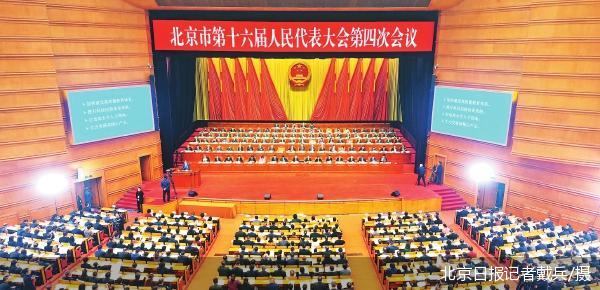
Group 1: Core Insights - The Beijing Municipal People's Congress has opened its fourth session, emphasizing the need for urban-rural integration and the promotion of high-quality agriculture in suburban areas [1] - The report outlines goals for rural revitalization, focusing on making suburban areas livable and economically viable, with an aim to create attractive rural environments [1] Group 2: Agricultural Modernization - Beijing is transforming its agriculture by focusing on high-tech, high-quality, and multifunctional urban agriculture, aiming to establish "Agricultural Zhongguancun" and "Seed Industry Capital" [2] - The city plans to leverage its technological and market advantages to shift agriculture from primary production to a modern industry that integrates research, branding, and ecological services [3] Group 3: Rural Development Characteristics - Beijing's rural development is characterized by improved infrastructure, ecological beauty, and cultural heritage, with significant advancements in waste management and public services [4] - The city has completed extensive rural beautification projects and introduced new business models and cultural events to enhance rural tourism and community engagement [4] Group 4: Future Plans for Rural Construction - By 2026, Beijing aims to create garden-style villages and improve rural transportation and water supply systems, while also focusing on the preservation of cultural resources [5] - The city plans to shift from simple tourism to deeper experiential leisure activities, promoting a more integrated approach to rural tourism [5] Group 5: Farmer Modernization and Income Growth - The modernization of agriculture includes enhancing farmers' income through targeted policies and measures, with a focus on different development paths based on local conditions [6][7] - Beijing's rural residents have seen income growth outpace urban residents for eight consecutive years, with per capita disposable income ranking among the highest in the country [7] Group 6: Future Changes for Farmers - By 2026, new policies will be introduced to further increase farmers' income, focusing on job creation and skills training to enhance their overall well-being [8] - The modernization efforts aim to ensure that both urban residents and farmers can enjoy the benefits of rural development and economic opportunities [8]
夯实中国式现代化的农业农村基础
Jing Ji Ri Bao· 2026-01-24 21:53
Core Viewpoint - The 2025 Central Rural Work Conference emphasizes the importance of agricultural modernization for China's overall modernization, urging accelerated construction of a strong agricultural nation and promoting comprehensive rural revitalization [1] Agricultural and Rural Economic Development - Agricultural production shows steady growth, with the value added in agriculture, forestry, animal husbandry, and fishery increasing by 4.1% in 2025, contributing 0.3 percentage points to economic growth [2] - Grain production reached a new high in 2025, with a total output of 14,297.5 billion jin, an increase of 167.5 billion jin or 1.2% from the previous year, maintaining over 1.3 trillion jin for 11 consecutive years [2] Income and Consumption - Rural residents' per capita disposable income reached 24,456 yuan in 2025, with a nominal growth of 5.8% and a real growth of 6.0%, indicating a faster growth rate than urban residents [3] - The income gap between urban and rural residents continues to narrow, with the ratio of per capita disposable income decreasing from 2.50 in 2021 to 2.31 in 2025 [3] Agricultural Product Prices and Trade - Agricultural product prices have generally declined, with the overall agricultural product production price index down by 3.7% year-on-year in 2025 [4] - The total import and export value of agricultural products was $311.57 billion in 2025, a decrease of 2.1% year-on-year, with exports increasing by 1.2% to $104.16 billion [5] Agricultural Technology and Innovation - The mechanization level of crop farming reached 76.7% in 2025, with agricultural technology contributing 64% to agricultural growth [6] - The number of agricultural drones exceeded 300,000, significantly aiding in reducing pesticide usage by approximately 30% [7] Rural Infrastructure and Public Services - Rural infrastructure has improved, with a 96% coverage rate for tap water in rural areas and significant investments in rural construction projects [10] - The number of rural mutual aid elderly care facilities exceeded 140,000, and 97% of village health clinics are included in the medical insurance reimbursement system [11] Future Outlook - Agricultural value-added is expected to grow at a rate of 6.32% in 2026, with urban and rural residents' disposable income projected to increase by 4.4% and 7.79%, respectively [13] - Agricultural product trade is anticipated to maintain a growth trend, with exports expected to rise by 2.29% [14]
晶采观察丨“十五五”开局!新质生产力赋能 中国农业现代化“智慧大升级”
Huan Qiu Wang· 2026-01-24 12:20
Core Viewpoint - The modernization of agriculture and rural areas in China is increasingly driven by technology and data, transitioning from traditional farming methods to data-driven practices, with a clear outline for future development [1] Group 1: Agricultural Production and Technology - By 2025, China's grain production is expected to reach 14,298 billion jin, an increase of 168 billion jin, maintaining a historical high for two consecutive years [2] - The construction and improvement of high-standard farmland will cover 7,568 million mu, with a cumulative total exceeding 1 billion mu [2] - The comprehensive mechanization rate of crop farming is projected to reach 76.7% by 2025, indicating that over 70% of field operations will be mechanized [2] - Agricultural technology's contribution rate has surpassed 64%, showcasing significant advancements in agricultural productivity [2] Group 2: Economic Impact on Rural Residents - By 2025, the per capita disposable income of rural residents is expected to reach 24,456 yuan, reflecting a 6% real growth from the previous year [3] - The improvement in income levels is attributed to the acceleration of new agricultural productivity and the development of new industries such as rural tourism and e-commerce [3] - Smart agriculture is transforming the agricultural value chain, enhancing not only production but also marketing and sales, thus increasing farmers' income [3] Group 3: Future Outlook and Strategic Goals - The strategic goal of accelerating agricultural modernization is to improve the living standards of farmers, making rural areas more attractive for long-term residence [5] - The next five years will see continued enhancement of digital infrastructure and core technologies, with smart agriculture serving as a key driver for rural revitalization [5] - The vision for agricultural modernization is to create a vibrant rural environment that is desirable for living and working, marking a significant transformation in the agricultural sector [5]