Web3.0

Search documents
2025年资产代币化:Web3.0时代的金融新范式研究报告
Sou Hu Cai Jing· 2025-09-14 11:45
Core Insights - The report discusses asset tokenization as a new financial paradigm in the Web3.0 era, exploring its implications, development paths, and connections to past financial innovations [1][2][6]. Group 1: Asset Tokenization Overview - Asset tokenization involves packaging and segmenting both crypto assets and real-world assets into tokens on the blockchain, characterized by programmability, composability, and atomic settlement [2][6]. - The process of asset tokenization is similar to asset securitization, requiring the selection of blockchain platforms, smart contract development, and data integration [2][6]. - The emergence of decentralized finance (DeFi) based on asset tokenization is significant for the integration of virtual and real worlds, potentially leading to disintermediation of traditional financial systems [2][6]. Group 2: Regulatory Framework - Regulatory frameworks for asset tokenization have been established in regions like Europe and Hong Kong, with the U.S. passing three key bills in 2025 to create a foundational regulatory structure [2][6]. - The report highlights the systemic risks, moral hazards of intermediaries, and regulatory gaps associated with asset tokenization, particularly questioning the stability of stablecoins [2][6]. Group 3: Historical Context and Financial Innovation - The report draws parallels between asset tokenization and past financial innovations, such as asset securitization, which aimed to create a complete market despite the absence of perfect market conditions [1][2][6]. - Historical financial innovations have often been accompanied by risks and crises, suggesting that significant advancements towards a complete market require robust regulatory measures and risk management strategies [2][6]. Group 4: Future Implications - The report posits that humanity is entering a new era of virtual and real-world integration, where asset tokenization will play a crucial role in shaping the new economic and social landscape [2][6]. - It emphasizes the need for countries to balance regulation and innovation to seize opportunities presented by asset tokenization in the context of Web3.0 [2][6].


2025年资产代币化:Web3.0时代的金融新范式研究报告-NIFD
Sou Hu Cai Jing· 2025-09-13 21:40
Core Insights - The report by the National Institute of Financial Development (NIFD) focuses on the development logic, market status, risks, challenges, and future trends of asset tokenization in the Web 3.0 era, analyzing its transformative significance for the traditional financial system and providing references for industry participants and regulators [1]. Group 1: Development Logic and Market Status - The core logic of asset tokenization stems from the pursuit of a "complete market" as defined by Arrow-Debreu, utilizing blockchain technology to package and segment virtual crypto assets with real assets into programmable, composable, and atomic settlement tokens, thereby reducing transaction costs and approaching the ideal financial market [1]. - Compared to asset securitization, tokens possess three key characteristics: programmability, composability and divisibility, and 24/7 atomic settlement, which enhance resource time allocation efficiency and position them as the foundation of decentralized finance (DeFi), potentially replacing traditional banking and capital market systems in the future [1][2]. - As of Q1 2025, global Web3 wallet users are expected to reach 580 million, with a market value exceeding $4.3 trillion, indicating the large-scale application of asset tokenization across various sectors, including industrial internet [2]. Group 2: Types and Applications of Asset Tokenization - Asset tokenization is clearly categorized, with stablecoins (primarily fiat-collateralized, such as USDT) serving the value exchange function between virtual and real worlds, while non-stablecoins include cryptocurrencies (like Bitcoin), smart contract platform tokens (like RWA), and non-fungible tokens (NFTs) [2]. - The process of asset tokenization involves packaging assets, locking them in smart contracts, and cross-chain data integration, with Ethereum and Solana being the primary technical carriers [2]. Group 3: Risks and Regulatory Challenges - Asset tokenization faces three core risks: systemic risk due to the immutability of on-chain smart contracts and potential cross-chain failures; moral hazard from centralized power among on-chain verification nodes and oracle service providers; and regulatory gaps, particularly in cross-border coordination [3]. - The liquidity risk of stablecoins has been highlighted by events such as the collapse of TerraUSD in 2022 and the price fluctuations of USDC in 2023, exposing vulnerabilities in reserve asset liquidity and financing [3]. Group 4: Future Trends - Asset tokenization is expected to usher in a "new era of virtual-real integration," with the U.S. leveraging stablecoins to support government debt and create a unified tokenized capital market, thereby reinforcing the dominance of the U.S. dollar [3][7]. - The report emphasizes that while asset tokenization may trigger crises, it remains an inevitable direction for financial innovation, necessitating improved regulatory frameworks and enhanced international cooperation to support its role as a core pillar of the digital economy [3][8].

光宇完成天使轮融资,投前估值10亿元,创天使轮估值新纪录!
Sou Hu Cai Jing· 2025-09-12 07:53
Group 1 - The core viewpoint of the news is that Guangyu Cloud Technology Co., Ltd. has successfully completed a multi-million yuan angel round financing, with a pre-investment valuation of 1 billion yuan, indicating strong market confidence in the company's future potential [1][3] - The financing will primarily be used for core technology development, high-end talent recruitment, commercialization expansion, and acceleration of industrialization [1] - Guangyu is positioned as a leading global innovative technology company, focusing on the research and development of controllable underlying technologies for the Web 3.0 era, particularly in distributed storage, distributed computing, and artificial intelligence [3] Group 2 - Prior to this financing, Guangyu had already secured over 10 billion yuan in intended orders, which underscores the recognition of its technological capabilities and product services [3] - The company aims to build a large-scale distributed computing and storage network that will serve as a world-class digital infrastructure, emphasizing safety, cost-effectiveness, trustworthiness, and efficiency compared to centralized systems [3] - Following the rapid development, Guangyu plans to initiate the next round of financing to further enhance its core competitiveness and promote the widespread application of Web 3.0 technology [4]
究竟用什么 迎接AI的“军备”之旅
Sou Hu Cai Jing· 2025-09-11 17:55
Group 1 - The core viewpoint emphasizes that the recent massive capital expenditure by OpenAI has ignited enthusiasm for AI-driven growth, significantly impacting companies like Oracle, which saw its remaining performance obligations (RPO) surge to $455 billion, leading to a 36% stock price increase [1] - The AI-driven growth is described as a "arms race," with various tech giants like Broadcom and Google positioned to benefit from this trend [1] - Tesla is highlighted as transforming from an electric vehicle company to an AI-driven innovation company, with significant developments in robotics and autonomous driving technology [1] Group 2 - The article discusses the perception of a bubble in the AI sector, suggesting that market enthusiasm, while potentially bubble-like, serves as a ticket to the unknown, allowing for trial and error among participants [2] - It is noted that the journey towards AI is not merely a continuation of existing economic structures but requires new designs and tools to meet emerging demands [3] - The need for a clear understanding of AI as a technological leap rather than a continuous function is emphasized, indicating that existing economic ecosystems must evolve based on fundamental principles [3] Group 3 - The article stresses the importance of creating an environment that fosters individual creativity and innovation, advocating for reduced market entry barriers and fair competition [4] - It highlights that AI competition transcends geographical boundaries, necessitating a reevaluation of regulatory frameworks to manage the complexities introduced by AI and Web 3.0 [4][5] - The core competitive focus in the AI arms race is on the clear definition and description of demand, which requires a supportive institutional framework for entrepreneurial freedom [5] Group 4 - The competition in the AI arms race is characterized as not just a battle for computational power and data but also a cognitive transformation that requires a respectful and responsive competitive order for entrepreneurs [6]
高伟达(300465):AIAgent和智能金融大数据服务打造新成长曲线
GUOTAI HAITONG SECURITIES· 2025-09-11 13:15
Investment Rating - The report initiates coverage with an "Accumulate" rating for the company [5]. Core Views - The company, a veteran in the banking IT service sector with over 20 years of experience, is expected to create a new growth curve through AI Agent and intelligent financial big data services [2][11]. - The target price for 2026 is set at 30.69 CNY, based on a combination of PE and PS valuation methods, considering the growth potential of the company's innovative business [11][24]. Financial Summary - Total revenue is projected to decline from 1,404 million CNY in 2023 to 1,176 million CNY in 2024, before rebounding to 2,545 million CNY by 2027, reflecting a CAGR of 26.5% from 2025 to 2027 [4][12]. - Net profit attributable to the parent company is expected to grow significantly from 29 million CNY in 2023 to 232 million CNY in 2027, with a notable increase of 148.8% in 2026 [4][12]. - Earnings per share (EPS) are forecasted to rise from 0.06 CNY in 2023 to 0.52 CNY in 2027 [4][12]. Business Overview - The company is a leading provider of IT solutions for the financial industry, primarily serving banks, insurance, and securities firms, with a strong market presence in credit and risk management systems [25]. - The company has established a partnership with Ant Group to explore AI applications in banking, aiming to enhance its service offerings and operational efficiency [11][29]. Strategic Initiatives - The establishment of an AI and financial big data division aims to develop a leading financial AI Agent application service platform, transitioning to a profit-sharing operational model [11][31]. - The strategic investment in DACS positions the company as a bridge to integrate traditional financial systems with Web3.0 and digital currency [11][32]. Earnings Forecast and Valuation - Revenue growth is anticipated across various business segments, with software services expected to grow at 10% in 2025, while innovative business revenue is projected to increase significantly [15][18]. - The company is valued using both PE and PS methods, with a projected PE of 110x for 2026, leading to a reasonable valuation of 27.36 CNY per share [20][22].

美国 TikTok 公会:打破常规,探索直播行业的新边界
Sou Hu Cai Jing· 2025-09-10 10:49
Core Insights - The U.S. market is projected to be the "ultimate battlefield" for TikTok's global strategy, with 170 million monthly active users and an average daily usage time exceeding 90 minutes, alongside single live-stream tipping exceeding $500,000 [1] Group 1: Policy Pressure - The U.S. government's "sell or ban" policy on TikTok has pushed agencies to the limits of compliance, leading to the establishment of a three-tiered protection system by leading agencies [3] - A case study shows that a certain agency developed a "Teen Mode 2.0" to comply with the Children's Online Privacy Protection Act (COPPA), reducing the proportion of teenage users from 25% to 8% while increasing the conversion rate of paying parents by 40% [3] Group 2: Cultural Barriers - U.S. users have shifted from entertainment consumption to value recognition, requiring agencies to achieve breakthroughs through "cultural deconstruction, symbol reorganization, and scene reconstruction" [4] - A case study highlights an agency's "money-saving strategy live stream" series, which attracted over 500,000 participants and increased partner sales by 300%, generating over $2 million in monthly revenue [4] Group 3: Technological Internal Competition - Agencies in the U.S. have seen their technology investments exceed 40% of operational costs, forming a complete technology matrix of "AI toolchain, quantum algorithms, and metaverse infrastructure" [7] - A case study reveals that an agency developed an "AI product selection brain" that predicted a surge in demand for "recyclable tableware," leading to over $2 million in sales during a single live stream with a profit margin exceeding 90% [7] Group 4: New Profit Models - U.S. agencies have built a comprehensive monetization system encompassing "live tipping, e-commerce sales, brand collaborations, and membership subscriptions" [8] - A case study shows that an agency partnered with Tiffany for a jewelry live stream, achieving over $2 million in GMV with a profit margin exceeding 90% [8] Group 5: Future Warfare - Leading agencies are integrating Web 3.0 concepts into their operations, including the use of AI digital avatars and quantum computing for predictive analytics [8] - A case study indicates that an agency created 1,000 localized virtual hosts at a fraction of the cost of real hosts, generating $370,000 in monthly revenue while 90% of viewers remained unaware of the hosts' virtual nature [8] Conclusion - By 2025, TikTok agencies in the U.S. have transformed from simple traffic intermediaries into technology conglomerates that integrate quantum computing, metaverse infrastructure, and geopolitical considerations, redefining the boundaries of entertainment live streaming [10]

李鸣:稳定币是支付工具,不是理财产品
Feng Huang Wang Cai Jing· 2025-09-10 09:18
Core Insights - The event "25th Investment Fair · Phoenix Network Wutong Night Talk" focused on investment opportunities and industry trends in the context of global dynamics [1] - Li Ming, Executive President of the Hong Kong Web 3.0 Standardization Association, provided insights on stablecoins, defining them as digital equivalents of traditional currencies used for transactions in blockchain environments [1][2] Summary by Sections Definition and Characteristics of Stablecoins - Stablecoins are designed to maintain stable value, often pegged to fiat currencies like the US dollar or Hong Kong dollar, unlike volatile cryptocurrencies [1] - They are not investment products but payment tools, backed by fiat assets held in third-party custody to ensure redemption capability [1] Applications and Use Cases - The choice of stablecoin depends on the specific use case; for instance, USD stablecoins are prevalent in North America, while offshore RMB stablecoins could be beneficial along the Belt and Road Initiative [2] - Stablecoins can significantly reduce costs and enhance efficiency in cross-border trade, facilitating faster transactions compared to traditional methods [2] Regulatory Environment and Future Outlook - The regulatory framework for stablecoins is still evolving, with different countries implementing varying regulations and requiring issuers to obtain licenses [1][3] - Over the next 5 to 8 years, stablecoins are expected to become a crucial financial infrastructure for the next generation of the internet (Web 3.0) as technology matures and regulatory frameworks develop [3]
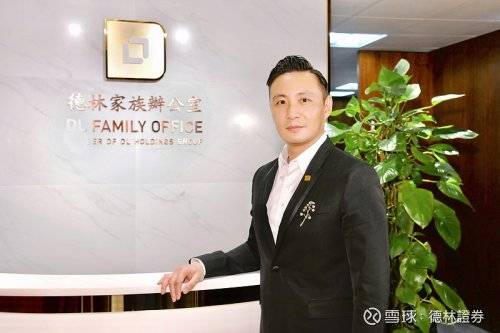
德林控股陈宁迪:拥抱优质金融资产,拥抱未来!
Sou Hu Cai Jing· 2025-09-10 05:51
Core Viewpoint - The article discusses the significant gap between the heated discussions around Real World Assets (RWA) and their actual implementation, highlighting the potential to bring trillions of dollars in physical assets into the blockchain space, thus initiating a new era of value interconnection [2]. Group 1: Compliance Costs - The compliance costs for issuing RWA are extremely high due to the "same risk, same regulation" principle adopted by Hong Kong regulators, which leads to initial RWA projects being concentrated in low-risk standardized products like money market funds and government bonds [3]. - Once RWA assets move beyond these low-risk products, compliance costs increase exponentially, as seen with Robinhood's attempt to tokenize standardized assets in Europe, which drew regulatory scrutiny [3]. - Many RWA projects in Hong Kong involve assets located in mainland China, adding extra regulatory costs related to sensitive data and cross-border capital [3]. Group 2: Investor Behavior - Currently, RWA projects in Hong Kong's sandbox are limited to qualified investors, primarily institutions, which leads to more rational investment decisions and reduces the likelihood of speculative behavior [4]. - An example is provided where a real estate token financing project failed due to the high premium over market value, demonstrating that qualified investors are less likely to take risks compared to retail investors [5]. Group 3: Future Outlook - The company expresses optimism about the future of RWA projects, citing the proven credibility of blockchain technology in providing decentralized trust and the potential for tokenizing quality assets to lower transaction costs [6]. - The ultimate goal is to democratize access to high-quality assets, which are currently monopolized by traditional financial institutions, aligning with the direction of Hong Kong's Web3.0 efforts [6].
【产业互联网周报】 《上海合作组织成员国元首理事会关于进一步深化人工智能国际合作的声明》发布;工信部:前7个月软件业务收入83246亿元,同比增长12....
Tai Mei Ti A P P· 2025-09-08 02:52
Domestic News - Meituan officially released and open-sourced LongCat-Flash-Chat, featuring an innovative Mixture-of-Experts architecture with a total of 560 billion parameters and an activation parameter range of 18.6 billion to 31.3 billion [2] - Tsinghua University and other institutions open-sourced RLinf, a large-scale reinforcement learning framework for embodied intelligence, achieving over 120% system speedup compared to other frameworks [3] - A batch of national standards related to AI-generated content identification and safety measures for electric bicycles will be implemented starting September 1, aimed at promoting healthy development in emerging industries [4] - Beijing Data Group is expected to be officially listed soon, with a registered capital of 3 billion yuan, focusing on big data services and AI public service platform technology consulting [5][6] - Sanwei Xinan is actively laying out Web3.0 applications, focusing on stablecoins and RWA, and has established itself as a vice-chairman unit of the Hong Kong Web3.0 Standardization Association [7] - Alibaba launched the AgentScope 1.0 framework for multi-agent development, providing a comprehensive solution for the entire lifecycle of intelligent applications [8] - Tencent announced the open-sourcing of the Youtu-Agent framework, which does not require additional model training and is based entirely on the open-source ecosystem [9] - Tencent released the HunyuanWorld-Voyager model, the first to support native 3D reconstruction for virtual reality and gaming applications [10] - Digital China is expanding into the robotics industry and has formed partnerships with leading companies in the field [11] - ByteDance plans to issue stock options to its Seed department, focusing on large model technology personnel [12] - Douyin established a new company focused on AI applications in healthcare, with a registered capital of 100,000 yuan [13] Financing and Mergers - Obita completed over 10 million USD in angel round financing, with funds aimed at core system development and market expansion [25] - New Unisplendour Group established a high-tech company with a registered capital of 10 million yuan, focusing on integrated circuit design and sales [26] - Ant Group's subsidiary invested in Xinyuan Semiconductor, increasing its registered capital from approximately 46.5 million yuan to about 50.3 million yuan [27] - AI company Anthropic raised 13 billion USD in a new funding round, increasing its valuation to 183 billion USD [28] - OpenAI agreed to acquire product testing startup Statsig for 1.1 billion USD in stock, marking one of its largest acquisitions [29] Policies and Trends - The National Development and Reform Commission plans to issue "AI vouchers" to promote the use of intelligent terminals and reduce R&D costs [33] - The Ministry of Industry and Information Technology announced plans to support the development of high-performance AI training and inference chips [44] - The Ministry of Industry and Information Technology reported that software business revenue reached 83.246 billion yuan in the first seven months, a year-on-year increase of 12.3% [41] - The Ministry of Industry and Information Technology indicated that internet enterprises achieved a total profit of 93.88 billion yuan in the first seven months, a year-on-year decrease of 1.8% [42] - Shanghai is organizing the 2025 "AI+" action project application, focusing on enhancing AI capabilities and promoting industry development [45] - The National Standards Committee plans to revise over 4,000 national standards in fields such as AI and IoT [46]



3亿押注以太坊,马云在下一盘什么棋?
商业洞察· 2025-09-05 09:22
Core Viewpoint - The article discusses the recent strategic move by Yunfeng Financial, which invested $44 million to purchase 10,000 Ethereum (ETH), signaling a potential shift in the company's direction and a renewed focus on digital finance under Jack Ma's influence [5][10]. Group 1: Company Background - Yunfeng Financial, originally established as Wansheng International Securities in the 1980s, has evolved into a significant player in the financial sector, particularly after its acquisition by Jack Ma and his partner Yu Feng in 2015 [6][9]. - The company has been relatively quiet in the capital markets since its acquisition of a 60% stake in Wan Tong Insurance for HKD 3.9 billion in 2018, leading to a prolonged period of low stock performance [8][9]. Group 2: Recent Developments - The announcement of the Ethereum purchase has reignited investor interest, with Yunfeng Financial's stock price increasing by 239% since the beginning of the year, reflecting market optimism regarding Jack Ma's return and the company's strategic repositioning [13]. - The company aims to leverage Ethereum not just as a speculative asset but as a foundational technology for future business applications, particularly in automating financial processes through smart contracts [15][16]. Group 3: Strategic Implications - The investment in Ethereum aligns with Yunfeng Financial's broader strategy to explore Web 3.0, digital currencies, and real-world asset (RWA) tokenization, positioning itself as a comprehensive financial technology group [10][17]. - The recent regulatory developments in Hong Kong, including the introduction of stablecoin regulations, provide Yunfeng Financial with a unique opportunity to legally engage in digital asset operations, enhancing its competitive edge [17][23]. Group 4: Future Outlook - The integration of Yunfeng Financial's existing financial services with emerging technologies could lead to innovative products such as "on-chain Yu'ebao," international digital insurance, and tokenized funds, creating a closed-loop ecosystem from funding to payment [21][22]. - Hong Kong's regulatory environment and its status as a global financial hub make it an ideal testing ground for these new business models, potentially allowing Yunfeng Financial to expand its influence across Southeast Asia, the Middle East, and Europe [23].