
京津冀协同发展

Search documents
开局定胜势,北京“十五五”蓄力突破|北京经济新航标
Xin Lang Cai Jing· 2026-02-05 12:19
清晨的北京亦庄,北汽蓝谷工厂的智能车间里,机械臂精准舞动,每45秒就有一辆新能源汽车驶下生产线;前门大街的"非遗年货节"上,老艺人的糖画摊 位前人头攒动,年轻游客举着手机记录这份年味;京唐城际铁路的车厢内,做建材生意的张先生正翻看着合同,1小时直达唐山的通勤效率,让跨城办公 成为日常…… 2026年,"十五五"规划的开局之年,春潮涌动的京城大地上,这样的活力场景处处可见。从产业车间到消费市场,从协同战场到民生一线,北京以两会精 神为指引,锚定"地区生产总值增长5%左右"的目标,让新质生产力的引擎高速转动,让京津冀协同的脉络愈发清晰,更让高质量发展的成果浸润千家万 户。这座城市,正以稳中有进、质效双升的姿态,书写着新时代的发展答卷。 (全5022字,阅读需要18分钟) 记者|朱开云 新质生产力支撑 "以前造芯片,核心环节得跑遍大半个中国,现在在亦庄就能完成从设计到封装的全链条配套。"北京一家半导体产业链企业负责人道出了北京高精尖产业 集群的崛起密码。这家专注高可靠通信芯片研发的企业,自2021年迁入亦庄后,收入规模增长了十几倍,背后正是北京日益完善的产业生态支撑。 (来源:半两财经) 2026年,北京将新质生产 ...

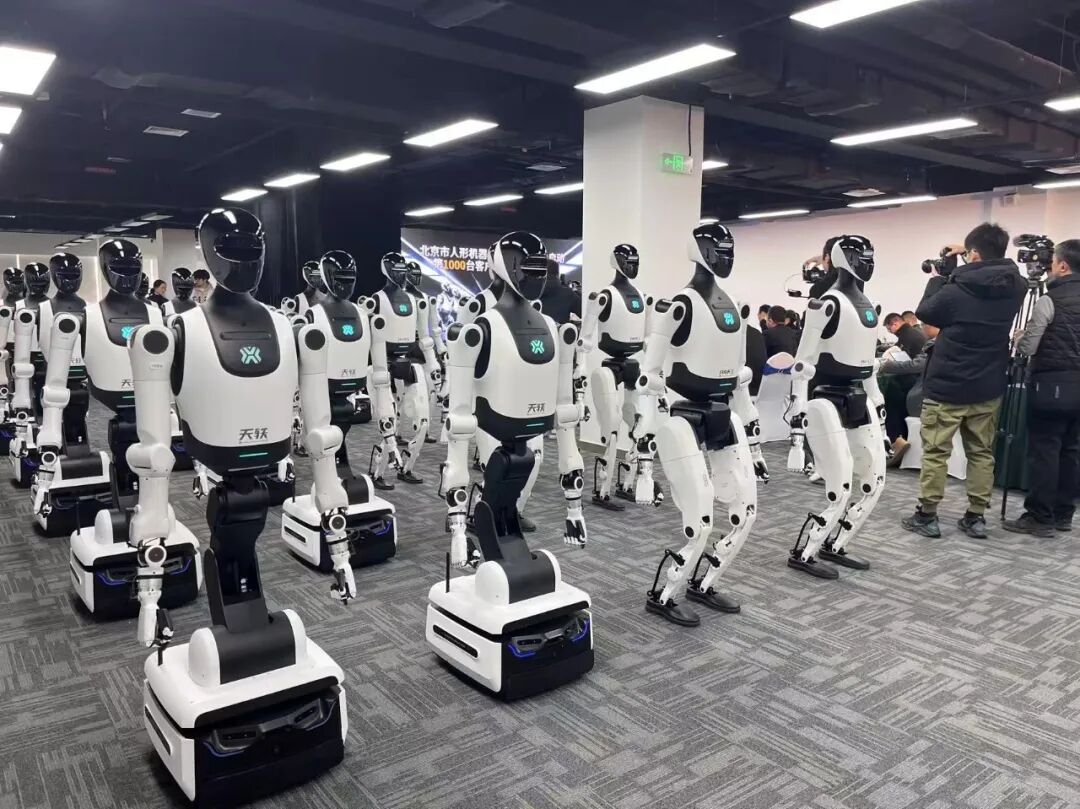
(经济观察)唱好京津“双城记” 天津投身同城化行动
Zhong Guo Xin Wen Wang· 2026-02-05 12:02
(经济观察)唱好京津"双城记" 天津投身同城化行动 中新社天津2月5日电 (记者 王君妍 杨子炀)京津冀三地联合编制的《现代化首都都市圈空间协同规划 (2023-2035年)》(简称《规划》)近日正式获批。作为现代化首都都市圈的重要一极,天津将至少在三方 面发力。 其一,对标同城化目标,交通提能与服务协同并进。 《规划》明确了现代化首都都市圈"三步走"路线图:到2030年京津同城化发展效应逐步显现,到2035年 同城化效应不断增强,到2050年京津同城化发展取得显著成效。对天津而言,如何把同城化目标拆解为 可落地的路径与抓手,成为融入现代化首都都市圈的一个重要课题。 天津社会科学院经济分析与预测研究所所长、研究员董微微接受中新社记者采访时称,京津双城通过加 强规划、政策、标准等方面的衔接协同,实现了从"物理对接"向"制度融合"的转变,为要素在都市圈内 自由流动提供了坚实保障。 其二,放大同城化效应,推动创新转化与产业联动提速。 唱好京津"双城记",于天津自身意味着城市能级与发展逻辑的再调整。随着同城化效应逐步显现,天津 在承接北京资源外溢的同时,也要提升要素配置与平台承载能力。 同城化将使得创新要素流动与产业 ...
首都都市圈规划发布,天津迎三重发展新机遇
Zhong Guo Xin Wen Wang· 2026-02-05 12:01
Core Viewpoint - The approval of the "Modern Capital Urban Circle Spatial Collaborative Planning (2023-2035)" marks a new phase in the coordinated development of the Beijing-Tianjin-Hebei region, aiming to build a world-class urban circle [1] Group 1: Strategic Goals - Tianjin aims to leverage the strategy of promoting coordinated development with Beijing as a primary focus, transitioning from a "defensive" role to a "frontline" position in enhancing its competitiveness [1] - The planning outlines a spatial structure of "one core, two wings, dual cities, multiple points, dual corridors, and multiple circles," emphasizing high-quality development in the Beijing-Tianjin urban relationship [1] Group 2: Industrial Innovation - The planning proposes a "two corridors, four belts" industrial collaborative innovation framework, positioning the "Beijing-Tianjin Corridor" as a hub for intellectual density and open innovation [2] - Tianjin is embedding itself into the innovation network centered around Beijing, accelerating the "Beijing R&D, Tianjin transformation" model, particularly in emerging industries like biomedicine and aerospace [2] Group 3: Transportation Hub - The planning emphasizes the construction of "eight corridors and two rings" for transportation, solidifying Tianjin's role as a maritime gateway and comprehensive transportation hub for the Beijing-Tianjin-Hebei region [2] - The designation of Tianjin as the "Northern International Shipping Core Area" aims to elevate Tianjin Port to a first-class smart and green port, enhancing economic activity through integrated logistics and trade [2] Group 4: Urban Functionality - The planning integrates Tianjin's central urban area and Binhai New Area into the capital urban circle's "functional circle," promoting internal and external functional collaboration [3] - Tianjin is set to enhance public services and business environments, thereby increasing its overall urban capacity and attractiveness [3] Group 5: Action Pathways - Tianjin's "14th Five-Year Plan" outlines a clear action path focused on integrating into the three major "circles" of the capital urban area, enhancing collaborative interfaces in industrial, commuting, and functional spheres [3][4] - The city aims to strengthen its unique advantages by developing a world-class smart green port and modern industrial systems, while also fostering financial services related to aircraft and ship leasing [3] Group 6: Soft Connectivity - The planning encourages "soft connectivity" with Beijing and Hebei in terms of rules, standards, and administrative services, facilitating cross-province operations [4] - The transition from "physical docking" to "institutional integration" is expected to enhance the efficiency of resource allocation within the urban circle [4]
GDP首破5万亿元——北京探索超大城市发展动力之变
Jing Ji Ri Bao· 2026-02-04 22:10
Core Viewpoint - Beijing is transitioning from a phase of rapid economic growth to high-quality development, aiming to balance stable growth with transformation while achieving a GDP of 52,073.4 billion yuan by 2025, reflecting a 5.4% increase from the previous year [1] Economic Growth Dynamics - New driving forces have become crucial for economic growth in Beijing, with a focus on the transformation of industrial structure and innovation density [2][3] - The scale of high-tech industries in Beijing is projected to reach over 1.8 trillion yuan by 2025, accounting for 35.2% of the city's GDP, contributing approximately 60% to overall economic growth [2] - The core AI industry in Beijing is expected to reach 450 billion yuan by 2025, with over 2,500 AI companies operating in the city [3] Consumer Trends - The demand side of the economy is stable and upgrading, with service consumption accounting for nearly 60% of resident spending by 2025, and online retail sales exceeding 40% of total retail sales [4] - There is a shift in consumer behavior from functional consumption to emotional value, with a focus on experiential consumption [4][5] Collaborative Development - Beijing's economic growth is part of a broader regional collaboration with Tianjin and Hebei, enhancing transportation integration and ecological cooperation [6][7] - The output of technology contracts from Beijing to Tianjin and Hebei is projected to grow from over 7 billion yuan in 2013 to over 99 billion yuan by 2025, indicating improved regional collaboration [7] - The development of a modern capital metropolitan area is emphasized, with a focus on alleviating non-capital functions and enhancing collaborative innovation [7]

“天津,是我们走向世界的福地”
Xin Lang Cai Jing· 2026-02-04 21:35
记者从武清区了解到,作为全球三大地毯产业聚集区之一的武清区崔黄口镇,去年10月组织镇内26家优 质地毯企业抱团出征第138届广交会,不仅在绿色创新赛道再获突破,最终还以全产业链的硬核实力斩 获约1000万美元意向订单,充分体现了京津冀协同发展的合力效应。深耕津冀十余载,以雅文地毯为代 表的京津冀企业的发展轨迹早已与三地协同发展战略深度绑定。"16年前,公司选择落户天津武清崔黄 口,正是看中这里打造世界级地毯园区的蓝图。如今看来,这步棋走对了!"袁志华感慨道。京津冀协 同发展以来,不仅企业得以发展壮大并在国际舞台大放异彩,他和员工的个人成长空间也得到更大提 升。如今,不仅袁志华身兼天津市地毯行业协会副会长、中国工艺美术协会地毯专业委员会委员等行业 要职,他的多位员工近年来也陆续斩获多个国际大奖。"京津冀协同发展给企业和个人都带来了良好机 遇。"他说。 每每站在公司的企业文化展室,袁志华总是感慨万千。从24年前在石家庄创办贸易公司,到2010年扎根 天津建立生产基地,再到如今公司年产值超2亿元、带动上下游就业逾万人,企业的成长见证着两地协 同发展的丰硕成果——石家庄的设计团队专注创新,目前已积累自主设计图案一万余 ...
京津冀三大空间圈层联动发展
Bei Jing Wan Bao· 2026-02-04 06:54
三地共谋凝聚发展共识 党的十八大以来,在以习近平同志为核心的党中央集中统一领导下,各方凝心聚力、通力合作,京津冀 协同发展取得显著成效,以首都为核心的世界级城市群主干构架基本形成,首都规划体系"四梁八柱"建 立完善。 面向"中国式现代化建设的先行区、示范区"的时代使命和"建设一个什么样的首都,怎样建设首都"的时 代课题,《现代化首都都市圈空间协同规划(2023—2035年)》应运而生,由北京市、天津市、河北省 联合编制。三地多次组织专家咨询和论证会,联合开展实地调研,最大程度凝聚了京津冀协同发展的共 识。 何为首都都市圈?《规划》科学划定约4.2万平方公里的规划实体范围,提出构建"一核两翼、双城多 点、双廊多圈"的空间格局。"一核两翼"发挥牵引支撑作用,有序推动北京非首都功能疏解,提升区域 对首都功能的服务保障能力。围绕京津双城和河北唐山、保定等多个节点城市,推动大中小城市和小城 镇协调发展,优化形成分工协作、功能完善的城镇化空间格局。依托京津、京雄走廊和多个圈层,形成 区域协同高质量发展、空间治理能力提升的发展结构。 "四区一引擎"是《规划》明确的战略定位。首都都市圈要建设成为优化提升和服务保障首都功能的重 ...
首都都市圈范围定了
21世纪经济报道· 2026-02-04 05:49
Core Viewpoint - The article discusses the approval of the "Modern Capital Urban Circle Spatial Coordination Plan (2023-2035)" by the Central Committee of the Communist Party of China and the State Council, highlighting the significant progress in the decongestion of non-capital functions in Beijing and the transformation of its development model [1][2]. Group 1: Development Goals - The plan outlines three stages of development goals: by 2030, significant progress in the construction of the modern capital urban circle will be achieved, with improvements in managing "big city diseases" and the gradual emergence of the Beijing-Tianjin integration effect [1] - By 2035, the basic framework of the modern capital urban circle will be formed, with notable success in managing "big city diseases" and enhanced urban-rural planning and governance integration [1] - By 2050, the modern capital urban circle will be fully established as a world-class urban circle centered around the capital, demonstrating significant achievements in the integration of Beijing and Tianjin [1] Group 2: Urban Circle Structure - The capital urban circle is defined as an organic whole that supports each other, aiming to create a spatial pattern of "one core, two wings, dual cities, multiple points, and dual corridors with multiple circles" [1] - The plan emphasizes the importance of a clear and reasonable multi-layered structure, including commuting circles, functional circles, and industrial collaboration circles [10] - The commuting circle is highlighted, covering an area of approximately 27,000 square kilometers, including parts of Beijing, Tianjin, and several cities in Hebei province [10] Group 3: Economic and Industrial Development - The plan addresses the need to enhance development momentum, noting the aging population in the capital and the declining share of GDP and population in the Beijing-Tianjin-Hebei region [13] - It emphasizes the role of technological innovation in driving development and the importance of cultivating new productive forces [13] - The plan proposes the construction of the Beijing-Tianjin and Beijing-Xiong'an corridors to develop new productive forces, with a focus on high-quality development and innovation [13][14] Group 4: Transportation Integration - The plan outlines the "Eight Corridors and Two Rings" transportation network, which aims to strengthen rapid connectivity between cities through major transportation corridors [11] - The focus on transportation integration is seen as crucial for commuting and industrial collaboration within the capital urban circle [11] - The plan's transportation strategies are more specific and detailed compared to previous documents, aiming to facilitate the movement of people and goods effectively [11]
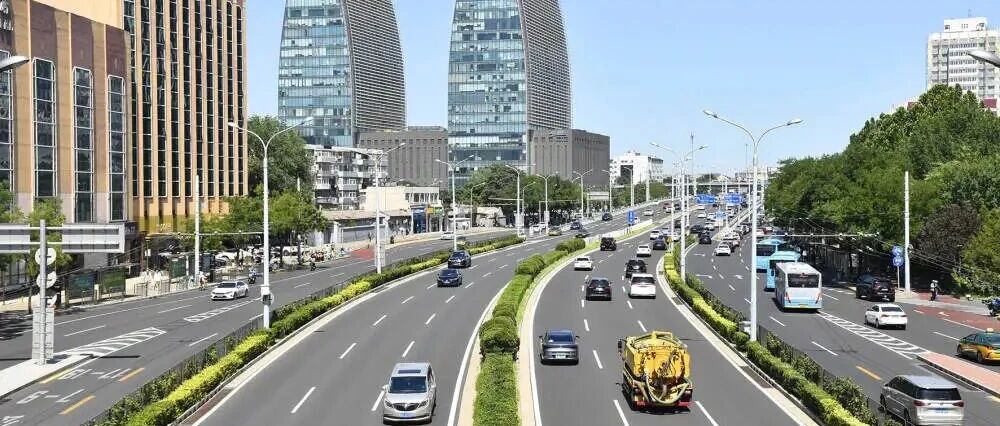
《现代化首都都市圈空间协同规划(2023—2035年)》正式公布
Xin Hua She· 2026-02-04 01:51
《现代化首都都市圈空间协同规划(2023—2035年)》3日公布。这是全国首个由中共中央、国务院批复 的都市圈规划,也是时隔5年中共中央、国务院批复的又一部首都规划。 面向"中国式现代化建设的先行区、示范区"的时代使命和"建设一个什么样的首都,怎样建设首都"的时 代课题,《现代化首都都市圈空间协同规划(2023—2035年)》由京津冀三地联合编制。规划提出,到 2035年,现代化首都都市圈构架将基本形成;到2050年,现代化首都都市圈将全面建成,成为以首都为 核心的世界一流都市圈、先行示范中国式现代化的首善之区。 规划科学划定约4.2万平方公里首都都市圈实体范围,提出构建"一核两翼、双城多点、双廊多圈"的空 间格局。其中,"一核两翼"发挥牵引支撑作用,有序推动北京非首都功能疏解,提升区域对首都功能的 服务保障能力。围绕京津双城和多个节点城市,推动大中小城市和小城镇协调发展,优化形成分工协 作、功能完善的城镇化空间格局。还要依托京津、京雄走廊和多个空间圈层,形成区域协同高质量发 展、空间治理能力提升的发展结构。 规划划定的空间圈层中,通勤圈强调职住协同,统筹考虑跨界通勤人口比例和综合交通可达性两个主要 因素,划 ...
《现代化首都都市圈空间协同规划(2023—2035年)》获批 谱写推进中国式现代化的京津冀新篇章(政策解读)
Ren Min Ri Bao· 2026-02-03 22:23
1月22日,《现代化首都都市圈空间协同规划(2023—2035年)》(以下简称《规划》)正式获批。这 是全国首个由党中央、国务院批复的都市圈规划,也是时隔5年多获党中央、国务院批复的又一部首都 规划。 以首都为核心的都市圈蓝图已绘就。站在京津冀协同发展的新起点上,北京市、天津市和河北省将紧紧 围绕首都功能优化提升和服务保障,坚定不移推动高质量发展,坚持一张蓝图绘到底,努力将首都都市 圈建设成为以首都为核心的世界一流都市圈、先行示范中国式现代化的首善之区,奋力谱写推进中国式 现代化的京津冀新篇章。 明确定位 三地共编一本规划 党的十八大以来,在以习近平同志为核心的党中央集中统一领导下,各方凝心聚力、通力合作,京津冀 协同发展取得显著成效,以首都为核心的世界级城市群主干构架基本形成,首都规划体系"四梁八柱"建 立完善。 面向"中国式现代化建设的先行区、示范区"的时代使命和"建设一个什么样的首都,怎样建设首都"的时 代课题,北京市、天津市、河北省联合编制了《规划》。 何为首都都市圈?《规划》科学划定约4.2万平方公里的规划实体范围,提出构建"一核两翼、双城多 点、双廊多圈"的空间格局。其中,"一核两翼"发挥牵引支撑 ...
谱写京津冀推进中国式现代化的新篇章
Bei Jing Ri Bao Ke Hu Duan· 2026-02-03 22:06
Core Viewpoint - The "Modern Capital Urban Circle Spatial Collaborative Planning (2023-2035)" has been officially approved, marking it as the first urban circle plan approved by the central government, aimed at establishing a world-class urban circle centered around the capital and promoting high-quality development in the Beijing-Tianjin-Hebei region [1][2]. Group 1: Planning and Structure - The planning document outlines a spatial structure of "one core, two wings, dual cities, multiple points, and multiple circles," covering an area of approximately 42,000 square kilometers [2][3]. - The plan emphasizes the importance of optimizing and enhancing the capital's functions while promoting coordinated development among Beijing, Tianjin, and Hebei [2][3]. Group 2: Strategic Positioning - The "four zones and one engine" strategy positions the capital urban circle as a key area for enhancing the capital's functions, a main engine for building a world-class city cluster, and a leading area for regional collaborative governance [3][4]. - The plan serves as a significant measure for advancing the Beijing-Tianjin-Hebei collaborative development strategy and is expected to provide a model for other urban circles in China [3][4]. Group 3: Spatial Circles - The plan delineates three nested spatial circles: the commuting circle, functional circle, and industrial collaboration circle, which are designed to work together in a coordinated manner [4][5]. - The commuting circle encompasses the entirety of Beijing and 12 surrounding districts, covering about 27,000 square kilometers, focusing on job-residence coordination [4][5]. Group 4: Key Development Areas - The plan identifies six key areas for collaborative development: industry, transportation, ecology, public services, cultural tourism, and safety resilience, integrating these into a unified spatial framework [8][9]. - In the industry sector, the plan aims to accelerate the establishment of an international technology innovation center in Beijing and enhance the integration of innovation, industry, finance, and talent [8][9]. Group 5: Implementation and Future Goals - The plan includes a timeline, aiming for the basic structure of the modern capital urban circle to be formed by 2035 and fully completed by 2050, establishing it as a leading area for Chinese-style modernization [10].