
加息

Search documents
日本央行:加息
财联社· 2025-12-19 03:37
日 本央行19日在货币政策会议上通过决议,决定加息25个基点,将政策利率从0.5%上调至0.75%水平,日本政策利率由此达到30年来的 最高水平。 ...

日本央行,宣布加息
第一财经· 2025-12-19 03:36
来源|央视新闻 编辑 | 钉钉 19日,日本央行结束为期两天的货币政策会议,决定将目前0.5%的政策利率上调至0.75%,为30年来最 高水平。 ...
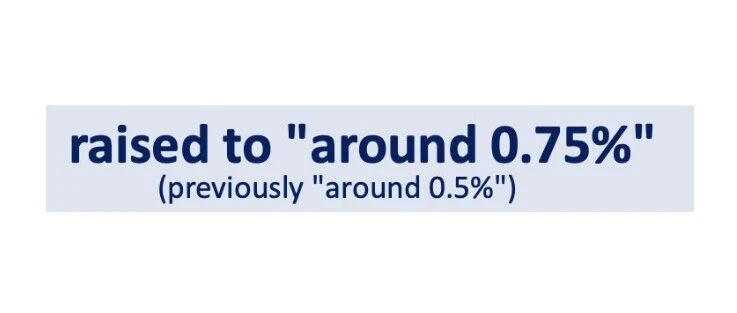
日本央行宣布加息 将政策利率上调至0.75%
Jing Ji Guan Cha Wang· 2025-12-19 03:35
经济观察网 据央视新闻消息,12月19日,日本央行结束为期两天的货币政策会议,决定将目前0.5%的 政策利率上调至0.75%,为30年来最高水平。 ...
日本央行加息25个基点 政策利率达30年来最高水平
Xin Lang Cai Jing· 2025-12-19 03:28
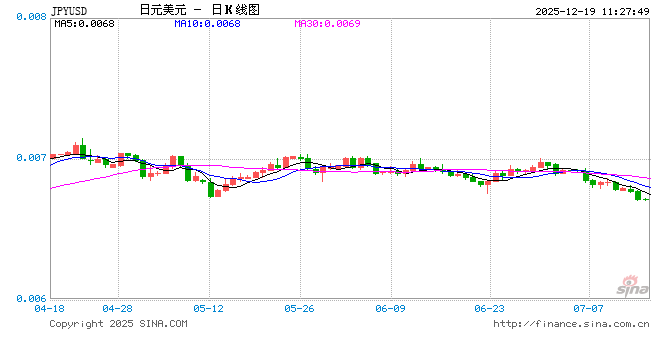
专题:日本央行12月加息箭在弦上!植田和男暗示考虑加息 热点栏目 自选股 数据中心 行情中心 资金流向 模拟交易 客户端 日本央行19日在货币政策会议上通过决议,决定加息25个基点,将政策利率从0.5%上调至0.75%水平, 日本政策利率由此达到30年来的最高水平。 责任编辑:李铁民 日本央行19日在货币政策会议上通过决议,决定加息25个基点,将政策利率从0.5%上调至0.75%水平, 日本政策利率由此达到30年来的最高水平。 责任编辑:李铁民 专题:日本央行12月加息箭在弦上!植田和男暗示考虑加息 热点栏目 自选股 数据中心 行情中心 资金流向 模拟交易 客户端 ...
分析师:更多的加息并不能保证日元会在2026年复苏
Sou Hu Cai Jing· 2025-12-19 03:01
分析师Jamie McGeever:日元兑美元是2025年表现最差的主要货币,尽管日本央行是唯一加息的主要央 行。进一步的紧缩政策并不能保证日元能逃脱干预的"危险区域"。预计日本央行将在周五继续其渐进式 紧缩周期,加息25个基点。利率 期货暗示明年还将加息约40个基点。从目前的情况来看,这将使日本 央行与澳洲联储和新西兰联储一道,成为明年10国集团中立场最强硬的央行之一。市场将密切关注日本 央行行长植田和男周五的指引,以寻找日本央行进一步收紧政策意愿的线索。但更多的加息并不能保证 日元会在2026年复苏。除了美联储之外,大多数主要央行的宽松周期已接近尾声。如果明年全球货币政 策开始收紧,其他央行可能会迅速缩小与日本央行的差距。 ...
铜冠金源期货商品日报-20251219
Tong Guan Jin Yuan Qi Huo· 2025-12-19 01:46
1. Report Industry Investment Rating No relevant content provided. 2. Core Views of the Report - Overseas, US CPI and core CPI in November dropped to 2.7% and 2.6% year - on - year, far lower than market expectations, but data credibility is questionable. The market reacted positively, with expectations of Fed rate cuts. The ECB maintained rates and was vague on easing [2]. - Domestically, the A - share market showed a structured rise with reduced trading volume, and the bond market was also divided. The short - term A - share market is expected to be volatile and weak, and the bond market's main trend is unclear [3]. - For precious metals, gold and silver prices may face adjustment risks, and platinum and palladium should not be chased at high prices due to regulatory measures and data uncertainties [4][5]. - Copper prices are expected to remain high and volatile in the short term due to mild inflation data and tight fundamentals [6][7]. - Aluminum prices are expected to rise steadily due to positive macro factors and good fundamentals [8]. - Alumina prices are expected to be weak and volatile as the supply remains abundant [10]. - Cast aluminum prices are expected to oscillate at a high level due to cost support [11]. - Zinc prices are expected to continue oscillating as there is support from inventory reduction but also pressure from market uncertainties [12]. - Lead prices are expected to maintain a narrow - range oscillation due to low inventory and cost support [14]. - Tin prices' upward momentum is weakening, and chasing high prices should be cautious [15]. - Industrial silicon prices are expected to be strong and volatile as supply and demand show marginal improvement [17]. - Steel prices are expected to follow a short - term rebound but maintain an oscillating pattern [19]. - Iron ore prices are expected to oscillate as the supply - strong and demand - weak pattern remains [20]. - Coking coal and coke prices are expected to rebound in the short term due to policy stimulation [21]. - Soybean meal and rapeseed meal prices are expected to oscillate as US soybeans continue to decline and the supply in China is sufficient [22][23]. - Palm oil prices are expected to be weak and oscillating as Indonesia's palm oil inventory decreased in October and market factors are complex [24]. 3. Summaries According to Relevant Catalogs 3.1 Macro - Overseas: US November CPI and core CPI were 2.7% and 2.6% year - on - year, lower than expected. The data's credibility is in doubt. The market expects Fed rate cuts. The ECB maintained rates and didn't give clear easing guidance [2]. - Domestic: A - shares rose with reduced volume, showing a structured market. The bond market was divided. The short - term A - share market is expected to be volatile and weak, and the bond market's main trend is unclear [3]. 3.2 Precious Metals - Gold and silver prices had a short - term rise and then a fall after the US CPI data release, facing increased adjustment risks. Platinum and palladium prices continued to rise, but the Guangzhou Futures Exchange restricted platinum futures' daily opening positions, so chasing high prices is not recommended [4][5]. 3.3 Copper - On Thursday, SHFE copper's main contract oscillated upward, and LME copper oscillated around $11,700. Mild inflation data is beneficial for a dovish stance. Fundamentally, mine restarts are slow, and inventories are low. Copper prices are expected to remain high and volatile [6][7]. 3.4 Aluminum - On Thursday, SHFE aluminum's main contract closed at 21,955 yuan/ton, up 0.25%. LME aluminum closed at $2,917/ton, up 0.38%. US inflation data boosted rate - cut expectations, and the reduction of aluminum ingot inventory verified year - end consumption resilience. Aluminum prices are expected to rise steadily [8]. 3.5 Alumina - On Thursday, alumina futures' main contract closed at 2,553 yuan/ton, up 0.12%. The supply is abundant with inventory flowing into the market and imports arriving. Alumina prices are expected to be weak and volatile [9][10]. 3.6 Cast Aluminum - On Thursday, cast aluminum alloy futures' main contract closed at 21,110 yuan/ton, up 0.45%. At the end of the year, both supply and demand decreased. Cast aluminum prices are supported by the cost of scrap aluminum and are expected to oscillate at a high level [11]. 3.7 Zinc - On Thursday, SHFE zinc's main contract oscillated narrowly. The US CPI data had a limited impact. Consumption showed resilience, and social inventory declined. However, LME had continuous small - volume warehousing. Zinc prices are expected to continue oscillating [12]. 3.8 Lead - On Thursday, SHFE lead's main contract oscillated narrowly. The supply side had a mixed situation of reduction and resumption. The terminal was in the off - season, but low inventory and cost support are expected to keep lead prices oscillating narrowly [13][14]. 3.9 Tin - On Thursday, SHFE tin's main contract oscillated strongly at night. The supply - side disturbance support weakened, and downstream acceptance of high - priced tin was under pressure. Tin prices' upward momentum is expected to weaken [15]. 3.10 Industrial Silicon - On Thursday, industrial silicon oscillated strongly. The supply side is generally stable, and the demand side shows some changes. Social inventory rose slightly. Industrial silicon prices are expected to be strong and volatile [16][17]. 3.11 Steel (Screw and Coil) - On Thursday, steel futures oscillated and rebounded. The output and apparent demand of the five major steel products were slightly adjusted, and inventory continued to decline. Steel prices are expected to follow a short - term rebound but maintain an oscillating pattern [18][19]. 3.12 Iron Ore - On Thursday, iron ore futures oscillated upward. The supply was strong with high overseas shipments and port inventory accumulation, while the demand was weak as steel mills cut production. Iron ore prices are expected to oscillate [20]. 3.13 Coking Coal and Coke - On Thursday, coking coal and coke futures rose significantly. Policy stimulation strengthened the bottom support. Coking enterprises' costs increased, and the supply was generally loose. Coking coal and coke prices are expected to rebound in the short term [21]. 3.14 Soybean and Rapeseed Meal - On Thursday, soybean meal and rapeseed meal futures showed different trends. US soybeans continued to decline, and the supply in China was sufficient. Soybean and rapeseed meal prices are expected to oscillate [22][23]. 3.15 Palm Oil - On Thursday, palm oil futures showed a mixed performance. Indonesia's palm oil inventory decreased in October due to increased domestic consumption. Palm oil prices are expected to be weak and oscillating [24].
日本11月核心CPI维持3.0%高位,连续44个月超标夯实央行加息路径
Hua Er Jie Jian Wen· 2025-12-19 01:35
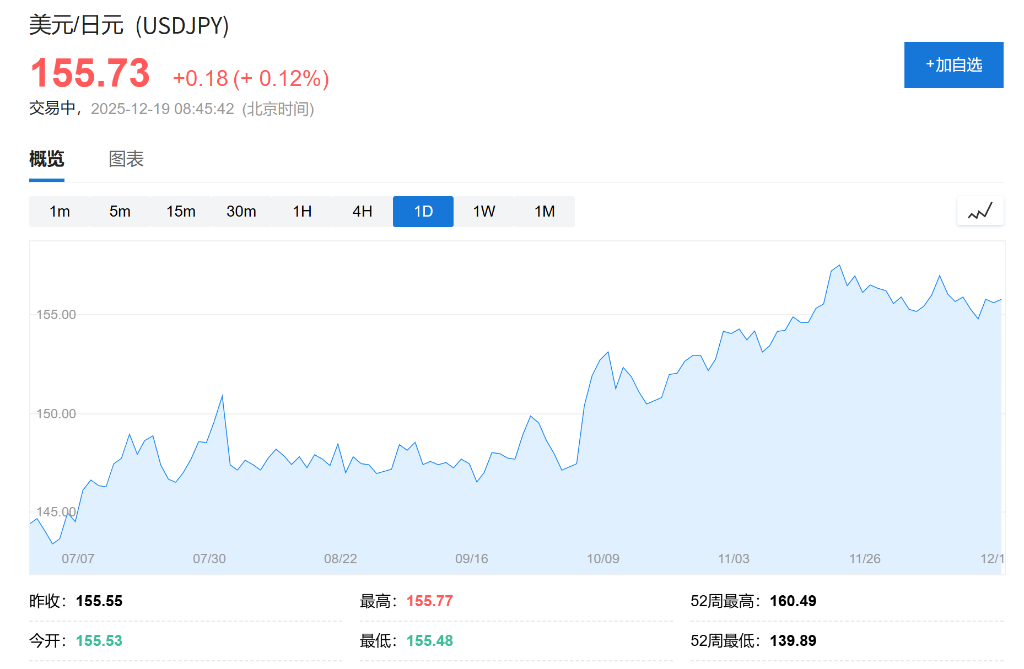
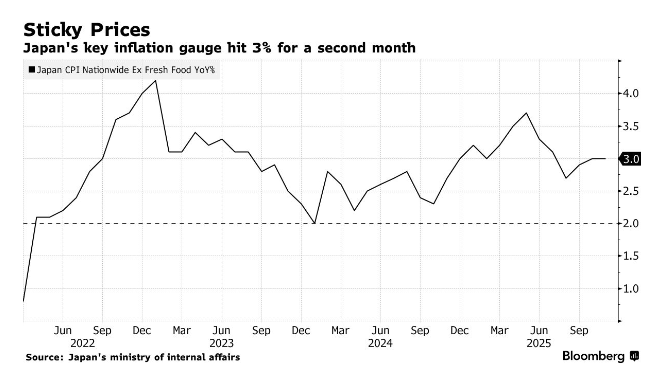
日本核心通胀率在11月维持稳定,连续第44个月高于日本央行设定的目标,这一数据进一步巩固了市场对于日本央行即将加息的预期。 12月19日周五,日本政府公布的数据显示,11月剔除生鲜食品的核心消费者价格指数(CPI)同比上涨3.0%,涨幅符合市场预期中值,且与10月 持平。与此同时,整体CPI同比涨幅则从上月的3.0%微降至2.9%。两项数据均持续位于日本央行2%的目标之上。 此次数据发布恰逢日本央行即将结束为期两天的政策会议。市场普遍预计,央行将把政策利率从当前的0.5%上调至0.75%,这将是该国自1995年 以来的最高利率水平。 市场对该数据反应总体积极。数据发布后,受加息预期强化提振,日元兑美元汇率小幅走强至155.73一线,日经225指数上涨0.8%。与此同时,10 年期日本国债收益率微跌至1.958%。 | | | 分时 多日 1分 5分 15分 30分 60分 日 7 | | | | | | | | F9 叠加 九转 画线 工具 岱 >> | | | | | | | 日经225 | | | --- | --- | --- | --- | --- | --- | --- | --- | --- | ...
稳在3%!日本通胀给足理由 30年来最高利率呼之欲出
Zhi Tong Cai Jing· 2025-12-19 01:33
Core Insights - Japan's core inflation rate remains stable at 3% for the second consecutive month, indicating persistent price pressures ahead of the Bank of Japan's monetary policy meeting [1][3] - The market anticipates the Bank of Japan will raise its benchmark interest rate to 0.75%, the highest level in 30 years, as inflation data aligns with analyst expectations [3][4] - The core consumer price index (CPI) rose by 3% year-on-year in November, matching the previous month and economists' median forecasts [1][3] Inflation Trends - The overall inflation rate recorded at 2.9%, consistent with analyst predictions, while the inflation rate excluding energy prices also stands at 3%, showing a slight decline from the previous month [1][3] - The core inflation indicator has remained above the Bank of Japan's 2% target for 44 consecutive months, driven by rising energy prices as government subsidies are reduced [3][4] Government Response - Prime Minister Fumio Kishida faces challenges due to rising living costs, with the ruling Liberal Democratic Party experiencing setbacks in two national elections [3] - To alleviate public pressure, the Kishida government has introduced measures such as winter electricity subsidies and one-time cash payments for children, included in the economic stimulus plan [3] Corporate Pricing Strategies - A report from Teikoku Databank indicates that the number of price hikes by major food companies in Japan is expected to reach 20,609 this year, a 64.6% increase from the previous year [3] - Companies in the food and beverage sector plan to raise prices on 1,050 products next year, a significant reduction from the 4,400 products planned for price increases in the same period last year [5]
欧洲央行官员认为降息周期可能已经结束
Xin Hua Cai Jing· 2025-12-19 01:30
Core Viewpoint - European Central Bank officials believe that the interest rate reduction cycle is likely over, based on the latest economic growth and inflation outlook [1] Group 1: Interest Rate Outlook - After eight rate cuts from a peak of 4%, deposit rates are expected to remain at 2% unless a significant shock occurs [1] - Discussions about raising interest rates are considered "premature" at this time [1] Group 2: Inflation Considerations - There is a possibility of further easing monetary policy if inflation rates remain below target for several consecutive months [1]
2026年欧洲利率剧本初步揭幕:北欧稳字当头 欧洲央行下一步可能是加息
Zhi Tong Cai Jing· 2025-12-19 00:56
北京时间周四晚间,四家欧洲地区的中央银行密集公布利率决议,堪称一场"欧洲货币政策盛宴",结果 也如市场所预期那样:欧洲央行、挪威央行和瑞典央行维持基准利率不变,而英国央行如预期宣布降 息。 但其中透露出一些关于2026年欧洲货币政策前景的重要细节与线索。以下是四个关键要点。 英国央行投票决定降息,但只是勉强通过 市场原以为英国央行降息已成定局,利率期货市场显示出降息的概率几乎高达98%。但将利率下调25个 基点的投票结果,仅以最微弱优势通过:即5比4。多位英国央行货币政策制定者呼吁转向谨慎立场,称 通胀仍存在持续的扩张风险。 英国央行货币政策委员会成员梅根·格林(Meghan Greene)是四位反对降息者之一,她认为有迹象表明英 国服务业通胀存在显著飙升风险,而核心商品通胀仍处于新冠疫情前的水平。 来自巴克莱银行的英国市场首席经济学家杰克·米宁(Jack Meaning)在英国央行公布利率决议后表示,该 央行实施了一次"偏鹰派的降息举措",并补充称未来降息的门槛可能会比现在高得多。 欧洲央行的预测似乎为按兵不动提供了理由 欧洲央行最新预测似乎支持了欧洲央行官员们的普遍观点——他们表示利率处于"良好水平",与 ...