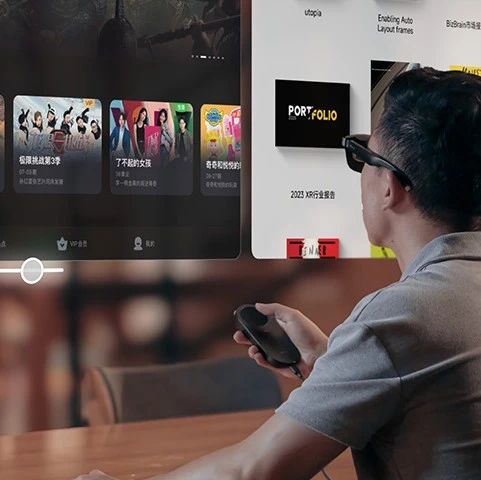
空间计算

Search documents
硅谷最疯CEO:卖掉摇钱树《宝可梦GO》后,他做了什么?
3 6 Ke· 2025-05-26 10:34
Core Insights - Niantic, known for the popular mobile game Pokémon GO, has decided to sell its gaming business for $3.5 billion to Scopely and shift its focus to enterprise-level AI, rebranding itself as Niantic Spatial [3][4][11] - The company aims to leverage its extensive location data, accumulated from players walking over 30 billion miles, to develop AI models that analyze the real world and serve enterprise clients [4][6][19] Group 1: Strategic Shift - The CEO John Hanke emphasized that the restructuring allows both the gaming and AI divisions to pursue their respective futures more effectively [4][11] - Niantic's new platform, Spatial, offers AI mapping tools for businesses, enabling applications such as robot route planning and augmented reality glasses [4][6] - The decision to pivot to AI reflects the broader impact of generative AI trends in Silicon Valley, with the spatial computing market projected to grow from $110 billion in 2023 to $1.7 trillion by 2033 [6][7] Group 2: Financial Aspects - Niantic raised $250 million from existing investors to fund the new company, with the transaction expected to complete by the end of the month [7] - The gaming business, particularly Pokémon GO, has generated approximately $8 billion in revenue since its launch in 2016, with an estimated $770 million contribution to Niantic's projected $1 billion revenue in 2024 [8][11] - Despite the sale, Niantic will continue to provide augmented reality mapping services to Scopely, maintaining access to critical location data for AI model development [20][21] Group 3: Competitive Landscape - Niantic faces strong competition in the spatial AI sector from companies like Nvidia, which has launched the Omniverse platform for creating 3D digital twins [7] - The company has also encountered challenges in replicating the success of Pokémon GO, with previous titles like Harry Potter: Wizards Unite failing to achieve similar popularity [10][16] Group 4: Data Privacy and Ethical Considerations - The sale of the gaming business raised concerns regarding user data management, particularly due to Scopely's backing by the Saudi sovereign wealth fund [21] - Hanke reassured that data privacy regulations will be strictly followed, and user data will remain under the control of Niantic and Scopely [21] - Niantic has clarified that data collection for AI model training will only occur with user consent during specific actions, addressing player concerns about data usage [21]


深度解构 | 谷歌与XREAL联手背后:中国AR企业如何改写全球XR游戏规则?
Huan Qiu Wang· 2025-05-26 08:42
Core Insights - The core theme of the Google I/O developer conference is AI, showcasing how it reshapes productivity, creativity, and daily experiences, while a strategic topic of spatial computing emerges [1] - The official launch of the Android XR platform signifies Google's critical move in the next-generation human-computer interaction battlefield, with the introduction of Project Aura AR glasses in collaboration with Chinese startup XREAL [3][5] - The global tech industry is undergoing a transformative change comparable to the rise of smartphones, with major products like Apple's VisionPro and Meta's Orion marking the opening of a trillion-dollar spatial computing market [3] Company Developments - Google aims to break hardware manufacturers' ecological barriers through the standardization of the Android XR platform, transitioning AR devices from niche products to mainstream consumer goods [3][5] - The partnership with XREAL reflects a strategic choice, as XREAL's technology path and industry representation align with Google's vision for the AR market [5][6] - XREAL's Project Aura utilizes an optical see-through (OST) solution, offering lower latency and a more natural virtual-physical integration experience, which is seen as the ultimate form of consumer-grade AR [6] Technological Innovations - XREAL's advancements in optical module development and proprietary chip design, including the X1 spatial computing chip, enhance performance and reduce power consumption, establishing a competitive edge in the AR market [9][10] - The integration of Gemini AI into AR devices signifies a shift from simple display terminals to intelligent partners capable of real-time environment perception and content generation [6][12] - The collaboration between XREAL's X1 chip and Google's Gemini AI creates a new computing architecture that combines edge computing with cloud support, aligning with global trends in data privacy and reducing reliance on single cloud service providers [12] Industry Dynamics - The announcement of Project Aura represents a significant moment for the domestic AR industry, highlighting a global competition for technological standards [11] - XREAL's role in establishing key standards within the Android XR platform indicates a shift from being a participant to a standard-setter in the XR industry [11] - The Chinese XR industry is encouraged to pursue a three-dimensional development path focusing on core technology, application scenarios, and ecological cooperation to enhance competitiveness [13][14]

聚焦文博会丨前沿与温度兼具 穗企文化产业“火”出圈
Guang Zhou Ri Bao· 2025-05-25 15:30
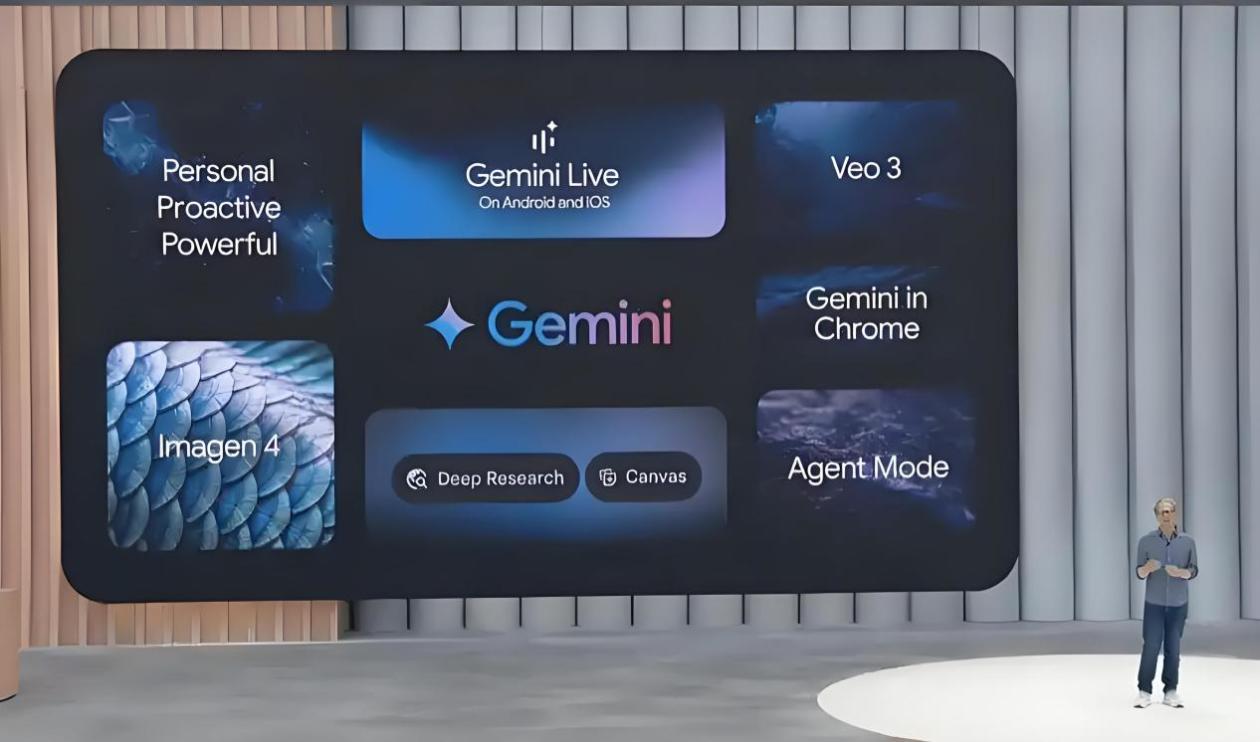
Group 1: Cultural Innovation and Technology Integration - Guangzhou local enterprises showcased innovative cultural experiences at the 21st Cultural Expo, blending technology with traditional culture [1][2] - The "Dynamic Bicycle" experience allows users to explore historical narratives through a virtual cycling system, enhancing cultural engagement [2][3] - The "Pearl Water Imaging" MR light and shadow show, set to launch in January 2025, combines MR technology with city night tours, offering immersive historical insights [2][3] Group 2: Traditional Craftsmanship and Market Impact - Handcrafted products, such as crochet flowers and dolls, demonstrate the potential of traditional crafts to generate income and promote cultural heritage [4][5] - The integration of traditional techniques with modern market demands can lead to successful product development and employment opportunities [4][5] Group 3: IP Development and Market Expansion - Original IPs in the toy and animation sectors are driving significant market growth, with successful products achieving over 1 billion yuan in retail sales [8][9] - The company Unicorn (Guangdong) Animation Culture is leveraging its IP to create a comprehensive industry chain, focusing on international market expansion [8][9] Group 4: Short-form Content as a Growth Engine - Short dramas are emerging as a new engine for cultural export, with global in-app purchases projected to reach $2.3 billion by March 2025 [10] - Companies like Guangxi Light Box Power Culture are developing full-service solutions for short drama production and international distribution, tapping into a growing market [10]
广州好物 颜值与科技齐飞
Guang Zhou Ri Bao· 2025-05-25 02:28
Group 1: Technology and Cultural Integration - Guangzhou local enterprises are successfully integrating technology with cultural products, enhancing market applications and changing lifestyles [2][3] - The "Dynamic Bicycle" by Litian Cultural Technology Group combines real-time historical storytelling with virtual cycling experiences using UE engine technology [3] - The "Pearl Water Reflection" MR light and shadow show, set to launch in January 2025, will allow tourists to explore Guangzhou's history through MR technology on cruise ships [3] Group 2: AR and Space Computing - Visionary Electronics showcased the Xrany X1 AR glasses, enhancing cultural interactions by presenting animations and explanations as users approach artifacts in museums [4] - Chengjing Technology, a leader in spatial computing, focuses on integrating AI and spatial computing to enhance cultural experiences [4][5] Group 3: Handicrafts and Cultural Products - Handcrafted products like crochet flowers and dolls from local artisans are gaining popularity, demonstrating the potential of traditional crafts in the market [6] - Original Warehouse Cultural Technology Company is leveraging digital technology for IP licensing, collaborating with over 20,000 small businesses to develop cultural products [6][7] Group 4: Gaming Industry and International Expansion - Guangzhou's gaming industry is projected to generate approximately 140.67 billion yuan in total revenue in 2024, with overseas revenue reaching 19.06 billion yuan [8][9] - The "Overseas Index" released by the Guangzhou Game Industry Association indicates that Guangzhou's gaming companies account for 45% of the province's total overseas gaming revenue, particularly excelling in the SLG genre [9]

玩出梦想科技官宣MR文旅战略联盟合作:共筑虚实融合文旅新生态
Sou Hu Wang· 2025-05-23 10:32
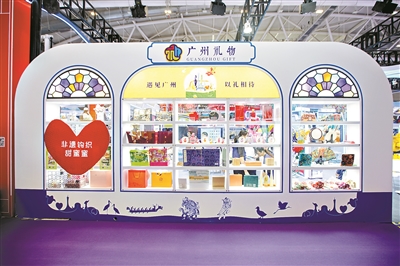
Core Viewpoint - The global technology industry is undergoing a significant transformation, with advancements in XR, MR, and VR technologies reshaping various sectors, particularly in digital tourism and large space entertainment [1][3]. Group 1: Strategic Partnerships and Developments - On May 23, a strategic signing ceremony was held by the leading spatial computing brand, Play Dream Technology, in Shenzhen, marking collaborations with top XR content creators like Story, New Field Creative, and Zhongshu Yuanyu [1][3]. - This partnership signifies Play Dream Technology's strategic shift from consumer markets to B2B industrial scenarios, injecting new vitality into the digital tourism industry with MR and spatial computing [1][3][4]. - The CEO of Play Dream Technology emphasized the company's focus on MRLBE large spaces, digital tourism, and digital exhibitions, aiming to transform traditional experiences and initiate a new era of virtual-real integration [3][4]. Group 2: Market Trends and Consumer Demands - The traditional tourism and exhibition sectors are facing transformative demands, particularly from the "Z Generation" consumer group, which seeks deeper interaction and multi-sensory experiences [3][4]. - Current static viewing and one-way commentary models in traditional venues are insufficient to meet these evolving consumer expectations [3][4]. Group 3: Technological Innovations - Play Dream Technology's MR products utilize advanced technologies such as SLAM for centimeter-level environmental perception, enabling immersive experiences that transform visitors from passive observers to active participants [4][6]. - The MR technology features an 8K Micro-OLED screen with a leading 14ms color VST latency, providing high clarity, low latency, strong interactivity, and comfort, thus blurring the lines between real and digital objects [4][6]. Group 4: Industry Ecosystem and Collaborations - Play Dream Technology is actively building an industry-level strategic ecosystem to integrate resources and enhance user experiences in spatial interactions [6][12]. - Collaborating companies like Story and MixWorld are recognized leaders in XR content creation, contributing to innovative projects that enhance the digital tourism and exhibition sectors [6][12][14]. Group 5: Market Potential and Future Outlook - The global XR enterprise market is experiencing strong demand, particularly in large-scale immersive entertainment, education, healthcare, and military sectors, with significant growth potential [14][15]. - The market for large space solutions is projected to exceed $12 billion by 2025, with a compound annual growth rate of 58% [14]. - In China, the digital tourism market is expected to surpass 1.2 trillion yuan by 2025, with MR-based immersive experiences projected to account for 35% of this market [15][17].
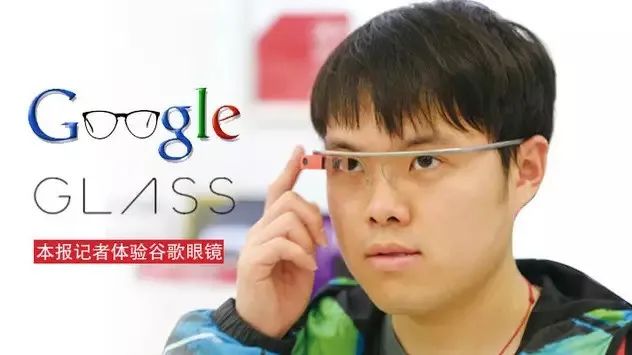
还记得13年前的谷歌眼镜吗?谷歌决定重启
3 6 Ke· 2025-05-22 12:33
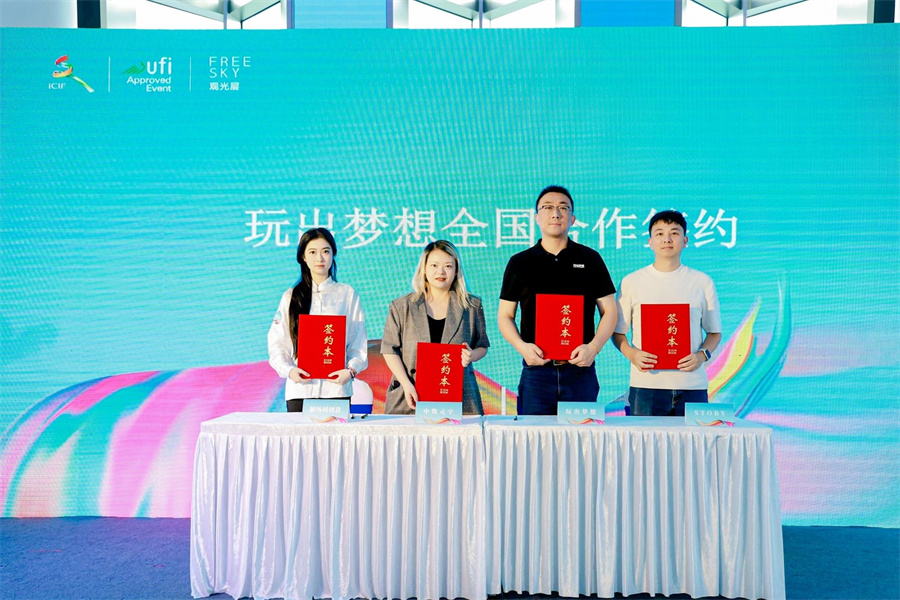
Core Insights - Google I/O 2025 showcased significant advancements in AI and AR technologies, particularly with the introduction of the Gemini 2.5 Pro AI model and AI-enhanced search capabilities, positioning Google in direct competition with OpenAI [1][7] - The launch of a new generation of AI/AR glasses reflects Google's ambition to integrate digital and real-world experiences, despite past failures with Google Glass [1][4] Industry Overview - The AR/AI glasses market has evolved significantly since the initial launch of Google Glass, with competitors like Ray-Ban Meta Smart Glasses achieving nearly 2 million sales since their release [4] - Major Chinese brands and tech giants, including Huawei and Xiaomi, are entering the AR glasses market, indicating a competitive landscape [4] Technological Developments - Google has shifted its strategy by first releasing a development platform, Android XR, before introducing third-party devices, aiming to replicate the success of the Android operating system in the smartphone sector [4][6] - Advances in micro-LED and waveguide technologies have improved AR glasses' brightness, resolution, and energy efficiency, while new low-power chips enhance performance [6] User Experience and Market Challenges - The new AR/AI glasses aim to provide hands-free information access, environmental understanding, and seamless integration of digital content into the user's view, which could create new usage scenarios [7][9] - However, challenges remain in user acceptance, particularly regarding privacy concerns and the physical comfort of wearing glasses, which may hinder widespread adoption [9][10]
上海浦东硬科技成果亮相全球XR主舞台
Xin Hua Cai Jing· 2025-05-22 08:03
Group 1 - Google and Chinese tech company XREAL unveiled the Project Aura AR glasses at the 2025 Google I/O conference, marking the first AR glasses powered by the Android XR system and the first official AR terminal device on the Android XR platform [1] - XREAL is one of the first global partners for Android XR, contributing key technologies such as optical display, spatial computing algorithms, and self-developed chip capabilities, and is actively involved in the ecosystem development of Android XR [1] - XREAL has maintained its position as the global leader in the AR market for three consecutive years, with cumulative sales exceeding 500,000 units, and its products like XREAL Air and XREAL Beam are well-received in the global market [1] Group 2 - Pudong has focused on cutting-edge technologies such as AI, AR/VR, chips, and spatial computing, establishing a complete innovation chain from technological breakthroughs to practical applications, and nurturing a number of globally influential tech companies [2] - The Zhangjiang area has gathered over a hundred upstream and downstream companies in AR/VR, AI algorithms, intelligent sensing, and chip design, forming an initial complete ecosystem for spatial computing [2]
谷歌与XREAL推出首款AR眼镜,中国企业及其背后的本土产业链登上全球舞台
Xin Lang Cai Jing· 2025-05-22 01:59
Core Insights - The Chinese AR glasses industry is entering a new phase with the collaboration between Google and XREAL to launch the Project Aura, marking the first official AR terminal device on the Android XR platform [1][2]. Industry Overview - Android XR is a new system platform tailored for XR devices, signifying a unified, stable, and scalable ecosystem for the XR industry [2]. - XREAL, headquartered in Shanghai, is a leading enterprise in the AR glasses sector and has been deeply involved in core areas such as optical display, spatial computing, and self-developed chips [2][4]. Market Position - XREAL has maintained its position as the global leader in the AR market for three consecutive years, with cumulative sales exceeding 500,000 units [3]. - The global AR glasses industry is increasingly looking towards China due to its advantages in supply chain efficiency, localized applications, and policy support [4]. Strategic Collaborations - XREAL has formed strategic partnerships with companies like Longqi Technology and Jingsheng Mechanical & Electrical to enhance the AI/AR industry chain in the Yangtze River Delta region [6]. - This collaboration is seen as a significant step towards deepening the integration of the Chinese AI glasses industry and aims to build a comprehensive industry ecosystem [7]. Future Outlook - XREAL plans to achieve complete domestic production of its glasses within the next one to two years, with 65% of its product components currently developed in-house [7]. - The company aims to establish a unique collaborative model for the Chinese AR industry, focusing on innovation, manufacturing, and global output [7]. - The rise of XREAL reflects the robust technological ecosystem in Pudong, which has been fostering influential tech companies [8]. Economic Impact - As of March 2023, the three leading industry clusters in Pudong—integrated circuits, biomedicine, and artificial intelligence—have reached a total scale of 832.3 billion yuan, accounting for over 45% of Shanghai's economy [8]. - Significant investments exceeding 100 billion yuan have been made in key projects in Pudong since the first quarter of 2025, highlighting the region's attractiveness for technological development [9].
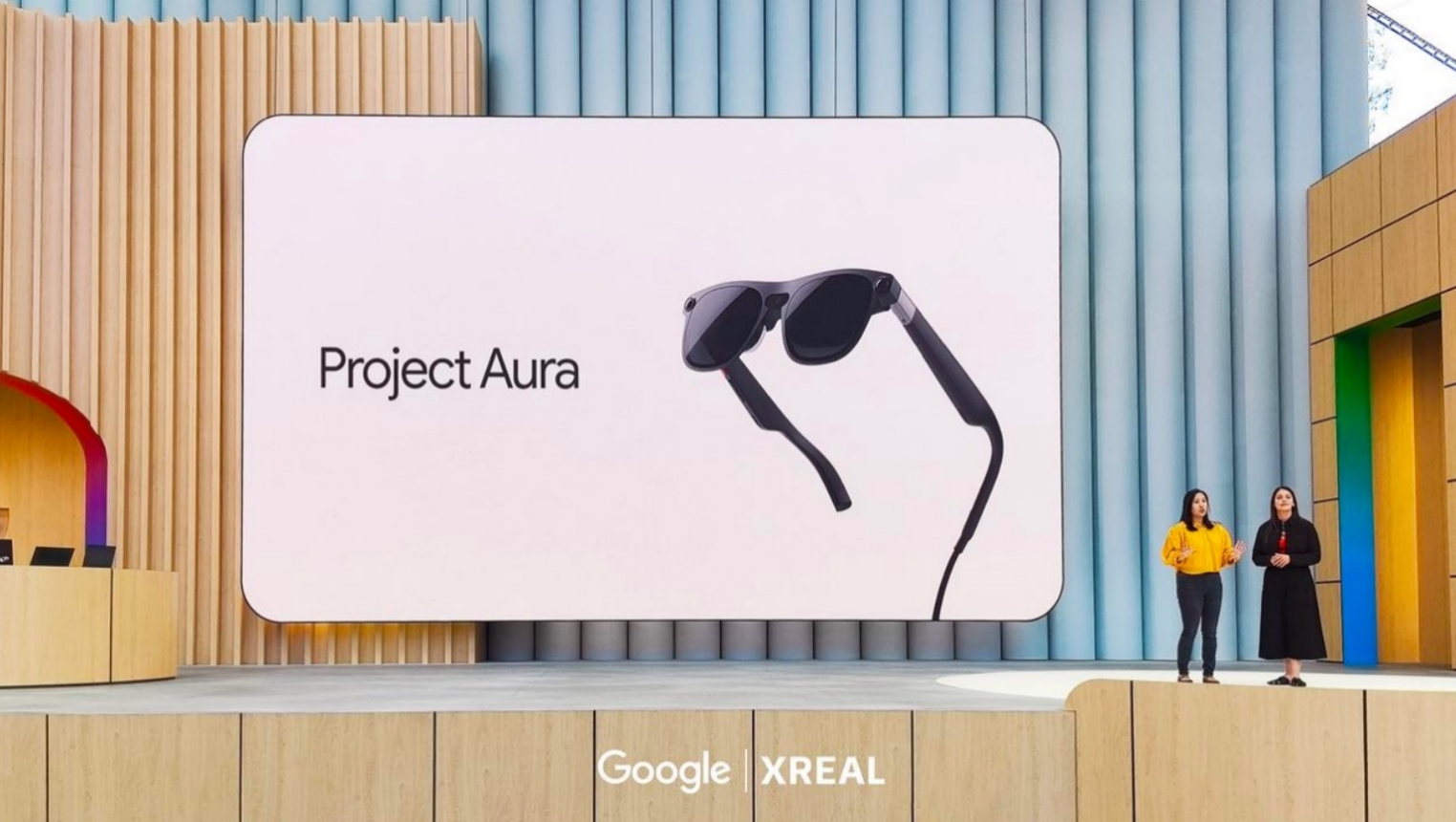
上海科技企业与Google联合打造的AR眼镜亮相美国
news flash· 2025-05-21 11:41
Core Viewpoint - The launch of Project Aura, an AR glasses product developed by Google in collaboration with Chinese tech company XREAL, signifies a significant step in the evolution of spatial computing and the global XR ecosystem [1] Group 1: Product Launch - Project Aura was unveiled at the 2025 Google I/O global developer conference held in California [1] - The product represents a technological vision for the next decade in spatial computing [1] Group 2: Industry Collaboration - This launch marks the first time a Shanghai-based Chinese company has participated as a foundational ecosystem partner in defining and evolving the global XR operating system and terminal ecosystem [1]
INAIR发布空间计算机,想做打工人的「第二台电脑」 | 最前线
36氪· 2025-05-20 00:08
Core Viewpoint - INAIR aims to gradually replace the market share of tablets and laptops with its innovative AI space computing products, targeting the growing demand for mobile and cross-device light office solutions [1][7]. Group 1: Product Overview - INAIR officially launched the INAIR AI Space Computer on May 15, designed for business travelers and light office users as an alternative to traditional computers [2]. - The INAIR AI Space Computer consists of three core hardware components: AR glasses (INAIR 2 Pro), an independent computing center (INAIR Pod), and a 3D spatial operation keyboard (INAIR Touchboard), all integrated into a notebook-like external shell [2][4]. - The device can project an equivalent of a 134-inch borderless screen, allowing users to work efficiently in mobile scenarios without the limitations of traditional laptops [4]. Group 2: Technology and Features - Users can remotely control their office computers through streaming technology, enabling them to access their computer interface in AR space while processing tasks on the local host [5]. - The INAIR AI Space Computer features the proprietary INAIR AI Agent, which learns user behavior and can be activated via voice or physical buttons. It collaborates with various large models domestically and integrates ChatGPT for the overseas version, enhancing user experience [6]. - The intelligent assistant can understand user context in real-time, providing translations and summaries without interrupting the workflow, thus improving efficiency [6]. Group 3: Market Position and Future Outlook - Established in 2022, INAIR focuses on AR+AI glasses for light office scenarios, aiming to provide a second choice beyond laptops [7]. - The company predicts that the transition to smart glasses replacing tablets may take 3-5 years, with current efforts focused on educating the market and overcoming user perception barriers [7].