
首店经济

Search documents
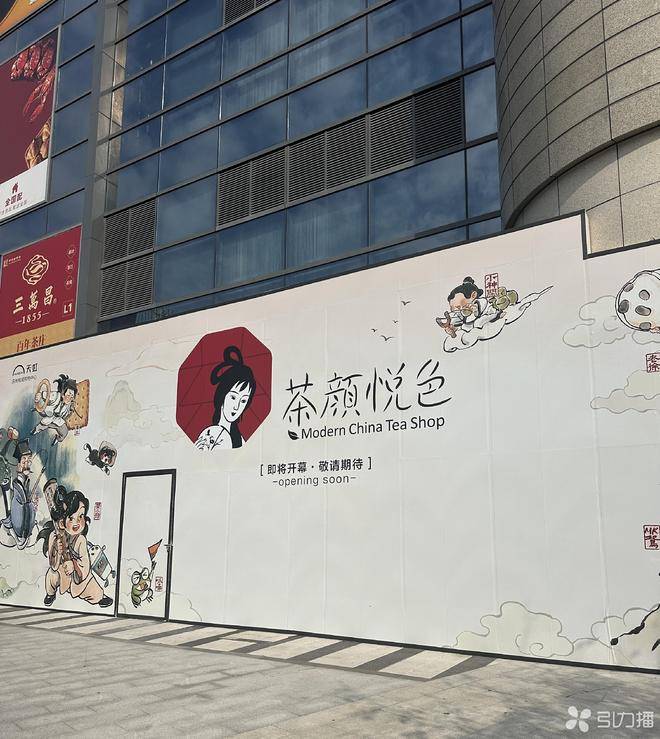
首店经济持续扩张 茶颜悦色相城首店周六开业
Sou Hu Cai Jing· 2025-11-14 08:15
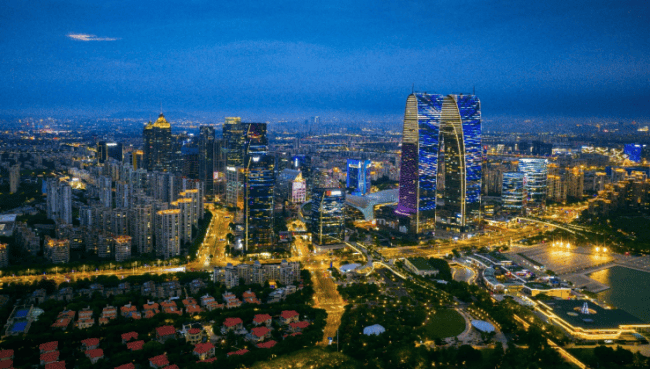
从长沙火到江南的新式茶饮品牌——茶颜悦色,11月15日(周六)相城首店将在相城天虹购物中心开 业。这也是今年相城首店经济又一重要成果。 今年以来,一批特色首店的集中入驻与商业品牌的焕新升级,为相城商圈再添新活力,更让居民的日常 生活愈发丰富多彩。"以前老爱往外跑,现在吃喝玩乐全在家门口。"家住元和街道香城花园一期的居民 说。 未来,相城高新区将深入挖掘"首发消费"潜力,大力发展首店经济、品牌经济、夜间经济,引进更多区 域首店、品牌概念店与特色主题门店,培育更多消费新业态、新模式,让市民在潮流更迭中尽享高品质 消费生活,推动商圈能级与商业品质不断提升。 (编辑:晚秋) "茶颜悦色的入驻不是简单的开店,更是对我们商圈商业环境的认可,进一步丰富相城天虹购物中心所 在的未来环商圈街区的业态组合,为相城高新区以及整个相城区的消费市场注入新的活力。"相城高新 区相关负责人表示。 为助力茶颜悦色在相城高新区加速落地,相城高新区便民服务中心深化"帮代办"服务,主动对接辅导企 业办理营业执照,由于企业住所证明材料较多,导致电子材料上传不便,工作人员主动指导帮助企业使 用专业压缩软件快速处理申报材料,并辅导其完成后续的信息填报与 ...

连云港海州:首店经济加速消费能级跃升
Yang Zi Wan Bao Wang· 2025-11-14 07:43
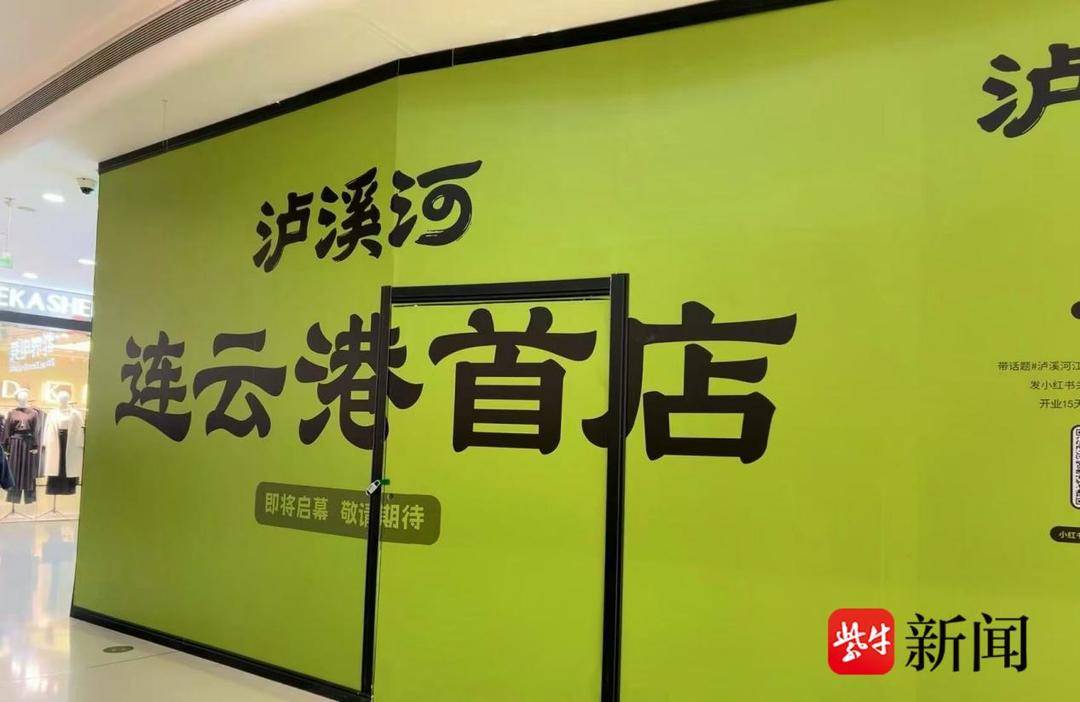
Core Insights - A series of popular brand flagship stores, including Lu Xi River, Hema Fresh, UR Fashion, and Ba Nu Hotpot, have signed agreements to open in Lianyungang's Haizhou District, covering key consumer sectors such as new-style pastries, premium fresh produce, fast fashion, and specialty dining, expected to open between late 2025 and early 2026 [2][4] - The initiative aims to enhance local consumer experiences and drive commercial upgrades in Haizhou, injecting lasting momentum into domestic demand [2] Group 1: Commercial Development - Haizhou District is focusing on becoming a regional consumer center by enhancing commercial quality, diversifying consumer offerings, and optimizing shopping experiences [2] - The district is transitioning from a single shopping model to a comprehensive consumption model that includes dining, entertainment, and shopping [2][4] - The newly introduced brands are strategically located in key commercial hubs like Wanda Plaza and Suning Plaza, creating a complementary and diverse commercial layout [2] Group 2: Market Recognition and Future Plans - The influx of flagship stores has attracted significant foot traffic and revitalized consumer activity, reflecting market confidence in the regional commercial environment and consumption potential [4] - Haizhou District plans to continue improving the business environment, attract high-quality commercial resources, and promote more premium commercial projects to enhance consumer experiences and elevate consumption levels [4]


广州持续优化消费环境 消费能级实现跨越式提升
Guang Zhou Ri Bao· 2025-11-14 01:48
Core Insights - Guangzhou is experiencing a vibrant transformation in its consumption landscape, driven by innovative business models and a focus on enhancing consumer experiences [2][6][10] Economic Growth - The total retail sales of social consumer goods in Guangzhou exceeded 1 trillion yuan since 2021, with a projected growth of 19.9% by 2024 compared to 2020 [2][20] - The average annual growth rate of new store openings in Guangzhou is 25% from 2021 to 2024, with over 600 international brands entering the market [7][22] Business Environment - Guangzhou is developing a "5+2+4+22" key business circle system to enhance its international consumption center city status [6] - The city has seen the opening of numerous new commercial projects, including K11 Select and the upcoming Taikoo Li [6] Consumer Experience - The "Yue City Night Market" has become a significant part of Guangzhou's night economy, contributing to a vibrant consumer atmosphere [8] - The integration of service and experience consumption is shifting Guangzhou's market from local to global reach, with online retail sales of physical goods reaching 307 billion yuan in 2024, a 3.9% increase year-on-year [8] Infrastructure and Services - Guangzhou has established a comprehensive convenience service network, covering over 80% of its population within a 15-minute service radius [9] - The city has implemented various consumer-friendly policies, including a seamless payment system for international visitors [9] Events and Promotions - The ongoing Guangzhou International Shopping Festival is designed to attract global consumers, featuring over 3,000 activities and engaging more than 10,000 merchants [12] - The "All Sports Consumption" initiative during the 15th National Games has significantly boosted local business and tourism [11][13]
苏州中心商场八周年启新程 首发+文旅+金融三重赋能城市消费
Sou Hu Cai Jing· 2025-11-12 07:29
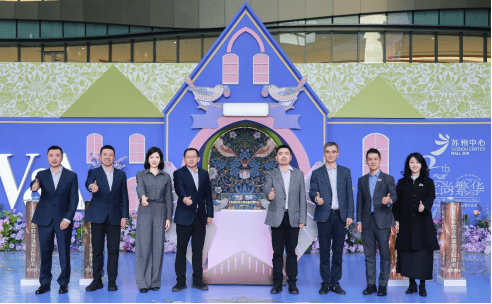
11月11日,苏州中心商场八周年庆典暨"工银苏州中心商场联名信用卡"发布仪式举行。从"首店、首 发、首展"引领消费新浪潮,"双城联动"助力文旅融合,到"金融合作"激发市场活力,苏州中心商场正 在以更国际化的视野、更开放的姿态,书写属于苏州的城市新篇章。 上证报中国证券网讯(记者 郭晓萍)11月11日,苏州中心商场八周年庆典暨"工银苏州中心商场联名信 用卡"发布仪式举行。此次苏州中心商场和中国工商银行苏州分行合作,将以联名信用卡为纽带,共同 探索金融资源与商业生态的深度融合,旨在打造精品消费场景,加速消费能级跃升。 在八周年庆典仪式上,苏州中心商场全面回顾发展成就,展望未来新程。八年来,苏州中心商场以持续 的商业创新实践和前瞻的战略布局,深度融入苏州城市高质量发展进程,持续发挥长三角商业标杆的引 领作用,为苏州国际消费中心城市建设注入持续动能。 以首店矩阵引领区域消费趋势,苏州中心商场持续致力于构建首店经济新高地。开业至今,商场累计调 新品牌超850家,占全场品牌数量的150%以上,首店占比超50%,其中30%为江苏乃至全国首店。2025 年,苏州中心商场调新品牌超100家,其中约60%为首进苏州,焕新品牌销售 ...
龙湖接手,世贸天阶能否引来北京“二次向上看”?
Bei Ke Cai Jing· 2025-11-12 03:16
Core Viewpoint - The partnership between Longfor Commercial and Beijing Aozhong Xingye aims to revitalize the Beijing World Trade Center (WTC) project, positioning it as a commercial aesthetic landmark in Beijing's CBD, marking Longfor's 10th project in the city [1][4]. Group 1: Historical Context and Challenges - The WTC was once a prominent commercial landmark in Beijing, known for its massive electronic canopy, which cost 250 million yuan and is the largest in Asia [2]. - The WTC gained fame during the 2008 Beijing Olympics but has since struggled with declining foot traffic and brand appeal due to the emergence of new commercial entities [2][3]. - The overall retail real estate market in Beijing is under pressure, with a reported 3.5% decline in effective rents and a 7.1% vacancy rate in the city center as of Q3 2025 [3]. Group 2: Current Developments - Longfor Commercial's entry into the WTC project is part of its strategy to expand its presence in Beijing, now operating 10 commercial projects in the city [5]. - The collaboration aims to leverage the WTC's historical significance while addressing its operational challenges, focusing on creating a new identity as a commercial aesthetic landmark [4][6]. - The success of this partnership will depend on Longfor's ability to innovate and attract foot traffic, as traditional shopping centers face the need for systemic innovation beyond mere tenant acquisition [6].

苏州中心商场八周年庆典暨工银苏州中心商场联名信用卡发布仪式启幕
Sou Hu Cai Jing· 2025-11-11 22:14
苏州中心商场南区一楼 DIOR 迪奥美妆旗舰店 2025年苏州中心商场连续引入八个高能级、强互动、重体验的华东、全国甚至亚太区首展,不断拓展城 市生活体验边界。其中,"你的美一面都很酷"三丽鸥美乐蒂&酷洛米周年主题的亚太首展线上曝光量突 破7000万人次,成为年度现象级消费与文化热点。八周年期间,苏州中心商场更携手英国V&A博物 馆,共同呈现"无尚繁华——威廉·莫里斯自然花园限时体验"全国购物中心首展,通过引入国际顶尖艺 术资源,进一步丰富城市生活场景,彰显其作为"城市新封面"的文化魅力与担当。 同时,全力打造具有全域影响力的高能级创新消费场景。瑞士百年户外品牌MAMMUT猛犸象快闪华东 首展、韩国设计师品牌GRVR GROVE江苏首家快闪、罗意威LOEWE香氛限时体验空间苏州首展等国际 品牌快闪于近期密集落地,更有祖·玛珑游戏之夜、VIVIENNE WESTWOOD限时快闪即将亮相苏州中 心商场。 2025年11月11日,苏州中心商场八周年庆典暨"工银苏州中心商场联名信用卡"发布仪式在三楼中庭"凤 园"盛大举行。站在八周年的新起点,苏州中心商场在促进经济发展、强化区域联动、推动文旅紧密融 合等方面取得了丰硕 ...
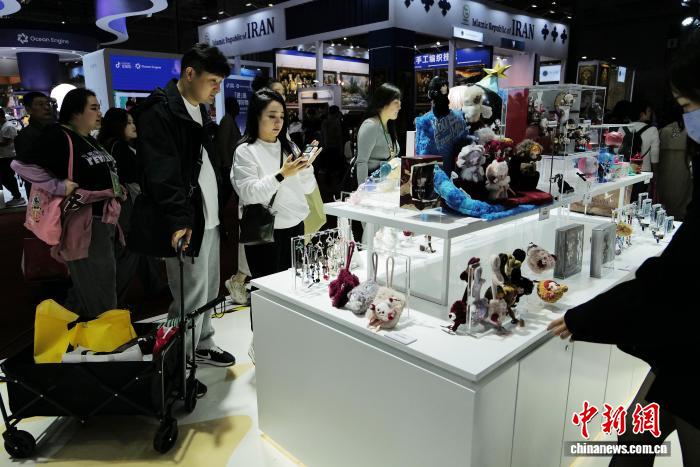
(第八届进博会)“涟漪”不断 从进博看各方受“溢”匪浅
Zhong Guo Xin Wen Wang· 2025-11-10 23:38
Core Insights - The eighth China International Import Expo (CIIE) has concluded, showcasing China's commitment to high-quality openness and trade resilience, as highlighted by industry leaders [1][3]. Group 1: Event Overview - The CIIE has been a platform for significant trade, with China Petroleum & Chemical Corporation (Sinopec) signing procurement contracts exceeding $325 billion over the eight editions of the expo [1]. - The event has facilitated the entry of international brands into the Chinese market, exemplified by Singapore's skincare brand, Forest Essentials, opening its first offline store in Shanghai's Huangpu District [3]. Group 2: Economic Impact - A report from the Shanghai Huaxia Economic Development Research Institute indicates that the CIIE has led to a notable increase in cultural exchange, industrial transformation, and consumer upgrades, with core indicators showing robust performance [3]. - The "spillover effect" of the CIIE is becoming increasingly evident, emphasizing the importance of interpersonal exchanges that create ongoing business opportunities beyond mere product transactions [3].
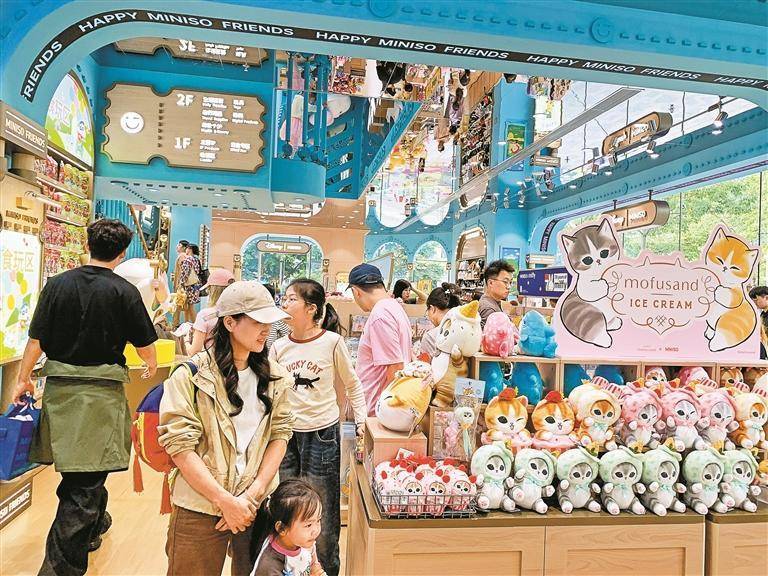
首店经济迎来新“大腕” 名创优品MINISO FRIENDS华南首店亮相
Sou Hu Cai Jing· 2025-11-09 09:30
Group 1 - MINISO FRIENDS opened its first store in South China, located in Shenzhen, aiming to create a new landmark for youth culture through immersive IP experiences [2] - The store features a unique "Right Right Sauce" glass window and various interactive installations, integrating popular global IPs such as Disney and Harry Potter [2] - MINISO's latest financial report indicates a total revenue of 4.97 billion yuan in Q2, representing a year-on-year growth of 23.1%, with a gross margin of 44.3%, up 40 basis points from the previous year [2] Group 2 - Shenzhen is promoting consumption upgrades through the "first store economy," with trendy toys becoming a significant aspect of this initiative [2] - Jin Guanghua Plaza has introduced 21 first-store brands, including high-traffic toy brands like WANGXIAOBEN and TOP TOY [3] - Shenzhen leads the nation in the toy industry, housing over 3,000 toy-related companies, which account for 14.4% of the total number of toy enterprises in China, forming a complete industry chain from design to export [3]
武汉189家首店扎堆开业,武商MALL重回第一
3 6 Ke· 2025-11-06 02:15
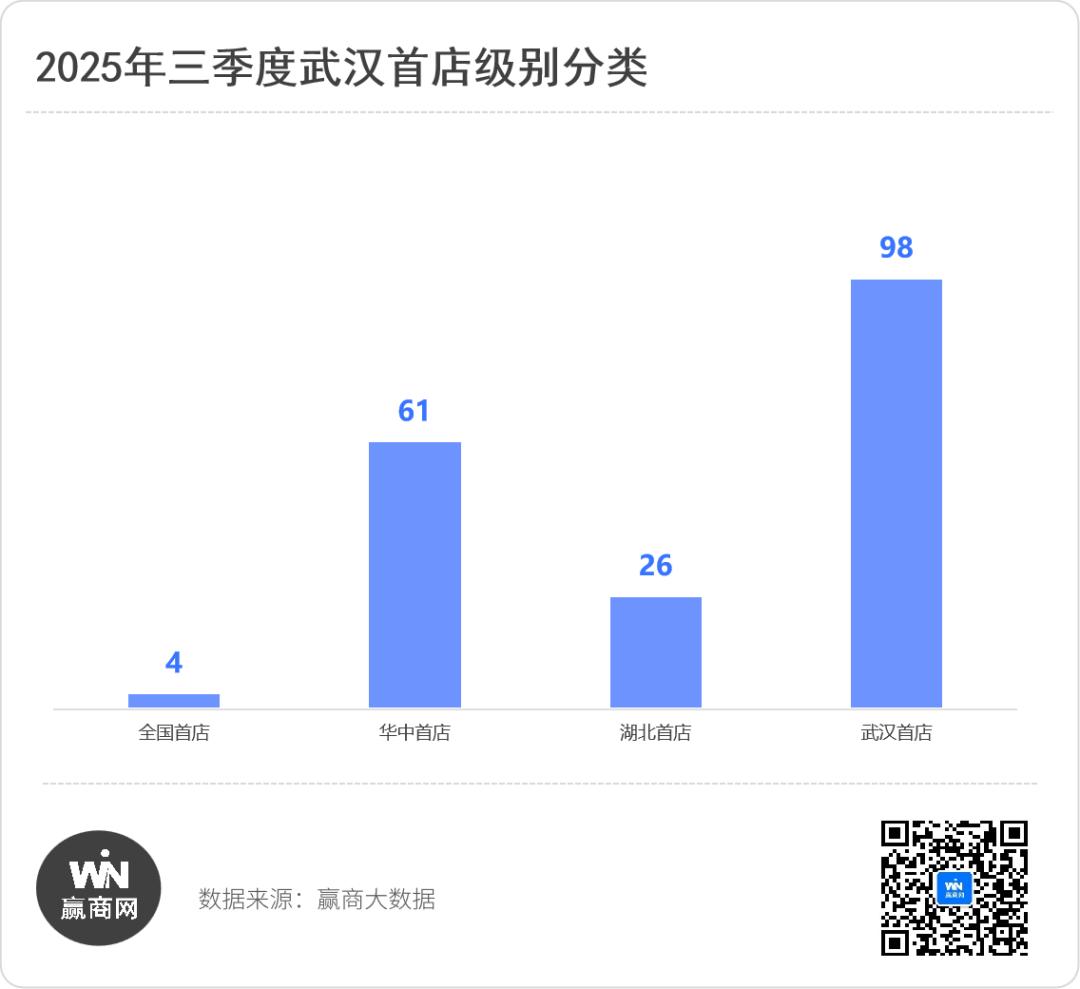
Core Insights - Wuhan's retail market is experiencing a significant boost due to the "first store economy" policy, with 189 new quality first stores opened in Q3 2025, surpassing the total of 184 first stores opened in the first half of the year [1][2][11] Group 1: First Store Statistics - In Q3 2025, Wuhan opened approximately 189 first stores, bringing the total for the year to 373, setting a new record [2] - The first stores include 4 national first stores, 61 Central China first stores, 26 Hubei first stores, and 98 Wuhan first stores, indicating a balance of quantity and quality [2] - The ratio of standard stores to non-standard stores is 3:1, highlighting the trend towards themed and co-branded stores as new market entry strategies [2] Group 2: District Performance - Jianghan District and Wuchang District tied for the highest number of first stores, each introducing 44 brands, while Jiang'an District followed with 41 [4] - New projects in Wuhan New District also performed well, with 20 first stores in the Economic Development Zone and 19 in the East Lake High-tech Zone [4] Group 3: Project Insights - Only 7 new projects introduced more than 10 first stores, with notable examples including Longfor Wuhan Binjiang Tianjie and Wuhan Shanshan Outlets [7] - Established commercial projects like Wuhan Wushang Mall and Wuhan Mixc continue to attract a high number of first stores [7] Group 4: Business Type Distribution - Retail stores outnumbered dining establishments, with 88 first stores in retail making it the leading business type for Q3 [10] - The dining sector saw strong performances in beverage, baking, and Yunnan-Guizhou cuisine, while entertainment and lifestyle services also gained traction due to their experiential nature [10] Group 5: Experience and Consumption Trends - The first store economy is rapidly expanding in Wuhan, reflecting a shift towards enhanced consumer experiences and diversified business types [11] - Non-standard first stores reached 47, embracing a "cross-border + co-branding + composite" model to create unique consumer experiences [12] - Traditional brands are also innovating, with examples like Belle Cinema introducing advanced sound technology and Aeon Supermarket launching a curated selection store [13] Group 6: Emerging Consumption Segments - Retail and dining remain dominant sectors, with retail focusing on quality and trends, particularly in sports and home goods [14] - The second-hand luxury market is emerging, with brands like "Zhen Shihui" entering the market to promote sustainable consumption [14] - The dining sector is diversifying, with a notable rise in beverage and Yunnan-Guizhou cuisine establishments [16] Group 7: New Commercial Projects - New commercial projects launched in Q3 included Wuhan Shanshan Outlets, Wuhan Binjiang Tianjie, and KIC PARK, collectively contributing 58 first stores [17][19] - Wuhan Shanshan Outlets features over 20 first stores and aims to provide a comprehensive shopping experience [19] - KIC PARK targets young consumers with 12 first stores across various sectors, including dining and entertainment [19] Group 8: Established Projects' Contributions - Wuhan Wushang Mall and Wuhan Mixc have shown strong performance in attracting first stores, with Wushang Mall introducing 29 new first stores in Q3 [20] - Wuhan Mixc completed a major renovation, adding 18 first stores, enhancing its brand portfolio [20] - Wuhan New World and Wushang Dream Times also contributed significantly to the first store economy, with multiple new entries [20]
(第八届进博会)馆外亦“芬芳” 上海市区力促进博消费
Zhong Guo Xin Wen Wang· 2025-11-05 11:55
Core Points - The 8th China International Import Expo (CIIE) is currently taking place at the National Exhibition and Convention Center in Shanghai, generating significant economic activity both inside and outside the venue [1] - Huangpu District is actively leveraging the "spillover effect" of the expo by organizing a series of consumer promotion activities and enhancing service quality [2] Group 1 - Huangpu District will integrate resources from key commercial areas and enterprises to create a variety of themed and experiential consumer activities [2] - Bailian Group will optimize foreign card payment and tax refund services to foster an international shopping environment [2] - New World Group is launching a themed consumption season titled "Meet at CIIE, Enjoy Shopping on Nanjing Road" and establishing a "CIIE Market" [2] Group 2 - Huangpu District plans to distribute three rounds of exclusive consumption vouchers for the "Meet at CIIE, Enjoy Huangpu" campaign, targeting key shopping areas such as Nanjing Road, Huaihai Road, and Yuyuan [2] - The district is home to significant functional areas like the Huaihai New World Import Trade Promotion Innovation Demonstration Zone, which has been actively linked to the CIIE to promote the transformation of exhibits into commodities and exhibitors into investors [2] - Huangpu District is attracting high-potential quality imported goods and brands, accelerating brand incubation and investment landing, exemplified by the opening of Singapore skincare brand Forest's first offline store in China this year [2]
