
新中式茶饮

Search documents
如何推动茶产业和酿酒产业提质升级?官方解读来了→
Nan Fang Nong Cun Bao· 2026-02-14 13:32
Group 1 - The core viewpoint of the article emphasizes the importance of upgrading the tea and liquor industries in China to enhance quality and drive economic growth [4][11] - The tea and liquor industries are traditional advantageous sectors in China, contributing significantly to economic stability, consumer demand, and cultural heritage [8][12][20] - The total scale of the tea and liquor industries exceeds 2 trillion yuan, with revenue from large-scale tea processing and liquor enterprises surpassing 940 billion yuan and profits exceeding 220 billion yuan [13][14] Group 2 - Upgrading these industries is crucial for stabilizing industrial economic operations and supporting continuous economic recovery [12][15] - High-quality supply from these industries can stimulate consumption and expand domestic demand, particularly through new product innovations like "new-style tea drinks" and "craft beer" [16][19] - The tea and liquor sectors serve as vital economic pillars for rural areas, enhancing local food industries and promoting regional economic development [21][24][26] Group 3 - The article outlines the current development status of the tea and liquor industries, noting that quality has improved and transformation has accelerated since the 18th National Congress [48][49] - By 2025, the revenue from large-scale tea processing enterprises is expected to exceed 120 billion yuan, while the liquor industry is projected to achieve over 820 billion yuan in revenue [51][53] - The guidance documents set ambitious goals for the industries, aiming for a tea industry scale of 1.5 trillion yuan and significant revenue growth for key enterprises by 2030 [65][66] Group 4 - The guidance documents propose 19 key tasks for the tea industry and 21 for the liquor industry, focusing on technological innovation, brand culture, and structural optimization [72][76] - Emphasis is placed on enhancing brand culture to improve market competitiveness and adapt to consumer trends [78][83] - The documents advocate for a collaborative environment involving government, market, and society to support the development of these industries [84][88]


2025年我国规上酿酒企业实现营业收入8200多亿元,规上精制茶加工企业营收超1200亿元
Xin Lang Cai Jing· 2026-02-14 04:05
Group 1 - The tea industry and liquor industry in China have a combined scale exceeding 2 trillion yuan, with significant contributions to tax revenue and economic stability [1][2] - By 2025, the revenue of large-scale refined tea processing enterprises is expected to exceed 120 billion yuan, with the entire industry chain scale surpassing 1 trillion yuan and creating over 6 million jobs annually [1][2] - The liquor industry is projected to achieve revenues of over 820 billion yuan by 2025, with advancements in digital transformation, green development, and brand building [2] Group 2 - The development quality of the tea and liquor industries has been continuously improving since the 18th National Congress, with a rapid pace of transformation and upgrade [2] - A significant portion of tea and liquor brands have been recognized on international platforms, showcasing Chinese cultural charm [2] - New business models such as "satellite+" tea planting, smart factories, new-style tea drinks, and tea tourism integration are accelerating in the tea industry [1][2]
(米兰冬奥会)冰雪连心,华侨华人与冬奥“双向奔赴”
Xin Lang Cai Jing· 2026-02-14 01:55
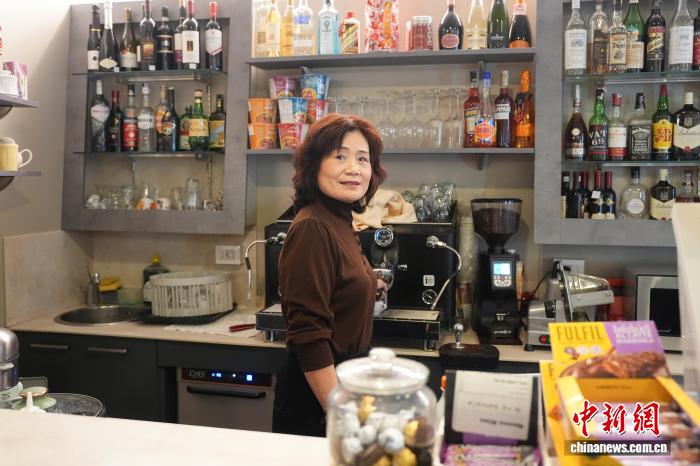
Group 1 - The hotel business in Milan is experiencing a surge in occupancy rates due to the Winter Olympics, with many rooms booked months in advance [1][3] - The Parma Hotel, located within walking distance of the main media center, has become a popular choice for journalists from various countries, including China, Germany, France, Japan, and South Korea [1][3] - Local businesses, including a new-style tea shop, are also benefiting from increased foot traffic, with hopes that the event's popularity will continue to boost sales [3][4] Group 2 - The presence of the Chinese community in Milan is notable, with many participating in the Winter Olympics and supporting Chinese athletes [4][6] - The donation of an ambulance by the Meiqi Foundation, initiated by the Chinese community in Italy, highlights their commitment to social responsibility and integration into local society [6] - The emotional connection between the Chinese diaspora and the Winter Olympics is emphasized, showcasing a sense of belonging and pride in their heritage [6]
药食同源市场趋势洞察-魔镜洞察
Sou Hu Cai Jing· 2026-02-13 05:09
Core Insights - The report indicates a strong growth momentum in the medicinal food market driven by increasing health concerns among consumers, such as sub-health and poor sleep quality, leading to a rising demand for health maintenance products [1][11][19] - The market is characterized by expansion in scale, diversification of consumption, and significant product innovation [1][19] Consumer Trends - Over half of the health-conscious population opts for dietary therapy to improve health, with 28% highly focused on traditional Chinese health practices [1][11] - Social media has become a core platform for market engagement, with 883,000 posts related to medicinal food during the MAT2025 period, reflecting a 71.9% year-on-year increase [1][8] - The focus of discussions is primarily on younger demographics, with trending products like new-style tea and herbal milk tea gaining popularity [1][8][9] - Male interest in medicinal food has significantly increased, with the core consumer group being individuals aged 50 and above, and growing attention from lower-tier cities [1][15][18] Market Overview - The online medicinal food market has shown a fluctuating upward trend in sales volume and revenue over the past three years, with a reported sales revenue of 126.63 billion yuan during MAT2025, marking a 28.9% increase year-on-year [1][19][20] - The average price of products has steadily increased, indicating enhanced product value and a growing share of mid-to-high-end products in the market [1][19] Core Product Categories - The three main product categories—health supplements, traditional tonics, and food and beverages—exhibit distinct growth characteristics: - Health supplements saw a revenue increase of 45.7%, with emerging ingredients like Eucommia leaves experiencing rapid growth [2][27] - Traditional tonics grew by 18.7%, with ingredients like almonds and Gastrodia elata showing significant increases, while products are evolving towards convenience and snack formats [2][27] - Food and beverages grew by 12.6%, outpacing the overall market growth, with ingredients like Rehmannia and Angelica quickly penetrating the market [2][27] Ingredient Trends - The medicinal food market has shifted from a broad health focus to more precise customization, with segments like gut health and cardiovascular care experiencing explosive growth [2][11] - Ingredient applications are moving from single to compound formulations, with products like Five Red Soup and Seven White Drink performing exceptionally well [2][11] Emerging Ingredients - Core ingredients such as donkey-hide gelatin and goji berries maintain a stable market base, while turmeric and astragalus are identified as high-potential ingredients with significant growth rates [21][24]

(走进中国乡村)广西富川古城备新春 非遗助力县域游
Zhong Guo Xin Wen Wang· 2026-01-26 07:53
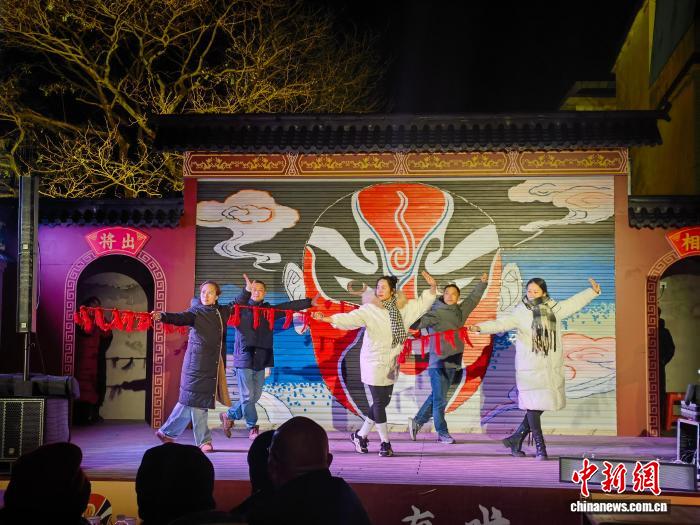
Core Viewpoint - The article highlights the cultural and tourism development in Fuchuan Ancient City, Guangxi, leveraging intangible cultural heritage to enhance local tourism during the Spring Festival [1]. Group 1: Cultural and Tourism Development - Fuchuan Ancient City is decorated for the Spring Festival, featuring traditional elements like red lanterns and couplets, creating a festive atmosphere [1]. - Local businesses, such as tea shops and cultural creative industries, are integrating modern trends with traditional culture to attract tourists [1][2]. - The Fuchuan Ethnic Arts Troupe is preparing traditional performances to engage visitors and promote local cultural heritage [4]. Group 2: Economic Impact and Visitor Statistics - It is projected that by 2025, Fuchuan Ancient City will receive 1.07 million visitors, generating a total tourism consumption of 856 million yuan [4]. - Local authorities have invested over 50 million yuan in the restoration of ancient buildings and the promotion of local customs, enhancing the tourism experience [4]. Group 3: Promotion of Intangible Cultural Heritage - Local artisans are creating traditional crafts and offering hands-on experiences to visitors, aiming to broaden the understanding and appreciation of Fuchuan's cultural heritage [4]. - New products, such as gourd wood-burning art, are being developed to reflect local culture and attract tourists [2].
一边疯狂开店,一边加速倒闭:广东成全国茶饮最“卷”之地
3 6 Ke· 2026-01-22 00:10
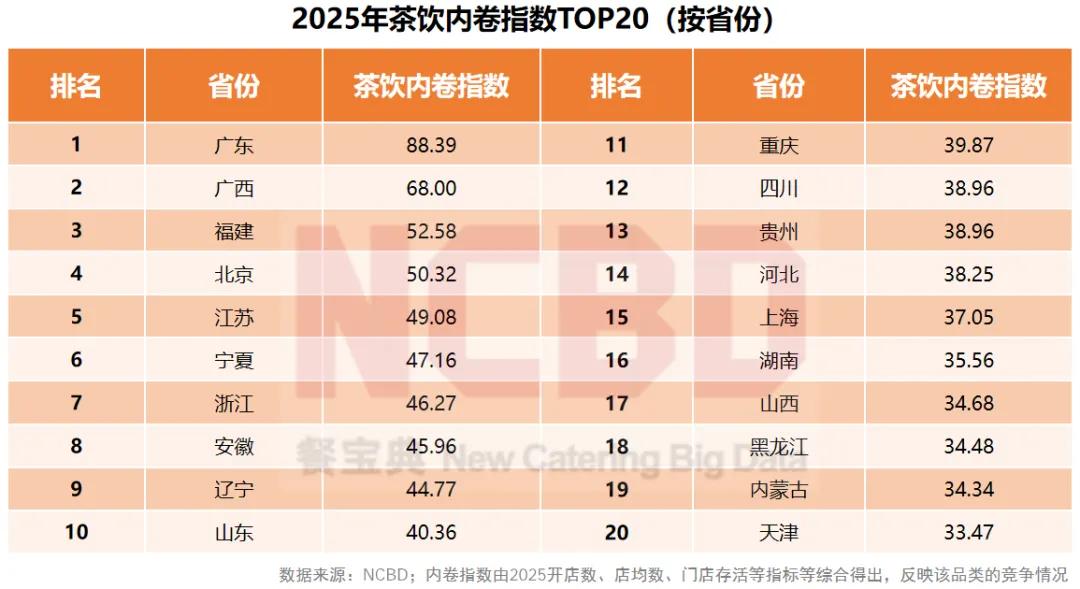
Core Insights - The NCBD released the "2026 China Tea Beverage Development White Paper," highlighting the competitive landscape of the tea beverage industry in China, with Guangdong identified as the province with the highest level of market saturation [1][25]. Provincial Rankings - Guangdong leads the tea beverage market with an internal competition index of 88.39, followed by Guangxi (68.00) and Fujian (52.58) [2][4]. - The top five provinces in terms of new tea beverage enterprises established in 2025 are Guangdong (14.9%), Guangxi (13.5%), Zhejiang (8.2%), Anhui (7.6%), and Jiangsu (6.8%) [6]. Characteristics of High Competition Provinces - Provinces with high internal competition indices generally have a large number of tea beverage stores, with Guangzhou being the city with the most stores in 2025 [4][10]. - The survival rate of tea beverage stores is low in provinces like Guangdong, Fujian, and others, indicating a challenging market environment [7][10]. Causes of Market Saturation - The tea beverage market is experiencing oversupply, leading to fierce competition for existing customers, with the market size projected to reach 241.6 billion yuan in 2025, growing at 10.6% [12]. - Capital-driven expansion is intensifying competition, as major brands are rapidly entering the market, particularly in key cities like Guangzhou and Shenzhen [14]. - Consumer demand is shifting towards higher quality and innovative products, pushing brands to continuously innovate, which can lead to internal competition [15]. - The regional industrial foundation supports this saturation, with both Guangdong and Guangxi being significant players in tea beverage consumption and supply [16]. Strategies for Overcoming Saturation - Brands should optimize their regional expansion strategies to avoid over-concentration in saturated cities like Guangzhou and Nanning, focusing instead on enhancing individual store quality [18]. - Emphasizing local characteristics and creating differentiated products can help brands build a unique competitive edge [21]. - Improving operational efficiency in key cities is crucial, shifting focus from merely increasing store numbers to enhancing the quality of operations [22]. - Identifying and catering to niche market demands in key cities can open new growth avenues, particularly in health-oriented and functional beverages [23].
一杯黄山茶的芬芳
Xin Lang Cai Jing· 2026-01-17 04:22
Group 1 - The core viewpoint of the article highlights the integration of technology and traditional tea production in Huangshan, leading to a significant transformation in the tea industry [1][3][4] - The introduction of the Tai Ping Hou Kui geographical indication protection certification trademark has enhanced consumer trust and transparency in the tea market, allowing customers to trace the product's origin easily [1] - Huangshan's tea industry has embraced digitalization, with the establishment of a blockchain platform and a city-level tea industry management platform, which have collectively issued over 2 million special identifiers [1][2] Group 2 - The innovation in tea production is exemplified by the collaboration between Tunxi Tea Kele Biotechnology Co., Ltd. and Zhejiang University, resulting in the development of probiotic tea tablets that quickly became the top-selling product in its category [2] - Huangshan has emerged as a core supply base for new-style tea drinks, collaborating with over 90% of domestic producers and launching more than 100 new tea products and derivatives [2] - The tea industry in Huangshan is not only a product but also a cultural and tourism driver, with various tea-themed tourism routes and experiences attracting over 50,000 visitors since the opening of the "Qi Yi·Qun Fang Zui" tea tourism complex [3] Group 3 - The comprehensive output value of Huangshan's tea industry is projected to exceed 32.1 billion yuan in 2025, reflecting a year-on-year growth of 13% [3] - All districts in Huangshan have been recognized as key tea-producing counties in the country, indicating a robust development of the tea sector across the region [3]
浙江文化观察:以艺为媒,山区何以铺就共富新路?
Xin Lang Cai Jing· 2026-01-10 07:05
Group 1 - The core viewpoint of the article emphasizes the integration of material and spiritual civilization in the development of Lishui City, particularly in the context of building a common prosperity demonstration zone in Zhejiang [1] - Lishui's Liandu District is revitalizing its cultural heritage through the transformation of historical sites into new cultural and commercial landmarks, blending traditional architecture with modern business models [2][4] - The Wen Chang Li cultural and creative park has attracted 49 enterprises, including 35 cultural and creative companies, benefiting over 20,000 people through regular events like photography exhibitions and concerts [6] Group 2 - The Liu Citangbei historical cultural district, following a "repair as it was" principle, is set to open in October 2024 and aims to become a popular tourist destination, enhancing foot traffic and local business [6][7] - The Guheng Painting Village has become a hub for artists from around the world, generating nearly 1.7 billion yuan in total output value for its unique art industry, which includes both professional and amateur artists [11][13] - The local art industry is evolving, with initiatives like the "Artist Residency Program" attracting over 80 international artists, and plans to recruit global art partners to enhance cultural exchange and economic integration [14][15]

在千年商港泉州,回答一个时代命题:什么是中国式商业模式?
吴晓波频道· 2025-12-03 00:29
Core Insights - The essence of business is a game of survival, and the underlying logic for sustained corporate existence lies in the construction and reconstruction of Chinese-style business models [3][27]. Group 1: Characteristics of a Good Business Model - A good business model must have an unshakeable "core competitiveness," which many companies fail to identify even after years of operation [5][8]. - Successful business models should enable companies to become "unprecedented" in the market, altering consumer perceptions rather than just changing products [9][10]. - High profitability above industry averages is essential for a good business model, allowing for more resources for R&D and brand building [12][13]. - A good business model is often difficult to replicate completely, as seen in the case of brands like Heytea, which faced challenges due to easily imitable aspects of their initial model [14][15]. Group 2: Understanding the Chinese Market - The success of Chinese enterprises in the past relied heavily on "latecomer advantages," but this approach is no longer viable as many sectors have reached global leadership [17][18]. - There is a significant potential for domestic demand growth in China, with the population being four times that of the U.S. but with consumption only one-third of its scale, indicating a potential tripling of domestic demand in the next 10-15 years [19]. - Key characteristics of the Chinese market include a reliance on population dividends, emotional consumer behavior, profitability in lower-tier markets, and the importance of channel profit distribution for long-term marketing success [20][21][22]. Group 3: Marketing and Brand Loyalty - In the current landscape, price advantages rather than technological advantages form the basis of marketing competition, with a shift away from the "cheap and good" model [22]. - Brand loyalty in China is low, with rapid brand iteration and sensitivity to pricing affecting consumer loyalty, as demonstrated by cases like Huaxizi and Zhongxuegao [22].

经济观察丨民企出海“各显身手” 全球市场焕新中国印象
Zhong Guo Xin Wen Wang· 2025-11-24 01:26
Group 1 - The core viewpoint of the articles highlights the transformation of "Made in China" into "Created in China," driven by the increasing global presence of innovative Chinese private enterprises [1][3] - Chinese private enterprises are expanding their international reach beyond simple product exports, integrating into various sectors such as trendy toys, new-style tea drinks, smart home devices, and electric vehicles [1] - The research report from the All-China Federation of Industry and Commerce indicates that by 2025, the top 500 Chinese private enterprises are expected to report a total R&D expenditure of 1.13 trillion RMB, with an average R&D intensity of 2.77% [1] Group 2 - The proliferation of digital technology has facilitated easier pathways for Chinese enterprises to go global, with platforms like SHEIN and Alibaba International connecting personalized demands with efficient Chinese supply chains [2] - As of now, there are over 120,000 cross-border e-commerce entities in China, and the number of overseas warehouses has surpassed 2,500 [2] - Local market penetration and cultural understanding are essential for Chinese companies' internationalization, as demonstrated by the localized strategies of brands like Bubble Mart and OPPO [2] Group 3 - Chinese enterprises are deepening their local connections through establishing overseas R&D centers, production bases, and supply chain systems, as well as hiring and training local employees [3] - This deep connection allows companies to respond more accurately to differentiated market demands while also driving local employment and industrial upgrades [3] - The shift in global consumer perception of Chinese brands is moving from a focus on "price" to "value," reflecting a deeper integration of Chinese enterprises into the global market [3]