
非遗传承

Search documents
银龄传艺守文脉 鼓韵声声润大城
Xin Lang Cai Jing· 2025-12-25 05:02
Core Viewpoint - The establishment of a public training class for Jingdong Drum art in Dacheng County aims to promote traditional culture and cultivate new inheritors of this intangible cultural heritage [1] Group 1: Training Program Details - The training class is organized by the Dacheng County Old Cadre Bureau and features a "Silver Lecturer Group" composed of retired local experts in Jingdong Drum art, with an average age exceeding 70 years [1] - The curriculum includes both professional and accessible content, covering the history of Jingdong Drum, the structure of "seven-character" lyrics, and techniques of "thirteen coughs," along with practical training in performance skills [1] - The lecturers adapt and create modern lyrics that resonate with contemporary life, infusing traditional art with modern vitality [1] Group 2: Community Engagement and Impact - The initiative reflects the active role of retired cadres in cultural service, contributing to the preservation and transmission of Jingdong Drum art [1] - The training class has generated enthusiasm among participants, with young learners expressing appreciation for the cultural stories and significance behind Jingdong Drum [1] - The Dacheng County Old Cadre Bureau plans to regularly conduct public training activities, leveraging the expertise of retired personnel to ensure the continuity of Chinese traditional culture [1]
平安产险漳州中心支公司:守护非遗传承 指尖竹编“织”就公益新篇
Zhong Jin Zai Xian· 2025-12-24 10:08
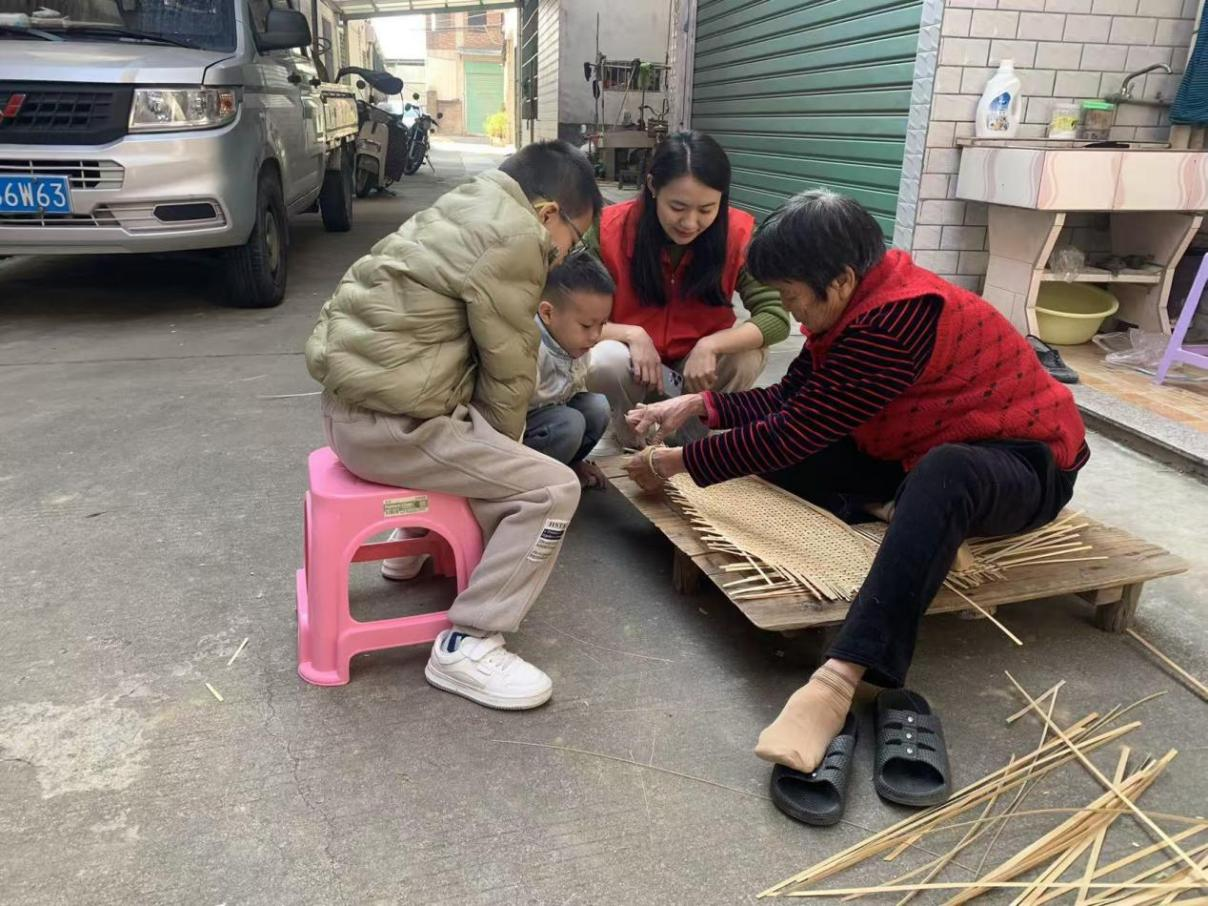
Group 1 - The core activity involves volunteers from Ping An Property & Casualty Insurance engaging with local intangible cultural heritage artisans to learn traditional bamboo weaving techniques, highlighting the intersection of financial philanthropy and cultural preservation [1][3]. - The volunteers' initiative, termed "Intangible Heritage into Streets and Alleys," aims to connect local artisans with youth, fostering an understanding of cultural heritage through hands-on experience [3][5]. - The plan includes documenting the weaving techniques learned during the event, with the intention of integrating intangible heritage experiences into rural community service, positioning financial professionals as temporary apprentices and cultural ambassadors [5][7]. Group 2 - The event emphasizes that philanthropy can extend beyond mere assistance to include the connection of traditional skills, curiosity of youth, and active participation of volunteers, thereby revitalizing intangible cultural heritage in everyday life [3][5]. - The interaction between financial philanthropy and traditional craftsmanship creates a warm and culturally rich environment, blending community service with cultural education [7].


是时候认识中国夏布了!
Xin Lang Cai Jing· 2025-12-24 06:29
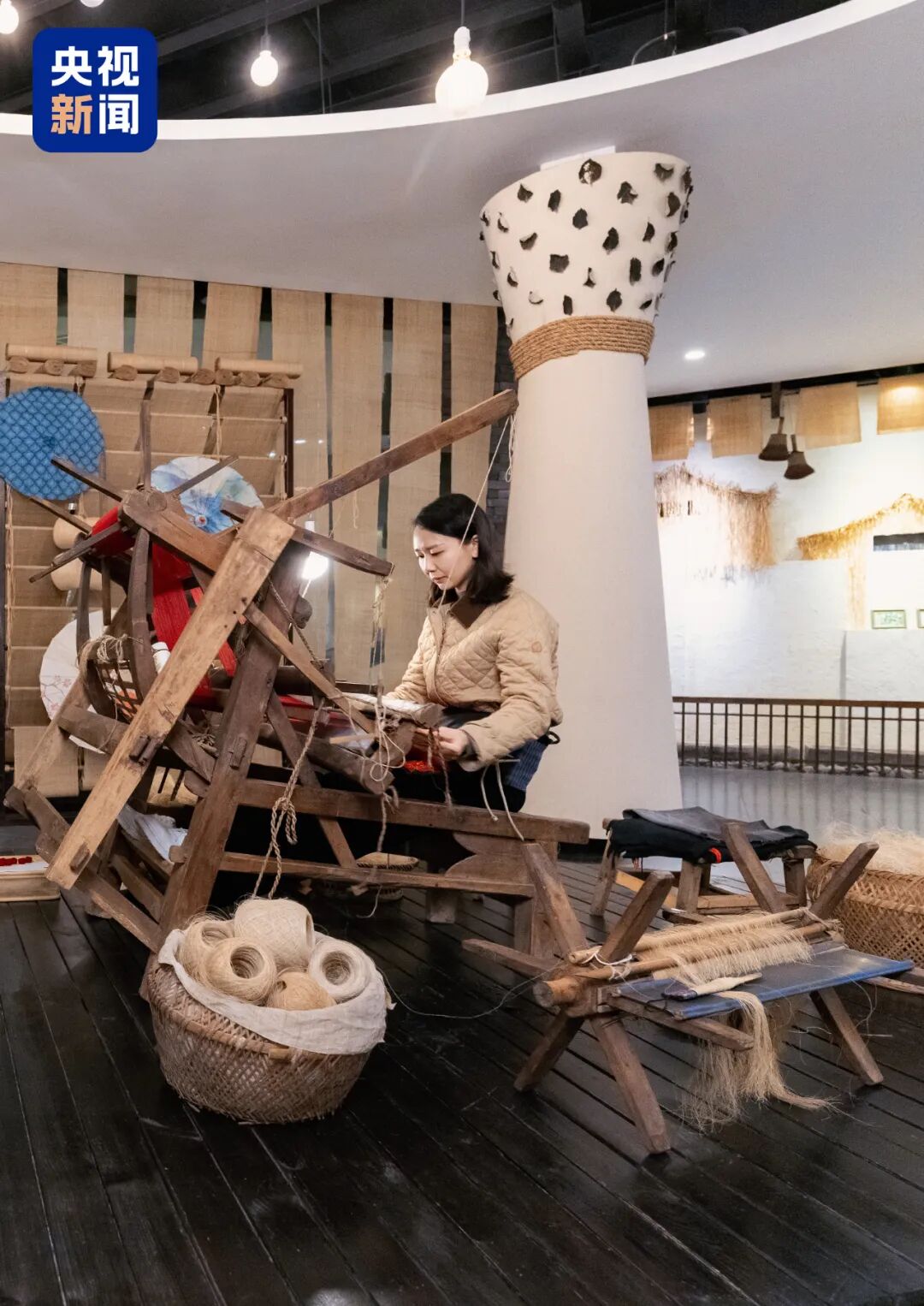
Core Viewpoint - The article highlights the efforts of Ma Linqin, a national intangible cultural heritage inheritor of the Xiabu weaving technique, to innovate and promote this traditional craft, ensuring its relevance in modern life and increasing its visibility to a broader audience [1][21]. Group 1: Background and Tradition - Xiabu weaving has a history of over a thousand years, known for its breathability and suitability for summer wear [1]. - The production process involves multiple intricate steps, including retting, spinning, and weaving, resulting in a fabric that is both lightweight and structured [4][6]. - Ma Linqin's childhood memories of communal weaving experiences have deeply influenced her connection to the craft [4]. Group 2: Innovation and Modernization - Upon returning to her hometown after studying abroad, Ma Linqin faced challenges due to the labor-intensive nature of Xiabu production and competition from other textile materials [7]. - To address these challenges, she began exploring ways to integrate Xiabu into everyday life, believing that traditional techniques should not remain dormant but should be revitalized [9]. - Ma Linqin has developed various innovative products, including home decor items and a themed guesthouse, emphasizing the versatility of Xiabu [15]. Group 3: Cultural Promotion and Education - The Xiabu weaving technique was recognized as a national intangible cultural heritage in 2008, highlighting its cultural significance [15]. - Ma Linqin established a Xiabu museum to educate visitors about the craft, featuring a "thousand cloth wall" that showcases the evolution of Xiabu over time [17]. - She actively engages with students and participates in domestic and international events to promote the beauty and significance of Xiabu [19]. Group 4: Future Aspirations - Xiabu has become a prominent symbol of Rongchang, with products being exported internationally [21]. - Ma Linqin acknowledges that the journey of promoting Xiabu will require sustained effort over generations, but she remains optimistic about its future [21]. - The inclusion of Xiabu in contemporary products, such as the "Night Reading Calendar 2026," signifies its ongoing relevance and potential for growth [23].
550个品牌亮相吉林粉雪时装周
Xin Lang Cai Jing· 2025-12-22 20:23
Core Viewpoint - The "Changbai Grand Show: Powder Snow Fashion Week" held from December 19 to 20 in Changchun is a key highlight of the 9th Jilin Ice and Snow Industry International Expo, focusing on the theme "New Ice and Snow Consumption, Shared New Future" to inject fashionable new momentum into the ice and snow economy [1] Group 1: Event Overview - The event integrates Jilin's characteristics, snow resources, and trendy design, creating a complete cycle of "display - experience - consumption" with 420 participating enterprises showcasing 550 quality brands [1] - The event features a diverse release matrix centered on "cultural + creative + industry," including elements of intangible cultural heritage, folk innovation, and emerging campus designs [1] Group 2: Consumer Engagement - The expo offers consumer-friendly policies such as 35% off on ice and snow equipment vouchers and discounts of up to 350 yuan per order, making fashionable ice and snow consumption more accessible [1] - The Jipai New Chinese-style intangible cultural heritage clothing release incorporates multiple intangible heritage techniques into modern design, transforming traditional craftsmanship into wearable aesthetics [1] Group 3: Cultural Integration - The "Craftsman Northeast Folk Costume" release focuses on revitalizing local customs while maintaining the practical essence of Northeast folk clothing, blending traditional elements with contemporary aesthetics [1]
从古德伍德到宣城泾县 非遗的另一种打开方式
Jing Ji Guan Cha Wang· 2025-12-22 09:35
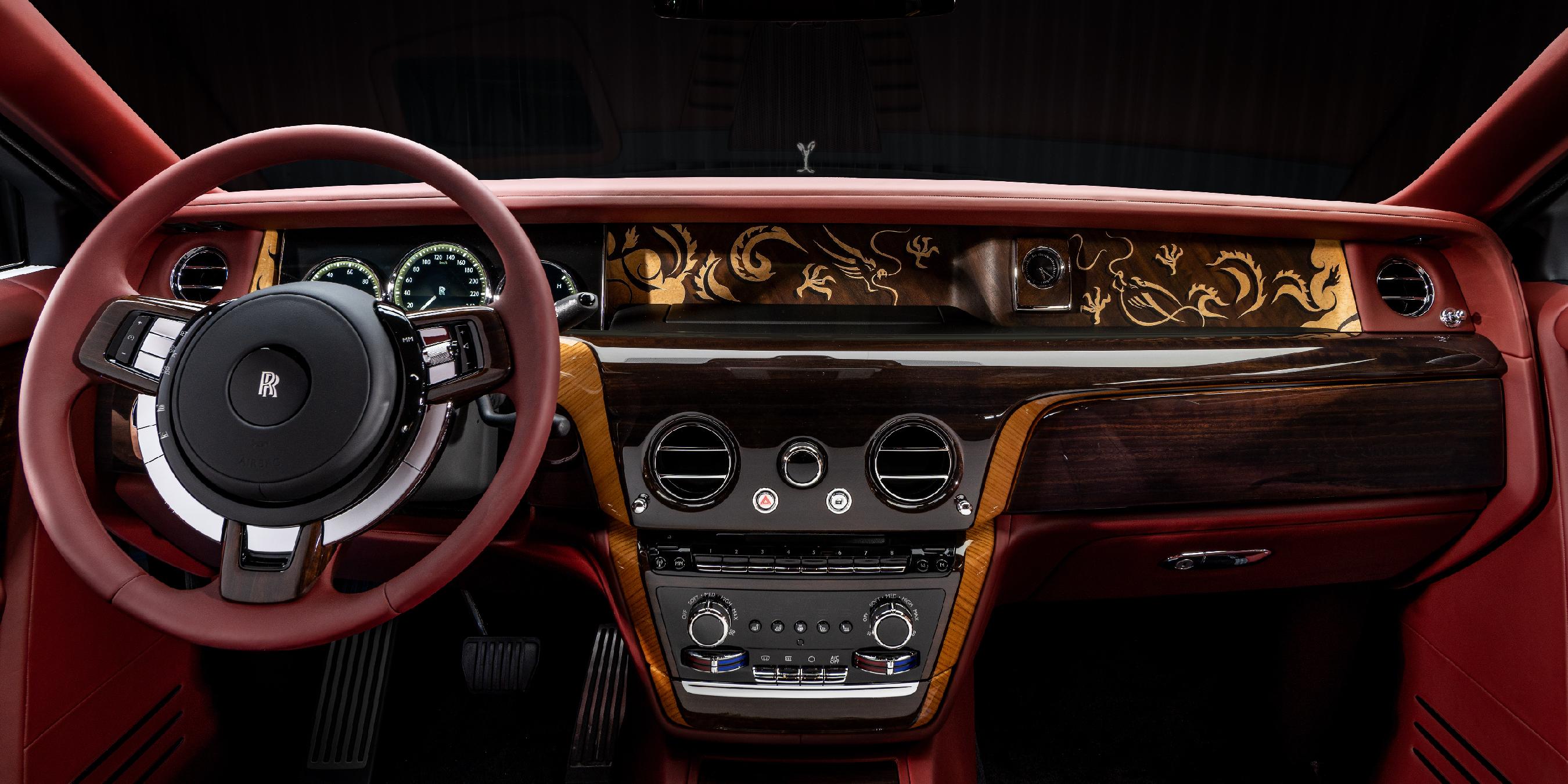
Core Insights - Rolls-Royce is integrating traditional Chinese Xuan paper into its automotive design, reflecting a blend of Western manufacturing artistry and Eastern cultural heritage [2][3][4] - The "Heartbeat" project aims to explore and modernize traditional Chinese craftsmanship, starting with Xuan paper, to create bespoke automotive designs that resonate with Chinese customers [3][12][13] Group 1: Cultural Integration - Rolls-Royce has initiated interactions between its designers and Chinese artisans to understand the nuances of traditional paper-making techniques [2][6] - The collaboration emphasizes the shared values of craftsmanship and artistic expression between Rolls-Royce and traditional Chinese paper [4][7] - The project is seen as a way to enhance the brand's cultural depth and appeal in the Chinese market [7][14] Group 2: Craftsmanship and Customization - The demand for bespoke designs incorporating local cultural elements has increased among Chinese customers, prompting Rolls-Royce to adapt its offerings [3][11] - Rolls-Royce's bespoke vehicles are handcrafted, with each car taking over 600 hours to produce, highlighting the importance of skilled artisans in the manufacturing process [7][12] - The integration of Xuan paper is expected to enhance the luxury and uniqueness of Rolls-Royce vehicles, making them more than just cars but also works of art [7][14] Group 3: Technical Exploration - The technical feasibility of incorporating Xuan paper into vehicle design is currently under exploration, with ongoing tests and certifications [8][9] - Artisans are experimenting with various techniques to ensure that the paper meets the durability and aesthetic standards required for automotive applications [9][10] - The collaboration aims to push the boundaries of traditional craftsmanship while ensuring safety and quality in the final product [8][12] Group 4: Future Directions - The "Heartbeat" project is set to continue for three years, with each year focusing on different aspects of traditional craftsmanship [13][14] - Rolls-Royce plans to maintain ongoing engagement with Chinese artisans to deepen its understanding of local culture and craftsmanship [14][15] - The project represents a significant step in merging high-end automotive design with traditional cultural elements, potentially setting a precedent for future collaborations [14][15]
一人高的木偶,300年的绝技
Xin Lang Cai Jing· 2025-12-21 18:36
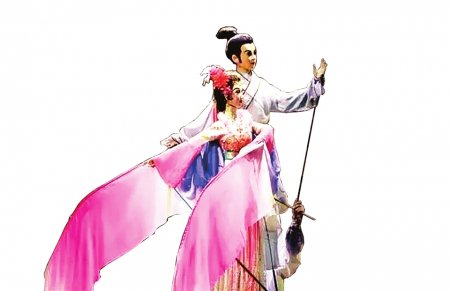
Core Viewpoint - The article highlights the significance and evolution of Chuanbei Puppet Theatre, emphasizing its unique artistry and cultural heritage as a rare form of puppet art in the world and a treasure of Chinese folk art [10][12]. Group 1: Artistry and Technique - Chuanbei puppets are over 1 meter tall, making them one of the largest puppet types globally, and require a high level of coordination among performers to execute complex movements [10][11]. - The puppets are designed to perform both everyday actions and intricate stunts, showcasing a blend of folk art and traditional opera aesthetics [11][12]. - The puppetry incorporates elements from Sichuan opera and folk painting, reflecting the cultural characteristics of the region [12]. Group 2: Cultural Significance and Recognition - Originating from the early Qing Dynasty, Chuanbei puppetry has gained international acclaim, performing in over 40 countries since its first international tour in 1987 [12][13]. - The art form has received numerous accolades, including being listed as a national intangible cultural heritage in 2006 and winning over 40 significant awards in various competitions [13]. - Chuanbei puppetry has been featured in major national and international events, enhancing its reputation as a symbol of Chinese folk art [13]. Group 3: Innovation and Modernization - The Sichuan Puppet Theatre has established a comprehensive talent system for the preservation and innovation of Chuanbei puppetry, integrating performance art with tourism [14]. - Efforts to modernize the art include the introduction of VR puppet museums and online puppet classes, expanding the audience reach beyond traditional settings [14]. - The theatre serves as a hub for international puppet art exchanges, contributing to the contemporary relevance and vitality of Chuanbei puppetry [14].
汴京灯笼张:技艺点亮非遗 数字赋能新生
Xin Lang Cai Jing· 2025-12-21 12:30
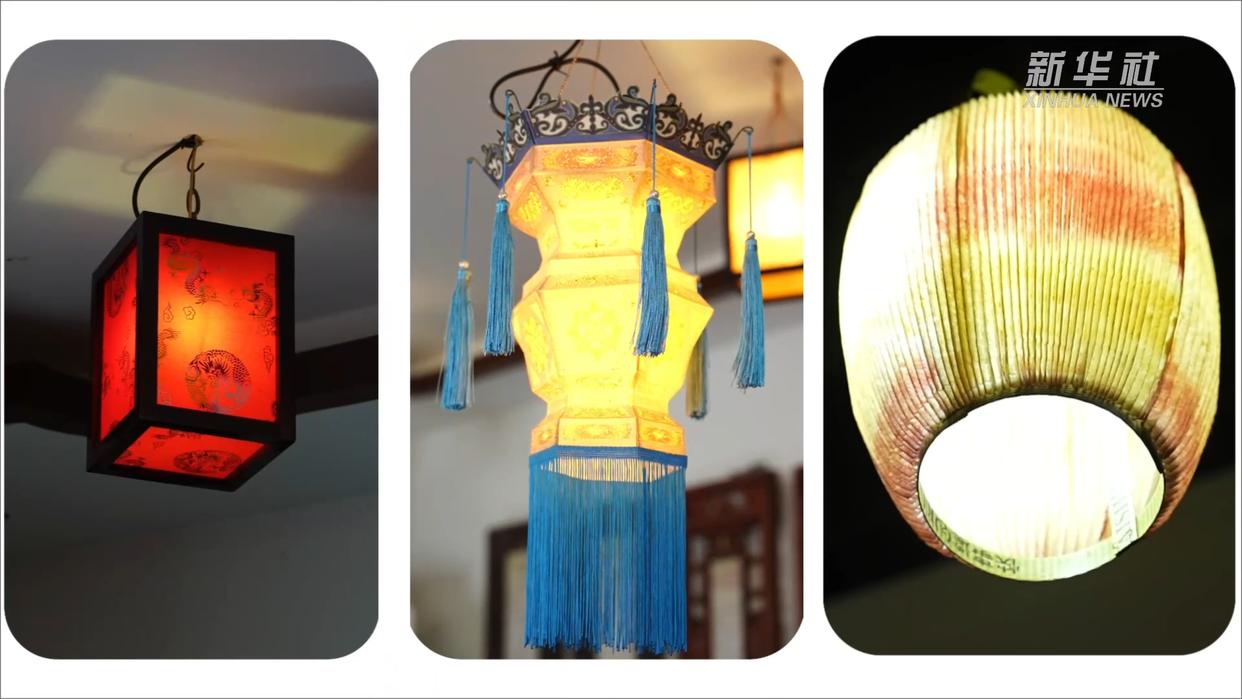
Group 1 - The core idea of the article revolves around the preservation and digitalization of traditional cultural heritage, specifically through the efforts of Zhang Juntao, a seventh-generation inheritor of the national intangible cultural heritage "Bianjing Lantern Zhang" [2][3]. - Zhang Juntao has transformed his ancestral home into a museum that is open to the public for free, promoting the cultural significance of traditional lantern-making [3]. - He actively engages with schools and communities to spread awareness of this cultural heritage, taking Bianjing lanterns to international audiences, thus transforming a livelihood skill into a cultural symbol [5]. Group 2 - Zhang Juntao's commitment to both preservation and innovation has revitalized the ancient craft of lantern-making, ensuring its relevance in the digital age [5]. - The collection and organization of hundreds of thousands of traditional patterns are part of his efforts to breathe new life into ancient techniques [2]. - His work not only highlights the importance of cultural heritage but also aims to illuminate the path for future generations in the realm of intangible cultural heritage [5].
龙游庙下竹编基地编织竹农共富梦
Xin Lang Cai Jing· 2025-12-20 17:01
Core Insights - The workshop, established in October, has quickly gained popularity with a full order book and several skilled bamboo weavers employed, showcasing the revival of traditional bamboo weaving techniques through a modern business model [1][2] - The workshop operates on a unique model that combines community resources, corporate sales efforts, and piece-rate compensation for farmers, creating a win-win situation for cultural heritage preservation and income generation [1][2] Group 1 - The workshop has trained over a dozen weavers and is fully booked with orders until the end of the month, indicating strong demand for its custom bamboo products [1] - The workshop provides free professional training and home delivery of materials, enabling local women and artisans to work flexibly and earn approximately 200 yuan per day [1] - Future plans include expanding the workforce to 40-50 individuals and enhancing the workshop's facilities and product offerings, particularly focusing on new bamboo products related to the upcoming Year of the Horse [1] Group 2 - The workshop not only provides stable employment for older villagers but also broadens income channels for the village collective economy, contributing to rural revitalization [2] - Other similar workshops, such as the Bamboo Home Workshop, are also being developed, creating a cluster effect that enhances the impact of intangible cultural heritage on agricultural income [2] - The workshop attracts external enthusiasts interested in traditional crafts, further promoting cultural exchange and market demand for bamboo weaving [2]
热雪沸腾 相约吉林|冰雪裹着烟火气 非遗撞上新潮流——雪博会“冰雪风物馆”亮点扫描
Xin Lang Cai Jing· 2025-12-20 03:38
Core Insights - The 9th Jilin Ice and Snow Industry International Expo showcases a vibrant atmosphere with a blend of traditional culture and modern ice and snow products [1][10] - The event highlights the strategic layout of "One Heart, Two Parks, and Six Venues," featuring various snow sports equipment and innovative products [3][10] Group 1: Exhibition Highlights - The "Learn to Ski in Changchun" themed exhibition area spans 2400 square meters, displaying snow gear and advanced products like snowmobiles and space capsules [3] - The intangible cultural heritage (ICH) exhibition area attracts significant attention, showcasing traditional crafts such as Manchu paper-cutting and regional delicacies [5][10] Group 2: Visitor Experience - Visitors express satisfaction with the opportunity to experience traditional culture and taste diverse regional foods, enhancing their overall experience [7] - Special promotions for ski tickets, including discounts and bundled offers with local attractions, are well-received by attendees [7] Group 3: Product Promotion - The "Changchun Gifts" booth features popular new products, including a ski-themed three-in-one pendant that appeals to younger audiences [9] - The event successfully merges traditional craftsmanship with modern trends, transforming ice and snow resources into consumer hotspots [10]

苏州冬至习俗守护联盟成立
Su Zhou Ri Bao· 2025-12-19 23:58
Group 1 - The event "Winter Solstice as Important as New Year" was launched in Suzhou, celebrating the third anniversary of the inclusion of "Suzhou Winter Solstice Customs" as a provincial intangible cultural heritage [1] - The event aims to combine government and enterprise efforts, cultural tourism integration, and community participation to revitalize consumer activity in the ancient city while preserving cultural heritage [1] - A manual titled "Walking Through Time and Space" was released, featuring 73 hand-drawn elements, 2 maps, and 11 educational routes, promoting the transmission of Suzhou's winter solstice customs [1] Group 2 - The event showcased intangible cultural heritage through various crafts, including jade carving, Song brocade, and paper-cutting, with a focus on the theme of the upcoming Year of the Horse [2] - A donation ceremony was held to provide winter care packages to vulnerable groups, enhancing the warmth and community spirit of the event [2] - A new warm service station was established to offer basic public services to new employment groups and local residents, enhancing the city's service quality [2] Group 3 - A diverse market was launched at the event, featuring stalls with traditional Suzhou snacks, embroidery, and other cultural products, igniting consumer enthusiasm [3] - The "Winter Solstice Food Market" showcased various traditional foods and beverages, continuing until the following day [3] - The "New Year Warm Market" will gather traditional winter solstice delicacies and cultural products, running until December 28 [3]