
夏布

Search documents
近代中国经济地理重构——从江右商的买办化谈起
Jing Ji Guan Cha Wang· 2026-01-24 11:54
Core Insights - The article discusses the revolutionary impact of the "Li Jin" tax system initiated by Zeng Guofan during the Taiping Rebellion, which transformed military financing and local governance in China [1][2][3] - It highlights the emergence of a symbiotic relationship between the Xiang Army and the Li Jin tax, which undermined the Qing central authority and restructured the fiscal landscape [1][2][3] Group 1: Li Jin Tax System - The Li Jin tax was first established in 1853 as a wartime tax to fund military efforts against the Taiping Army, with a tax rate of "one hundredth" on rice merchants [1][2] - Zeng Guofan expanded the Li Jin tax across various provinces, creating a system where military funding was directly linked to tax revenues, achieving fiscal independence from the Qing court [2][3] - The tax system was structured with multiple layers, including production, transportation, and sales taxes, which collectively formed a mechanism for military financing [2][3] Group 2: Economic Impact on Merchants - The Li Jin tax disproportionately affected different merchant groups, with Jiangyou merchants facing a tax burden of 35%, significantly higher than their counterparts [3][5] - The tax system led to a reconfiguration of economic geography, as merchants adapted their strategies to evade high taxes, resulting in a decline of traditional trade routes [3][5] - The emergence of Shanghai as a tax haven allowed merchants to escape the burdens of the Li Jin tax, leading to a shift in trade dynamics and the rise of a new economic order [9][10] Group 3: Political and Social Consequences - The article illustrates how the Li Jin tax system catalyzed a transformation in the merchant class, pushing them towards a comprador role as they sought refuge in foreign trade [7][8] - The decline of Jiangyou merchants and the rise of Shanghai as a commercial hub reflect broader socio-economic changes, marking a shift from inland economic dominance to coastal commercial supremacy [18][19] - The narrative emphasizes the internal pressures that drove merchants to adapt and survive, highlighting the complex interplay between state policies and economic realities [16][19]
是时候认识中国夏布了!
Xin Lang Cai Jing· 2025-12-24 06:29
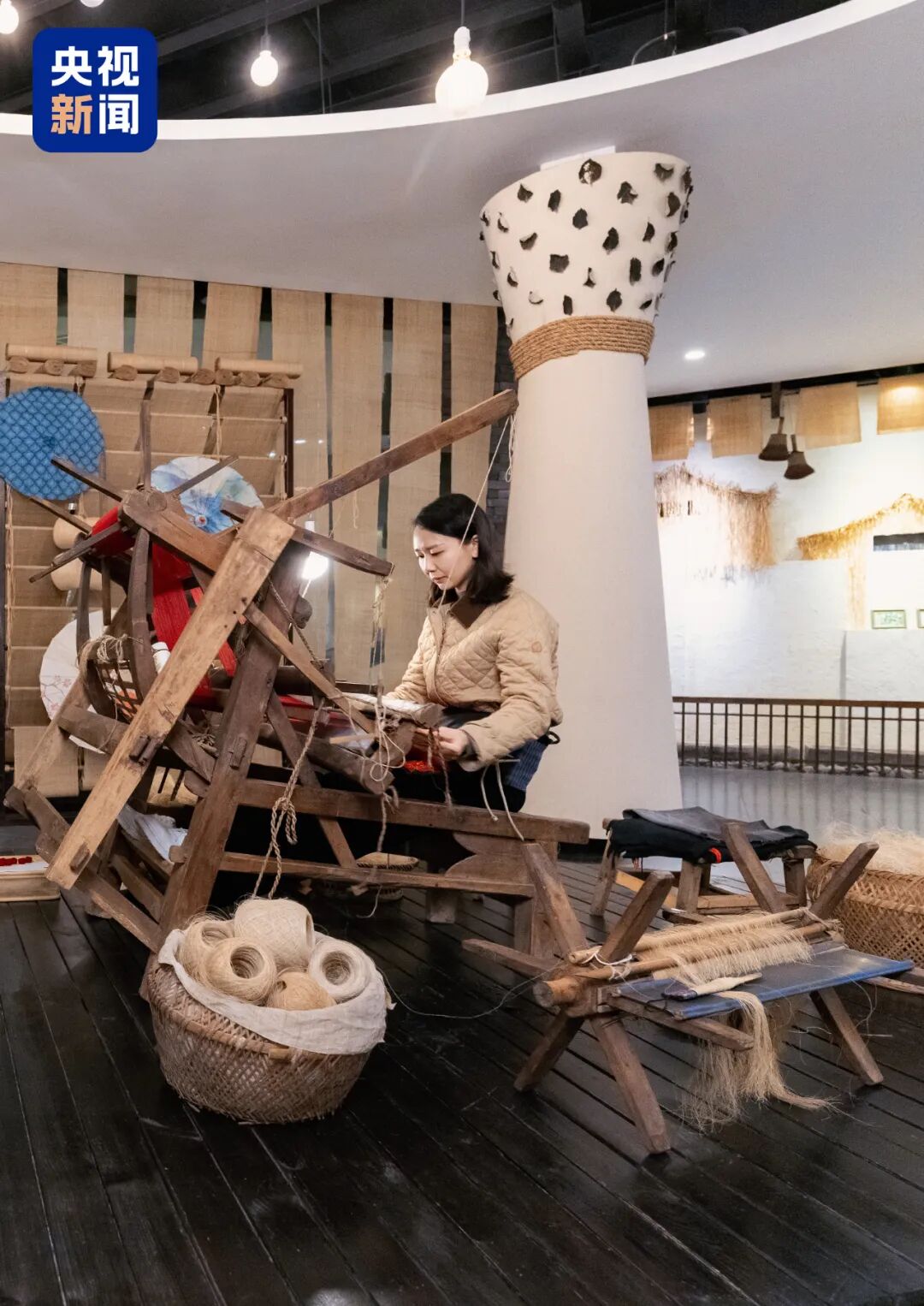
Core Viewpoint - The article highlights the efforts of Ma Linqin, a national intangible cultural heritage inheritor of the Xiabu weaving technique, to innovate and promote this traditional craft, ensuring its relevance in modern life and increasing its visibility to a broader audience [1][21]. Group 1: Background and Tradition - Xiabu weaving has a history of over a thousand years, known for its breathability and suitability for summer wear [1]. - The production process involves multiple intricate steps, including retting, spinning, and weaving, resulting in a fabric that is both lightweight and structured [4][6]. - Ma Linqin's childhood memories of communal weaving experiences have deeply influenced her connection to the craft [4]. Group 2: Innovation and Modernization - Upon returning to her hometown after studying abroad, Ma Linqin faced challenges due to the labor-intensive nature of Xiabu production and competition from other textile materials [7]. - To address these challenges, she began exploring ways to integrate Xiabu into everyday life, believing that traditional techniques should not remain dormant but should be revitalized [9]. - Ma Linqin has developed various innovative products, including home decor items and a themed guesthouse, emphasizing the versatility of Xiabu [15]. Group 3: Cultural Promotion and Education - The Xiabu weaving technique was recognized as a national intangible cultural heritage in 2008, highlighting its cultural significance [15]. - Ma Linqin established a Xiabu museum to educate visitors about the craft, featuring a "thousand cloth wall" that showcases the evolution of Xiabu over time [17]. - She actively engages with students and participates in domestic and international events to promote the beauty and significance of Xiabu [19]. Group 4: Future Aspirations - Xiabu has become a prominent symbol of Rongchang, with products being exported internationally [21]. - Ma Linqin acknowledges that the journey of promoting Xiabu will require sustained effort over generations, but she remains optimistic about its future [21]. - The inclusion of Xiabu in contemporary products, such as the "Night Reading Calendar 2026," signifies its ongoing relevance and potential for growth [23].

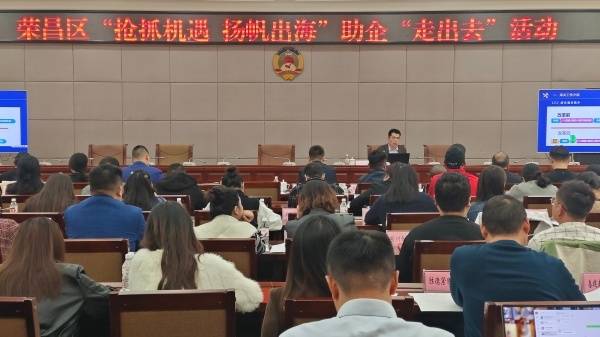
荣昌区举办“抢抓机遇 扬帆出海”助企“走出去”活动
Sou Hu Cai Jing· 2025-10-29 04:36
Core Insights - The event "Seize Opportunities and Set Sail" was held in Rongchang District to support local enterprises in expanding into international markets, focusing on policy interpretation, resource connection, and risk management [2][3] - Rongchang is leveraging its "2335" modern manufacturing cluster system, particularly in the electronic circuit and biopharmaceutical sectors, with the electronic circuit industry experiencing a growth of 103.2% in the first nine months of this year [2] - The event featured experts from Chongqing Customs, tax authorities, and cross-border e-commerce to provide practical guidance and insights into market trends and export processes [2][3] Policy and Support Measures - Chongqing Customs and the tax bureau provided detailed explanations of export tax rebates and foreign trade support policies, clarifying specific measures for subsidy applications and service guarantees [3] - The "New Outbound 2035 Plan" was introduced to assist enterprises in building overseas brands and channels [2] Future Plans - Rongchang will continue to upgrade its foreign trade comprehensive service platform and implement subsidies for cross-border e-commerce and brand cultivation, providing full-process support for enterprises going abroad [3] - The district aims to deepen the integration of its characteristic industries with the cross-border e-commerce ecosystem to enhance the international competitiveness of "Rongchang Manufacturing" and promote high-quality foreign trade development [3]
“书记带头下馆子”引爆流量,荣昌经济火了
21世纪经济报道· 2025-07-04 12:56
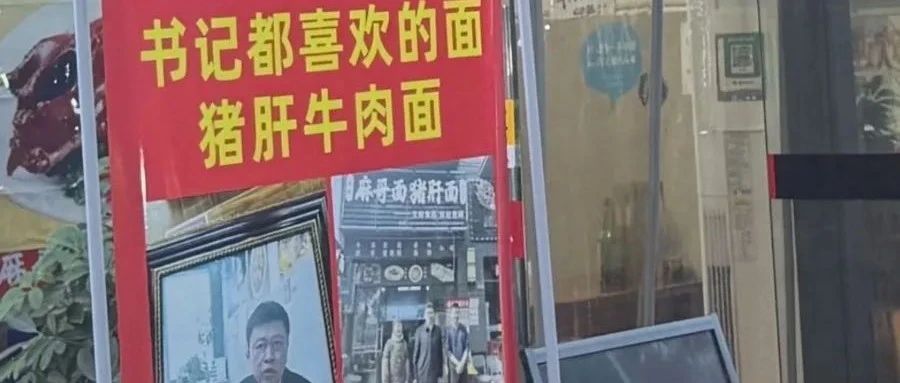
Core Viewpoint - The article highlights the recent surge in popularity and economic activity in Rongchang, driven by local government initiatives and the influence of local figures like the district secretary, who actively promotes local businesses and consumption [2][5][10]. Group 1: Local Consumption and Economic Growth - Rongchang's district secretary, Gao Hongbo, has been leading by example by dining at local restaurants and spending on local businesses, which has garnered significant attention and increased foot traffic to these establishments [4][5][17]. - The local economy has seen a boost, with over 330 million visitors and a total tourism revenue exceeding 2.6 billion yuan during recent holidays, showcasing the effectiveness of promotional efforts [7][9]. - The district's GDP is projected to grow by 6.6% in 2023 and 5.8% in 2024, surpassing the average growth rates of Chongqing and the national level [9]. Group 2: Industry and Business Development - The local food industry, particularly the Rongchang goose sector, has expanded rapidly, with over 100 new businesses opening in recent months, indicating a strong market demand [16][18]. - Rongchang's government has initiated various projects to enhance local industries, including the establishment of an industrial park for the goose industry, aiming to consolidate over 300 small workshops into a more efficient production model [38][41]. - The local government is actively attracting investments, with a total of 8 projects worth 900 million yuan signed recently, focusing on sectors like automotive components and new materials [42][46]. Group 3: Marketing and Brand Promotion - Local businesses are increasingly leveraging social media platforms to enhance their visibility and attract customers, with many adopting strategies to capitalize on the recent influx of attention [20][21][22]. - The concept of "Gao Secretary's Style" has become a marketing tool for local restaurants, with dishes associated with him being promoted to attract customers [11][12]. - The government encourages local entrepreneurs to embrace the flow of traffic generated by social media and events, emphasizing that this flow should be utilized to foster long-term economic growth [25][35]. Group 4: Community Engagement and Events - Rongchang has initiated a series of cultural and sporting events to maintain engagement with visitors, including a marathon and various local festivals, aimed at creating a vibrant community atmosphere [30][32]. - The district plans to host regular events to keep the momentum going, ensuring that the local economy benefits from sustained visitor interest [29][30]. - The government is also focusing on building a network of local influencers to promote the region and its offerings, aiming to create a sustainable model for attracting visitors and investments [35][49].
“书记带头消费”引爆流量,荣昌再续泼天富贵
2 1 Shi Ji Jing Ji Bao Dao· 2025-07-04 11:35
Core Insights - The article highlights the recent surge in consumer activity and tourism in Rongchang, driven by local government initiatives and the popularity of local businesses, particularly restaurants and traditional food products [2][4][10]. Group 1: Economic Growth and Consumer Behavior - Rongchang's GDP is projected to grow by 6.6% in 2023 and 5.8% in 2024, surpassing the average growth rates of Chongqing and the national level [4]. - The area has seen a significant increase in consumer spending, with a 40% year-on-year growth in housing sales and a 27% increase in automobile consumption from early April to mid-May [8]. - The local government has actively encouraged consumption, leading to a notable increase in deposits, which rose by 5.8 billion yuan in the first four months of the year [8][9]. Group 2: Local Business and Tourism - Rongchang has transformed into a "net celebrity" destination, with local eateries gaining popularity after being frequented by high-profile local officials [2][3]. - The local food industry, particularly the Rongchang braised goose, has seen a boom, with over 100 new businesses opening in recent months [7][10]. - The government has implemented strategies to enhance tourism, including opening public canteens and providing free parking during holidays, resulting in over 330 million visitors and 2.6 billion yuan in tourism revenue during recent holidays [2][4]. Group 3: Industry Development and Investment - Rongchang is focusing on industrial upgrades, with significant investments in the electronic information, pharmaceutical, and food processing sectors, which have all shown remarkable growth [4][24]. - The local government is actively promoting the development of the Rongchang braised goose industry, aiming for industrialization and brand recognition, with plans to establish an industrial park for the goose industry [20][23]. - Recent investments from external companies in sectors like automotive components and new materials indicate a growing interest in Rongchang's business environment [23][26].
夏布,布由夏天而名(追梦)
Ren Min Ri Bao· 2025-06-04 05:40
Core Viewpoint - The article highlights the traditional craftsmanship of Wanzai summer cloth, emphasizing the intricate manual processes involved in its production and the challenges faced in preserving this heritage in the modern textile industry [5][6][7]. Group 1: Traditional Craftsmanship - Wanzai summer cloth, made from ramie fibers, has a history of over 1600 years and is known for its breathability, sweat absorption, and antibacterial properties [5]. - The production process involves multiple complex steps, including soaking, softening, and drying the ramie, which requires significant manual labor and skill [6]. - The yarn production, particularly the spinning of ramie into a long, knot-free thread, can take nearly two months for one person to complete [6]. Group 2: Challenges and Adaptations - The traditional summer cloth industry faces declining demand due to modern textile manufacturing methods, leading many local artisans to abandon the craft [6][7]. - The reliance on manual processes results in low efficiency and high costs, prompting efforts to optimize production while maintaining the natural qualities of the fabric [7]. - The introduction of innovative designs and products, such as dyed summer cloth items and cultural experiences, aims to promote and revitalize interest in Wanzai summer cloth [7].
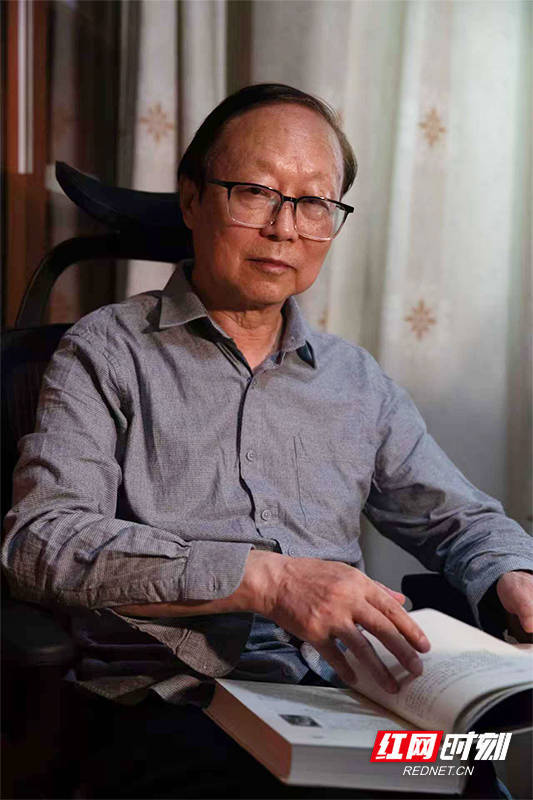
专访陈先枢:长沙自古就是消费城市
Sou Hu Cai Jing· 2025-05-26 06:49
Group 1 - Changsha has a historical reputation as a consumption city, supported by its rich cultural and commercial history [1][3] - The region's agricultural advantages and favorable climate have historically contributed to its commercial prosperity, allowing residents to consume without worry [3][4] - The development of agriculture and handicrafts, along with advanced transportation, facilitated the emergence of commerce in ancient Changsha [3][4] Group 2 - During the Tang Dynasty, Changsha's trade flourished, with its ceramics being exported widely, indicating a strong commercial network [3][4] - The Song Dynasty saw unprecedented growth in urban commerce, with Changsha ranking fourth in commercial tax revenue in the country [4] - The Ming and Qing Dynasties marked a significant expansion in both agricultural and industrial production, further establishing Changsha as a commercial hub [4][5] Group 3 - The consumption patterns and atmosphere in Changsha have evolved over time, influenced by cultural shifts and the influx of merchants [5] - The opening of Changsha in 1904 led to a diversification of consumer goods and services, reflecting changing social dynamics [5] - Contemporary consumption trends in Changsha are rooted in its historical legacy, emphasizing the importance of integrating nostalgia with modernity in business strategies [5]
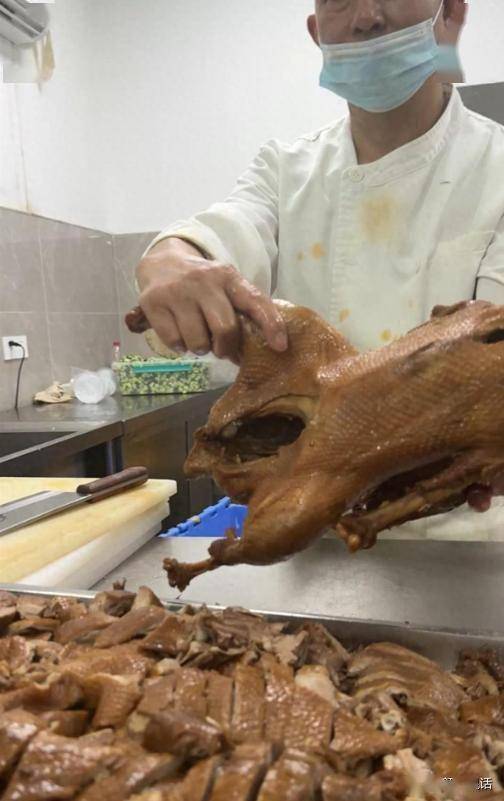
荣昌爆火启示录:一座四五线小城如何接住224万游客的泼天富贵?
Sou Hu Cai Jing· 2025-05-17 15:15
Core Insights - The article highlights the unexpected success of Rongchang, a lesser-known district in Chongqing, which attracted 2.24 million visitors during the May Day holiday through innovative strategies like opening government canteens to the public [1][2][4] Group 1: Government Initiatives - The opening of government canteens provided thousands of additional seats for tourists, alleviating pressure on local restaurants and enhancing the overall dining experience [2][4] - The initiative was a strategic move to manage the overwhelming influx of visitors, demonstrating effective crisis management and public service [2][7] Group 2: Economic Impact - Rongchang's approach transformed short-term tourist traffic into long-term brand recognition, showcasing local specialties like pig products and traditional crafts [5][11] - The district's model of "government support + community collaboration" effectively turned visitors into brand ambassadors, enhancing the region's reputation [7][12] Group 3: Visitor Experience - The unique offerings, such as free public transport and trial tastings of local delicacies, created a memorable experience for tourists, encouraging them to share their experiences [7][12] - The trust in government-operated canteens for hygiene and quality contributed to their popularity among visitors, contrasting with concerns about private dining establishments [12][14] Group 4: Long-term Strategy - The article emphasizes the importance of balancing limited resources in small cities with the need for exceptional visitor experiences, suggesting that the key to sustainable tourism lies in creating lasting impressions [9][14] - Rongchang's success serves as a case study for other small cities, illustrating that leveraging local culture and community engagement can yield significant economic benefits [11][14]
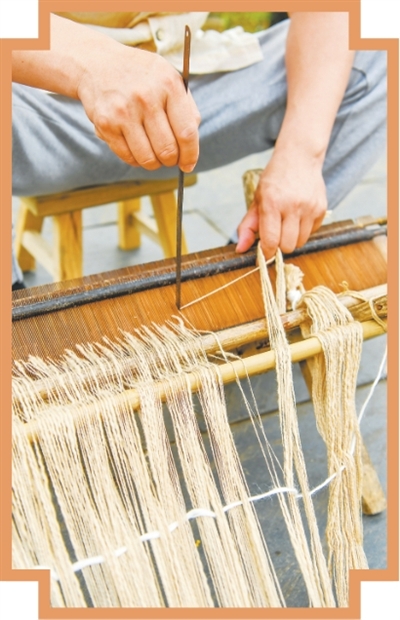
从苎麻到夏布
Ren Min Ri Bao· 2025-05-11 22:30
Core Insights - The article highlights the significance of ramie (苎麻) as a traditional fiber crop in China, emphasizing its historical and cultural importance, as well as its modern applications in textiles and home decor [2][3]. Group 1: Historical Context - Ramie has been cultivated in China since ancient times, predating cotton and silk, and was a vital fiber crop for both nobility and commoners [3]. - The production of summer cloth (夏布) from ramie began in the late Tang Dynasty and flourished during the Qing Dynasty, particularly in the Qianlong era [3]. Group 2: Agricultural Practices - In the current context, over 10,000 acres of ramie are cultivated in Shuanglin Town, with three harvests possible each year [3]. - The first harvest occurs around the Grain Rain festival, yielding the highest production, while subsequent harvests take place in July and early autumn [2][3]. Group 3: Production Process - The transformation from ramie plant to summer cloth involves multiple steps, including peeling, bleaching, and spinning the fibers into yarn, followed by weaving [2]. - The entire process is labor-intensive, reflecting traditional craftsmanship that appeals to modern consumers seeking natural and sustainable products [3]. Group 4: Modern Applications - Summer cloth has evolved to become a symbol of natural living, with applications extending beyond clothing to home decor items such as lampshades and curtains [3]. - The fabric's breathable texture and aesthetic qualities resonate with contemporary trends, attracting younger generations interested in traditional crafts and cultural experiences [3].