双碳目标

Search documents
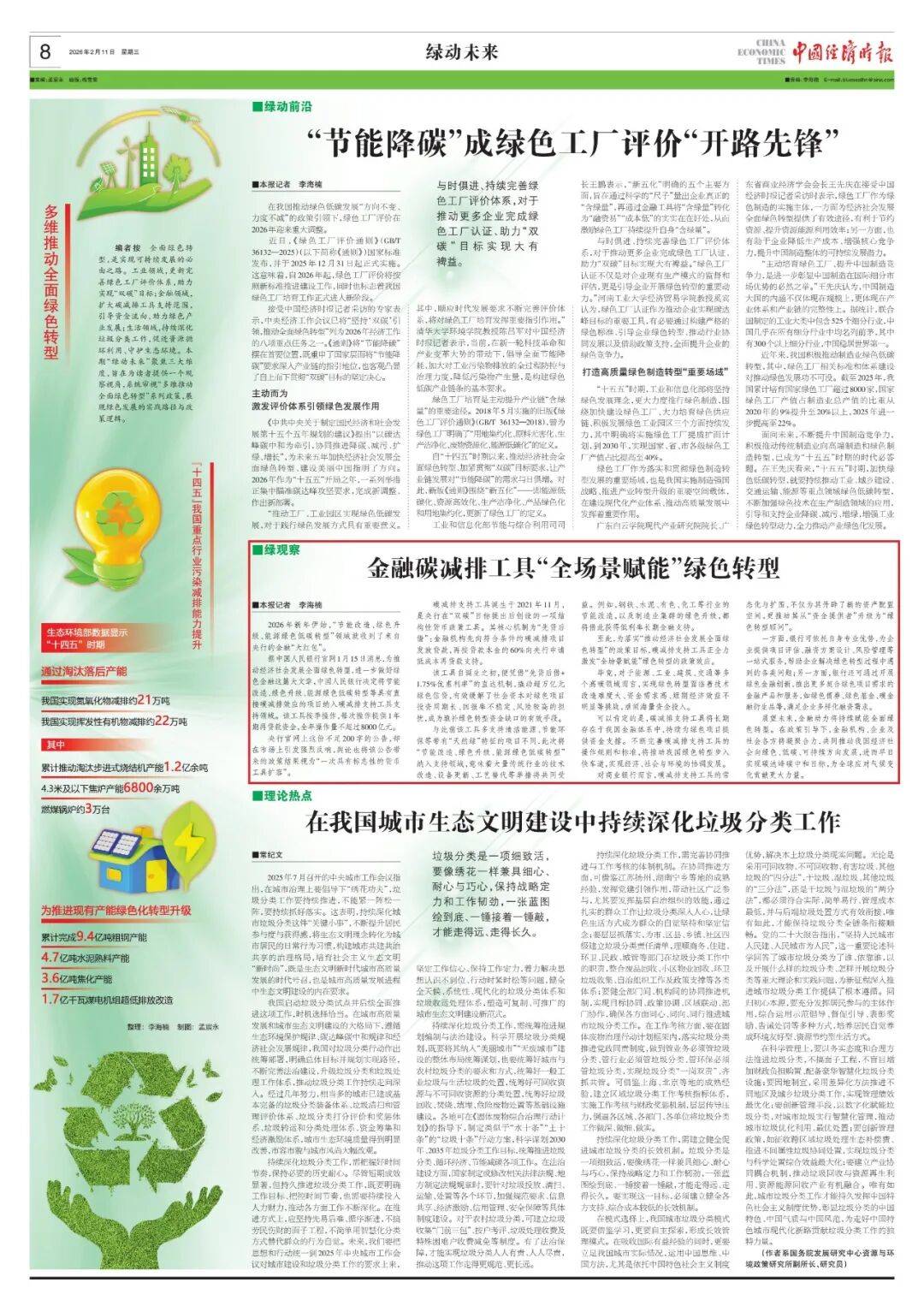
绿动未来丨金融碳减排工具“全场景赋能”绿色转型
Sou Hu Cai Jing· 2026-02-11 03:26
Core Viewpoint - The People's Bank of China (PBOC) has expanded its carbon reduction support tool to include projects related to energy efficiency upgrades and low-carbon transitions, aiming to facilitate a comprehensive green transformation in the economy [1][2][3]. Financial Sector - The PBOC's announcement has been perceived as a significant expansion of a structural monetary policy tool created in November 2021, which operates on a "lend first, borrow later" mechanism, allowing financial institutions to issue loans for eligible carbon reduction projects and then seek low-cost refinancing from the central bank [2][3]. - The carbon reduction support tool has mobilized over 1 trillion yuan in green credit since its inception, effectively addressing concerns about the long investment cycles and uncertain returns associated with green projects [2][3][4]. Industrial Sector - The inclusion of energy efficiency upgrades and low-carbon transitions in the support tool signifies that traditional industries such as steel, cement, and chemicals will benefit from long-term, low-interest financial support for technological upgrades and process improvements [2][3][4]. - The tool aims to address the high capital demands and technical challenges faced by high-carbon sectors, ensuring a steady flow of funds to facilitate their green transformation [3][4]. Policy Implications - The ongoing refinement of the carbon reduction support tool's operational rules and standards is expected to accelerate China's green transition, promoting coordinated economic, social, and environmental development [3][4]. - The central government's commitment to green transformation is underscored by its inclusion in the key economic tasks for 2026, emphasizing energy efficiency and carbon reduction as primary objectives [9][10]. Green Manufacturing - The new national standard for green factory evaluation, effective from December 31, 2025, aims to enhance the green manufacturing landscape, aligning with the broader goals of carbon neutrality and sustainable development [9][10][11]. - The green factory certification process is seen as a crucial driver for enterprises to adopt greener practices, thereby improving resource efficiency and reducing production costs [11][12][13]. Future Outlook - The financial sector is expected to evolve from merely providing funds to becoming a "green transformation consultant," offering comprehensive services to businesses undergoing green transitions [4][16]. - The collaborative efforts among financial institutions, enterprises, and society are anticipated to propel the economy towards a sustainable, low-carbon future, contributing to global climate change mitigation efforts [4][16].

酶赛生物, 斩获浙江省科技技术进步二等奖,宣布正式启动IPO!
合成生物学与绿色生物制造· 2026-02-11 03:16
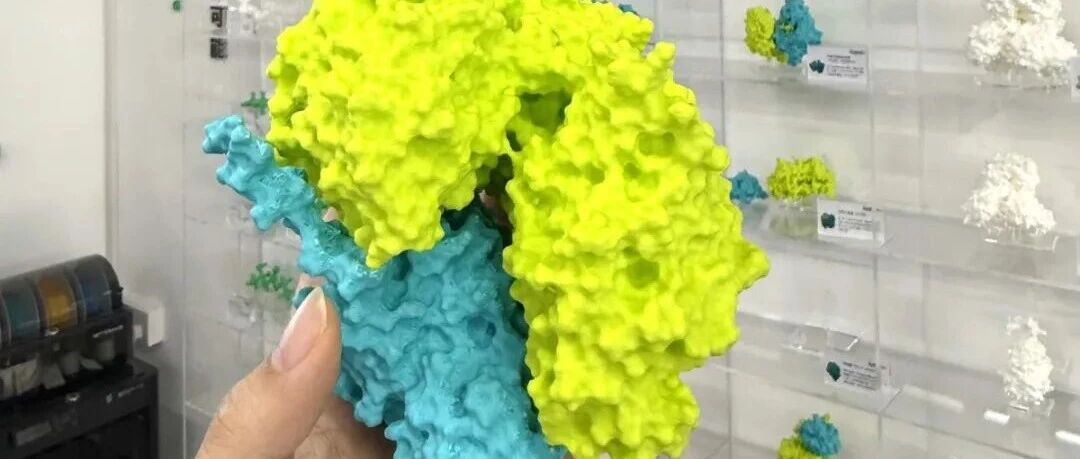
Core Viewpoint - Enzyme Science is recognized for its innovative contributions to biomanufacturing, particularly in the development of chiral amines, and aims to lead advancements in synthetic biology and green manufacturing [2][3]. Group 1: Awards and Recognition - Enzyme Science's project on "Key Technology Innovation and Industrialization Demonstration of Biomanufacturing of Chiral Amines with Cyclic Structures" won the second prize of the 2024 Zhejiang Provincial Science and Technology Progress Award [2]. - The company has received multiple honors, including being recognized as a high-tech enterprise and a "little giant" in specialized and innovative sectors [3]. Group 2: Technological Innovations - The company utilizes protein crystallography and computational biology to reconstruct ancestral sequences and analyze the crystal structure of transaminases, enhancing enzyme stability, activity, and substrate universality [2]. - Enzyme Science has developed a "green biosynthesis - product precise separation - multi-category chiral amine large-scale manufacturing" technology system, achieving high-purity production of various chiral amines [2]. Group 3: Research and Development Efficiency - The establishment of the EnzyAI virtual computing platform has significantly improved R&D efficiency, allowing one person to achieve what previously required a team of five over several months [5]. - The number of new products developed annually has increased from two to over ten [5]. Group 4: Collaborations and Partnerships - Enzyme Science has formed partnerships with institutions like Shenzhen University of Technology to create a predictive and programmable intelligent biomanufacturing platform [5][7]. - The company is also collaborating with teams to explore marine extremophilic microbial enzyme resources and AI-assisted design [7]. Group 5: Commercialization and Market Reach - Enzyme Science has commercialized over 20 products across various sectors, including pharmaceutical intermediates and food additives, with expectations of doubling revenue this year [7]. - The company serves major global pharmaceutical firms such as AstraZeneca, Bayer, and Merck, contributing to significant medications for conditions like high cholesterol and diabetes [8]. Group 6: Future Plans and IPO - Enzyme Science plans to initiate an IPO in early 2026, with a Pre-IPO financing round aimed at expanding production capacity and enhancing cash flow, expecting a valuation exceeding 1.5 billion [8]. - The company aims to extend its applications beyond pharmaceuticals and food into sectors like new energy vehicles and textiles, contributing to carbon neutrality goals [8].
央行披露绿色金融下一步任务
Xin Lang Cai Jing· 2026-02-11 02:54
Core Viewpoint - The report emphasizes the importance of green finance in China's modernization, highlighting the need for a robust policy mechanism to guide funds towards green and low-carbon sectors, which is essential for both societal transformation and the financial sector's high-quality development [1][9]. Green Finance Development - The report outlines the progress of green finance during the 14th Five-Year Plan, indicating that green loans have an average annual growth rate of 30.2%, significantly outpacing the overall loan growth by 21.1 percentage points, with the proportion of green loans rising from 6.7% to 16.2% of total loans [3][10]. - Cumulative issuance of green bonds reached 5.2 trillion yuan, with a balance of 2.4 trillion yuan, representing a 1.8-fold increase since the end of 2020, positioning China as a global leader in this market [3][10]. Policy Framework and Tools - The establishment of a unified green finance standard system has progressed since 2016, with the introduction of various guidelines aimed at enhancing financial support for green and low-carbon development [2][9]. - The People's Bank of China has implemented a carbon reduction support tool, which provides seasonal operations of up to 800 billion yuan annually to support projects with direct carbon reduction effects [3][10]. Future Directions - For the 15th Five-Year Plan, the central bank plans to enhance carbon accounting and sustainable information disclosure among financial institutions, aiming to integrate carbon emissions into asset considerations [4][11]. - The report indicates a focus on optimizing the carbon reduction support tool and expanding its scope to include more areas with carbon reduction benefits, as well as promoting the development of carbon financial products and derivatives [4][11]. Structural Policy Tools - The report highlights the expected continued emphasis on structural monetary policy into 2026, with a focus on supporting domestic demand, technological innovation, and small and medium-sized enterprises [6][12]. - Specific measures include a dedicated 500 billion yuan for consumer services and pension refinancing, as well as an increase in the re-lending quota for technological innovation to 1.2 trillion yuan [7][13].
2026年中国地板行业供需、规模及产业链现状洞悉:行业向高质量、可持续方向转型 [图]
Chan Ye Xin Xi Wang· 2026-02-11 01:28
Core Insights - The flooring industry in China is experiencing a decline in production and market size, with production expected to drop from 8.601 billion square meters in 2018 to 7.386 billion square meters by 2024 [10][9] - The demand for flooring in 2024 is projected to be 5.023 billion square meters, with wood flooring demand at 0.696 billion square meters, plastic flooring at 0.095 billion square meters, and ceramic and other flooring at 4.232 billion square meters [10][9] Industry Overview - Flooring is defined as the surface layer of building materials used for floors, made from wood, ceramics, plastics, etc., enhancing aesthetic appeal and providing comfort [2][3] - The flooring market is categorized by material (wood, plastic, ceramic), installation method (floating, adhesive, nailed), and function (anti-slip, waterproof, anti-static) [2][3] Industry Characteristics - The flooring industry is undergoing deep iterative upgrades, characterized by multi-dimensional integration and diversification of product categories [3][4] - Consumer preferences are shifting from price sensitivity to a focus on environmental performance, comfort, and aesthetic design, leading to an increase in demand for health-oriented and customized products [3][4] Policy Background - The flooring industry faces challenges such as environmental regulations and resource utilization, with a focus on green transformation and high-quality development [5][6] - Recent policies aim to enhance industry standards, including stricter formaldehyde release limits and promoting green building materials [5][6] Industry Chain - The upstream of the flooring industry includes raw material suppliers (wood, bamboo, PVC, kaolin) and machinery for production [7] - The midstream involves the manufacturing of flooring products, while the downstream encompasses applications in residential, commercial, and recreational spaces [7] Current Development Status - The flooring retail market has been in a downward trend since 2021, influenced by real estate market adjustments and increased competition from alternative products [8][9] - The overall retail scale is contracting, with ceramic and other flooring types still dominating the market but also declining [9] Competitive Landscape - The flooring industry is highly fragmented with low concentration, featuring numerous small to medium-sized manufacturers facing challenges in scale and brand influence [11][12] - Leading brands like Saint-Gobain, Da Ziran, and Der are expanding into diversified businesses, moving beyond traditional flooring to include custom home solutions and new materials [11][12] Development Trends - The industry is shifting towards green and low-carbon practices, driven by new national standards and the need for sustainable materials [15] - There is a growing focus on functional and scenario-based flooring products, catering to specific consumer needs such as antimicrobial and moisture-resistant options [15]


冬奥赛场之外的热“雪”澎湃
Xin Lang Cai Jing· 2026-02-11 00:11
Core Viewpoint - The development of the ice and snow industry in southern regions faces several challenges, including balancing high energy consumption of indoor ski resorts with carbon neutrality goals, improving safety systems, addressing the shortage of professional coaches and operational talent, and avoiding homogenization of certain projects [1] Group 1 - The ice and snow economy, led by ice and snow sports, is becoming a significant force for economic growth and enhancing public experience [1] - The industry is seen as a strategic new engine for high-quality economic and social development, validating the theory that "ice and snow can also be gold and silver mountains" [1] - The participation of athletes like Gu Ailing in international competitions is transforming southern audiences from mere spectators to active participants and enthusiasts in ice and snow sports [1]
央地联手组建百亿能源新平台
Xin Lang Cai Jing· 2026-02-10 23:14
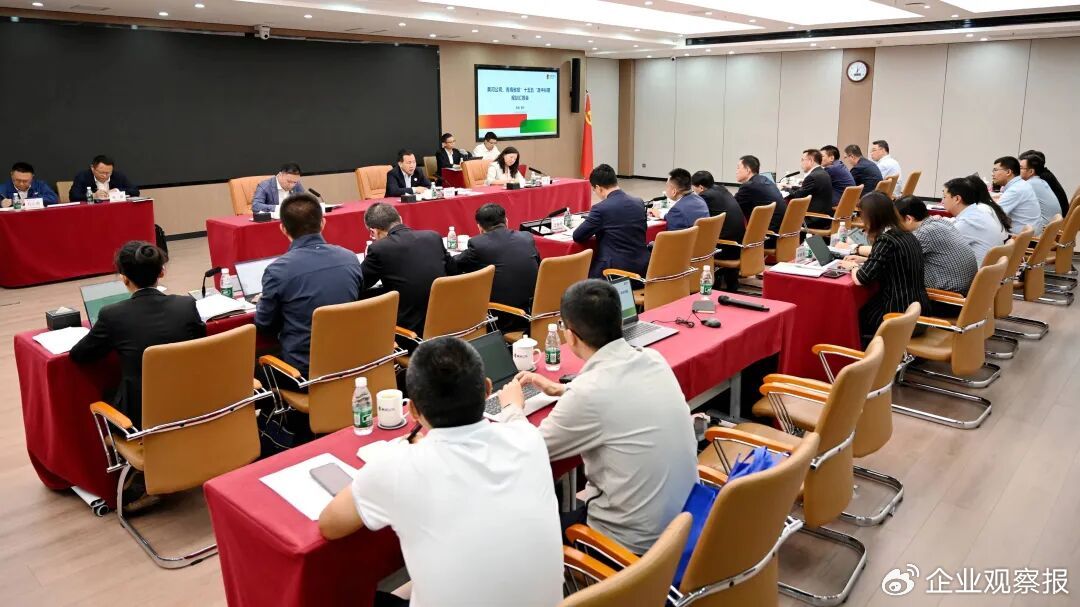
Core Viewpoint - The establishment of the State Power Investment Corporation Qingyue (Qinghai) Energy Development Co., Ltd. marks a significant step in China's clean energy development and cross-regional collaboration, supporting the national "dual carbon" goals and regional coordinated development [3][4]. Group 1: Company Formation and Structure - The new energy company has a registered capital of 15.1 billion yuan and is formed by several state-owned enterprises, including the State Power Investment Corporation and Guangdong Energy Group, showcasing a collaborative model between central and local enterprises [3][4]. - The shareholding structure includes 51% from the State Power Investment Corporation, 30% from Guangdong Energy Group, 10% from Qinghai Clean Energy Industry Development Group, and 9% from Guangdong Electric Power Co., Ltd., creating a diverse ownership model [3]. Group 2: Strategic Importance and Operations - The company aims to enhance China's clean energy development, focusing on power generation, transmission, energy storage technology services, and carbon reduction technology services, thereby covering the entire clean energy value chain [4][8]. - Qinghai province, with over 79 million kilowatts of clean energy installed capacity and a 93% share of clean energy in its total power generation, is positioned as a key strategic base for renewable energy in China [5][6]. Group 3: Regional Collaboration and Energy Security - The establishment of the company facilitates a new model of cooperation between the eastern and western regions of China, addressing the inverse distribution of energy resources and electricity demand [6][7]. - The Qinghai Hainan Clean Energy Delivery Base, with a total investment of nearly 73 billion yuan and a planned capacity of 19.44 million kilowatts, will significantly contribute to energy supply stability in the Guangdong region [5][7]. Group 4: Technological and Industrial Development - The new company will leverage technological resources from its stakeholders to enhance the integration of solar, wind, and energy storage technologies, aiming to improve project efficiency and reduce costs [8]. - The collaboration is expected to create a complete industrial chain from resource development to market consumption, promoting the upgrade of the renewable energy industry [8].
青藏高原发现天然氢:可以拉开能源变革的序幕么?
Sou Hu Cai Jing· 2026-02-10 16:12
Core Insights - Chinese scientists have discovered natural hydrogen gas in rock formations on the Tibetan Plateau, marking a significant advancement in the global exploration of natural hydrogen [2][3] - This discovery provides direct evidence of hydrogen generation mechanisms, particularly through the serpentinization process, which has implications for the potential of natural hydrogen resources in China [3] Industry Trends - There is a growing global interest in natural hydrogen, driven by its potential to be a low-cost and clean energy source compared to green hydrogen and blue hydrogen [4][6] - Companies like Gold Hydrogen in Australia are actively exploring natural hydrogen resources, with reports of hydrogen concentrations reaching 86% in certain drilling sites [4] Challenges Ahead - The industry faces three major challenges: resource uncertainty, technical adaptability, and economic feasibility [8][9] - Resource uncertainty involves the difficulty of confirming commercially viable hydrogen deposits, as hydrogen molecules are small and can easily escape [8] - Technical adaptability concerns the need for new materials and technologies for hydrogen extraction, as existing oil and gas extraction methods may not be suitable [9] - Economic feasibility is a significant concern, as the high risks associated with exploration and the uncertainty of stable hydrogen production may deter large-scale investment [9] Strategic Implications - The discovery on the Tibetan Plateau expands the understanding of hydrogen sources and offers a new option for China's long-term energy strategy [9] - The industry is encouraged to balance the development of green hydrogen technologies with research into natural hydrogen possibilities, maintaining a pragmatic approach to future energy solutions [9]

山东宏顺通过SCS翠鸟认证 其再生铝循环利用领域技术能力与环保实践获国际权威认可
Xin Lang Cai Jing· 2026-02-10 15:56
Group 1 - The core product "A356.2 cast aluminum alloy ingot" of Shandong Hongshun has successfully passed the SCS Global Services "SCS Green Certification," indicating compliance with international standards regarding recycled material content, sourcing, and traceability [1][2] - Shandong Hongshun is a key player in the domestic recycled aluminum industry, focusing on the research, production, and sales of recycled aluminum, and is committed to promoting the sustainable recycling of aluminum resources [1] - The certification serves as a "green passport" for the company to integrate into the international low-carbon supply chain and expand into high-end markets, setting a benchmark for the industry [1] Group 2 - The recycled aluminum industry is a critical pathway for low-carbon transformation in the non-ferrous metal sector, with significant energy-saving and emission-reduction benefits, as producing one ton of recycled aluminum can reduce energy consumption by approximately 95% and pollutant emissions by over 90% compared to primary aluminum production [2] - The SCS Green Certification is the world's first third-party certification system for recycled content, based on ISO 14021 standards, and serves as an important benchmark for assessing the low-carbon and circular attributes of products in the international market [2]
人民银行:研究优化碳减排支持工具,将更多具有减碳效益的领域纳入支持范围
Bei Jing Shang Bao· 2026-02-10 12:24
Core Insights - The People's Bank of China (PBOC) released the 2025 Q4 monetary policy execution report, highlighting the growth and development of green finance in China, which is crucial for achieving carbon neutrality goals [1] Group 1: Green Finance Growth - Green loans have seen an average annual growth rate of 30.2% during the 14th Five-Year Plan, significantly outpacing the overall loan growth by 21.1 percentage points, with the balance of green loans increasing from 6.7% to 16.2% of total loans [1] - Cumulative issuance of green bonds reached 5.2 trillion yuan, with a balance of 2.4 trillion yuan, representing a 1.8 times increase since the end of 2020, positioning China among the top globally [1] Group 2: Future Initiatives - The PBOC plans to enhance the policy and standard system for green finance, focusing on high-quality development to support comprehensive green transformation in economic and social development [2] - Financial institutions will be guided to improve carbon accounting capabilities and gradually incorporate carbon emissions into asset portfolio considerations, aligning with international standards while considering domestic realities [2] - There will be efforts to optimize carbon reduction support tools and promote financing for environmental rights, such as carbon emission rights and water rights, to enhance resource and environmental value [2] - Collaboration with industry and fiscal departments will be strengthened to improve the quality and efficiency of green financial services through mechanisms like information sharing and risk compensation [2]
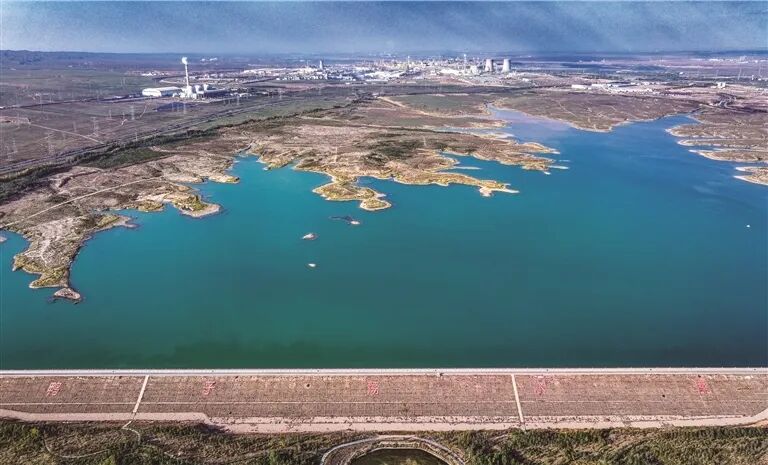
在实干中转型,于创新中跨越 ——宁东能源化工基地“十四五”时期高质量发展纪实
Zhong Guo Hua Gong Bao· 2026-02-10 10:52
Core Viewpoint - Ningdong Energy and Chemical Base is transforming its traditional coal chemical industry into a modern, high-value-added sector while addressing global energy transitions and structural challenges in resource-based regions, aiming for a total industrial output value exceeding 200 billion yuan by 2024 [1][3][4]. Group 1: Industrial Development and Achievements - Ningdong Base aims to solidify its position as a national leader in modern coal chemical industries, with a coal-to-oil project operating at 4 million tons per year, accounting for half of the national capacity [4]. - The base has achieved significant milestones, including being recognized as a national-level advanced manufacturing cluster and winning the National Science and Technology Progress Award for its coal-to-oil technology [1][4]. - By 2024, the industrial output value is projected to exceed 200 billion yuan, making it the first chemical park in central and western China to reach this milestone [1][3]. Group 2: Strategic Initiatives and Innovations - The base is focusing on high-quality development by transitioning from primary product processing to high-end manufacturing, emphasizing smart, green, and integrated industrial growth [3][5]. - It is actively developing downstream high-value products, such as high-density polyethylene and EVA, to enhance product competitiveness and risk resilience [5][6]. - The introduction of major projects has led to the establishment of new industrial clusters, including the "spandex valley" and "aromatic valley," positioning Ningdong as a key player in high-performance fiber production [6]. Group 3: Technological Innovation and R&D - Ningdong Base has increased its R&D investment intensity to 2.85%, significantly above the regional average, and has established multiple high-level innovation platforms [8][11]. - The base has completed 40 pilot projects and attracted over 30 top universities and research institutions to participate in its innovation ecosystem [9][12]. - By the end of the "14th Five-Year Plan," the number of innovation platforms is expected to reach 80, covering all key industrial sectors [11]. Group 4: Environmental Sustainability and Green Transition - The base is committed to a green transition, with a focus on energy structure optimization and the construction of a green electricity park with a total renewable energy capacity of 6.12 million kilowatts [19][20]. - It has implemented over 150 energy-saving and carbon-reduction projects, achieving a 17.5% reduction in energy consumption per unit of GDP from 2021 to 2024 [22]. - The establishment of a carbon capture, utilization, and storage (CCUS) project is a significant step towards deep decarbonization in the coal chemical industry [22]. Group 5: Safety and Risk Management - Safety production is prioritized, with a comprehensive safety management system and initiatives to enhance safety awareness among employees [13][14]. - The base has implemented a risk management platform that utilizes big data for dynamic assessment and early warning of major hazards [15][17]. - A series of safety drills and emergency response plans have been established to ensure preparedness for potential incidents [18]. Group 6: Economic and Social Development - Ningdong Base is enhancing its business environment through reforms that streamline administrative processes, achieving an 81% reduction in processing times for enterprise-related matters [29][32]. - The base has invested in public services, including housing and education, to improve living conditions for workers and their families [34][35]. - It aims to create a harmonious social environment by ensuring comprehensive social security coverage and promoting employment opportunities [36]. Group 7: Future Outlook and Strategic Goals - The base is set to continue its focus on high-quality development, aiming for an industrial output value of over 300 billion yuan by 2030, doubling its economic output from 2022 [38][39]. - Strategic initiatives will include enhancing coal supply resilience, developing modern coal chemical industries, and fostering innovation in new energy and materials [39][40].