城市更新

Search documents
坚决扛起高质量发展使命担当
Hai Nan Ri Bao· 2026-02-06 07:38
Core Viewpoint - Chengmai County is committed to high-quality development, focusing on enhancing its economic strength and ensuring smooth operations in the Hainan Free Trade Port by 2025 [2] Group 1: Economic Development - Chengmai County aims to achieve high-quality development through effective party leadership and has set ambitious goals for economic growth, including doubling the annual investment signing amount compared to provincial targets [2] - The county has ranked among the top 100 counties in comprehensive strength nationwide for three consecutive years [2] - The supply of industrial land is the highest in the province, and the core revenue of the digital economy has surpassed 100 billion yuan [2] Group 2: Financial Achievements - Chengmai County successfully issued 1 billion yuan in AAA-rated corporate bonds, reflecting strong financial health [2] - The total income of village collective economies exceeded 160 million yuan, achieving a doubling effect for two consecutive years [2] Group 3: Governance and Social Development - The county has implemented 27 measures to incentivize village and community leaders, promoting a culture of accountability and performance [2] - Significant improvements in social governance effectiveness have been noted, with successful monitoring leading to the dynamic clearance of poverty alleviation targets [2] Group 4: Future Plans - Chengmai County plans to hold a conference for county, town, and village leaders after the Spring Festival to focus on key initiatives such as investment attraction and rural industry revitalization [2] - The county aims to drive economic growth through five major initiatives, emphasizing a proactive approach to achieving its goals [2]
长三角议事厅|以文为脉,赋能长江流域城市更新与协同发展
Xin Lang Cai Jing· 2026-02-06 03:25
Core Viewpoint - The article emphasizes the importance of cultural empowerment in urban renewal along the Yangtze River, highlighting the need for tailored strategies based on geographical and cultural contexts to achieve high-quality urban development [1][7]. Group 1: Urban Renewal Strategies - Chongqing's urban renewal is rooted in Ba-Shu culture, focusing on "going with the flow" and adapting to the mountainous terrain, preserving historical and industrial memories while integrating new functions [3][8]. - Wuhan's urban renewal showcases a strong commercial gene, emphasizing multi-dimensional integration of historical context, modern industry, and community life, particularly in waterfront areas [4][8]. - Suzhou adopts a meticulous approach to urban renewal, adhering to strict cultural preservation guidelines while implementing gradual updates to infrastructure, emphasizing the balance between protection and development [5][6][8]. Group 2: Cultural Empowerment and Collaboration - The article identifies a common pattern among Chongqing, Wuhan, and Suzhou, where culture serves as a strategic asset to enhance economic, social, and ecological benefits, moving from static preservation to active cultural transmission [7][8]. - It suggests that cultural empowerment should be integrated into urban renewal projects, promoting collaboration among government, market, and society to enhance inclusivity and sustainability [9][10]. Group 3: Recommendations for Future Development - The article proposes innovative mechanisms for deepening cultural integration and collaboration among cities along the Yangtze River, including establishing a cultural development alliance and enhancing resource sharing [9][10][11]. - It emphasizes the need for a digital foundation to support cultural initiatives, advocating for the creation of a "Yangtze Cultural Cloud Platform" to digitize and preserve cultural resources [12]. - The establishment of a comprehensive oversight and evaluation system is recommended to ensure effective cultural heritage protection and urban renewal, addressing conflicts and promoting cooperation among regions [13][14].
深规院主导编制,吴江区首个全域城市更新总体规划正式发布
Jiang Nan Shi Bao· 2026-02-06 02:24
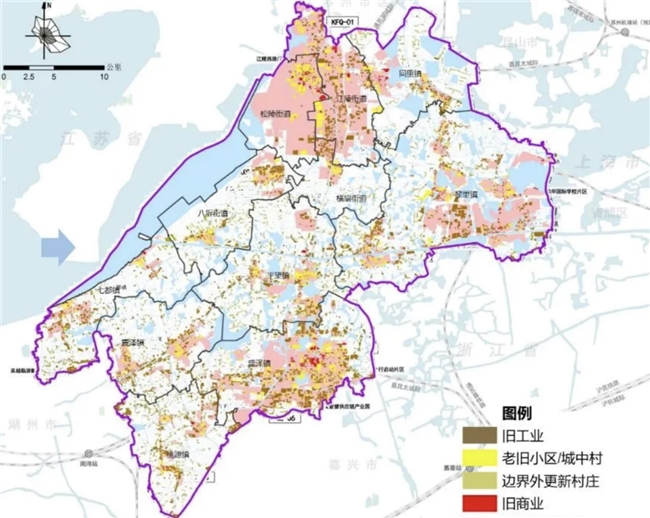
Core Viewpoint - The urban renewal master plan for Wujiang District, Suzhou, aims to address multiple challenges such as regional development transformation, ecological environment protection, and industrial upgrading, while aligning with Jiangsu Province's urban renewal actions and inefficient land redevelopment initiatives [1]. Group 1: Planning Framework - The planning framework is based on four key focuses and four guiding principles, integrating macro development strategies with an ecological green development approach [3]. - The plan identifies four categories of potential renewal resources: old industrial, old commercial, old residential/urban villages, and villages outside the boundary, establishing a comprehensive understanding of the area's renewal assets [3]. - A spatial structure of "one circle, one belt, two corridors, and three cores with multiple points" is established, focusing on ecological corridors and key innovation spaces [3]. Group 2: Implementation Guidelines - The plan proposes a control guideline that includes collaborative promotion of four types of renewal, strengthening area-based coordination, phased progressive renewal, and guided town and street updates [3]. - A two-tiered, five-category renewal planning system is constructed to optimize the three-phase implementation process, enhancing policies for "industrial transformation" and "old town" renewal [3]. Group 3: Innovative Features - The plan incorporates innovative measures to create a "Wujiang model" for urban renewal, focusing on the management of scattered low-efficiency industrial land while maximizing ecological space protection [4]. - Differentiated renewal strategies are proposed for industrial land within development boundaries to promote smart renewal [4]. Group 4: Governance Mechanism - The planning promotes multi-departmental collaboration in the renewal process, establishing clear identification standards for renewal resources and setting scientific targets for land supply and industrial land renewal [5]. - A total of 71 renewal areas are delineated, with a "two maps, one table" town-level renewal guideline established to create a control transmission system [5]. - The plan has become a crucial tool for guiding the overall renewal framework in Wujiang District, with 27 renewal implementation plans progressing, including four completed and 19 in the implementation stage [5].


武汉启动“城市更新金融服务团进各区”行动,金融机构650亿元授信落地赋能城市更新
Chang Jiang Ri Bao· 2026-02-06 01:02
Core Insights - Wuhan has officially launched a financial service system for urban renewal, focusing on "financing + intelligence" to enhance high-quality urban renewal efforts [1][3] - Financial institutions are actively responding with customized products and sharing practical case studies to support urban renewal projects [2] Group 1: Financial Support Initiatives - The Wuhan Municipal Financial Office has released policies to support urban renewal, ensuring financing channels, product innovation, and efficiency improvements [1] - Agricultural Bank has introduced the "Urban Renewal Loan" to support various scenarios, including historical district renovations and healthcare facility upgrades [2] - A total of 12 key urban renewal projects signed credit cooperation agreements with financial institutions, amounting to a total of 27.43 billion yuan [2] Group 2: Project and Investment Details - The first batch of 80 urban renewal areas in Wuhan has been initiated, with total investments exceeding 130 billion yuan [3] - The financial service team consists of 23 members from various financial institutions, focusing on financing needs and development challenges in urban renewal projects [3] - The goal is to achieve over 100 financial-supported projects and exceed 100 billion yuan in funding to promote high-quality urban renewal [3]
从北护城河乘船将直抵北运河
Xin Lang Cai Jing· 2026-02-06 00:22
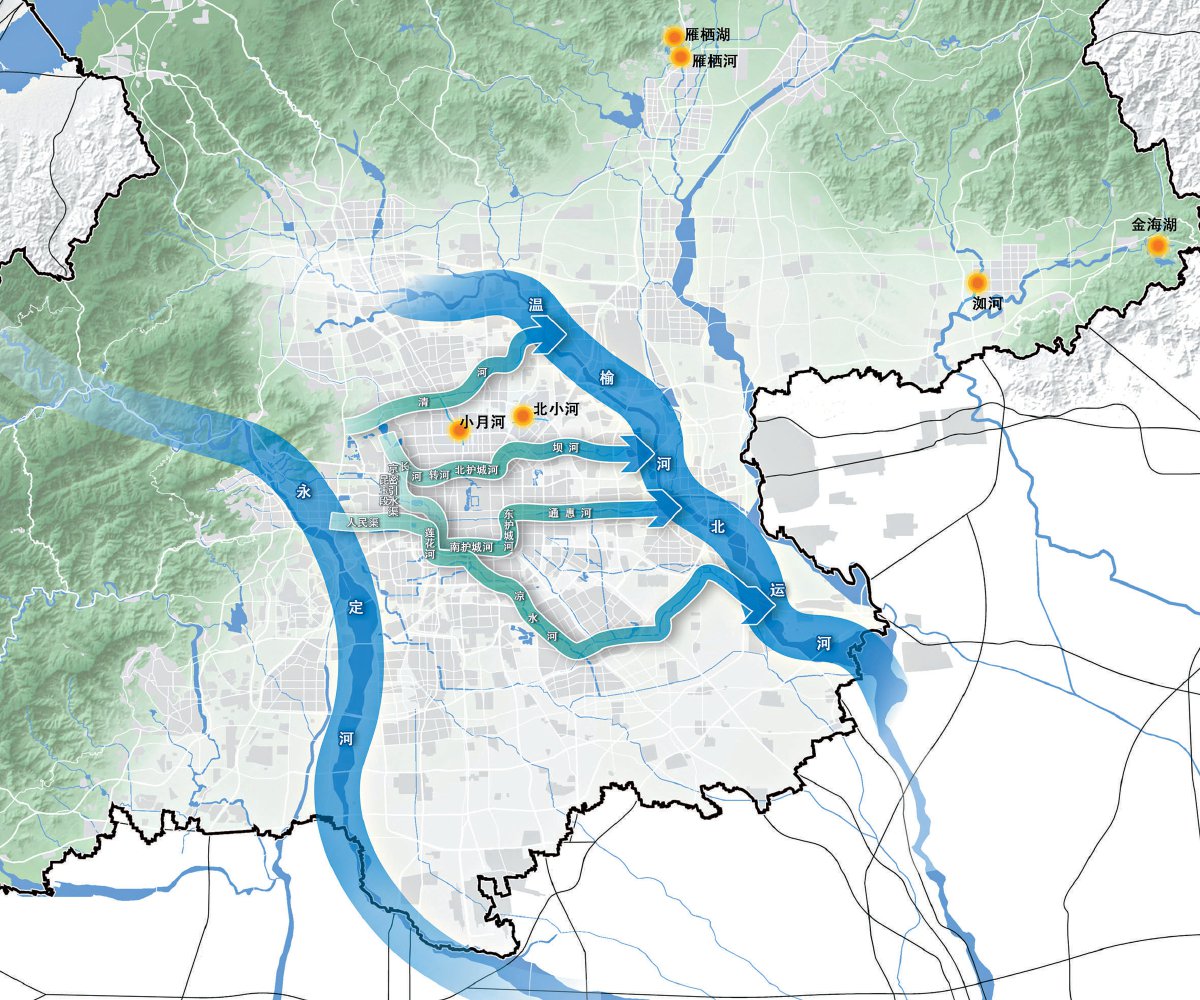
Group 1 - The city plans to construct four horizontal vitality corridors relying on rivers such as Qinghe, Bahhe, Tonghuihe, and Liangshuihe, aiming to enhance urban waterfront spaces [2][3] - Citizens will be able to travel by boat from Beihuchenghe to Beiyunhe, enjoying the cultural architecture of the urban sub-center along approximately 100 kilometers of waterfront pathways [3][4] - The construction of high-quality waterfront spaces will be accelerated this year, with a focus on connecting key waterways and enhancing ecological corridors [4][5] Group 2 - The city will expedite post-disaster recovery and reconstruction efforts, including the comprehensive enhancement of the Yongding River and other key projects [6][7] - A total of 471 kilometers of water-damaged river channels and six reservoirs will be repaired to ensure flood control capabilities exceed pre-disaster levels before the rainy season [7] - The city aims to implement 100 kilometers of old water supply pipeline renovations to reduce leakage rates and improve service equality in urban and rural areas [8]
加快构建房地产发展新模式
Jing Ji Ri Bao· 2026-02-05 21:58
Core Viewpoint - The real estate market in China is expected to undergo a transformation by 2026, focusing on a new development model that prioritizes the needs of residents for quality housing and urban renewal [1][4]. Group 1: Market Stability - The Chinese real estate market is currently experiencing a deep adjustment, shifting from high demand to a structural oversupply, with new housing demand unlikely to return to previous peaks [2][3]. - The emphasis will be on stabilizing the real estate market through tailored policies for different cities, controlling new land supply in oversupplied areas, and promoting the acquisition of existing properties for affordable housing [3][4]. - The Central Economic Work Conference in 2025 highlighted the importance of stabilizing the real estate market to ensure healthy development and mitigate risks [2]. Group 2: Urban Renewal - By 2030, significant progress is expected in urban renewal actions, with improved mechanisms and enhanced living environments for residents [5][6]. - Urban health assessments will be conducted to identify and address issues affecting urban competitiveness and sustainability [6][7]. - A series of projects will be implemented, including the renovation of old neighborhoods and the construction of modern urban infrastructure to enhance safety and livability [7][8]. Group 3: Quality Housing Development - The construction of "good houses" is set to become a new growth area, with a focus on improving housing quality through better standards, design, and materials [8][9]. - The government aims to enhance the quality of housing by implementing new standards and promoting innovative construction methods, including green and smart building practices [9][10]. - The transformation of old houses into "good houses" will be supported through various renovation initiatives and community development projects [10][11]. Group 4: Service Enhancement - The importance of property services is highlighted, with a focus on improving service quality to meet the growing demands of residents for various community services [12][13]. - The real estate sector is shifting from a construction-focused approach to one that emphasizes lifecycle services, enhancing the overall living experience for residents [12][13]. - The integration of property services with daily life needs is encouraged, aiming to provide comprehensive community support and convenience for residents [12][13].
陈刚:要从“比高度”转到“比温度”
Xin Lang Cai Jing· 2026-02-05 19:12
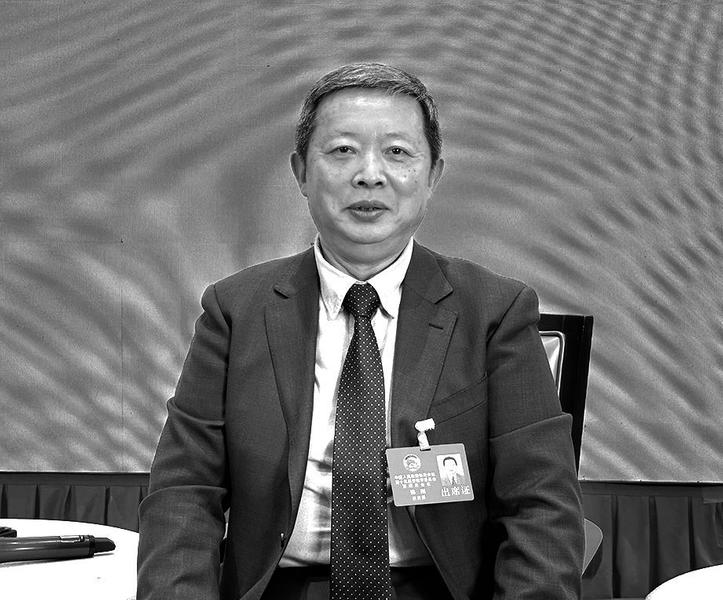
陈刚建议,要通过引导和扎实推进城镇老旧小区改造、构建完整社区、织补小微公共空间等一系列民生 工程建设,围绕好标准、好设计、好材料、好建造、好运维来建设好房子,解决人民群众"急难愁盼"的 切实民生需求,不断推动城市功能完善与生活品质提升。 省政协教科卫体委员会副主任,合肥工业大学建筑与艺术学院教授陈刚说,他对报告中有关城市建设和 民生的章节印象深刻。"新型城镇化水平和城市发展能级不断提升,城市综合实力持续增强,为全省经 济社会发展筑牢坚实支撑。" 陈刚说,当前我国城镇化率已突破67%,城镇化正从快速增长期转向稳定发展期,城市发展正从大规模 增量扩张阶段转向存量提质增效为主的阶段。而城市更新工作,要注意保留传统文脉,体现城市特色风 貌,解答好城市从"比高度"到"比温度"的转变。 (来源:新安晚报) 转自:新安晚报 他说,在城市更新的过程中,要防止新的同质化倾向,防止简单的"临摹"与"参照",要探索城市更新的 多种解法,特别需要深入挖掘地域文化的特质与价值,彰显文化创意的地域性,实现在地文化的创造性 转化、创新性发展。通过文化空间功能重构、场景塑造、转译再创,为人们提供在地文化的情绪价值与 文化认同,实现城市建设和 ...
韩仁长:既要更新“面貌”也要更新“内涵”
Xin Lang Cai Jing· 2026-02-05 19:12
Group 1 - The report outlines clear directives for high-level construction of the Jianghuai grain warehouse, comprehensive rural revitalization, and urban-rural integration development, providing guidance for future work [1] - The chairman of Anhui Guohao Agricultural Technology Co., Ltd., Han Renchang, presented two proposals focusing on the construction of a strong seed industry in Anhui and agricultural brand development [1] - Han suggested a combination strategy of "precise drip irrigation" and "patient companionship" to establish a potential seed enterprise cultivation database, transitioning from a scattered approach to focused cultivation [1] - He also recommended innovating the operation and assessment mechanisms of seed industry funds to alleviate long-term financing pressures on seed enterprises, along with establishing special risk subsidies to support innovation investments in key areas [1] - The aim is to create a nationally influential seed industry province and build a "high-quality Jianghuai grain warehouse" [1] Group 2 - Han proposed constructing a "Wanmian Agricultural Products" brand matrix similar to "Anhui Manufacturing," infusing ecological and health connotations from Huizhou culture [1] - The goal is to shift agricultural products from functional consumption to emotional and cultural value consumption, facilitating the branding journey from "Jianghuai grain warehouse" to "Chinese kitchens" and finally to "common people's dining tables" [1] - In terms of urban renewal, Han emphasized the need to update both the "appearance" and "connotation" of cities [2] - He suggested prioritizing the use of native plants in ecological updates, particularly in the construction of urban greenways and parks, to highlight regional ecological styles [2] - This approach aims to provide practical scenarios for local nursery industries and landscape research achievements, making urban greening a showcase of Anhui's ecological identity [2]
姚本伦:以“四好建设”推进城市更新
Xin Lang Cai Jing· 2026-02-05 19:12
Core Insights - The provincial government is promoting the enhancement of urban functionality and quality through the establishment of the China Construction (Anhui) Internet platform, aimed at driving modernization in the construction industry via digitalization [3] - The "Four Good Construction" initiative emphasizes the importance of good houses, good communities, good neighborhoods, and good urban areas, with a focus on safety, comfort, sustainability, and intelligence in housing [4][5] Group 1 - The China Construction (Anhui) Internet platform is a collaborative effort between the provincial government and the Ministry of Housing and Urban-Rural Development, designed to support a new model for real estate development [3] - The "Four Good Construction" concept includes good houses that prioritize safety, comfort, sustainability, and intelligence rather than size and price [4] - The "皖好房" technology exhibition in Hefei showcases innovative construction ideas, including the concept of building houses like cars, with an online exhibition hall for immersive experiences [3] Group 2 - Recommendations for urban renewal include conducting a thorough assessment of existing urban infrastructure and public services to identify shortcomings [4] - The proposal emphasizes the need for functional adaptation in urban areas, ensuring that housing and community developments meet the diverse needs of residents [5] - The use of digital intelligence is encouraged to support industry transformation, efficiently matching idle assets with market demand and promoting the adoption of prefabricated buildings, green materials, and smart operations [5]
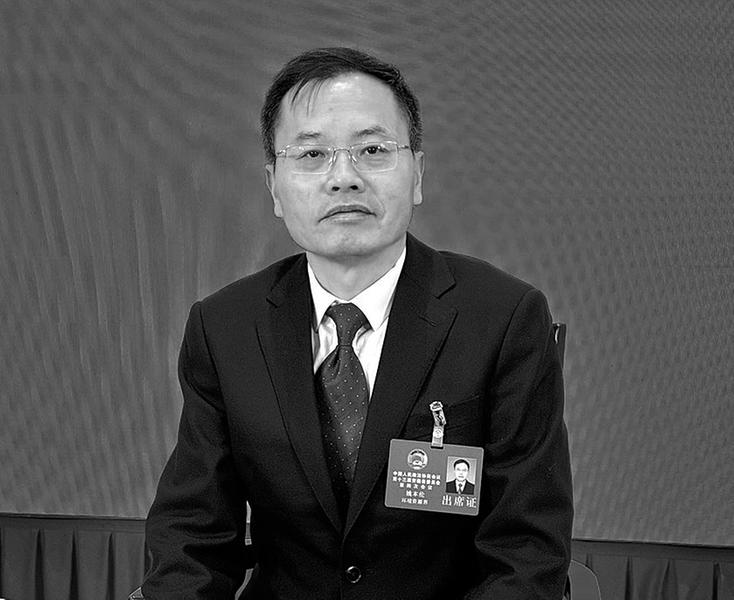
推进城市更新 增进民生福祉
Xin Lang Cai Jing· 2026-02-05 19:12
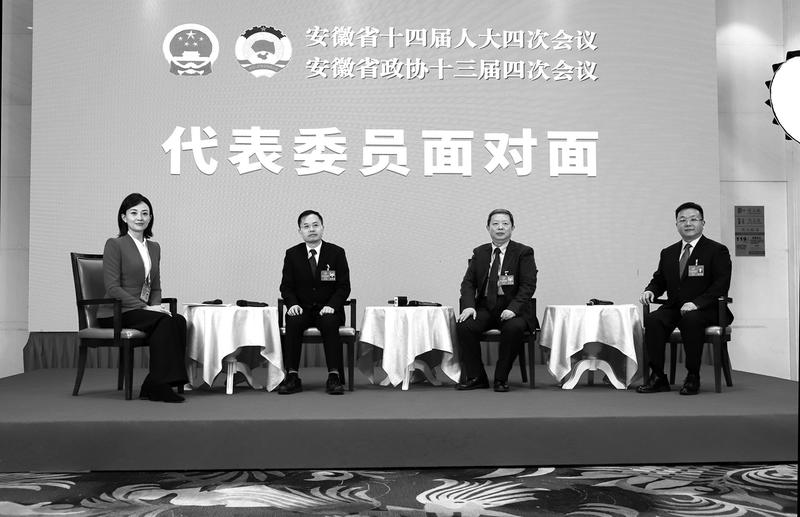
Group 1 - The event "Face-to-Face with Representatives and Committee Members" was held on February 5, 2026, as part of the Anhui Two Sessions [3] - Three members of the Provincial Political Consultative Conference, Chen Gang, Yao Benlun, and Han Renchang, discussed urban renewal and enhancing public welfare [3] - The representatives provided suggestions based on their experiences and responsibilities [3]