元宇宙

Search documents
2026年国际消费电子展大幕将启 蓝思科技首发全栈式AI硬件生态
Zheng Quan Ri Bao Wang· 2025-12-30 07:11
Group 1 - The core theme of the upcoming CES 2026 for Lens Technology is "Defining the Physical Boundaries of AI," showcasing a comprehensive AI hardware ecosystem that includes embodied intelligence, AI data centers, consumer electronics, AI hardware, and smart cockpits [1] - Lens Technology is shifting its strategic focus towards the integration of "AI + hardware," aiming to become a core engine driving the physical world of AI by expanding from critical supply chain segments to cutting-edge fields [1][3] - The company plans to present five major highlights at the exhibition, addressing pain points in AI hardware evolution, including a high-degree-of-freedom bionic dexterous hand, a full-stack liquid cooling solution for AI data centers, ultra-thin flexible glass for consumer electronics, next-generation AI/AR glasses, and an intelligent cockpit system [2] Group 2 - The introduction of a full-stack liquid cooling solution and high-precision cabinets for AI data centers is expected to reduce AI computing costs by over 30% through the use of photon transmission instead of copper cables [2] - Lens Technology's self-developed flexible cover glass (UTG) has achieved a leading position in industry shipment volumes, and its high-heat-dissipation backplane has entered the supply chain of global core customers [2] - The chairman of Lens Technology, Zhou Qunfei, has publicly stated the company's future goal to become a leading manufacturer in the AI edge hardware sector, indicating a significant transformation from precision manufacturing to an ecosystem that integrates hardware, algorithms, and scenarios [3]

51WORLD领航资深独立投资者云九资本:与「Physical AI第一股」的十年老友记
IPO早知道· 2025-12-30 06:14
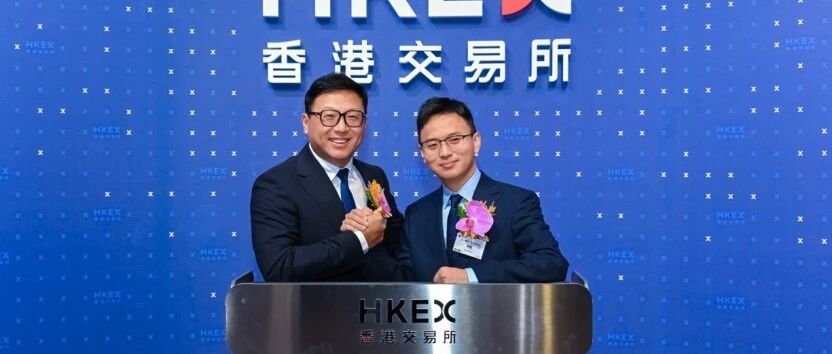
Core Viewpoint - 51WORLD has officially listed on the Hong Kong Stock Exchange as the first "Physical AI" stock, marking a significant milestone for the company and its investors, particularly for Yunjiu Capital, which has supported the company since its inception [3][12]. Group 1: Company Background and Development - 51WORLD, founded in 2015, initially focused on virtual reality (VR) technology and has evolved into a leader in the digital twin sector, now recognized for its contributions to the Physical AI industry [3][10]. - The company has established a strong foundation by setting up research and development centers in major global tech hubs, including Beijing, Shanghai, Silicon Valley, and Frankfurt, to attract top talent [11]. - The vision of 51WORLD includes ambitious goals such as "Earth Cloning," aiming to create a highly efficient and safe parallel world using computer graphics and AI [10][11]. Group 2: Investment Journey - Yunjiu Capital's relationship with 51WORLD began with an investment in the A round in 2015, followed by multiple rounds of funding over the years, reflecting a deep trust and mutual understanding between the two parties [5][6]. - The continuous investment by Yunjiu Capital is driven by the company's ambitious goals, practical execution, and resilience in navigating industry challenges [12][14]. Group 3: Industry Position and Future Outlook - As of now, 51WORLD is the largest provider of digital twin solutions in China, with its technology applied in critical sectors such as autonomous driving, smart cities, and water management [12]. - The company is building a comprehensive ecosystem around Physical AI, integrating data generation, spatial modeling, and simulation training platforms, which creates significant technical and ecological barriers to entry [12].

一图看懂!面向脑机接口、AI,工信部明确中试标准建设指南
Di Yi Cai Jing· 2025-12-30 05:48
Core Viewpoint - The Ministry of Industry and Information Technology (MIIT) of China has issued the "Manufacturing Industry Pilot Standard System Construction Guide (2025 Edition)" to accelerate the efficient transformation and application of major technological achievements, emphasizing the establishment of pilot verification and testing platforms [1][3]. Group 1: Standard System Construction - The guide aims to revise and establish over 50 standards by 2027 and 100 standards by 2030, creating an advanced manufacturing pilot standard system that includes basic general, key technology, and industry application standards [1][11]. - The manufacturing pilot is a transitional test that connects the technology chain, innovation chain, and industry chain, facilitating the flow of technological innovation to market application [7][1]. Group 2: Structure of the Standard System - The manufacturing pilot standard system consists of three parts: basic general standards, key technology standards, and industry application standards [2][13]. - Basic general standards provide the foundational support for the pilot system, while key technology standards define requirements for equipment, materials, platforms, validation, and outcome evaluation [2][13]. Group 3: Industry Application Focus - The guide emphasizes the need for industry-specific and actionable pilot standards, particularly in emerging and future industries such as brain-computer interfaces, the metaverse, artificial intelligence, quantum technology, and clean hydrogen [2][3]. - The industry application standards ensure that pilot activities are conducted scientifically within specific industries, covering sectors like raw materials, equipment manufacturing, consumer goods, and information technology [2][13]. Group 4: Development Status and Future Goals - China has established over 2,400 pilot platforms, with 241 selected as key cultivation platforms by MIIT, which have undertaken 25,000 pilot service projects [3][4]. - By the end of 2027, the goal is to further strengthen high-level pilot platforms and establish a modern pilot platform system with a nationwide service network [3][4].

我国力争到2030年累计制修订制造业中试标准100项以上
Xin Hua Wang· 2025-12-30 05:48
新华社北京12月30日电(记者周圆)工业和信息化部日前印发《制造业中试标准体系建设指南(2025 版)》,提出到2027年累计制修订标准50项以上,到2030年累计制修订标准100项以上,建成涵盖基础 通用、关键技术和行业应用的先进制造业中试标准体系,引领制造业中试创新发展。 制造业中试是把处在试制阶段的样品转化到生产过程的过渡性试验。当前,我国制造业迎来自主创新产 品密集验证期,亟需加强制造业中试标准体系建设,增加标准供给,以标准引领制造业中试创新发展。 建设指南围绕基础通用、关键技术、行业应用等3个部分部署一系列建设内容,如规范制造业中试过程 中的相关概念;规范制造业中试过程所用软硬件设备的具体要求,包括测量仪器、试验设备和关键软件 等标准;面向脑机接口、元宇宙、人工智能和具身智能等领域,针对创新活跃、颠覆性技术牵引等特 点,制定相关标准。 建设指南还提出,要推动产学研用协同,加强跨行业、跨领域协作,有序推进急需急用标准制定工作, 加强标准宣贯培训和应用推广,支持和鼓励国内企事业单位深度参与国际标准化活动。 【纠错】 【责任编辑:王萌萌】 ...
百亿砸向Scale AI,数十亿买Manus,Meta慌不择路
3 6 Ke· 2025-12-30 03:24
Group 1 - The core point of the article is the acquisition of the startup Manus by Meta for several billion dollars, marking Meta's third-largest acquisition since its inception, following WhatsApp and Scale AI [1][8] - Manus, founded only three years ago, gained significant attention in the AI sector, particularly after the launch of its AI agent, which drew comparisons to DeepSeek [3][5] - Following a rapid rise in valuation from $85 million to $500 million after a new funding round, Manus faced challenges, including a significant reduction in its team and relocation of its headquarters out of China [5][8] Group 2 - Meta's acquisition of Manus was completed in a remarkably short time frame of about ten days, surprising many in the venture capital community [8] - The acquisition reflects Meta's strategy to bolster its AI capabilities amid intense competition from other tech giants like Microsoft, Amazon, and Google, who are heavily investing in AI [5][8] - Meta's AI strategy has shifted significantly, moving from open-source models to a focus on proprietary models, with plans for a new closed-source model expected to launch in 2026 [23][42] Group 3 - The article highlights the competitive landscape in the AI sector, with Meta's early investments in AI not yielding the expected leadership position, particularly after the rise of ChatGPT [9][18] - Meta's restructuring of its AI teams and the significant layoffs indicate a strategic pivot in response to competitive pressures and internal challenges [19][22] - The ongoing talent war in Silicon Valley has intensified, with Meta's aggressive hiring practices impacting the broader tech ecosystem [24][22] Group 4 - Meta's traditional business model is under threat from competitors like TikTok, which has surpassed Facebook and Instagram in user engagement [25][29] - The company's heavy investment in the metaverse has not yet proven to be commercially viable, leading to substantial financial losses in its Reality Labs division [34][32] - Despite challenges, Meta is attempting to integrate AI into its metaverse strategy, including updates to its smart glasses, but faces delays and technical hurdles [37][40]


海南自贸港封关后:如何加快建设“样板间”?
Zhong Guo Xin Wen Wang· 2025-12-30 01:38
Group 1 - The core viewpoint of the articles emphasizes the rapid development and high-level opening-up of the Hainan Free Trade Port, particularly through the achievements of Yangpu in Danzhou as a model area for the Free Trade Port [1][2]. - The Danzhou Yangpu Economic Development Zone aims to expand high-level foreign openness and implement Free Trade Port policies, focusing on the development of a dual hub port and enhancing port infrastructure [2][3]. - The construction of a modern industrial system is prioritized, with plans to develop advanced manufacturing, emerging industries, and modern agriculture, including the establishment of a large petrochemical industry and the promotion of green and intelligent development [3][5]. Group 2 - The Yangpu International Container Terminal has achieved a record throughput of over 3 million standard containers, indicating significant growth and the potential for further expansion in the upcoming "14th Five-Year Plan" period [4]. - Future plans include enhancing the terminal's construction, expanding the shipping network, and transitioning towards green and smart operations to support the Free Trade Port's development [4]. - Danzhou will also focus on rural revitalization and improving public services, ensuring that the local population benefits from the Free Trade Port's development [5].
李军:场景相融促进消费扩容
Jing Ji Ri Bao· 2025-12-30 00:32
Core Viewpoint - The article emphasizes the growth of consumer momentum in China driven by policies such as trade-in programs, highlighting the importance of expanding service consumption and creating new consumption scenarios through innovation and technology [1] Group 1: Current Trends in Consumption - China's consumption landscape is characterized by digitalization, integration, and greening, with technologies like 5G, AI, and VR enhancing the consumer experience [1] - The integration of various sectors is breaking down industry boundaries, leading to the emergence of cross-sector consumption scenarios such as "consumption + culture and tourism" and "consumption + health" [1] - The transition towards green consumption is becoming a significant trend, with rapid adoption of new energy vehicle charging scenarios and smart home energy management systems [1] Group 2: Advantages of Building Consumption Scenarios - China benefits from a massive market that drives consumer demand, exemplified by the live e-commerce market growing from less than 500 billion yuan in 2019 to 5.8 trillion yuan by 2024, a tenfold increase [2] - The digital infrastructure supports this growth, with China accounting for over 60% of global 5G base stations and a mobile payment penetration rate of 86%, facilitating scenarios like contactless payments [2] - Targeted policy initiatives, such as the "smart business district" pilot by the Ministry of Commerce, are fostering an innovative environment for consumption scenario development [2] Group 3: Challenges in Consumption Scenario Development - There are shortcomings in China's consumption scenario development, including an incomplete ecological collaboration mechanism and low cross-departmental data sharing, leading to prolonged conversion cycles from technology research to practical application [2] - Regional disparities exist, with first-tier cities dominating innovation while third and fourth-tier cities still rely on traditional consumption models, and rural areas face challenges like insufficient cold chain logistics [2] - The standard system is lagging, with high complaint rates regarding false advertising in live streaming and data security breaches, indicating a need for improved evaluation standards and service norms [2] Group 4: Recommendations for Enhancing Consumption Scenarios - Strengthening top-level design and policy support systems is essential, including establishing a national-level consumption scenario innovation fund to support new consumption themes [3] - Enhancing technological empowerment through the use of VR, AR, and AI to create immersive consumption experiences and building "consumption scenario innovation laboratories" to shorten the technology-to-application cycle [3] - Promoting cross-industry integration by developing "consumption + metaverse," "consumption + health," and "consumption + education" scenarios, and supporting the revitalization of traditional brands through technology [4]
工信部部署2026年十项重点工作 将培育一批重点行业智能体
2 1 Shi Ji Jing Ji Bao Dao· 2025-12-29 23:09
Core Viewpoint - The national industrial and information technology conference emphasizes the need to consolidate the positive momentum of the industrial economy as the primary task for 2026, shifting focus from promoting stable growth to ensuring quality improvement [2][3]. Group 1: Industrial Economy - The conference highlights the importance of stabilizing the industrial economy, with expectations for telecommunications and software business revenues to grow by approximately 9% and 12% year-on-year, respectively, in 2025 [2]. - The shift in focus from "promoting stable growth" to "consolidating a positive momentum" reflects a deeper policy transition from stabilizing the economy to enhancing quality [2][3]. - The conference outlines ten key areas of focus for 2026, with the first being the consolidation of the industrial economy's positive momentum [2]. Group 2: Supply and Demand - The conference plans to increase the supply of green products, trendy products, and products for the elderly, responding to market demand trends [3]. - The emphasis on domestic demand as a priority aligns with the need for relevant supply to stimulate demand, indicating a policy shift towards domestic market strengthening [3]. Group 3: Technological Integration - The conference promotes the "Artificial Intelligence + Manufacturing" initiative, aiming to cultivate key industry intelligent entities and original intelligent enterprises [4][5]. - The transition from "digital empowerment" to "intelligent empowerment" signifies a deeper integration of intelligent technologies into traditional industries, enhancing efficiency and value creation [6]. Group 4: Emerging Industries - The conference outlines plans to develop emerging pillar industries such as integrated circuits, new displays, new materials, aerospace, low-altitude economy, and biomedicine [8][9]. - The focus on these industries is seen as a strategic move to address key technological challenges and enhance new productive forces, aligning with national strategic needs [10]. Group 5: Quality Enterprises - The conference emphasizes the cultivation of high-quality enterprises, including "little giant" enterprises and manufacturing champions, while addressing issues of overdue payments to businesses [12]. - The goal is to enhance the service capabilities of the information and communication industry, with significant growth in 5G infrastructure, reaching 4.758 million base stations by the end of October 2025 [12]. Group 6: Low-altitude Economy - The conference highlights the low-altitude economy as a new growth point, with the introduction of frequency development guidelines to support the industry [13]. - This initiative aims to facilitate the commercial operation of low-altitude logistics and aerial tourism, ensuring resource allocation and regulatory clarity [13].
2026重点工作:芯片被提及
半导体芯闻· 2025-12-29 10:26
Core Viewpoint - The primary task for 2026 is to "consolidate the stable and positive trend of the industrial economy," reflecting a shift in policy focus from short-term growth to long-term quality improvement [3][4][5]. Group 1: Industrial Economy - The meeting emphasizes the need to support industrial provinces and stabilize effective investment in manufacturing [4]. - The industrial economy is expected to show resilience and vitality, with telecommunications and software business revenues projected to grow by approximately 9% and 12% respectively [3]. - The shift from "promoting stable growth" to "consolidating a stable and positive trend" indicates a deeper understanding of the current industrial economic situation [4]. Group 2: Supply and Demand - The focus on increasing the supply of green products, trendy products, and products for the elderly aligns with market demand trends [4]. - The emphasis on domestic demand as a primary driver of economic growth reflects a strategic shift towards building a strong domestic market [5]. Group 3: Technological Integration - The meeting highlights the importance of "AI + manufacturing" initiatives, aiming to cultivate key industry intelligent entities and original intelligent enterprises [7][10]. - The transition from "digital empowerment" to "intelligent empowerment" signifies a deeper integration of intelligent technologies into traditional industries [8]. Group 4: Emerging Industries - The conference outlines plans to develop emerging pillar industries such as integrated circuits, new displays, new materials, aerospace, low-altitude economy, and biomedicine [10][11]. - These industries are seen as crucial for addressing "bottleneck" issues and fostering new productive forces, with a focus on high value-added and high-tech characteristics [12]. Group 5: Quality Enterprises - The meeting stresses the need to cultivate high-quality enterprises, including "little giant" companies and manufacturing champions, while addressing issues of overdue payments to businesses [15][17]. - The goal is to enhance the service capabilities of the information and communication industry, with significant growth in 5G infrastructure [15]. Group 6: Governance and Competition - The meeting calls for improved governance efficiency in the industrial and information sectors, aiming to curb "involution" competition and promote high-quality standards [17]. - Strengthening policy coordination across industries, finance, and taxation is essential for fostering productive cooperation [17].
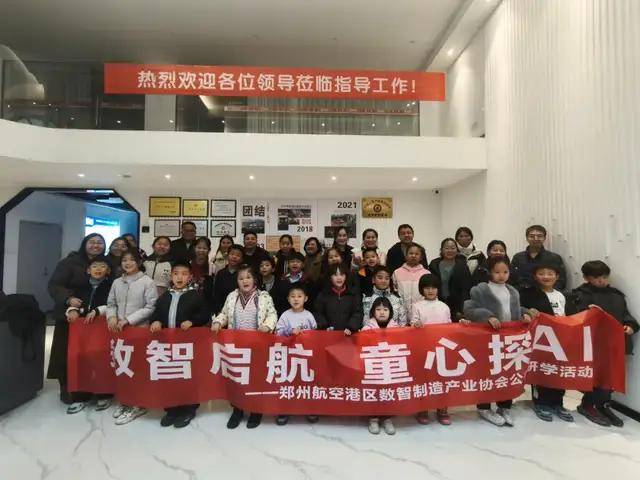
数智启航 童心探AI——探秘元宇宙与 AI,时空元宇宙点燃少年科创梦
Sou Hu Cai Jing· 2025-12-29 10:11
Group 1 - The event titled "Digital Intelligence Sets Sail, Exploring AI with a Child's Heart" aimed to create an interactive technology experience combining fun activities, in-depth science popularization, and quiz competitions [1][22] - Participants engaged in immersive experiences such as virtual basketball and skiing, allowing them to understand core concepts of the metaverse, digital humans, and artificial intelligence in a relaxed atmosphere [1][5][22] Group 2 - On December 28, a unique technology research and study event was successfully held at Space Metaverse Data Service (Henan) Co., Ltd., where a curious research team explored the metaverse and artificial intelligence [3][22] - The event included a hands-on experience area where participants eagerly tried out metaverse human-computer interaction devices, showcasing the fascinating changes brought by technology [5][22] Group 3 - The event featured a "Future Exploration Hall" where participants learned about digital humans, the metaverse, and artificial intelligence through engaging case studies, making abstract concepts more accessible [10][22] - A quiz competition was organized to reinforce knowledge retention, with participants actively answering questions related to the metaverse and artificial intelligence, creating a lively atmosphere [12][22] Group 4 - Space Metaverse Data Service (Henan) Co., Ltd. focuses on providing innovative solutions for virtual and real interaction scenarios in the metaverse, advocating for full-scene applications of the metaverse [22][23] - The company collaborates with Tsinghua University's Media Big Data Cognitive Computing Research Center and other institutions to integrate cutting-edge technologies like big data, cloud computing, and blockchain with virtual reality and digital twin technologies [23]