
国补政策

Search documents
ST易购(002024) - 2025年6月4日投资者关系活动记录表
2025-06-05 01:24
Group 1: Investor Relations Activity - The investor relations activity took place on June 4, 2025, at 14:00 in Chengdu Jinjiang Chunxi Road Store [1] - Participants included representatives from Changjiang Securities and company executives [1] Group 2: Key Discussion Points - Investors expressed interest in the implementation of the national subsidy policy post-2025 and its impact on sales [1] - The visit included an overview of various product categories and brands related to national subsidies, as well as online and offline sales conditions [1] - The discussion highlighted the role of additional subsidies for 3C digital products and regional development plans [1] Group 3: Compliance and Disclosure - The company adhered to the "Information Disclosure Management System" to ensure the accuracy and timeliness of information shared [1] - No significant undisclosed information was leaked during the meeting, and a commitment letter was signed as per the Shenzhen Stock Exchange requirements [1]

如何看部分地区线上国补暂停和618销售情况?
2025-06-04 15:25
Summary of Conference Call Records Industry Overview - The records primarily discuss the impact of the suspension of national subsidies (国补) on the black electrical appliances market, particularly in regions like Chongqing, Guangdong, and Jiangsu, which are significant for sales and production [1][2][3]. Key Points and Arguments 1. **Impact of Subsidy Suspension**: The suspension of national subsidies in regions like Chongqing and Guangdong has significantly affected the black electrical appliances market, leading to a decline in sales [1][2][3]. 2. **Market Dynamics**: The cross-province subsidy policy allowed companies registered in specific cities to sell nationwide while enjoying local government subsidies. This policy has been disrupted, causing market disorder [1][5]. 3. **E-commerce Competition**: In 2025, JD.com’s advantage in self-operated business through national subsidies is diminishing as platforms like Tmall and Douyin enter the competition [1][6]. 4. **Sales Growth**: During the subsidy period, major appliances saw significant growth, particularly in kitchen and bathroom appliances, with 70% of GMV contributed by subsidized products [1][7]. 5. **Sales Performance**: JD.com’s growth rate for major appliances in Q1 2025 was only 13%, falling short of the 20% target, indicating a slowdown in demand [1][21]. 6. **Consumer Behavior**: Consumers are willing to purchase appliances from other regions to take advantage of subsidies, especially when the subsidy amount is substantial [14]. 7. **Real Estate Market Influence**: The lack of explosive growth in appliance demand is attributed to the weak real estate market and demand being pulled forward in late 2024 due to subsidy rumors [15]. 8. **Future of Subsidy Policies**: The national subsidy policy is expected to continue beyond one year, despite local government financial pressures, as the overall goal is to stimulate consumption [16][18]. Additional Important Content 1. **Subsidy Usage**: The specific reasons for the suspension of subsidies include significant funding gaps in local governments, rather than system upgrades [2][4]. 2. **Product Performance**: Categories like kitchen appliances and air conditioners showed notable growth during the subsidy period, with average prices for kitchen appliances increasing from 2,200 yuan to approximately 2,800 yuan [10]. 3. **Online vs. Offline Sales**: Despite rumors of a shift towards offline sales, online platforms like JD.com and Tmall continue to dominate, with significant sales through online channels [12][23]. 4. **Sales Events**: The pre-sale period for JD.com’s 618 event in 2025 did not yield significant sales increases, only achieving 1.2 to 1.3 times the usual sales [19][22]. 5. **Government Settlement Processes**: The settlement cycle for subsidies varies by province, typically taking one to three months [8]. This summary encapsulates the critical insights from the conference call records, highlighting the challenges and dynamics within the black electrical appliances market amid changing subsidy policies and competitive pressures.

“钱到底去哪了”?家居界“黑马”创始人承认资金断裂
第一财经· 2025-06-04 13:53
2025.06. 04 本文字数:2671,阅读时长大约5分钟 作者 | 第一财经 马一凡 近一周来,家居家装行业"黑马"公司住范儿爆雷(参见此前第一财经报道 《家居界"黑马"住范儿疑 遭危机,多处装修工地出现停工》 )带来的后续影响仍在发酵,该公司位于北京、上海两地的数百 个装修工地仍在普遍停工中,在政府和行业协会的帮助下,装修业主、供货商、住范儿管理层等各方 已经进行了多轮沟通,希望能共同推动工地复工。 在沟通会中,住范儿创始人刘羡然承认公司的资金链已经断裂,并称主要是"国补"政策的出现导致 了公司的现金流危机。 对于刘羡然的说法,很多装修业主并不"买账",他们质疑其说法的合理性并要求住范儿公司公开与 业主预存款、装修贷款相关的详细财务账目,包括预存款资金流向、装修贷款挪用情况、公司资产负 债明细、高管薪资发放记录等关键财务信息。 成立十年来,住范儿共计获得3.2亿元融资,最近一笔融资发生在2024年3月,牧鲸资本投了1亿 元。 "钱到底去哪了?" 在"住范儿"两万平方米的北京整装线下门店的大门入口处地面上,还贴着"施工后付款、零风险"的 广告语,一位装修业主坦言:"再看到这个标语,我感觉很讽刺。" "住 ...

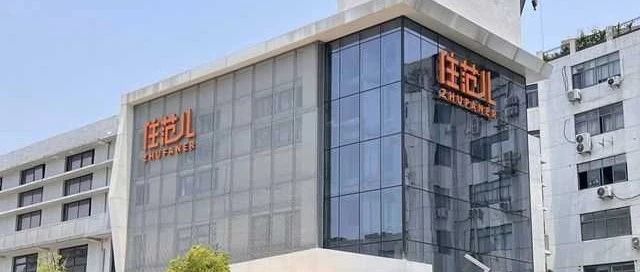
住范儿陷危机,创始人承认资金断裂,多方追问“钱到底去哪了”
Di Yi Cai Jing· 2025-06-04 12:00
对于刘羡然的说法,很多装修业主并不"买账",他们质疑其说法的合理性并要求住范儿公司公开与业主 预存款、装修贷款相关的详细财务账目,包括预存款资金流向、装修贷款挪用情况、公司资产负债明 细、高管薪资发放记录等关键财务信息。 "钱到底去哪了?" 在"住范儿"两万平方米的北京整装线下门店的大门入口处地面上,还贴着"施工后付款、零风险"的广告 语,一位装修业主坦言:"再看到这个标语,我感觉很讽刺。" 住范儿创始人刘羡然承认公司资金链断裂,并称主要是"国补"政策的出现导致了公司的现金流危机。 近一周来,家居家装行业"黑马"公司住范儿爆雷(参见此前第一财经报道《家居界"黑马"住范儿疑遭危 机,多处装修工地出现停工》)带来的后续影响仍在发酵,该公司位于北京、上海两地的数百个装修工 地仍在普遍停工中,在政府和行业协会的帮助下,装修业主、供货商、住范儿管理层等各方已经进行了 多轮沟通,希望能共同推动工地复工。 在沟通会中,住范儿创始人刘羡然承认公司的资金链已经断裂,并称主要是"国补"政策的出现导致了公 司的现金流危机。 "住范儿"(公司注册名:北京水木优品科技有限公司)在年轻群体中曾小有名气,该公司由四名清 华"学霸"创立,创 ...
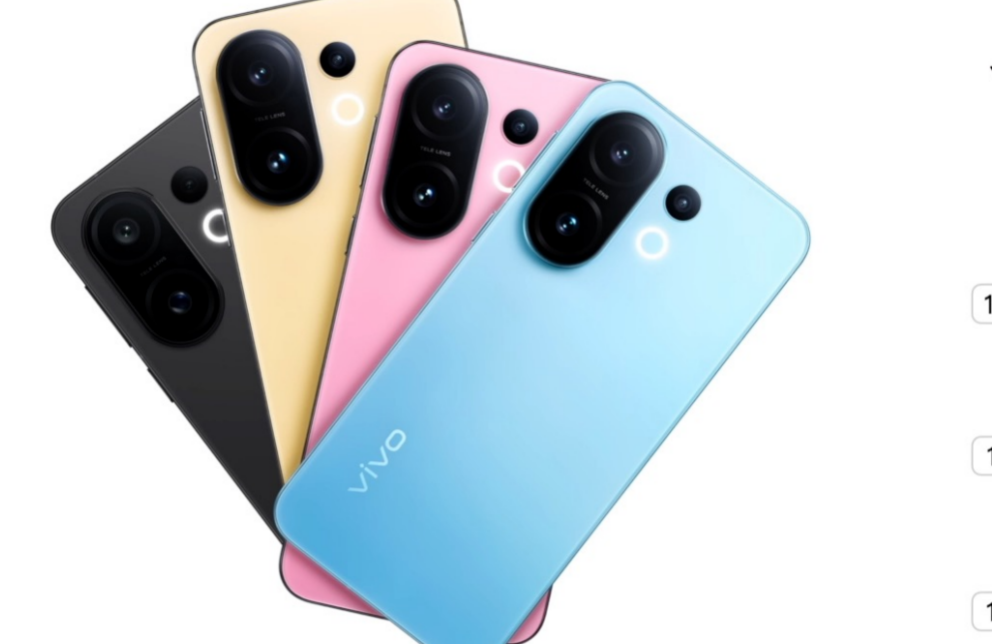
vivo带着“果味十足”的中端机杀入618
Hua Er Jie Jian Wen· 2025-05-30 11:07
Core Viewpoint - The smartphone market is expected to be highly competitive during the 618 shopping festival, with companies needing to focus on product strength rather than just price cuts to succeed [2][5]. Product Launch and Features - Vivo launched the S30 series, which includes the new S30 Pro mini, targeting the mid-range market while introducing a small-screen option [2][3]. - The S30 Pro mini is priced starting at 3,499 yuan, which is 100 yuan more than the previous S20 Pro, but can drop to 2,999 yuan after national subsidies [3]. - The S30 features a 6.31-inch display, a 6,500mAh battery, and advanced camera capabilities, including a flagship-level periscope lens and Sony IMX921 sensor [3][4]. Market Position and Competition - Vivo aims to capture more market share in the mid-range segment, especially with the return of Huawei's full product line, which has altered the competitive landscape [5]. - According to IDC, Vivo is projected to maintain a 17.2% market share in 2024, while Huawei is expected to hold 16.6% [5][6]. - Xiaomi has regained the top position in the Chinese smartphone market for the first time in nearly a decade, benefiting significantly from national subsidy policies [5][6]. Sales Performance and Market Trends - Vivo's first-quarter performance showed a 2.3% year-on-year growth in shipment volume, despite lower actual sales data due to inventory clearance [6]. - Counterpoint reported that Vivo held a 17% market share in the first quarter, ranking second, with strong sales from its Y series and progress in the high-end market [7]. - The smartphone market is anticipated to face challenges such as rising costs and declining consumer confidence, making the 1,500-2,500 yuan price range a key battleground for competition [7][8].
一季度合同负债大幅增加,欧派家居称受益于“国补”
Zhong Guo Ji Jin Bao· 2025-05-29 16:41
Core Viewpoint - The company reported its first decline in both revenue and profit in 30 years, but there are signs of recovery in sales due to government subsidies aimed at boosting consumption [3][4]. Financial Performance - In 2024, the company achieved operating revenue of 18.925 billion yuan, a year-on-year decline of 16.93% [4]. - The net profit attributable to shareholders was 2.599 billion yuan, down 14.38% year-on-year [4]. - The company's contract liabilities increased significantly, reaching 2.897 billion yuan in the first quarter, a growth of approximately 47% from the beginning of the year, primarily due to government subsidies [6]. Market Conditions - The home furnishing industry is undergoing deep adjustments and transformations, facing challenges such as shrinking market demand and intensified competition [3]. - The company has noted a recovery in consumer sentiment, attributed to various government policies promoting consumption, including initiatives for home renovation and smart home products [5][6]. Strategic Initiatives - To address the declining new housing market, the company is focusing on the existing housing market by opening community stores and collaborating with local intermediaries [7]. - The company aims to attract younger consumers (those born in the 1990s and 2000s) by enhancing product styles, utilizing e-commerce and social media for customer acquisition, and providing one-stop services [8]. Company Overview - Founded in 1994, the company is a leader in the custom home furnishing industry and was the first publicly listed company to exceed a market capitalization of 100 billion yuan [8]. - As of May 29, the company's market capitalization stood at 37.83 billion yuan [8].

欧派家居管理层:“国补”促进合同负债增长,继续拓展存量房业务
Di Yi Cai Jing· 2025-05-28 08:54
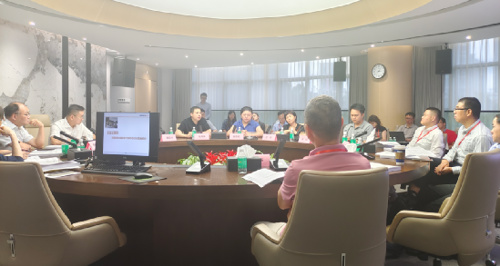
"从2024年10月到现在,'国补'一直在进行,促进了整体的消费,公司收到了很多的订单。"在5月28日 的2024年年度股东大会上,欧派家居(603833.SH)财务负责人王欢说,按照会计核算规则,以后会逐 步转成收入。根据真实发货情况,出仓之后才能形成收入。 2024年下半年,在"国补"政策下,积压多时的消费需求有所释放,已经形成的合同负债将会在收入体 现,形成一定的时间差,比如某些客户,一季度下订单后,实际装修可能在二、三季度甚至更晚。该负 责人称,各地补贴政策不一样,也有一定的额度限制,比如某些地区固定额度后,很多企业都加大营销 力度来争取这些有限的补贴额度。 关于2024年业绩,该负责人称,全年收入虽然有所下滑,没有实现预定目标,但这是因为行业和公司出 现了意料以外的变化。尽管收入下滑,但该公司的毛利率有所提升。 根据2024年年报,该公司全年实现营业收入189.25亿元,同比下降16.93%;净利润实现25.99亿元,同 比下降14.38%;为成立三十年以来的首次收入、利润双下滑。毛利率则从2023年的34.16%上升到2024 年35.91%。 该负责人称,海外业务的收入,目前占比大约为2%,该公 ...
小米:一手汽车、一手国补,这次真要 “赢麻” 了?
海豚投研· 2025-05-28 03:46
Overall Performance - Xiaomi Group reported a total revenue of 111.3 billion RMB for Q1 2025, representing a year-on-year growth of 47.3%, driven primarily by the IoT segment and automotive business [1][11] - The gross margin for the quarter was 22.8%, exceeding market expectations of 21.4%, largely due to improvements in the IoT and automotive sectors [14][16] Smartphone Business - Revenue from the smartphone segment was 50.6 billion RMB, below market expectations of 51.3 billion RMB, with a year-on-year growth of only 8.9% [2][25] - Smartphone shipments reached 41.8 million units, reflecting a modest growth of 3% year-on-year, with domestic sales increasing by 40% while overseas sales declined significantly [27][31] - The average selling price (ASP) of smartphones was 1,211 RMB, up 10.5% year-on-year, supported by a higher proportion of domestic sales [31][35] IoT Business - The IoT segment generated revenue of 32.3 billion RMB, marking a year-on-year increase of 58.7%, significantly benefiting from government subsidies [37][39] - The gross margin for IoT products was 25.2%, up 5.3 percentage points year-on-year, driven by strong sales in large appliances and wearables [39][41] Automotive Business - The automotive segment reported combined revenue of 18.6 billion RMB, with a gross margin of 23.2%, surpassing market expectations of 20.8% [2][18] - The company sold 76,000 vehicles in the quarter, with an average selling price of 239,000 RMB, indicating a 2% increase from the previous quarter [19][22] - The automotive business is expected to exceed the initial annual target of 350,000 units, with potential adjustments to aim for 400,000 units due to strong demand [6][18] Internet Services - Revenue from internet services was 9.1 billion RMB, growing by 12.8% year-on-year, primarily driven by advertising services [41][43] - Advertising revenue reached 6.6 billion RMB, reflecting a year-on-year growth of 20%, while value-added services remained stagnant [41][43] Cost Management - Total operating expenses for the quarter were 15.4 billion RMB, with a decrease in the expense ratio by 1.4 percentage points due to improved revenue performance [47][50] - Marketing expenses decreased by 5 billion RMB compared to the previous quarter, indicating a more efficient allocation of resources [47][50] Future Outlook - The company is expected to continue benefiting from government subsidies in the IoT sector and strong demand in the automotive market, with a focus on maintaining growth in these areas [5][6] - The upcoming launch of new models, such as the YU7, is anticipated to further enhance market confidence and sales performance [6][24]

“国补”携手618,大消费攻势再起!贯穿全年的投资主线?
Ge Long Hui· 2025-05-27 07:39
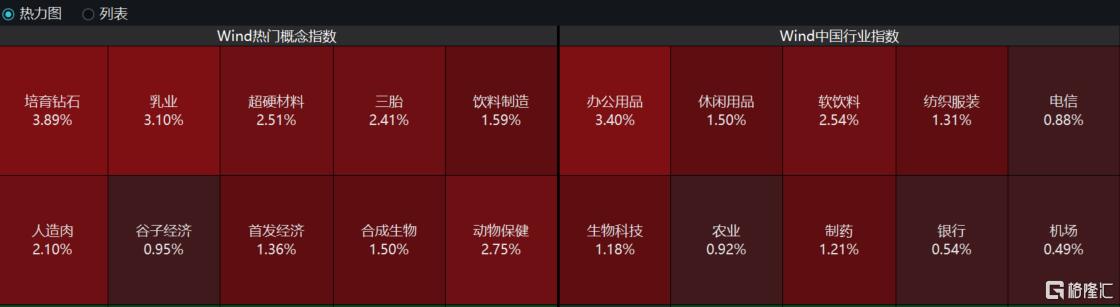
市场热点快速切换,今天轮到大消费这条主线。 周二,A股食品饮料、白酒、乳业、互联网电商、宠物经济等大消费领衔上攻,IP经济、珠宝等新兴消费迎强势上涨。 个股方面,科拓生物、均瑶健康、保龄宝、会稽山、有友食品、创源股份、广博股份等一批个股涨停。 | ● 热力图 ○列表 | | | | | | | | | | | --- | --- | --- | --- | --- | --- | --- | --- | --- | --- | | | | Wind热门概念指数 | | | | | Wind中国行业指数 | | | | 培育钻石 3.89% | 乳业 3.10% | 超硬材料 2.51% | 三胎 2.41% | 饮料制造 1.59% | 办公用品 3.40% | 休闲用品 1.50% | 软饮料 2.54% | 纺织服装 1.31% | 电信 0.88% | | 人造肉 | 谷子经济 | 首发经济 | 合成生物 | 动物保健 | 生物科技 | 农业 | 制药 | 银行 | 机场 | | 2.10% | 0.95% | 1.36% | 1.50% | 2.75% | 1.18% | 0.92% | 1.21% ...
出口修复+国补助力,家电迎布局机会?
Mei Ri Jing Ji Xin Wen· 2025-05-26 00:59
Group 1 - The core viewpoint is that the home appliance industry is experiencing a performance and valuation resonance opportunity due to export recovery and ongoing national subsidy policies, with a profit growth of 28.64% year-on-year in Q1 [1][3] - Domestic performance is benefiting from national subsidy policies, leading to continuous marginal improvement in earnings, while the export sector is seeing significant recovery in production due to easing tariffs in the U.S. and high demand in emerging markets [1][3] - The national subsidy policy is expected to continue stimulating home appliance demand, with an expanded coverage that supports the industry's growth [1][3] Group 2 - The home appliance sector has shown strong financial performance, ranking high in profit growth rate and ROE among 30 first-level industries, with a financial status ranking of fifth in Q1 2025 [3] - The export sector is under pressure from U.S. tariffs ranging from 30% to 55%, but the situation is improving, allowing for a recovery in production and a return of bargaining power for manufacturers [3] - The home appliance sector is attracting significant net inflows of capital, reflecting market recognition of its low valuation, high dividend yield, and strong safety margins [1][3]