
投资于人

Search documents
【发展之道】 “投资于人” 从关注眼前的人开始
Zheng Quan Shi Bao· 2025-12-15 18:31
Core Insights - The article discusses the challenges faced by a hotel operator in a newly developed area of a fourth-tier city, highlighting labor shortages and high living costs as significant issues [1][2][3] Group 1: Labor Market Dynamics - The hotel operator struggles to find temporary workers for events due to high demand in the region and a limited local population [1] - Many workers in the area have a strong "working mentality" and lack a sense of belonging, leading to high turnover rates, especially after the Spring Festival [2] - The hotel operator offers higher wages than surrounding areas and has invested in employee accommodations, yet retention remains a challenge due to the high cost of living [2] Group 2: Economic and Housing Conditions - The area is characterized by high housing prices, with costs reaching 15,000 to 20,000 yuan per square meter, significantly higher than nearby counties [1] - The local economy is heavily reliant on real estate, which has attracted speculative buyers, but this has led to a lack of vitality as housing prices remain high and educational opportunities become more equalized [3] - Nearby counties offer significantly lower housing prices and rental costs, making them more attractive for workers seeking affordable living conditions [3] Group 3: Policy and Planning Issues - There is a disconnect between local governments regarding housing policies, leading to high living costs and a lack of affordable housing for workers [4] - Despite the need for affordable housing solutions, local governments focus on industrial parks and subsidies rather than addressing the immediate needs of the workforce [4] - The article emphasizes the importance of investing in people rather than just infrastructure to ensure long-term economic viability and attract talent [4]
金融大家评 | 如何理解“投资于人”?
清华金融评论· 2025-12-15 09:59
Core Viewpoint - The article emphasizes the concept of "investment in people" as a transformative development ideology that prioritizes human resources as a crucial form of capital, aiming to enhance individual capabilities and improve overall societal value, thereby supporting China's modernization efforts [2]. Summary by Sections Definition and Relationship of "Investment in People" - "Investment in people" refers to allocating more fiscal resources towards education, employment, healthcare, and social security, focusing on enhancing individual capabilities and driving high-quality economic development through human capital [3]. - It contrasts with "investment in material," highlighting a shift from a purely material-focused investment approach to one that recognizes the importance of human development [3]. Economic Growth and Investment Strategies - Traditional economic growth has focused on expanding production capacity, with "investment in material" being favored due to its quicker returns and easier cost-benefit analysis [4]. - However, overemphasis on material investment has led to structural imbalances in supply and demand, with a significant decline in the return on investment in material from 2008 to 2023, indicating a need for a shift towards human-centered investment strategies [4]. Pursuit of Quality of Life - The pursuit of a better life encompasses not only diverse and high-quality consumption but also broader social and individual development goals [5]. - "Investment in people" is positioned as a practical application of the goal to meet the growing needs of the populace, emphasizing the integration of material and human investments [5]. Implications for Domestic Demand and Supply Structure - The article discusses the necessity of improving the interaction between consumption and investment to address domestic demand issues, with a focus on optimizing investment directions to better align with changing consumer needs [6][7]. - It highlights that people are the core of consumption and production, and "investment in people" aims to enhance human capabilities and foster sustainable economic growth [7]. Comprehensive Development and Policy Considerations - "Investment in people" should transcend short-term economic logic, addressing broader human needs, including cultural and spiritual dimensions [8]. - The article advocates for a holistic approach to investment that includes education, healthcare, and environmental considerations, aiming for a sustainable and equitable development model [9][10]. Long-term Goals and Systematic Advantages - The long-term objective of "investment in people" is to achieve comprehensive human development, distinguishing it from other countries' approaches that may reduce human value to mere economic tools [12][13]. - China's unique institutional advantages, such as a people-centered approach and systematic planning, are highlighted as key factors in successfully implementing "investment in people" strategies [13][14]. Future Directions and Implementation Strategies - The article suggests focusing on key areas such as income distribution, public services, and education to effectively "invest in people," while balancing market forces and government roles [17]. - It emphasizes the importance of a long-term perspective in evaluating the effectiveness of such investments, advocating for a comprehensive assessment framework that aligns with the overarching goals of human and societal development [11][15].


投资于人民生为大!解读2025中央经济工作会议
Xin Lang Cai Jing· 2025-12-15 00:00
Core Viewpoint - The central economic work meeting emphasizes the integration of investment in both material and human resources, indicating a focus on improving people's livelihoods in 2026 [1][1]. Group 1: Investment in Human Resources - The meeting highlights the importance of investing in people and prioritizing livelihoods, suggesting that future economic efforts will concentrate on the welfare of the population [1][1]. - Key initiatives include stabilizing employment for critical groups such as college graduates and migrant workers, as well as enhancing the quality and capacity of job opportunities [1][1]. Group 2: Education and Structural Adjustments - There is a focus on restructuring the allocation of educational resources, which is seen as a significant step towards improving human capital [1][1]. - Experts are optimistic about the implementation of detailed measures related to educational reforms and resource distribution [1][1]. Group 3: Broader Economic Goals - The meeting also addresses broader tasks such as reform challenges and the "dual carbon" initiative, indicating a commitment to sustainable development [1][1]. - The anticipation of more specific measures being rolled out in the coming year reflects a proactive approach to economic management [1][1].
中央经济工作会议释放八大政策信号 | 热点观察
Sou Hu Cai Jing· 2025-12-13 17:50
Core Insights - The central economic work conference highlighted the structural contradiction of "strong supply and weak demand" as the main issue facing China's economy, emphasizing the need for a dual approach of expanding domestic demand while optimizing supply structure [1][7] - The conference reiterated the importance of "investing in people" alongside "investing in material," signaling a shift towards prioritizing human capital and social welfare in economic policy [2][8] - The concept of "international economic and trade struggles" was reaffirmed, indicating that external economic pressures will be a long-term variable in China's economic strategy [3][11] - The need for synergy between stock and incremental policies was emphasized to enhance macroeconomic regulation and address structural issues [4][12] Group 1: Economic Judgments - The conference identified "strong supply and weak demand" as a critical economic contradiction, necessitating a balanced approach to address consumption weakness and price declines [1][7] - It was noted that previous strategies focused primarily on demand expansion, but the current situation requires a more nuanced approach that includes supply-side adjustments [7] Group 2: Policy Framework - The "Five Musts" framework was introduced, emphasizing the integration of "investing in material" and "investing in people" to enhance economic growth and address current challenges [2][8] - The focus on human capital investment aims to improve productivity and support long-term economic development, particularly in technology and innovation sectors [9] Group 3: International Relations - The conference's emphasis on "international economic and trade struggles" reflects a strategic response to ongoing global trade tensions, particularly with the U.S., and highlights the importance of maintaining a high level of openness while enhancing technological self-sufficiency [3][11] Group 4: Macroeconomic Policies - The integration of stock and incremental policies is crucial for effective macroeconomic governance, with a focus on enhancing the effectiveness of both types of policies to stabilize economic growth [4][12][14] - The conference called for increased efforts in counter-cyclical and cross-cyclical adjustments to address both short-term and long-term economic challenges [12][13] Group 5: Fiscal and Monetary Policies - Fiscal policy will maintain necessary deficits and spending levels, with an emphasis on supporting key projects and enhancing public welfare [5][16] - Monetary policy will remain moderately accommodative, with a focus on ensuring reasonable price recovery while supporting domestic demand and innovation [5][17] Group 6: Key Economic Tasks - The conference prioritized "domestic demand-led growth" as a key economic task, with specific actions to boost consumption and increase residents' income [6][18] - The emphasis on urban renewal and strategic projects aims to stimulate investment and consumption, aligning with broader economic goals [20] Group 7: Market Integration and Competition - The conference highlighted the need for a unified national market and deeper measures to combat "involution" in competition, aiming to enhance market efficiency and resource allocation [7][21][22] Group 8: Real Estate Market Stability - The focus on stabilizing the real estate market includes city-specific policies to manage supply and demand, as well as measures to address local government debt risks [8][23][24]

中央经济工作会议定调“投资于人”,如何实现?
Sou Hu Cai Jing· 2025-12-13 12:25
在12月10日至11日召开的中央经济工作会议上,"人"被摆在了重要位置。会议将"坚持投资于物和投资于人紧密结合"列为五个"新的认识和体 会"之一。 "坚持投资于物和投资于人紧密结合",是对我国投资理念、方向、重点的提升和优化,对于增强发展动能、扩大国内需求、促进人的全面发展意 义重大。 为何要投资于人? 从2025年政府工作报告首次提出"投资于人"理念,到"十五五"规划建议提出"坚持惠民生和促消费、投资于物与投资于人紧密结合",再到今年中 央经济工作会议强调"必须坚持投资于物和投资于人紧密结合",我国的宏观政策更加注重民生导向,人力资本所发挥的作用不断受到重视。 过去数十年间,对于"物"的投资构筑了我国经济的硬实力。目前,我国固定资产投资年度规模已达到50万亿元。 北京大学经济学院教授、国民经济研究中心主任苏剑在接受《中国报道》记者采访时指出,随着传统物质资本投入的增长红利逐步减弱,部分领 域甚至出现过度竞争与边际收益下滑,这使得完全依赖传统基建与产能扩张的发展路径难以为继。 "相反,投资于人是一个充满潜力的战略方向,因为对人力资源的投入能够有效激发创新活力、开拓更广阔的发展空间,并产生更可持续的长期回 报。 ...
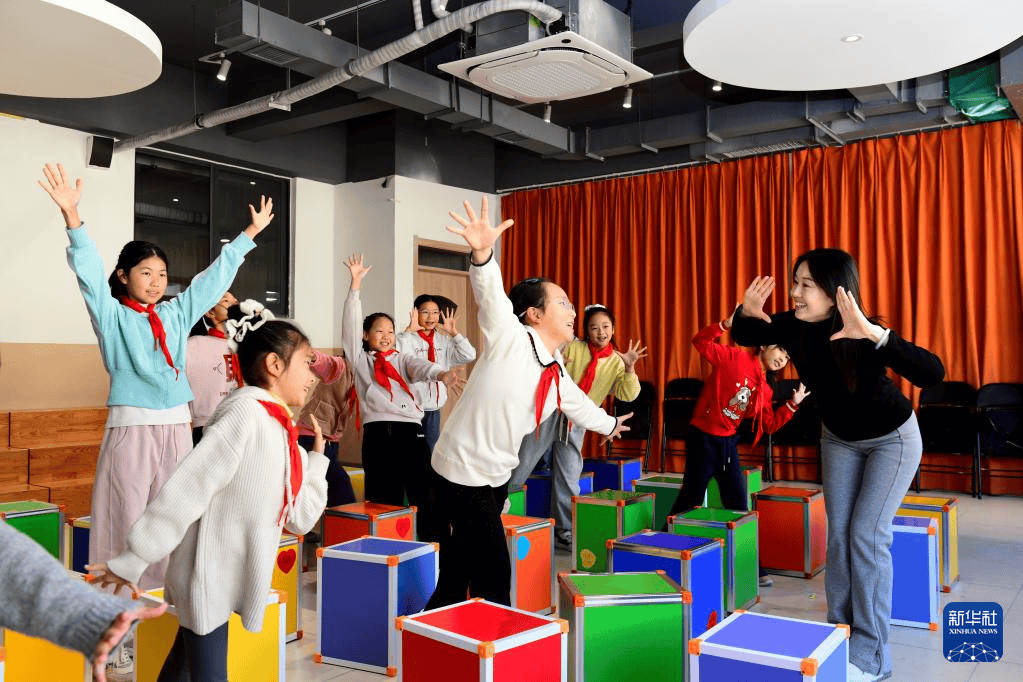
中央力推投资于人,释放民生红利
Zhong Guo Xin Wen Wang· 2025-12-13 05:39
"必须坚持投资于物和投资于人紧密结合""坚持民生为大,努力为人民群众多办实事"。 如何实现投资于人? 中央经济工作会议部署2026年经济工作,人被放在重要位置。 这与"十五五"规划建议中"坚持惠民生和促消费、投资于物和投资于人紧密结合"的表述相呼应,释放出 更多财政资金和公共资源将投向人的政策信号。 国家发改委投资研究所副所长盛磊向三里河表示,会议强调"坚持投资于物和投资于人紧密结合",体现 了以人民为中心的发展思想。人民不断增长的美好生活需要,是投资的底层逻辑和最大潜力。 从投资于物的效益来看,当前中国固定资产投资年度规模已达50万亿元。北京大学经济学院教授、国民 经济研究中心主任苏剑接受三里河采访时表示,中国发展进入新阶段,投资于物的投资收益率已呈现逐 渐下降的趋势。 "相反,投资于人成为一个极具潜力的战略方向。"苏剑认为,在人力方面的投入永远不会亏损,因为人 具有创造力,能够通过创新开辟更多发展机遇,并带来更高回报。 从大国博弈的背景看,科技竞争是一大主战场,归根结底是人才竞争。 这也意味着,实现物质资本与人力资本协同并进,已不再是一个选项,而是一种战略必需。 我国正面临深刻的产业升级需求,科技创新是带 ...
朱民:改革开放取得重大成果得益于有大批受过高中教育的劳动力
Xin Lang Cai Jing· 2025-12-13 03:50
12月13日消息,在今天举行的第九届儿童发展国际研讨会上,中国国际经济交流中心资深专家咨询委员 会委员、中国人民银行原副行长朱民表示,中国有14亿人口,改革开放之所以能够取得如此重大的成 果,第一阶段是因为我们有大批的受过高中教育的劳动力,这是中国和很多其他国家,比如印度不一样 的,这些劳动力能够迅速投入产业链。 12月13日消息,在今天举行的第九届儿童发展国际研讨会上,中国国际经济交流中心资深专家咨询委员 会委员、中国人民银行原副行长朱民表示,中国有14亿人口,改革开放之所以能够取得如此重大的成 果,第一阶段是因为我们有大批的受过高中教育的劳动力,这是中国和很多其他国家,比如印度不一样 的,这些劳动力能够迅速投入产业链。 他指出,所有人都是从婴儿的时候发育起来的,所以从这个意义上说,投资于人、儿童优先是为了中国 100年以后,我们的人力资源永远充沛,我们的国家不断强壮,而且是共同富裕和和谐的。 责任编辑:石秀珍 SF183 他指出,所有人都是从婴儿的时候发育起来的,所以从这个意义上说,投资于人、儿童优先是为了中国 100年以后,我们的人力资源永远充沛,我们的国家不断强壮,而且是共同富裕和和谐的。 责任编辑: ...
定调2026:明年中国经济怎么干,对你我有何影响
21世纪经济报道· 2025-12-12 14:32
明年经济工作要怎么干?对咱普通人到底有啥影响?12月10日至11日,中央经济工作会议在北 京召开。要想知道明年中国经济工作怎么干?今天我们就来逐条解读这次会议的重点! 总体来看,今年会议在分析经济形势的时候, 突出强调了"供给强而需求偏弱"的问题,因 此"扩大内需"是明年经济工作的最高优先级 !而内需又直接和咱们普通人的生活息息相关, 所以明年的民生政策值得期待! 做好扩大内需这件事,我们可以看到,中国经济的内在增长逻辑正在发生本质的变化。具体来 说就是"投资于人"和"投资于物"相结合!大家都知道,过去一段时间,中国经济的增长中,投 资是主力,比如各种基础设施建设。本次会议 将"投资于人"与"投资于物"放在一起 ,意味着 未来增长要更加有质量,有效率。 什么是"投资于人"呢?就是要从那些能提升居民幸福感和获得感的方向入手。首先,本次会议 提出要"制定实施城乡居民增收计划"!这可是影响咱们切身利益的大事!要扩大内需,提振消 费,手里没有钱可不行。千招万招,增加收入才是"好招"!实施城乡居民增收计划,目标就是 要让咱们"有收入、有预期",从而"敢消费、愿消费"。 那么"投资于物"又要怎么干呢?简单来说,就是转向两 ...

定调2026:明年中国经济怎么干?对你我有何影响?丨财经早察
2 1 Shi Ji Jing Ji Bao Dao· 2025-12-12 12:36
什么是"投资于人"呢?就是要从那些能提升居民幸福感和获得感的方向入手。首先,本次会议提出 要"制定实施城乡居民增收计划"!这可是影响咱们切身利益的大事!要扩大内需,提振消费,手里没有 钱可不行。千招万招,增加收入才是"好招"!实施城乡居民增收计划,目标就是要让咱们"有收入、有 预期",从而"敢消费、愿消费"。 那么"投资于物"又要怎么干呢?简单来说,就是转向两类精准投入。一是建设三大国际创新中心,推 动"人工智能+",这些投资可不只是为了短期拉动经济,而是为了提升咱们国家科技产业的竞争力。二 是城市更新改造,城市更新和过去的大规模基建可完全不同,它更注重改善公共服务、优化存量空间、 提升城市生活品质,是未来咱们国家落实好投资于人和投资于物相结合的重点发力领域! 其次,本次会议提出,要延续实施并优化"两新"政策。那么什么是"两新"政策呢?简单来说,就是新一 轮大规模设备更新和消费品以旧换新。明年"两新"政策还将持续扩大范围,支持的产品会越来越多,能 够享受到的居民也会越来越多。 第三,本次会议把稳就业作为重要目标,还提出要稳定高校毕业生、农民工等重点群体就业。咱们都知 道,就业是民生之本,只有稳住就业,才能稳住 ...
中央部署投资于人,释放强烈信号
Zhong Guo Xin Wen Wang· 2025-12-12 09:59
"相反,投资于人成为一个极具潜力的战略方向。"苏剑认为,在人力方面的投入永远不会亏损,因为人 具有创造力,能够通过创新开辟更多发展机遇,并带来更高回报。 中国新闻网消息,"必须坚持投资于物和投资于人紧密结合""坚持民生为大,努力为人民群众多办实 事"。 中央经济工作会议部署2026年经济工作,人被放在重要位置。 这与"十五五"规划建议中"坚持惠民生和促消费、投资于物和投资于人紧密结合"的表述相呼应,释放出 更多财政资金和公共资源将投向人的政策信号。 南京路步行街上行人络绎不绝。 国家发改委投资研究所副所长盛磊向三里河表示,会议强调"坚持投资于物和投资于人紧密结合",体现 了以人民为中心的发展思想。人民不断增长的美好生活需要,是投资的底层逻辑和最大潜力。 从投资于物的效益来看,当前中国固定资产投资年度规模已达50万亿元。北京大学经济学院教授、国民 经济研究中心主任苏剑接受三里河采访时表示,中国发展进入新阶段,投资于物的投资收益率已呈现逐 渐下降的趋势。 民生为大,投资于人。这不仅带来人力资本增值和人口素质提升,也是拉动消费、激发经济内生动力的 重要源泉。 制定实施城乡居民增收计划。实施稳岗扩容提质行动,稳定高校 ...