
假日经济

Search documents
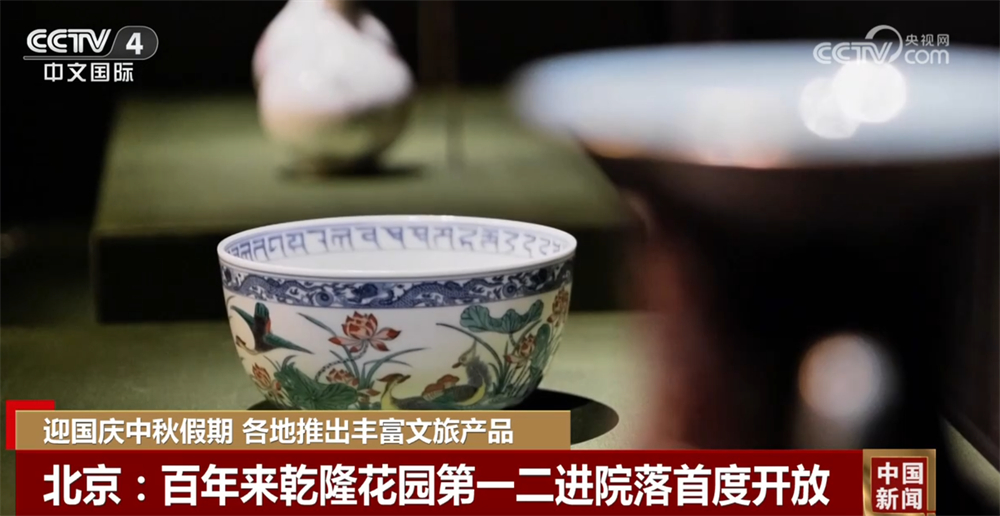
文旅产品“上新”点亮“假日经济” 文化之美为消费市场增色添彩
Yang Shi Wang· 2025-09-30 02:17
Group 1 - The popularity of "cultural tourism" is rising as the National Day and Mid-Autumn Festival holidays approach, with various regions launching diverse cultural and tourism products to meet visitor demands [1] - The Palace Museum is celebrating its 100th anniversary with the opening of the Qianlong Garden's first and second courtyards to the public, allowing visitors to appreciate unique architectural features [2] - The traditional ceramic-making technique of Longquan celadon, recognized as the world's first ceramic project on the UNESCO Intangible Cultural Heritage list, is attracting both domestic and international tourists through traditional kiln activities [4] Group 2 - The introduction of low-altitude flight tourism in North Wudang Mountain Scenic Area, Shanxi, offers a new perspective for visitors, allowing them to enjoy the landscape from above, thus enhancing regional cultural tourism [8] - Zhangjiajie, Hunan, is leveraging its natural scenery to offer unique cultural tourism performances and multi-faceted travel experiences, including high-altitude attractions that challenge visitors' courage [11] - In Huainan, Anhui, a blend of traditional and modern elements is showcased during the 2025 World Tourism Miss China Annual Championship, highlighting local culture and culinary specialties [13] Group 3 - In Shijiazhuang, Hebei, a large-scale red song choir event celebrates the dual festivals, attracting both locals and tourists, and promoting the region's revolutionary cultural tourism [15]

透过双节客流看“流动的中国”活力奔腾 这些地区将成为出行热点
Yang Shi Wang· 2025-09-30 02:03
Core Viewpoint - The upcoming National Day and Mid-Autumn Festival holidays are expected to see a significant increase in passenger flow across various transportation modes, with railways, highways, and air travel all anticipating record numbers of travelers during this period [3][10]. Railway Transportation - On September 30, the national railway is expected to send approximately 18.4 million passengers, with an average daily passenger volume of around 18 million during the holiday period from September 29 to October 10 [3]. - The peak travel day is anticipated to be October 1, with last year's passenger volume on this day recorded at 21.448 million [3]. - The Beijing-Tianjin-Hebei region is expected to send 1.5 million passengers on September 30, with over 50% of this volume from Beijing [3]. - The Yangtze River Delta region is projected to have the highest passenger flow, with an expected 3.65 million travelers, an increase of 213,000 compared to the same day last year [3]. - The Guangzhou Railway Bureau anticipates sending 2.663 million passengers, a 5.8% increase from the previous year [4]. Highway Transportation - The Ministry of Transport predicts that the average daily traffic on national highways will exceed 62 million vehicles during the 8-day holiday, with nearly 90% of this being small passenger vehicles [5]. - Traffic is expected to peak on October 1, reaching approximately 70 million vehicles, which is 2.1 times the normal daily flow [7]. - The number of new energy vehicles is projected to average around 12.5 million daily, accounting for nearly 20% of total traffic, reflecting a 30% increase from the previous year [7]. Air Travel - The National Immigration Administration forecasts that daily inbound and outbound passenger flow will exceed 2 million during the holiday, with peaks expected on October 1 and 6 [10]. - Major airports such as Beijing Capital and Daxing are expected to handle over 500,000 passengers, while Shanghai's airports are projected to see 883,000 travelers [10]. Waterway Transportation - The expected passenger volume for waterway travel during the holiday is 12.5 million, with a daily average of 1.5625 million, marking an 11.6% increase year-on-year [12]. - The peak for waterway travel is anticipated on October 4 and 5, with a maximum daily passenger volume of around 2 million [12]. - In Liaoning, coastal ports and inter-island transport routes are expected to see significant traffic, particularly on routes from Dalian to Yantai and Weihai [14]. Cruise Travel - The Shanghai Wusongkou International Cruise Terminal is preparing for a peak in cruise travel, with plans for 5 international cruise sailings and an expected 43,000 outbound and inbound passengers [16]. - The Shanghai Maritime Bureau has implemented tailored safety measures for each cruise ship to ensure smooth operations [16].
国庆中秋双节迎来出行“热” 多部门部署出行保障工作护航“平安路”
Yang Shi Wang· 2025-09-30 01:57
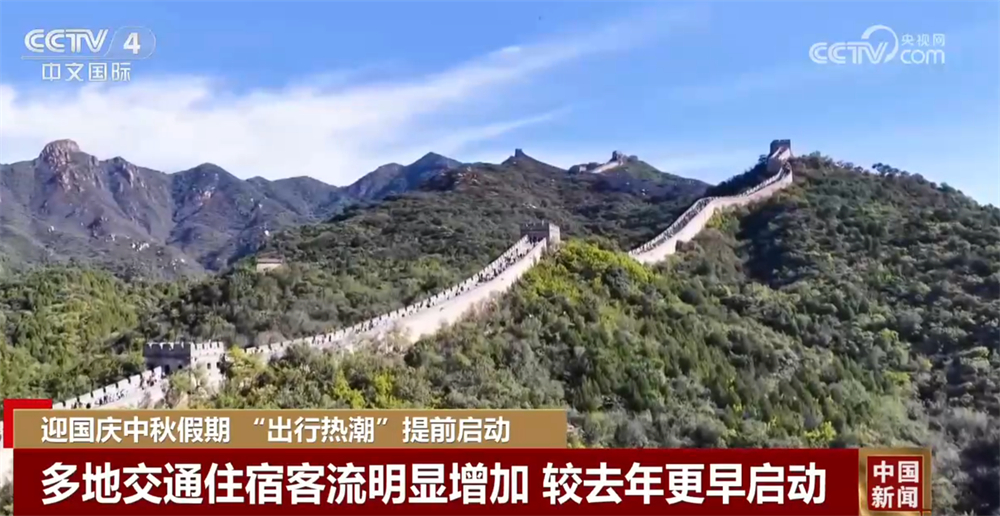
Core Insights - The upcoming 8-day holiday during the National Day and Mid-Autumn Festival in 2025 is expected to significantly boost the domestic tourism market, with early signs of increased travel demand and innovative travel patterns [1][2] Group 1: Travel Trends - The travel peak for the National Day and Mid-Autumn Festival is starting earlier this year compared to last year, with noticeable increases in transportation and accommodation traffic in cities like Beijing, Chengdu, and Chongqing [2] - There is a growing trend of "串游" (combined travel) and innovative travel modes, enhancing expectations for the holiday [1] - The search volume for travel themes such as "autumn appreciation" and "coastal trips" has doubled compared to August, indicating heightened interest in seasonal travel [12] Group 2: Transportation Developments - The railway department has introduced special tourist trains catering to family trips, educational tours, and culinary experiences, providing more travel options [4] - Cross-border travel has been facilitated by the introduction of international passenger trains, making it easier for travelers to engage in cross-border tourism and shopping [6] - The average daily traffic on national highways is projected to exceed 62 million vehicles during the holiday, with a significant increase in electric vehicle traffic [16] Group 3: Regional Highlights - Popular tourist destinations in Fujian, such as Quanzhou, Fuzhou, and Xiamen, are experiencing a surge in bookings, particularly for scenic spots like Wuyi Mountain and Gulangyu Island [8] - The trend of domestic tourism is shifting towards second and third-tier cities, with a reported 18% increase in daily flight bookings at smaller airports [10] - Key travel peaks are expected at the beginning and end of the holiday, with projected daily passenger flow potentially exceeding 340 million on October 1 [18] Group 4: Infrastructure and Services - The completion of the dual-direction expansion of the Jingha Expressway enhances transportation links between Northeast China and the Beijing-Tianjin-Hebei region [20] - In Guangdong, traffic is expected to peak with over 10 million vehicle trips on September 30 and October 1, supported by highway free policies [22] - New energy vehicle charging stations have been established in Beijing to support green travel during the holiday, with the capacity to charge up to 2000 vehicles daily [27][29]
抢跑假日经济 北京准备好了
Bei Jing Shang Bao· 2025-09-29 15:41
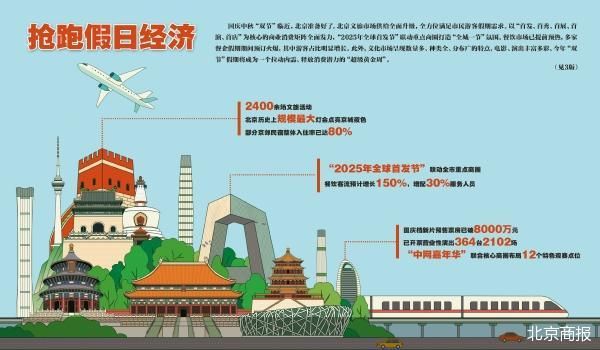
Group 1: Travel and Tourism - The "Double Festival" holiday period is expected to see record-breaking travel indicators, with a significant increase in tourist numbers compared to last year [1] - Beijing's airports are projected to handle 17,376 flights during the holiday, marking a 1.2% year-on-year increase [1] - The Beijing Municipal Bureau of Culture and Tourism plans to launch over 2,400 cultural and tourism activities to meet the demands of citizens and tourists [3] Group 2: Cultural Activities - Various parks in Beijing will host over 100 garden activities, enhancing visitor experiences during the holiday [3] - The Taoranting Park will feature over 10 unique cultural activities, appealing to all age groups [4] Group 3: Accommodation and Rural Tourism - The occupancy rate of suburban homestays is expected to reach 80%-90% during the holiday, with many properties already fully booked [6] - Suburban tourism initiatives include 10 premium rural travel routes and over 100 activities integrating various sectors [6] Group 4: Retail and Consumer Trends - Over 500 unique consumer activities will be launched across Beijing, driven by major events and new brand openings [7] - The introduction of new brands and cultural IPs in shopping centers is expected to enhance consumer experiences during the holiday [8] Group 5: Food and Dining - Several restaurants anticipate a 150% increase in customer traffic during the holiday, with significant growth in family gatherings and tourist visits [10] - Major dining establishments are preparing for the influx by increasing staff and extending operating hours [12] Group 6: Entertainment and Performances - A total of 2,102 performances are scheduled during the holiday, showcasing a mix of classic and innovative productions [13] - New films are set to be released during the holiday, with pre-sale ticket sales exceeding 800 million yuan [16]
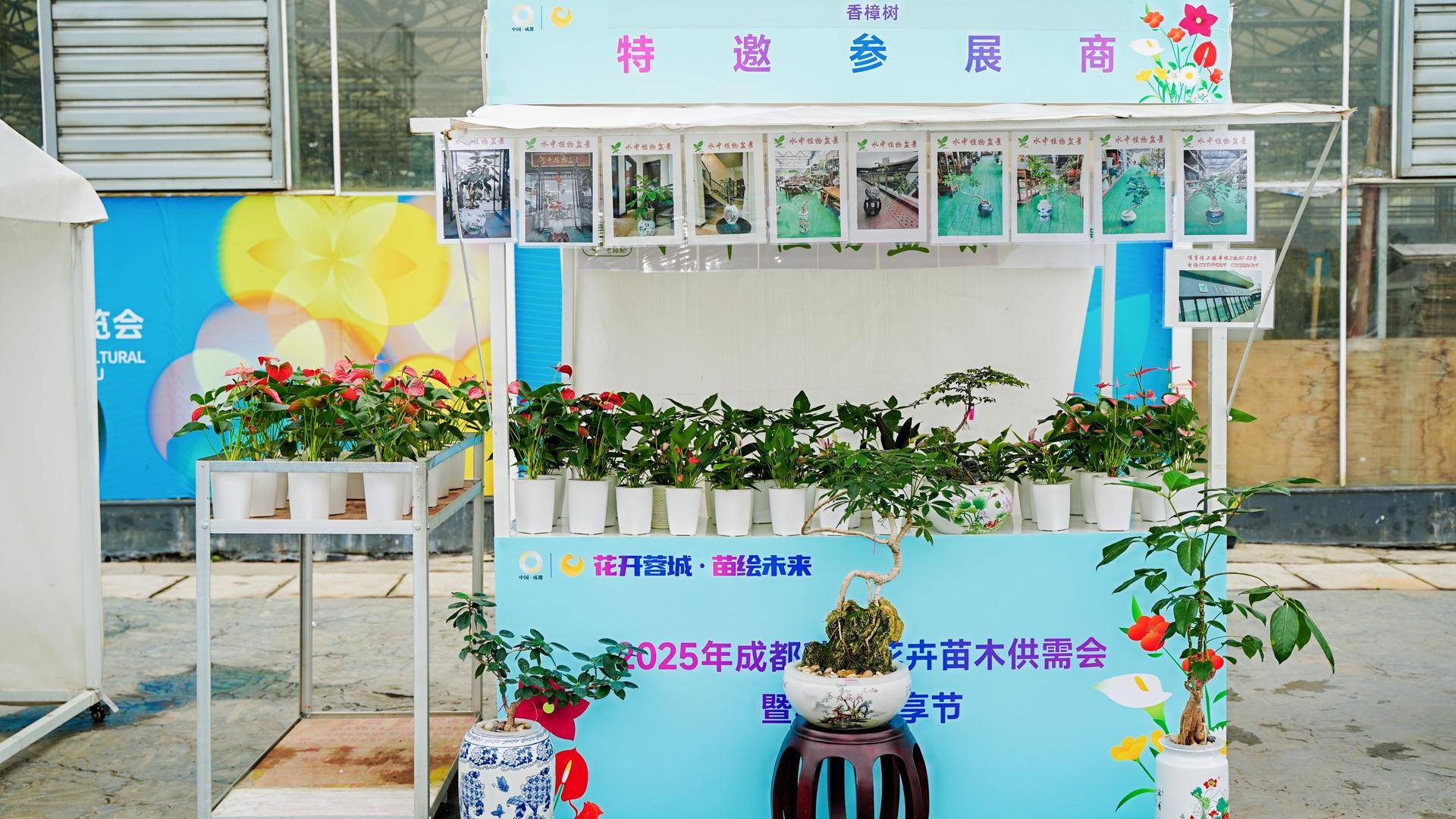
首日交易额同比增四成,发布五项产业机遇清单!成都这场花展卖爆了
Sou Hu Cai Jing· 2025-09-29 13:28
Core Insights - The event "Flowering in Rongcheng: Seedling Painting the Future" aims to invigorate the flower economy in Chengdu by creating a platform for precise industry resource matching and innovative consumer experiences [1][3] Group 1: Event Overview - The exhibition scale reached a historical high, featuring over 50 brand exhibitors and more than 600 flower farmers and merchants, showcasing over 30,000 new and superior flower seedlings [3] - On the opening day, the transaction amount from premium exhibitors exceeded 2 million yuan, with total park transactions increasing by 40% compared to the same period last year, highlighting the flower economy's impact on the consumer market [3] Group 2: Industry Opportunities - Five industry opportunity lists were released, demonstrating the deep integration of the flower seedling industry with urban renewal, cultural heritage, and new consumption trends [3] - The "2025 Green New Generation: Urban Renewal Design π" competition aims to create high-quality ecological space samples for park cities [5] - The launch of a financial service plan for the flower industry provides robust financial support across various segments of the industry chain [5] Group 3: Collaborations and Innovations - Six companies signed cooperation agreements during the event, focusing on upstream and downstream collaboration and cross-industry resource integration, which injects substantial momentum into industry innovation [5] - The event features various consumer engagement activities, including a DIY floral art salon and themed markets, aimed at enhancing the holiday economy [8]
铁路国庆中秋假期运输启动 预计发送旅客2.19亿人次
Zhong Guo Jing Ji Wang· 2025-09-29 06:43
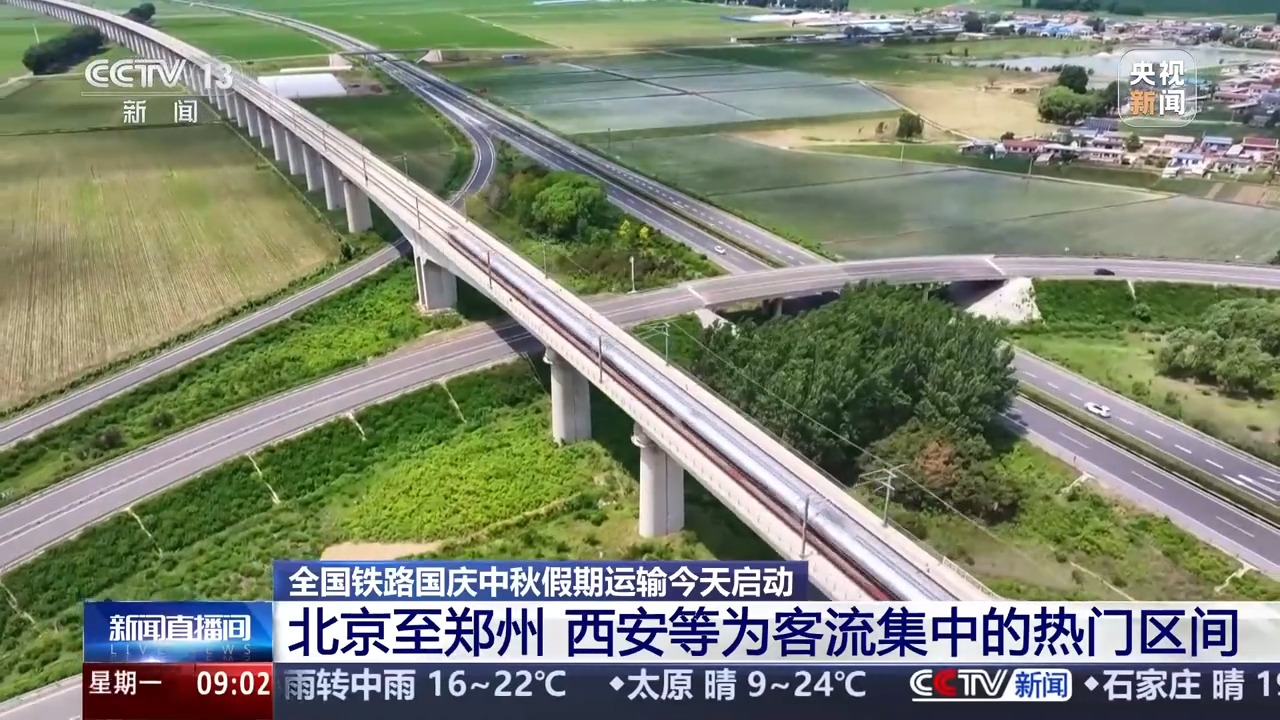
中国经济网北京9月29日讯(记者 佟明彪)中国国家铁路集团有限公司(下称"国铁集团")发布消息 称,铁路国庆中秋假期运输9月29日启动,至10月10日结束,为期12天,全国铁路预计发送旅客2.19亿 人次,10月1日将迎来客流最高峰,日均计划开行旅客列车约1.3万列。 国铁集团客运部负责人介绍,今年国庆中秋双节合并放假8天,旅游、探亲、学生客流等出行需求交织 叠加,铁路客流将呈现总量大、首尾时段高度集中和"首尾长途多、中间中短途多"的特点,部分区间和 时段客流高度集中。铁路部门坚持以人民为中心的发展思想,积极适应旅客假期多样化出行需求,精心 制定运输方案,有效增加运力供给,强化站车服务举措,为旅客平安便捷温馨出行和国民经济平稳运行 提供运输支撑。 截至9月28日8时,铁路12306已累计售出国庆中秋假期运输期间(9月29日至10月10日)车票超9000万 张。从火车票预售情况来看,国庆中秋假期运输热门出发城市主要有北京、广州、杭州、上海、深圳、 成都、武汉、郑州、南京、西安;热门到达城市主要有北京、上海、广州、成都、郑州、武汉、杭州、 南京、长沙、西安;深圳至香港、武汉,北京至郑州、沈阳、太原、西安、济南,广 ...
串起美食美景、人文名胜 特色列车线路打造假日经济新场景
Yang Shi Xin Wen Ke Hu Duan· 2025-09-29 06:38
Core Insights - The National Railway's transportation for the National Day and Mid-Autumn Festival holiday has commenced, with an expected total of 2.19 billion passenger trips during the 12-day period from September 29 to October 10 [3][4]. Group 1: Passenger Flow Trends - The holiday period is expected to see a significant increase in passenger flow, with a peak on October 1, and an average of approximately 13,000 passenger trains planned daily [3]. - The overall passenger flow will be characterized by high total volume, concentrated travel at the beginning and end of the holiday, and a mix of long-distance and medium-short distance trips [3]. Group 2: Popular Destinations - Key travel routes during the holiday include Guangzhou to Nanning, Beijing to Zhengzhou, Shenyang, Taiyuan, Xi'an, Jinan, Wuhan, Shenzhen to Hong Kong, and Guangzhou to Wuhan [4]. Group 3: Capacity Assurance Measures - To ensure adequate transportation capacity, new high-speed rail lines and stations have been opened, including the Chongqing East to Qianjiang segment and the Shenyang to Jiamusi segment, which will operate at speeds of 350 km/h [6]. - Night trains will also be introduced from September 29 to October 2 and from October 7 to October 9 to facilitate travel [6]. Group 4: Holiday Economic Activation - The railway department is promoting unique travel routes such as Chengdu West to Ejina and Guangzhou to Kashgar, which connect local cuisine, scenery, and cultural attractions, thereby stimulating holiday consumption [7]. - Cross-border travel services, including the Guangzhou-Shenzhen-Hong Kong high-speed rail, will enhance international travel and shopping opportunities during the holiday [7].
浦发银行推出系列惠民举措助力国庆消费季
Zheng Quan Ri Bao Zhi Sheng· 2025-09-29 06:08
Core Insights - The article discusses the initiatives taken by Shanghai Pudong Development Bank (SPDB) Beijing Branch to promote consumer spending during the upcoming National Day and Mid-Autumn Festival by leveraging its product "Pu Flash Loan" [1] Group 1: Product Features - "Pu Flash Loan" is a pure credit consumer loan product that allows for a fully online application process from application to disbursement [1] - Customers can apply through the SPDB app using personal credit, housing fund, and social security information, with new users averaging 10 minutes for credit approval [1] - The loan disbursement is facilitated through a big data model for rapid assessment and real-time approval [1] Group 2: Consumer Benefits - The core benefit of "Pu Flash Loan" is its affordability, featuring a dual discount system of "fiscal interest subsidies + bank concessions" for eligible customers [1] - Customers can enjoy exclusive preferential interest rates on top of the fiscal subsidies, effectively reducing financing costs [1] Group 3: Market Integration - SPDB is enhancing cooperation with offline merchants and online platforms in sectors such as education, home appliance upgrades, and digital consumption [1] - The bank aims to seamlessly integrate financial services into everyday life, ensuring that services are available wherever consumption occurs [1] Group 4: Future Plans - The bank plans to continue improving the service chain of "finance + scenarios + livelihood" to ensure financial resources are effectively directed to every corner of the consumer market [1]

晶采观察丨活力拉满!节前促消费热度提前升温
Yang Guang Wang· 2025-09-29 01:49
当国庆假期遇上中秋节,长达八天的"超级黄金周",相信大家已经非常期待了!最近,我看到很多网友 不仅晒出"拼假"、旅行计划的朋友圈,还分享了很多要给家人带回去的礼物。这几天我去了很多大型商 超、农贸市场,货品丰富、供应充足,看着很眼馋也很安心,当然还有不少促消费系列活动,这些都让 这股提前到来的消费热潮"烟火气"十足。 例如,继"苏超"爆火后,各地纷纷推出本地"草根赛事"吸引客流。四川将推出"跟着'川超'游四川"活 动,发放总价值超5000万元的"赛事门票+景区门票+住宿优惠"系列"大礼包",同时开设主题旅游巴士与 旅游专线,实现"一场比赛、多城联动"的无缝衔接;湖北推出省级常态化票根综合服务小程序,游客上 传高铁票、演出票、景区门票等票据即可兑换酒店优惠、文创礼品等;上海更是将"票根经济"写入《上 海市提振消费专项行动方案》。 无论是降低出行成本,还是提升游玩体验,最终目的都是为了让大家度过一个充实又快乐的假期。这一 目标的实现,离不开多部门协同发力——唯有通过精准补位、智慧赋能与细节优化,构建起全链条、高 品质的服务体系,才能切实保障大家安心回家、开心度假。 晶采观察,下期见! 编审:伍刚 统筹:王薇 赵净 ...
租车自驾游火爆,要努力让消费者无忧
Nan Fang Du Shi Bao· 2025-09-28 23:32
Core Insights - The rental car self-driving tourism market is experiencing significant growth, with expectations of double-digit increases in demand during the upcoming Mid-Autumn and National Day holidays [1] - The shift from a niche to a mainstream travel option reflects a strong public demand for personalized travel experiences, moving away from traditional group tours [1] - Improved transportation infrastructure, including high-speed rail and airport rental services, supports the growth of self-driving tourism [1] Group 1 - The rental car self-driving tourism has become a new pillar of the holiday economy, driven by the desire for deep experiences and flexible travel [1] - Popular self-driving routes, such as the Sichuan-Tibet line and Qinghai-Gansu loop, have contributed to the surge in rental demand in western regions [1] - The increasing density of the national highway network and the rapid deployment of electric vehicle charging stations alleviate range anxiety for travelers [1] Group 2 - The rental car market faces challenges, including poor vehicle conditions, discrepancies between booked and provided models, and difficulties in deposit refunds [2] - Regulatory oversight is fragmented, leading to unclear responsibilities and inconsistent standards across departments, which hampers effective market regulation [2] - To enhance the rental experience, measures such as reducing fees for returning vehicles in different locations and improving vehicle supply and safety management are necessary [2] Group 3 - Establishing a service rating system and promoting consumer-friendly service standards are essential for building a trustworthy consumption environment [3] - Collaboration between taxi companies and professional rescue organizations is crucial for improving emergency response capabilities [3] - The essence of the rental car self-driving trend lies in the public's expectation for quality experiences, necessitating a focus on market regulation and service optimization [3]