
养老金融

Search documents
《养老金融发展白皮书》发布:机构深耕细作时代来临
2 1 Shi Ji Jing Ji Bao Dao· 2025-12-29 04:19
Core Insights - The aging population in China is becoming a significant challenge, with projections indicating that by the end of 2024, 22.0% of the population will be over 60 years old, and 15.6% will be over 65 years old, marking an increase from 2019 [1] - The government is actively implementing policies to enhance the pension finance system, aiming to create a robust framework for pension financial services [2][3] Policy Developments - In December 2024, the People's Bank of China and nine other departments issued guidelines to support the development of the pension sector, emphasizing tailored financial products for different elderly demographics [2] - The National Financial Supervision Administration released an implementation plan in March 2025 to establish a diverse commercial pension finance system [2] Research Findings - The "Pension Finance Development White Paper (2025)" by Industrial Bank highlights that nearly 80% of respondents are willing to allocate up to 30% of their monthly income for retirement savings, with a preference for bank deposits and wealth management products [3][7] - The white paper also identifies a significant gap between the awareness and actual participation in personal pension accounts, with an account opening rate of 54.3% but a contribution rate of only 18.3% [5] Consumer Behavior Trends - Survey results indicate that the ideal monthly retirement expenditure for respondents is between 3000-5000 yuan, with higher expectations in first-tier cities [9] - The demand for diverse pension financial products is characterized by a preference for safety, reasonable return expectations, and liquidity sensitivity [7] International Experience and Recommendations - The white paper suggests that China can learn from international practices, such as optimizing tax policies for pension withdrawals and providing subsidies for low-income groups to encourage participation in personal pension systems [10][13] - It emphasizes the importance of long-term care insurance in enhancing the payment capacity of the elderly and balancing fiscal burdens [14] Future Trends in Pension Finance - The white paper predicts a "six-fold" trend in the development of pension finance in China, including systematic management of pension funds, diversification of pension products, and personalized financial services [15][16] - The report also highlights the need for age-appropriate financial services and the diversification of financing methods for the pension industry [16][17]

《养老金融发展白皮书(2025)》发布:机构深耕细作时代来临
2 1 Shi Ji Jing Ji Bao Dao· 2025-12-29 04:16
Core Insights - The aging population in China is becoming a significant challenge, with projections indicating that by the end of 2024, 22.0% of the population will be over 60 years old, and 15.6% will be over 65 years old, marking an increase from 2019 [1] - The government is actively implementing policies to enhance the pension finance system, aiming to create a robust framework for pension financial services and products [2][3] Policy Developments - In December 2024, a joint guideline was issued by the People's Bank of China and nine other departments to support the development of the silver economy through targeted financial products for different age groups [2] - The National Financial Supervision Administration released an implementation plan in March 2025 to establish a diverse commercial pension finance system [2] Research Findings - A recent white paper by Industrial Bank highlights that nearly 80% of respondents are willing to allocate up to 30% of their monthly income for retirement savings, with a preference for bank deposits and wealth management products [3][8] - The white paper also indicates a significant urban-rural divide in pension account participation, with urban residents showing higher account opening and contribution rates compared to rural residents [6] Future Trends - The white paper predicts a "six-fold" trend in pension finance development, including systematic management of pension funds, diversification of pension products, personalized financial services, age-appropriate online and offline services, diversified financing methods for the pension industry, and the integration of smart technologies in the silver economy [19][20][21] Consumer Behavior - The ideal monthly retirement expenditure for respondents is between 3,000 to 5,000 yuan, with higher expectations in first-tier cities [12] - The demand for diverse pension financial products is characterized by a preference for safety, rational return expectations, and sensitivity to liquidity [8][12] International Insights - The white paper draws on international experiences, particularly from Japan, suggesting that China can enhance participation in personal pension systems through optimized tax policies and targeted subsidies for low-income groups [14][16] - The analysis indicates that as life expectancy increases, the demand for institutional care in China is likely to rise, similar to trends observed in Japan [16][17]

超越金融:银行如何织就“养老金融+养老服务”的生态网?
2 1 Shi Ji Jing Ji Bao Dao· 2025-12-29 04:16
Core Insights - The article discusses the emergence of a significant "silver economy" in China due to rapid population aging, highlighting the need for innovative financial services tailored to the elderly [1][3] - It emphasizes the shift from traditional financial services focused on account management to a more comprehensive approach that integrates financial products with various aspects of elderly care and lifestyle [5][6] Financial Policy and Market Trends - Since 2022, there has been a surge in pension finance policies, with the central financial work conference prioritizing "pension finance" as a new growth area for commercial banks [3][4] - The demand for pension financial services is evolving, requiring banks to extend their services beyond mere financial management to encompass a full range of elder care needs [3][5] Service Innovation and Integration - Banks are encouraged to create a comprehensive ecosystem that combines financial products with real-life services, addressing the diverse needs of elderly clients [5][6] - Leading banks, such as Industrial Bank, are already exploring innovative service models that integrate various elder care services, including healthcare and social activities, into their offerings [6][10] Challenges in Implementation - The article outlines several challenges banks face in establishing a cohesive pension finance ecosystem, including organizational structure, data sharing, and the need for specialized talent [8][9] - A shift from decentralized management to a more centralized and professional approach is recommended to enhance service delivery [8] Talent Development and Education - The lack of professionals who understand finance, elder care, and customer needs is identified as a significant barrier to improving pension financial services [9] - Industrial Bank is initiating a talent development program to train over 2,100 pension financial planners, focusing on practical experience and collaboration with industry experts [9] Community Engagement and Financial Literacy - Enhancing financial literacy among the elderly is crucial for the acceptance of innovative financial products and services [9] - Industrial Bank has conducted numerous public lectures and established educational bases to promote financial knowledge among the elderly, receiving positive feedback from the community [9][10]

熨平周期波动:银行如何打造养老财富的“压舱石”?
2 1 Shi Ji Jing Ji Bao Dao· 2025-12-29 04:16
Core Viewpoint - The aging population accelerates the need for effective management of retirement wealth, with commercial banks playing a crucial role in stabilizing returns amidst market fluctuations [1][3]. Group 1: Retirement Wealth Management Strategies - The core demand for retirement wealth management is "long-term stability," requiring banks to avoid significant capital losses while achieving reasonable growth [5]. - Commercial banks are transforming into "lifetime partners," implementing a comprehensive strategy that covers all stages of retirement planning, thus becoming the first line of defense against market volatility [6]. - A multi-faceted approach to asset allocation is essential, including precise customer profiling, diversified investments across various asset classes, and dynamic adjustments based on market changes [6][7]. Group 2: Tailored Services for Different Age Groups - For clients aged 30-50, banks increase the proportion of equity assets, promoting retirement target funds to help them accumulate wealth over the long term [7]. - For clients aged 50 and above, banks focus on "fixed income plus" strategies to ensure stable returns while managing risks, aligning with the priority of capital preservation [7]. Group 3: Comprehensive Solutions and Professional Support - The core capability of being a "lifetime partner" lies in providing one-stop, all-encompassing planning solutions that address retirement savings, medical insurance, and wealth inheritance [9]. - A robust team of over 3,000 retirement financial planners with diverse professional qualifications is crucial for delivering comprehensive retirement planning advice [9]. - Banks are enhancing product offerings, such as launching exclusive retirement products during promotional events to provide more choices for elderly clients [10]. Group 4: Trust and Emotional Support in Financial Services - Financial institutions must integrate emotional care into their services, as trust in the bank can help clients manage market volatility more rationally [12]. - Banks are upgrading services for the elderly, including accessibility improvements and personalized assistance to facilitate their banking experience [12][13]. - Initiatives like the "Respect for the Elderly Month" and the establishment of clubs for elderly clients foster social connections and address issues like information isolation and fraud risks [13][14]. Group 5: Evolving Demand for Retirement Wealth Management - With the full implementation of the personal pension system, the demand for retirement wealth management is expected to grow progressively [14]. - The banking sector's approach to retirement finance encompasses wealth planning, service assurance, and ecosystem development, effectively mitigating market fluctuations and providing a solid foundation for retirement wealth [14].

从“账户管家“到“终身伙伴”:商业银行的养老金融新角色
2 1 Shi Ji Jing Ji Bao Dao· 2025-12-29 04:16
Core Viewpoint - The aging population in China, with over 300 million individuals aged 60 and above, is reshaping the pension finance landscape, transitioning from personal wealth management to a critical social and economic issue [1][2] Group 1: Evolution of Pension Finance Services - The role of commercial banks in pension finance is evolving from being mere "account managers" to becoming "lifetime partners" that provide comprehensive services throughout the entire life cycle [9][10] - Early on, commercial banks primarily focused on basic fund management, meeting the limited financial needs of the elderly, which were mainly centered around the security and accessibility of funds [5][6][7] - As the pension security system matures, banks are expanding their services to encompass the three pillars of pension finance: basic pension insurance, enterprise annuities, and personal pensions [7][8] Group 2: Case Study of Industrial Bank - Industrial Bank has been a pioneer in the pension finance sector, launching its "Anyu Life" brand in 2012 and developing a comprehensive pension finance system over the past decade [3][8] - The bank collaborates with social security departments across 22 provinces, issuing over 1.86 million financial social security cards, and manages 5.8 billion yuan in pension funds through various annuity services [8] - By offering a full range of personal pension services through multiple channels, Industrial Bank has opened over 7.6 million personal pension accounts and provides a diverse array of pension products [8] Group 3: Transition to Comprehensive Services - The shift from "account manager" to "lifetime partner" reflects a need for banks to address the diverse and evolving financial needs of clients, including health management and wealth transfer [10][11] - The new service model emphasizes proactive engagement with clients, offering personalized financial planning and integrating financial and non-financial services [11][12] - Industrial Bank has developed a "hexagonal" service system that includes a smart pension account, wealth management strategies, and a network of age-friendly service points [13] Group 4: Implications for the Industry - The transformation of commercial banks' roles in pension finance is a necessary response to the demands of an aging population, aiming to alleviate the pressure on basic pension insurance and promote high-quality development of the silver economy [14] - As the industry continues to innovate, the concept of "lifetime partner" will evolve, positioning pension finance as a vital support system for addressing the challenges of an aging society [14]

中国人寿:已在十余个城市完成养老养生项目布局,后续将加快推进26个重点城市布局
Cai Jing Wang· 2025-12-29 04:00
Core Viewpoint - China Life is leveraging its comprehensive financial advantages to enhance pension fund reserves, explore new models for elderly care services, and increase support for the silver economy, aiming to integrate financial resources into the pension sector effectively [1] Group 1: Pension Fund Management - As of Q3 2025, China Life's pension insurance company is providing investment management services for over 75 billion yuan in basic pension insurance funds, achieving top rankings in specific investment portfolios [1] - The cumulative scale of enterprise annuities and occupational annuities managed by China Life's pension insurance company exceeds 2.1 trillion yuan, maintaining the leading position in the industry [1] - The third pillar of pension finance development is highlighted, with Guangfa Bank, a member of China Life Group, having opened over 3.4 million personal pension accounts and offering more than 220 personal pension products [1] Group 2: Elderly Care Community Development - The "Guangfa Garden" brand, developed by China Life's Guoshou Health Investment Company, focuses on professional elderly care operations, with various product lines including comprehensive elderly care communities and boutique elderly apartments [1][2] - The suburban CCRC elderly care communities are strategically located in cities like Beijing, Tianjin, Chengdu, and Xiamen, catering to a wide range of elderly care needs from self-care to nursing [2] - The urban boutique elderly apartments primarily serve elderly individuals requiring care and are actively being developed in cities such as Qingdao, Shijiazhuang, Hangzhou, Kunming, and Shenzhen [2] Group 3: Innovative Community Projects - China Life's Guoshou Health Investment Company is collaborating with the Shenzhen government to innovate three "embedded" community elderly care projects, aimed at providing affordable care options for the working class [2] - The "Guangfa Garden" community emphasizes a professional care system that ensures peace of mind for families and comfort for the elderly, supported by a unique service standard system comprising 291 standards [2] - China Life has completed elderly care project layouts in over ten cities, including Beijing, Tianjin, Suzhou, and Chengdu, with plans to accelerate development in 26 key cities nationwide [2]

深耕养老金融获认可 阳光人寿斩获2025年度影响力金融机构与 消费者口碑产品双奖项
Sou Hu Cai Jing· 2025-12-29 03:22
"玺悦未来(庆典版)"实力圈粉,铸就消费者口碑标杆 深耕养老金融,构建全生态保障体系 此次获评"年度影响力金融机构-养老金融",源于阳光人寿长期以来对养老金融领域的战略深耕与创新实践。公司始终将主业发展与国家养老政策同频共 振,以"一切为了客户"为核心,构建了覆盖产品、服务、生态的全链条养老解决方案。在产品矩阵建设上,阳光人寿形成了涵盖养老年金、健康医疗、护理 保险的多元化产品体系,满足不同年龄段、不同需求层次的养老保障诉求。在服务生态构建上,阳光人寿全面升级推出"阳光居家养老2.0版本"服务,覆 盖"居家健康、居家安全、居家生活"三大板块,服务人群扩展至半失能、失能老人群体。其中提供从专业院内护工到上门护士/护工的全程照护,以及"直通 名医"全流程就医服务,构建了"从居家到医院"的健康守护网络。其创新的"有好东西"线上商城,则为长者提供了安全便捷的智能化购物平台。在高品质康 养社区体验方面,"阳光人家·佘山康养社区"依托上海佘山优越的自然环境,融合东方美学与适老化科技,以"五享四悦"服务体系,为长者提供全方位、高 品质的康养生活选择。 12月21日,由蓝鲸新闻主办的第十二届蓝鲸记者年会在京召开,2025鲸V ...

中国人寿寿险公司参与承办长期护理保险项目超70个
Jin Rong Jie Zi Xun· 2025-12-29 03:01
Core Viewpoint - The 20th Central Committee's Fourth Plenary Session outlines the "14th Five-Year" strategic tasks, emphasizing the importance of enhancing pension systems and services, which provides fundamental guidance for the development of pension financing over the next five years [1] Group 1: Pension Fund Management - China Life is leveraging its comprehensive financial advantages to enhance pension fund reserves and explore new models for pension services, thereby integrating financial resources into the pension sector [1] - The company adopts a "one increase, one decrease" strategy to enrich pension funds, focusing on professional investments to grow reserves and reduce individual pension burdens through various insurance products [2][4] - As of Q3 2025, China Life's pension insurance company has provided investment management services for over 75 billion yuan in basic pension insurance funds, ranking high in specific investment portfolios [3] - The cumulative scale of enterprise annuities and occupational annuities managed by China Life exceeds 2.1 trillion yuan, maintaining the industry's leading position [3] Group 2: Insurance Products for Seniors - China Life has launched a series of insurance products tailored for the elderly, including "Silver Age Health" and "Silver Age Peace," which cover various risks such as death, accidents, and medical expenses [4] - The company has participated in over 70 long-term care insurance projects, contributing valuable experience to national long-term care insurance schemes [4] Group 3: Quality Service in Elderly Care - China Life's "Guoshou Jiayuan" brand focuses on creating a comprehensive elderly care service system that integrates institutional, community, and home care [5][6] - The company has established various types of elderly care communities across multiple cities, including high-quality integrated care complexes and community-based care projects [6][8] - The "Guoshou Jiayuan" community incorporates advanced medical facilities and services, addressing the challenges of healthcare access for the elderly [7] Group 4: Economic Impact and Innovation - The silver economy is expanding, with over 77,600 companies registered in the elderly products and services sector by 2024, indicating a shift from a "sunset industry" to a "sunrise industry" [9] - China Life is actively investing in the silver economy, establishing a 10 billion yuan fund to support systematic investments in this sector [11] - The company is also developing a debt investment plan focused on elderly care real estate, aiming to create comprehensive shopping and service centers for seniors [11] Group 5: Strategic Vision - China Life aims to transform the concept of "pension" into "enjoyment of old age" by providing comprehensive, high-quality, and inclusive financial services for the elderly [12]
扎实做好金融“五篇大文章” 助力陕西经济社会高质量发展
Jing Ji Ri Bao· 2025-12-28 22:02
Core Viewpoint - Agricultural Bank of China Shaanxi Branch actively supports various financial initiatives to enhance economic development in Shaanxi Province, focusing on technology finance, green finance, inclusive finance, pension finance, and digital finance [4][5][7][8][11]. Group 1: Technology Finance - Agricultural Bank of China Shaanxi Branch has issued nearly 200 million yuan in loans to a specialized "little giant" enterprise, supporting its technological upgrade projects [5]. - The bank has introduced innovative financial products like "Kejie Loan" and "Torch Innovation Points Loan" to address the unique challenges faced by technology enterprises [5]. - As of November 2025, the number of technology enterprise loan accounts and loan balances increased by 671 accounts and 4.2 billion yuan year-on-year, leading the industry in growth [6]. Group 2: Green Finance - The bank emphasizes green finance to support sustainable economic development, aligning with carbon peak and carbon neutrality goals [7]. - It provided over 10 billion yuan in financing for a leading coal chemical project, setting a historical approval record for the bank [7]. - The bank's green loan balance and growth rate are among the highest in Shaanxi Province, supporting various projects in renewable energy and resource recycling [7]. Group 3: Inclusive Finance - Agricultural Bank of China Shaanxi Branch has implemented nine policy measures to enhance the accessibility and satisfaction of inclusive financial services [8]. - The bank quickly responded to a small aluminum technology company's financial needs by providing a seamless loan renewal process within five days [8]. - The inclusive loan balance increased by 15.6 billion yuan since the beginning of the year, ranking high among peers [8]. Group 4: Pension Finance - The bank is developing a high-quality pension finance service system to address the challenges of an aging population [9]. - It provided 5 million yuan in loans to a well-known health service company to expand its pension service scale [9]. - The bank has established a "Golden Years" service area to cater to elderly clients, enhancing their overall experience [10]. Group 5: Digital Finance - The bank is advancing its digital transformation to create a high-level digital financial service system [11]. - It has launched a smart campus payment system that serves over 1,000 schools, benefiting more than 440,000 students and parents [12]. - The bank introduced a multi-functional credit card that integrates financial services with transportation and daily life, promoting convenience for the public [12].
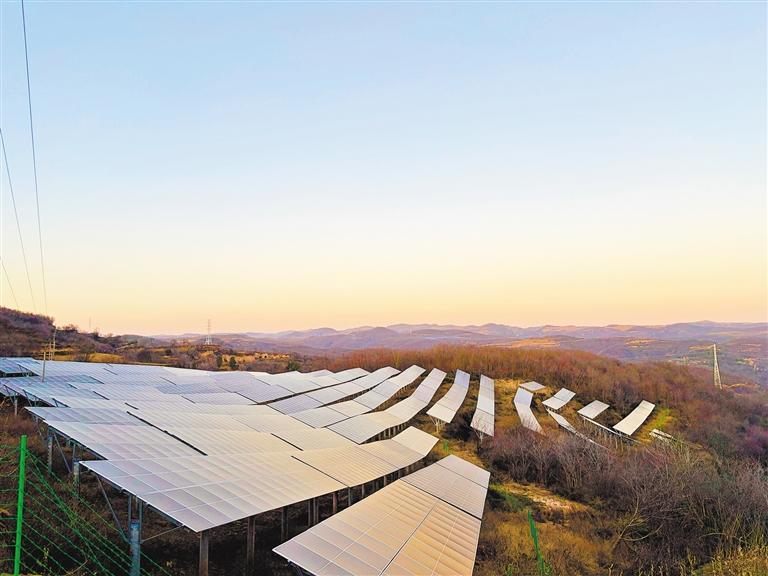
深度|激活万亿级“沉睡”房产!“以房养老”遭遇落地之困
券商中国· 2025-12-28 07:31
Core Viewpoint - The phenomenon of "bad money driving out good" is currently evident in the elderly care market, with frequent cases of fraud disguised as "housing for elderly care" and "elderly subsidies," while genuine "housing for elderly care" products struggle to gain traction [2] Group 1: Trust-based "Housing for Elderly Care" - The first case of trust-based "housing for elderly care" faced challenges in replication and promotion, with the insurance version of "housing for elderly care" having completed less than 300 cases in over 10 years [2][3] - Housing assets constitute over 60% of urban residents' family assets, yet many properties do not generate positive cash flow, highlighting the need for effective financial tools to promote "housing for elderly care" [3] - The pilot program for real estate trust registration has begun in six cities, providing a new avenue for trust-based "housing for elderly care" to serve ordinary families [3][4] - The first case of real estate trust registration involved a 70-year-old woman securing her only property for her autistic son, demonstrating the potential of real estate trusts in providing stable financial support for special needs care [3][4] Group 2: Challenges in Implementation - The real estate trust model faces significant promotion challenges, including issues with tax burdens due to repeated taxation during property transfer and unclear tax obligations for trust entities [4][5][6] - The lack of a "non-transaction transfer" system for real estate trusts leads to double taxation, complicating the establishment and management of these trusts [5][6] - Local governments are exploring solutions, such as a charity trust in Beijing that subsidizes tax costs for families establishing real estate trusts, indicating a collaborative approach to address these challenges [6] Group 3: Insurance-based "Housing for Elderly Care" - The insurance version of "housing for elderly care" has been in practice for over 10 years but has not achieved significant uptake, with only one company actively offering the product [7][8] - The model allows elderly homeowners to convert their property into a source of lifelong pension, yet many potential clients face barriers such as age, property suitability, and resistance to purchasing [8] - The insurance model also encounters challenges, including long project cycles, cash flow pressures, and risks associated with property value fluctuations [8] Group 4: Development Opportunities - Both trust and insurance versions of "housing for elderly care" have made progress but still face barriers to widespread adoption, including public awareness and institutional design [9] - Experts suggest enhancing policy and legislation, introducing guarantee mechanisms, and diversifying the forms of "housing for elderly care" to stimulate market activity [10] - The potential market for reverse mortgage products exists, with significant demand among elderly homeowners, indicating a need for improved product offerings and tax policies to avoid double taxation [9][10]
