
科技金融

Search documents
甘肃省静宁县牛产业综合保险项目再启动
Zheng Quan Ri Bao Wang· 2026-01-21 09:03
作为"平凉红牛"的核心产区,当前,静宁县正依托万头肉牛育肥基地、牛肉深加工冷链物流项目等载体,推动产业向数字 化养殖、精深加工、品牌营销延伸,而"保险+期货"带来的收益稳定性,加速"养牛大县"向"养牛强县"迈进,充分展现了中投公 司和银河证券等金融帮扶从"输血"到"造血"的核心升级。银河期货、太平洋财险、深圳溯安智能科技等为静宁县14个参保乡镇 的负责人,以及养殖户代表60余人作出相关专业培训。 (编辑 张昕) 本报讯 (记者王宁)近日,2025年度"金融赋能红牛产业暨'保险+期货'培训会"在甘肃省静宁县举行,同时,预示着新一 期牛产业综合保险项目再度落地实施。 据悉,在中国投资有限责任公司(以下简称"中投公司")和银河证券的大力帮扶下,新一期牛产业综合保险项目由银河期 货联合太平洋财险共同实施,总保费1200万元,承保规模进一步扩大,覆盖静宁县14个乡镇的红牛4万余头,将进一步保障养 殖户收益,助力全县红牛产业稳定、持续发展。 静宁县委常委、副县长尚超表示,在静宁县政府和中投公司、银河证券等帮扶单位的共同努力下,从2018年开始,连续8 年实施的苹果"保险+期货"项目,探索走出了一条金融助力乡村振兴的新路子 ...
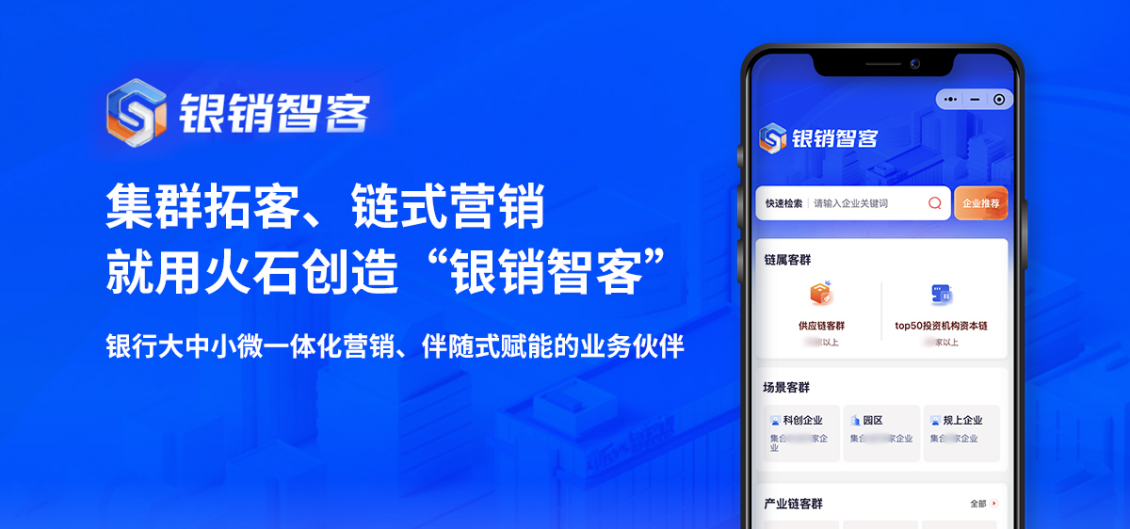
火石创造:银销智客——以产业链视角赋能银行对公营销、落地科技金融
Jing Ji Guan Cha Wang· 2026-01-21 08:53
火石创造科技有限公司成立于2015年8月,注册于浙江省杭州市滨江区,是国内领先的产业数据智能服务商、科技金融数智底座建设运营者,已成长为国家 级专精特新"小巨人"企业。公司专注以数据智能驱动产业高质量发展,核心业务为各级政府、金融机构、园区及企业提供数智化解决方案,赋能科技金融发 展、创新积分制落地、政府精准招商与企服效能提升。 火石创造构建了以"火石星联"数据中心和"火石元擎"产业大模型为核心的技术能力体系,拥有自主知识产权150余项,其中发明专利50余项。迄今已服务全 国80多个城市、300多家园区及众多金融机构,深度参与并打造了一批省市级标杆。 为进一步破解金融机构对企业尤其是中小科技企业"看不懂、看不准、不敢投"的困境,尤其是银行对公业务营销效率低、产业认知不足等痛点,火石创造推 出"银销智客",基于产业链视角赋能银行开展对公营销、落地科技金融,以SaaS工具形式为银行提供开箱即用的对公营销数智化能力,推动银行从"单品-单 户"营销模式转向"产业链-产业集群-产业生态"全景式营销,实现贷前获客、贷中锁客、贷后稳客全流程赋能。在数据支撑层面,"火石星联"覆盖九大战新产 业(300832)、41个工业门类 ...

建设银行盐城分行以金融赋绿潮,向海逐新章
Sou Hu Cai Jing· 2026-01-21 06:25
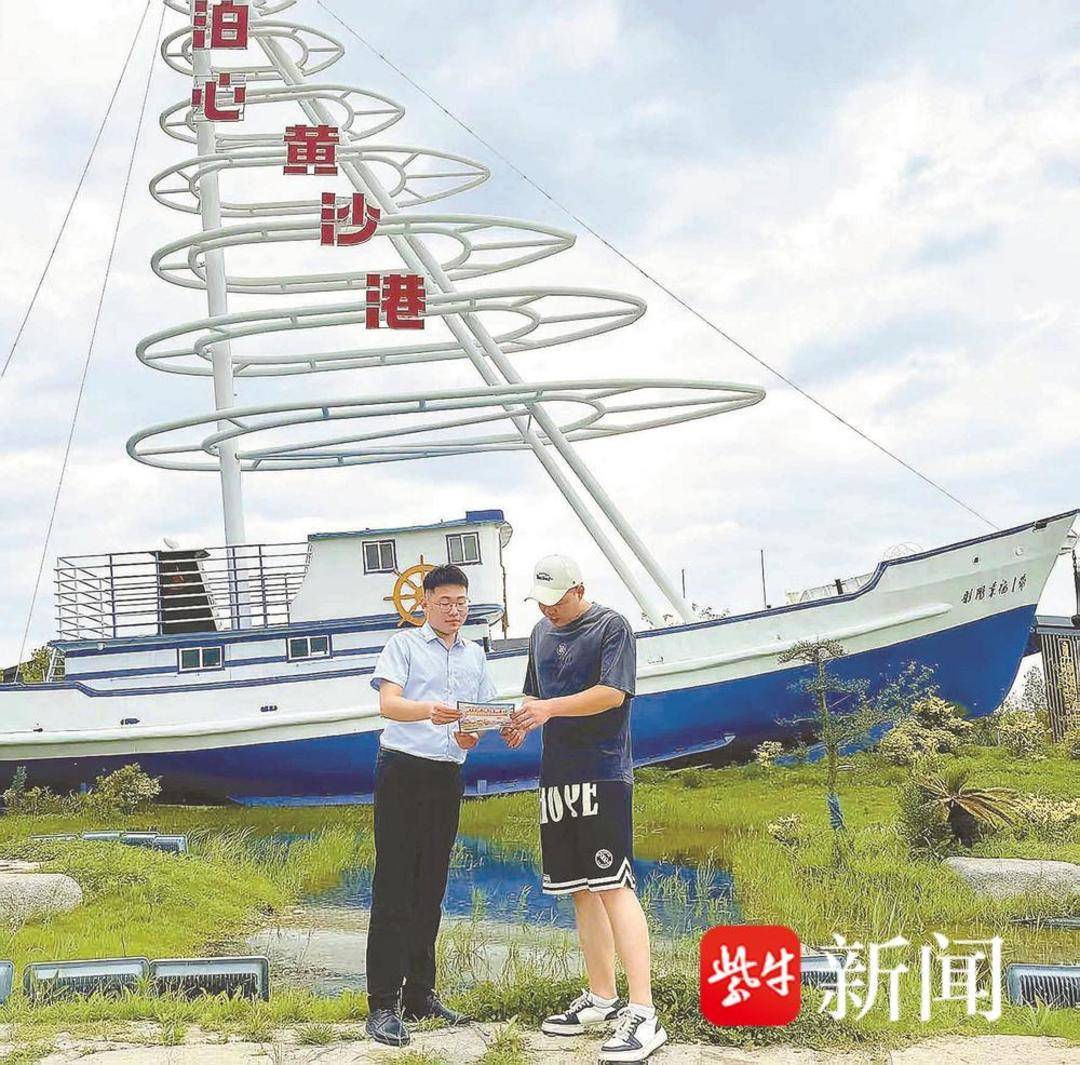
Core Viewpoint - The Construction Bank Yancheng Branch is committed to integrating financial services into local development, focusing on green economy, marine economy, and technological innovation to support high-quality economic growth in Yancheng [1][3][12]. Green Finance - The bank prioritizes green finance as a strategic focus, implementing a series of action plans to support energy conservation, clean energy, and ecological services, aligning with Yancheng's strategic emerging industries [3][5]. - The bank has successfully introduced the first green foreign debt for a local grain and oil enterprise, facilitating its green transformation and providing a replicable model for green foreign debt in the province [5]. - The bank supports key projects in clean energy and green manufacturing, providing comprehensive credit support to traditional industries for their transformation and upgrading [5][9]. Marine Economy - The bank actively supports the development of the marine economy by innovating financial products tailored to local needs, such as the "Su Nong Dan·Fishing Boat Loan" to alleviate financing difficulties for fishermen [7][11]. - The bank emphasizes financial support for major marine energy projects, particularly offshore wind power, to contribute to the establishment of a national offshore wind power industry base [9][11]. Technological Innovation - The bank has elevated technology finance to a strategic core, achieving a significant increase in technology loans, with a year-on-year growth rate of 39.52% in 2025 [12][14]. - A specialized service system has been established to address the unique needs of technology enterprises, including the creation of a dedicated technology finance center and a specialized customer manager team [14][16]. - The bank has launched differentiated products for various stages of enterprise growth, facilitating access to credit for startups and providing comprehensive services for mature companies [16]. Overall Commitment - The Construction Bank Yancheng Branch aims to continue enhancing financial innovation and service quality, supporting Yancheng's development as a model for green, low-carbon growth, a strong marine economy, and a hub for technological innovation [12][16].

去年深圳8家银行密集“换将”,新行长们的角色之变
Nan Fang Du Shi Bao· 2026-01-21 06:19
Core Insights - Shenzhen's "14th Five-Year Plan" aims to establish a global "Industrial Financial Center," raising expectations for local financial institutions, particularly banks [1] - The recent leadership changes in at least eight commercial banks in Shenzhen reflect a strategic shift towards enhancing the role of these institutions in the financial ecosystem [1] Leadership Changes - The appointment of Xiong Tao as the head of the Industrial and Commercial Bank of China (ICBC) Shenzhen branch marks a significant leadership transition, emphasizing his experience in corporate banking and technology finance [2][3] - Ma Mingjun, previously the head of the Tianjin branch of the Bank of China, has been appointed to lead the Shenzhen branch, indicating a strategic focus on the Guangdong-Hong Kong-Macao Greater Bay Area [3] - Wang Xinghai has taken over as the head of the Shenzhen branch of China Merchants Bank, showcasing the bank's commitment to internal talent development and stability [4][6] - Zhang Chaohui's appointment as the head of Ping An Bank's Shenzhen branch highlights the importance of this branch within the bank's overall strategy [5][6] Focus on Technology Finance - Several new leaders in Shenzhen's banking sector are emphasizing technology finance, with initiatives aimed at supporting key sectors such as semiconductors and advanced manufacturing [8][9] - The establishment of specialized financial products for technology enterprises is a priority for banks like Shanghai Pudong Development Bank, which aims to support the entire lifecycle of tech companies [9] - Chen Dapeng, head of Minsheng Bank's Shenzhen branch, aims to tailor financial services to the unique needs of the innovation-driven economy in Shenzhen [10][11] Strategic Importance of Shenzhen - Shenzhen's banking sector is positioned as a critical area for talent development and strategic implementation, serving as a testing ground for financial innovations [12][13] - The city is recognized as a key player in China's financial landscape, with total banking assets reaching 14.25 trillion yuan, ranking third among major cities [14] - The "14th Five-Year Plan" emphasizes the need for banks to transition from traditional financing to integrated services, including venture capital and cross-border finance [15]
资本市场年度“风向标”看杭州
Hang Zhou Ri Bao· 2026-01-21 02:59
年度资本市场标杆奖项揭晓 冬日的杭州因一场思想盛宴而热闹非凡。 近日,由杭州金融科技领域头部企业"同花顺"及其旗下iFinD主办的"共同发声·价值发现"资本市场 高质量创新发展交流会暨2025年度评选颁奖典礼,在钱塘江畔隆重举行。 这场盛会吸引了超400位来自全国的上市公司高管、券商、基金、银行等金融机构代表,齐聚杭州 这座创新活力之城,围绕经济前瞻、AI赋能、企业出海等资本市场核心议题展开深度研讨,共同展 望"十五五"高质量发展的新蓝图。 活动还同步揭晓涵盖2025年度上市公司与金融机构的数百项资本市场年度奖项,为杭州打造更具国 际竞争力的金融生态圈,为中国式现代化贡献独特的"杭州金融样本"再添浓墨重彩的一笔。 杭州搭台凝聚创新力量 作为本次活动的主办地,杭州再次展现其全国金融科技与资本要素聚集地特色,为资本与产业的对 话提供了绝佳舞台。 现场,备受关注的同花顺2025年度资本市场评选结果揭晓。 在针对上市公司的评选中,综合考量了公开投票、客观数据,涵盖各上市公司企业号数据(粉丝数 量、文章发布情况、互动数据等)、IR活动(路演直播、栏目对话、调研投关活动等),以及个股和话 题热度等多维度数据。最终,"最受 ...

久久为功 驰而不息——静宁县牛产业综合保险项目扬帆再启航
Qi Huo Ri Bao· 2026-01-21 02:25
久久为功,驰而不息。在2024年静宁县牛产业综合保险项目取得良好成效的基础上,1月14日,2025年 度"金融赋能红牛产业暨'保险+期货'培训会"在甘肃省静宁县隆重举行,标志着该项目连续第二年落地 实施。这是金融服务静宁县红牛产业发展,强化保障养殖户收入,稳定农户养殖积极性的重要举措和全 新篇章。 古城镇二堡村村支书曹彦龙已经是第二年参加启动会了,他满怀热情,来之前就积极发动村民投保了。 他高兴的讲到,牛产业综合保险,是村集体最为期待的助农项目,去年为老百姓降低了养殖成本,让村 民"能养牛"和"敢养牛"了,了年底红牛还能卖上个好价钱,保护了村民的养殖积极性。今年项目继续实 施,规模还扩大了,让我们全村更加坚定的走好养牛这条致富路。作为全村的带头人,他已将更多学 习"保险+期货"知识当做了今年个人的工作重点。 作为"平凉红牛"的核心产区,当前,静宁县正依托万头肉牛育肥基地、牛肉深加工冷链物流项目等载 体,推动产业向数字化养殖、精深加工、品牌营销延伸,而"保险+期货"带来的收益稳定性,加速"养牛 大县"向"养牛强县"迈进,充分展现了中投银河的金融帮扶从"输血"到"造血"的核心升级。 会上,银河期货、太平洋财险、深 ...
江南农商银行获评十佳支持“专精特新”竞争力银行
Xin Hua Ri Bao· 2026-01-20 22:19
该行聚焦"专精特新"企业"轻资产、高成长"特点,创新打造"江南科贷"服务品牌,构建覆盖企业全生命 周期的产品体系,并与地方科技、工信等部门深化党建共建,强化合作培育创新主体。 为提升服务精准性,该行建立专项团队管理模式,实施差异化贷款定价以降低企业融资成本,并借助大 数据风控模型,弱化对财务指标的依赖,更注重企业科创能力与前景,实现精准授信。 同时,银行积极创新服务模式:推出"龙城科易通"等线上化贷款产品,引入人才、知识产权等多维评 价;深化"政银担"协作,推广"苏科贷"等专项产品;并与创投、券商等机构合作,探索投贷联动,满足 企业多元化融资需求。 日前,全国地方金融第二十九次合作交流大会在安徽省滁州市来安县举行。本次大会以"产才融合.金融 赋能高质量发展"为核心主题,汇聚了国内知名专家学者、全国中小商业银行及地方金融组织等机构代 表。江南农村商业银行凭借在支持"专精特新"企业发展领域的卓越表现,成功斩获"十佳支持'专精特 新'竞争力银行"称号。 此次荣获"十佳支持'专精特新'竞争力银行"称号,既是对该行深耕科技金融、助力实体经济的高度认 可,更是多年来以金融创新破解企业发展难题、推动产业升级的生动写照。未来 ...
北京银行累计为超5.8万家科技型中小微企业提供信贷资金—— 助力科技企业茁壮成长
Ren Min Ri Bao· 2026-01-20 22:10
Core Insights - Beijing Huaxintai Technology Co., Ltd. has developed a high-precision, low-power, practical chip-level atomic clock after 10 years of research, supported by customized financing solutions from Beijing Bank [1] - Beijing Bank has been a strategic partner for numerous technology enterprises, providing financial support that has enabled them to grow from inception to maturity [1] - As of September 2025, Beijing Bank has served over 29,000 specialized and innovative enterprises, with a loan balance exceeding 120 billion yuan; the balance of technology finance loans reached 437.7 billion yuan, providing over 1.4 trillion yuan in credit to more than 58,000 technology SMEs [1] Group 1: Financial Support for Technology Enterprises - Beijing Bank has introduced products like "Kechuang e-loan" and "Jinli e-loan" to address the financing challenges faced by asset-light, collateral-deficient tech companies, successfully providing first-time loans to over 20,000 enterprises since 2020 [2] - The bank's support has been crucial for companies like Beijing Yimiao Shenzhou Pharmaceutical Technology Co., Ltd., which received a 10 million yuan credit loan during a critical funding shortage, allowing it to continue its clinical trials and drug development [3] Group 2: Comprehensive Financial Services - Beijing Bank aims to create a comprehensive financial service system that covers the entire lifecycle of technology enterprises, adapting to their varying financial needs at different growth stages [3] - The bank is transitioning from merely providing financial support to becoming a resource integrator, linking government, parks, and capital markets to facilitate enterprise growth [4] - Future plans include expanding the bank's industrial layout into ten key sectors and fostering a new ecosystem of technology finance that integrates government, banking, enterprise, and research [4]

银河基金高管调整:总经理史平武代任督察长,秦长建轮岗离任
Nan Fang Du Shi Bao· 2026-01-20 10:47
Group 1 - The core point of the news is the announcement of a senior management change at Galaxy Fund Management Co., Ltd., where Shi Pingwu will take over as the acting supervisor, replacing Qin Changjian due to job rotation [2][5] - The change has been approved by the company's sixth board of directors at its thirteenth meeting and will follow the necessary filing procedures [2][3] Group 2 - Shi Pingwu, the new acting supervisor, is also the current party secretary and general manager of Galaxy Fund, creating a "triple role" management structure [5] - Shi has extensive experience across banking, leasing, and fund management, having held various positions in institutions such as Agricultural Bank of China and Dahuabank [4][5] - As of January 20, 2023, Galaxy Fund has an asset management scale of 108.39 billion, ranking 57th among 212 fund companies in the industry, with a focus on fixed income and equity funds [6][7]

平安融易:将继续以国家战略为指引 谱写“五篇大文章”时代答卷
Zheng Quan Ri Bao Wang· 2026-01-20 09:09
Core Viewpoint - Ping An Rongyi (Jiangsu) Financing Guarantee Co., Ltd. is committed to supporting the real economy through financial services, aligning with national strategic directions and contributing to China's modernization efforts [1] Group 1: Financial Services and Support - Ping An Rongyi aims to provide "worry-free, time-saving, and cost-effective" services to small and micro enterprises, ensuring that financial resources reach critical areas of the economy [1] - As of Q3 2025, 13.68 million clients have received timely financing guarantee services from Ping An Rongyi [2] Group 2: Digital Financial Innovations - The company has adopted a digital transformation strategy, creating a "smart financial ecosystem" that integrates online and offline services, enhancing accessibility and convenience for clients [3] - The "Prism" project focuses on local industry needs, utilizing data-driven risk control to facilitate collaborative operations across various regions, delivering 380 million yuan in financial support [3] - The "Xingyun 2.0" AI loan system allows small business owners to complete loan applications without written input, while the "Yunfan AI" solution has reduced costs to 1.64% and increased productivity by 2.5 times since its launch in May 2025 [3] Group 3: Technological Empowerment - Ping An Rongyi leverages advanced technologies such as AI, big data, and blockchain to enhance financial service models, improve risk control, and optimize customer experience [4] - The company has developed innovative loan solutions, such as providing 400,000 yuan in funding on the same day through online signing, and quickly approving 1 million yuan in credit financing for agricultural cooperatives affected by natural disasters [4] Group 4: Green Finance Initiatives - The company actively integrates green development concepts into its business layout, supporting traditional industries' transformation and the growth of green industries [4] - As of September 2025, Ping An Rongyi has assisted car owners in obtaining over 4.22 billion yuan in preferential loans through its "Che e Loan" green financing program [4] Group 5: Future Strategic Directions - Looking ahead to 2026, Ping An Rongyi plans to deepen its "AI in ALL" strategy, enhance service quality in inclusive finance, and provide comprehensive financial support for technological innovation and green transformation [5]