
红利策略

Search documents
红利国企ETF(510720)逆势飘红,月月评估分红、连续16个月分红
Mei Ri Jing Ji Xin Wen· 2025-09-04 07:04
Core Viewpoint - Technology stocks experienced a collective pullback while dividend assets showed resilience, with the Dividend State-Owned Enterprise ETF (510720) rising by 0.4% [1] Group 1: Market Performance - The market is experiencing increased volatility as the index rises, leading to intensified long-short battles [1] - The Dividend strategy has demonstrated superior performance in volatile markets and is suitable for long-term holding as a stabilizing asset in portfolios [1] Group 2: ETF Specifics - The Dividend State-Owned Enterprise ETF (510720) tracks the Shanghai Stock Exchange State-Owned Enterprise Dividend Index, focusing on high-dividend central state-owned enterprises, with a dividend yield exceeding 4% over the past 12 months [1] - As of September 3, the ETF saw a net inflow of nearly 400 million yuan in the past five days [1] - The ETF has distributed dividends 16 times as of August and is among the first domestic products to allow monthly assessment of income distribution under certain conditions [1]
中国太保2025年中报透视:3.77万亿资管稳健逻辑下的“红利+港股”双轮驱动——解码低利率时代的收益韧性之道
Xin Lang Cai Jing· 2025-09-04 06:23
Core Viewpoint - China Pacific Insurance (Group) Co., Ltd. reported a stable performance in the first half of 2025, with total revenue of CNY 200.5 billion, a year-on-year increase of 3.0%, and net profit attributable to shareholders of CNY 27.9 billion, up 11.0% [2] Group 1: Financial Performance - The total revenue for the first half of 2025 reached CNY 200.5 billion, reflecting a 3.0% year-on-year growth [2] - Net profit attributable to shareholders was CNY 27.9 billion, marking an 11.0% increase compared to the previous year [2] Group 2: Asset Management - As of June 30, 2025, the total assets under management reached CNY 3.77 trillion, a 6.5% increase from the end of 2024 [2] - Investment assets amounted to CNY 2.92 trillion, growing by 7.0% year-on-year [2] - Bond investments constituted 62.5% of total investment assets, up 2.4 percentage points from the previous year [2] - Equity investments, including stocks and equity funds, accounted for 11.8% of investment assets, increasing by 0.6 percentage points [2] Group 3: Investment Strategy - The company adheres to a "long-term, value, and stable investment" philosophy, optimizing asset allocation and enhancing investment management capabilities [3] - In a low interest rate environment, the company utilizes a dividend strategy to mitigate risks associated with declining investment returns [3][4] - The focus is on high-dividend companies with strong cash flow and stable earnings, particularly in sectors like telecommunications, banking, and non-ferrous metals [4] Group 4: Risk Management and Innovation - The company emphasizes risk control and innovation in its investment strategies, having established a comprehensive research framework since 2011 [5] - The "dividend value strategy" involves a three-tier filtering process: high dividend yield, low valuation, and high quality [5] - The company has seen rapid growth in equity and asset securitization businesses, actively seizing opportunities in the ABS market [5] Group 5: Future Outlook - China Pacific Insurance plans to enhance its capabilities in navigating interest rate cycles while increasing allocations to new fixed-income products like ABS and REITs [6] - The company aims to capitalize on national strategic policies and focus on high-dividend state-owned enterprises that meet "China's special valuation" standards [6] - There is a commitment to building a customer-driven asset management ecosystem, particularly for pension assets, to support a comprehensive solution of "insurance + investment + services" [6]


国泰君安红利量化选股混合A:2025年上半年利润145.07万元 净值增长率1.45%
Sou Hu Cai Jing· 2025-09-03 15:19
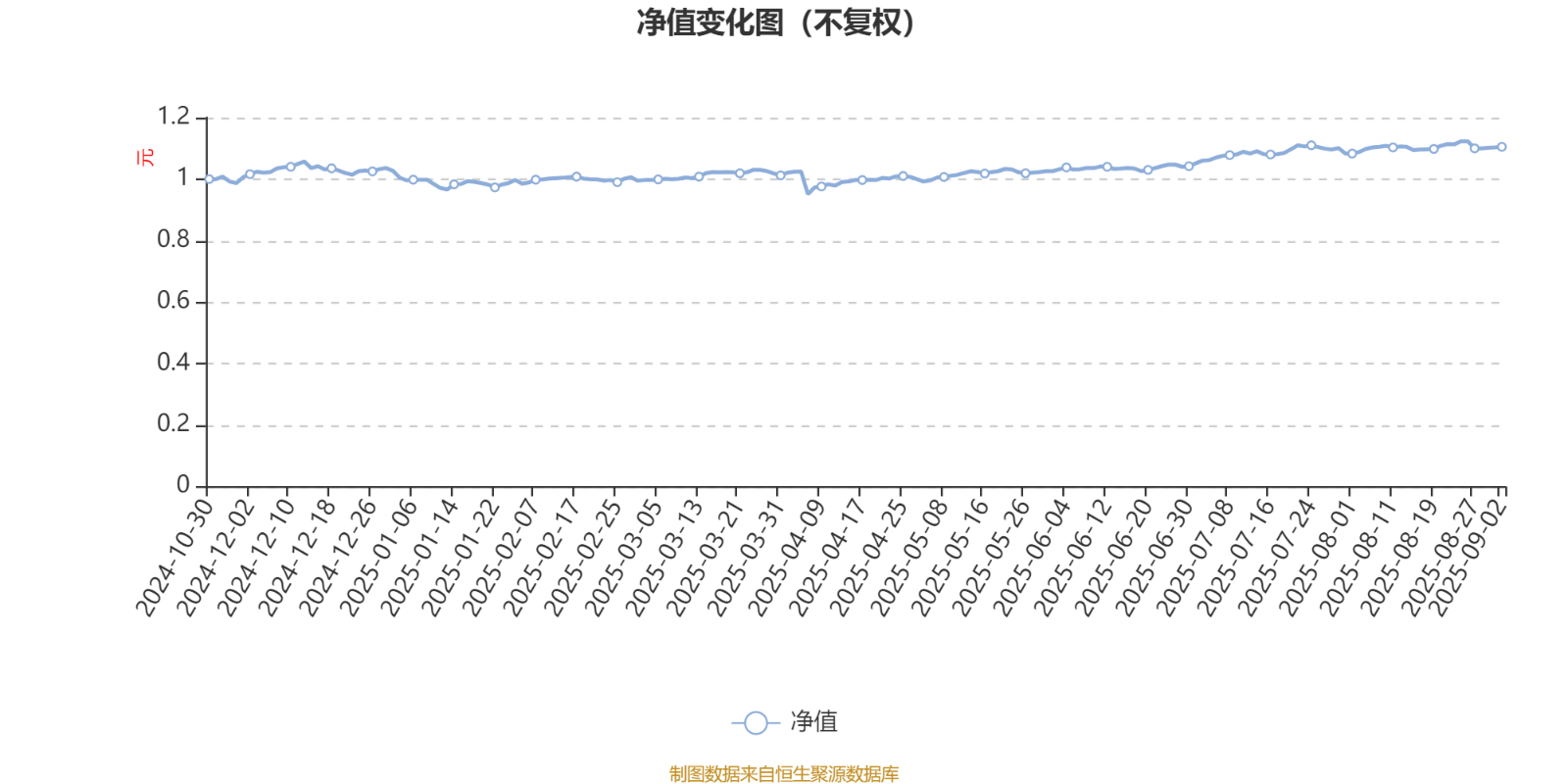
Group 1 - The core viewpoint of the news is that the Guotai Junan Dividend Quantitative Stock Mixed Fund A (021919) reported a profit of 1.4507 million yuan in the first half of 2025, with a net value growth rate of 1.45% [3][4] - As of September 2, 2025, the fund's unit net value was 1.105 yuan, and the fund manager, Hu Chonghai, manages a total of 11 funds [3][4] - The fund's performance in terms of net value growth rates places it in the middle range compared to similar funds, with a three-month growth rate of 7.67% and a six-month growth rate of 10.98% [7] Group 2 - The fund focuses on high dividend, low volatility assets, which are seen as defensive during economic fluctuations, with a relative advantage in high dividend stocks due to low-risk interest rates and increased dividend payouts from listed companies [4] - The CSI Dividend Index fell by 3.07% in the first half of the year, but the long-term logic remains unchanged, with stable earnings from index constituent stocks primarily in consumer and public utility sectors [4] - Defensive sectors such as public utilities and transportation are expected to perform steadily during market fluctuations, while traditional high-dividend sectors like banking and coal benefit from policy support and resilient profits [4] Group 3 - As of June 30, 2025, the fund's weighted price-to-earnings ratio (TTM) was approximately 11.06 times, significantly lower than the industry average of 33.74 times [12] - The fund's weighted price-to-book ratio (LF) was about 0.81 times, compared to the industry average of 2.47 times, indicating lower valuations [12] - The weighted price-to-sales ratio (TTM) was around 0.8 times, while the industry average was 2.07 times, further highlighting the fund's attractive valuation metrics [12] Group 4 - The fund's weighted revenue growth rate (TTM) for the first half of 2025 was -0.02%, and the weighted net profit growth rate (TTM) was also -0.02%, indicating a stagnation in growth [21] - The fund's annualized return on equity was 0.07%, reflecting limited profitability growth [21] - The fund has maintained a high stock position, with an average stock position of 91.23% since inception, compared to the industry average of 85.36% [35] Group 5 - As of June 30, 2025, the fund had a total of 802 holders, with a total of 6.95427 million shares held, where individual investors accounted for 78.56% of the holdings [39] - The fund's turnover rate in the last six months was approximately 381.69%, consistently higher than the industry average [42] - The top ten holdings of the fund included major banks and energy companies, indicating a focus on stable dividend-paying stocks [45]

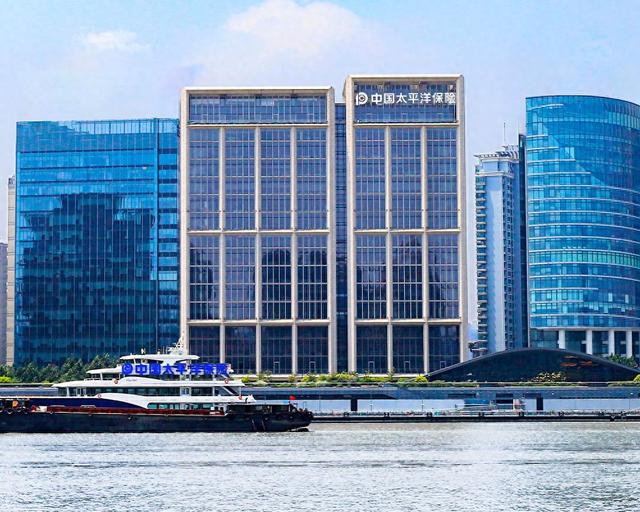
行业观察 | 管理资产超3.77万亿,解密中国太保稳健收益的背后逻辑
Xin Lang Cai Jing· 2025-09-03 09:58
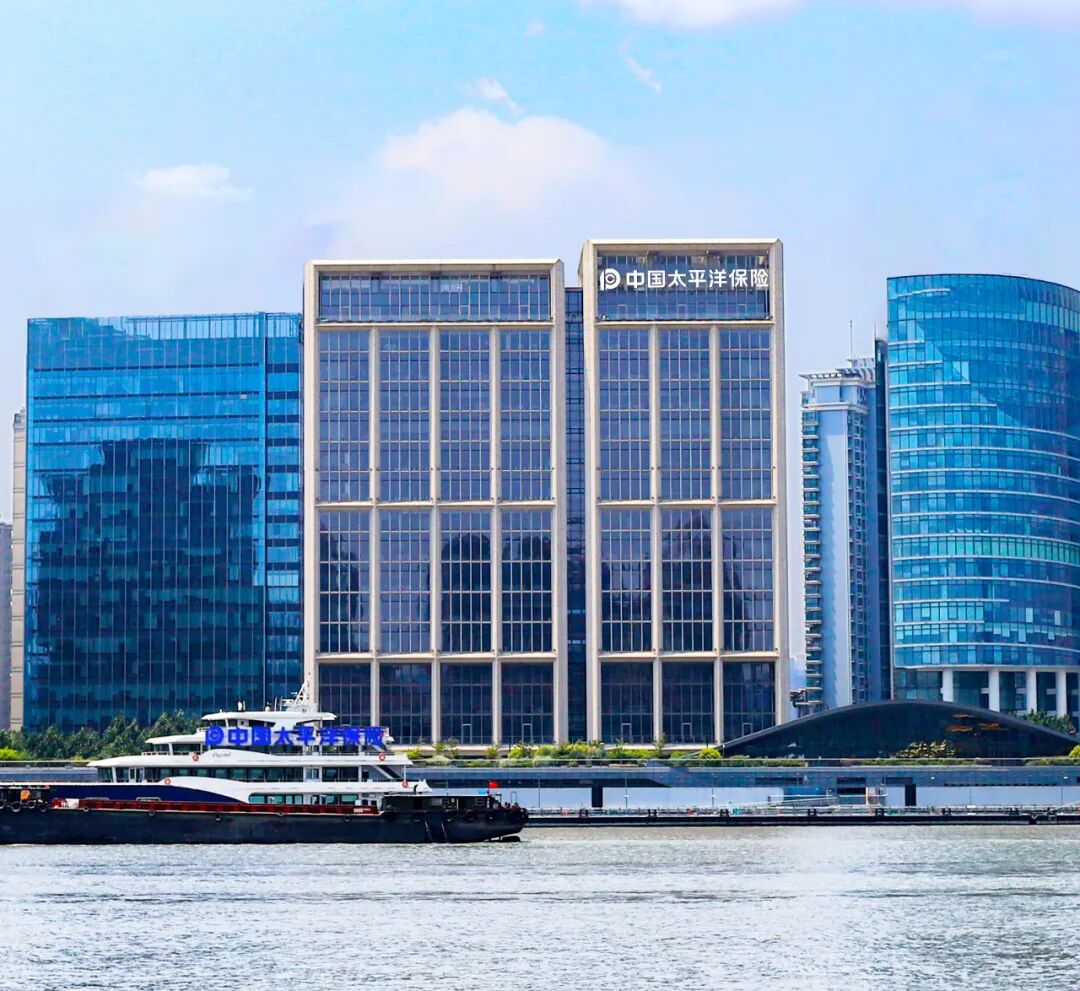
Core Viewpoint - China Pacific Insurance (Group) Co., Ltd. (China Pacific Insurance) has demonstrated resilience in its financial performance, achieving significant growth in both revenue and net profit amid a challenging external environment [3][4]. Financial Performance - In the first half of 2025, China Pacific Insurance reported operating revenue of CNY 200.50 billion, a year-on-year increase of 3.0%, with insurance service revenue reaching CNY 141.82 billion, up 3.5% [3]. - The company achieved a net profit attributable to shareholders of CNY 27.88 billion, reflecting an 11.0% increase year-on-year, while operating profit rose by 7.1% to CNY 19.91 billion [3][4]. - The internal value of the company increased by 4.7% to CNY 588.93 billion compared to the end of the previous year [3]. Investment Performance - The net investment income for the first half of 2025 was CNY 42.57 billion, representing an 8.9% year-on-year growth, while total investment income reached CNY 56.89 billion, up 1.5% [7]. - The average comprehensive investment return over the past decade stands at 4.70%, placing the company at the top among its peers in the industry [10]. Asset Management - As of June 30, 2025, the total managed assets of China Pacific Insurance reached CNY 3.77 trillion, a 6.5% increase from the end of the previous year, with third-party managed assets growing by 5.0% to CNY 848.23 billion [5][6]. - The company has maintained a stable dividend level, distributing over CNY 10.3 billion in cash dividends for the 2024 fiscal year [3]. Strategic Focus - The company is committed to a "steady progress" approach, focusing on high-quality development and deepening reforms to enhance long-term capabilities [4]. - China Pacific Insurance emphasizes a dividend strategy in its investment approach, particularly in the Hong Kong stock market, to optimize the risk-return profile of its insurance fund investments [8][12]. Market Positioning - The company has strategically increased its investments in high-dividend sectors, particularly in the Hong Kong market, to leverage stable cash flows and enhance investment returns [8][13]. - China Pacific Insurance has established new private equity funds to support long-term investments, demonstrating its commitment to utilizing insurance capital effectively [9].
现金流500ETF(560120)盘中调整打开布局窗口,持仓股白银有色三连板
Mei Ri Jing Ji Xin Wen· 2025-09-03 02:44
Core Viewpoint - The A-share market experienced a high opening followed by a decline, with the CSI 500 Free Cash Flow Index adjusting slightly by approximately 0.1%. The market is shifting focus from scale to profitability and cash flow in the context of a stock economy [1] Group 1: Market Performance - The CSI 500 Free Cash Flow Index saw a minor adjustment of about 0.1% during the trading session [1] - The only ETF tracking the 500 Cash Flow Index, Cash Flow 500 ETF (560120), followed the index's adjustment, creating a low-position layout opportunity [1] Group 2: Investment Strategy - Huachuang Securities analysis indicates that in the era of a stock economy, companies are transitioning from pursuing scale to focusing on profits and cash flow, with long-term excellent free cash flow eventually translating into shareholder cash returns [1] - The strategy of focusing on dividends is fundamentally about a company's cash allocation ability, emphasizing free cash flow, and a combination of free cash flow and high dividends remains suitable for long-term core allocation [1] Group 3: Sector Focus - The Cash Flow 500 ETF (560120) targets sectors such as non-ferrous metals, basic chemicals, transportation, machinery, and pharmaceuticals, combining growth and quality with a small and mid-cap style characteristic [1] - As of August 29, 2025, the top ten weighted stocks in the CSI 500 Free Cash Flow Index accounted for 44.96%, including companies like CIMC Group, Zhejiang Longsheng, and Yuntianhua [1]

均衡多元配置能手吴潇全新力作 招商均衡优选混合今日首发
Sou Hu Cai Jing· 2025-09-02 00:48
Core Viewpoint - The A-share market has been rising steadily in the second half of the year, with the Shanghai Composite Index surpassing 3,800 points and trading volume exceeding 3 trillion yuan, indicating potential opportunities for equity asset allocation [1] Group 1: Fund Launch and Management - The招商均衡优选混合型证券投资基金 (Fund Code: 024027) officially launched on September 2, aiming for long-term net value growth by capturing investment opportunities during the economic recovery [1] - The fund's proposed manager, 吴潇, has nearly 12 years of investment research experience and over 8 years in product investment management, currently serving as the Director of Multi-Asset Investment Management at 招商基金 [2][3] Group 2: Investment Strategy - 吴潇 emphasizes managing portfolio volatility, focusing on balancing market, industry, style, and individual stock volatility to achieve smoother overall portfolio performance and better risk-adjusted returns [2][3] - The investment framework includes pricing and dynamic rebalancing, assessing asset pricing based on macroeconomic, policy, and geopolitical factors over a 3-5 year horizon [3] Group 3: Market Outlook and Investment Opportunities - The economic outlook is positive, with supportive policies and a resilient GDP expected in the first half of 2025, leading to a favorable environment for equity asset allocation [4] - Key investment opportunities identified include: - **Dividend Stocks**: Long-term performance is expected to improve due to increasing demand for wealth allocation [4] - **Technology**: Growth in global computing power and AI applications presents significant investment opportunities [5] - **Consumer Sector**: Valuations are at historical lows, with new consumption trends emerging [5] - **Pharmaceuticals**: Supportive policies for healthcare and rapid growth in innovative drugs highlight investment potential in this sector [5]
招商基金吴潇:一位均衡型选手的投资心法
2 1 Shi Ji Jing Ji Bao Dao· 2025-09-01 07:28
Group 1 - The core investment philosophy emphasizes "dynamic rebalancing" and "balanced style" to manage volatility and risk while seeking long-term returns [1][3][4] - The recent performance of funds managed by the company shows significant returns, with the招商品质发现混合 achieving 52.01% and 招商优质成长混合 (LOF) achieving 34.37% as of August 29 [1][2] - The new 招商均衡优选基金, led by the same manager, aims to continue the balanced investment approach and provide a good long-term investment experience [1][2] Group 2 - The investment strategy is built on a systematic framework that includes risk decomposition and the identification of return opportunities across various sectors [2][3] - The focus on stable cash flow companies is highlighted as essential for providing steady returns and lower downside risk in volatile markets [5][6] - Key investment themes include artificial intelligence, biomedicine, and new consumption trends, which are expected to drive growth in the coming years [5][6] Group 3 - The manager employs a rigorous risk analysis process, monitoring industry concentration, valuation levels, and expected returns to ensure dynamic rebalancing [6] - The approach to investment is described as a combination of mathematical strategy and psychological discipline, emphasizing the importance of patience and a structured framework [6]
招商基金吴潇:一位均衡型选手的投资心法
21世纪经济报道· 2025-09-01 07:27
Core Viewpoint - The core investment philosophy emphasizes understanding volatility and risk rather than chasing trends, focusing on long-term returns within a reasonable framework [1]. Group 1: Investment Strategy - The investment framework of "balanced style + dynamic rebalancing" considers certainty and risk premium, aiming for stable performance across different market styles [1][4]. - The latest performance data shows that the funds managed by the company, such as the招商品质发现混合 and 招商优质成长混合(LOF), achieved returns of 52.01% and 34.37% respectively, ranking among the top in their category [1]. - The newly launched 招商均衡优选基金 aims to continue the balanced investment style and dynamic rebalancing approach to provide a good long-term investment experience [2]. Group 2: Market Insights - The current market environment is characterized by an "asset shortage," driving continuous capital inflow into equity markets, with a focus on dividend stocks and traditional consumer sectors [6][7]. - Companies with stable free cash flow are identified as scarce assets in the market, providing steady returns and lower downside risk [7]. - Key industry trends include artificial intelligence, biomedicine, and new consumption, with expectations for growth driven by policy support and consumer demand [7]. Group 3: Risk Management - The strategy includes controlling industry concentration within a reasonable range, typically keeping it within 15%, to mitigate risks associated with over-concentration [5]. - Regular risk analysis is conducted to monitor industry concentration, valuation levels, and expected returns, facilitating dynamic rebalancing to control downside risks [8]. - The investment approach emphasizes patience and discipline, focusing on risk decomposition, volatility diversification, and maintaining a long-term perspective [8].

加速入市,险资二季度A股布局揭晓
Huan Qiu Wang· 2025-08-31 01:56
Group 1 - Insurance capital has been actively investing in A-share companies, with 368 companies appearing in the top ten circulating shareholders list by the end of Q2 [1][3] - China Life Insurance increased its holdings in CITIC Bank and China Telecom by 259 million shares and 205 million shares respectively, and also added over 150 million shares in China State Construction [1][3] - The insurance sector's investment strategy focuses on long-term value, emphasizing factors such as long-term competitiveness, sustainable profitability, and shareholder return capabilities [3][4] Group 2 - The total stock balance of life and property insurance companies reached 3.07 trillion yuan by the end of Q2, with a net increase of 640.6 billion yuan in the first half of the year [4] - The net increase in Q2 alone was 251.3 billion yuan, marking a record high with an 8.8% increase [4] - The acceleration of insurance capital entering the market is driven by favorable policies and the internal demand for long-term investments amid low interest rates and an "asset shortage" environment [4]





红利板块近期被相对忽视,国企红利ETF涨0.78%
Zheng Quan Zhi Xing· 2025-08-29 03:19
Group 1 - The core viewpoint of the articles highlights the recent performance of the A-share market, which has successfully surpassed the 3800-point mark, reaching a ten-year high [1] - The National Enterprise Dividend Index (code 000824) has seen a decline of 1.2% this week, underperforming the CSI 300 Index by approximately 2 percentage points [1] - Analysts suggest that the recent market sentiment has led to a relative neglect of dividend assets, despite their potential for long-term investment [1] Group 2 - The National Enterprise Dividend Index combines the themes of state-owned enterprises and dividend strategies, enhancing the effectiveness of both strategies [2] - The index is expected to benefit from further deepening of state-owned enterprise reforms, which may improve profitability and operational efficiency [2] - The National Enterprise Dividend ETF (159515) is recommended for active attention due to its focus on high-quality state-owned enterprises with strong profitability and low valuations [2]
