零碳园区

Search documents
中国资环畅通回收链条——下足资源循环利用“绣花功夫”
Jing Ji Ri Bao· 2025-11-03 22:37
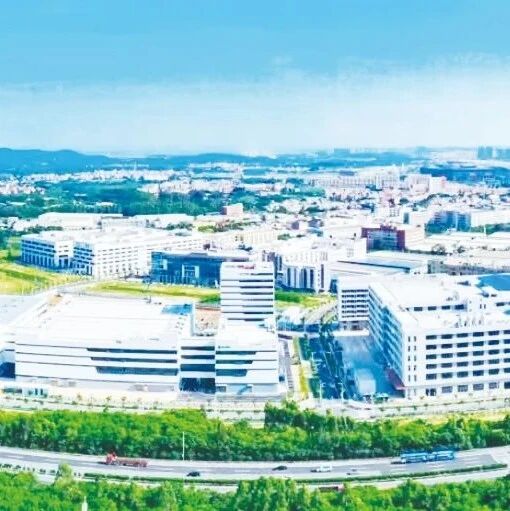
Core Viewpoint - The establishment of the China Resource Recycling Group in Tianjin marks a significant step in promoting a circular economy, focusing on resource recycling and green energy services, while creating a replicable model for economic development and ecological construction [1][2]. Group 1: Demonstration Base Construction - The China Resource Recycling Group has transformed an idle factory into a 266,000 square meter demonstration base, aiming to become an internationally leading "zero-carbon park" [2]. - The base integrates various advanced facilities, including a battery production line, green sorting center, and resource recycling big data center, creating a complete chain from sorting to recycling [2][3]. Group 2: Battery Recycling and Utilization - Retired batteries are tested and repurposed for other applications, with a recovery rate of 99.6% for nickel, cobalt, and manganese, and 91% for lithium, forming a resource closed loop [3]. - The base features a leading green comprehensive sorting center that utilizes intelligent technologies for the recycling of electronic products, ensuring safe and reliable resource recovery [3]. Group 3: Innovative Business Models - The electric bicycle battery swap project in Tianjin addresses the "charging difficulty" issue, providing a closed-loop model for battery compliance, operation control, and low-carbon recycling [4][5]. - The project is expected to create a battery swap recycling industry with a capacity of 10GWh over the next decade, expanding to various applications such as electric trucks and drones [5]. Group 4: Service Platform Development - A mobile phone safe recycling platform has been established, covering 32 key cities, to enhance the efficiency of recycling and address data security concerns [6]. - The ship dismantling market is experiencing a rebound, with significant recovery rates of recycled steel, benefiting the steel production industry [6][7]. Group 5: International Cooperation and Expansion - The China Resource Recycling Group is deepening international cooperation and integrating into the Belt and Road Initiative, promoting the international development of the circular economy [8]. - The company is focusing on both traditional and new fields of waste management, aiming to streamline resource recycling processes and provide replicable solutions for the circular economy [8].
下足资源循环利用“绣花功夫”
Jing Ji Ri Bao· 2025-11-03 22:11
Core Insights - The establishment of the China Resource Recycling Group in Tianjin marks a significant step in promoting circular economy practices, focusing on resource recycling and ecological development [1][2][8] Group 1: Demonstration Base Construction - The China Resource Recycling Green Low-Carbon Circular Economy Demonstration Base covers an area of 266,000 square meters, with a total building area of 108,000 square meters, aiming to become an internationally leading "zero-carbon park" [2] - The base integrates various advanced facilities, including a battery production line, green sorting center, and resource recycling big data center, creating a complete chain from green sorting to regenerative recycling [2][3] Group 2: Battery Recycling and Utilization - Retired power batteries are tested and repurposed for other applications, with a recovery rate of 99.6% for nickel, cobalt, and manganese, and 91% for lithium, forming a resource closed loop [3] - The base features a leading green comprehensive sorting center that utilizes intelligent technologies for the recycling of all types of electronic products [3] Group 3: Innovative Business Models - The electric bicycle battery swap project in Tianjin addresses the "charging difficulty" issue, providing a closed-loop path for battery compliance, operation control, low carbon, and targeted recycling [4][5] - The project is expected to create a battery swap recycling industry with a capacity of 10GWh over the next decade, expanding to various applications such as electric heavy trucks and drones [5] Group 4: Service Platform Development - A mobile phone safety recycling green supply chain platform has been established, covering 32 key cities, enhancing the efficiency of waste mobile phone recycling and addressing data security concerns [6] - The company is also expanding its operations to include the recycling of computers and hard drives, aiming to mitigate safety risks and resource waste [6] Group 5: Steel Recycling and Resource Management - The China Resource Recycling Chain Gold Company processes scrap steel efficiently, saving approximately 1.7 tons of iron ore and reducing CO2 emissions by 1.6 tons per ton of recycled material [7] - The company has developed a national resource trading service platform, with over 80,000 users and a transaction volume exceeding 80 million tons, facilitating effective recycling and resource management [7] Group 6: International Cooperation and Expansion - The company is deepening international cooperation and integrating into the Belt and Road Initiative, successfully completing the import of 40 tons of recycled black powder for lithium-ion batteries [8] - The focus is on both traditional and new fields of waste management, promoting effective recycling and utilization of various waste materials [8]
下一个五年,力争建成100个左右零碳园区
中国能源报· 2025-11-03 06:03
Core Viewpoint - The article emphasizes the importance of developing national-level zero-carbon parks during the "14th Five-Year Plan" period, aiming to create around 100 such parks to significantly boost the green low-carbon industry [3]. Group 1: Development and Significance of Zero-Carbon Parks - Zero-carbon parks are defined as areas where carbon dioxide emissions from production and daily activities are reduced to "near zero" levels, with the potential to achieve "net zero" conditions [4]. - The construction of zero-carbon parks is seen as a crucial step in the green transition, with various regions actively exploring this initiative and establishing local standards [4][5]. - The National Development and Reform Commission (NDRC) has issued systematic guidelines for zero-carbon park construction, marking a significant advancement in this area [4][5]. Group 2: Challenges in Implementation - Despite enthusiasm for zero-carbon park development, there are significant challenges, including misconceptions that equate zero-carbon parks solely with renewable energy projects [7]. - Key issues identified include the stable supply of green energy, the need for top-level industrial planning, and the establishment of international recognition mechanisms for carbon standards [7][9]. - Specific regional challenges, such as those faced by Jiangsu Province, highlight the difficulties in achieving high clean energy consumption ratios due to existing energy resource limitations [9]. Group 3: Strategies for Effective Development - A comprehensive understanding of carbon emissions sources is essential for effective planning and prioritization of reduction projects [10]. - Collaboration among various stakeholders, including industrial parks, enterprises, and power grids, is crucial for successful zero-carbon transitions [10]. - The article advocates for pilot projects in typical regions and industries to develop replicable models for zero-carbon park construction [10][11].

推动西部地区算力设施布局,前三季度可再生能源装机yoy+47.7%
Guotou Securities· 2025-11-02 11:30
Investment Rating - The report maintains an investment rating of "Outperform the Market - A" [5] Core Viewpoints - The report highlights the significant growth in renewable energy installations, with a year-on-year increase of 47.7% in the first three quarters of 2025, accounting for approximately 84.4% of new installations [3][45] - The National Development and Reform Commission is promoting the clustering of computing power facilities in regions rich in green electricity, emphasizing energy efficiency and resource conservation [3][44] - The report suggests a positive outlook for various sectors within the public utilities and environmental protection industries, driven by favorable policies and market conditions [12][48] Summary by Sections Market Information Tracking - In November 2025, the average transaction price for electricity in Jiangsu was 355.95 RMB/MWh, down 8.96% from the benchmark price, while in Guangdong, the price was 372 RMB/MWh, down 4.86% [30][31] - The average price of thermal coal in the Bohai Rim region was reported at 685 RMB/ton, reflecting a slight increase [32] - The price of natural gas futures in the Netherlands was 32 EUR/TWh, showing a decrease of 1.84% [34] Industry Dynamics - The National Energy Administration reported that the total installed capacity of renewable energy reached 2.198 billion kW by the end of September 2025, with significant contributions from hydropower, wind, and solar energy [3][45] - The report discusses the government's goal to establish 100 national-level zero-carbon parks by the end of the 14th Five-Year Plan, focusing on carbon emission control and the promotion of clean energy [48][49] Investment Portfolio and Recommendations - The report recommends focusing on companies with strong coal price elasticity in the thermal power sector, such as Huaneng International and Huadian International [12] - In the renewable energy sector, it suggests monitoring companies involved in independent energy storage and virtual power plants, highlighting the growth potential in these areas [12] - The report also emphasizes the importance of companies engaged in clean energy non-electric utilization, particularly those with a first-mover advantage in hydrogen and ammonia production [13]
中国—东盟绿色能源转型与零碳园区能力建设培训圆满收官
中国能源报· 2025-10-31 13:09
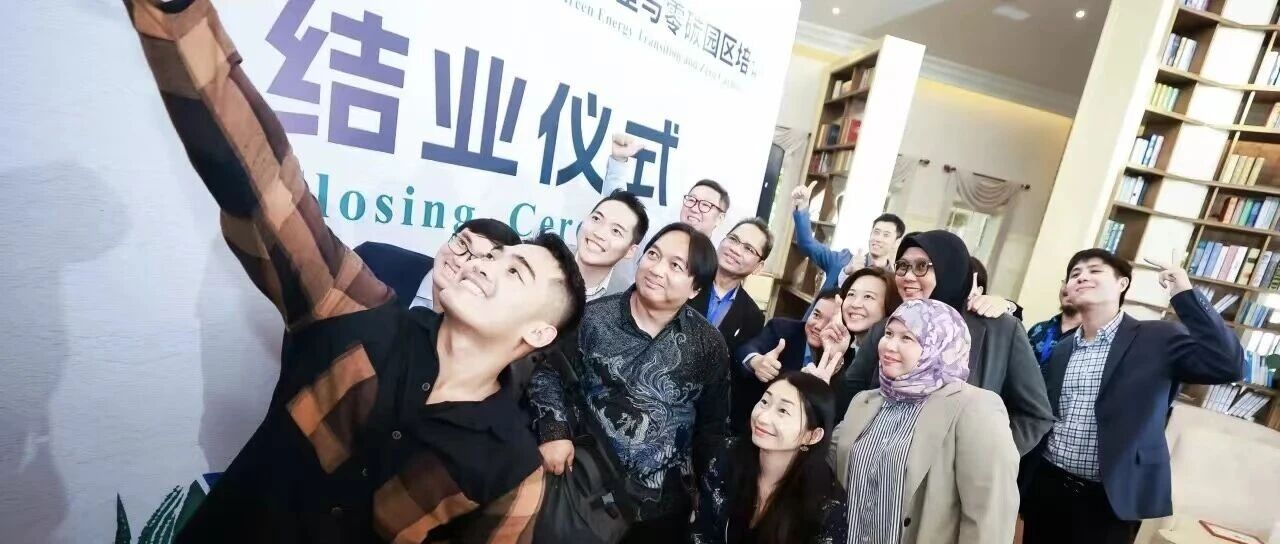
Core Viewpoint - The training program aimed to enhance cooperation between China and ASEAN countries in green energy transition and sustainable development, focusing on the concept of "zero-carbon parks" as a platform for mutual learning and collaboration [2][20]. Group 1: Training Overview - The first "China-ASEAN Green Energy Transition and Zero-Carbon Park Capacity Building Training" was successfully held in Suzhou, gathering representatives from eight ASEAN countries to explore innovative paths for green energy development and zero-carbon park construction [1]. - The training included policy discussions, specialized lectures, interactive workshops, and field visits, designed to promote in-depth exchanges and practical cooperation in the field of green energy [1][2]. Group 2: Expert Lectures and Workshops - The training featured expert lectures from institutions such as Shanghai Jiao Tong University and Zhejiang University, covering topics like "Electricity Market Innovation: Global Practices and China's Experience" and "Low/Zero-Carbon Energy Technologies and Business Models for Industrial Parks" [3]. - Participants engaged in collaborative design of zero-carbon park concepts, analyzing geographical climate, policy frameworks, energy consumption, and renewable energy potential [6]. Group 3: Practical Solutions and Case Studies - Groups proposed multi-energy complementary solutions for high-energy-consuming industrial parks, such as integrating wind, solar, hydro power, and battery storage for near-zero carbon emissions [9][10]. - Specific solutions included a mixed model of "distributed solar + clean hydropower" for smart industrial zones in Laos, incorporating battery storage and V2G pilot projects [10]. Group 4: Field Visits and Practical Insights - The training included structured learning visits to various energy facilities in Suzhou, allowing participants to observe China's latest practices in smart energy, intelligent manufacturing, and sustainable development [12]. - Participants were impressed by the integration of industrial manufacturing with digital technology and the application of next-generation photovoltaic technology in construction [12]. Group 5: High-Level Dialogues and Future Cooperation - During the training, participants attended high-level dialogues, including the "Suzhou Energy Transformation Forum" and discussions on narrowing the green gap and accelerating zero-carbon processes [16]. - The training concluded with a graduation ceremony, emphasizing the establishment of a valuable regional energy dialogue and capacity-building platform for future cooperation in green energy transition [20].
工信部:计划到2030年绿色工厂产值占比提高至40%
中国能源报· 2025-10-31 08:05
Core Viewpoint - The Chinese government is implementing a green factory enhancement plan aiming for 40% of the output value from green factories at national, provincial, and municipal levels by 2030, alongside promoting green supply chains and zero-carbon parks [1][2]. Group 1: Green Factory Initiative - The Ministry of Industry and Information Technology (MIIT) plans to enhance the quality and expand the scope of green factories, targeting a 40% output value share by 2030 [1]. - The initiative includes actions to promote green supply chains and facilitate the green transformation of high-tech zones and industrial parks [1]. Group 2: Green Trade Expansion - MIIT is encouraging foreign trade enterprises to adopt green design and production practices, aiming to accelerate the green transformation of industries and inject new momentum into green trade [1]. - The focus is on enhancing value creation by guiding enterprises in green design and manufacturing to increase product added value and achieve "green premiums" in international markets [1]. Group 3: Current Achievements - As of the end of 2024, China has established 451 green design enterprises and developed over 40,000 green products [2]. - The country has cultivated 6430 national green factories and 491 green industrial parks, with the output value share of national green factories exceeding 20% [2].
工信部:计划2030年国家、省、市各级绿色工厂产值占比达到40%
Xin Hua Cai Jing· 2025-10-31 06:36
Core Viewpoint - The Ministry of Industry and Information Technology (MIIT) plans to implement a green factory quality improvement and expansion plan, aiming for the output value of green factories at national, provincial, and municipal levels to reach 40% by 2030, while promoting energy-saving and carbon-reduction potential in green factories [1] Group 1: Green Factory Initiative - MIIT will accelerate the transition from benchmark leadership to larger-scale promotion of green factories [1] - The initiative includes cultivating a number of zero-carbon factories [1] Group 2: Green Development Strategy - The MIIT will promote green design and manufacturing, focusing on the entire lifecycle from product design to recycling [1] - Emphasis will be placed on lightweight, non-toxic, long-lasting, and easily recyclable design concepts, particularly in industries such as electronics and automotive [1] Group 3: Green Supply Chain and Industrial Parks - A green supply chain enhancement action will be launched, encouraging large enterprises to lead the way through green procurement policies [1] - Plans to implement a green industrial park enhancement initiative to promote the green transformation of high-tech zones and industrial parks, with a focus on developing zero-carbon parks [1]
潍坊两园区入围省零碳园区创建名单
Da Zhong Ri Bao· 2025-10-31 03:00
Core Viewpoint - The Shandong Provincial Development and Reform Commission, along with the Provincial Department of Industry and Information Technology and the Energy Bureau, has announced a list of 18 zero-carbon parks in Shandong Province, highlighting the commitment to reducing carbon emissions in industrial zones [1] Group 1: Zero-Carbon Parks - Zero-carbon parks are defined as areas where carbon dioxide emissions from production and daily activities are reduced to "near zero" levels, with the potential to achieve "net zero" conditions [1] - Among the parks recognized, Weifang Xingyu Security Technology Industrial Park and Shandong Daye Smart Zero-Carbon Industrial Park are notable inclusions [1] Group 2: Policy and Implementation - Shandong has introduced the "Shandong Province Zero-Carbon Park Construction Plan," which outlines ten key aspects for the development of zero-carbon parks [1] - The plan emphasizes a "high standard, few but refined" approach, promoting a phased and orderly advancement in the construction of zero-carbon parks [1] Group 3: Future Goals - By 2027, the technical pathways for the relevant parks are expected to be clear, and supporting systems will be largely established, with the aim of summarizing and promoting construction experiences to create a demonstration effect [1] - By 2030, the goal is to establish a number of provincial-level zero-carbon parks, with improved technical equipment, policy frameworks, and supporting services, playing a crucial role in stabilizing and reducing carbon emissions after reaching peak levels [1]
加快建设新型能源体系 能源转型有了新要求|“十五五”产业前瞻
Di Yi Cai Jing· 2025-10-29 11:42
Core Insights - The Chinese renewable energy industry has achieved significant development during the "14th Five-Year Plan" and is entering a new phase of comprehensive market-oriented development in the "15th Five-Year Plan" [1] - The recent release of the "Suggestions" by the Central Committee outlines a clear direction for the development of the new energy system, emphasizing the need to increase the proportion of renewable energy supply and replace fossil energy in a safe and orderly manner [1][2] Group 1: New Energy System Development - The "Suggestions" highlight the need for a new energy system, with a focus on increasing non-fossil energy development, including wind, solar, hydro, and nuclear energy [1][2] - The National Development and Reform Commission has set a quantitative goal that most of the new electricity demand by the end of the "15th Five-Year Plan" will be met by newly added clean energy generation [1] Group 2: Infrastructure and Storage - The development of new energy infrastructure, particularly large-scale energy storage on the grid side, is crucial for supporting the stable operation of the grid and the significant increase in renewable energy [2] - The emphasis on energy storage is expected to have a substantial spillover effect on the development of renewable energy and the country's low-carbon transition [2] Group 3: Wind Power Industry - The wind power sector aims for an annual new installed capacity of no less than 120 million kilowatts during the "15th Five-Year Plan," which represents a doubling of the annual installation target compared to 2020 [2] - The shift in the wind power industry from "scale-driven" to "value-driven" thinking will influence product development, business models, and global operations over the next 5 to 10 years [3] Group 4: Carbon Neutrality and Green Economy - The "Suggestions" also emphasize the importance of achieving carbon peak and implementing a dual control system for total carbon emissions and intensity [3] - The green low-carbon industry in China is currently valued at approximately 11 trillion yuan, with potential for significant growth in the next five years, aiming to establish around 100 national-level zero-carbon parks [3]
加快建设新型能源体系,能源转型有了新要求|“十五五”产业前瞻
Di Yi Cai Jing· 2025-10-29 11:20
Core Insights - The article emphasizes the acceleration of the new energy system construction in China, aiming to increase the proportion of renewable energy supply and transition from fossil energy to a more sustainable energy framework [1][2] Group 1: New Energy Development - The "14th Five-Year Plan" has seen significant advancements in China's new energy sector, exceeding planned targets, and the "15th Five-Year Plan" marks a new phase of market-oriented development for renewable energy [1] - The National Development and Reform Commission has set a quantitative goal to meet most of the new electricity demand through clean energy generation by the end of the "15th Five-Year Plan" [1] Group 2: Key Focus Areas for Energy Transition - Three main tasks have been identified for accelerating the new energy system: 1. Develop non-fossil energy sources with a focus on wind, solar, hydro, and nuclear energy [2] 2. Promote the clean and efficient use of fossil energy, transitioning coal power from a basic support role to a regulatory support role [2] 3. Build a new power system to ensure the effective integration of renewable energy into the grid [2] Group 3: Wind Power Industry Insights - The wind power sector aims for an annual new installed capacity of no less than 120 million kilowatts during the "15th Five-Year Plan," doubling the previous target set in 2020 [3] - The industry is shifting from a "scale-driven" approach to a "value-driven" mindset, influencing product development and business models [3] Group 4: Green and Low-Carbon Industry Growth - The current scale of China's green low-carbon industry is approximately 11 trillion yuan, with potential for significant growth in the next five years, targeting the establishment of around 100 national-level zero-carbon parks [4] - Key industries such as steel, non-ferrous metals, and petrochemicals will implement energy-saving and carbon reduction initiatives, aiming for energy savings of over 15 million tons of standard coal, which could reduce carbon dioxide emissions by about 400 million tons [4]