新型能源体系

Search documents
城市24小时 | 最“缺电”的经济大省,又放了个大招
Mei Ri Jing Ji Xin Wen· 2025-12-26 14:26
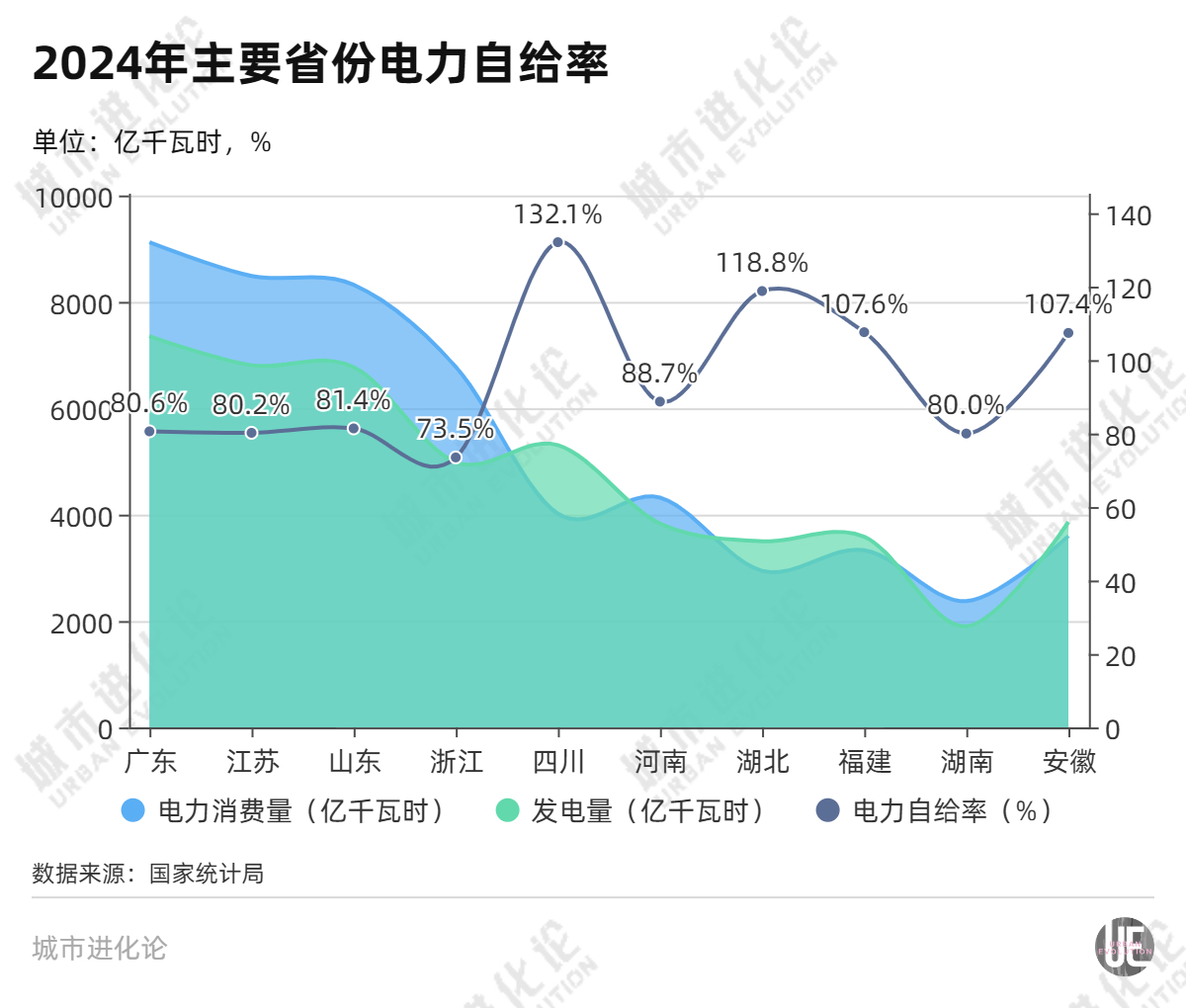
Group 1: Key Developments in Energy Sector - The first unit of the Zhejiang Tiantai Pumped Storage Power Station has achieved grid-connected power generation, marking a significant breakthrough in high-head, large-capacity pumped storage units in China [1] - The total installed capacity of the Tiantai Pumped Storage Power Station is 1.7 million kilowatts, with a single unit capacity of 425,000 kilowatts, the highest in the country, and a rated head of 724 meters, the highest in the world [1] - The power station is expected to generate approximately 1.7 billion kilowatt-hours annually, enough to meet the electricity needs of about 1.6 million people, while saving 520,000 tons of coal and reducing carbon dioxide emissions by 1.04 million tons each year [1] Group 2: Regional Energy Strategy - Zhejiang Province is accelerating the construction of a new energy system, with a focus on clean, low-carbon, and efficient energy production and consumption [2][4] - The total installed capacity of pumped storage in Zhejiang has surpassed 10 million kilowatts, reaching 10.305 million kilowatts, making it the second highest in the country, following Guangdong [2] - The province has plans for nearly 20 million kilowatts of pumped storage capacity under construction and in planning, leading the nation [2] Group 3: Energy Demand and Supply Dynamics - Zhejiang is characterized as a "resource-scarce province with high energy consumption," relying heavily on external energy sources, with one-third of its electricity imported from outside the province [5][6] - The province's electricity consumption reached 608.8 billion kilowatt-hours in the first ten months of the year, a year-on-year increase of 7.8%, the highest growth rate among major economic provinces in the country [9] - To enhance energy supply capabilities, Zhejiang is diversifying its energy sources, including offshore wind power, pumped storage, and nuclear power projects [9]


最“缺电”的经济大省,又放了个大招
Mei Ri Jing Ji Xin Wen· 2025-12-26 14:25
Core Insights - The successful grid connection of the first unit at the Zhejiang Tiantai Pumped Storage Power Station marks a significant breakthrough in China's high-head, large-capacity pumped storage unit construction [1] - The power station, a key project during the 14th Five-Year Plan, has a total installed capacity of 1.7 million kilowatts, with the single unit capacity of 425,000 kilowatts being the highest in the country [1] - The station is expected to generate approximately 1.7 billion kilowatt-hours annually, enough to supply electricity for about 1.6 million people, while saving 520,000 tons of coal and reducing carbon dioxide emissions by 1.04 million tons each year [1] Group 1 - The Tiantai Pumped Storage Power Station is crucial for the East China Grid as a key adjustment power source, expected to be fully operational by the summer peak in 2026 [1] - The station's rated head of 724 meters is the highest globally, and its single-stage inclined shaft length of 483.4 meters sets a domestic record [1] - Pumped storage is increasingly vital as a mature and economically viable energy storage technology, serving as a key link in the new energy system [1] Group 2 - With the commissioning of this unit, Zhejiang's total pumped storage capacity has surpassed 10 million kilowatts, reaching 10.305 million kilowatts, making it the second largest in the country after Guangdong [2] - Zhejiang is accelerating the construction of a new energy system, with nearly 20 million kilowatts of pumped storage capacity planned and under construction, ranking first in the nation [2] Group 3 - Starting in 2026, China will shift from energy consumption dual control to carbon emission dual control, promoting a greener and more efficient energy production and consumption model [3] - Zhejiang, characterized as a resource-scarce yet energy-intensive province, faces high external dependency for energy supply, with one-third of its electricity sourced from outside the province [3] Group 4 - In the first ten months of this year, Zhejiang's total electricity consumption reached 608.8 billion kilowatt-hours, a year-on-year increase of 7.8%, the highest growth rate among major economic provinces in the country [6] - To enhance energy supply capacity, Zhejiang is diversifying its energy sources, including offshore wind power, pumped storage in mountainous areas, and nuclear power projects along the southeastern coast [6] - The approval of Zhejiang's first provincial ultra-high voltage AC ring network will create greater flexibility for electricity transmission and scheduling [6]
52个国家级零碳园区,迈向新增长叙事
2 1 Shi Ji Jing Ji Bao Dao· 2025-12-26 11:05
Core Insights - The first batch of national-level zero-carbon park construction lists has been released, comprising 52 parks across 31 provinces and regions, marking a significant step in China's green transition strategy [1][3][4] Group 1: Zero-Carbon Park Definition and Importance - Zero-carbon parks aim to reduce carbon emissions from production and living activities to "near zero" levels, serving as critical testing grounds for new energy systems [3][4] - The construction of zero-carbon parks is a key part of national strategic deployment, focusing on energy supply, energy efficiency, and industrial structure optimization [6][10] Group 2: Characteristics of Selected Parks - The selected parks exhibit strong foundational conditions, clear implementation paths, and robust system integration capabilities, reflecting the feasibility and demonstrative nature of the zero-carbon initiative [7][8] - Industries within these parks primarily include new energy, new materials, and advanced manufacturing, aligning with the "green production" approach [7][8] Group 3: Indicators for Zero-Carbon Assessment - The assessment of these parks is based on a framework of "1 core indicator + 5 guiding indicators," with the core indicator focusing on carbon emissions per unit of energy consumed [9] - The guiding indicators include the proportion of clean energy consumption, energy efficiency of products, and rates of industrial waste and water reuse, promoting a comprehensive approach to carbon reduction [9] Group 4: Benefits for Enterprises - Zero-carbon parks can significantly lower energy consumption and carbon emissions across various production stages, enhancing the green competitiveness of enterprises [10] - The parks provide traceable energy supply systems and carbon footprint management, helping companies comply with international green trade standards and gain competitive advantages in low-carbon markets [10] Group 5: Investment and Cost Considerations - The investment required for constructing national-level zero-carbon parks varies widely, typically ranging from tens to hundreds of billions of RMB, depending on the park's type, scale, and foundational conditions [11] - Funding sources include enterprise investments, market-driven energy projects, and social capital, with a phased implementation approach to manage costs effectively [11]

一块煤能走多远——“深入践行能源安全新战略”系列纪录片第一集
Zhong Guo Neng Yuan Wang· 2025-12-26 09:10
Group 1 - The article emphasizes the importance of energy security as a strategic issue for national economic and social development, highlighting China's progress in building a new energy system under the guidance of the "Four Revolutions, One Cooperation" strategy proposed by President Xi Jinping [1] - Inner Mongolia has made significant strides in energy supply security, safety governance, and technological innovation, showcasing its achievements in high-quality energy development [1] - The region has undertaken a substantial coal supply task, with a total of 3.58 billion tons of coal contracted over four years, accounting for 38% of the national total, demonstrating its role as a key energy base [2] Group 2 - Ordos City plays a crucial role in Inner Mongolia's energy supply tasks, with coal and natural gas reserves representing one-sixth and one-third of the national totals, respectively [2] - The city has transitioned from merely supplying coal as fuel to becoming a significant energy base that supports coal supply for 28 provinces and regions across the country [2] - The development of coal chemical industries in Wushenqi has led to a total coal chemical production capacity of 14 million tons, nearly 10% of the national capacity, extending the coal industry chain from fuel to raw materials and materials [3] Group 3 - The establishment of the world's largest coal-to-olefins plant in Wushenqi represents a significant advancement in coal chemical technology, enabling the substitution of coal for oil and integrating new energy with modern coal chemistry [3] - The production of "liquid sunshine," with an annual output of 100,000 tons, marks a new chapter in the utilization of coal, reflecting the industry's shift towards greener development and carbon reduction [3] - Wushenqi is also recognized as China's top natural gas production county, ensuring gas supply for over 40 cities, contributing to the region's role in energy security and sustainability [4]
电力、电气行业2026年度信用风险展望
Lian He Zi Xin· 2025-12-24 11:29
Investment Rating - The credit risk outlook for the power and electrical equipment manufacturing industry in 2026 is overall controllable, with structural differentiation continuing, highlighting the stability of leading enterprises while remaining cautious about the operational and debt pressures faced by small and medium-sized enterprises [8][50]. Core Insights - The power and electrical equipment manufacturing industry is a crucial part of the national economy, closely linked to macroeconomic growth and electricity investment demand. Since 2024, electricity consumption has steadily increased, and the industry is accelerating the construction of a new energy system and power grid [8][9]. - In 2025, industry policies focus on growth stabilization, market reform, industrial integration, and rural electricity support, with attention needed on the execution of growth targets and the participation of private capital [8][11]. - The industry is characterized by a pyramid structure, with a large number of small and medium-sized enterprises facing intense competition. The ability to negotiate with upstream and downstream partners is weak, and there is significant capital occupation from accounts receivable and inventory [8][21]. - Profitability in the industry is under pressure from upstream and downstream factors, but there was a slight recovery in operating profit in the first half of 2025, with overall profitability remaining stable compared to the previous year [8][27]. - The industry maintains a good credit status, with no new defaults reported in 2025, although there is a need to monitor potential concentrated repayment pressures in the future [8][39]. Industry Fundamentals - The power and electrical equipment manufacturing industry is significantly influenced by national economic growth and electricity investment demand. In 2024, the total electricity consumption in China reached 9.85 trillion kWh, a year-on-year increase of 6.8% [10]. - The investment in power generation and grid construction has seen substantial growth, with a focus on renewable energy installations becoming the mainstay [19][18]. Industry Policies and Regulatory Environment - Numerous policies have been introduced to support the power and electrical equipment industry, emphasizing growth targets, market reforms, and rural electrification [11][13]. - Key policies include the "Power Equipment Industry Growth Stabilization Work Plan (2025-2026)" which sets revenue growth targets for traditional power equipment at around 6% annually [13][15]. Industry Operating Conditions - In the first three quarters of 2025, investment growth in power generation and grid construction continued, with a notable increase in the construction of new energy systems [17]. - The total installed power generation capacity reached 3.72 billion kW by the end of September 2025, a year-on-year increase of 17.5% [18]. Industry Competitive Landscape - The industry exhibits a pyramid-shaped competitive structure, with a high degree of marketization and significant pressure on capital occupation. The number of enterprises in the power and electrical equipment manufacturing sector exceeds ten thousand, with small and medium-sized enterprises making up a large proportion [21][22]. - The competition is particularly fierce in the low and medium voltage cable sectors, while high voltage and ultra-high voltage cable production is dominated by a few key players due to high technical barriers [21]. Industry Financial Status - The profitability of the industry is affected by the dual pressures of upstream raw material costs and downstream customer pricing. In the first half of 2025, sample enterprises saw a slight increase in operating profit, with overall revenue growth of 1.07% [27][28]. - The financial leverage of sample enterprises decreased slightly by mid-2025, remaining at a moderate level, with an average asset-liability ratio of around 58% [33][36]. Industry Bond Market Performance - The credit status of the power and electrical equipment industry remains stable, with no defaults reported in 2025. The majority of bonds issued are short-term financing bonds and general corporate bonds [39][40]. - As of the first nine months of 2025, 37 bonds were issued, primarily by local state-owned enterprises with AAA ratings, indicating a preference for short-term flexible financing [41][43].
媒体报道︱光热发电迎政策利好 千亿级新增直接投资可期
国家能源局· 2025-12-24 10:32
记者12月23日获悉,近日,国家发展改革委、国家能源局印发《关于促进光热发电规模化发展的若干意见》(以下简称 《意见》),提出到2030年,我国光热发电发展总装机规模力争达到1500万千瓦左右,度电成本与煤电基本相当,技术实 现国际领先并完全自主可控,行业实现自主市场化、产业化发展,成为新能源领域具有国际竞争优势的新产业。 党的二十大报告提出要加快规划建设新型能源体系,党的二十届四中全会也强调要加快建设新型能源体系。光热发电兼具 调峰电源和长时储能双重功能,能够有效平抑风电、光伏发电等新能源出力的波动性,是加快构建新型电力系统的重要支 撑。同时,光热发电产业链长,规模化开发利用将成为我国新能源产业新的增长点。 国家能源局有关负责人介绍,经过多年发展,我国已成功掌握塔式、槽式、菲涅尔式等主流光热发电技术,已建成全球领 先的光热发电产业链,电站单位千瓦建设成本从10年前的约3万元下降至1.5万元,度电成本降至0.6元上下,已初步具备规 模化发展的基础。但我国光热发展还面临初始投资大、市场竞争能力偏弱、系统支撑调节价值未充分体现、产业技术水平 仍需提升的问题。 为破解光热发电发展瓶颈,《意见》提出一揽子政策措施,为 ...

潮涌海之南 “绿”动自贸港——中国华能助力高标准建设海南自贸港
Zhong Guo Neng Yuan Wang· 2025-12-23 08:37
原标题:潮涌海之南 "绿"动自贸港——中国华能助力高标准建设海南自贸港综述 日前,海南自由贸易港正式启动全岛封关。海南自由贸易港成形起势,是开放中国的生动缩影。在 这片热土上,中国华能作为最早扎根海南的发电央企,坚决贯彻党中央、国务院重大部署,贯彻能源安 全新战略,始终以"建设'三色'公司 服务能源强国"的使命担当,护航自贸港能源安全稳定供应,将澎湃 绿能化作自贸港产业升级的坚实保障,化作万家灯火的无限暖意。 积极服务海南经济社会高质量发展,中国华能在琼构建起集电力、热力、贸易、保险、证券、服务 等多元产业的综合发展格局,先后设立华能海南分公司、华能昌江核电公司等多家骨干企业,发起成立 国际能源交易中心,累计在琼投资超700亿元,目前发电总装机超542万千瓦,装机容量和市场份额全省 第一,年发电量约占全省统调三分之一。海南建省以来,中国华能在琼累计发电量占海南全社会用电量 超54%。 守望相助 筑牢能源安全"压舱石" "十四五"以来,中国华能立足国资央企新职责新使命,围绕集团公司"三六六"发展战略,将海南作 为战略要地、发展高地、投资重地,充分发挥央企"三个作用",当好"三个排头兵",深度融入海南"三 极一带 ...

国家能源局有关负责同志就《关于促进光热发电规模化发展的若干意见》答记者问
国家能源局· 2025-12-23 03:35
问:《意见》出台的背景是什么? 答: 党的二十大报告提出要加快规划建设新型能源体系,二十届四中全会公报再次强调要加快建设新型能源体系。光热发 电兼具调峰电源和长时储能双重功能,能够有效平抑风电、光伏发电等新能源出力的波动性,是加快构建新型电力系统的 重要支撑。经过多年发展,我国已成功掌握塔式、槽式、菲涅尔式等主流光热发电技术,已建成全球领先的光热发电产业 链,电站单位千瓦建设成本从10年前的约3万元下降至1.5万元,度电成本降至0.6元上下,已初步具备规模化发展的基础。 但另一方面,我国光热发展还面临初始投资大、市场竞争能力偏弱、系统支撑调节价值未充分体现、产业技术水平仍需提 升的问题。在我国能源结构加速绿色低碳转型的关键时期,为助力能源强国建设,加快构建新型电力系统,推动光热发电 规模化发展,国家发展改革委、国家能源局联合印发了《意见》。 问:《意见》提出了哪些发展目标? 近日,国家发展改革委、国家能源局印发《关于促进光热发电规模化发展的若干意见》(以下简称《意见》)。国家能源 局有关负责同志就《意见》接受采访,回答了记者提问。 答: 一是 有利于坚定行业信心。《意见》明确了未来光热发电规模化发展的长期稳定 ...

中国能源报《人民能源》电子期刊上新了!
中国能源报· 2025-12-23 03:24
Group 1 - The core viewpoint emphasizes the importance of building a strong energy nation and constructing a new energy system [5] - Integration and fusion are identified as crucial methods for the development of new energy [5] Group 2 - The article highlights the need for greater efforts in establishing a robust energy framework [5]
推动实现更高水平能源安全保障
Sou Hu Cai Jing· 2025-12-23 01:37
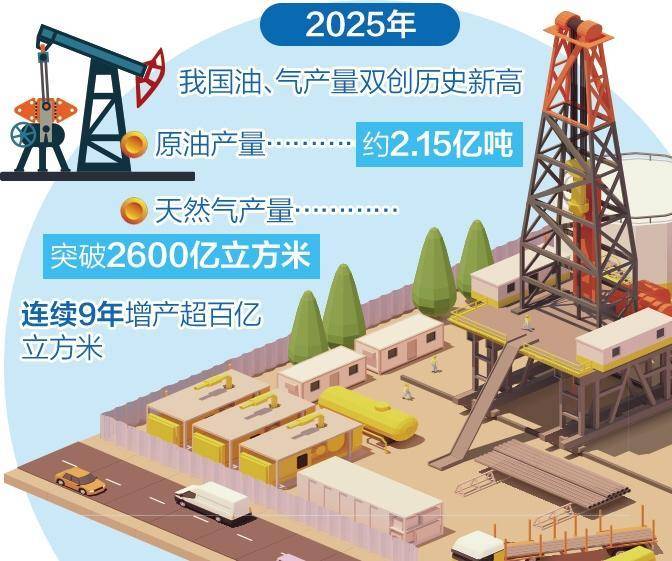
Group 1 - The total installed power generation capacity in China is expected to exceed 3.8 billion kilowatts this year, representing a year-on-year growth of 14%, with total electricity consumption projected to surpass 10 trillion kilowatt-hours for the first time [2] - Oil and gas production has reached historical highs, with crude oil production around 215 million tons and natural gas production exceeding 260 billion cubic meters, marking nine consecutive years of over 10 billion cubic meters increase [2] - The energy security guarantee this year is reported to be the best since the 14th Five-Year Plan, with stable coal production and supply, and effective responses to peak summer electricity load challenges [2] Group 2 - The proportion of non-fossil energy consumption is expected to exceed the target of 20%, with strong investment trends towards green and innovative energy sources [3] - Significant advancements in energy technology and innovation are being made, with the integration of artificial intelligence into the energy sector and the development of new business models [3] - The government is focusing on enhancing energy security, optimizing energy infrastructure, and improving the quality of electricity supply for high-reliability users [4] Group 3 - The goal is to establish a new energy system by 2030, balancing economic development with energy structure, and promoting a comprehensive green transition in society [5] - The emphasis is on fostering energy technology innovation and upgrading the energy industry to support the carbon peak target by 2030 [5]