
生物多样性保护

Search documents
感知生态之变丨2.8万台红外相机里藏着东北虎豹变迁史
Yang Shi Xin Wen Ke Hu Duan· 2025-08-18 12:56
Core Viewpoint - China's biodiversity protection has become a national strategy, leading to effective conservation of rare and endangered species and improvement of their habitats. Group 1: Biodiversity Conservation Efforts - The increase in bird songs and animal sightings reflects the success of biodiversity conservation efforts in China [1] - The Northeast Tiger and Leopard National Park has seen a significant increase in the presence of wild tigers, with footprints now frequently observed [3] - The first recorded wild Northeast tiger family in China was documented in 2013, indicating a positive trend in population recovery [5] Group 2: Habitat Restoration - The restoration of habitats has been facilitated by the withdrawal of 156 mining rights, allowing ecological corridors to be reestablished [9] - Acoustic monitoring has shown a gradual increase in wildlife sounds, indicating a recovery of diverse species over the years [11] Group 3: Urban Wildlife and Ecosystem Rebuilding - Urban areas are witnessing a resurgence of wildlife, with a significant increase in recorded species from 67,000 in 2013 to 148,000 by 2025 [19] - The establishment of ecological reserves in urban settings, such as in Nantong, has provided safe havens for wildlife [17] Group 4: Overall Biodiversity Improvement - Nearly 500 species of wild plants and animals have seen a decrease in their threat levels, showcasing a positive shift towards biodiversity recovery [21] - China's systematic approach and actions are contributing to a harmonious coexistence between humans and nature [21]


新华视点|守护绿水青山 多元实践共筑生态环保新图景
Xin Hua She· 2025-08-18 07:54
Core Viewpoint - The article highlights the implementation of ecological protection policies across various regions in China, emphasizing the integration of technology, public participation, and policy support to promote biodiversity and ecological safety while fostering green development [2][22]. Group 1: Ecological Protection Initiatives - In Hangzhou, Zhejiang Province, over 100 students and parents participated in an ecological exploration journey at the Tianmu Mountain National Nature Reserve, promoting awareness of ecological protection [4]. - The Qinghai-Tibet Plateau is showcased as a significant ecological security barrier, demonstrating a harmonious coexistence between humans and nature, representing a "Chinese model" of ecological protection [6]. - In the Qiangtang National Nature Reserve in Tibet, human activities are now aligned with wildlife conservation, supported by the establishment of Tibet's first germplasm resource bank to enhance biodiversity protection [8]. Group 2: Community Engagement and Education - A bird-watching activity organized by the Qinghai Provincial Museum at the Huangshui National Wetland Park aimed to awaken public ecological consciousness through family participation [10][12]. - The Northeast Tiger and Leopard National Park is advancing its conservation practices by integrating natural education and public involvement, enhancing habitat protection while utilizing advanced monitoring technologies [18][20]. Group 3: Technological Support for Ecological Management - In Chongqing's Fengjie County, the "Jiangqing Anjie" intelligent management platform has been implemented to improve waterway cleanliness and maintain ecological balance in the Yangtze River [14][16]. - The Northeast Tiger and Leopard National Park employs a "sky-ground integrated monitoring system" using smart infrared cameras, satellite remote sensing, and drones to track wildlife activities [20]. Group 4: Overall Ecological Vision - Across various regions, initiatives range from school-based practices to high-altitude patrols, from AI monitoring to germplasm resource protection, collectively illustrating a new ecological protection landscape characterized by harmonious coexistence between humans and nature [22][23].

祁连山“记录者”:用镜头追踪野生生灵
Xin Hua Wang· 2025-08-17 01:30
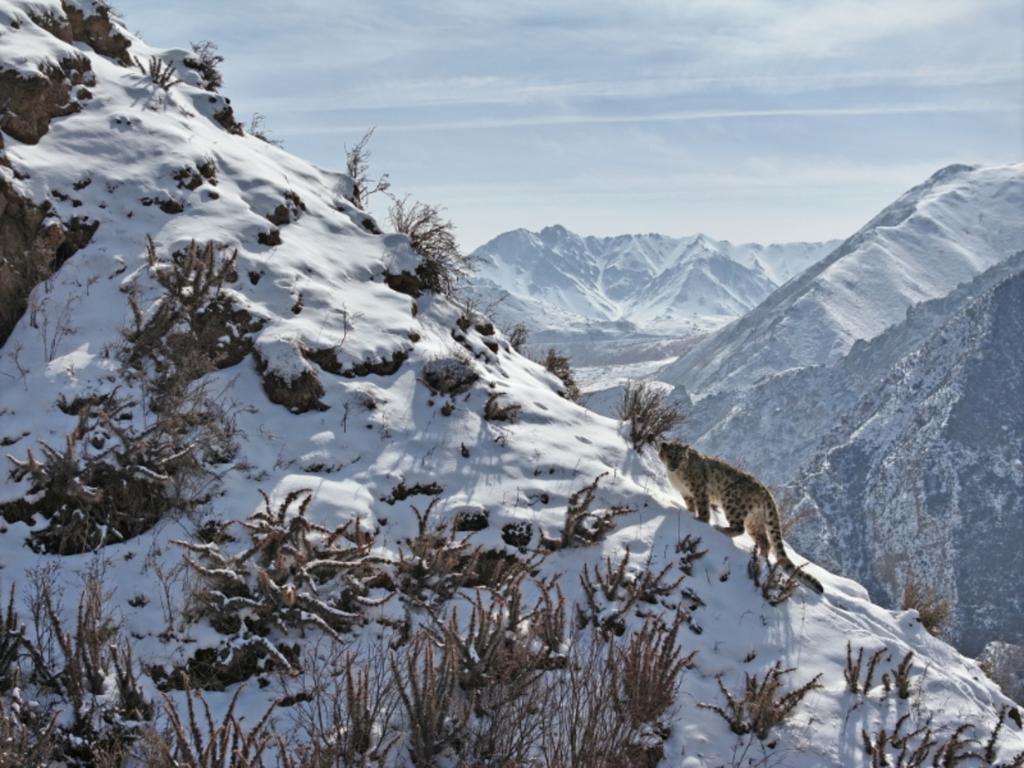
Core Insights - The article highlights the efforts of a wildlife photographer, Lang Wenrui, who works for the ecological environment bureau in Zhangye, Gansu Province, focusing on documenting wildlife in the Qilian Mountains National Park [2][3][5]. Group 1: Wildlife Photography and Conservation - Lang Wenrui began his photography journey in 2008, motivated by the unique wildlife of the Qilian Mountains, which is a crucial ecological barrier and biodiversity hotspot in western China [2][3]. - The Qilian Mountains are home to a diverse range of species, including 402 species of wild vertebrates, 1,609 species of insects, 2,160 species of higher plants, and 506 species of large fungi [2]. - Lang's goal is to capture as many species as possible, particularly the elusive snow leopard, which he has been trying to photograph since 2020 [3][5]. Group 2: Snow Leopard Encounters - Lang's first encounter with a snow leopard occurred in January 2023, after years of searching, where he successfully photographed the animal alongside a killed ibex [7][8]. - Since then, he has photographed nine different snow leopards in various locations, indicating an increase in their visibility due to improving ecological conditions in the Qilian Mountains [8]. - The Qilian Mountains are estimated to host between 300 to 500 snow leopards, as reported by the management center of the national park [8]. Group 3: Observations and Future Goals - Lang has developed unique insights into the behaviors of various wildlife species, noting their intelligence and social structures [8]. - He has accumulated over 200,000 photographs and aims to document the changes in wildlife habitats over time [9]. - Lang acknowledges the extensive nature of his task, suggesting that even twenty years may not be sufficient to complete it, but he remains committed to his mission [10].
感知生态之变丨从6.7万到14.8万种 见证生物多样性保护中国答卷
Yang Shi Xin Wen Ke Hu Duan· 2025-08-17 00:59
Group 1 - The core viewpoint emphasizes the importance of harmonious coexistence between humans and nature as a key feature of Chinese modernization, with biodiversity protection elevated to a national strategy since the 18th National Congress of the Communist Party of China [1][2] - Significant progress has been made in biodiversity conservation, with a large number of rare and endangered species effectively protected, and their habitats improved, contributing to global biodiversity challenges [1][2] - The establishment of the largest national park system in the world, covering approximately 1.1 million square kilometers, protects over 80% of key wildlife species and their habitats [2] Group 2 - The number of species recorded in the "Chinese Biological Species Catalog" has increased from 67,000 in 2013 to 148,000 by 2025, more than doubling [2] - The number of threatened wild plant and animal species has decreased, indicating successful conservation efforts [2] - The use of technology, such as thermal imaging, has enhanced public awareness and engagement with wildlife, showcasing the active reconstruction of urban ecosystems [2]
专访丨中国持续为世界生态保护贡献智慧和力量 ——访巴西里约热内卢联邦农村大学教授鲁维亚·韦格纳
Xin Hua Wang· 2025-08-16 12:25
Core Viewpoint - China continues to contribute wisdom and strength to global ecological protection through its ecological civilization construction practices and concepts, particularly the "Two Mountains" theory, which aligns with the global vision for green development [1][2]. Group 1: China's Ecological Initiatives - China is building the world's largest national park system, protecting numerous endangered species' habitats and vital water resources [2]. - The forest coverage rate in China is expected to reach over 25% by 2024, making it the fastest and largest country in the world in terms of "greening" efforts [2]. - China's goal is to establish a model that does not oppose economic development and ecological protection, viewing both as components of sustainable development [2]. Group 2: International Cooperation and Influence - The "Two Mountains" theory and China's practices are highly compatible with Brazil's ecological actions, particularly in the context of the Amazon rainforest protection [2]. - China has rich practical experience in ecological restoration, species protection, and green technology, which can serve as important references for Brazil [2]. - There is significant potential for cooperation between China and Brazil under the South-South cooperation framework, particularly in public policy, research collaboration, and community engagement [2]. Group 3: Multilateral Collaboration - As important forces in the Global South, China and Brazil can strengthen collaboration on multilateral platforms to address climate change and biodiversity protection [3].
一“升”一“降”彰显绿色发展内核 绿潮奔涌绘就万物各得其所、生生不息生动画卷
Yang Shi Wang· 2025-08-15 13:18
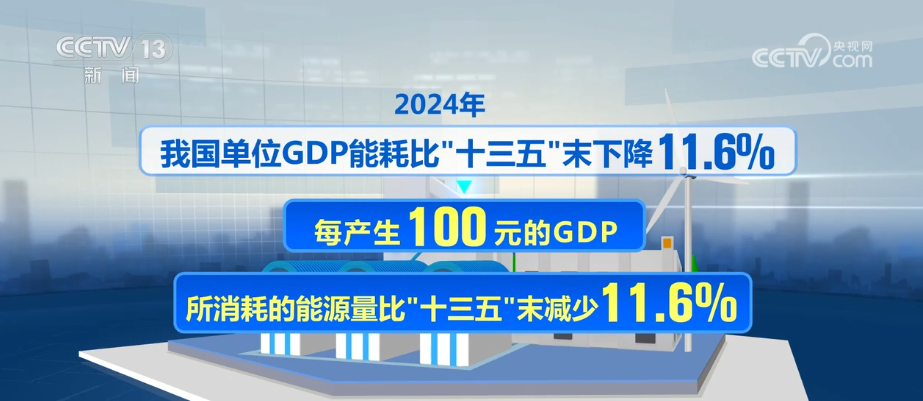
Core Viewpoint - Green productivity is a sustainable and environmentally friendly production method that is crucial for economic development and competitiveness on a global scale [1] Group 1: Energy Efficiency and Resource Utilization - In 2024, China's energy consumption per unit of GDP is expected to decrease by 11.6% compared to the end of the 13th Five-Year Plan, meaning that for every 100 yuan of GDP produced, energy consumption will be reduced by 11.6% [3] - Simultaneously, the output rate of major resources has increased by 12%, indicating that China is creating more social wealth with less energy and resources [5] Group 2: Biodiversity and Ecological Protection - Since the 18th National Congress, China has elevated biodiversity protection to a national strategy, leading to significant improvements in the habitats of endangered species [6] - The number of species recorded in the "Chinese Species List" has increased from 67,000 in 2013 to 148,000 by 2025, more than doubling [24] Group 3: Wildlife and Ecosystem Recovery - The population of wild deer in Ningxia has grown from less than 1,000 to over 2,600 in recent years, showcasing the positive impact of green production methods on wildlife [38] - The presence of wild Northeast tigers and leopards has increased significantly, with their footprints covering about 80% of the Northeast Tiger and Leopard National Park [11] Group 4: Clean Energy Transition - China's energy transition has accelerated, with wind and solar power expected to surpass thermal power in installed capacity by 2025, with one-third of electricity coming from green sources [47] - The number of countries and regions receiving Chinese photovoltaic products has increased by 30, while wind power has expanded to 34 additional countries and regions since 2012 [50]
中国石油绘就“油气开发与自然共生”画卷
Jing Ji Wang· 2025-08-15 08:57
Core Viewpoint - The company is actively promoting green transformation and biodiversity protection, aligning with the "green mountains and clear waters are gold and silver mountains" philosophy, and has made significant progress in ecological conservation and low-carbon development [1][2]. Group 1: Green Transformation Initiatives - The company is transitioning from primarily oil and gas production to a comprehensive energy supply model that includes oil, gas, heat, and hydrogen [2]. - Key environmental indicators, such as chemical oxygen demand and VOC emissions from refining enterprises, are expected to see a comprehensive decline by 2024 [2]. - The company has been recognized in Fortune magazine's "2024 Most Admired Chinese Companies" list for its outstanding performance in biodiversity protection [2]. Group 2: Biodiversity Protection Efforts - The company has established multiple biodiversity protection sites, including the Guo Wu Lake and Lao Hu Mountain, which host various protected species and contribute to ecological restoration [6][8]. - The Guo Wu Lake protection area covers 1.98 million square meters and is home to 114 plant species and 55 bird species, including two national first-class protected birds [6]. - The Lao Hu Mountain protection area spans approximately 2.17 million square meters, featuring 118 plant species and 32 bird species, including national first-class protected species [8]. Group 3: Specific Biodiversity Sites - The Alshan East Lake Wetland, covering about 15,000 square meters, serves as a habitat for numerous protected bird species and plays a crucial role in water conservation [9]. - The Yan Ge Lake, located in the Longqing Oilfield, has become a vital stopover for migratory birds, with the population of red-billed gulls increasing from dozens to over a thousand [10]. - The Tarim Desert Highway Protection Forest, recognized as the world's first "desert green corridor," spans 436 kilometers and supports over 20 million plants, providing a habitat for various bird species [15]. Group 4: Innovative Ecological Projects - The Tarim Oilfield's desert botanical garden is the first of its kind in a large moving desert, featuring nearly 200 plant species and contributing to ecological research and restoration [16]. - The Keke Ya Ecological Park has planted over 18,000 trees and serves as a biodiversity reservoir, with designated areas left undisturbed for wildlife [17]. - The Hainan Wenfeng Egret Habitat, covering 125,000 square meters, is a critical migratory corridor for various bird species and integrates ecological protection with community education [18].


生态环境部部长黄润秋:向“绿”而兴 协同推进降碳减污扩绿增长
Ren Min Wang· 2025-08-15 01:16
Group 1 - High-quality development is the primary task for building a modern socialist country, with green and low-carbon economic and social development being key to achieving this goal [1] - The concept of "green water and lush mountains are as valuable as mountains of gold and silver" emphasizes the mutual support between ecological protection and economic development [1] - The Ministry of Ecology and Environment highlights significant historical achievements in improving environmental quality, with noticeable increases in blue skies and clean water [1] Group 2 - The Shougang Group's Tianjin Steel Plant has become the first steel enterprise in China to pass ultra-low emission assessments, showcasing its leadership in global low-emission practices [2] - Continuous improvement in ecological governance has been achieved through initiatives like the "Joint River Chief System" in the Taihu River basin, leading to enhanced water quality and local economic development [3] - The value of the "green water and lush mountains" philosophy is increasingly recognized, promoting biodiversity and ecological balance as essential components of high-quality development [4] Group 3 - The transition to a green economy is yielding significant results, with regions like Ordos in Inner Mongolia moving towards becoming "green zero-carbon cities" through renewable energy initiatives [6] - The collaborative approach to reducing carbon emissions, pollution, and expanding green spaces is essential for both economic development and environmental quality improvement [6]
寻共存之道 固自然之本
Zhong Guo Zi Ran Zi Yuan Bao· 2025-08-14 02:28
坚持人与自然和谐共生。 建设生态文明是中华民族永续发展的千年大计。 自然保护公益伙伴计划是2020年为宣传和践行习近平生态文明思想而成立的重要平台,汇聚了众多致力于生态保护的公益力量。5年来,公益伙伴们 以"绿水青山就是金山银山"理念为指引,书写着人与自然和谐共生的中国故事。 在第三个"全国生态日"来临之际,让我们走近这些各具特色的保护项目,感受公益伙伴们如何以创新思维为自然保护破题,如何用科技的闪光,人文的 温度,生命的力量,共同实践着习近平生态文明思想的深刻内涵。 北京市企业家环保基金会:飞鸟越山海 蓝绿共长天 阿拉善的辽阔戈壁常被视为"死亡之海",北京市企业家环保基金会(SEE基金会)通过开展"羽翼相伴"计划,在这里发现了惊人的生命力。20余种鸟类 被记录在册:赤麻鸭掠过盐湖的翅膀搅动云影,红尾伯劳在梭梭林间传递种子,西伯利亚银鸥的迁徙路线揭示着荒漠与湿地的隐秘联系。项目独创的"亲子 观察+科研监测"模式,让公众通过望远镜重新认识这片土地——孩子们绘制的手册上,"不毛之地"被改写为"生命驿站",这正是生态意识觉醒的鲜活注脚。 我们看到的不仅是物种保护成果,更是生态文明理念的种子在年轻心中生根发芽。 当目 ...
智利升级可持续债券框架 引领拉美绿色金融创新
Shang Wu Bu Wang Zhan· 2025-08-13 17:55
Core Viewpoint - Chile's Ministry of Finance has updated its Sustainable Linked Bond (SLB) framework, incorporating biodiversity protection as a key performance indicator (KPI), setting a new benchmark for ESG finance in Latin America [1] Group 1: Framework Objectives - The new framework sets two main goals: to increase the proportion of protected land areas from 21.6% to 30% by 2030, and to ensure that 10% of these protected areas meet international management standards [1] Group 2: SLB Characteristics - Unlike traditional green bonds, SLBs do not restrict the use of funds but incentivize issuers to achieve ESG goals through an interest rate adjustment mechanism [1] Group 3: Economic Impact - The Chilean government indicates that these bonds have led to reduced financing costs and attracted a diverse range of investors, demonstrating tangible benefits [1] Group 4: Private Sector Development - The new framework clarifies the ESG strategic direction for the corporate sector, facilitating the development of more green financial products [1] Group 5: Regional Leadership - Experts highlight that Chile has successfully aligned national development goals with international standards through public-private collaboration, providing a model for emerging markets that balances economic growth with environmental protection, thereby reinforcing its leadership in regional climate finance [1]