
中俄文化交流

Search documents
文化大集:架起中俄友谊之桥
Xin Hua Wang· 2025-07-26 19:20
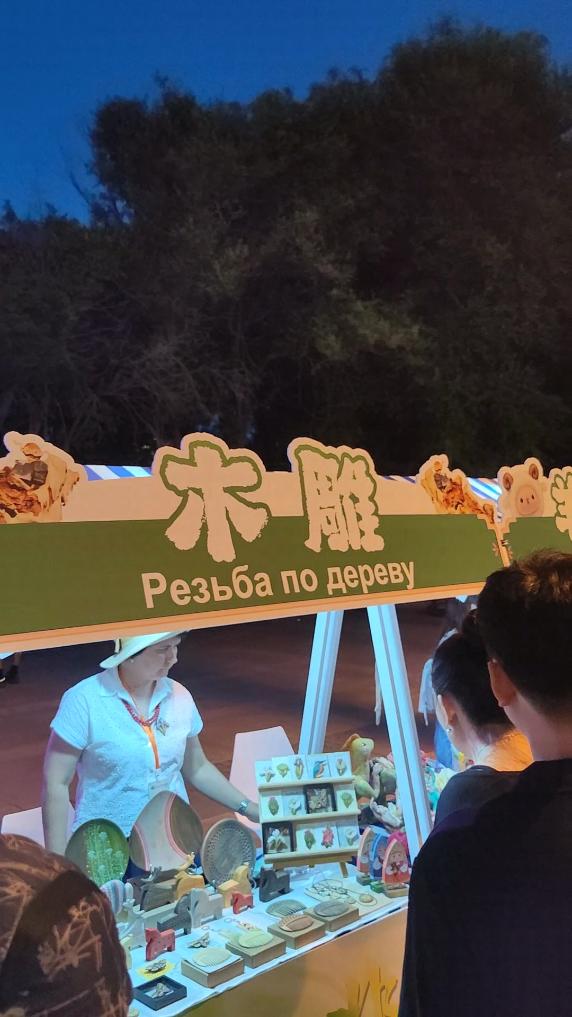
Core Viewpoint - The 15th China-Russia Cultural Festival has commenced in Heihe, showcasing a blend of Chinese traditional music and Russian dance, highlighting the cultural exchange between the two nations [1][4]. Group 1: Event Overview - The cultural festival features over 40 activities, including high-level visits, cultural exchanges, tourism promotion, and the construction of a border tourism corridor [7]. - The festival serves as a significant platform for cultural cooperation between the border regions of China and Russia, having been held for over a decade [7][9]. Group 2: Cultural Exchange Activities - The event includes a non-material cultural heritage market where artisans from both countries display their crafts, fostering artistic collaboration [4]. - The "Purple Night" dance competition has attracted numerous participants and spectators, showcasing the talents of dancers from both nations [7]. Group 3: Economic and Tourism Impact - The festival has led to increased tourism, with reports indicating that over 1,500 tourists are expected to cross the border daily during peak summer periods in 2024 [9]. - Local businesses, such as food stalls in the Heihe international night market, are benefiting from the influx of Russian visitors, indicating a vibrant cross-border economic interaction [4].

青花汾酒入驻克里姆林宫,中国汾酒对话俄罗斯伏特加
Qi Lu Wan Bao· 2025-07-16 07:14
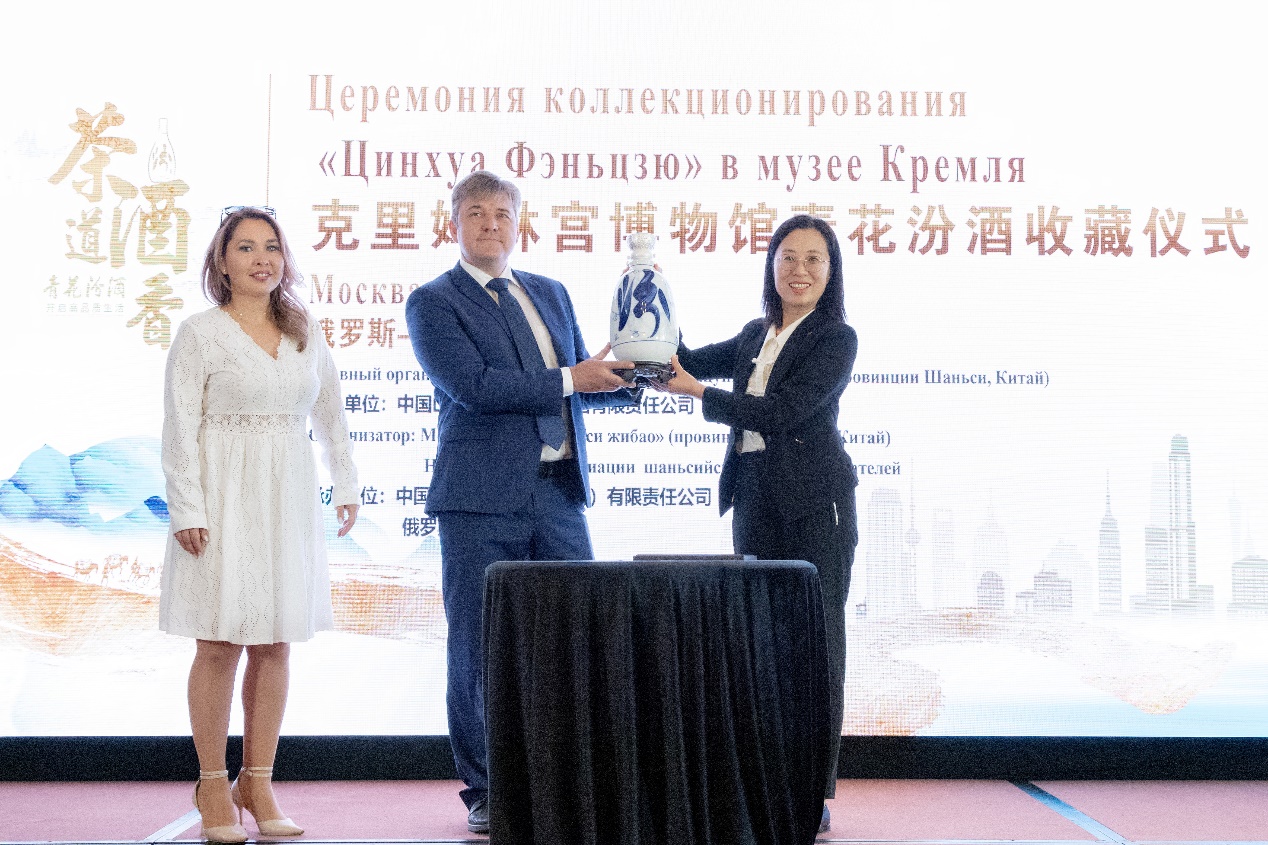
Core Viewpoint - The "2025 Qinghua Fenjiu Tea Road Wine Aroma" brand event in Moscow marks a significant step in promoting Chinese liquor culture and enhancing Sino-Russian cultural exchanges through the introduction of Qinghua Fenjiu to the Kremlin Museum [1][2]. Group 1: Event Highlights - The event included a forum titled "Dialogue between Chinese Fenjiu and Russian Vodka," which facilitated discussions on cultural heritage and industry collaboration between China and Russia [8][9]. - A collection ceremony took place where the Shanxi Xinghuacun Fenjiu Group officially transferred Qinghua Fenjiu to the Kremlin Museum, symbolizing a historical connection to the ancient Tea Road [2][4]. - The event featured a promotional night for Qinghua Fenjiu, held in the historic Red Hall of the Metropol Hotel, where over 50 Russian liquor companies and media representatives participated [11]. Group 2: Cultural Significance - Qinghua Fenjiu, with a brewing history of 6,000 years and a reputation as the ancestor of Chinese light-flavor liquor, aims to use this event to promote the living heritage of Chinese agricultural civilization in Russia [4][6]. - The event is seen as a continuation of the historical trade routes established by Jin merchants, who transported tea and liquor to Europe 300 years ago, thus reinforcing cultural ties [2][13]. - The opening of the first "Qinghua Fenjiu Moscow Specialty Store" represents a milestone in the internationalization of Fenjiu, further embedding it in the global market [14]. Group 3: Future Prospects - The event is part of a broader initiative that began in Wuyi Mountain, China, and will continue to various locations in Russia, emphasizing the ongoing cultural journey and the brand's commitment to global integration [13]. - The collaboration between Fenjiu and Russian partners is expected to foster deeper cultural exchanges and enhance the international presence of Chinese liquor [9][12].

由俄罗斯外贸银行组织的圣彼得堡肖斯塔科维奇音乐会中国巡回演出圆满成功
Di Yi Cai Jing· 2025-07-01 11:51
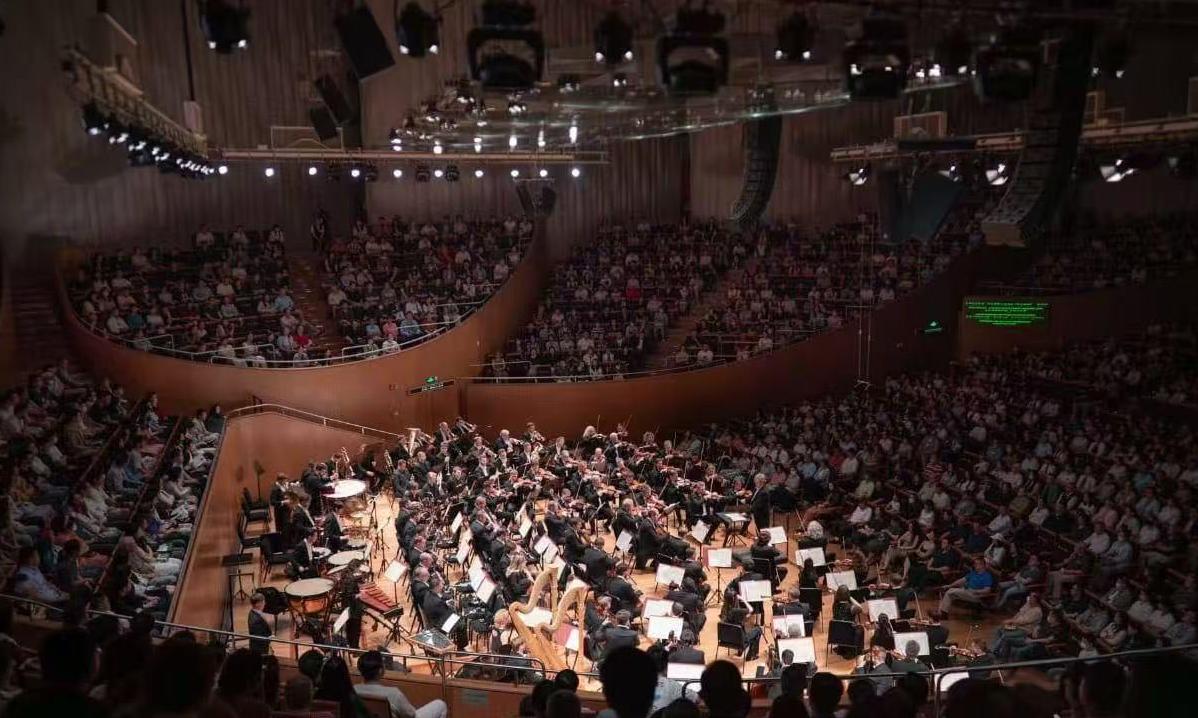
Group 1 - The Russian Foreign Trade Bank organized a large-scale tour of the St. Petersburg Philharmonic Orchestra in China from June 21 to 29, as part of the 2024-2025 China-Russia Cultural Exchange Year [1] - The tour included performances in five cities: Beijing, Guangzhou, Shenzhen, Shanghai, and Wuhan, conducted by Nikolai Alexeyev, a People's Artist of Russia [1] - The tour featured notable works by composer Dmitri Shostakovich, including the "Leningrad" Symphony No. 7 and Prokofiev's First Piano Concerto, with over 7,500 attendees across all performances [3] Group 2 - The St. Petersburg Philharmonic Orchestra is recognized as a gold standard in Russian symphonic performance and has received high international acclaim [3] - A unique archival photo exhibition was organized at the request of the Chinese side, showcasing valuable materials from the orchestra's music library, focusing on the connection between Dmitri Shostakovich and the St. Petersburg Philharmonic [5] - The Russian Foreign Trade Bank has a unique international network among Russian banks, facilitating international cooperation and alternative settlement systems, with subsidiaries and representative offices in several countries including China [5]
莫斯科文化节在北京开幕
人民网-国际频道 原创稿· 2025-06-13 03:42
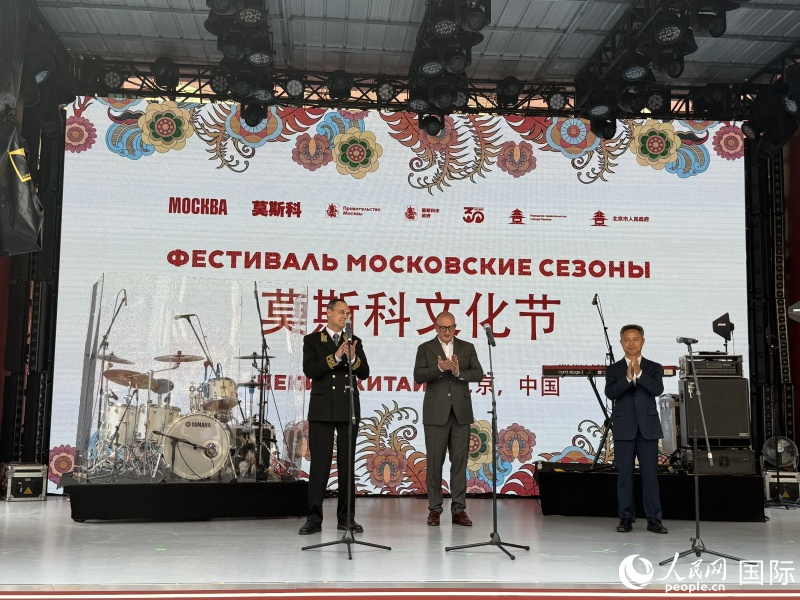
Core Points - The Moscow Cultural Festival opened in Beijing on June 12 and will run until June 15, featuring various activities such as master classes, performances, and food tastings to showcase Moscow's diverse charm [1][3]. Group 1: Event Overview - The festival is part of the "China-Russia Cultural Year" and opened on "Russia Day," highlighting its significance [3]. - The event aims to celebrate the 30th anniversary of the friendship between the two capitals and serves as a bridge connecting their cultural traditions and people's sentiments [4]. - The festival includes performances of classical and modern Russian arts, traditional Russian cuisine, and interactive activities like outdoor cinema and photography exhibitions [6]. Group 2: Tourism Insights - In 2024, Beijing is expected to receive 293,000 Russian tourists, with a significant increase of 83.9% in the first five months of the year, totaling 175,000 visitors [4]. - China has become one of the most promising tourism markets for Moscow, with over 420,000 Chinese tourists projected to visit in 2024, leading the list of non-CIS countries [9].
“俄罗斯是一只潜力巨大的股票”
Sou Hu Cai Jing· 2025-06-07 03:40
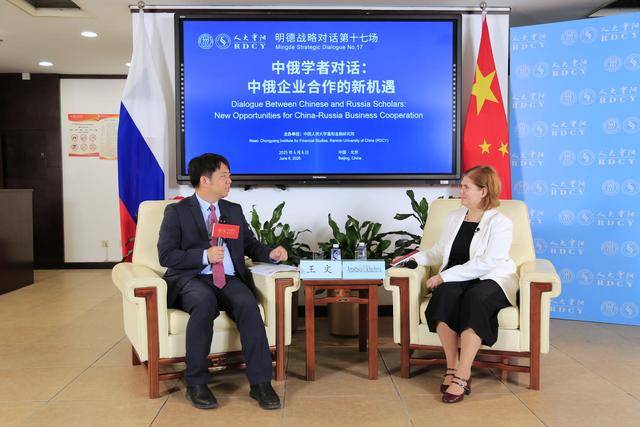
Core Insights - The dialogue highlighted the significant growth in China-Russia economic cooperation, with annual growth rates exceeding 30% over the past three years, increasing the economic scale from $190 billion to $240 billion [3] - There are concerns among some scholars that trade between China and Russia may have peaked, with a maximum potential of $250 billion, but the potential for further cooperation remains vast [3] - The dialogue emphasized the complementary economic structures of China and Russia, suggesting substantial opportunities in agriculture, energy, high technology, and e-commerce [3][4] Economic Cooperation - The bilateral investment scale between China and Russia is relatively small, indicating untapped potential, particularly in the agricultural sector where much land remains idle [3] - The dialogue pointed out that while energy and natural resources drive current trade, there is significant room for growth in other sectors [4] - Russian agricultural startups are seen as having great potential, which Chinese enterprises should focus on to strengthen cooperation [4] Cultural Exchange - There is a growing interest among Russian students in learning Chinese and understanding China's legal system, reflecting a shift towards closer ties [6] - Cultural products from China, such as animated films and dance dramas, are gaining popularity in Russia, indicating a positive reception of Chinese culture [7] - The dialogue suggested that cultural exchanges could enhance mutual understanding and cooperation between the two nations [7]
聆听人文相亲“立体乐章”(边城见闻)
Ren Min Ri Bao· 2025-06-05 22:02
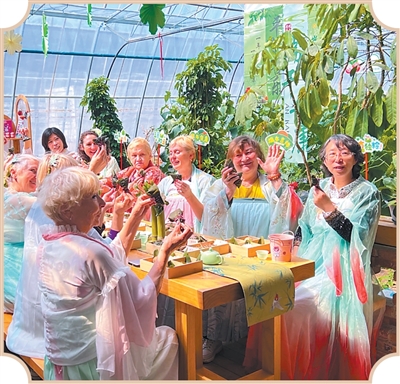
Core Points - The article highlights the historical and cultural significance of Suifenhe, a city in Heilongjiang Province, China, which was established due to the opening of the Chinese Eastern Railway in 1903, emphasizing its role as a border city that fosters Sino-Russian exchanges [9][10][12] - Suifenhe is recognized as an important node in the China-Mongolia-Russia Economic Corridor and the China-Europe Railway Express, with a significant annual cargo throughput exceeding 10 million tons and nearly 900 train passages [12][18] - The city has developed a unique cultural identity through the integration of Russian and Chinese influences, as seen in its architecture, local crafts, and community events that promote cultural exchange [13][14][15] Historical Context - Suifenhe was named after a river that does not flow through it, with its name derived from the Manchu language meaning "cone," reflecting the historical misplacement of the railway station [10] - The city has a rich history of trade and cultural exchange, beginning with its first recorded transaction in 1987, which opened a new chapter in border trade [12] - The establishment of the Suifenhe Railway Port has made it a vital transportation hub, facilitating trade and cultural interactions between China and Russia [12][18] Cultural Exchange - The article describes various cultural activities that promote friendship between Chinese and Russian citizens, including student exchange programs and community events [16][17] - Local artisans, such as Song Lu, are preserving and innovating traditional Russian crafts, contributing to the cultural heritage of Suifenhe [13][14] - The city hosts events like the "Colorful Border City" international youth art festival, fostering ongoing cultural ties and friendships between the two nations [16][17]
“俄中论坛”在哈巴罗夫斯克举行
Sou Hu Wang· 2025-05-22 09:58
Group 1: Forum Overview - The "Russia-China Forum" took place from May 19 to 20 in Khabarovsk, attracting over 3,000 participants, including around 600 from China [1] - The forum featured over 30 thematic platforms, cultural and sports activities, focusing on economic cooperation, energy, tourism development, cultural exchange, environmental issues, and entrepreneurship [1][2] Group 2: Economic Cooperation and Agreements - Key discussions included the creation and development of industrial and technology parks, the role of small and medium enterprises in the Russia-China partnership, and the establishment of a year-round cargo and passenger vehicle inspection station on Bolshoi Ussuri Island, which is expected to increase annual passenger flow to 1.5 million and cargo volume to 1.3 million tons [1][2] - A total of 34 agreements were signed during the forum, with 25 involving foreign companies, totaling over 100 billion rubles, including significant projects like a liquefied natural gas plant on Bolshoi Ussuri Island and a luxury camping production facility [2] Group 3: Cultural and Youth Activities - The forum included cultural and sports events, such as performances by Chinese artists, culinary showcases, and a tree-planting event to celebrate the 30th anniversary of the friendship between Khabarovsk Krai and Heilongjiang Province [3] - A youth forum titled "Bridges to the Future: A Youth Perspective on Russia-China Cooperation" was held, with over 500 students discussing bilateral cooperation and engaging in public dialogue with the governor of Khabarovsk Krai [3]
200余件俄罗斯珠宝服饰来杭“出差”
Mei Ri Shang Bao· 2025-05-21 02:47
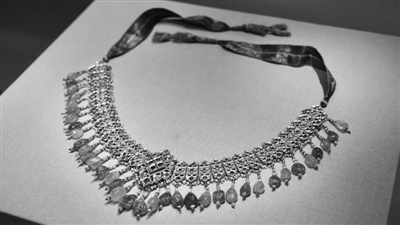
Group 1 - The exhibition titled "Jewels and Costumes on the Silk Road - 18th-20th Century Jewelry from the Russian National Museum" is a key event of the "China-Russia Cultural Year" and part of the 20th anniversary activities of the Hangzhou West Lake Museum [3][4] - A total of 209 pieces (sets) of jewelry and costumes from the 18th to 20th centuries are on display, showcasing the jewelry culture and aesthetic characteristics of nearly 40 ethnic groups in Russia [3][4] - The exhibition aims to provide a platform for domestic audiences to gain a deeper understanding of Russian culture and is expected to be a highlight of the cultural exchange activities during the "China-Russia Cultural Year" [4] Group 2 - One notable piece on display is a unique neck ornament made of gold and adorned with colorful gemstones, which was a tribute to the last Empress of Russia [4] - The exhibition will run until September 1, providing an opportunity for interested citizens to visit and explore the cultural heritage presented [5]
以侨为桥,中俄民众越走越亲(侨界关注)
Ren Min Ri Bao Hai Wai Ban· 2025-05-11 22:57
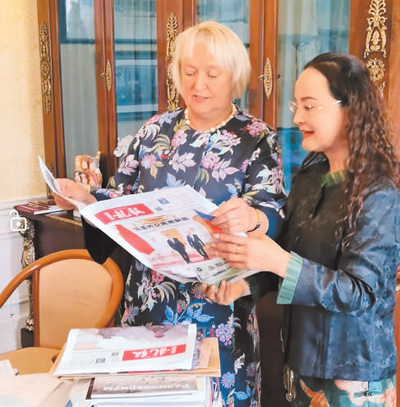
Core Points - The article highlights the strengthening of cultural ties between China and Russia, particularly through various events and initiatives that promote mutual understanding and friendship between the two nations [5][6][9]. Group 1: Cultural Exchange Initiatives - The "China-Russia Cultural Year" from 2024 to 2025 has led to a series of engaging activities that have received enthusiastic responses from the public, showcasing the friendship between the two countries [5]. - The "Joyful Spring Festival" event in Moscow during the Chinese Lunar New Year will feature a unique exhibition related to the ancient "Tea Road," emphasizing cultural elements from various regions of China [10][12]. - The "Long Road of Tea" is not only a historical trade route but also a testament to cultural dialogue, with initiatives aimed at enhancing cultural exchanges and cooperation between China and Russia [11][12]. Group 2: Media and Reporting - The Russian newspaper "Dragon News," led by Li Shuangjie, focuses on documenting the deep friendship between China and Russia, particularly through interviews with World War II veterans and special publications commemorating historical events [6][7]. - The media plays a crucial role in fostering communication and collaboration between the two nations, with efforts to cover cultural stories and promote understanding of Chinese culture among Russian audiences [6][7]. Group 3: Educational and Community Engagement - The Russian Chinese International School in Moscow actively promotes cultural exchange among students, incorporating traditional Chinese activities and celebrations into its curriculum [8][9]. - Online events connecting students from Russia and China have been organized to share New Year customs, further bridging cultural gaps and fostering friendships among the youth [9]. Group 4: Personal Stories and Contributions - Individuals like Li Shuangjie and Wu Hao are highlighted for their contributions to enhancing Sino-Russian relations through various cultural and educational initiatives, emphasizing the importance of grassroots efforts in building long-lasting friendships [7][9].
走进莫斯科孔子学院,对话俄罗斯青年
Huan Qiu Shi Bao· 2025-05-11 21:59
Core Viewpoint - The article discusses the understanding of historical events, particularly the Nanjing Massacre and the contributions of China and Russia during World War II, among Russian youth, emphasizing the importance of preserving historical truth and cultural exchange between China and Russia [1][2][3][4]. Group 1: Historical Awareness - Many students at the Confucius Institute in Moscow are aware of the Nanjing Massacre, with estimates of around 300,000 deaths during the six-week period following the Japanese invasion [2]. - Students also recognize other historical atrocities, such as the actions of Unit 731 and the "comfort women" issue, indicating a broader understanding of Japan's wartime conduct [3]. - There is concern among students regarding the distortion of historical facts and the denial of contributions made by China and Russia during World War II, with many actively countering such narratives [3][4]. Group 2: Cultural Influence - The Confucius Institute serves as a significant platform for Russian youth to engage with Chinese culture, with students expressing fascination with various aspects, including calligraphy and tea culture [5]. - Chinese pop culture, including music and films, has gained popularity among Russian youth, with artists like Jay Chou and films like "The Battle at Lake Changjin" being particularly well-received [6]. - Social media and video platforms are crucial for Russian youth to explore Chinese culture, with many expressing a desire to study in China, driven by positive perceptions of Sino-Russian relations [7].