免税经济

Search documents
免税店新政实施次月 广东新批复两家出境免税店
Nan Fang Du Shi Bao· 2025-12-10 02:09
记者从广东省财政厅获悉,免税店新政实施后,省财政厅组织各地结合实际研究口岸出境免税店设立需 求,指导各地增设一批新的口岸出境免税店,为出入境旅客创造更多的在粤消费购物场景。12月4日, 省财政厅牵头会同省商务厅、省文化和旅游厅、海关总署广东分署、国家税务总局广东省税务局等五部 门印发《关于设立部分口岸出境免税店的通知》,批复我省两家出境免税店,其中在广州市南沙邮轮母 港口岸新增设立出境免税店,提升邮轮旅客出行体验,促进粤港澳大湾区邮轮产业发展;同时,同意经 营协议即将到期的广州市白云国际机场T2航站楼出境免税店继续设立,支持口岸出入境客流较大、历 史经营情况良好的免税店稳定运营,促进出入境旅客消费。 据了解,批复后,广东省口岸进出境免税店数量增加至52家,位居全国前列,将为广大口岸通关旅客在 粤消费提供便利的购物场所,降低消费者来粤旅游购物成本,有效促进在粤出入境人数优势转化为在粤 购物的消费增量。 今年10月30日,财政部等五部委印发《关于完善免税店政策支持提振消费的通知》,首次放宽了免税店 审批权限,明确自11月1日起将设立口岸出境免税店的审批权限下放至省级财政等部门,赋予了地方政 府更多免税店管理权限, ...
免税店新政实施次月,广东新批复两家出境免税店
Nan Fang Du Shi Bao· 2025-12-10 02:05
据了解,批复后,广东省口岸进出境免税店数量增加至52家,位居全国前列,将为广大口岸通关旅客在粤 消费提供便利的购物场所,降低消费者来粤旅游购物成本,有效促进在粤出入境人数优势转化为在粤购物 的消费增量。 广东省财政厅相关负责人表示,下一步,省财政厅将继续会同省有关部门指导推动相关地市促进免税店顺 利开业运营。同时,大力支持免税店增加线上预订服务,引进广东特色品牌产品进入免税渠道、开发具有 广东特色的主题免税购物场景,增强免税经济发展活力。 南都讯 记者卢婉珊今年10月30日,财政部等五部委印发《关于完善免税店政策支持提振消费的通知》,首 次放宽了免税店审批权限,明确自11月1日起将设立口岸出境免税店的审批权限下放至省级财政等部门, 赋予了地方政府更多免税店管理权限,支持地方因地制宜整合优化免税店布局。口岸出境免税店销售的进口 商品免征关税、进口环节增值税、消费税,国产商品实行退(免)增值税、消费税。 记者从广东省财政厅获悉,免税店新政实施后,省财政厅组织各地结合实际研究口岸出境免税店设立需 求,指导各地增设一批新的口岸出境免税店,为出入境旅客创造更多的在粤消费购物场景。12月4日,省 财政厅牵头会同省商务厅、 ...


观察·国货潮品成新亮点 政策暖风创新发力激活免税经济多维活力
Yang Shi Wang· 2025-12-02 07:09
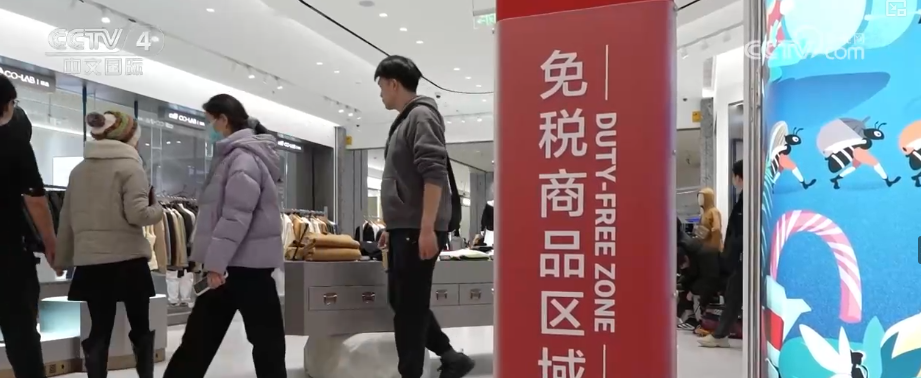
Core Viewpoint - The recent upgrade of China's duty-free shop policy, effective from November 1, aims to expand the range of products available and enhance the shopping experience for travelers, thereby boosting the duty-free economy [1] Group 1: Policy Changes - The upgraded duty-free policy broadens the scope of benefits, catering to diverse consumer shopping needs and increasing the attractiveness of duty-free shops for inbound and outbound travelers [1] - The new policy allows for more domestic products to be sold in duty-free shops, including traditional Chinese brands and cultural heritage items [8] Group 2: Store Openings and Offerings - The first city-based duty-free shop in Tianjin opened on November 28, featuring a business model that combines duty-free and taxable goods, as well as online and offline sales [5] - The duty-free shop in Xi'an incorporates local cultural elements into product design and store decoration, creating a new consumption scene [11] Group 3: Market Dynamics - The relaxation of approval processes for duty-free shops grants more autonomy in establishing and scaling operations, allowing for tailored offerings based on local market conditions [14] - The introduction of online reservation services for duty-free products enhances the shopping experience for travelers, enabling them to pre-order items based on their travel itineraries [17]
“长安开新窗” 西部机场集团开启古都免税消费新篇
Zhong Guo Min Hang Wang· 2025-11-27 03:07
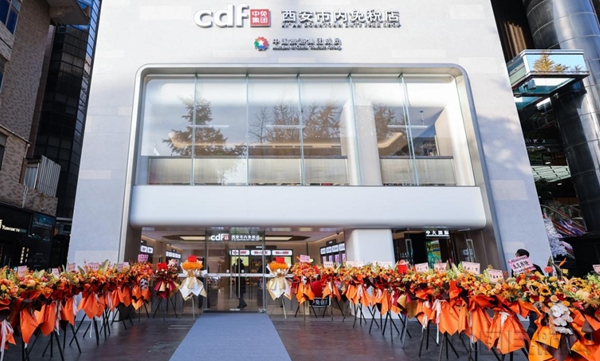
Core Insights - The first city duty-free shop in Northwest China, jointly established by China Duty Free Group and Western Airport Group, officially opened in Xi'an on November 26 [1] Group 1: Project Overview - The project is themed "Chang'an Opens a New Window, Duty-Free Delights the World," symbolizing Xi'an's step towards becoming a unique international consumption center and promoting consumption upgrades [2] - The city duty-free shop serves outbound travelers and offers flexible shopping times, immersive experiences, and deep integration into the urban core, making it a key driver for expanding domestic demand and enhancing consumption quality [2][3] Group 2: Operational Details - The Xi'an city duty-free shop spans over 2,000 square meters and features a three-level layout that combines duty-free shopping with diverse supporting services [3] - It includes five core product categories: international cosmetics, luxury bags, watches and jewelry, imported beverages, and travel electronics, with over 1,000 global brands available, offering discounts of 15%-30% compared to market prices [3] - The shop also introduces local cultural products and innovative themes, enhancing the shopping experience with professional services and a smart retail model [3] Group 3: Economic Impact - The shop is expected to attract over one million visitors annually, filling the gap in the Northwest's city duty-free market and becoming a new growth driver for urban consumption [4][5] - It aims to link duty-free shopping with major tourist attractions like the Terracotta Warriors and Big Wild Goose Pagoda, promoting longer visitor stays and transforming transit tourism into in-depth tourism [5] - The collaboration between China Duty Free Group and Western Airport Group will continue to evolve, aiming to establish the Xi'an city duty-free shop as a national benchmark project and contribute to the high-quality economic development of the region [5]

免税店政策升级 支持提振消费
Jing Ji Wang· 2025-11-05 05:31
Core Viewpoint - The recent notification from multiple government departments aims to enhance the duty-free shop policy to boost consumption, allowing domestic products to enter duty-free shops and enjoy tax exemptions starting from November 1, 2025 [1][2][3] Group 1: Policy Adjustments - The new policy allows domestic goods, including traditional brands and local specialties, to be sold in duty-free shops, providing a price advantage of 15% to 20% for consumers [1][2] - Duty-free shops must allocate at least 25% of their sales area to domestic products and enhance the promotion of these products to increase their market presence [2][3] Group 2: Management and Approval Changes - The approval process for establishing and operating duty-free shops has been decentralized, allowing provincial authorities to manage approvals instead of central government agencies [4] - The management area for duty-free shops can now be negotiated between the operator and the port owner, allowing for more flexibility based on actual business conditions [4] Group 3: Product Range Expansion - The policy expands the range of products available in duty-free shops to include high-demand items such as mobile phones, drones, and pet food, reflecting current consumer trends [5][6] - The introduction of a "pre-order" service and a "city store pick-up" model enhances consumer convenience, allowing for a more seamless shopping experience [6] Group 4: Economic Impact - The combination of tax optimization, product expansion, and service upgrades is expected to stimulate the duty-free economy and support the development of a new economic structure [6]
免税店迎来“全方位升级” 扩品类强国货激发市场新活力
Chang Jiang Shang Bao· 2025-11-02 23:13
Core Viewpoint - The new duty-free shop policy, effective from November 1, aims to enhance consumer spending, attract foreign visitors, and promote the return of overseas consumption by expanding product categories and optimizing management processes [1] Group 1: Policy Overview - The policy adjustment includes four main aspects: optimizing domestic tax refund policies, expanding product categories in duty-free shops, relaxing approval permissions, and improving facilitation and regulatory measures [1] - The policy is designed to stimulate consumption and support the healthy development of the duty-free retail business, thereby unlocking domestic consumption potential and fostering new growth points [1] Group 2: Expanded Product Categories - The new policy significantly broadens the range of products available in duty-free shops, allowing for the sale of domestic goods alongside global brands [2] - New product categories include mobile phones, micro-drones, sports goods, health foods, over-the-counter drugs, and pet food, reflecting current consumer trends and preferences [2][3] - The inclusion of these products aims to meet the diverse needs of consumers and supports local high-tech industries [3] Group 3: Enhanced Consumer Experience - The relaxation of approval processes is a key measure to invigorate market activity, allowing provincial governments to approve the establishment of outbound duty-free shops [4] - The management structure has been reformed to allow for more flexible determination of operating entities, promoting local government engagement in developing the duty-free economy [4] - The policy encourages the creation of unique shopping experiences that reflect local culture and tourism, transforming duty-free shops into attractive destinations for inbound consumption [4] Group 4: Innovative Service Models - The policy introduces two new service models: online reservation services and a "city reservation, inbound pickup" model, enhancing consumer convenience [5] - These innovations address common pain points related to carrying luggage and purchasing items for international travel, allowing consumers to select products in city stores and pick them up upon arrival [6]
免税经济新战场:谁在定义“购物+旅游”的未来?
Sou Hu Cai Jing· 2025-10-16 12:31
Core Insights - The integration of duty-free economy and cultural tourism is becoming a new driving force for activating consumption potential and promoting industrial upgrades in China [1][2][3] - The shift from policy-driven growth to endogenous growth dynamics is a key challenge for sustainable development in this sector [1] Group 1: Economic Context - The duty-free economy and cultural tourism are deeply intertwined, reflecting a significant trend of consumption upgrade from basic needs to quality, personalized, and emotional consumption [2] - Duty-free shopping is facilitating the return of high-end overseas consumption, while cultural tourism adds new cultural and emotional value to shopping experiences [2] - The experience economy is exemplified by duty-free shopping as a core component of tourism retail complexes, enhancing consumer engagement and extending the consumption chain [2] Group 2: Regional Practices - Hainan serves as a model for the integration of duty-free shopping and tourism, with significant sales growth since the implementation of the new duty-free policy in July 2020 [3][5] - The "duty-free +" model in Hainan incorporates shopping into travel itineraries, transforming the region from a "shopping paradise" to a "tourism consumption destination" [3] Group 3: Urban Development - Major cities like Beijing, Shanghai, and Guangzhou are establishing city-based duty-free stores, which cater to both domestic and international travelers, enhancing urban tourism [5] - The Guangzhou North Station's duty-free complex aims to become a cultural and leisure commercial center, integrating duty-free economy with urban development strategies [5] Group 4: Challenges and Opportunities - The industry faces challenges such as homogenization of products and cultural experiences, leading to superficial engagement from consumers [6] - There is a risk of imbalance between shopping and cultural tourism experiences, with consumers potentially focusing too much on shopping [6] - The reliance on tax incentives poses a challenge for market resilience, necessitating improvements in service quality and supply chain management [6] Group 5: Future Directions - The industry should aim to create a multiplier effect by embedding duty-free shopping within cultural contexts, such as setting up boutique duty-free stores in historical districts [7] - Optimizing product offerings to highlight local characteristics and encouraging domestic brands to enter duty-free channels can enhance the appeal [7] - Policy innovations are needed to promote regional coordination and development, particularly in underrepresented areas [7]
研报掘金丨国泰海通:维持中国中免“增持”评级,目标价81.6元
Ge Long Hui· 2025-10-14 09:35
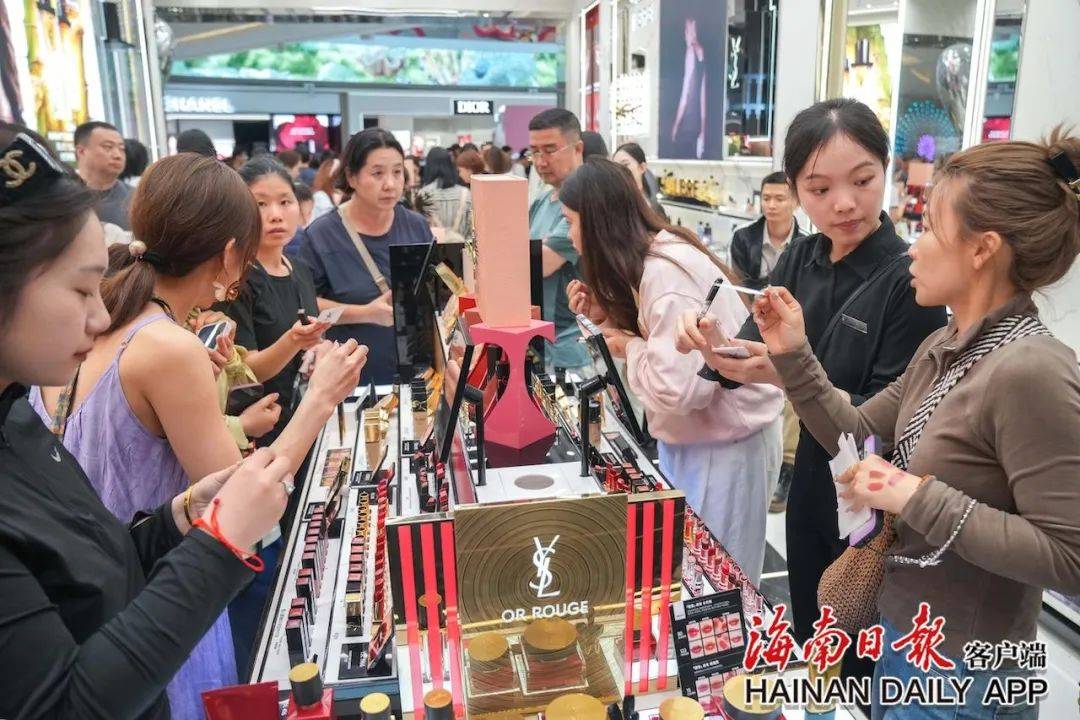
国泰海通证券日前研报指出,中国中免2025年国庆中秋假期离岛免税表现较好,市内免税店逐步落地, 中长期有望贡献业绩增量。国庆中秋假期海南消费市场人气旺活力足,中免汇聚"首店+首发"吸引消费 客群。根据海南省新闻办,2025年中秋国庆假期预计进出海南岛客流总量预计184.25万人次,日均客流 量同比增长6.28%。2025年8月26日,中免集团、深圳免税集团、深业集团联合打造的深圳市内免税 店,在福田区深业上城开业。项目位于福田区核心商圈深业上城L1层,占地近3000平方米,整体空间 布局分为免税商品区和有税商品区。免税商品整体较有税专柜普遍低11%-25%,离境退税商品可享约 9%退税额度。同日,由中免集团、广百股份、岭南控股、白云机场联手打造的广州市内免税店开业。 参考同行业可比公司估值,给予2025年40倍PE,给予目标价81.6元,维持"增持"评级。 ...

“中国游”带动“中国购”效应凸显 入境消费潜力持续释放
Yang Shi Wang· 2025-10-09 09:06
Summary of Key Points Core Viewpoint - The National Immigration Administration reported a significant increase in inbound and outbound travel during the National Day and Mid-Autumn Festival holiday, indicating a recovery in the tourism sector and a growing trend in international travel. Group 1: Overall Travel Statistics - A total of 16.34 million inbound and outbound trips were recorded nationwide during the holiday, averaging 2.04 million trips per day, which is an 11.5% increase compared to the same period last year [1] - The peak day for travel was October 4, with 2.35 million trips [1] Group 2: Foreign Visitors - Foreign visitors accounted for 1.43 million trips, marking a 21.6% increase year-on-year; 751,000 of these were inbound visitors, with 535,000 entering under visa exemption policies, reflecting increases of 19.8% and 46.8% respectively [3] - The total number of transportation vehicles checked for entry and exit was 744,000, up 11% from last year [3] Group 3: Regional Highlights - In Beijing, over 500,000 trips were recorded, with a flight increase of 11.7% [4] - Hainan saw a 15.1% increase in travel, with 55,100 trips, supported by visa-free policies for citizens from 59 countries [7][9] - Zhuhai reported over 5.4 million trips, a 7% increase, with significant traffic through the Hong Kong-Zhuhai-Macao Bridge [10][12] - Shanghai experienced record highs with 5879 flights and 914,000 travelers, reflecting increases of 10.6% and 19.4% respectively [13][15] Group 4: Economic Impact - Inbound tourism in Beijing generated 1.23 billion yuan in spending, a 54.1% increase, with retail sales in duty-free shops exceeding 22 million yuan, more than doubling year-on-year [6] - Guangzhou's duty-free sales reached 315 million yuan during the holiday, with a 16% increase in sales value for the first three quarters of the year [20][21]
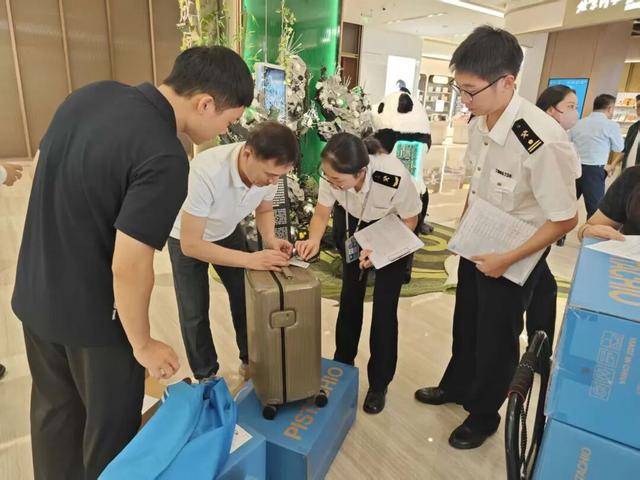
成都市内免税店明日开业!4535件商品已入库,包包手表化妆品都有→
Sou Hu Cai Jing· 2025-09-24 10:46
Core Points - Chengdu Customs announced the completion of the first batch of duty-free goods for Sichuan's first city duty-free store on September 23 [1][3] - The duty-free store, located in the core business district of Jinjiang District, Chengdu, has a total operating area of 3,140 square meters, with a duty-free area of 687 square meters, making it the largest in the country and the most comprehensive in Southwest China [1][3] - The first batch of duty-free goods includes 1,155 items and 4,535 pieces, primarily consisting of bags, watches, cosmetics, and alcoholic beverages, with tax reductions ranging from 10% to 30% [1][3] Industry Impact - The establishment of the first city duty-free store in Sichuan is supported by five departments, including the Ministry of Finance and the Ministry of Commerce, and is set to open on September 25 [3] - The store will provide "in-city selection and port pickup" services for domestic and foreign tourists holding valid exit-entry documents who are departing from Chengdu within 60 days [3] - Chengdu Customs emphasized that supporting the establishment of the city duty-free store is a significant measure to enhance Sichuan's high-level opening-up, catering to diverse consumer needs and promoting the development of the duty-free economy in Chengdu [3]