
农业转移人口市民化

Search documents
中国国土经济学会理事长:都市圈、城市群的范围并非越大越好
21世纪经济报道· 2025-10-22 09:15
Core Viewpoint - The article emphasizes the transition of urbanization in China from rapid growth to stable development, focusing on improving the quality of urbanization and the integration of agricultural transfer populations into cities as a key task for the "15th Five-Year Plan" period [1][6][8]. Urbanization and Development - By the end of 2024, China's urbanization rate is expected to reach 67%, indicating that 940 million people will live in urban areas, with a steady improvement in urban carrying capacity [1]. - The shift in urban development is moving from large-scale expansion to enhancing existing urban quality and efficiency [1][6]. Agricultural Transfer Population - The primary task of the new urbanization strategy is to promote the urbanization of agricultural transfer populations, focusing on equal access to public services rather than merely resolving household registration issues [5][9]. - Current challenges include the disparity in public services and social welfare for agricultural transfer populations, leading to difficulties in their integration into urban life [8][9]. Urban Agglomeration and City Group Development - The size of urban agglomerations and city groups should be determined by the connections between cities and their radiation capabilities, rather than aiming for larger sizes [2][14]. - The implementation of approved urban agglomeration plans is crucial, with an emphasis on establishing regional cooperation mechanisms [2][16]. Regional Coordination and Quality Development - The core of regional coordinated development remains consistent, focusing on reducing disparities in GDP, living standards, and public services across regions [6][7]. - The "15th Five-Year Plan" will continue to prioritize high-quality regional development through strategies like urbanization and regional major strategies [6][7]. Urban Structure and Function - The article discusses the need for a balanced development structure among large, medium, and small cities, addressing the "core siphon" effect where large cities attract resources at the expense of surrounding areas [12][13]. - A focus on optimizing spatial layouts and defining the functional roles of different cities is essential for promoting coordinated development [16][17]. Urban Renewal and Infrastructure - Urban renewal is highlighted as a critical aspect of improving urban quality, with plans for upgrading old infrastructure and enhancing living conditions [17][18]. - The article suggests that urban renewal should be guided by planning and address funding challenges to ensure successful implementation [18].

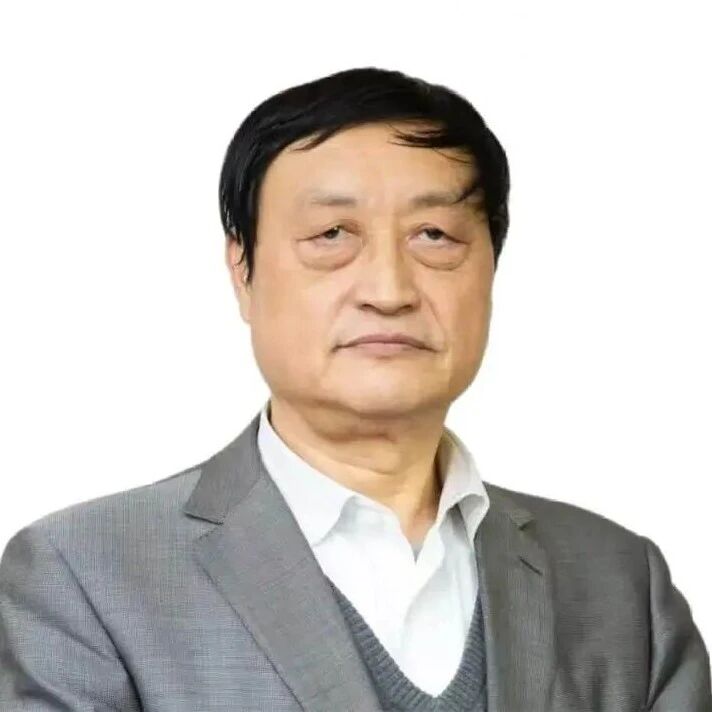
21专访|肖金成:都市圈、城市群的范围并非越大越好
2 1 Shi Ji Jing Ji Bao Dao· 2025-10-21 12:25
Core Viewpoint - The 20th Central Committee of the Communist Party of China is set to review the suggestions for the 15th Five-Year Plan, aiming to outline the blueprint for China's development over the next five years, with a focus on urbanization and regional development [1] Urbanization and Regional Development - During the 14th Five-Year Plan, significant achievements were made in urban construction and regional development, with the urbanization rate expected to reach 67% by the end of 2024, translating to approximately 940 million people living in urban areas [1] - The current phase of urbanization is shifting from rapid growth to stable development, emphasizing quality improvement over quantity expansion [1][3] Key Focus Areas for the 15th Five-Year Plan - The primary task of the new urbanization strategy is to promote the urbanization of the agricultural transfer population, focusing on equal access to public services rather than merely resolving household registration issues [3][7] - The development of metropolitan areas and urban clusters should be based on the connections between cities and their radiating capabilities, with an emphasis on implementing approved metropolitan area plans [3][9] Regional Coordination and Development Strategies - The core of regional coordination development remains consistent, focusing on reducing disparities in GDP per capita, living standards, and public services across regions [3][4] - The new urbanization strategy emphasizes improving the quality of urbanization and enhancing the living conditions of the agricultural transfer population, moving towards a more human-centered approach [4][5] Challenges in Urbanization - The agricultural transfer population faces significant barriers to full integration into urban life, particularly in accessing education, social security, and housing, leading to a situation where it is easier to move to cities than to fully integrate [5][7] - The misconception that household registration is the primary issue in urbanization has led to challenges in providing adequate public services to the agricultural transfer population [6][7] Urban Development Trends - The trend of increasing population movement from rural to urban areas is shifting towards inter-city migration, which should be addressed within the framework of the main functional area strategy rather than the new urbanization strategy [5][8] - The phenomenon of large cities growing larger creates pressure on urban management and exacerbates disparities with surrounding smaller cities, necessitating a shift from a siphoning effect to a radiating effect [8][9] Recommendations for Future Development - To promote coordinated development among large, medium, and small cities, it is essential to enhance transportation networks and establish regional cooperation mechanisms [9][10] - The government and market must collaborate to address the practical issues of metropolitan area planning, including funding and implementation [9][11] Land System Reform - The land system reform during the 14th Five-Year Plan has made progress, particularly in the area of rural land rights, but challenges remain in the pricing and transfer of land use rights [12][13] - Future reforms should focus on the integration of land use rights and the promotion of urban-rural integration, particularly in small towns [14][15] Urban Renewal Initiatives - The focus for urban development is shifting towards high-quality urban renewal, which includes improving living conditions and addressing infrastructure issues [16] - Key actions for urban renewal in the 15th Five-Year Plan should include developing specific urban renewal plans and addressing funding challenges [16]
中共中央、国务院:适时调整扩大经济规模大、人口增长快的县级市和特大镇经济社会管理权限
Xin Hua She· 2025-08-28 16:18
Core Viewpoint - The Central Committee of the Communist Party of China and the State Council have issued opinions on promoting high-quality urban development, emphasizing the enhancement of the capacity of small and medium-sized cities and county towns [1] Group 1: Urban Development Strategies - The document advocates for the dynamic optimization of infrastructure layout and public service supply in small and medium-sized cities based on changes in resident population trends [1] - It calls for a classified approach to urbanization construction, with a focus on counties as important carriers, and encourages the vigorous development of county economies [1] - There is a recommendation to develop small towns according to local conditions and to adjust the economic and social management authority of rapidly growing county-level cities and large towns [1] Group 2: Population and Resource Management - The opinions support the transformation and development of cities experiencing continuous population outflow and resource-based cities [1] - It emphasizes the need for border towns to enhance their capabilities in stabilizing borders, population aggregation, and ensuring safety [1] Group 3: Infrastructure and Public Services - The document highlights the importance of coordinated planning for urban and rural infrastructure and public service systems to promote urban-rural integration [1] - It also stresses the ongoing promotion of the urbanization of the agricultural transfer population [1]
国家发改委:高质量开展城市更新 深化农业转移人口市民化
Di Yi Cai Jing· 2025-07-31 11:21
Group 1 - The National Development and Reform Commission held a meeting to report on the development and reform situation for the first half of 2025, emphasizing the need for comprehensive promotion of coordinated regional and urban-rural development [1] - The meeting highlighted the importance of implementing regional coordinated development strategies and conducting high-quality urban renewal [1] - It also focused on deepening the urbanization of agricultural transfer populations and promoting comprehensive rural revitalization [1]
国家发改委:深化农业转移人口市民化,推进乡村全面振兴
news flash· 2025-07-31 11:19
Core Viewpoint - The National Development and Reform Commission (NDRC) emphasizes the importance of promoting coordinated regional and urban-rural development, implementing regional coordination strategies, and enhancing urban renewal efforts [1] Group 1: Regional Development - The NDRC is committed to advancing regional and urban-rural coordination [1] - The strategy includes a focus on high-quality urban renewal initiatives [1] - There is an emphasis on deepening the urbanization of agricultural transfer populations [1] Group 2: Rural Revitalization - The NDRC aims to promote comprehensive rural revitalization [1]
近十年城镇常住人口增1.7亿, “十五五”城镇化有哪些重点
Di Yi Cai Jing· 2025-07-24 12:51
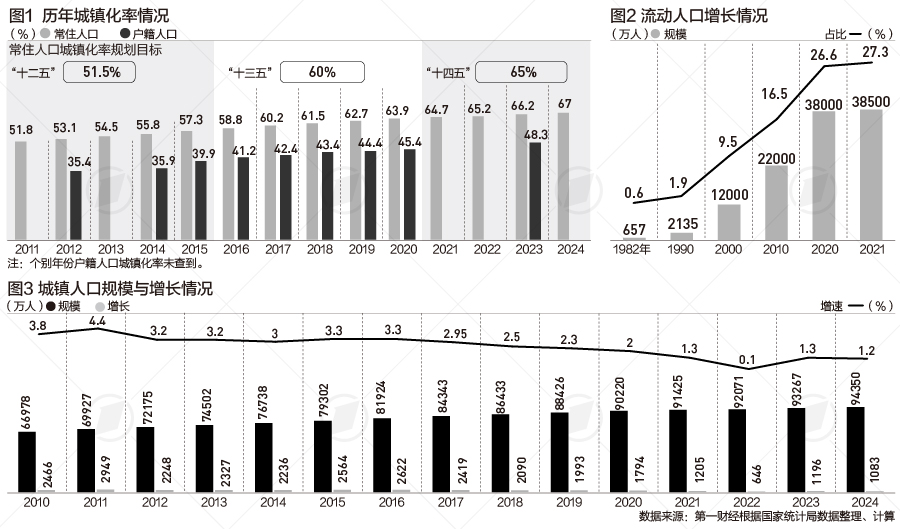
Core Insights - China's urbanization is transitioning from a rapid growth phase to a stable development phase, with a focus on improving existing urban areas rather than expanding them [1][3] - The urban population is projected to grow from 770 million in 2014 to 940 million by 2024, with a slower growth rate in the latter half of the decade [1][3] - The urbanization rate has increased from 55.8% in 2014 to 67% in 2024, with an average annual increase of 1.1 percentage points [1][3] Urbanization Rate Implications - The current urbanization rate of 67% indicates a shift from high-speed growth to a more stable phase, with expectations of reaching 80% by 2050 [2][3] - Historical data shows that countries typically maintain growth for several years after surpassing a 65% urbanization rate, suggesting potential for continued urbanization in China [2][3] Future Projections - Urbanization speed is expected to decline to an average increase of 0.70 percentage points per year before 2035, yet this remains above the global average [3][9] - Approximately 10 million rural residents are anticipated to migrate to urban areas annually during this period [3][9] Economic Impact - A 1 percentage point increase in urbanization rate can generate over 200 billion yuan in consumer demand and drive trillions in new investment [3][9] - Urbanization is linked to job creation, investment stimulation, and the expansion of domestic demand [3][9] Policy and Strategic Initiatives - The "Five-Year Action Plan" aims to enhance the integration of rural migrants into urban settings and improve public service accessibility [4][9] - Key actions include promoting urbanization in potential areas, developing modern urban clusters, and enhancing urban resilience [9] Challenges and Considerations - There is a significant gap between the registered urban population and the actual urban population, with a difference of about 18 percentage points [8] - The aging rural population and the hollowing out of villages are emerging challenges that require strategic resource allocation and village layout optimization [9]
中金:从重“显绩”到重“潜绩”——中央城市工作会议精神学习
中金点睛· 2025-07-23 23:29
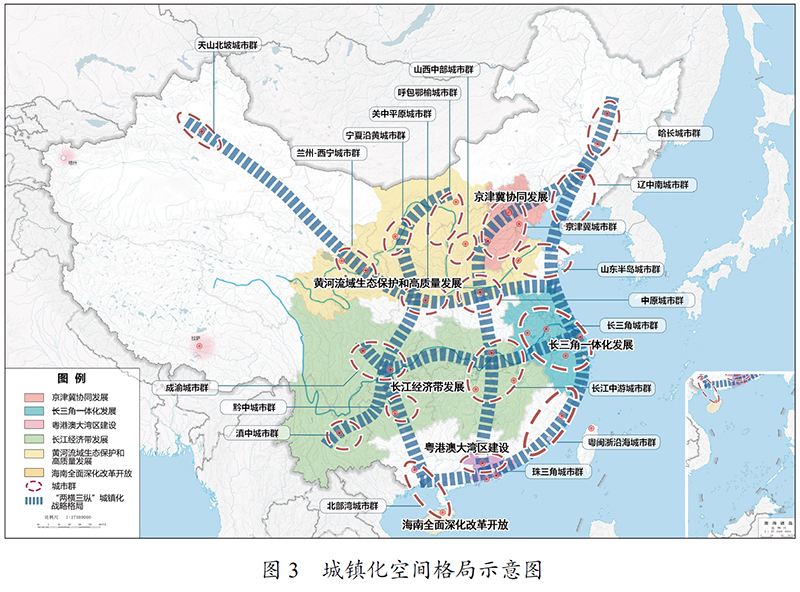
Core Viewpoint - The central urban work conference emphasizes a shift in urban development from extensive expansion to intensive improvement, marking a new logical starting point for understanding urban development [1][3]. Group 1: Urban Development Transition - Urbanization is transitioning from a rapid growth phase to a stable development phase, focusing on quality improvement of existing urban stock rather than large-scale expansion [4][5]. - The overall requirement for urban work is to build modern, innovative, livable, resilient, beautiful, civilized, and smart cities, with a focus on high-quality urban development [3][4]. Group 2: Urban Renewal - Urban renewal is identified as a major battlefield in the second half of urbanization, with significant demand potential and a shift from "demolition and reconstruction" to "retain and improve" [12][14]. - The goal of urban renewal is to create livable, beautiful, resilient, and smart cities, addressing not only physical space but also public service enhancement and community governance innovation [13][14]. Group 3: Urbanization Patterns - The conference highlights the development of group-style, networked urban clusters and metropolitan areas, alongside the classification of county-level urbanization [16][17]. - Urban clusters are seen as key engines for regional economic development, with 19 urban clusters housing over 70% of the population and contributing over 80% of GDP [17][20]. Group 4: Population Urbanization - The conference stresses the importance of promoting the urbanization of agricultural transfer populations, ensuring they can find employment, settle down, and enjoy a good quality of life [25][26]. - Urbanization can increase labor supply, boost consumption and investment demand, and enhance overall labor productivity [26][27]. Group 5: Development of Service Industry - The conference calls for the vigorous development of the service industry to improve public service levels and ensure the basic livelihood of the population [30][31]. - The service industry is crucial for driving population mobility and is expected to benefit from reduced barriers to migration to large cities, enhancing overall economic structure [30][31].

内外需天平如何倾斜?
2025-07-21 00:32
Summary of Key Points from Conference Call Records Industry Overview - The records primarily discuss the Chinese economy, focusing on GDP growth, internal and external demand, and government policies impacting economic development [1][2][3][23]. Core Insights and Arguments 1. **GDP Growth**: In Q2, China's GDP grew by 5.2%, with a nominal GDP growth rate slowing to 3.9%, indicating price pressures and declining industrial capacity utilization [1][3]. 2. **Internal Demand Trends**: Both consumption and fixed asset investment are on a downward trend, with June retail sales growth dropping to 4.8% from 6.4% in May, and fixed asset investment growth falling to 2.8% [1][4][5]. 3. **Government Role**: The government plays a crucial role in economic development, with significant investment in equipment and tools, and broad infrastructure growth at 8.9% [1][6]. 4. **External Demand Dynamics**: Despite increased tariffs from the U.S., China's exports maintained high growth, with Q2 export growth reaching 7.5%, attributed to currency fluctuations and export diversion strategies [1][7][8]. 5. **Policy Focus for H2**: The economic outlook for the second half of the year anticipates increased pressure on internal demand, with policy expectations centered on real estate and consumption [1][10][23]. Additional Important Content 1. **Urban Development**: The Central Urban Work Conference emphasized stable development, human-centered policies, and high-quality growth, shifting focus from expansion to improving existing urban areas [1][9]. 2. **Real Estate Investment Issues**: Real estate investment is facing accelerated decline, with slow implementation of related policies and limited new investment in affordable housing [1][11][15][16]. 3. **Consumer Subsidy Impact**: The national subsidy program has seen a temporary halt in some areas due to rapid fund usage, affecting consumer spending in sectors like home appliances [1][17][18]. 4. **U.S. Import Trends**: U.S. import growth is expected to slow down, which may negatively impact China's export performance in the latter half of the year [1][19][20][23]. 5. **Stock and Bond Market Outlook**: The outlook for stocks remains positive for dividend assets, while bond yields are expected to remain low. The dollar index is projected to rebound in Q3, putting pressure on the RMB [1][25]. This summary encapsulates the essential points from the conference call records, highlighting the current economic landscape, government interventions, and future expectations for the Chinese economy.
时隔十年,最高规格会议定调新一轮城市发展
Mei Ri Jing Ji Xin Wen· 2025-07-15 14:50
Group 1 - The central urban work conference held on July 14-15 in Beijing emphasizes the need for urban structure optimization, energy transformation, quality improvement, green transition, cultural continuity, and governance efficiency, while ensuring urban safety [1] - The upcoming "15th Five-Year Plan" is seen as a critical period for advancing Chinese-style modernization, with urban policies impacting over 1.4 billion people [1] - The conference reflects on the previous urban development reforms initiated in 2015, which have gradually been realized in daily life, raising expectations for achieving "human modernization" [1] Group 2 - The "19+2" urban cluster distribution pattern was established to facilitate coordinated regional development, recognizing that not all land is suitable for large-scale human habitation and development [2][3] - The emergence of "urban agglomerations" aims to address the challenges faced by over 690 cities with varying development conditions, promoting collaborative growth rather than isolated expansion [3] Group 3 - The concept of "multi-regulation integration" has gained traction, aiming to unify various spatial planning types to avoid overlapping and chaotic development, thus enhancing urban planning efficiency [8][13] - The shift from extensive urban expansion to quality improvement and structural adjustment is highlighted as a necessary transition in the current "stock era" [27] Group 4 - The focus on innovation as a primary driver for urban development is reiterated, with an emphasis on cultivating a vibrant innovation ecosystem to enhance new productive forces [20] - The need for cities to adapt to demographic changes, such as aging populations and declining birth rates, is underscored, with many cities competing to attract talent [21][26] Group 5 - The importance of urban resilience in the face of climate change and natural disasters is emphasized, with the goal of creating cities that can quickly recover from ecological disruptions [32] - The necessity for sustainable fiscal sources is highlighted, as reliance on land finance is deemed unsustainable in the long term, prompting a need for structural transformation in revenue generation [33]

中央城市工作会议:继续推进农业转移人口市民化
news flash· 2025-07-15 04:12
Core Viewpoint - The Central Urban Work Conference held in Beijing emphasizes the need to optimize the modern urban system to enhance the comprehensive carrying capacity of cities for population and socio-economic development [1] Group 1: Urban Development Strategy - The conference focuses on developing group-style and networked modern urban clusters and metropolitan areas [1] - It advocates for a categorized approach to urbanization, with county towns as important carriers [1] - The initiative aims to continue the urbanization of the agricultural transfer population [1] Group 2: Coordination and Integration - The meeting promotes coordinated development among large, medium, and small cities, as well as small towns [1] - It emphasizes the importance of urban-rural integration development [1]