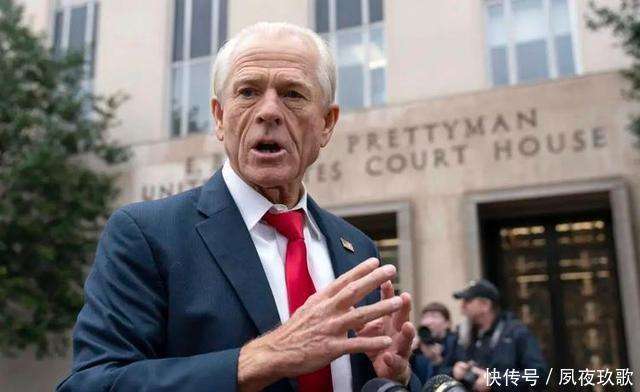
双重标准

Search documents
莫迪妥协,俄要求石油交易人民币结算,扣押中企50亿何时归还?
Sou Hu Cai Jing· 2025-10-12 02:58
Core Insights - India has agreed to settle oil transactions with Russia in RMB, a significant shift from its previous stance, driven by practical needs and cost-saving measures [1][4][6] - Concurrently, India has frozen approximately 5 billion RMB of funds belonging to Chinese companies, raising questions about the timing and implications of this action [1][11][12] Group 1: Acceptance of RMB Settlement - India's acceptance of RMB for oil transactions is not voluntary but a necessity due to the high volume of oil imports from Russia, which accounts for 35% to 40% of its total oil imports [4][6] - The cost advantage of Russian oil, priced 8 to 10 USD lower per barrel than international prices, makes RMB settlement a pragmatic choice for India [4][6] - Previous attempts to use USD or UAE Dirham were thwarted by potential US tariffs, forcing India to consider RMB as the only viable option [4][6][7] Group 2: Freezing of Chinese Funds - The freezing of 5 billion RMB in assets belonging to Xiaomi stems from allegations of illegal fund transfers, significantly impacting Xiaomi's profitability in India [11][12] - The prolonged legal battle, with the Delhi court rejecting Xiaomi's appeal, suggests a strategy of delay by India to compel concessions from Chinese companies [12][18] - India's demands for Xiaomi to localize operations and management reflect a protectionist approach aimed at benefiting domestic interests [12][18] Group 3: Contradictory Approaches - The contrasting actions of accepting RMB for oil while freezing Chinese funds illustrate India's dual standards in international dealings, prioritizing immediate economic benefits over long-term credibility [17][18] - While India benefits from cheaper oil and potential concessions from Chinese firms, this approach risks damaging its reputation among foreign investors [18][24] - The need for India to balance short-term gains with long-term trustworthiness in the global market is critical for attracting foreign investment [22][24]

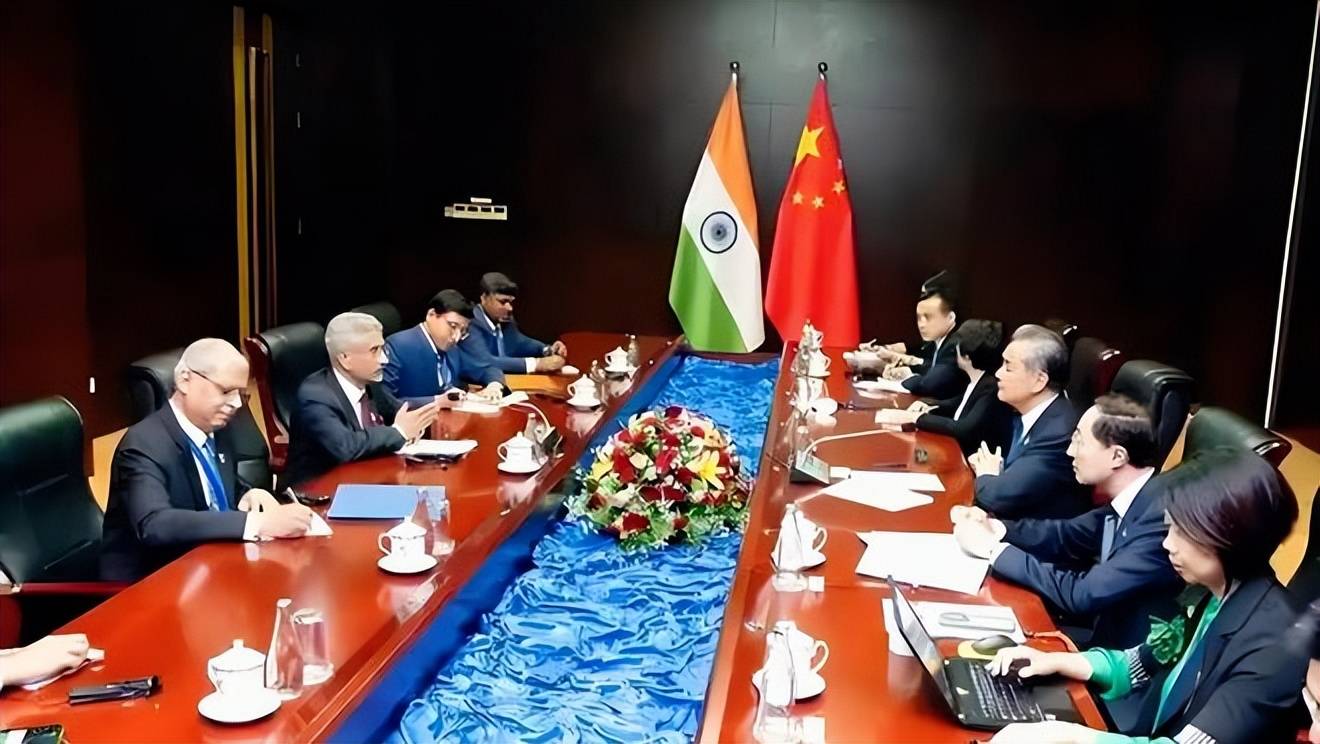
美国霸权也没用,印度无视美国施压,拒在俄乌间站队
Sou Hu Cai Jing· 2025-10-10 04:14
Core Viewpoint - The article discusses India's steadfastness in continuing to import oil from Russia despite U.S. sanctions and tariffs, highlighting the geopolitical and economic implications of this decision. Group 1: U.S. Sanctions and India's Response - The U.S. has imposed sanctions on Russia's energy sector and pressured other countries to reduce oil imports from Russia, aiming to weaken Russia's financial resources [1][6] - India has not only maintained but increased its oil imports from Russia, making it the largest supplier of crude oil to India, accounting for 34% of its total imports [8][13] - Indian Foreign Minister S. Jaishankar criticized the U.S. for its 25% punitive tariffs on Indian imports and described the U.S. actions as unfair and unreasonable [3][6] Group 2: Importance of Energy Security for India - Energy supply stability is crucial for India's economic growth and social stability, especially amid global oil price volatility [5] - The competitive pricing and stable supply of Russian oil are significant factors for India, as abandoning this source could lead to energy shortages and inflation [5][13] - India's energy procurement strategy is driven by national interest, prioritizing energy security over external pressures [8][13] Group 3: Criticism of Double Standards - India has criticized the U.S. for its double standards in energy sanctions, noting that many Western countries continue to import Russian oil while pressuring India to stop [6][10] - Jaishankar pointed out the inconsistency in how developed countries handle energy and resource acquisition compared to developing nations [11] Group 4: Future Outlook - The ongoing geopolitical tensions between the U.S. and India may persist, but India's commitment to an independent foreign policy and energy procurement strategy is expected to remain unchanged [15]
印度硬刚美国,苏杰生怼美:25%关税不怕,34%俄油进口决不减!
Sou Hu Cai Jing· 2025-10-09 19:25
Core Viewpoint - The article discusses India's strategic response to U.S. tariffs and pressure regarding its oil imports from Russia, highlighting India's reliance on Russian oil and its broader geopolitical maneuvering in the face of American economic policies [3][5][11]. Group 1: U.S. Tariffs and India's Response - The U.S. imposed a 25% tariff on Indian goods due to stalled trade agreements and an additional 25% tariff citing India's purchase of Russian oil, leading to some Indian products facing tax rates as high as 50% [3][5]. - In retaliation, India announced tariffs of up to 150% on 28 categories of U.S. imports, including agricultural and chemical products, and initiated a $2.7 billion export subsidy plan [11][15]. - India's external trade with the U.S. is relatively low, constituting only 4.2% of its GDP, which provides it with leverage to resist U.S. pressure [15]. Group 2: Energy Security and Economic Implications - India imports a significant amount of oil from Russia, with the share rising from 2% before the Ukraine conflict to 34% by September 2025, equating to a daily supply of 1.6 million barrels [7][9]. - The price advantage of Russian oil, which is $89 cheaper per ton compared to Middle Eastern oil, has saved India approximately $5 billion in foreign exchange in the 2022 fiscal year [9]. - India's dependence on oil imports is high at 85%, making the energy security chain critical, and switching suppliers could lead to increased domestic inflation and significant costs [9][11]. Group 3: Geopolitical Maneuvering - India has extended its long-term contracts with Russia for oil until 2035, benefiting from discounts and the ability to settle transactions in local currency to avoid sanctions [13]. - The country has also positioned itself as a "middleman" by refining Russian oil and selling it to Western markets, becoming the second-largest exporter of refined oil products in 2023, generating around $16 billion in profits [13]. - India's stance has garnered support from other developing nations, as seen in a joint statement with Brazil and South Africa opposing unilateral sanctions at the G20 foreign ministers' meeting [15].
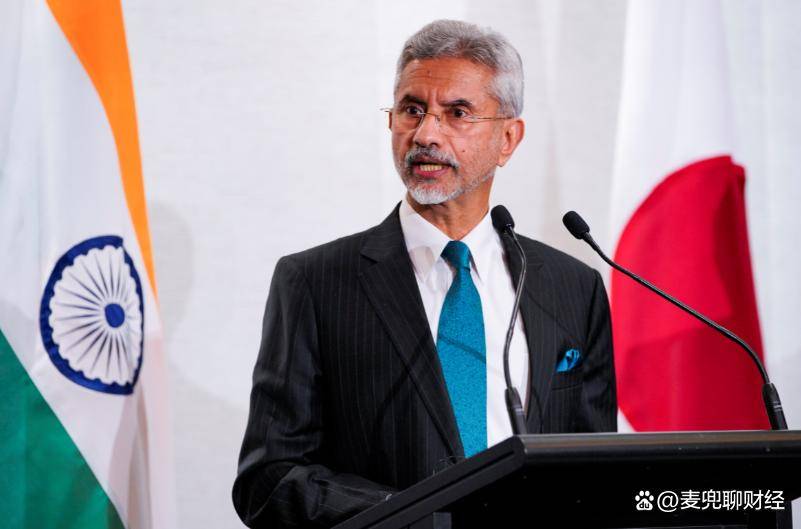
深夜特讯!美国禁止他国买俄能源,普京罕见引用谚语回应,引爆国际舆论
Sou Hu Cai Jing· 2025-10-03 12:47
Core Viewpoint - The article highlights the hypocrisy in international energy policies, particularly focusing on the U.S. stance of imposing sanctions on Russian energy while simultaneously importing Russian uranium, as illustrated by Putin's reference to an ancient Roman proverb [1][3][5]. Group 1: U.S. Energy Policy - The U.S. energy policy is criticized for its double standards, where it attempts to block energy flows from Russia while benefiting from them through indirect means [3][5]. - The article points out that the U.S. government’s sanctions against Russia are undermined by American companies continuing to purchase Russian uranium through third parties, revealing a deeper hypocrisy [5][7]. Group 2: International Relations - Putin's use of the proverb serves as a cultural critique of Western policies, emphasizing that international relations are driven by interests rather than permanent enmities [3][9]. - The article notes that the perception of fairness in international order is challenged, particularly when developed countries consume significantly more energy than developing nations, highlighting structural injustices [7][9]. Group 3: Global Reactions - The international community's response to U.S. energy policies is mixed, with some countries publicly supporting the U.S. while privately negotiating with Russia for energy cooperation [5][7]. - The article suggests that the dynamics of energy markets are shifting, with emerging markets increasingly questioning U.S. policies and exploring alternative energy transaction methods, potentially undermining the dollar's dominance [7][9].
十月一日希腊罢工潮,欧洲愤怒了
Sou Hu Cai Jing· 2025-10-02 21:23
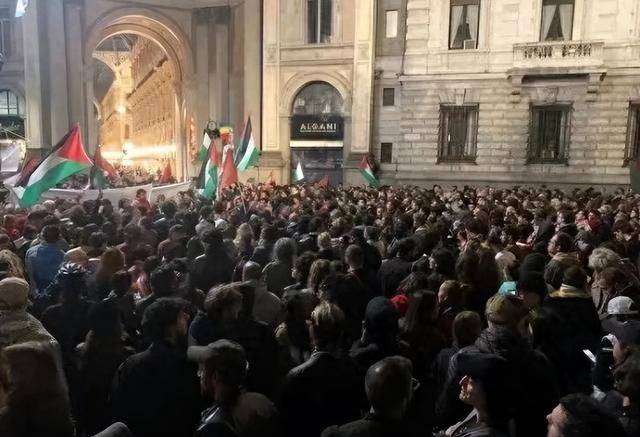
Core Viewpoint - The protests across Europe on October 1 were sparked by Israel's attack on the "Global Solidarity" aid fleet heading to Gaza, highlighting widespread public outrage against perceived injustices and double standards in international responses to the Gaza crisis [1][3][15] Group 1: Protests and Public Sentiment - Major cities in Europe, including Athens, Berlin, Paris, Barcelona, and Brussels, saw large crowds protesting against Israel's actions, with significant participation in Italy from cities like Milan and Naples [3][10] - The protests were characterized by high emotions, with demonstrators calling for a complete shutdown of various sectors in Italy, leading to clashes with police and arrests [10][12] - The anger quickly spread across Europe, with protests in London, Paris, Berlin, and other cities, prompting political leaders like French President Macron to reconsider their support for Israel [10][12] Group 2: The Aid Fleet and Its Mission - The "Global Solidarity" fleet consisted of 50 civilian ships carrying over 500 volunteers from more than 40 countries, including notable figures like Greta Thunberg, aiming to deliver essential supplies to Gaza [5][7] - The mission faced severe challenges, including threats from Israeli forces, who attempted to disrupt communications and ultimately boarded some vessels, leading to damage but no fatalities [7][9] Group 3: Political Reactions and Criticism - The Italian government initially promised naval protection for the aid fleet but later withdrew support, leading to public outrage against perceived governmental cowardice [12] - The Israeli government attempted to discredit the aid fleet by alleging connections to Hamas, which was met with skepticism and condemnation from various parties, including Turkey and the volunteers themselves [9][15] - The protests reflect a broader dissatisfaction with Western governments' responses to the Gaza situation, as citizens feel their leaders are prioritizing political interests over humanitarian concerns [15]
多国密集承认,巴勒斯坦建国之路为何如此艰难?
Hu Xiu· 2025-09-24 02:48
Group 1 - The article discusses the recent surge in international recognition of the State of Palestine, with 152 out of 193 UN member states acknowledging it, while the US remains the only permanent member of the Security Council not to do so [1] - The article highlights the stark contrast between the international community's support for Palestine and the absence of the US and Israel from discussions, emphasizing Netanyahu's firm stance against the establishment of a Palestinian state [1] - The article raises questions about the selective application of international law, noting that the same legal framework that facilitated Israel's establishment seems ineffective for Palestine, pointing to a historical pattern of double standards [1] Group 2 - The article introduces the concept of double standards in international law, where countries often act inconsistently regarding human rights and trade norms, undermining the legitimacy of institutions like the UN and World Bank [2] - A discussion among experts defines double standards as the differential treatment of similar situations without sufficient justification, revealing how powerful nations manipulate international law to serve their interests [2][3] - The article emphasizes the need for inclusive dialogue to address the challenges posed by double standards, as the credibility of the international legal system is fragile and requires protection [3] Group 3 - The article explores the historical context of double standards, suggesting that they are not a new phenomenon but rather a consistent feature of state behavior, particularly in the context of international law [8][9] - It discusses the implications of double standards in various fields of international law, including human rights, immigration, and climate law, highlighting the need for consistent application of legal principles [6][10] - The article also notes that the perception of double standards can lead to a crisis of legitimacy for international law, particularly when powerful states disregard legal norms while expecting compliance from weaker nations [27][29]
冯德莱恩回绝特朗普,跟中国打关税战的下场,美国的教训就在眼前
Sou Hu Cai Jing· 2025-09-23 01:57
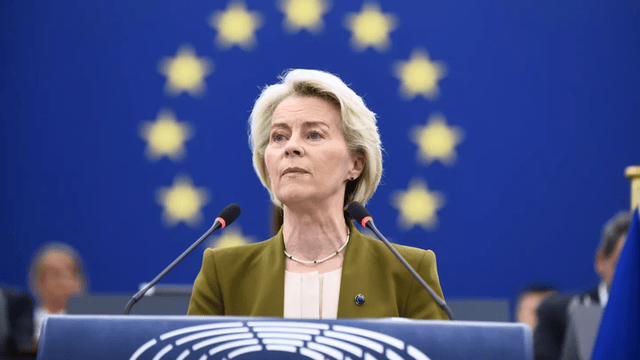
Core Viewpoint - The European Union (EU) is asserting its independence in deciding on tariffs against China, rejecting pressure from the United States, particularly from the Trump administration, to impose such tariffs as part of a broader strategy against Russia [1][3][4]. Group 1: EU's Stance on Tariffs - EU Commission President Ursula von der Leyen stated that the EU intends to make its own decisions regarding tariffs on China, effectively rejecting U.S. demands [3][4]. - Von der Leyen emphasized the importance of maintaining partnerships with countries like India, indicating that the EU is not willing to comply with U.S. requests that could jeopardize these relationships [4][5]. - French President Emmanuel Macron echoed this sentiment, asserting that Europe will independently conduct its foreign policy towards China to mitigate risks rather than create instability [6][11]. Group 2: EU's Relationship with the U.S. and Russia - The EU recognizes the U.S. desire for it to impose tariffs on China as a means to pressure Russia, but it believes its current sanctions against Russia are sufficient [4][8]. - There is a clear division between the EU and the U.S. regarding the approach to sanctions, with the EU preferring targeted measures directly related to Russia [6][8]. - The EU is cautious about the potential repercussions of aligning too closely with U.S. policies, particularly in light of past experiences where it faced backlash from China for similar actions [8][11]. Group 3: Challenges Facing the EU - The EU is in a difficult position, having made significant concessions in previous trade negotiations with the U.S., and now facing pressure to act against China without clear benefits [11][14]. - The EU's strategy of asserting its autonomy in foreign policy has been questioned, as it struggles to balance its relationships with both the U.S. and Russia while maintaining its own interests [12][14]. - The ongoing conflict in Ukraine complicates the EU's position, as it must navigate U.S. expectations while managing its energy needs and relations with Russia [14].
哈马斯谴责美政府“双标”:对加沙冲突升级负有直接责任
Xin Lang Cai Jing· 2025-09-16 04:35
Core Viewpoint - Hamas condemns the U.S. government for its "double standards" regarding the Gaza conflict, claiming direct responsibility for the escalation of violence due to its support for Israel's actions [1] Group 1: Hamas's Statement - Hamas issued a statement criticizing U.S. President Trump's remarks about the transfer of hostages, accusing him of openly favoring Israel and ignoring the large-scale attacks on Gaza [1] - The statement highlights Israel's attacks on Qatar and attempts to assassinate Hamas negotiators during discussions on a U.S. ceasefire proposal, indicating that Netanyahu's government is obstructing the peace process [1] - Hamas accuses Netanyahu of destroying any possibility of reaching agreements on ceasefires and prisoner exchanges, while the U.S. government continues to support his policies despite being aware of the situation [1]
泽连斯基最新发声,印度网友怒了:双标!
Sou Hu Cai Jing· 2025-09-10 07:07
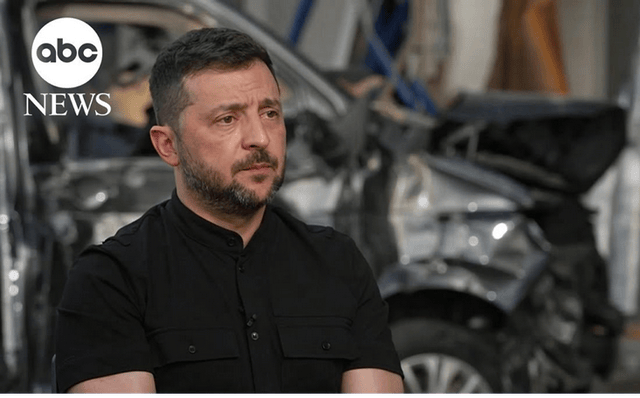
Core Viewpoint - Ukrainian President Zelensky supports the U.S. imposing tariffs on countries that maintain trade relations with Russia, which has sparked strong backlash from Indian netizens [3]. Group 1: Zelensky's Statements - In an interview on ABC, Zelensky stated that it is correct to impose tariffs on countries continuing to do business with Russia [3]. - He emphasized the need to stop purchasing any energy from Russia and halt all transactions in the context of the ongoing Russia-Ukraine conflict [3]. Group 2: Indian Response - Indian netizens expressed strong dissatisfaction with Zelensky's comments, accusing him of double standards, as European countries also import energy from Russia while providing military aid to Ukraine [3]. - The Indian Ministry of External Affairs described the U.S. tariffs on India as "unfair, unjust, and unreasonable" [3]. Group 3: Diplomatic Efforts - India has been actively promoting diplomatic efforts to resolve the Russia-Ukraine conflict, with recent communications between Prime Minister Modi and Zelensky [3]. - Indian Foreign Minister Jaishankar met with Ukrainian Foreign Minister Kuleba, reiterating India's willingness to play a constructive role in facilitating ceasefire and dialogue [3].
对印50%关税生效后,美国倒打一耙:俄乌战争是“莫迪的战争”
Sou Hu Cai Jing· 2025-09-07 09:39
Core Viewpoint - The U.S. has imposed a significant 50% tariff on Indian goods, marking a rare instance of such high tariffs in international trade, with only Brazil and India facing similar penalties [1] Group 1: U.S.-India Trade Relations - The U.S. government has unilaterally increased tariffs on Indian goods, raising the total tariff rate to 50% after previously imposing a 25% tariff [1] - This decision reflects a shift in U.S. policy towards India, particularly in light of India's role in the Russia-Ukraine conflict and its energy import structure [3][5] Group 2: Accusations Against India - U.S. officials have attempted to shift the blame for the Russia-Ukraine conflict onto India, labeling it as "Modi's war" and claiming that India’s actions have financial implications for U.S. taxpayers [3][7] - The narrative presented by U.S. officials suggests that India's purchase of discounted Russian oil is directly contributing to the ongoing conflict and increasing the financial burden on American citizens [7] Group 3: Double Standards in U.S. Policy - There is a notable discrepancy in how the U.S. treats India compared to China regarding energy imports from Russia, with U.S. officials defending China's actions while criticizing India's [7] - The U.S. Treasury Secretary has differentiated between the nature of oil imports by China and India, highlighting a perceived double standard in U.S. foreign policy [7]