和平宪法

Search documents
寰宇平:警惕日本军国主义阴魂不散
Ren Min Ri Bao· 2025-12-25 03:43
Core Viewpoint - The article discusses the resurgence of militarism in Japan, particularly through the actions and statements of political figures like Prime Minister Sanae Takaichi, which reflect a troubling trend of historical revisionism and militaristic rhetoric that threatens regional and global stability [1][9][16]. Group 1: Historical Context and Current Developments - The article highlights the historical context of Japanese militarism, tracing its roots back to events such as the First Sino-Japanese War and the Pacific War, where Japan used the concept of "crisis" to justify military aggression [3][4]. - Recent statements by Japanese leaders, particularly Takaichi's assertion that "Taiwan's issues" could trigger Japan's collective self-defense, mark a significant shift in Japan's military posture and reflect a revival of militaristic ambitions [1][9]. Group 2: Ideological Underpinnings - The article outlines the ideological foundations of Japanese militarism, including the "Emperor-centered" view and the promotion of a sense of racial superiority, which have historically justified Japan's expansionist policies [4][7]. - The militaristic ideology is further reinforced by cultural elements such as the glorification of war and the dehumanization of enemies, which have been perpetuated through education and public discourse [6][11]. Group 3: Political and Military Implications - The rise of "new militarism" in Japan poses significant risks to regional peace, as it undermines commitments made in international agreements regarding Taiwan and other territorial issues [16][20]. - Japan's military budget has seen unprecedented increases, with plans to enhance its defense capabilities, indicating a shift from a defensive to a more aggressive military stance [12][17]. Group 4: International Reactions and Consequences - The article notes that Japan's militaristic rhetoric has drawn criticism not only from neighboring countries but also from within Japan, highlighting a growing concern over the potential for conflict [16][22]. - The international community, including countries like China and South Korea, has expressed strong opposition to Japan's revisionist history and militaristic ambitions, emphasizing the need for accountability and historical reflection [20][24].
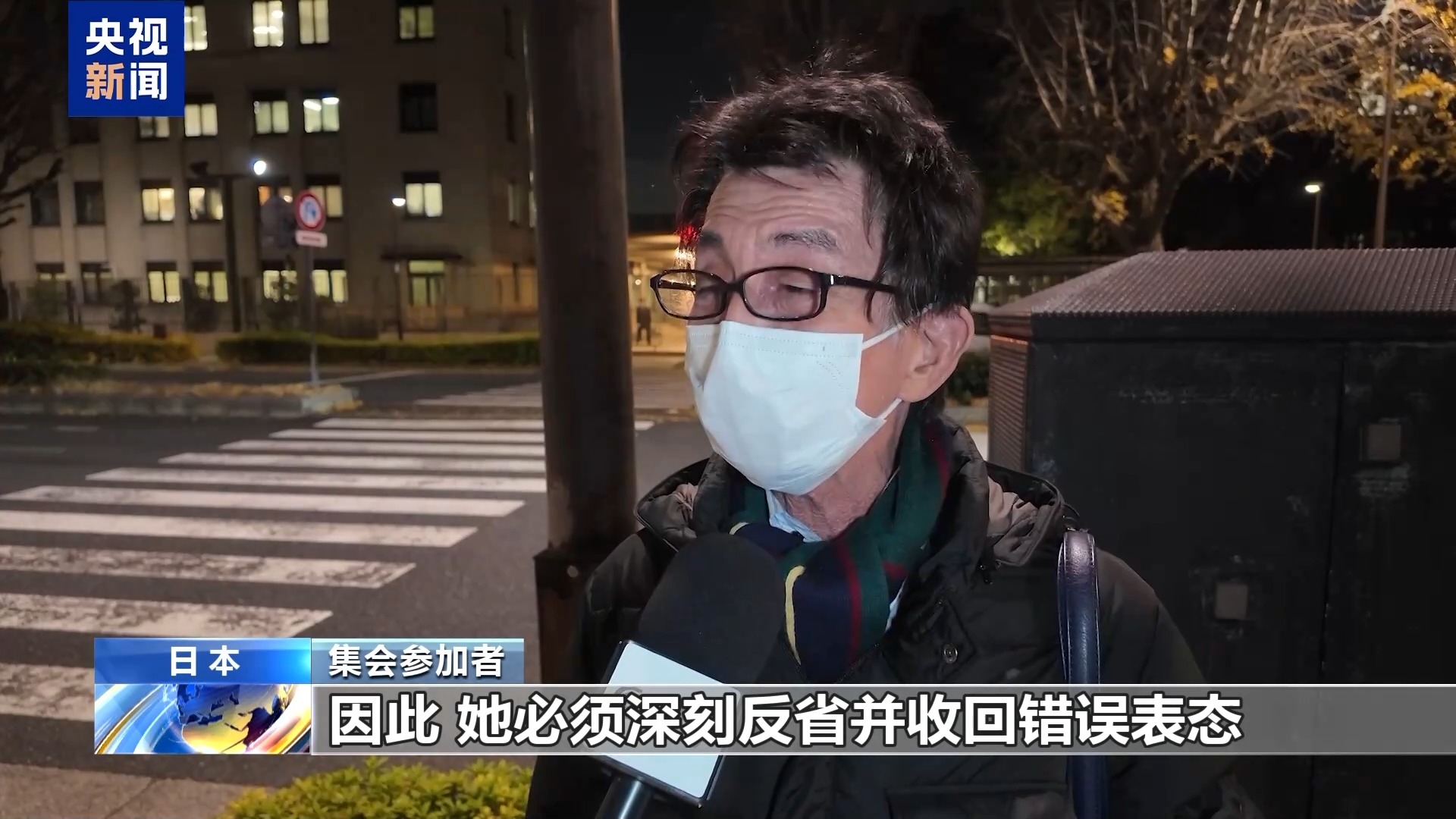
日本政界人士:高市错误言论动摇日中关系基础 极度危险
Yang Shi Xin Wen Ke Hu Duan· 2025-12-23 07:49
Core Viewpoint - Japanese Prime Minister Sanae Takaichi's remarks regarding Taiwan have drawn strong criticism from various Japanese political figures, highlighting concerns over Japan's peace principles and its relationship with China [1][3]. Group 1: Political Reactions - Japanese Senator Taku Yamazoe criticized Takaichi's statements, asserting that equating "Taiwan's issues" with "Japan's issues" could lead Japan into war even without direct attacks, undermining Japan's peace constitution [1][3]. - Yamazoe emphasized that Takaichi's comments violate the political consensus established during the normalization of Japan-China relations in 1972, which included respect for China's stance on Taiwan [3][5]. Group 2: Constitutional Concerns - Yamazoe pointed out that Japan's constitution, particularly Article 9, emphasizes a defensive posture, making the idea of possessing offensive capabilities, such as long-range missiles, constitutionally problematic [5][7]. - The current government's military expansion efforts, justified by claims of a deteriorating security environment, are seen as dangerous and contrary to Japan's post-war commitment to peace [5][7]. Group 3: Historical Context - Yamazoe highlighted that Japan's post-war path is rooted in reflecting on its wartime actions and the suffering caused to other nations, with Article 9 embodying this reflection [7]. - He argued that using the rationale of security threats to justify military buildup disregards historical facts and undermines Japan's commitment to peace [7].

极速扩张!日防卫支出超3成不是为了防卫
Xin Lang Cai Jing· 2025-12-21 15:31
【极速扩张!#日防卫支出超3成不是为了防卫#】#日防卫支出达北约国家军费标准# 据日本共同社日前 报道,日本政府2026财年防卫预算拟定为9万亿日元,创日本初始防卫预算历史新高。基于"和平宪 法"的精神,1976年,当时的日本内阁提出了"防卫费不超过国内生产总值的1%"的上限。此后多年,1% 这一红线成为历届内阁遵循的惯例。然而,近年来,日本以惊人的幅度增加防卫费用。从2023财年到 2025财年,其防卫费占比由1.19%急速跃升至2%。这标志着日本防卫支出已达到北约国家军费标准,其 自卫队正加速向拥有广泛作战能力的"军队"转变,这一趋势是对"和平宪法"精神的彻底背离。日本防卫 开支早已超越"防卫"范畴,呈现出鲜明的进攻性与针对性特征。详情见↓ ...
视频丨高市早苗持续遭批 日本民众再集会要求其撤回错误言论
Xin Lang Cai Jing· 2025-12-20 05:45
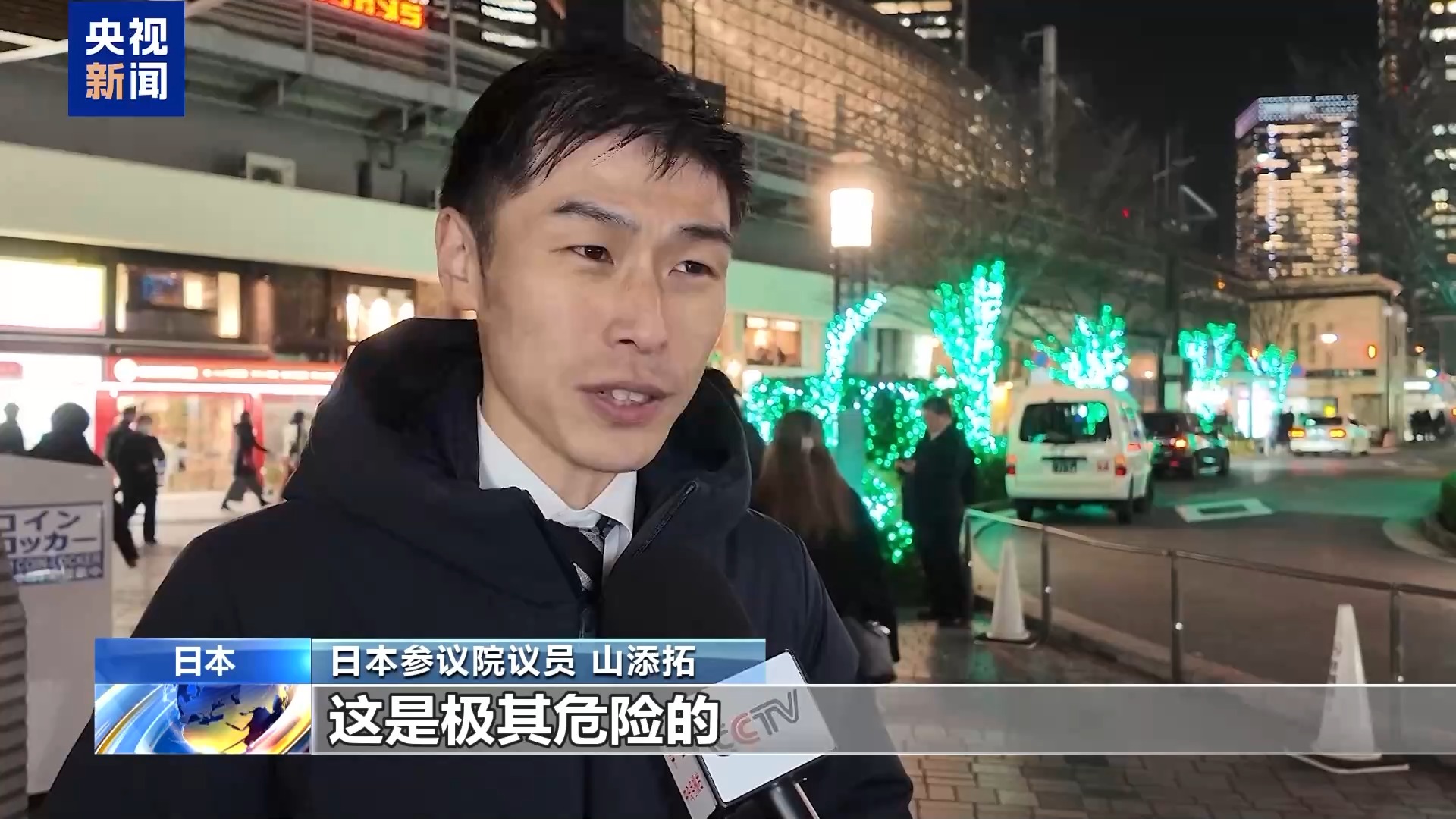
集会参加者:我认为高市煽动战争的言论是不可接受的。我们日本民众并不希望与任何国家发生战争。因此,她必须立即撤回那样的发言。我认为高市政府 是一个推动战争的、非常危险的政府。我们希望在宪法第九条的基础上,真正建设一个和平的国家。我们不能让国家走向军国主义,我们必须一起努力发 声。 (来源:千龙网) 日本首相高市早苗的涉台错误言论引发日本国内持续批评。19日,部分日本民众在东京举行抗议集会,要求高市立即撤回错误言论,停止制造紧张局势。 总台记者 李卫兵:19日晚,日本民众在国会议员会馆前再次自发举行抗议集会,呼吁守护和平宪法,要求高市早苗尽快撤回煽动战争的涉台错误言论。 集会参加者:如果高市不撤回相关言论,中方绝对不会接受。这只会进一步激化日中紧张局势。因此,她必须深刻反省并收回错误表态。我认为像以前那样 敷衍是行不通的。话已出口,如果不正式撤回,是无法被对方接受的。 集会参加者:高市所谓"台湾有事"的那些话真的让我感到震惊。她能作出那样的发言,从常识上来看,简直无法想象。 集会参加者还表示,高市图谋修改"无核三原则",不断增加防卫费等举动,违背了日本在和平宪法中所作承诺,绝对不可接受。 集会参加者:高市想要修改 ...
高市早苗持续遭批 日本民众再集会要求其撤回错误言论
Yang Shi Xin Wen· 2025-12-20 01:34
日本首相高市早苗的涉台错误言论引发日本国内持续批评。19日,部分日本民众在东京举行抗议集会,要求高市立即撤回错误言论,停止制造紧张局 势。 集会参加者:我认为高市煽动战争的言论是不可接受的。我们日本民众并不希望与任何国家发生战争。因此,她必须立即撤回那样的发言。我认为高市 政府是一个推动战争的、非常危险的政府。我们希望在宪法第九条的基础上,真正建设一个和平的国家。我们不能让国家走向军国主义,我们必须一起努力 发声。 集会参加者还表示,高市图谋修改"无核三原则",不断增加防卫费等举动,违背了日本在和平宪法中所作承诺,绝对不可接受。 集会参加者:高市想要修改"无核三原则",这是绝对不能被允许的。"无核三原则"本来就是日本应该一直坚持的基本方针。为什么现在又要讨论修 改"无核三原则"?对于明确表示"不拥有核武器"的日本来说,对于拥有和平宪法第九条的国家来说,这是绝对不能接受的。 0:00 / 2:18 19日晚,日本民众在国会议员会馆前再次自发举行抗议集会,呼吁守护和平宪法,要求高市早苗尽快撤回煽动战争的涉台错误言论。 集会参加者:如果高市不撤回相关言论,中方绝对不会接受。这只会进一步激化日中紧张局势。因此,她必须 ...
日政府“穷兵黩武”引强烈抗议 旅游业者称面临“存亡危机”
Yang Shi Xin Wen· 2025-12-16 23:18
Group 1: Defense Spending and Military Deployment - The Japanese Senate approved a supplementary budget that raises defense spending for the fiscal year 2025 to approximately 11 trillion yen (about 500 billion RMB), marking a record high and sparking strong opposition from various sectors [2][3] - The Japanese Defense Ministry plans to deploy upgraded Type 12 anti-ship missiles in Kumamoto City, with expansion to Shizuoka Prefecture by 2027, which is seen as a shift from the "defensive" principles of the pacifist constitution [2] - The Defense Ministry signed a land lease agreement in Okinawa for radar deployment, with construction expected to begin after the New Year in 2026, raising local concerns about potential missile deployments [3][4] Group 2: Impact on Tourism Industry - The increase in defense spending and regional tensions have led to significant cancellations of flights between Japan and China, with 72 routes and 904 flights cut, equating to approximately 156,000 seats lost [5][6] - Japanese tourism operators are facing a "survival crisis" due to the cancellations, particularly during the peak travel season from the end of the year to the Spring Festival [5][6] - If the current situation persists, it is predicted that Japan's tourism revenue could decrease by about 2.2 trillion yen (approximately 100 billion RMB), negatively impacting the country's GDP by 0.36% [6]
玉渊谭天:日舰曾收到中方提示
Xin Lang Cai Jing· 2025-12-09 11:03
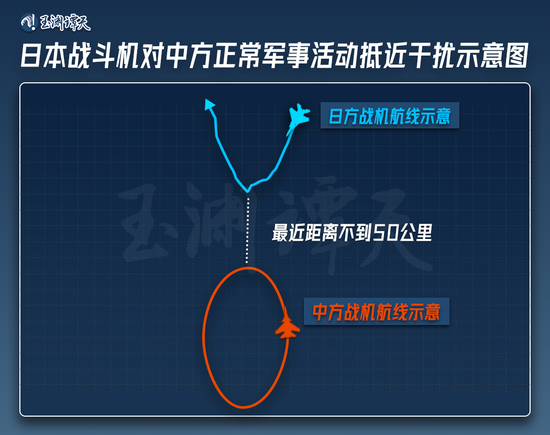
Core Viewpoint - The article discusses Japan's recent actions regarding China's Liaoning aircraft carrier group, highlighting Japan's intrusion into China's training area and the subsequent exaggeration of "radar illumination" incidents as a means to distract from its own provocations [1][11]. Summary by Sections Military Training Compliance - China's military training is stated to be in accordance with international law and practices, with prior notifications sent to nearby Japanese vessels, which were confirmed received [1][13]. - The training was conducted in the Miyako Strait, with specific details shared with Japan, demonstrating transparency and adherence to international maritime laws [4][16]. Timeline of Events - On December 6, the Liaoning carrier group conducted flight training, with notifications sent at 2:10 PM and 2:28 PM detailing the training schedule and area [2][14][15]. - The Japanese destroyer "Shirayuki" confirmed receipt of these notifications, indicating awareness of China's training activities [3][15]. Japanese Response and Provocation - Despite being informed, Japan allegedly approached China's training area, leading to accusations of interference and attempts to portray China as a regional threat [5][17]. - Military experts suggest Japan's overreaction stems from discomfort with China's naval presence in the Pacific, reflecting a broader reluctance to accept China's military advancements [5][17]. Radar Illumination Incident - Japan's claims of "radar illumination" by China's J-15 fighter jets are characterized as an attempt to misrepresent standard military operations, with the article asserting that such radar use is common practice for ensuring flight safety [9][20]. - The article emphasizes that Japan's actions, including entering the designated training area, were provocative and placed both parties in a precarious situation [20]. Historical Context and Future Implications - The article notes that China's naval exercises through the Miyako Strait are not new and have become a regular occurrence, urging Japan to adapt to this reality [10][21]. - It questions whether Japan's focus on the radar incident is a diversion from its own military provocations and calls for introspection regarding its defense policies [11][21].
日本有识之士强烈要求高市早苗撤回错误言论
Yang Shi Xin Wen Ke Hu Duan· 2025-12-09 07:50
Core Viewpoint - The "Inheritance and Development of the Murayama Statement" group expresses strong concern over Japanese Prime Minister Sanna Takashi's remarks regarding Taiwan, urging her to retract her statements as they deviate from Japan's post-war peace stance [1][9]. Group 1: Concerns Over Statements - Participants at the emergency press conference emphasize that Taiwan is an internal matter of China, and Takashi's comments are misleading and dangerous [1][7]. - The remarks made by Takashi are seen as a potential threat to the commitments made in the Japan-China Joint Statement during the normalization of diplomatic relations [3]. Group 2: Political and Diplomatic Implications - Political analysts highlight that Takashi's statements could lead to a difficult period in Japan-China relations, with concerns about Japan's increasing military expenditures and defense capabilities [5][7]. - There is a perception that Takashi's government is eager to engage in military actions, which raises alarms about Japan's defense policy direction [7]. Group 3: Historical Context and Legal Concerns - Experts argue that Takashi's comments violate Japan's pacifist constitution and international law, undermining Japan's established international trust [2][9]. - The remarks are interpreted as a potential reversal of Japan's post-war commitments to China, which could have significant diplomatic repercussions [11].
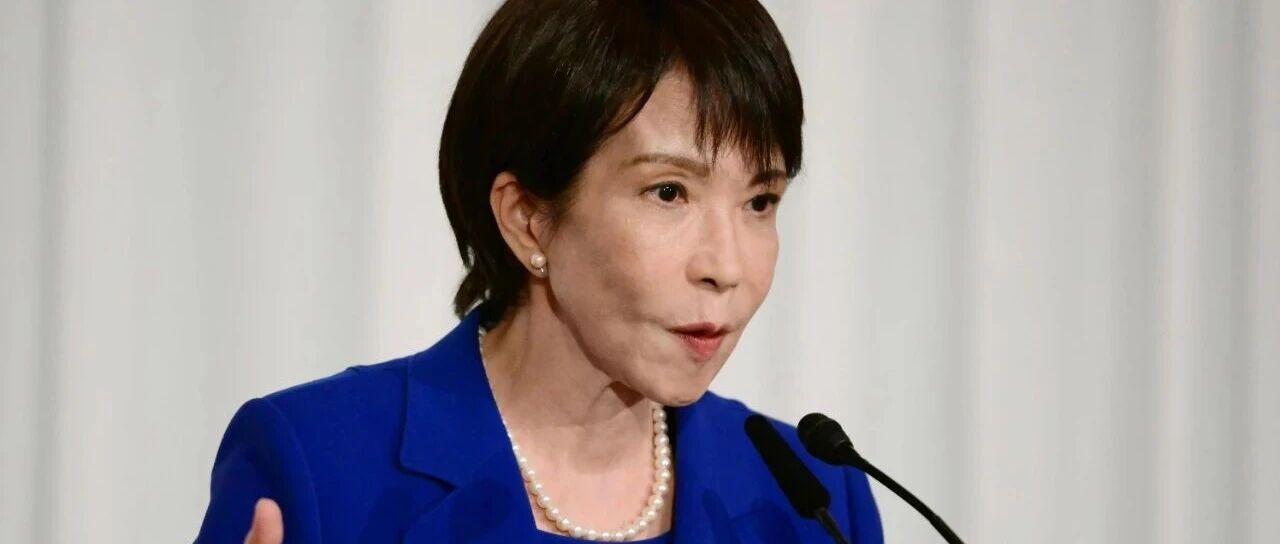
高市早苗被要求辞职
中国基金报· 2025-12-09 02:08
Group 1 - The core viewpoint of the article highlights the strong opposition from the Social Democratic Party of Japan, led by President Mizuho Fukushima, against Prime Minister Sanae Takaichi's remarks regarding Taiwan being a potential "survival crisis" for Japan, which Fukushima argues violates the constitution and calls for Takaichi to retract her statements and resign [2][3] - Fukushima emphasizes the illogical nature of Takaichi's statements and warns that Japan, including regions like Okinawa and Kyushu, is at risk of becoming a military stronghold, urging society to prevent war and dangerous policies [2] - The Social Democratic Party, founded in 1945, advocates for a society that respects human dignity and promotes peace, and is currently facing marginalization due to changing political dynamics [3] Group 2 - Mizuho Fukushima, born in December 1955, is a prominent political figure in Japan, serving as a member of the House of Councillors and the leader of the Social Democratic Party, with a strong commitment to peace and opposition to militarization [3] - During her upcoming visit to China in January 2024, Fukushima aims to emphasize the importance of preventing war between Japan and China, advocating for peace diplomacy and opposing the Japanese government's hostile stance towards China [3] - On January 18, 2024, Fukushima and her delegation will visit the China People's Anti-Japanese War Memorial, where they will pay respects and emphasize the message of learning from history to cherish peace [4]
【环时深度】起底日本右翼如何向小学生灌输军国主义
Huan Qiu Shi Bao· 2025-12-08 22:57
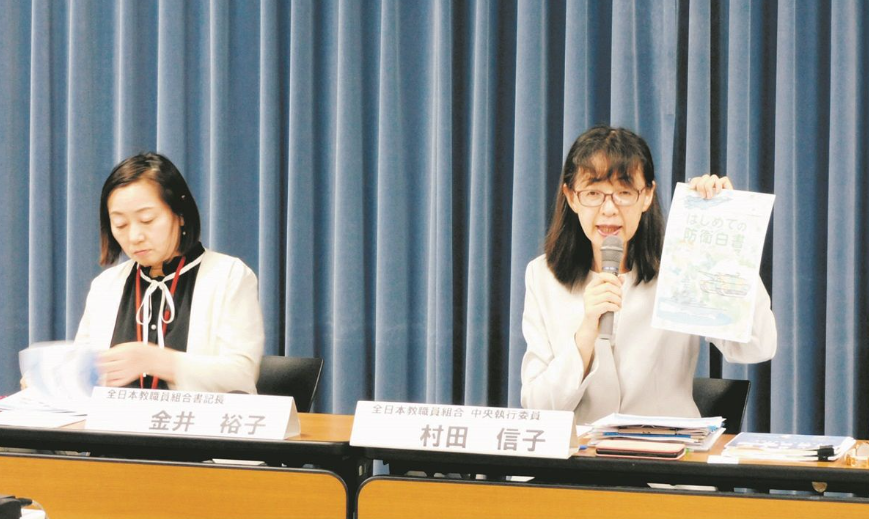
Core Viewpoint - The distribution of a children's version of the "Defense White Paper" by Japan's Ministry of Defense to elementary schools has sparked strong opposition from the education sector, with concerns that it promotes militaristic ideologies and infringes on children's rights [1][3][7]. Group 1: Distribution and Content of the White Paper - Approximately 6,100 copies of the children's version of the "Defense White Paper" have been distributed to 2,400 elementary schools across Japan, marking the first time this version has been physically distributed [3][4]. - The children's manual simplifies complex security issues into a narrative that emphasizes threats from neighboring countries, advocating for military expansion and portraying the Self-Defense Forces in a positive light [4][6]. - The manual is divided into four sections, focusing on the necessity of the Self-Defense Forces, perceived military threats from China, North Korea, and Russia, the rationale for increasing defense spending, and the disaster relief functions of the Self-Defense Forces [6][8]. Group 2: Reactions from Educational and Political Sectors - Educational organizations, including the All Japan Teachers' Union, have criticized the manual for promoting a one-sided view of national policy and have called for its withdrawal from schools [7][9]. - Some schools have decided not to allow students access to the manual, with teachers expressing concerns that its content resembles militaristic education [7][10]. - Experts argue that the manual's framing of security issues could lead to discrimination against children from countries labeled as "dangerous" within the text, potentially fostering a hostile environment in schools [8][10]. Group 3: Historical Context and Implications - The distribution of the children's version of the "Defense White Paper" is seen as part of a broader trend of right-wing efforts to introduce militaristic ideologies into education, which could undermine Japan's post-war peace efforts [9][13]. - The narrative presented in the manual risks distorting historical understanding among the younger generation, potentially leading to a collective memory gap regarding Japan's wartime history [13][14]. - Experts warn that if the younger generation is exposed to a militaristic perspective without a comprehensive understanding of historical context, it could lead to a dangerous normalization of military expansion and conflict [14].