
太空AI

Search documents
SpaceX宣布收购xAI,马斯克收获一家1.25万亿估值新实体
Sou Hu Cai Jing· 2026-02-03 02:00
来源:猎云网 当地时间2月2日,马斯克宣布,其旗下两家公司太空探索技术公司SpaceX,与人工智能初创公司xAI已经进行合并,其中SpaceX估值1万亿美元,xAI估值 2500亿美元。两家公司合并后的新实体估值预计将达到1.25万亿美元,股票定价约为每股527美元,有消息称,xAI或将作为SpaceX的全资子公司运营。 马斯克在近日瑞士达沃斯举行的世界经济论坛年会上发表演讲时表示,"AI部署成本最低的地方是太空,这种情况将在两年内发生,最迟三年。" 对于这笔交易,马斯克表示,在未来两到三年内,在太空中进行人工智能计算将是最经济的方式。"这不仅是SpaceX与xAI使命的下一章,更是全新的'一本 书':我们要通过规模化构建一个'感知的太阳'来理解宇宙,并将意识之光延伸至万千星辰!" 在当前的AI竞争格局下,马斯克面对谷歌、OpenAI及亚马逊支持的Anthropic等对手,计划利用卫星轨道优势解决AI研发面临的电力与散热难题。合并实体 拟利用星链卫星网络、特斯拉能源及自动驾驶技术、xAI的AGI研发能力,构建"太空-地面"协同生态,开启马斯克的"太空AI帝国"。 SpaceX表示,收购xAI的目的是"打造最具 ...

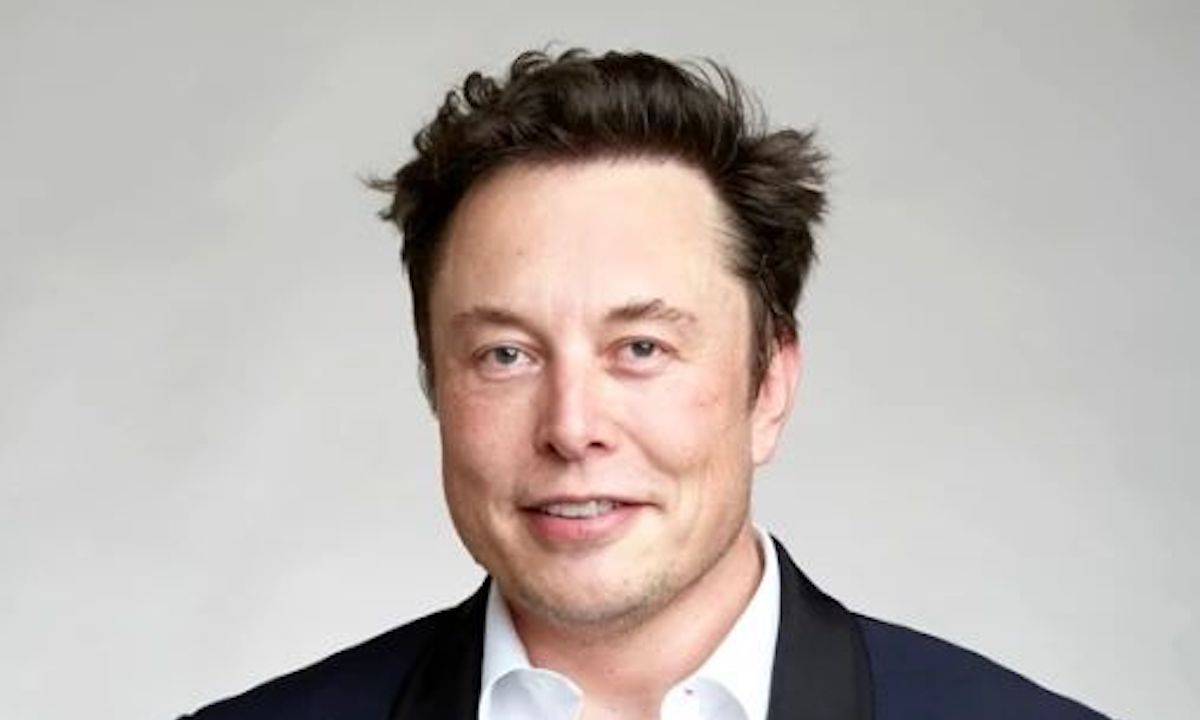
SpaceX宣布收购xAI,马斯克缔造“太空AI帝国”
第一财经· 2026-02-03 01:31
2026.02. 03 "这不仅标志着SpaceX和xAI使命的新篇章,更是新的一本书:我们将扩大规模,创造一个有感知能力的'太阳',以理解宇宙,并将意识之光延伸到星 辰!"马斯克说道。 在人工智能领域,马斯克正在与谷歌、Meta、亚马逊以及OpenAI、Anthropic等公司竞争。这将是一场持久的"烧钱大战"。xAI的成本主要由芯片、数 据中心和能源构成。 SpaceX表示,收购xAI的目的是"打造最具雄心的垂直整合创新引擎,涵盖人工智能、火箭、太空互联网、直连移动设备的通信以及世界领先的实时信息 的平台"。 本文字数:706,阅读时长大约1分钟 作者 | 第一财经 钱童心 当地时间2月2日,科技富豪马斯克宣布,SpaceX已收购人工智能初创公司xAI。两家公司合并后的估值预计超过1万亿美元,其中SpaceX估值1万亿美 元,xAI估值2500亿美元。 不过SpaceX没有正式披露此次交易的条款。马斯克在声明中解释了这笔交易的理由,他表示,在未来两到三年内,在太空中进行人工智能计算将是最经 济的方式。 他写道:"仅凭这种成本效益,就能使创新公司以前所未有的速度和规模推进人工智能模型的训练和数据处理,从而加 ...
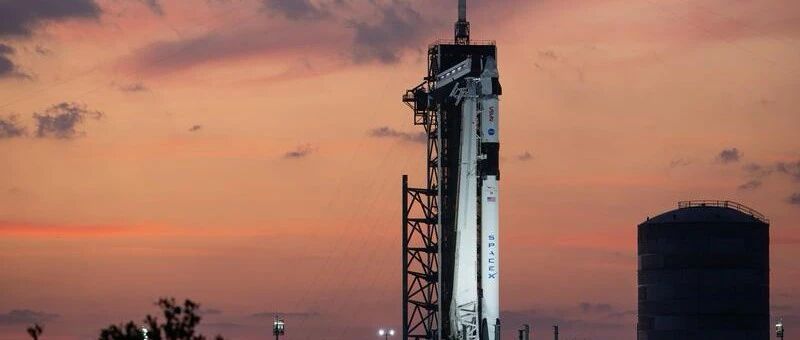
大涨!马斯克突传大消息,重磅数据首次曝光
Xin Lang Cai Jing· 2026-01-31 08:50
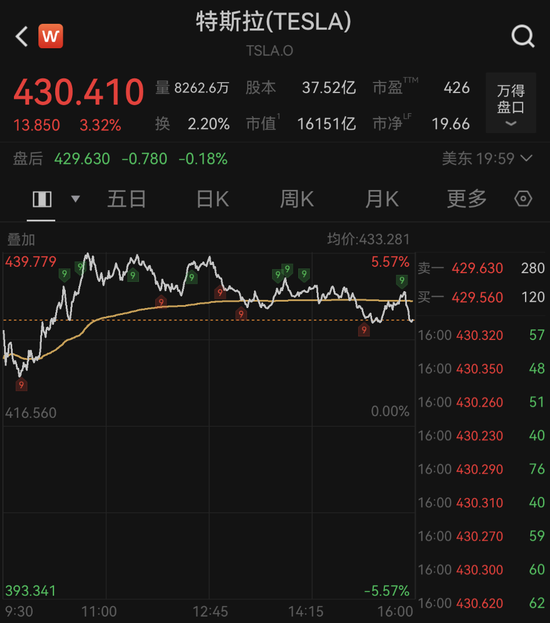
SpaceX的"赚钱能力"曝光。 据最新消息,世界首富埃隆·马斯克旗下的商业航天公司SpaceX去年实现150亿至160亿美元收入。这一 强劲的财务表现迅速推高了市场对其IPO体量的想象,有投行预计,SpaceX在IPO时的估值或将超过1.5 万亿美元。 与此同时,马斯克的"太空商业版图"也传出大消息。据外媒报道,SpaceX正在评估多种企业整合方案, 其中包括与特斯拉进行潜在合并,或与人工智能公司xAI整合业务,交易可能吸引基础设施基金及中东 主权财富基金的兴趣。受此影响,特斯拉股价直线拉升,周五盘中一度逆势大涨超5%。 SpaceX最新业绩曝光 美东时间1月30日,路透社报道,据两位知情人士透露,马斯克旗下SpaceX公司2025年实现营收预计达 150亿至160亿美元,息税折旧摊销前利润(EBITDA)约为80亿美元(约合人民币556亿元)。相关财 务表现此前从未对外披露。 目前部分投行预计,SpaceX在IPO时的估值或将超过1.5万亿美元,融资规模可能会突破500亿美元。这 一估值水平将使其成为全球有史以来规模最大的IPO。 据此前报道,SpaceX计划在今年晚些时候上市,目标日期定在马斯克55岁生 ...

大涨!马斯克,突传大消息!重磅数据,首次曝光!
Sou Hu Cai Jing· 2026-01-31 08:37
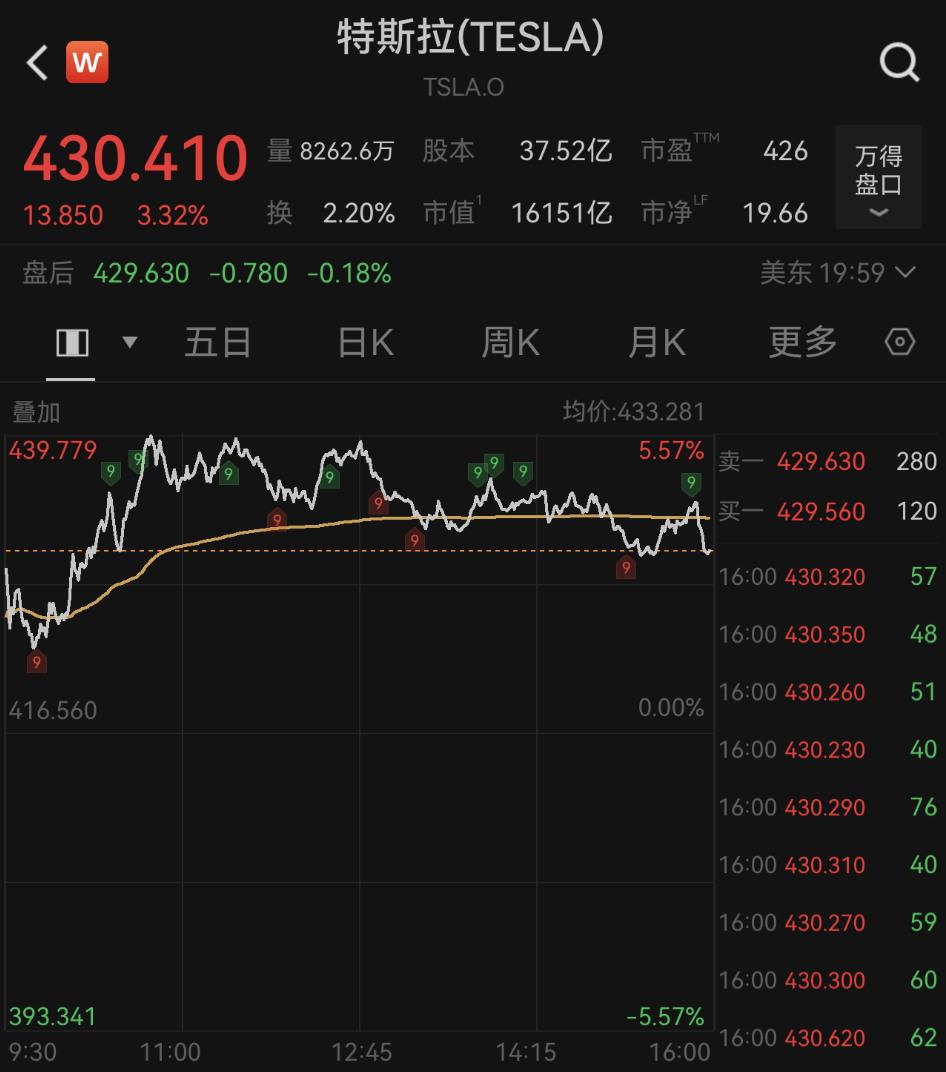
据最新消息,世界首富埃隆·马斯克旗下的商业航天公司SpaceX去年实现150亿至160亿美元收入。这一强劲的财务表现迅速推高了市场 对其IPO体量的想象,有投行预计,SpaceX在IPO时的估值或将超过1.5万亿美元。 与此同时,马斯克的"太空商业版图"也传出大消息。据外媒报道,SpaceX正在评估多种企业整合方案,其中包括与特斯拉进行潜在合 并,或与人工智能公司xAI整合业务,交易可能吸引基础设施基金及中东主权财富基金的兴趣。受此影响,特斯拉股价直线拉升,周五 盘中一度逆势大涨超5%。 SpaceX的"赚钱能力"曝光。 SpaceX最新业绩曝光 美东时间1月30日,路透社报道,据两位知情人士透露,马斯克旗下SpaceX公司2025年实现营收预计达150亿至160亿美元,息税折旧摊 销前利润(EBITDA)约为80亿美元(约合人民币556亿元)。相关财务表现此前从未对外披露。 知情人士表示,这组财务数据,正促使多家投行重新评估SpaceX的上市潜力。 目前部分投行预计,SpaceX在IPO时的估值或将超过1.5万亿美元,融资规模可能会突破500亿美元。这一估值水平将使其成为全球有史 以来规模最大的IPO。 据 ...
SpaceX去年收入150-160亿美元、利润约80亿,而预计的IPO估值超过1.5万亿美元
Hua Er Jie Jian Wen· 2026-01-31 04:22
Group 1 - The core financial data reveals that SpaceX achieved revenues between $15 billion and $16 billion last year, with an EBITDA profit of approximately $8 billion, prompting investment banks to reassess its IPO potential [1] - Several banks now estimate that SpaceX's valuation at IPO could exceed $1.5 trillion, with a fundraising scale potentially surpassing $50 billion, making it one of the largest IPOs globally [1] - The company plans to go public later this year, targeting a date around Elon Musk's 55th birthday on June 28 [1] Group 2 - SpaceX's profitability is heavily concentrated in its Starlink satellite internet system, which contributes approximately 50% to 80% of the company's revenue [2] - Since 2019, SpaceX has launched around 9,500 satellites and has over 9 million users, establishing itself as the largest satellite operator globally [2] - The stable cash flow generated by Starlink supports commercial expansion and is a core funding source for the ongoing development of the Starship heavy rocket [2] Group 3 - Despite approaching the IPO window, SpaceX continues to expand, including discussions about a potential merger with Musk's AI company xAI [3] - The company also invested $19 billion to acquire wireless spectrum resources from EchoStar to advance its direct-to-device satellite communication business [3] - This initiative aims to extend Starlink services to allow mobile devices to connect directly to Starlink satellites without specialized terminals [3] Group 4 - These strategic moves are seen as efforts by SpaceX to further solidify its leading position in the satellite internet sector before going public [4] Group 5 - Elon Musk anticipates that Starship will begin executing commercial payload launch missions this year, having completed 11 test launches since 2023 [5] - In the long term, Starship is envisioned for deploying space AI data centers, closely related to the proposed merger with xAI, although this concept remains in its early and high-risk stages [5]
火箭捆绑AI!SpaceX吞下xAI,马斯克的太空帝国豪赌
Ge Long Hui· 2026-01-30 10:48
Core Viewpoint - Elon Musk is planning the largest merger in history, potentially combining SpaceX with Tesla or xAI, aiming to create a trillion-dollar "super empire" that integrates AI and space technology [1][6]. Group 1: Musk's Ambitions - Musk's ambition to create a commercial empire has been evident for years, with significant moves such as the acquisition of SolarCity in 2016 to integrate renewable energy [3][4]. - In 2025, Musk plans to merge social media platform X with xAI, leveraging user data to strengthen xAI's position in the AI sector [4]. Group 2: Integration Strategies - Musk has been promoting a deep integration between Tesla and SpaceX, utilizing Tesla's stock to fund SpaceX projects and sharing engineering teams [5]. - Tesla's autonomous driving data is being used to train SpaceX's rocket landing AI models, indicating a strategic synergy between the two companies [5]. Group 3: Financial Developments - SpaceX has committed to investing $2 billion in xAI for core AI development, with Tesla recently announcing an additional $2 billion investment [6]. - xAI recently completed an oversubscribed Series E funding round, raising $20 billion and achieving a valuation of $230 billion [6]. - SpaceX, valued at $800 billion, is targeting a $1 trillion valuation in its upcoming IPO, which could set a new global IPO record [6][9]. Group 4: Merger Progress and Market Impact - The merger discussions are still in the exploratory phase, with potential adjustments to transaction details, including the possibility of the companies operating independently [7][8]. - The merger could significantly impact the defense sector, enhancing SpaceX's competitiveness for U.S. government contracts, especially with xAI's integration [9][10]. - Current predictions suggest a 46% probability of a merger between SpaceX and xAI by mid-year, compared to 16% for Tesla and xAI [9]. Group 5: Challenges and Future Outlook - The AI and space sectors are becoming increasingly competitive, with major players like Google and Blue Origin also making significant moves [10]. - Musk's ambitious timeline for achieving space AI capabilities within two to three years raises questions about feasibility, given past challenges in meeting deadlines [11]. - If the merger succeeds, it could create a comprehensive ecosystem encompassing space, renewable energy, AI, and defense, marking a significant evolution in Musk's vision [11].

算力边疆:沙特、马斯克与黄仁勋如何重塑全球AI力量版图
Sou Hu Cai Jing· 2026-01-20 01:37
Group 1 - Saudi Arabia is transforming from an oil kingdom to a global AI computing hub, with significant investments in AI infrastructure and partnerships with tech giants like xAI and Amazon AWS [1][2] - The ambitious plan includes starting with a 50 MW computing center and rapidly expanding to 500 MW, showcasing Saudi Arabia's commitment to becoming a leader in AI capabilities [2] - The country recognizes the importance of computing power as a future wealth source, moving away from its traditional reliance on oil [2] Group 2 - The expansion of computing power faces energy constraints, with current AI computing consuming 200-300 GW annually, and projections suggesting a need for 1 TW, which traditional energy sources may not support [3] - The weight of modern supercomputers is largely due to cooling systems, highlighting the physical limitations imposed by Earth's environment on computing development [3] Group 3 - Space-based AI is predicted to become a trillion-dollar market, with solar-powered AI satellites expected to be the most cost-effective computing solution within five years [4] - The vacuum environment of space offers unlimited solar energy and optimal cooling conditions, potentially leading to exponential increases in computing efficiency [4] - Future projections indicate that 50% of AI computing could occur in Earth's orbit, necessitating a shift in investment strategies towards space computing [4] Group 4 - Saudi Arabia is investing heavily in two key areas: the "Omniverse Robotics" platform with NVIDIA for digital twin environments and a quantum computing research center to push the limits of traditional computing [5] - This comprehensive strategy aims to establish Saudi Arabia not just as a computing power provider but as a leader in the entire research-to-application chain [5] Group 5 - The global landscape of computing power is shifting, with the Middle East emerging as a new frontier due to its energy advantages and flexible policies, while the U.S. faces energy and cost constraints [6] - This transformation will make AI more accessible to businesses and individuals, similar to the impact of the electric grid in the 20th century, leading to a new productivity revolution [6] - The collaboration between tech leaders in Saudi Arabia signifies a historic step in advancing computing capabilities, challenging the perception of AI as merely a technological trend [6]
万亿商业航天知识产权谁说了算
Di Yi Cai Jing· 2026-01-19 11:51
Core Viewpoint - The rise of the commercial space economy is reshaping the governance landscape of outer space, transitioning from government-led initiatives to a competitive market driven by high-tech enterprises, with a projected global commercial space output exceeding $1 trillion by 2040 [1] Group 1: Current Landscape of Space Economy - The commercial space sector includes satellite mega-constellations, space tourism, satellite remote sensing commercialization, space breeding, lunar resource extraction, and in-orbit manufacturing [1] - Major players in this field extend beyond traditional aerospace and defense companies to include tech giants like Apple, Google, and IBM, as well as financial firms like State Farm, indicating a cross-industry integration [1] - The global AI market in the space sector is expected to surge to nearly $58 billion by 2034, highlighting the significance of AI in space activities [1] Group 2: Legal Challenges in Space - Existing intellectual property (IP) laws are rooted in territorial sovereignty, conflicting with the principle established by the 1967 Outer Space Treaty that outer space is a "global commons" [2] - The ambiguity surrounding the legal jurisdiction in outer space creates a vacuum, particularly regarding the ownership and protection of innovations and data generated in space [2][3] - The application of current international IP treaties is inadequate in addressing the complexities of space activities, leading to potential legal disputes and challenges in enforcement [3][4] Group 3: Specific Legal Scenarios - Questions arise regarding patent ownership when inventions are made in space, such as whether patents belong to the country of the space station or the inventor's home country [3] - The use of AI in data processing complicates copyright ownership of synthesized data, raising issues about whether rights belong to data providers or AI model owners [3] - The existing international IP frameworks struggle to provide effective protection for space-related innovations, leading to a reliance on commercial secrecy rather than patents [7] Group 4: Trends in IP Protection - A significant shift towards commercial secrecy is observed, with 63% of space companies preferring to protect their core technologies through trade secrets rather than patents [7] - The global investment in IP protection technologies by space companies exceeded $2 billion in 2023, reflecting the industry's focus on safeguarding innovations [7] - Companies are implementing complex physical and digital defenses to protect their technologies, including anti-tampering sensors and encrypted data systems [8] Group 5: Need for International Coordination - The establishment of an International Space Intellectual Property Organization (ISIPO) is proposed to address the limitations of current IP laws and ensure effective governance of space activities [11] - There is a call for the extension and adjustment of existing international treaties to better accommodate the unique challenges posed by space activities, particularly in trademark and patent law [12] - The current legal framework's inadequacies are leading to a fragmented approach to space governance, which could hinder equitable access and collaboration in outer space [9][12]
从SpaceX发展史看商业航天投资机会
2026-01-04 15:35
Summary of SpaceX Conference Call Company Overview - **Company**: SpaceX - **Industry**: Commercial Space Industry - **Founded**: 2002 by Elon Musk - **Current Valuation**: Estimated at $800 billion by the end of 2025, with a target of $1.5 trillion post-IPO in 2026 Key Points Development Stages - SpaceX's development can be divided into three phases: 1. **Reusable Rocket Technology**: Focus on reducing launch costs and achieving scalable rocket and satellite launches 2. **Mars Colonization**: Utilizing satellite launch capabilities to advance human colonization of Mars 3. **Space AI Data Center**: Recent plans for large-scale construction of AI data centers in space [2][4] Revenue Sources - **Current Revenue**: Approximately $9 billion in 2023, with a pre-tax profit of about $3 billion - **Projected Revenue**: Expected to reach $13.1 billion in 2024, with Starlink contributing over 60% [5] - **Future Projections**: Anticipated revenue of $22-24 billion in 2026, with Starlink contributing around $11 billion [5][6] Starlink Service - **User Base**: Over 8 million users by the end of 2025, covering more than 150 countries [10] - **Subscription Pricing**: - Personal Home: ~$85/month - Business: ~$500/month - Maritime: ~$780/month - Aviation: ~$25,000/month - **Hardware Costs**: Approximately $300 for personal setups and $2,000 for business setups [9] Cost Reduction and Technology Innovation - **Launch Cost**: Falcon 9 rocket costs about $50 million, with reused costs dropping to $15 million [6] - **Reusability Success**: Over 384 successful re-flights of first-stage boosters and 307 successful recoveries of fairings [6] Future Plans and IPO - **IPO Plans**: Scheduled for the second half of 2026, aiming to raise over $30 billion [4] - **Funding Utilization**: Proceeds will be directed towards rocket launches, AI data center development, and Mars missions [4] Starlink Market Potential - **Market Segmentation**: - Household: 62% - Government: 28% - Maritime: 8% - Aviation: 2% [7][8] - **Growth Drivers**: Expected to be a significant growth driver, with hardware sales potentially decreasing as technology advances [8] New Business Developments - **Starship and AI Data Centers**: New rocket designs with enhanced payload capabilities and plans for AI data centers in space [14][15] - **Launch Frequency**: Plans to launch 60 Starlink V3 satellites annually starting in 2026, integrating AI computing loads [14] Advantages of Space AI Data Centers - **Cost Efficiency**: Near-zero electricity costs due to continuous solar power and reduced cooling costs in space [15] Additional Insights - **Investor Confidence**: Major investors include Founders Fund, Google, Fidelity, A16Z, and Sequoia Capital [4] - **Technological Advancements**: Upgrades in satellite technology to enhance communication capabilities and network coverage [12]
商业航天观点更新
2025-12-29 01:04
Summary of Commercial Aerospace Conference Call Industry Overview - The commercial aerospace sector is experiencing an overall upward trend in 2025, particularly in the second half of the year, driven by significant events such as the successful launches by Xingwang and industry conferences, with Q4 being especially active [1][3] - The issuance of satellite internet operation licenses and the establishment of a Commercial Aerospace Office by the government indicate strong policy support and enhanced industry management, which is expected to benefit both upstream manufacturing and downstream applications [1][4] Key Insights and Arguments - The rapid iteration of reusable rocket technology and accelerated satellite launch plans are expected to be supported by substantial capital backing for innovative technology companies, with detailed policies for operations and applications being implemented [1][5] - The commercial aerospace industry chain is rich and continuously expanding, with satellite technology empowering various sectors such as AI and energy, fundamentally changing the traditional aerospace manufacturing logic [1][6] - The launch schedule is a critical investment consideration, with potential delays for certain launches like Tianlong-3 until 2026, while the Long March series rockets are expected to be ready for their maiden flights next year [1][7] Future Outlook - 2026 is anticipated to be a year of joint efforts from upstream manufacturing and downstream applications, with significant goals expected to be achieved by 2027, including frequency resource declarations and demonstration results [5][6] - The commercial aerospace sector is projected to maintain a high level of prosperity over the next two years, with a broad industry chain encompassing components, system integration, operations, and various terminal devices [5][6] Investment Recommendations - Investors are advised to prioritize state-owned enterprises like China Satellite, which has seen its market value grow from 40 billion to 80-90 billion this year, serving as a barometer for national policy [7][8] - Companies in the operational sector, such as China Satcom, are expected to benefit from valuation premiums as commercial testing progresses [7][8] Global Context - SpaceX is leading the global commercial aerospace market, with revenue expected to reach $15 billion by 2025 and over 5 million Starlink users, providing a reference point for domestic companies [9] - The rapid development of SpaceX and its innovations are seen as a model for domestic enterprises, with the potential for significant growth in China's commercial aerospace sector by around 2027 [9] Emerging Trends - The satellite internet sector is a key focus for market investment in 2025, particularly in mobile direct connection applications, with Huawei planning to initiate commercial testing in the latter half of the year [11][12] - The integration of satellite internet with IoT is expected to expand beyond mobile devices to include tablets, smart driving, and wearables, although the industry chain is still in its early stages [13] Challenges and Considerations - The navigation sector has not been a primary focus this year, with advancements mainly in smart terminal applications, while national policies continue to support navigation technologies [14] - The remote sensing satellite field is gaining traction, especially with the integration of AI, which is expected to enhance data processing capabilities as the number of satellites in orbit increases [15] Conclusion - The commercial aerospace industry presents a promising investment landscape, with significant growth potential driven by technological advancements, supportive policies, and expanding applications across various sectors [6][18]

