契约精神

Search documents
灵隐寺搞免票预约,被38万“鸽王”上了一课
3 6 Ke· 2026-01-30 10:09
一开始,灵隐寺怀着菩萨心肠,大手一挥:"门票?免了!75块钱,不要了!" 心想这波"还景于民"的 操作,不得被夸上热搜? 前段时间杭州灵隐寺免票,没想到免出了大型放鸽子现场。 咋回事呢? 结果呢?现实反手就是一个打脸。 免票第一天,预约系统直接被冲爆,名额提前5天抢光。 但部分游客的预约心态是,"免费的,不约不是中国人,先囤了再说!" 手速飞快,约了周二约周三, 仿佛预约的不是景区门票,而是双十一秒杀。 等真到了日子,"哎呀下雨了"、"哎呀起不来"、"哎呀我那天好像有别的局了"…… 手指都懒得动一下取 消预约。 数据显示,短短56天,38万人集体爽约。 最离谱那天,2.2万人没来,空出来的位置能再塞下一个中型景区。 于是出现了魔幻一幕。 线上显示"已约满",可景区里头明确没啥人。景区门口却因为线上名额都被"赛博鸽王"给虚拟占用了, 一大帮人只能来线下碰运气。 最高兴的莫过于黄牛。 他们嗅到了商机,专门蹲守那些"鸽王"们放生的名额,一刷新就抢走,转手就在门口卖8到30块一个 的"插队券"。合着这免费政策,倒给黄牛开了个新财路。 那么问题来了,为什么大家这么爱放鸽子? 规则简单粗暴。 毕竟零成本。以前要花钱,你心 ...
我大使摊牌,租借99年的达尔文港,若澳强制收回,中方将予以反制
Sou Hu Cai Jing· 2026-01-30 02:32
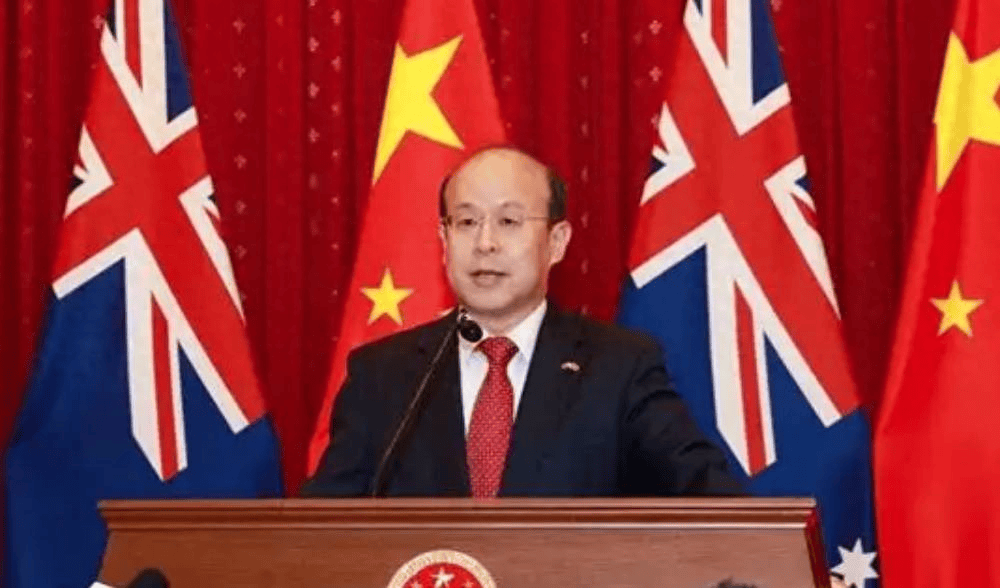
在当今全球经济紧密相连的背景下,国际商贸往往与国家安全、地缘政治交织在一起,达尔文港租约的事件便是这样一个典型例子。近期,中 国驻澳大使肖千公开喊话,明确表示若澳大利亚强制收回达尔文港的租约,中方将采取反制措施。这不仅是一个商业合同的问题,更是中澳关 系中的契约精神与地缘政治影响的一次重大考验。 那么,事情的缘由到底是什么?事实是,在数年前,岚桥集团通过公开透明的竞标过程获得了达尔文港为期99年的租约。这一行为完全符合澳 大利亚的法律法规,并且在过去的十年中,该公司持续投入资本,成功地扭转了原本亏损的经营状况,不仅改善了港口的基础设施,还促进了 当地经济的发展。然而,正当这一切成果逐渐显现之时,澳大利亚政府却因外部势力的压力,开始对该租约态度摇摆,甚至出现了强制收回的 论调。 在全球经济一体化的大背景下,各国间的商业合作愈发依赖于互信与合作,而非以"国家安全"作为干预的借口。近年来,动辄以安全为理由干 扰正常商业活动的做法只会加剧国际市场的不确定性。而达尔文港事件,便是全球经贸秩序面临检验的缩影。 此时此刻,中澳双方都需要认真思考这一事件的深远影响。如果没有理智的沟通与务实的对话,单边行动只会让双方都陷入更深 ...

牛弹琴:美国又开干加拿大,中国无奈躺枪
Bei Jing Ri Bao Ke Hu Duan· 2026-01-25 01:08
全世界都见怪不怪,特朗普又180度大转弯了。 8天前,对加拿大和中国在贸易上达成一致,特朗普还认为是好事。他原话是:"他(加拿大总理卡尼) 去签一个贸易协议是好事。如果你能和中国达成协议,那你就应该去做,对吧?" 8天后,特朗普突然变卦了,他称呼卡尼是"州长",并且恐吓加拿大:如果加拿大与中国达成贸易协 议,他将对所有从加拿大进入美国的商品征收100%的关税。 中国军舰去格陵兰岛? 我看到,丹麦将军都澄清,他从军几十年,就没在格陵兰岛周围发现过中国军舰。 在达沃斯演讲,特朗普宣称风力发电就是一个骗局,说:"中国几乎制造了所有风力发电机,但我在中 国还没找到任何风电场。你有没有想过这个?这是个很好的看法。他们很聪明。中国非常聪明。" 唉,特朗普你不是被谁给骗了,你到中国看一看,看中国的风力发电机多不多! 还有,与加拿大有关,他还痛批"加拿大反对在格陵兰岛上建造金穹顶,尽管金穹顶可以保护加拿大。 相反,他们投票赞成与中国做生意,而中国会在第一年就把他们吞并!" 我看到,在威胁对加拿大加税100%之前几个小时,他还声称:世界最不希望看到的就是中国接管加拿 大…… 说变就变,丝滑无比。 很无奈地,中国又躺枪。 当然, ...

在没有指纹库的古代,为何要按手印?
Xin Lang Cai Jing· 2026-01-23 16:48
在古装剧的经典场景中,犯人画押认罪,买卖双方在契书上按下朱红手印,这一幕总是充满仪式感。然而,一 个现代人难免心生疑问:在没有计算机数据库、没有特征点比对算法的古代,仅凭一个模糊的红色印痕,如 何能成为断案量刑、确认产权的铁证?这枚指纹,难道仅是一种心理威慑或形式主义的残留? □唐元春 指为心画: 指纹兴盛的 实用与文化根源 在探讨古人如何应对指纹验证难题之前,需先理解指纹为何在古代社会如此盛行。其根源深植于古代社 会的现实与观念土壤。 首要动因:高文盲率下的"生物签名"。在古代农业社会,受教育是少数人的特权,"十人之中,九人不识字"是 常态。当涉及土地买卖、借贷、婚书、分家等重大事务需要"签字画押"以示认可时,绝大多数参与者面 临技术障碍。于是,画圈、画十字等简单符号成为替代。然而,这些符号极易模仿,毫无独特性。此时,人们 从经验中发现,每个人手指上的纹理错综复杂,绝少雷同。将这天然独有的纹路沾染朱砂或墨汁,钤印于文 书之上,便成为比任何代书签名更直接、更难以抵赖的个人专属标记。尽管古人无法从科学上解释其唯 一性,但长期的实践观察足以让他们确信:"以手模为证"具有极强的个体指向性。 古人深知,孤立的指纹印痕 ...

金节为证 合符通行
Xin Lang Cai Jing· 2026-01-15 23:33
Core Viewpoint - The article discusses the significance of the E Jun Qi Jin Jie, an ancient Chinese artifact, as a testament to the early legal and commercial practices in China, highlighting its role in contract law and governance [2][5][7] Group 1: Historical Context and Significance - The E Jun Qi Jin Jie, discovered in Anhui, consists of five bamboo-shaped artifacts used as transportation permits during the Warring States period, showcasing the evolution of commercial law in ancient China [2][4] - The inscriptions on the artifacts reflect a sophisticated legal framework, including clear subjects, rights, obligations, and penalties, indicating advanced legislative thought during the Warring States period [3][4] Group 2: Legal and Administrative Insights - The artifacts embody the principle of "合符" (He Fu), a verification mechanism that required both the issuer and holder to possess matching halves, representing an early form of contract [2][6] - The regulations inscribed on the artifacts regarding transportation limits and taxation reveal a structured approach to economic management and legal governance in ancient China [4][6] Group 3: Modern Implications and Continuity - The principles derived from the E Jun Qi Jin Jie resonate with contemporary legal practices, particularly in the context of administrative law and market economy, emphasizing the importance of contract spirit and credit systems [5][6] - Current initiatives in digital management, such as electronic certificates and signatures, reflect the enduring legacy of the "合符为信" concept, demonstrating the evolution of legal practices from ancient to modern times [5][7]

吴晓求最新发声!资本市场应做好资产端、投资端、制度端三重改革
Sou Hu Cai Jing· 2026-01-10 08:04
Group 1 - The core viewpoint is that since September 24, 2024, China's capital market has undergone fundamental changes, with market confidence gradually recovering and expectations stabilizing. The next phase requires reforms in the asset side, funding side, and institutional side [2][3] - The goal of asset-side reform is to adjust the structure of listed companies in China, promoting high-tech and innovative enterprises as the main players in the market. This is essential for meeting investors' risk-return demands [2] - The core objective of funding-side reform is to expand market liquidity, ensuring it remains relatively abundant. The focus is on encouraging large funds to enter the market, as historically, the market has been dominated by individual investors [2] Group 2 - Institutional reform is crucial for the effectiveness of asset and funding-side reforms. The primary goal is to ensure market confidence and expectations, with a focus on transparency and accurate disclosure of information by issuers [3] - The transition from administrative penalties to a legal system based on criminal penalties and civil compensation is emphasized to eliminate issues such as fraud, financial misconduct, and insider trading [3] - The three foundational pillars for developing the capital market are a sound legal system, a strong spirit of contract, and market transparency. These elements are essential for maintaining financial order and ensuring the market's integrity [3]
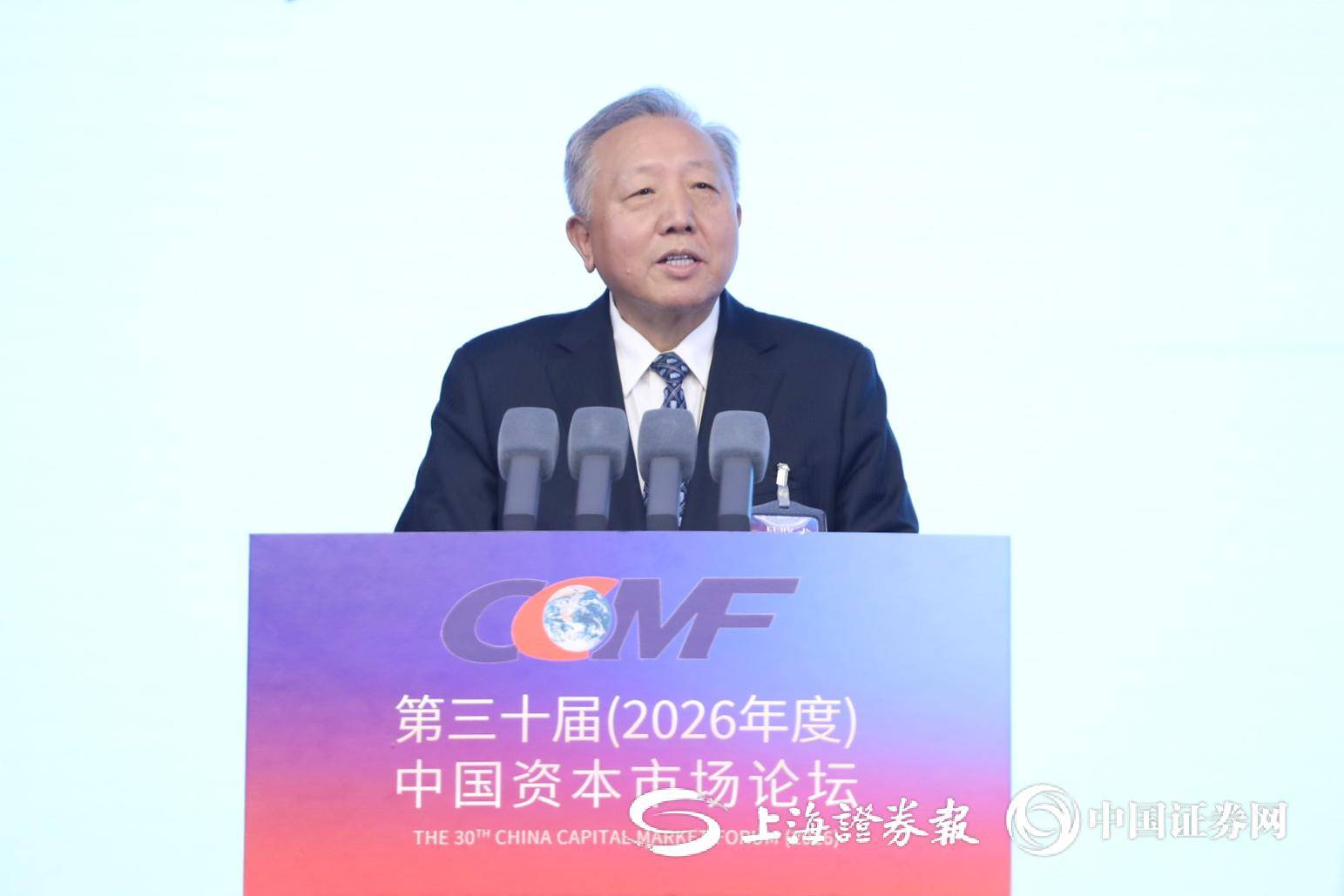
吴晓求:资本市场应做好资产端、投资端、制度端三重改革
Xin Lang Cai Jing· 2026-01-10 07:06
Group 1 - The core viewpoint is that since September 24, 2024, China's capital market has undergone fundamental changes, with a gradual recovery of market confidence and stabilization of expectations. The next phase requires reforms in the asset side, funding side, and institutional side of the capital market [1] Group 2 - On the asset side, the goal of reform is to adjust the structure of listed companies in China, promoting high-tech and innovative enterprises as the main entities. The capital market is a risk market, and sustainable development relies on risk-return profiles that meet investor demands [3] - The core objective of funding side reform is to expand market liquidity, ensuring it remains relatively abundant. The focus is on encouraging large funds to enter the market, as historically, individual investors dominated, and long-term funds were constrained by rules and risk considerations [3] - Institutional reform is essential for the effectiveness of asset and funding side reforms. The primary goal is to ensure market confidence and expectations, with a focus on transparency and accurate disclosure of information by issuers [3] Group 3 - The three foundational pillars for developing the capital market are a sound legal system, a strong spirit of contract, and market transparency. The spirit of contract includes stability in the macro environment and predictability in policies, while the legal system is fundamental to financial sustainability [4] - Transparency is described as the lifeline of the capital market, necessitating legal and policy measures to ensure that market participants, especially listed companies and intermediaries, provide truthful information and maintain market order [4]
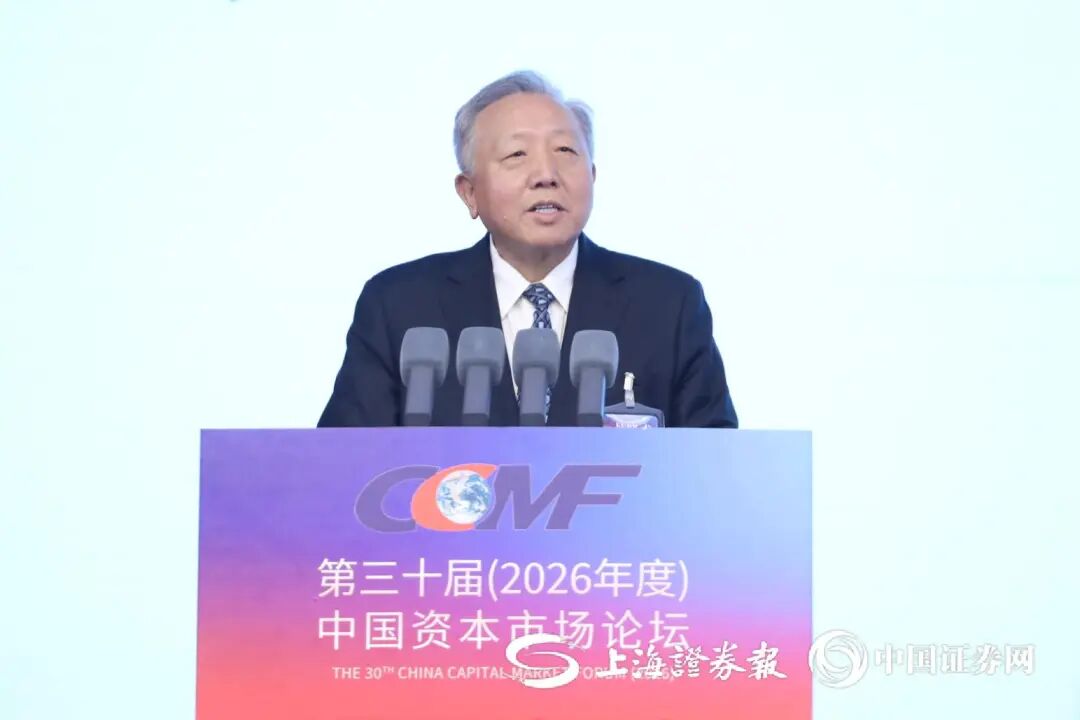
中国人民大学国家金融研究院院长吴晓求:资本市场应做好资产端、投资端、制度端三重改革
Sou Hu Cai Jing· 2026-01-10 06:35
Core Viewpoint - Since September 24, 2024, China's capital market has undergone fundamental changes, with market confidence gradually recovering and expectations stabilizing. The next phase requires reforms in the asset side, funding side, and institutional side of the capital market [2][3]. Group 1: Asset Side Reform - The goal of asset side reform is to adjust the structure of listed companies in China, promoting high-tech and innovative enterprises as the mainstay. The capital market is a risk market, and sustainable development relies on risk-return profiles that meet investor demands [3]. Group 2: Funding Side Reform - The core objective of funding side reform is to expand market liquidity, ensuring it remains relatively abundant. The focus is on encouraging large funds to enter the market, as historically, the market has been dominated by individual investors, with long-term funds constrained by rules and risk considerations [3]. Group 3: Institutional Side Reform - Institutional reform is essential for the effectiveness of asset and funding side reforms. The primary goal is to ensure market confidence and expectations, with a focus on enhancing market transparency. Issuers must disclose statutory information truthfully to avoid hidden risks [3][4]. Group 4: Legal Framework and Market Integrity - The transition from administrative penalties to a legal system focused on criminal penalties and civil compensation is necessary to eliminate risks such as fraud, financial misrepresentation, and insider trading. Heavy penalties should be imposed on those who conceal risks or assist in such actions [4]. Group 5: Foundations for Capital Market Development - The three foundational pillars for capital market development are a sound legal system, a strong spirit of contract, and market transparency. The spirit of contract includes stability in the macro environment and predictability in policies, while transparency is vital for maintaining market order and requires accurate information disclosure from market participants [5].
诚实守信,契约精神传承赋能发展
Xin Lang Cai Jing· 2026-01-08 22:05
Core Viewpoint - The article emphasizes the importance of "integrity and trustworthiness" as a cultural gene in Jiangsu, which has evolved from a moral advocacy to a stable cultural foundation driving development [1][2]. Group 1: Formation of Integrity Gene - The integrity gene in Jiangsu is shaped by geographical environment, historical evolution, and exemplary figures [2]. - Jiangsu's geographical features, such as its rivers and trade routes, necessitated trust and cooperation, leading to the early emergence of a credit culture [2]. - Historical processes transitioned integrity from a folk custom to a formalized system, particularly during the Ming and Qing dynasties, where regulations emphasized accountability and transparency [3]. Group 2: Unique Aspects of Integrity in Jiangsu - Confucian ethics, particularly the concept of "balancing righteousness and profit," is central to Jiangsu's integrity culture, distinguishing it from other regions [4]. - The tradition of "integrity in business" is exemplified by historical figures like Zhang Jian, who integrated traditional values with modern business practices [5]. Group 3: Modern Transformation of Integrity - Jiangsu has pioneered the establishment of a social credit system, transforming traditional integrity into a modern institutional framework [5][6]. - The integration of technology into the credit system allows for the creation of "credit portraits," enhancing the reliability of trust in a digital age [6]. Group 4: Economic and Governance Impacts - Integrity acts as a catalyst for economic development, optimizing the business environment and reducing transaction costs [8]. - In social governance, credit mechanisms are applied across various sectors, including taxation and healthcare, demonstrating the practical benefits of integrity [9]. Group 5: Future Challenges and Opportunities - The integrity culture in Jiangsu faces challenges from digitalization and globalization, necessitating innovative approaches to maintain its core values [10]. - The evolution of trust in the context of AI highlights the need for a governance framework that balances efficiency with ethical considerations [11].
山东仅退款率第一?1亿人消费市场,敢禁售就敢淘汰你!
Sou Hu Cai Jing· 2026-01-05 09:17
Core Viewpoint - The article discusses the negative perception of Shandong province, highlighting its agricultural strength and industrial capabilities while criticizing the regional bias against it [1][8]. Group 1: Economic and Demographic Significance - Shandong has a permanent population of 101 million, making it the second-largest province in China, and not supplying goods to Shandong is akin to ignoring a significant market [3]. - The province ranks third in grain production and first in vegetable production nationally, emphasizing its role as a crucial supplier for food security [5]. Group 2: Industrial and Technological Capabilities - Shandong is the only province in China with all 41 industrial categories, indicating its comprehensive manufacturing capabilities [7]. - The province's private enterprises rank among the top in the nation, showcasing its industrial strength and technological advancements [7]. Group 3: Cultural and Social Perceptions - There is a stereotype that Shandong lacks modernity and is overly traditional, yet this overlooks the province's practical and hardworking nature [7]. - The article argues that the negative stereotypes about Shandong are often perpetuated by those who benefit from such biases, leading to a misunderstanding of the province's true value [8][9]. Group 4: Market Implications - Ignoring Shandong's market potential due to regional bias is seen as a significant business mistake, given its strong consumer base and economic contribution [8]. - The article calls for respect towards Shandong, emphasizing its foundational role in China's industrial and agricultural sectors [9].