情绪消费

Search documents
卡牌首登春晚,文化新业态点亮中国年
Xin Lang Cai Jing· 2026-02-21 01:52
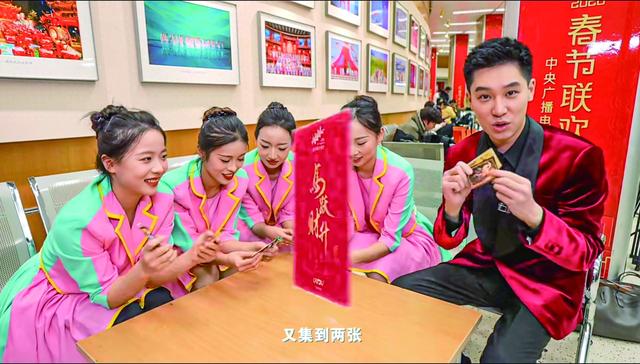
除夕这天,来自四川大凉山的史加尔且,早早和家人守在电视机前,收看中央广播电视总台春节联欢晚 会。"舞台上那些卡牌就是我们生产的!我很多朋友都知道。"这位彝族青年的语气中带着几分骄傲。 史加尔且上班的工厂,位于钱江之源——浙江省衢州市开化县,是浙江卡游动漫有限公司(以下简称卡 游)的卡牌生产基地。今年登上总台春晚的"骐骥驰骋典藏卡",以及去年火遍全球的哪吒卡牌,都出自 这里。 "我的小众爱好也是'出息'了!"上海静安大悦城是国内"二次元浓度"最高的地方之一,正在卡游专柜挑 选卡牌的李宇轩说,没想到卡牌能登上春晚,"这是国家年度文化盛典和我们年轻人情绪消费的双向奔 赴"。 在总台春 晚后台,主持人宋宇豪(右一)领取集卡任务。受访者供图 方寸卡牌成为春节邀约 2月5日,中央广播电视总台宣布,卡游成为总台2026年春节联欢晚会独家卡牌合作伙伴。 马年的美好寓意,如何与一张小小的卡牌产生"化学反应"?据中央广播电视总台总经理室工作人员介 绍,此次春晚与卡游携手创作出的"骐骥驰骋典藏卡",不仅是对青春潮流文化的拥抱,更是一份面向年 轻一代的春节邀约——让方寸卡牌成为传递祝福、连接亲情、传承文化的温情纽带。 情绪消费重塑消 ...

近八千张门票刚开票便一售而空 为上海的春节增添笑声与暖意 年轻人的新年俗 看一场沪语脱口秀
Jie Fang Ri Bao· 2026-02-21 00:53
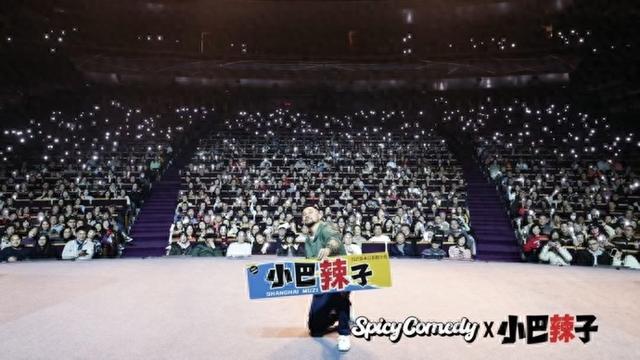
记者 吴桐 大年初四晚,上海文化广场外排起长队,上海脱口秀演员"71"的沪语单口喜剧专场《小巴辣子》即 将开场。一个人、一支麦克风,从初四演到初七,近8000张门票刚开票便一售而空。 "听71的沪语脱口秀,就好像邻里间'嘎讪胡'一样亲切。""95后"观众李悦和表姐相约而来,"在年夜 饭、豫园灯会之外,和家人朋友看一场脱口秀,在欢笑中过年,也算是一种年轻人的'新年俗'。" 今年春节,上海脱口秀演出市场火爆,其中最热门的当数沪语脱口秀。除了《小巴辣子》,沪语脱 口秀《310集合》先后在九棵树未来艺术中心和云间剧场上演。上海滑稽剧团在兰心大戏院上演的《马 踏祥云闹新春》则将独脚戏、上海说唱与脱口秀融为一体。亲切感十足的沪语、鲜活幽默的段子,为上 海的春节增添了笑声与暖意。 传统春节以家庭团聚、走亲访友为主,但随着现代家庭结构缩小、社交半径收缩,"走亲戚"的仪式 感逐渐减弱。而脱口秀、Livehouse、沉浸式演出等,提供了高参与度、强社交感的新场景,自然成为 年轻人的节日新选择。 在71的"特别秀"上,上半场由其他演员热场,观众扫码提交五花八门的人生烦恼,他则在后台快速 筛选题材。下半场他登台,随机抽取几个问题便即 ...
新华每日电讯聚焦卡牌首登春晚:文化新业态点亮中国年
Xin Lang Cai Jing· 2026-02-21 00:48
除夕这天,来自四川大凉山的史加尔且,早早和家人守在电视机前,收看中央广播电视总台春节联欢晚 会。"舞台上那些卡牌就是我们生产的!我很多朋友都知道。"这位彝族青年的语气中带着几分骄傲。 史加尔且上班的工厂,位于钱江之源——浙江省衢州市开化县,是浙江卡游动漫有限公司(以下简称卡 游)的卡牌生产基地。今年登上总台春晚的"骐骥驰骋典藏卡",以及去年火遍全球的哪吒卡牌,都出自 这里。 "我的小众爱好也是'出息'了!"上海静安大悦城是国内"二次元浓度"最高的地方之一,正在卡游专柜挑 选卡牌的李宇轩说,没想到卡牌能登上春晚,"这是国家年度文化盛典和我们年轻人情绪消费的双向奔 赴"。 方寸卡牌成为春节邀约 2月5日,中央广播电视总台宣布,卡游成为总台2026年春节联欢晚会独家卡牌合作伙伴。 马年的美好寓意,如何与一张小小的卡牌产生"化学反应"?据中央广播电视总台总经理室工作人员介 绍,此次春晚与卡游携手创作出的"骐骥驰骋典藏卡",不仅是对青春潮流文化的拥抱,更是一份面向年 轻一代的春节邀约——让方寸卡牌成为传递祝福、连接亲情、传承文化的温情纽带。 "我们期待,这方寸之间的艺术,能让生肖文化更可亲可感,让春晚的记忆更可触可藏; ...
上海的气韵
Xin Lang Cai Jing· 2026-02-20 21:44
(来源:上观新闻) 大年初四晚,上海文化广场外排起长队,上海脱口秀演员71的沪语单口喜剧专场《小巴辣子》即将开 场。一个人、一支麦,从初四演到初七,近8000张门票刚开票便一售而空。 "听71的沪语脱口秀,就好像邻里间'嘎讪胡'一样亲切。""95后"观众李悦和表姐相约而来,"在年夜饭、 豫园灯会之外,和家人朋友看一场脱口秀,在欢笑中过年,也算是一种年轻人的'新年俗'。" 今年春节,上海脱口秀演出市场火爆,其中最热门的当属沪语脱口秀。除了《小巴辣子》,沪语脱口秀 《310集合》先后在九棵树未来艺术中心和云间剧场上演。上海滑稽剧团在兰心大戏院上演的《马踏祥 云闹新春》则将独脚戏、上海说唱与脱口秀融为一体。亲切感十足的沪语、鲜活幽默的段子,为上海的 春节增添了浓浓的笑声与暖意。 大年初四晚,71沪语单口喜剧专场《小巴辣子》在上海文化广场上演 "小巴辣子"开麦,听见上海的烟火气 71的沪语脱口秀能火起来,离不开他的"特别秀"——门票几乎场场秒空,观众来自全国各地,甚至海 外。"特别秀"之所以特别,在于其即兴与鲜活,如同开盲盒一般。他就像个"现场炒菜"的大厨,从不提 供"预制菜",观众给他什么"食材",他就炒什么"菜" ...
市场红火年味浓
Xin Lang Cai Jing· 2026-02-20 18:38
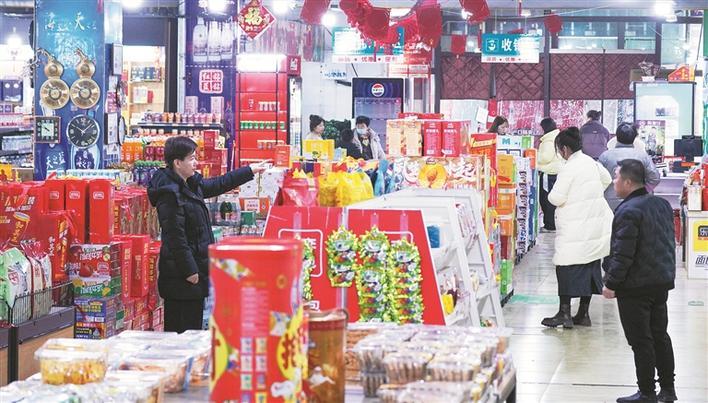
Core Viewpoint - The article highlights the robust consumer activity and effective supply management during the Spring Festival in Xinjiang, showcasing a vibrant economic atmosphere and the successful implementation of various promotional activities to stimulate consumption [2][10]. Group 1: Consumer Supply and Price Stability - During the Spring Festival, Xinjiang's various supermarkets and markets experienced a peak in consumer activity, focusing on ensuring sufficient supply and stable prices for essential goods [2][4]. - The Xinjiang Nine Ding Agricultural Products Wholesale Market initiated a holiday supply plan a month in advance, emphasizing supply stability, price control, and food safety [4][5]. Group 2: Promotional Activities and Consumer Engagement - The Twelve Division's "Welcome the New Year Consumption Season" encouraged merchants to participate in promotional activities, offering discounts through the "Cloud Flash Payment" app, enhancing consumer experience [3][10]. - Diverse promotional activities, including the introduction of "horse-themed" products, attracted significant consumer interest, reflecting cultural engagement and modern trends [6][7]. Group 3: Cultural and Recreational Events - The Spring Festival saw a shift towards experiential consumption, with various cultural and recreational activities being organized, such as traditional performances and ice sports, enhancing the festive atmosphere [8][9]. - Events like the "Sports Welcome the New Year" theme in Beitun City provided entertainment and engagement for both residents and tourists, contributing to the overall economic activity [9][10].
春节祈福,AI算命火了
凤凰网财经· 2026-02-19 10:54
以下文章来源于定焦One ,作者定焦One团队 定焦One . 深度影响创新。 来源丨定焦One 作者 | 雷晶 编辑 | 金玙璠 新春佳节 , 寺庙香火鼎盛,然而, 有些 年轻人选择了一种更为便捷、私密的祈福方式——"AI算 命"。他们不再执着于烧头香或求见命理大师,而是 把自己 的 焦虑、困惑、迷茫,通通喂给AI算 法, 寻求指引和慰藉。 应届毕业生佳瑜 在求职的迷茫期,尝试 用AI测算职业方向 。她 只输入了生辰八字,AI便 分析出 她 " 细腻敏感 " 的性格特质,并 给出了 相应的 职业 建议,让她感叹 " 像是被看穿了 "。 另一位用户 晓华 , 则 对 AI 预判她 新工作 将面临 "温水煮青蛙"的 处境感到惊讶 , 因为这 与 她的 实际体验 高度契合 。 更让她 意外 的是,AI对她感情走向的分析,竟与家人请线下命理师测 算的结果相近。 社交平台上,围绕AI 算命 的讨论不断升温。从求职、跳槽到感情走向,年轻人把它当作倾诉出口, 也当作决策参考。 艾媒咨询数据显示,玄学已成为国内消费者情绪消费的重要偏好之一, 有 18.29%的消费者对玄学及相关的好运经济产品表现出消费偏好,而其中18至30 ...
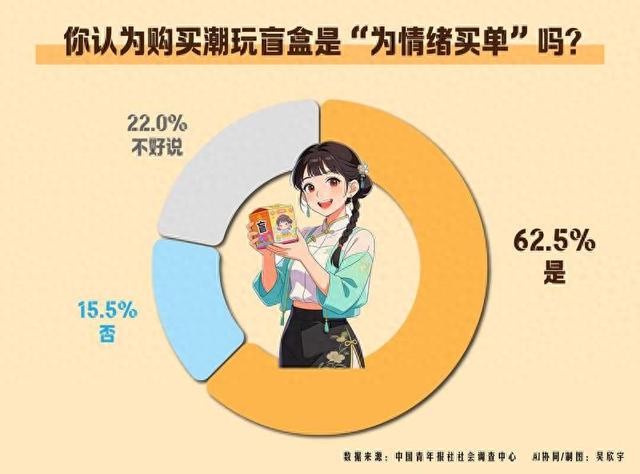
新春走基层|超六成受访青年认为购买潮玩盲盒是“为情绪买单”
Xin Lang Cai Jing· 2026-02-19 04:30
Core Insights - The rise of emotional spending among young consumers is reflected in the popularity of collectible blind boxes, with 62.5% of surveyed youth indicating they purchase them to address emotional needs [4][5] - The trend highlights a shift in consumer behavior where young people seek emotional fulfillment through material goods, particularly during times of stress or loneliness [5][6] Group 1: Emotional Spending Behavior - 55.6% of young consumers buy blind boxes when feeling down, while 49.0% do so when happy to prolong their joy [4][6] - Other emotional triggers for purchasing include feelings of loneliness (41.6%), seeing new products (40.7%), and experiencing work or study pressure (33.7%) [4][6] - Only 3.3% of respondents reported rarely buying blind boxes due to emotional reasons [4] Group 2: Consumer Profiles and Motivations - Young consumers, particularly those who felt restricted in their childhood regarding toy purchases, are now drawn to blind boxes as a form of self-reward and collection [3][5] - The average price point of blind boxes is perceived as affordable, making them an accessible form of emotional relief for many [3][5] - The enjoyment derived from unboxing and the thrill of potentially receiving rare items contribute to the appeal of blind boxes [6][7] Group 3: Cultural and Psychological Insights - The popularity of blind boxes reflects unmet cultural and emotional needs among youth, as traditional educational systems often prioritize academic performance over holistic development [5][6] - Experts suggest that the emotional connection to these products serves as a substitute for deeper social and emotional engagement, highlighting a need for better cultural offerings that resonate with young people's experiences [5][6] - There is a call for fostering critical thinking among youth to distinguish between genuine needs and consumerist pressures, emphasizing the importance of rational consumption [7]
机器人卖爆了!遛个宇树机器狗,年轻老己带AI宠物回家过年
Sou Hu Cai Jing· 2026-02-19 01:39
Group 1 - Traditional New Year goods growth has slowed to 8%, while "emotional New Year goods" have surged by 35% [1] - Young consumers are increasingly opting for emotional and experiential products over traditional gifts like alcohol and red gift boxes [2] - The electronic pet market is seeing a significant rise in interest, with search volumes on e-commerce platforms skyrocketing [2] Group 2 - 58.7% of electronic pet buyers are aged 25 to 35, with a significant female demographic [3] - Electronic pets are being purchased for various reasons, including stress relief for adults, companionship for parents, and as AI playmates for children [4] - The introduction of AI pets is seen as a solution for social situations, providing a way to deflect personal questions during family gatherings [5] Group 3 - The design logic of these electronic pets focuses on "growth-type companionship," allowing them to develop unique personalities based on user interactions [5] - The technology behind these products is advanced, featuring AI models and multi-modal sensors, showcasing the latest achievements in Chinese manufacturing [2] - Major players in the market include both startups and established companies like Huawei and UBTECH, with significant investment backing from firms like Sequoia and Hillhouse [8] Group 4 - Over 60% of "emotional orders" during the Spring Festival are gifts that young people buy for themselves [9] - Electronic pets serve as a medium for emotional connection, especially for those who are single or living alone [11] - The market for these products is expanding beyond niche experiments, indicating a growing acceptance and demand for technology that provides emotional value [8]

中国“国潮”海外闹新春
Xin Hua She· 2026-02-17 07:26
Group 1: Cultural Trends and Consumer Behavior - The Lunar New Year is becoming a significant cultural phenomenon globally, with various countries embracing Chinese traditions in innovative ways, leading to diverse consumer experiences [1] - In Vietnam, the character "Ma Xiao Ye" has gained popularity among young people, reflecting their emotional struggles and resilience, which has resulted in increased sales of related merchandise [2][3] - Thai consumers are drawn to new year-themed blind boxes that align with their cultural preferences for auspicious symbols, indicating a blend of Chinese and local traditions [3] Group 2: Technological Integration and Experiences - The integration of technology in cultural celebrations is evident, with service robots enhancing operational efficiency in restaurants during the Lunar New Year, showcasing China's technological advancements [4] - In Malaysia, a robot experience center combines traditional cultural elements with modern technology, providing visitors with interactive experiences that celebrate the festive atmosphere [4] - An immersive exhibition in Australia utilizing holographic technology has attracted significant interest, allowing visitors to experience Chinese heritage in a modern context, highlighting the fusion of technology and culture [5][6]
消费主义打败民族主义,这是中国消费者身份的理智回归
Sou Hu Cai Jing· 2026-02-16 23:07
Core Viewpoint - Post-pandemic, consumerism in China is overtaking nationalism, with consumers focusing more on quality and value rather than national origin, despite ongoing diplomatic tensions with Japan and the U.S. [2] Group 1: Consumer Behavior Changes - The rise of consumerism over nationalism is evident as consumers prioritize quality, cost-effectiveness, and emotional value in their purchasing decisions [2][8] - The younger generation and urban middle class are increasingly making purchasing decisions based on rationality rather than nationalism, indicating a shift in consumer identity [8][21] - The demand for affordable luxury products has surged, with brands like Xiaomi thriving by offering high-quality products at reasonable prices [20][21] Group 2: Impact of Diplomatic Tensions - Recent diplomatic disputes between China and Japan have not led to widespread boycotts of Japanese products, as seen in the sales growth of Toyota and Sushi restaurants [9][12] - Despite official warnings against travel to Japan, many consumers continue to visit, showing a disconnect between government sentiment and consumer behavior [9][12] - The success of Japanese brands in China, such as Toyota and Sushi restaurants, highlights the diminishing impact of nationalism on consumer choices [9][12] Group 3: Cultural Influence - American cultural products remain popular among Chinese consumers, with Disney's "Zootopia 2" achieving record box office success in China, indicating that cultural ties can transcend political tensions [14] - The appeal of brands like Ralph Lauren is growing among urban consumers, who value quality and brand image over nationalistic sentiments [16] Group 4: Emotional Consumption Trends - Emotional consumption is becoming a significant trend, as consumers seek products that provide emotional comfort and align with their lifestyles, regardless of the brand's origin [21] - The shift towards emotional consumption reflects a broader societal change, where consumers are less influenced by nationalist sentiments and more by personal values and experiences [21]