
数智经济

Search documents
武汉打造全国数智经济一线城市
Di Yi Cai Jing· 2026-02-03 10:53
Core Insights - Wuhan is focusing on building a super-large city intelligent system rather than competing in the general large model race in AI technology [6] - The city aims to achieve an AI industry scale exceeding 200 billion yuan by 2026, with a target of producing over 15,000 PetaFLOPS of computing power and facilitating a cumulative data transaction volume of 3 billion yuan [1][5] Group 1: Smart Economy Development - Wuhan's "Smart Economy Development Action Plan (2026-2028)" was released, emphasizing the transformation of urban competition through AI technology [1] - The plan includes the establishment of over 1,500 AI-related companies and the cultivation of 1,000 large-scale data enterprises within three years [1] Group 2: Technological Innovation - The city will implement over 30 R&D projects focusing on foundational technologies like AI chips to achieve self-controllable key technologies [2] - Wuhan is setting up 29 high-energy innovation platforms and 11 industrial innovation laboratories, with six focusing on the smart economy [2] Group 3: Industry Integration Actions - Four major actions will be taken to deepen the integration of scientific innovation and industry: breakthrough in smart "root technologies," AI empowerment in science, cross-industry integration of smart technologies, and optimization of the innovation and entrepreneurship ecosystem [3] Group 4: Core Industries of Smart Economy - By 2025, Wuhan's core smart economy industries are expected to reach a scale of 1.1 trillion yuan, with 3,678 enterprises in the sector [4] - The electronic information manufacturing and software industries will account for over 80% of this growth, with significant advancements in AI applications across various sectors [4] Group 5: Computing Power and Data Infrastructure - Wuhan plans to establish a diverse computing power supply system, aiming for 7,500 PetaFLOPS of computing power by 2026 [5] - The city will explore the creation of a public service platform for AI and data, focusing on various application scenarios in urban governance [5] Group 6: Talent and Collaboration - Recommendations include fostering interdisciplinary talent in AI and industry, leveraging the city's strong research capabilities [7] - Collaboration with neighboring cities like Yichang is suggested to build a regional AI infrastructure and data base [7]
锚定数智经济一线城市,武汉有底气
Chang Jiang Ri Bao· 2026-02-03 00:50
Core Insights - Wuhan is accelerating its development as a leading city in the digital economy, with a focus on integrating artificial intelligence across various sectors [1][2][7] - The city aims to achieve a scale of 100 billion yuan in its artificial intelligence industry by the end of 2025, with over 1,300 related enterprises and a notable presence in the Forbes China AI Technology Companies TOP 50 [2][5] Group 1: Development Plans and Goals - The Wuhan Municipal Committee has approved a three-year action plan (2026-2028) to enhance the city's digital economy [1][7] - The plan emphasizes the transition from a digital economy to a smart economy, indicating a systemic transformation in urban development and industrial forms [1][2] Group 2: Industry Integration and Applications - The concept of "smart economy" is defined as the deep integration of AI with various industries, representing an advanced stage of digital economic development [2] - AI applications are already evident in multiple sectors, such as telecommunications, automotive, and healthcare, showcasing significant improvements in efficiency and capabilities [2][3] Group 3: Infrastructure and Talent - Wuhan boasts advanced infrastructure, including 40 5G base stations per 10,000 people and 13 intelligent computing centers, positioning it as a leader in digital infrastructure [4] - The city has a strong talent pool with over 90 universities, including 33 with AI programs, contributing to its competitive edge in AI research and development [4][5] Group 4: Ecosystem and Innovation - The establishment of a global industrial partner conference in Wuhan signifies the city's commitment to building a comprehensive ecosystem for smart innovation [4] - The city has identified 103 typical AI application scenarios across eight major fields, indicating a robust framework for supporting AI integration into the economy [5][6] Group 5: Future Directions - The upcoming action plan will focus on eight key tasks, including smart industry transitions and data element development, to create a closed-loop system connecting technology, industry, and value [7] - Wuhan's journey from a digital economy to a smart economy is characterized by technology-driven, industry-supported, and scenario-led transformations [7]
市委常委会召开会议:把党的全面领导贯穿工作各方面全过程,奋力推动“十五五” 实现良好开局
Chang Jiang Ri Bao· 2026-02-02 10:54
会议强调,要认真学习贯彻习近平总书记在1月30日中央政治局会议上的重要讲话精 神,把党的全面领导贯穿工作各方面全过程,不折不扣把党中央决策部署和省委、省政府工 作要求落到实处。市人大常委会、市政府、市政协、市中级人民法院、市人民检察院党组要 坚持以习近平新时代中国特色社会主义思想为指导,全面深刻准确领会和把握党的二十届四 中全会战略部署,认真落实省委和市委工作要求,锚定"十五五"时期目标任务,凝心聚力推 动实现良好开局,加快建设国家中心城市,全力打造"五个中心",全面建设现代化大武汉。 2月2日,市委常委会召开会议,传达学习习近平总书记在1月30日中央政治局会议上的 重要讲话精神,研究我市贯彻落实工作;传达学习赵乐际同志在湖北调研时的讲话要求,部 署我市贯彻落实措施;审议《武汉市数智经济发展三年行动方案(2026—2028年)》。省委 常委、市委书记盛阅春主持会议并讲话。 会议强调,要深入学习贯彻习近平总书记关于坚持和完善人民代表大会制度的重要思 想,认真学习领会赵乐际同志讲话要求,结合实际抓好贯彻落实。要全面加强党对人大工作 的领导,不断丰富和拓展全过程人民民主武汉实践。要高质量建设人大代表联系群众工作平 ...
以实干实绩加快建设现代化大武汉 努力在支点建设中当好龙头走在前列
Chang Jiang Ri Bao· 2026-02-02 09:31
2月1日,我市召开会议传达学习省十四届人大四次会议、省政协十三届四次会议精神,以及省委书 记王忠林在会议期间和参加武汉代表团审议时的讲话要求,部署我市贯彻落实工作。省委常委、市委书 记盛阅春主持会议并讲话。 市委副书记、市长熊征宇,市人大常委会主任胡立山,市政协主席杨智出席会议并传达相关精神和 要求。市委副书记孟祥伟出席会议。 会议指出,这次省两会是在"十四五"圆满收官、"十五五"胜利开启的关键时刻召开的一次重要会 议。会议期间,省委书记王忠林参加武汉代表团审议,充分肯定武汉去年经济社会发展取得的成绩,对 武汉下一步工作提出了"五个坚持"的明确要求。我们要始终牢记习近平总书记殷殷嘱托,准确把握省两 会精神,切实扛牢支点建设政治责任,强化"六种意识",抬升发展标杆,加快建设国家中心城市,全力 打造"五个中心",全面建设现代化大武汉,以实干实绩不负党中央重托和人民群众期待。 会议强调,要坚持对标对表,清单化、项目化做好各项工作,确保省委、省政府部署要求在武汉落 实落地。要以项目建设为重点全力以赴稳增长,强化"拼"的意识、"抢"的状态、"进"的作为,全力扩投 资、促消费、稳外贸,营造"大抓项目、抓大项目"的浓厚氛围 ...
杨浦提档2026”头号工程“ 营商环境越来越暖
Xin Lang Cai Jing· 2026-01-30 10:23
人勤春来早,等不到农历新年,杨浦就将2026年"头号工程"付诸行动。1月29日下午,区优化营商环境 提档召开,发布《杨浦区加快打造营商环境最暖城区行动方案(2026年)》(即区优化营商环境9.0版 方案)。一改常规"打开方式",往年的以发布新政为主的部署会今年首变座谈会,将话筒首先交给八家 区内重点产业链企业,结合自身发展实际,在优化政务服务、完善产业生态、强化金融支持等方面建言 献策。 一边是畅所欲言的经营主体,另一边则是边划边记的区各委办局负责人,围绕纷至沓来的意见诉求,他 们需要迅速消化当场回应,"事后我们会行动起来,把大家的意见建议转化为新一年乃至十五五发展工 作的具体意见转化为实际行动,一步一个脚印落实好。"杨浦区委书记薛侃向着在场企业代表当面做出 承诺。 好的营商环境就像阳光、水和空气。虽然将座谈会开进一年一度的营商大会现场尚属首次,但政企间的 高频沟通在杨浦已成新常态。自2018年以来,杨浦区坚持久久为功、持续深化,先后推出8轮改革方 案,涵盖734条任务举措。在更好回应企业需求方面,系统培育了悦young工作室、税立方、小杨说政 策、法润营商、清朗Y空间、托立方等特色品牌。在畅通营商"最后一公 ...

聚智聚力 同心同行 为确保支点建设取得决定性进展而团结奋斗
Chang Jiang Shang Bao· 2026-01-30 00:56
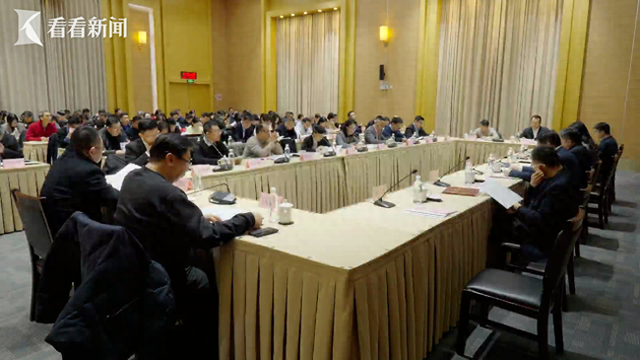
Core Viewpoint - The meeting emphasizes the importance of unity and collaboration among various sectors to ensure decisive progress in the construction of Hubei's development framework during the "14th Five-Year Plan" period [2][4]. Group 1: Meeting Highlights - The meeting was attended by various representatives from different sectors, including the Communist Party, youth organizations, and the business community, to discuss the government work report and the draft of the "14th Five-Year Plan" [2][3]. - Participants provided insightful suggestions on topics such as modernizing Wuhan, integrating AI with manufacturing, enhancing ecological capacity, and developing a modern industrial system in Hubei [3]. Group 2: Achievements and Challenges - Over the past five years, Hubei has faced significant challenges, including the pandemic and natural disasters, yet has successfully completed its "13th Five-Year Plan" goals, showcasing advancements in economic development, technological innovation, and improved living standards [4]. - The leadership of Xi Jinping and the guiding principles of the Xi Jinping Thought on Socialism with Chinese Characteristics have been pivotal in overcoming these challenges [4]. Group 3: Strategic Focus for the "14th Five-Year Plan" - The "14th Five-Year Plan" period is characterized by significant changes in the development environment, necessitating alignment with the central government's strategic deployments [5]. - Key focuses include adapting to global shifts, embracing technological revolutions, promoting green development, and transitioning from a demographic dividend to a talent dividend [5]. Group 4: Goals and Implementation - The year marks the beginning of the "14th Five-Year Plan" and is crucial for advancing Hubei's development initiatives [6]. - Emphasis is placed on maintaining a consistent vision, achieving high-quality development, and ensuring a balance between economic and social progress [6].
“精准警务”护航区域数智经济发展
Jiang Nan Shi Bao· 2026-01-28 23:16
针对这一特点,相城公安分局组织各警种、属地派出所组建"企业安全服务队",服务队以治安、经侦等 部门骨干及派出所民警为核心,联动相关企业安全联络员,形成专业服务合力。通过查隐患整改落实、 查安全需求更新、查服务满意度等,确保服务精准高效。 此前,园区内某物流科技企业反映因数据存储量大、跨境业务频繁,受困于数据泄露、网络攻击等风 险。"企业安全服务队"走访获悉后,立即启动"定制化防护"流程,为企业开展为期3天的全面安全体 检,精准排查出员工安全意识薄弱等6处隐患。自服务队成立以来,累计走访数智企业90余家,整改网 络安全、生产防护等各类隐患48处,企业安全满意度达98.6%。 前置警务室 靠前化解行业纠纷 相城区蠡口家具城作为华东地区首屈一指的家居产业集聚区,正处于从传统销售向数字化、智能化家居 转型的关键阶段。面对超4600家厂商、年销售额超150亿元的庞大市场,产业升级带来的新型消费纠纷 日益凸显,数据安全与体验安全成为智能家居产品消费纠纷的新焦点。 苏州相城高新区(元和街道)是数智经济的重要集聚区,这里不仅有苏州人工智能产业园,汇聚了138 家智能制造、健康医疗、数字金融等企业,形成"上下楼就是上下游"的产 ...
同比增长5.6% 2025年武汉GDP突破2.2万亿元
Zhong Guo Xin Wen Wang· 2026-01-28 05:46
同比增长5.6% 2025年武汉GDP突破2.2万亿元 中新网武汉1月28日电 (记者 张芹)武汉市统计局、国家统计局武汉调查队28日公布2025年武汉市经济运 行情况,根据湖北省市州生产总值统一核算结果,初步核算,2025年武汉市地区生产总值(GDP)达 22147.35亿元,按不变价格计算,同比增长5.6%。 武汉城市风貌。(无人机照片) 周星亮 摄 据统计,2025年,武汉市规模以上工业增加值比上年增长6.2%,全市规模以上工业35个行业大类中, 超七成行业实现增长。其中,计算机、通信和其他电子设备制造业、汽车制造等行业成核心支撑;新动 能培育成效突出,规模以上高技术制造业增加值比上年增长16.6%,3D打印设备、新能源汽车、工业机 器人等新兴产品产量大幅增长,彰显工业结构向高端化、智能化升级的趋势。 与此同时,武汉市加快推动现代服务业提质发展,服务业增加值比上年增长5.9%。其中,交通运输、 仓储和邮政业增加值增长9.6%。文旅消费活力持续释放,2025年1月—11月,规模以上文化艺术业营业 收入同比增长25.1%,旅行社及相关服务业、休闲观光活动营业收入分别增长14.0%、7.7%。 2025年9月 ...
湖北官宣:超常规打造广域武汉大都市圈
第一财经· 2026-01-27 03:27
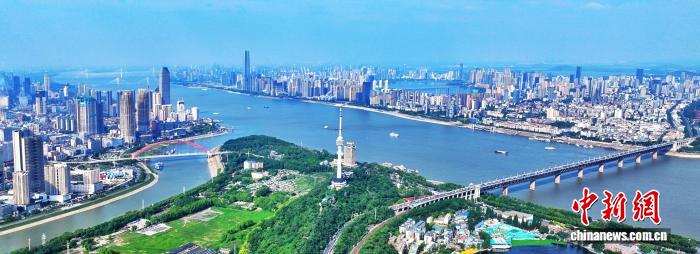
Core Viewpoint - The Hubei provincial government aims to achieve a GDP of 62.661 trillion yuan by 2025, with a growth target of around 5.5% for 2026, emphasizing synchronized growth in residents' income and economic development [2][4]. Economic Growth and Structure - Hubei's economy has shown resilience against the pandemic and other unexpected factors, with a multi-polar development pattern emerging. Wuhan has entered the 2 trillion yuan GDP club, while cities like Xiangyang and Yichang have risen in the rankings of non-provincial capital cities [4]. - The province has added three cities with GDPs exceeding 300 billion yuan and four counties exceeding 100 billion yuan [4]. Infrastructure and Transportation - Hubei's transportation network has significantly improved, with a comprehensive highway system and high-speed rail connections, ranking fifth in the country for high-speed rail mileage [4]. - The province has established itself as a central hub for shipping and logistics, with the Huahu International Airport becoming a major inland air export point [4]. Technological Innovation - Hubei has built eight major technological infrastructures and 45 national key laboratories, leading in various advanced technologies. The number of high-tech enterprises is expected to reach 35,000 by 2025 [4][5]. - The contribution of high-tech manufacturing to industrial growth is projected to be 35.6%, with significant advancements in sectors like storage chips and artificial intelligence [5]. Domestic Demand and Investment - Retail sales of consumer goods are expected to reach 2.79 trillion yuan, with a notable increase in service consumption [5]. - The province has initiated over 30,000 projects with investments exceeding 100 million yuan, enhancing infrastructure and industrial capacity [5]. Foreign Trade and Economic Openness - Hubei's total import and export volume grew by 18.2%, ranking third in the country, with significant increases in trade with ASEAN and the EU [5]. - The province is focusing on high-end equipment and cross-border e-commerce as new growth points in trade [5]. Financial Innovation and Support - Hubei has established 24 provincial-level guiding funds with a total scale of 93.4 billion yuan, supporting over 22,000 enterprises with credit loans [6]. - The province aims to revitalize state-owned assets exceeding 300 billion yuan by 2025, enhancing the financial ecosystem for innovation [6]. Strategic Focus for 2026 - Hubei's key tasks for 2026 include promoting consumption, investment, and exports, while enhancing supply-demand balance and economic stability [8]. - The province plans to explore new consumption growth points in health, culture, and technology, and to expand investment in strategic infrastructure projects [8]. Innovation and Industry Development - Hubei is focusing on integrating financial resources to support innovation, with plans to establish a comprehensive investment fund system [9]. - The province aims to upgrade traditional industries and develop emerging sectors like integrated circuits and aerospace [9][10]. Urban Development and Regional Cooperation - Hubei plans to create a metropolitan area around Wuhan and enhance regional collaboration to boost overall development efficiency [10]. - The province is exploring new models for real estate development, focusing on urban renewal and sustainable practices [10].
湖北:今年GDP增速目标5.5%左右,超常规打造广域武汉大都市圈
Di Yi Cai Jing· 2026-01-27 02:36
2026年,湖北将有九项重点工作,首要任务落在供需两端协同发力上。 1月27日上午,湖北省第十四届人民代表大会第四次会议在武汉开幕。湖北省省长李殿勋在会上作政府 工作报告时指出,2025年,湖北地区生产总值迈上6万亿台阶,达到62661亿元,中部地区支点功能得到 实质增强。2026年,湖北经济增长目标为5.5%左右,居民收入增长和经济增长同步,新增城镇就业70 万人以上。 万亿产业增至5个 "十四五"时期,湖北顶住世纪疫情冲击和多重超预期因素影响,经济规模稳步壮大,多极支撑的发展格 局加速形成。李殿勋表示,武汉跨入地区生产总值两万亿级城市行列,襄阳、宜昌进至中部非省会城市 前列,新增荆州、孝感、黄冈3个过三千亿元城市,新增仙桃、潜江、宜都、大冶4个千亿县。 湖北交通枢纽辐射作用明显提升,"九纵五横四环"高速公路骨架网基本形成,高铁通车里程进至全国第 5位、实现市市通高铁,长江中游航运中心、中欧班列华中区域集结中心打通亚欧陆海联运新通道,亚 洲最大专业货运机场花湖国际机场成为内陆"空中出海口"。 科技创新引领作用明显提升,湖北已建成重大科技基础设施8个、全国重点实验室45家、新型研发机构 547家,均居全国前列 ...