
数智融合

Search documents
神州信息“乾坤”企业级数智底座:以数智融合创新,赋能金融及泛行业数字化转型
Jing Ji Guan Cha Wang· 2025-12-31 07:16
神州信息始终以"数字中国"为使命,秉持"成就客户、创造价值、追求卓越、开放共赢"的核心价值观, 专注为金融等重点行业提供全方位数字化建设服务。作为领先的金融数智化转型合作伙伴,在金融强国 建设目标指引下,公司以"数字技术+数据要素"融合创新为驱动,持续推动产品与服务迭代升级。截至 2024年末,神州信息实现营收100.03亿元,资产总额达119.19亿元,研发投入累计6.14亿元,强大的资 金支持为技术创新奠定坚实基础。公司拥有技术人员达16703名,深厚的人才储备保障了技术研发的持 续活力。目前,公司已累计拥有知识产权和专利2361项,形成八大金融产品族、300余款解决方案,服 务金融机构超1900家,连续7年入选IDC全球金融科技百强,在多个细分市场蝉联占有率第一。 "乾坤"企业级数智底座平台于2024年5月由神州信息(000555)推出。该平台聚焦推动行业数智化转 型,融合了神州信息多年的数字化服务经验与前沿技术。平台围绕"数云融合"理念,通过多平台融合、 多技术栈融合、多工具融合,成为中国银行业首个具备全价值链特点的平台级数字底座。平台重点解决 企业在数字化转型中常见的流程复杂、模式固化、资源分散、系 ...

“十四五”广西工业呈跨越发展 规上工业总产值剑指2.7万亿元
Zhong Guo Xin Wen Wang· 2025-12-30 13:58
Core Insights - Guangxi's industrial economy has achieved significant growth during the "14th Five-Year Plan" period, with the total industrial output value expected to reach 2.7 trillion yuan by 2025, an increase of approximately 900 billion yuan compared to the end of the "13th Five-Year Plan" [1][2] Industrial Development - The industrial structure in Guangxi has been optimized, forming ten pillar industries including non-ferrous metals, automobiles, and electronic information [2] - The non-ferrous metal industry is projected to double its output value over five years, expected to exceed 450 billion yuan this year [2] - Emerging industries such as new energy vehicles, new energy batteries, wind power equipment, and intelligent robots are rapidly growing, with new energy vehicle production increasing from 189,000 units in 2020 to over 800,000 units this year, quadrupling its output value [2][3] Technological Advancements - Guangxi has promoted the integration of artificial intelligence in manufacturing, with over 5,000 enterprises implementing smart upgrades, and 377 intelligent factories established [3][4] - The core industry output value of artificial intelligence in the industrial sector has surpassed 80 billion yuan, with 258 new intelligent products launched this year [3][4] Green Transformation - Guangxi has added 105 national-level green factories and 11 green parks during the "14th Five-Year Plan," with three parks selected for the first batch of national zero-carbon park construction [4] - The level of resource utilization has significantly improved, establishing a trillion-yuan scale recycling resource utilization industry [4] Innovation and Collaboration - The region has supported 23 key technology industrialization projects and 46 large-scale industrialization projects, fostering over 800 new industrial products [5] - Guangxi has accelerated its internal and external cooperation, facilitating over 1,000 signed projects with a total value exceeding 900 billion yuan through industry transfer development activities [5] Future Outlook - Looking ahead to the "15th Five-Year Plan," Guangxi aims to focus on modernizing pillar industries such as non-ferrous metals and new energy vehicles, leveraging artificial intelligence to drive deep integration of technological and industrial innovation [6]

华为擎云六大解决方案和标杆案例亮相:数字底座填补主动健康拼图
Sou Hu Cai Jing· 2025-12-30 04:18
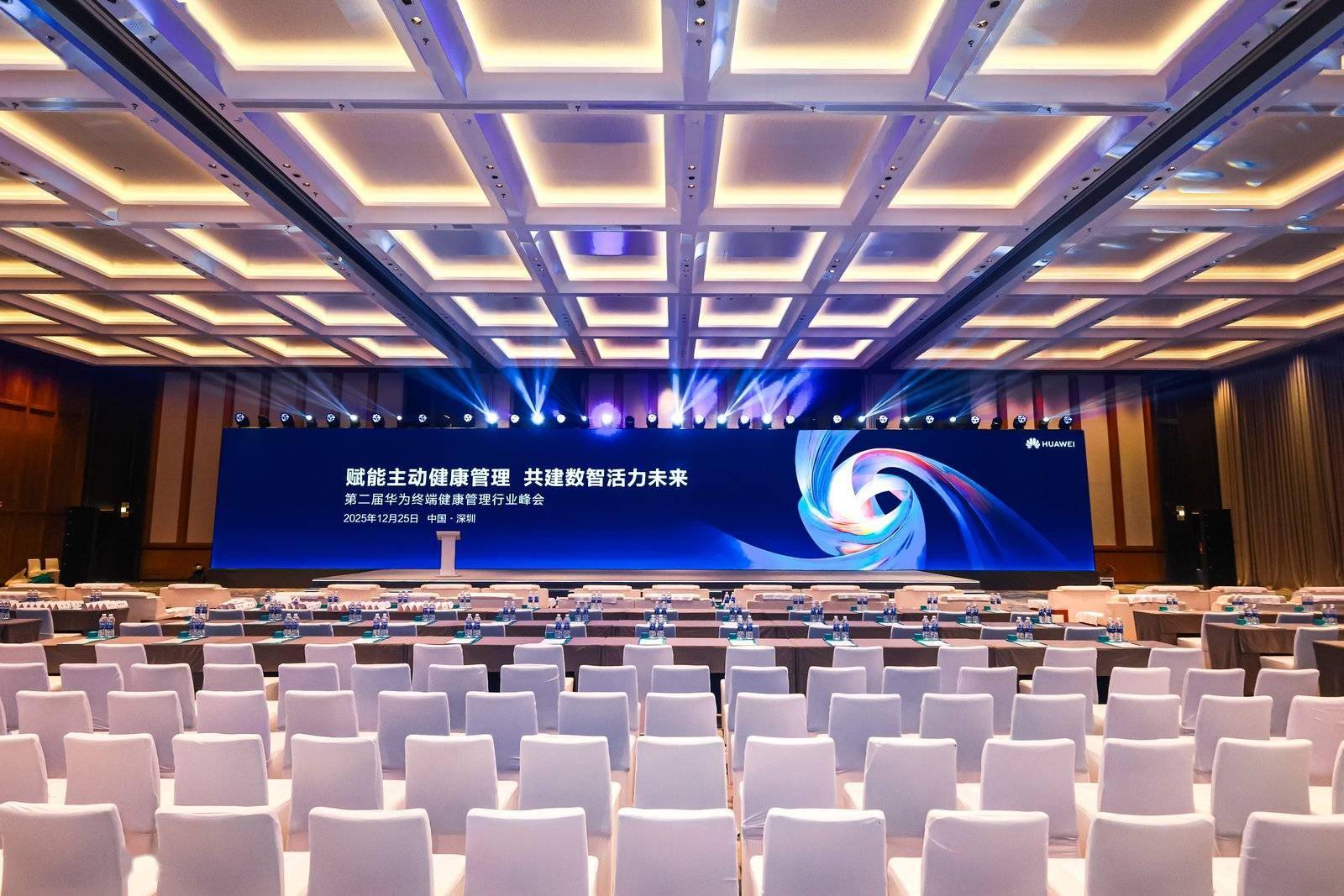
Core Insights - The article emphasizes the need to transform the concept of "proactive health" into actionable and replicable industry standards as part of the "Healthy China 2030" strategy [1] - Huawei's solutions aim to bridge the gap in out-of-hospital monitoring and shift the healthcare industry from a labor-intensive model to a technology and service-driven approach [3] Industry Challenges - The healthcare sector faces significant challenges due to an aging population and an imbalance between medical resource supply and demand, leading to a "data gap" in health management [4] - Traditional health management practices often result in isolated annual check-ups, leaving patients in a monitoring blind spot after hospital visits, which negatively impacts chronic disease management [4] Digital Transformation - The summit highlighted that digitalization is no longer optional but essential for building a proactive health defense line amid chronic disease prevention pressures [4] - Huawei's "Smart Medical Solutions" aim to create a comprehensive service loop through "digital intelligence integration" [4] Innovative Solutions - Shandong Xinyue Health Technology's smart health solution integrates dynamic and static medical data to provide continuous monitoring, addressing the issue of data discontinuity [5] - Hebei Zhixing Health Management's community health management solution utilizes wearable devices for real-time monitoring of vital signs, significantly reducing long-term care burdens [7] - Ping An Good Doctor's digital health management solution offers a one-stop approach for chronic disease management through deep integration of user data [7] Vertical Applications - The summit showcased specific cases in stroke prevention, demonstrating the economic and social value of digital tools in healthcare, with a reported savings of 120 million yuan annually through early detection and treatment [8] - Huawei's solutions in family health management and lifestyle management emphasize personalized health interventions based on precise data from wearable devices [8] Industry Standards - The establishment of the "Smart Follow-up Platform Wearable Data Access Standard" by leading medical institutions marks a significant milestone in recognizing the data value of commercial wearable devices [10] - This standard paves the way for deeper integration of healthcare and technology, positioning wearable devices as potential "digital stethoscopes" for healthcare professionals [10] Future Outlook - Huawei aims to solidify its "digital foundation" to transform continuous and precise digital assets into a robust shield for life protection, making proactive health a tangible reality for all [10]
培优塑强推动服务型制造跃升
Xin Lang Cai Jing· 2025-12-26 23:07
Core Viewpoint - The recent implementation plan by seven departments, including the Ministry of Industry and Information Technology, aims to develop an upgraded version of service-oriented manufacturing by 2028, marking a new phase in China's service-oriented manufacturing development [1]. Group 1: Current State and Challenges - China's service-oriented manufacturing has transitioned from concept to practical implementation, with continuous innovation in models and an extension of service components [1]. - Current challenges include insufficient depth in service transformation for some enterprises, which remain at the basic service level, and the underutilization of collaborative efficiency across the industrial chain [1]. Group 2: Strategic Directions for Improvement - To enhance service-oriented manufacturing, the focus should be on deepening integration, shifting from single product offerings to "product + service" solutions, and moving from transactional to relational manufacturing [1]. - Emphasis on digital and intelligent integration is crucial, accelerating the fusion of technologies like industrial internet and artificial intelligence with the entire manufacturing process [2]. - Promoting value integration through service elements embedded in the lifecycle of products is essential for transitioning from "selling products" to "selling value" [1][2]. Group 3: Innovation and Systematic Approaches - The essence of service-oriented manufacturing lies in innovation, which is vital for reshaping industrial competitiveness [2]. - The "14th Five-Year Plan" suggests promoting technological upgrades and digital transformation in manufacturing, focusing on smart, green, and service-oriented manufacturing [2]. - A systematic approach is necessary for quality upgrades in service-oriented manufacturing, requiring multi-party collaboration and comprehensive strategies [2]. Group 4: Local Adaptation and Implementation - Strengthening service-oriented manufacturing is a systematic project that relates to high-quality development in manufacturing [3]. - Localities should explore transformation paths based on their industrial foundations, aiming for a leap from quantitative to qualitative changes in service-oriented manufacturing [3].
华为官宣六大健康管理解决方案,让主动健康照进现实
Sou Hu Cai Jing· 2025-12-26 13:46
随着"十五五"规划纲要的逐步推进,实施健康优先发展战略已不再仅仅是政策层面的宏伟蓝图,而是成为了社会发展的时代强音。在人口老龄化加剧与慢性 病年轻化双重压力交织的当下,行业内部关于"防、治、康、管"全链条服务体系的建设虽已达成共识,但在具体的执行层面,依然面临着"落地难"的困境。 如何填补院外监测空白、打破数据孤岛,将"主动健康"从一句响亮的口号转化为可执行、可复制的实操样本,成为了整个医疗健康产业亟待破解的必答题。 就在 12 月 25 日,于深圳召开的第二届华为终端健康管理行业峰会,为这一行业难题给出了一份极具分量的"答卷"。 会上,华为擎云携手众多行业合作伙伴,重磅亮相了六大健康管理解决方案及标杆案例。这不仅是一次产品与技术的集中展示,更被业界视为主动健康管理 从观念倡导迈向实质性落地实践的里程碑事件。 华为擎云正试图通过商用终端与数字化能力的深度结合,构建坚实的"数字底座",助力健康管理产业完成从人力密集型向"技术 + 服务"双轮驱动型的关键跃 迁。 重构全域服务,数智底座打破数据孤岛 长期以来,传统医疗服务体系面临着严峻的供需失衡挑战。院内治疗与院外管理之间存在着巨大的数据鸿沟,导致患者依从性差、干 ...
华为六大健康管理解决方案亮相,破解医疗健康产业数智融合难题
Sou Hu Cai Jing· 2025-12-26 01:30
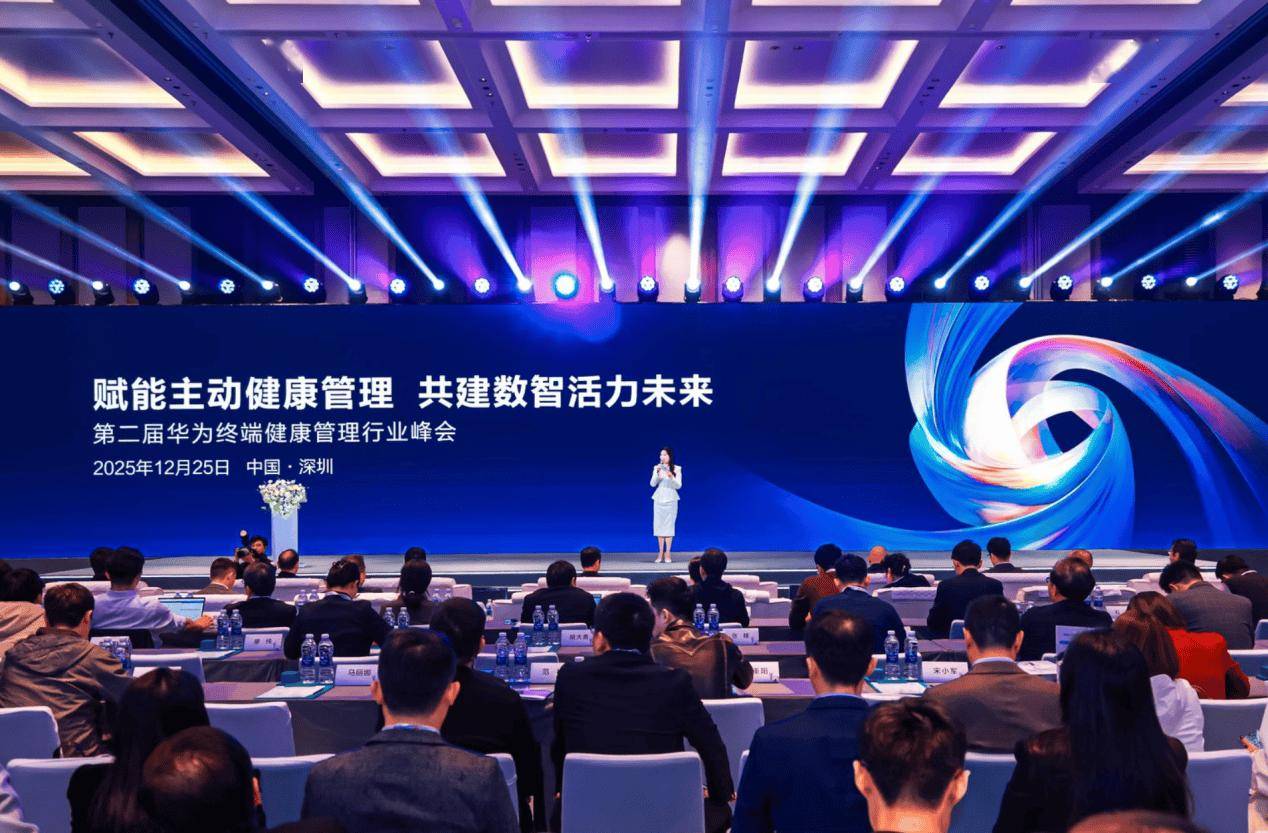
12 月 25 日,第二届华为终端健康管理行业峰会正式召开。在"健康中国"建设步入深水区、主动健康已成为时代必答 题的宏观背景下,此次峰会备受行业瞩目。 会上,华为擎云携手合作伙伴集中亮相了六大解决方案及标杆案例,展示了商用终端与数字化能力深度结合的最新成 果,更试图通过构建坚实的"数字底座",填补传统医疗体系在院外监测的空白,助力健康管理产业从人力密集型向"技 术 + 服务"双轮驱动型跃迁。 华为擎云 构建"可见、可防、可控"健康防线 随着"十五五"规划纲要提出加快建设健康中国,实施健康优先发展战略成为社会共识。然而,面对人口老龄化加剧与 慢性病年轻化的双重压力,传统医疗服务体系面临着严峻的供需失衡挑战。长期以来,院内治疗与院外管理之间存在 着巨大的数据鸿沟,导致患者依从性差、干预效果难以追踪,健康管理往往停留在观念倡导层面,缺乏实质性的落地 抓手。 此次峰会上,华为擎云给出的破局之道在于"数智融合"。通过将连续、精准地穿戴设备数据转化为可用的数字资产, 华为擎云致力于构建起一条"可见、可防、可控"的主动健康防线。 在峰会集中亮相的六大解决方案中,针对全域康养、基层社区以及一站式数字化管理场景的方案被重点解 ...
科技攻“尖”产业向“新”,盈康一生打造医工创新策源地
Quan Jing Wang· 2025-12-24 07:49
近日,"AI for Health助力健康中国2030——第二届海医汇医疗科技创新生态大会"在北京隆重举行。作为海尔集团旗下大健康生态品牌,盈康一生携医工转 化核心成果亮相,与产、学、研、医、资领域顶尖力量共探AI时代医疗创新路径,为破解"实验室到病床"转化难题输出"中国范式",彰显了领军企业在大健 康产业升级中的核心担当。 战略承接者,打造融合创新的生态系统 当前,"健康中国2030"纵深推进,国家卫健委等多部门明确2030年基层诊疗智能辅助应用基本全覆盖,"十五五"规划更为医疗科技注入发展动能。但政策红 利下,行业痛点凸显:我国医学成果转化率不足8%,远低于欧美70%的水平,大量科研成果困于"实验室到病床"的"达尔文之海"…… 国家战略的落地需要企业作为"产业转换器"。盈康一生主动承接这一国家战略需求,牵头打造了全国首个医工科技产业化平台"海医汇"。海尔集团董事局副 主席、执行副总裁,盈康一生董事长,海医汇理事长谭丽霞表示,海医汇致力于做这个时代能够把一切组织起来的链接者和加速者,希望面向中国医疗创新 的未来,打造一种融合创新的生态系统。 经过一年实践,海医汇已构建起"临床需求-技术研发-成果转化-产业应 ...

江苏铺展现代化产业体系新蓝图
Xin Hua Ri Bao· 2025-12-22 23:46
Group 1: Manufacturing Industry Overview - In 2024, Jiangsu's manufacturing added value reached 4.63 trillion yuan, accounting for 33.8% of GDP, maintaining its position as the top manufacturing province for four consecutive years [1] - Jiangsu has the highest manufacturing high-quality development index in the country for five consecutive years and the highest integration of information technology and industrialization for ten years [1] - The province has 14 national-level advanced manufacturing clusters, the highest in the country, contributing significantly to the national economy [1][4] Group 2: Innovation and Technology - Jiangsu's enterprises are the main drivers of innovation, with leading companies breaking barriers and defining the future through original and leading-edge technology [3] - Jiangsu Hanbang Technology Co., Ltd. holds the top domestic market share for its production-grade small molecule liquid chromatography system, supported by multiple R&D platforms [3] - Jiangsu Yute Optoelectronics has achieved complete domestic substitution in key technology areas, with a leading market share in fiber optic connection products [3] Group 3: Digital Transformation and Smart Manufacturing - Jiangsu is focusing on digital transformation and smart manufacturing, with over 56,000 projects implemented under the "smart transformation and digital upgrade" initiative [6] - The province has established 15 global "lighthouse factories" and 67 excellent smart factories, enhancing the global competitiveness of "Jiangsu manufacturing" [6] - Companies like XCMG are integrating green and smart technologies to improve productivity and reduce carbon emissions in the mining sector [5][6] Group 4: Collaborative Ecosystem and Industry Clusters - Jiangsu is building a robust industrial ecosystem, emphasizing the importance of industry chain resilience and cluster vitality [7] - The Ninghuai Intelligent Manufacturing Industrial Park is expected to generate 2 billion yuan in production capacity, driving over 10 billion yuan in industry chain value [7][8] - The province is fostering collaboration among enterprises and research institutions to enhance innovation in additive manufacturing across various sectors [8]

企业科创成主流 数智深融成趋势 集群发展成生态江苏铺展现代化产业体系新蓝图
Xin Hua Ri Bao· 2025-12-22 23:16
Group 1: Manufacturing Industry Overview - In 2024, Jiangsu's manufacturing added value reached 4.63 trillion yuan, accounting for 33.8% of GDP, maintaining its position as the top manufacturing province for four consecutive years [1] - Jiangsu has ranked first in the national high-quality development index for manufacturing for five years and in the integration of information technology and industrialization for ten years [1] - The province currently has 14 national-level advanced manufacturing clusters, the highest in the country [1][4] Group 2: Innovation and Technology - Jiangsu's leading enterprises are driving innovation through original and leading-edge technology, with companies like Jiangsu Hanbang Technology Co., Ltd. holding a dominant market share in domestic production-grade small molecule liquid chromatography systems [3] - Jiangsu Yute Optoelectronics has achieved complete domestic substitution in key technology areas, with a market share leading in fiber optic connection products [3] - The integration of digital and intelligent technologies has become a key path for enhancing efficiency, with Jiangsu implementing over 56,000 transformation projects in manufacturing [6] Group 3: Industry Ecosystem and Collaboration - Jiangsu has established a robust innovation ecosystem with 57,000 high-tech enterprises contributing nearly 80% of R&D investment and 90% of patent authorizations [4] - The Ninghuai Intelligent Manufacturing Industrial Park is expected to generate 2 billion yuan in production capacity and drive over 10 billion yuan in industry chain value [7] - The province is focusing on building a complete industrial chain in additive manufacturing, with initiatives to create innovation centers and collaborative platforms [8]
2025数据资产管理大会在京召开 发布《数据资产管理实践指南8.0》
Zheng Quan Ri Bao Wang· 2025-12-19 12:10
Group 1 - The "2025 Data Asset Management Conference" was held in Beijing, focusing on topics such as data asset management, intelligent applications, and high-quality data sets, with over a thousand experts and representatives from various industries attending [1] - The China Communications Standards Association has published a total of 52 industry standards and 73 group standards related to intelligent data, along with over 260 technical documents and research reports, aiming to promote the development of global intelligent data standards [1] - The China Academy of Information and Communications Technology (CAICT) is committed to advancing research in data elements and their integration with intelligent technologies, focusing on key areas such as data asset management and high-quality data set construction [2] Group 2 - The CAICT released the "Data Asset Management Practice Guide 8.0," which outlines the evolving boundaries of data asset management and identifies four value collaboration paths: industrial digitalization, management digitalization, digital industrialization, and ecological factors [2] - The conference featured parallel forums addressing next-generation data assets, intelligent applications, and high-quality data infrastructure, where industry experts discussed key issues in data governance and asset management [3] - The shift towards a "human-machine collaboration" governance model is emphasized, with a focus on the assetization of unstructured data and the integration of domain knowledge with intelligent systems to enhance data-driven capabilities [3]