数智金融

Search documents
邱延冰:数智金融新趋势——稳定币的机遇、挑战与中国路径
清华金融评论· 2025-07-05 12:25
Core Viewpoint - The conference highlighted the importance of digital finance, particularly focusing on stablecoins and their potential to reshape the financial landscape, enhance operational efficiency, and create new digital financial ecosystems [2][3][6]. Group 1: Digital Finance and Stablecoins - Stablecoins are positioned as a new financial infrastructure that can disrupt traditional payment systems by offering low-cost, instantaneous settlements, thereby creating a new global payment ecosystem [2][3]. - The current market size of stablecoins is estimated to be between $200 billion and $300 billion, with predictions of growth to $1 trillion to $3 trillion by 2030 [6]. - In 2024, stablecoin transaction volume reached $30 trillion, surpassing the combined transaction volume of Visa and MasterCard, although 70% of this volume is attributed to automated trading [6][7]. Group 2: Impact on the Real Economy - The contribution of stablecoins to the real economy is currently limited, with estimates suggesting that less than 30% of stablecoin transactions serve real economic activities [7]. - The potential for stablecoins to reduce transaction fees and streamline payment processes presents significant opportunities for growth in the real economy [7][8]. - The development of stablecoins could lead to a new ecosystem for payments, similar to WeChat's payment system, allowing for various transactions without the need to convert to traditional fiat currencies [8][9]. Group 3: Regulatory and Innovation Landscape - The regulatory environment for stablecoins is crucial, with the U.S. currently leading in legislative efforts, which could influence global financial dynamics and potentially lead to increased dollarization in other economies [9][11]. - China is encouraged to leverage Hong Kong as a testing ground for stablecoin innovations, emphasizing the need for a balanced approach between regulation and innovation [11][13]. - The integration of AI in financial services is expected to expand access to banking services, particularly for underserved populations, enhancing the overall financial ecosystem [10][12].

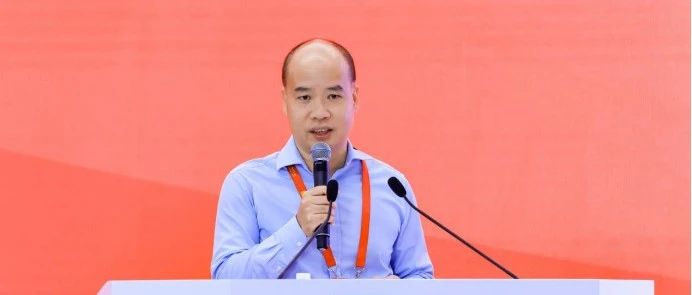
顾育匡:高端医疗险的成功依赖于产品背后的服务和运营能力
清华金融评论· 2025-07-02 10:30
Core Viewpoint - The conference hosted by Tsinghua University Wudaokou School of Finance focused on the theme of "New Industries, New Technologies, New Models, New Dynamics - Digital Finance Supporting High-Quality Development," highlighting the importance of digital finance in promoting inclusive financial development and innovation in the health insurance sector [1]. Group 1: Health Insurance Development - The demand for high-end medical clients extends beyond basic medical services to include high-quality medical resources and health management services [2]. - Establishing a broad network of direct payment hospitals and enhancing operational capabilities are crucial for the success of high-end medical insurance [2][5]. - The market for mid-to-high-end medical insurance is expected to grow due to ongoing healthcare reforms and increasing consumer awareness [8]. Group 2: Company Strategies - The company has maintained a market share of over 30% in the high-end medical insurance sector since 2009, focusing on high-quality service and operational capabilities [5]. - The company has established 1,270 direct payment hospitals and partnered with 68 top hospitals in China, as well as over 2.2 million medical institutions globally [7]. - The company is shifting its product strategy towards floating interest rate products and health insurance, moving away from high-premium fixed-income products [9].
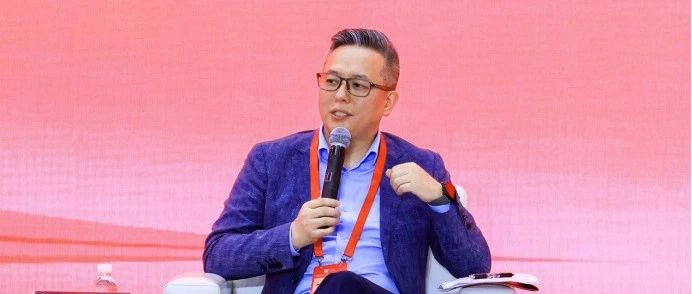
张伟:数智赋能金融,创新驱动发展
清华金融评论· 2025-07-02 10:30
Core Viewpoint - The conference emphasizes the importance of "smart finance" in driving high-quality development in China, highlighting the need for technological and industrial innovation to enhance economic resilience and efficiency [2][4][5]. Group 1: High-Quality Development - High-quality development is essential for achieving Chinese-style modernization, with a focus on expanding domestic demand and promoting high-level opening-up [4][5]. - The integration of technology and innovation is crucial for creating new growth momentum in the economy, especially in the context of global digitalization and intelligent transformation [5][6]. Group 2: Embracing Artificial Intelligence - Embracing artificial intelligence is a necessary step for traditional finance to transition into smart finance, as technology has historically driven industry transformation [5][6]. - The application of digital technologies like big data and AI in finance can lower transaction costs and improve access to financial services, thereby alleviating financing difficulties for real enterprises [6][7]. Group 3: Innovation and Upgrading of Smart Finance - Promoting the innovation and upgrading of smart finance is a key force in supporting high-quality development, with AI becoming a significant driver of economic and social advancement [7][8]. - The financial sector, with its vast user base and data resources, is well-positioned to leverage AI technologies, enhancing its ability to serve the real economy and accelerate market reforms [7][8]. Group 4: Institutional Background and Collaboration - Tsinghua University Wudaokou School of Finance has a long-standing mission to cultivate financial leaders and contribute to national rejuvenation, aiming to build a leading financial education platform [8][9]. - The collaboration with the China (Guangzhou) International Financial Trading Expo aims to facilitate economic and financial exchanges in the Guangdong-Hong Kong-Macao Greater Bay Area, promoting high-quality financial development [9].
数智金融与科技创新双向奔赴 专家热议金融发展新机遇
Guang Zhou Ri Bao· 2025-06-29 14:45
Group 1: Core Themes of the Conference - The conference focused on "New Industries, New Technologies, New Models, New Dynamics - Digital Finance Supporting High-Quality Development" [1] - High-quality development is essential for achieving modernization in China, emphasizing the need for technological and industrial innovation [1] - Embracing artificial intelligence is crucial for the transition from traditional finance to digital finance, which can lower financial costs and alleviate financing difficulties for the real economy [1] Group 2: Digital Finance and Its Impact - Digital finance has rapidly developed, significantly enhancing the quality and capability of financial services for the real economy [2] - Digital credit is tailored to meet the specific needs of enterprises, providing appropriate financial products and services [2] - Digital services utilize big data to offer diverse collateral loan options, fostering trust and encouraging banks to take risks [2] Group 3: New Modalities in the AI Era - The AI era has introduced three new modalities: Open Source, Service for All, and Financialization of AI assets [3] - Open Source is seen as a new industrial and value model in the AI era, while Service for All indicates a shift in skills required due to advancements like autonomous driving [3] - The financialization of AI, including tokenization and stablecoin dynamics, is impacting markets in both Hong Kong and the U.S. [3] Group 4: Inclusive Finance - Inclusive finance should not merely focus on accessibility and discounts but must encompass a comprehensive service system for marginalized groups [4] - The ecosystem of inclusive finance still has gaps, particularly in supporting rural pensions and small to medium-sized innovative enterprises [4] - The future direction of digital finance is towards intelligence and inclusivity [4] Group 5: Mergers and Acquisitions - Mergers and acquisitions are closely linked to industrial development opportunities, with policies, financial empowerment, and growth opportunities being key factors [5] - There is a need to enhance the quality of listed companies and promote technological innovation through a multi-tiered capital market [5] - The Guangdong-Hong Kong-Macao Greater Bay Area is identified as a significant growth area with potential for industrial clusters and modern services [5] Group 6: Characteristics of the Capital Market - The capital market is shifting from a focus on financing to restructuring, with mergers and acquisitions becoming vital for addressing internal competition and achieving financing goals [6] - Long-termism and strategic orientation are emphasized as prerequisites for regulatory support in merger activities [6] - Active mergers do not equate to relaxed regulation, highlighting the importance of maintaining oversight [6]
专家热议数智金融助力高质量发展——清华五道口在第14届广州金交会上成功举办主旨会议
Feng Huang Wang Cai Jing· 2025-06-29 12:09
Core Viewpoint - The conference focused on "New Industries, New Technologies, New Models, New Dynamics - Digital Finance Supporting High-Quality Development," emphasizing the role of digital finance in enhancing economic resilience and innovation [1][39]. Group 1: Key Themes and Discussions - The conference featured discussions on inclusive finance, digital financial innovation, merger and acquisition opportunities, and health insurance ecosystem collaboration [1]. - Zhang Wei highlighted that high-quality development is essential for China's modernization, advocating for the integration of technology and finance to reduce costs and enhance service delivery [4]. - Ouyang Weimin noted that digital finance has significantly improved the quality of financial services for the real economy, particularly for innovative enterprises [6]. Group 2: Expert Insights - Wang Zhongmin identified three new modalities in the AI era: open-source models, service-oriented models, and the financialization of AI assets, indicating a transformative shift in the financial landscape [8]. - Bei Duoguang emphasized the importance of understanding inclusive finance as a comprehensive service system that includes various financial products beyond just credit [14]. - Zhu Xiangrui discussed the advantages of financial arbitration in promoting market health, highlighting the need for efficient dispute resolution mechanisms [16]. Group 3: Industry Trends and Opportunities - Qiu Yanbing stressed the importance of stablecoin legislation, which could reshape the international financial landscape and enhance operational efficiency in the real economy [18]. - Wang Jie pointed out that mergers and acquisitions are closely linked to development opportunities, advocating for policies that support innovation and improve company quality [20]. - Li Min discussed the evolving role of mergers in addressing market challenges and emphasized the importance of long-term strategies in acquisition processes [22]. Group 4: Health Insurance Sector Insights - Gu Yukuang highlighted that high-end medical insurance success relies on service and operational capabilities, advocating for a robust network of direct payment hospitals [25]. - Zhou Qing emphasized the need for product upgrades and innovations in commercial health insurance to meet rising consumer demands and healthcare costs [27]. - Yang Liye pointed out the shift from merely insuring healthy individuals to a focus on overall health management, indicating a significant transformation in the life insurance sector [33].

专家热议数智金融助力高质量发展——清华五道口在第14届广州金交会上成功举办主旨会议
清华金融评论· 2025-06-29 10:35
Core Viewpoint - The conference focused on "New Industries, New Technologies, New Models, New Dynamics - Digital Finance Supporting High-Quality Development," emphasizing the role of digital finance in enhancing economic resilience and innovation [1][4][39]. Group 1: Keynote Speeches - Zhang Wei highlighted that high-quality development is essential for China's modernization, advocating for the integration of technology and finance to reduce costs and enhance financial services [4][3]. - Ouyang Weimin discussed how digital finance has improved the quality of financial services for enterprises, particularly in supporting innovative companies through tailored financial products and services [6][3]. - Wang Zhongmin identified three new modalities in the AI era: open-source models, service-oriented models, and the financialization of AI assets, indicating a transformative shift in the financial landscape [7][3]. Group 2: High-End Dialogue - The dialogue emphasized the synergy between digital finance and industry as a driving force for high-quality development, addressing challenges like data silos and risk-sharing [10]. Group 3: Thematic Presentations - Bei Duoguang stressed the importance of inclusive finance, advocating for a comprehensive service system that supports various financial needs beyond just credit [11][12]. - Bu Xiangrui pointed out the advantages of financial arbitration in resolving disputes efficiently, highlighting the role of the Guangzhou Arbitration Commission in promoting financial market health [14]. - Qiu Yanbing emphasized the need for legislation on stablecoins to enhance the efficiency of the financial ecosystem and reshape international financial dynamics [16]. - Wang Jie connected industrial mergers and acquisitions with development opportunities, stressing the importance of policy support and financial empowerment [18]. - Li Min noted that mergers and acquisitions are crucial for addressing market saturation and achieving financing goals, emphasizing a long-term strategic approach [20]. Group 4: Roundtable Discussion - Gu Yukuang indicated that the success of high-end medical insurance relies on service and operational capabilities, advocating for a robust network of direct payment hospitals [21][23]. - Zhou Qing highlighted the need for product upgrades and innovations in commercial health insurance to meet rising consumer demands and improve coverage [25]. - Zhang Yaohui discussed the role of mutual insurance as a connector between social security and commercial insurance, emphasizing its importance in the evolving healthcare landscape [26][27]. - Yang Liye pointed out the shift in life insurance companies towards health management, advocating for a focus on mid-to-high-end medical services [28]. - Lang Lili emphasized the need for commercial insurance to effectively integrate with social insurance, enhancing the overall healthcare payment system [31].
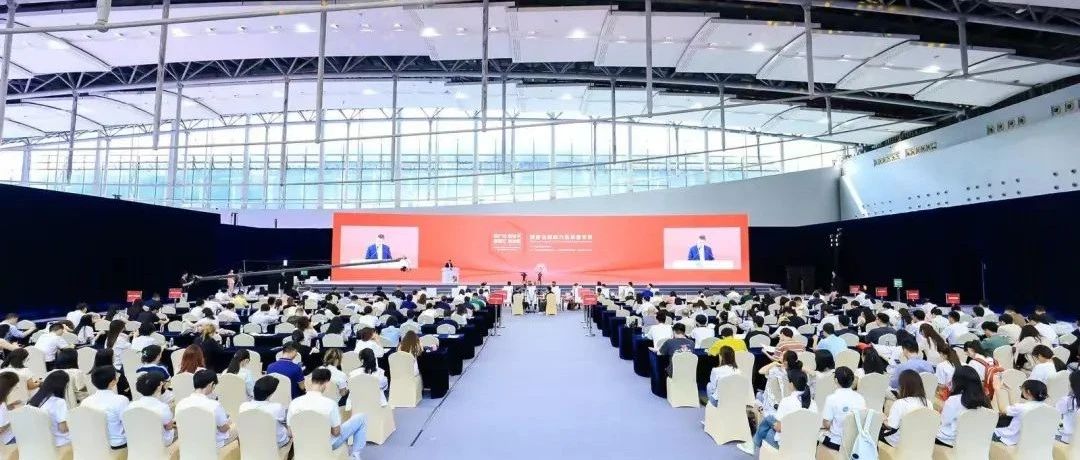
《服务粤港澳大湾区金融争议解决的十条举措》落地广州
Guang Zhou Ri Bao· 2025-06-28 11:27
Core Viewpoint - The recent conference in Guangzhou focused on "New Industries, New Technologies, New Models, New Dynamics - Digital Finance Supporting High-Quality Development," highlighting the increasing financial disputes alongside the rapid growth of China's financial sector [1][2]. Group 1: Financial Dispute Resolution Measures - The Guangzhou Financial Arbitration Court introduced "Ten Measures for Serving Financial Dispute Resolution in the Guangdong-Hong Kong-Macao Greater Bay Area," emphasizing a service-oriented approach throughout the dispute resolution process [1]. - The measures aim to provide a comprehensive arbitration service covering the entire cycle of disputes, focusing on user needs and ensuring quick, efficient, and low-cost resolutions [1][2]. - The initiative includes strengthening collaboration between arbitration and judicial systems to assist parties in securing evidence and executing judgments, ultimately achieving resolution of disputes [1]. Group 2: Data Dispute Arbitration Rules - Special arbitration rules for data disputes have been developed, clarifying the scope of arbitrable data disputes and optimizing procedures for electronic delivery and data review [2]. - The implementation of these rules is expected to enhance the stability and vitality of the Greater Bay Area's financial market, supporting the expansion of domestic demand and driving a new industrial landscape [2]. - Continuous publication of typical and cutting-edge financial arbitration cases will help standardize investment behaviors and protect the legal rights of financial institutions, investors, and consumers [2].
金融机构竞技数字科技 金交会展示数智金融发展成效
2 1 Shi Ji Jing Ji Bao Dao· 2025-06-27 10:08
Group 1 - The 14th China (Guangzhou) International Financial Trading Expo showcased advancements in technology-driven financial services, with a total of 51 projects signed, amounting to over 71 billion yuan [1] - The expo focused on the integration of digital finance and industrial ecosystems, featuring over 20 forums discussing topics such as inclusive finance and industrial mergers [1] - Guangfa Securities highlighted its AI applications in wealth management and investment research, showcasing a dance performance by a humanoid robot powered by AI technology [2] Group 2 - Guangfa Fund presented a dynamic human-machine interaction space, emphasizing its ETF series, investment advisory services, and customer service brands [2] - Industrial Bank's Guangzhou branch introduced a "Smart Finance Experience Hall," featuring intelligent remote machines for efficient handling of complex banking services [2] - Yuexiu Capital, participating for the 14th consecutive year, focuses on integrating technology and industry innovation, managing over 32.5 billion yuan in funds and supporting 26 tech companies in achieving IPOs [2] Group 3 - The Guangzhou Financial Holdings Group showcased its business strategies through an interactive digital human, while its health investment fund became the only state-owned private equity fund focused on biomedicine and health [3] - The Bay Area Special Asset Empowerment Service Platform was established last year to manage special asset projects, providing services for nearly 200 billion yuan in assets [4] - The platform has organized six large-scale roadshows and provided full-process empowerment services for 422 projects, involving 84.168 billion yuan [4] Group 4 - The Bay Area International Restructuring Center was formed to assist distressed companies with restructuring and recovery services, addressing the increasing need for corporate relief [5] - The center aims to provide effective judicial support for corporate restructuring through professional advisory services and collaboration with industry funding resources [5] - The synergy between the Bay Area Special Asset Platform and the International Restructuring Center is expected to enhance the efficiency of corporate restructuring services [5]
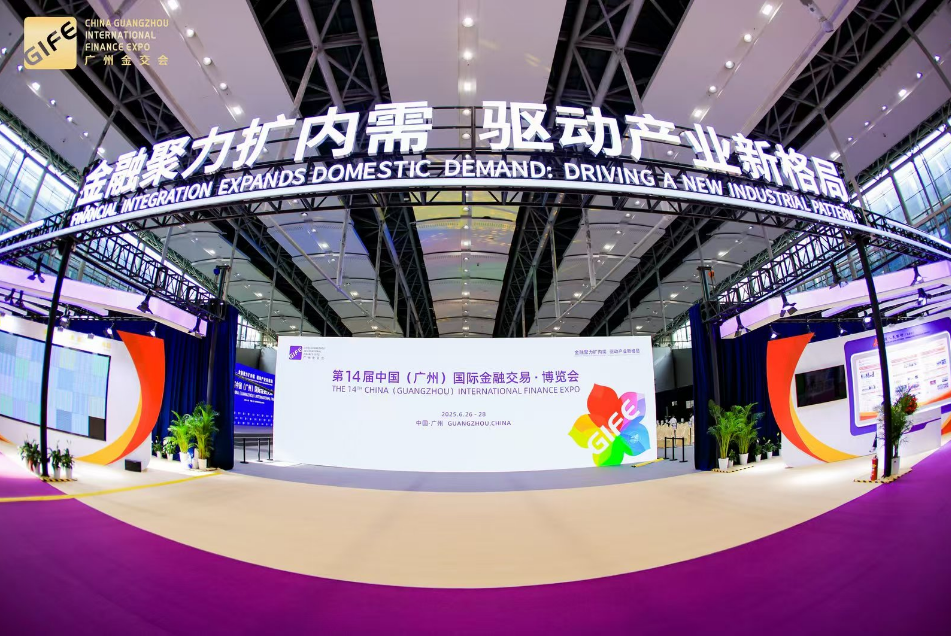
以金融之力激活内需新动能 共塑产业发展新格局——第14届中国(广州)国际金融交易·博览会今日在穗盛大启幕
Qi Huo Ri Bao Wang· 2025-06-26 12:07
期货日报网讯(记者 刘威魁)6月26日,第14届中国(广州)国际金融交易·博览会(简称"金交会")在广州拉开帷幕。作为服务国家金 融改革与区域经济发展的重要平台,本届展会以"金融聚力扩内需 驱动产业新格局"为主题,集中展现金融服务实体经济、赋能产业升 级的创新实践。为期三天的展会规划展览面积2万平方米,吸引312家金融机构及企业参展,设置金融党建、交流合作、银行保险、资 本市场等8大主题展区,通过政策落地展示、产业联动对接、数字金融实践、开放合作成果、金融文化赋能五大维度,精彩呈现大湾区 金融创新发展的最新成果,为推进金融强省、金融强市建设注入强劲动力。 展会期间,20余场高端活动将陆续举办,涵盖学术交流、政策宣讲、产业服务等领域。"新产业 新技术 新模式 新动能"数智金融助力高 质量发展主旨会议上,中国金融学会副会长欧阳卫民、全国社保基金理事会原副理事长王忠民等重磅嘉宾,将围绕"数智金融与产业生 态发展""普惠金融深化实践""产业并购机遇"等议题展开研讨;广东省金融服务"百千万工程"推进会将聚焦城乡融合发展的金融解决方 案,2025"金羊奖"金融学术交流活动则首次启动"走进高校"系列,推动金融知识普及与人才 ...
明日直播|新产业 新技术 新模式 新动能——数智金融助力高质量发展
清华金融评论· 2025-06-26 10:27
6月27日(星期五) 09:30-16:30 新产业 新技术 新模式 新动能 ——数智金融助力高质量发展 第14届中国(广州)国际金融交易 · 博览会 主旨会议 基本信息 会议时间 会议地点 广州·中国进出口商品交易会展馆A区二层4.2馆 主办单位 09:30-09:40 主持开场 清华大学五道口金融学院 承办单位 北京清控金媒文化科技有限公司 广州金交会投资管理有限公司 《清华金融评论》编辑部 会议议程 吴 荻 广东卫视主持人 09:40-09:50 主办方致辞 张 伟 清华大学五道口金融学院党委委员、院长助理,《清华金融评论》执行主编 09:50-10:00 领导致辞 10:00-10:50 主旨演讲 欧阳卫民 中国金融学会副会长,广东省原副省长,国家开发银行原行长 王忠民 全国社保基金理事会原副理事长 10:50-11:20 高端对话 主持嘉宾: 吴 荻 广东卫视主持人 对话嘉宾: 欧阳卫民 中国金融学会副会长,广东省原副省长,国家开发银行原行长 王忠民 全国社保基金理事会原副理事长 11:20-11:40 主题发言:正确理解普惠金融 11:20 11:40 主题发言:正确理解普惠金融 贝多广 中国人民 ...