新兴市场开拓

Search documents
审慎新订单:中美海运价格“跳水”六成
2 1 Shi Ji Jing Ji Bao Dao· 2025-07-10 02:22
Core Insights - The shipping prices between China and the US have significantly dropped, with rates for West Coast and East Coast at $2089/FEU and $4124/FEU respectively, marking declines of 63% and 41% from their peaks in June [1] - The Shanghai International Shipping Research Center reported a rise in the container shipping enterprise's prosperity index to 125.25 points in Q2, but forecasts a decline to 108.99 points in Q3, indicating a shift to a micro-prosperity zone [1] - The demand for shipping has decreased as backlog orders from Q2 have been fulfilled, leading to cautious new order negotiations [2] Shipping Industry Trends - The shipping market has transitioned from a "one container hard to find" scenario to a downturn in freight rates within a month, indicating a seasonal peak that is not performing as expected [2] - Companies are diversifying their markets beyond the US, with a focus on emerging markets, reflecting a strategic shift in response to changing trade dynamics [3] - Guangzhou Port has expanded its foreign trade container routes, increasing its total to 179, which has contributed to a 23.8% year-on-year growth in foreign trade cargo throughput [4]

江苏一千四百多家外贸企业参展广交会以变应变,促成交拓市场优服务
Xin Hua Ri Bao· 2025-05-10 23:28
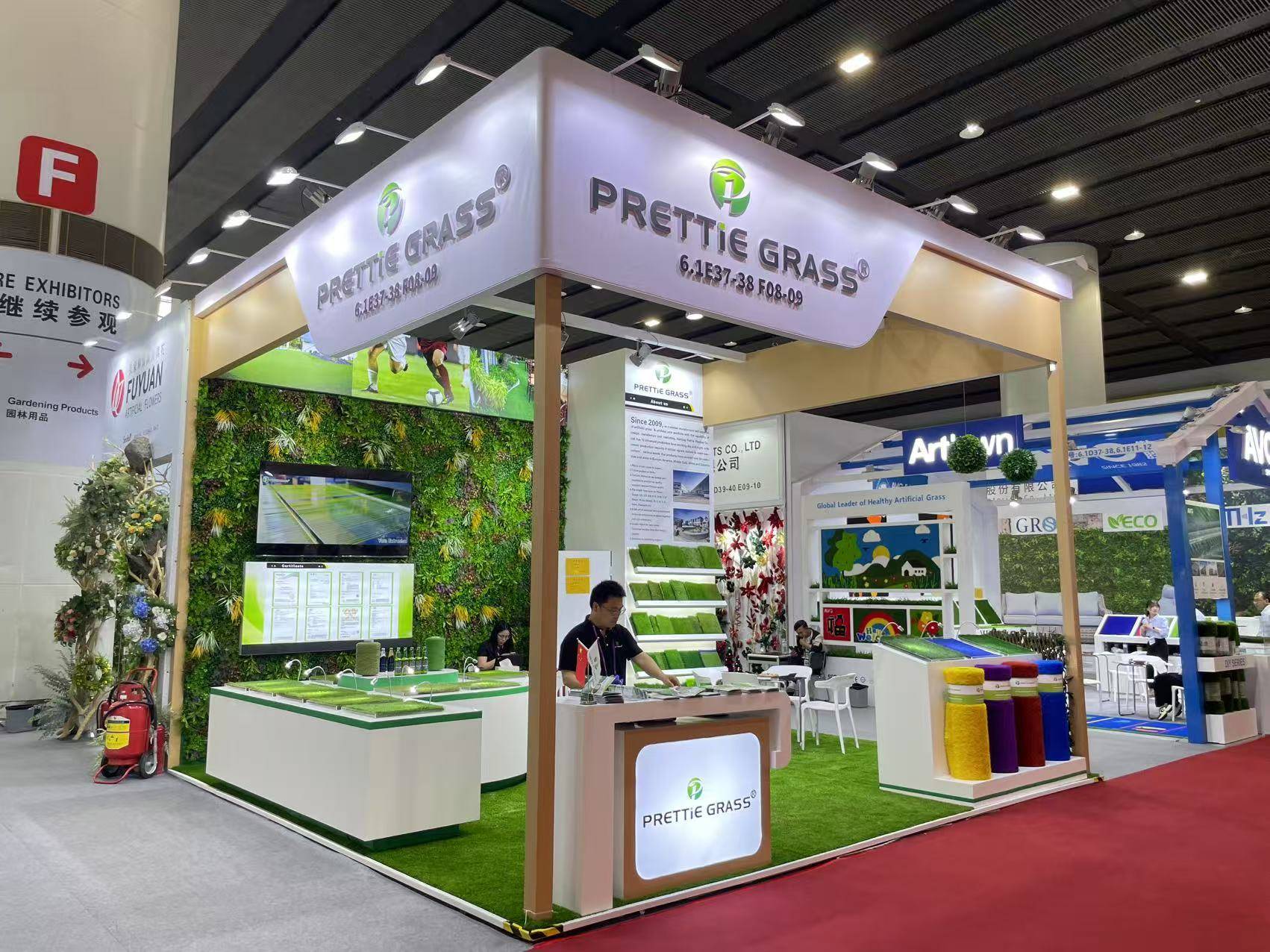
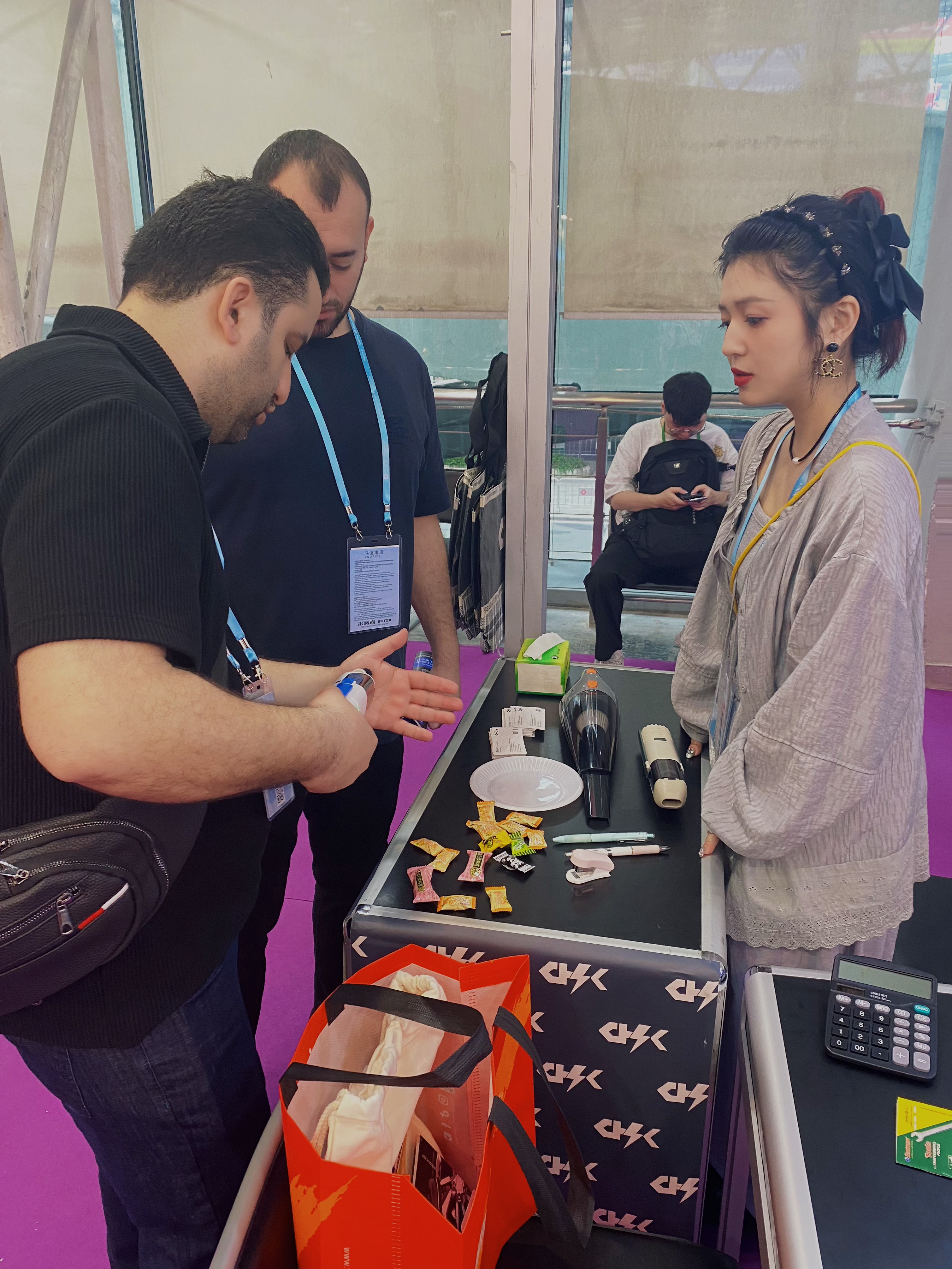
Group 1 - Jiangsu foreign trade enterprises are diversifying their market presence and focusing on product development to enhance competitiveness amid uncertainties in the international trade environment [1][2] - At the 137th Canton Fair, 1,419 foreign trade companies from Jiangsu participated, showcasing various industries such as home textiles, stationery, health and leisure, fashion, toys, and maternity products [1][2] - Companies are increasingly targeting emerging markets, with significant interest from buyers in regions like the Middle East, Central Asia, and South America [2][3] Group 2 - Jiangsu enterprises are emphasizing technological innovation, with the introduction of advanced products like service robots and smart devices at the Canton Fair [4][5] - Companies like Jiangsu Jinpeng Group are focusing on technical upgrades and have secured substantial orders, indicating a strong market response to their innovative offerings [4][6] - The fair has facilitated deeper engagement with international buyers, leading to significant order placements and potential collaborations [4][6] Group 3 - Jiangsu enterprises are leveraging digital trade tools such as cross-border e-commerce and live streaming to navigate global supply chain challenges [6] - The Jiangsu delegation adopted a "dual-line operation" strategy at the fair, combining offline promotional events with online digital marketing initiatives [6] - Collaborative efforts, such as the establishment of the "Nanjing Quality Products Online Zone," have resulted in substantial cooperation agreements, with a total signing amount reaching $50 million [6]
江苏1419家企业广交会揽单,创新打法破局全球市场
Sou Hu Cai Jing· 2025-05-10 02:42
Core Insights - The article discusses how Jiangsu foreign trade enterprises are adapting to the challenges posed by increased tariffs and market uncertainties, focusing on strategies to capture new opportunities while mitigating risks [1][2]. Group 1: Market Expansion Strategies - Jiangsu foreign trade enterprises are diversifying their market focus beyond the U.S., targeting emerging markets as new growth areas, with a notable presence at the Canton Fair [2][4]. - Companies like Jiangsu Su Bian Electric Equipment Co. have successfully engaged with international buyers, securing preliminary orders worth over $5 million for their products [2]. - The shift in customer demographics from large wholesalers to smaller trade companies indicates a demand for high-cost performance products in emerging markets [2][4]. Group 2: Product Innovation and Development - Companies are investing in product development to enhance their offerings, with some allocating 5% to 10% of their revenue to R&D, leading to unique and high-quality products that attract international clients [6][8]. - The introduction of innovative products, such as smart robots and advanced electric vehicles, has garnered significant interest from international buyers, resulting in substantial orders during the Canton Fair [7][8]. Group 3: Digital Transformation and Supply Chain Optimization - Jiangsu enterprises are leveraging digital tools like cross-border e-commerce and live streaming to navigate tariff challenges and streamline trade processes [9][11]. - The establishment of digital platforms and services, such as the "Nanjing Quality Products Online Zone," aims to enhance trade efficiency and facilitate international buyer-supplier connections [11][12]. - The "商链" initiative is expected to improve supply-demand matching efficiency by 60% and reduce procurement decision-making time by 40% [11]. Group 4: Collaborative Efforts and Networking - The Jiangsu delegation at the Canton Fair employed a "dual-line operation" strategy, combining physical and digital marketing efforts to expand their international network [12]. - The fair facilitated direct interactions between international buyers and Jiangsu suppliers, leading to significant collaboration opportunities and contract signings [11][12].

小米、realme等品牌发力 “非洲手机之王”传音“让利”
Mei Ri Jing Ji Xin Wen· 2025-04-30 11:59
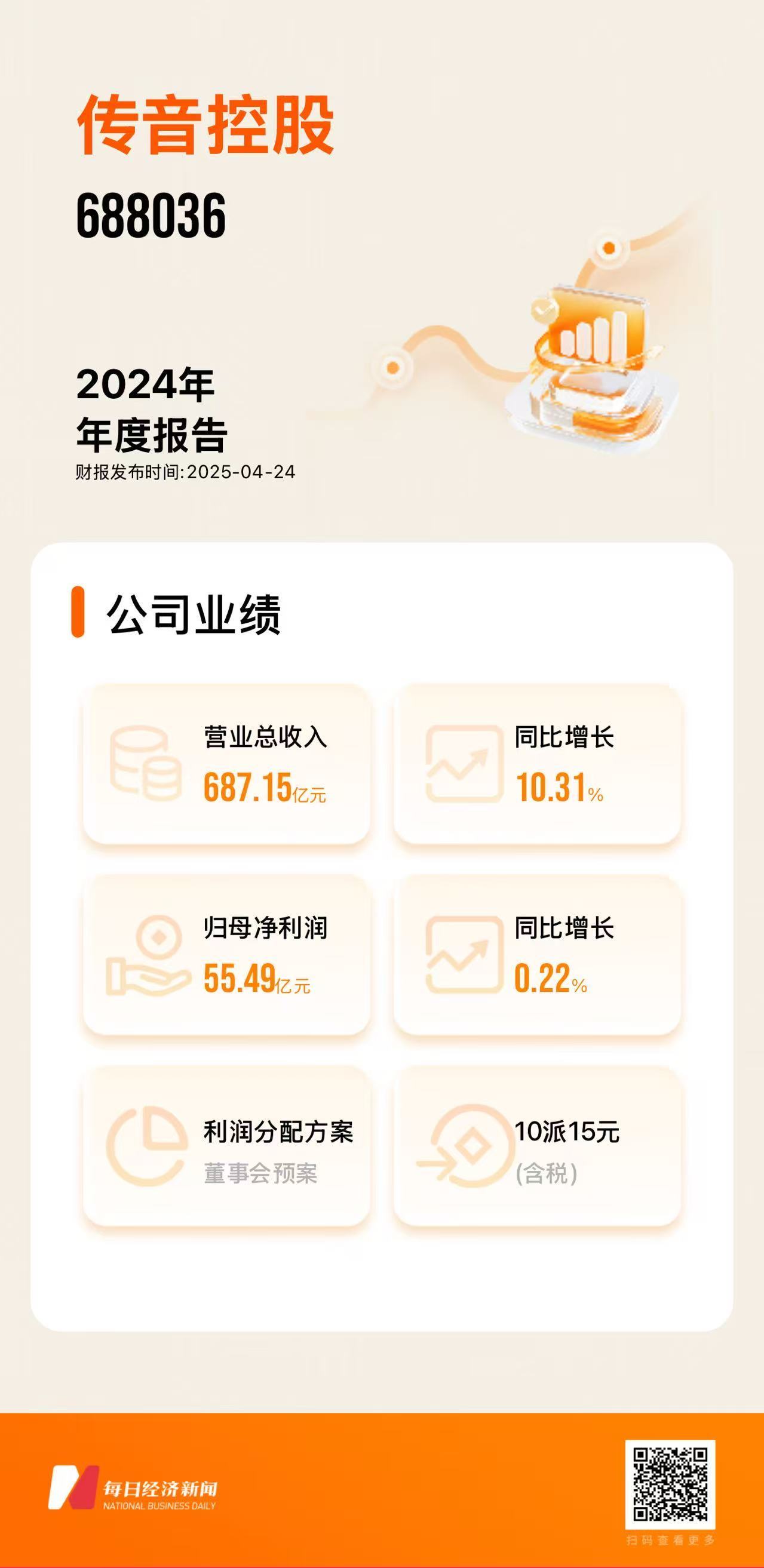
Core Viewpoint - In 2023, Transsion Holdings achieved over 30% growth and entered the top five global smartphone manufacturers despite a general decline in shipments among domestic brands. However, the company faced challenges in maintaining this growth in 2024, with a nearly 70% decline in net profit for Q1 2024 compared to the previous year [1][6]. Group 1: Company Performance - Transsion's revenue for 2024 reached 68.7 billion yuan, a year-on-year increase of 10.3%, while net profit was 5.549 billion yuan, showing a slight increase of 0.22% [6][7]. - The company's gross margin in Africa decreased by 1.46 percentage points to 28.59%, although it remained higher than the gross margin of 17.66% in other Asian regions, which saw a decline of 2.52 percentage points [7][8]. - The smartphone segment accounted for over 90% of Transsion's total revenue, with a gross margin of 20.62%, down 2.63 percentage points from the previous year [6][7]. Group 2: Market Competition - Transsion's market share in the Middle East and Africa declined, with its share in the Middle East falling to 34% in Q4 2024, down from 36% the previous year [8]. - Competitors like Xiaomi and realme are rapidly expanding in the African market, with Xiaomi being the largest market share gainer in the Middle East and Africa in 2024, achieving a 15% increase in shipments [8][9]. - The competitive landscape is intensifying as other Chinese brands adopt localized strategies and target similar price segments, which may impact Transsion's profitability and market position [9][10].

可定制机器人、割草像打游戏……机电企业花式创新稳出口
Di Yi Cai Jing· 2025-04-24 11:51
Core Insights - The 137th China Import and Export Fair (Canton Fair) showcases strong foreign interest in Chinese exports despite tariff uncertainties, highlighting a shift towards innovation and customization in product offerings [4][5] Group 1: Innovation and Product Development - Chinese export companies are openly displaying innovative products at the Canton Fair, moving away from previous practices of withholding new designs [4] - Companies like Zhejiang Chengkang Electromechanical Manufacturing Co. are focusing on developing their own brands and responding to domestic market demands, indicating a strategic pivot towards internal sales [4][5] - Zhejiang Dongyi New Energy Power Technology Co. has successfully introduced innovative products like a fifth-generation lawn mower in the European market, demonstrating adaptability despite challenges in the U.S. market [7] Group 2: Market Expansion Strategies - Companies are diversifying their market strategies by exploring e-commerce platforms such as Taobao and JD.com for domestic sales, while also targeting emerging markets in Russia, Kazakhstan, and Thailand [10] - The battery industry, represented by companies like Nanfu Battery, is also seeking growth in Europe and emerging markets, capitalizing on new regulations that require removable batteries in appliances [10][11] - Customization is a key trend, with companies like Jinda Intelligent Innovation Technology Co. receiving numerous inquiries for tailored products from international clients, indicating a demand for localized solutions [11] Group 3: Sales Performance and Future Outlook - Jinda Intelligent has reported over 100,000 intended orders for their robotic products at the fair, showcasing strong demand and a robust supply chain for rapid product assembly [8] - The export of alkaline batteries by Nanfu reached 1.6 billion units last year, with expectations for continued growth and the potential addition of production lines to meet rising demand [10][11] - The pet robot market is projected to grow by 5%-10% annually, driven by increasing pet ownership, indicating a promising future for companies in this segment [11]

美国关税变脸下,哪些省份的影响最大?
3 6 Ke· 2025-04-14 01:20
Group 1: Trade Dependency by Region - The regions with the highest foreign trade dependency in China are primarily concentrated in the eastern coastal provinces and some border cities, with the first tier cities showing dependency rates over 100% [2][4] - The top city in terms of foreign trade dependency is Chongzuo, Guangxi, with a rate of 1163.2%, followed by Jinhua, Zhejiang, at 115.7% [2] - Other coastal cities like Zhoushan, Danzhou, Shenzhen, Dongguan, and Xiamen also have dependency rates exceeding 100% [4] Group 2: Provincial Trade Dependency - Guangdong province has the highest foreign trade dependency at 64.3%, with a significant reliance on exports to the US at 68.3% [8] - Zhejiang follows with a dependency of 58.4% and a US export dependency of 71.4%, focusing on small commodities and electromechanical products [8] - Shanghai has a dependency of 79.1%, while Jiangsu and Fujian have rates of 41.0% and 34.4%, respectively [8][10] Group 3: Export Dependency on the US - Zhejiang province has the highest export dependency on the US at 71.4%, with core industries including small commodities and machinery [13][15] - Guangdong province has a dependency of 68.3%, focusing on consumer electronics and textiles, facing challenges from production shifts to Southeast Asia [15] - Shanghai's dependency is at 52.4%, with a high reliance on imports, particularly for commodities like crude oil [17] Group 4: Impact of Tariffs and Trade Relations - The US has exempted certain product categories from high tariffs, indicating a potential softening stance in trade relations [24][25] - Major US tech companies, such as Apple and Dell, are significantly affected by tariffs, which could lead to increased product prices and reduced competitiveness [25][27] - The ongoing trade war is forcing China to diversify its markets and enhance domestic consumption to reduce reliance on the US [35][37]