版权保护

Search documents
广东省版权保护联合会深圳办事处正式授牌,护航湾区版权生态
Nan Fang Du Shi Bao· 2025-12-25 11:24
Core Viewpoint - The establishment of the Shenzhen office of the Guangdong Copyright Protection Association marks a new phase in the collaborative advancement and deep integration of copyright protection and industry development in the Guangdong-Hong Kong-Macao Greater Bay Area [1][2]. Group 1: Establishment and Purpose - The Guangdong Copyright Protection Association has set up an office in Shenzhen to enhance copyright promotion, protection, and utilization systems in the region [2][3]. - This initiative aligns with the "Intellectual Property Power Construction Outline (2021-2035)" and aims to lay a solid foundation for copyright work during the "14th Five-Year Plan" period [2]. Group 2: Services and Functions - The Shenzhen office will coordinate media resources and provide systematic and professional services in areas such as copyright protection, promotion, registration, dispute mediation, and copyright transaction empowerment [3]. - The office aims to support the healthy and orderly development of the copyright industry and contribute to the cultural strength of the province [3]. Group 3: Innovation and Integration - The establishment of the Shenzhen office is part of a "media+" strategy to innovate copyright promotion methods and create industry connection bridges [4]. - The office plans to integrate copyright protection with local industries such as gold and jewelry, oil painting, and design, enhancing the core competitiveness of the industry [4]. Group 4: Future Initiatives - The Shenzhen office will implement a series of measures focusing on copyright legal education, industry exchange salons, international copyright cooperation, and efficient copyright service mechanisms [4]. - It aims to deepen the integration of copyright with key industries in Shenzhen, contributing to the province's cultural strength and high-quality economic development [4]. Group 5: Significance - The establishment of the Shenzhen office signifies a new journey for copyright endeavors in the Greater Bay Area, characterized by more concentrated resources, precise services, and far-reaching impacts [5].
美多名作家起诉谷歌等六家企业用版权书籍训练AI;美国拟自2027年起对中国半导体产业加征关税 外交部回应|数智早参
Mei Ri Jing Ji Xin Wen· 2025-12-24 23:13
Group 1 - Multiple authors in the U.S. have filed a lawsuit against Google and six other tech companies for using copyrighted books to train AI systems without permission, highlighting the issue of copyright infringement in AI training [1] - The lawsuit follows a previous settlement where Anthropic agreed to pay $1.5 billion to authors over copyright disputes related to AI training, indicating a growing concern over the use of copyrighted material in AI development [1] - This legal action may lead to a restructuring of rules in the AI industry, emphasizing the need for a legitimate data authorization mechanism and clear compensation standards to protect creators' rights [1] Group 2 - The U.S. plans to impose tariffs on China's semiconductor industry starting in 2027, citing unfair practices aimed at dominating the sector, which has drawn a strong response from China [2] - China's Ministry of Foreign Affairs criticized the U.S. for disrupting global supply chains and hindering the development of the semiconductor industry, urging for dialogue and cooperation instead of unilateral actions [2] - This situation underscores the competitive dynamics in core technology sectors, suggesting that the U.S. approach may accelerate the restructuring of global industrial chains rather than achieving its intended dominance [2] Group 3 - Tencent's Yuanbao reported a more than 100-fold increase in usage of the DeepSeek model since its integration in February, reaching a peak usage on December 14 [3] - This growth positions Yuanbao among the top three in domestic AI applications, showcasing the competitive landscape and technological pathways in the AI market [3] - The focus in the domestic AI application sector is shifting towards the performance and iteration speed of core models, which are becoming critical variables for product success [3]


霍启刚点赞!
Zhong Guo Ji Jin Bao· 2025-12-21 12:04
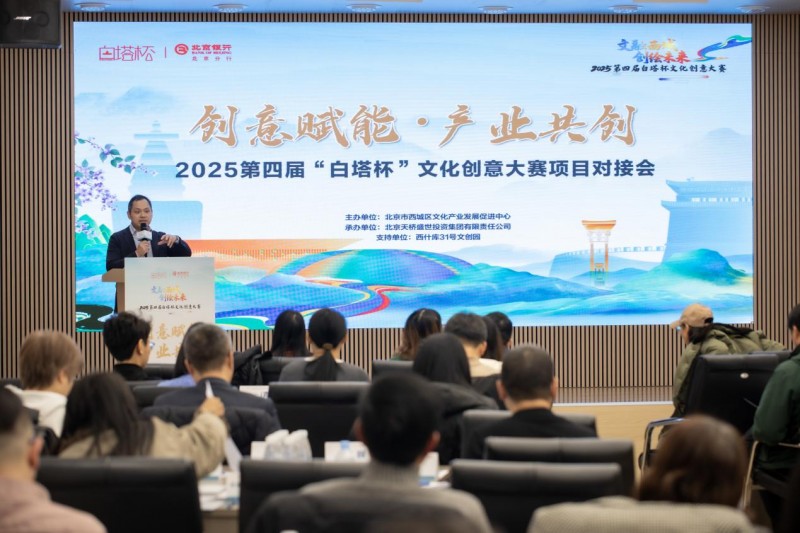
Core Insights - The Hong Kong International AI Art Festival showcases the innovative fusion of technology and art, highlighting the potential for cultural and technological synergy in driving Hong Kong's future development [1][2] Group 1: Highlights of the AI Art Festival - The festival is seen as a representation of Hong Kong's "dual advantages," combining its unique cultural heritage with a robust legal and business environment to foster innovation [1] - The event features over a hundred robots that are not merely automated tools but are given roles and behaviors, enhancing the artistic experience [2] - The festival aims to reinterpret classic cultural symbols of Hong Kong through AI, creating a digital memory that connects the past with the future [1][2] Group 2: Youth Engagement and Future Growth - The festival includes a "Hong Kong AI Science Popularization Week," designed to inspire youth by demonstrating the intersection of technology and art [2] - This initiative is intended to ignite passion for creativity and technology among young people, positioning them as the core capital for Hong Kong's future [2] Group 3: Integration of Art, Technology, and Tourism - The Hong Kong Arts Development Council is committed to promoting the integration of art and technology, as well as the organic combination of technology, art, and tourism [3] - The council draws inspiration from successful examples, such as the use of VR/AR experiences in Beijing's tourism, to enhance the visitor experience in Hong Kong [3] Group 4: Legal Considerations and Future Directions - The rapid development of AI necessitates a reevaluation of copyright protection laws to balance technological advancement with intellectual property rights [3][4] - The complexity of this issue requires collaboration among various government departments to ensure a supportive legal framework for the growth of art and technology [4]
霍启刚点赞!
中国基金报· 2025-12-21 11:43
Core Viewpoint - The Hong Kong International AI Art Festival represents a significant fusion of technology and culture, showcasing the potential of AI in redefining artistic expression and cultural heritage [2][5]. Group 1: Highlights of the Festival - The festival is seen as a manifestation of Hong Kong's dual advantages, combining its unique cultural heritage with a robust legal and business environment to foster innovation [5]. - The event features over a hundred robots that are not merely automated tools but are integrated into the artistic experience, enhancing audience engagement through immersive technology [6]. - The festival aims to create a platform for youth, igniting their passion for creativity and technology through workshops and lectures, thereby serving as a crucial growth opportunity for the younger generation [6][8]. Group 2: Future Directions - The Hong Kong Arts Development Council is committed to promoting the integration of art and technology, as well as supporting the synergy between technology, art, and tourism [8]. - The council recognizes the natural alignment between tourism and technology, suggesting that many tourism experiences can be transformed through artistic and technological enhancements [8]. - There is a call for a balanced approach to technological advancement and copyright protection, emphasizing the need for a robust legal framework to support the evolving landscape of art and technology [8].

中国景泰蓝之乡·大厂版权保护实践案例 入选河北省优质版权资源信息库
Xin Lang Cai Jing· 2025-12-21 08:23
Core Viewpoint - The Dachang Hui Autonomous County, known as the "Hometown of Chinese Cloisonné," has successfully entered the "Hebei Province Quality Copyright Resource Information Database" through its copyright protection practices, promoting the preservation and innovation of intangible cultural heritage [1] Group 1: Cultural Heritage and Copyright Protection - Dachang has preserved and developed two national-level intangible cultural heritage projects: Cloisonné craftsmanship and filigree inlay craftsmanship [1] - The county has implemented various measures such as brand building, digital empowerment, and school-enterprise cooperation to promote the living inheritance and industrial innovation of intangible cultural heritage [1] - Over 100 copyright registrations have been completed for Cloisonné and filigree inlay products, with several innovative works winning gold awards at national craft fairs [2] Group 2: Education and Talent Development - The Dachang Vocational Education Center has established a traditional craft major, currently training over 120 students, and collaborates with Langfang Normal University to deepen industry-academia-research cooperation [2] - National-level intangible cultural heritage inheritors are featured in popular media, enhancing public engagement and awareness of traditional crafts [2] Group 3: International Exchange and Promotion - Dachang has organized participation in major domestic and international exhibitions to showcase intangible cultural heritage skills and stories, enhancing its cultural profile [3]
莫让盗版灰产阻碍教育创新
Jing Ji Ri Bao· 2025-12-20 22:04
Group 1 - The report indicates that 79% of copyright infringement issues in the education sector are related to audio and video courses, with vocational education and higher education institutions being the most affected [1] - A complete industrial chain has formed around online gray production, involving resource theft, recording, and sales on various platforms, making infringement more concealed and difficult to prove [1] - The prevalence of low-cost pirated courses is squeezing the development of legitimate educational content, which could hinder the healthy development of the educational content ecosystem and ultimately obstruct educational innovation [1] Group 2 - Strengthening regulatory enforcement and increasing the cost of violations is essential, with punitive damages becoming a norm rather than an exception in judicial practice [2] - There is a need for cross-regional law enforcement collaboration to effectively combat illegal activities in the gray market, addressing the challenges posed by its virtual and cross-border nature [2] - Promoting public awareness that supporting legitimate resources is crucial for the future of quality education, while companies should explore legitimate resource channels and consider tiered pricing for some resources [2]
打通文化创意成果落地“最后一公里” 2025第四届“白塔杯”文化创意大赛项目对接会成功举办
Sou Hu Wang· 2025-12-16 09:48
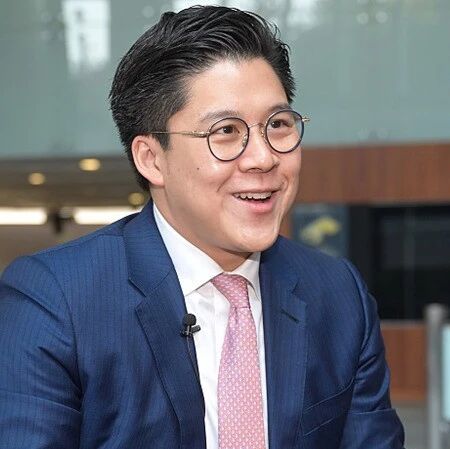
Group 1 - The "Baita Cup" Cultural Creative Competition aims to connect cultural projects with market demands and support entrepreneurial teams in overcoming growth bottlenecks [1][3] - The event featured thirty strong projects and outstanding representatives from the competition, inviting cultural parks, IP operation agencies, and quality investment institutions from Xicheng District to participate [3] - The event focused on matching products, channels, and capital resources to facilitate copyright registration, IP authorization, and commercialization, addressing the "last mile" issue in cultural creative achievements [3][4] Group 2 - Five outstanding projects from the competition presented their latest achievements and development potential, engaging in discussions with investment representatives about financing needs and business models [3][4] - Experts provided professional advice and resource support across various dimensions, emphasizing the importance of content construction and copyright protection in cultural creative development [4] - The event served as a platform for effective resource connection, showcasing the role of financial services in supporting quality projects and regional industrial upgrades [6]
不靠起诉靠投资,迪士尼10亿美元入股OpenAI,那爱优腾呢?
3 6 Ke· 2025-12-16 00:20
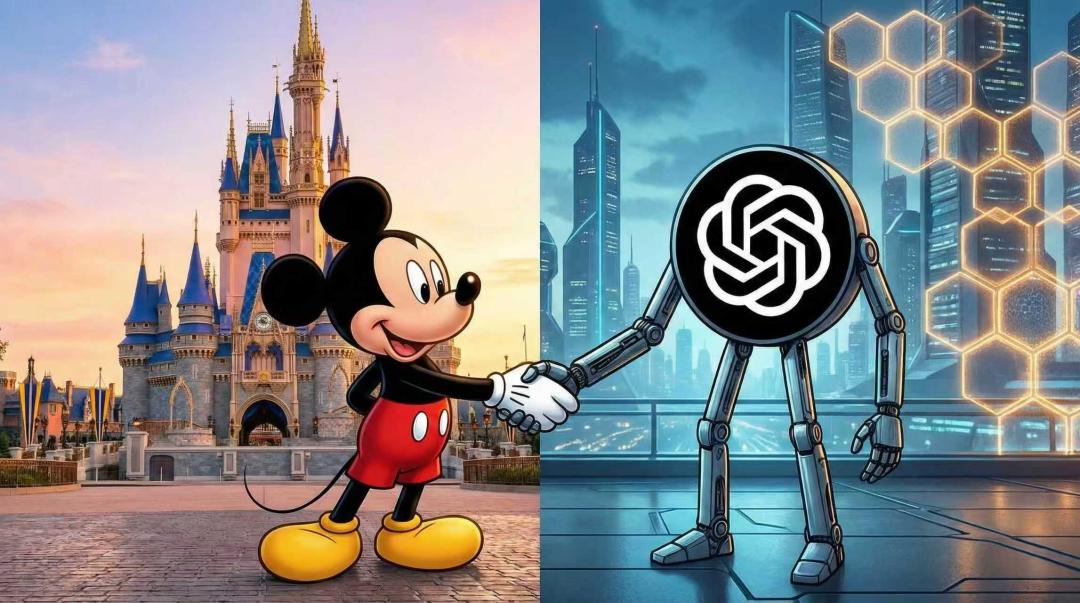
Core Insights - Disney has invested $1 billion in OpenAI and signed a three-year licensing agreement, allowing users of Sora and ChatGPT to create AI-generated short videos using over 200 classic IP characters, with selected content to be featured on Disney+ [1] - Disney's CEO Bob Iger stated that the deal would not threaten creators, as the works will not include names, likenesses, or character voices, and Disney will maintain significant oversight over its intellectual property [1] - Despite opposition from the Writers Guild of America, which claims the deal legitimizes AI companies' appropriation of their works, the collaboration is expected to proceed smoothly due to Disney's strong market position [1] Disney's AI Strategy - Disney is accelerating its internal AI applications, launching DisneyGPT for IT and financial analysis, and developing an intelligent assistant system codenamed Jarvis, while also providing employees access to Microsoft Copilot and other AI tools [3] - The collaboration with OpenAI is seen as a strategic move to leverage AI technology in content creation, especially as user-generated content (UGC) becomes increasingly important [3][9] OpenAI's Challenges - OpenAI's Sora app initially saw high user engagement but has since experienced a significant drop in daily active users, highlighting challenges in maintaining user interest in a platform focused on AI-generated content [9] - Sensor Tower reports that Sora's daily usage averages only 13 minutes compared to TikTok's 90 minutes, indicating a lack of deep social engagement [9] Industry Implications - The partnership signifies a shift in how traditional media companies are approaching AI, moving from legal opposition to a model of collaboration and control over content creation [17] - The deal raises questions about the future of traditional roles in the film industry, as AI technology evolves to potentially replace certain creative processes [20][21] Copyright and Legal Concerns - Disney's actions against Google for copyright infringement reflect a broader concern among IP holders regarding the potential misuse of AI-generated content [10] - The ongoing legal battles in the industry highlight the complexities of copyright in the age of AI, with various stakeholders advocating for stricter regulations on AI training and content generation [15][11] Future Outlook - The collaboration between Disney and OpenAI may pave the way for AI-generated feature films, with predictions suggesting that fully AI-generated movies could be realized within the next few years [20][21] - As AI continues to advance, the traditional film industry may need to adapt to new business models that prioritize human creativity alongside AI capabilities [22]

宇宙第一法务想请你用 AI 生成米老鼠
Xin Lang Cai Jing· 2025-12-12 14:13
Core Viewpoint - Disney has entered a three-year licensing agreement with OpenAI, allowing the generation of images and videos featuring Disney's intellectual property starting in 2026, which includes over 200 characters from popular franchises like Mickey Mouse and Star Wars [2][12]. Group 1: Agreement Details - The agreement connects two companies with starkly different public stances on copyright issues, as OpenAI had previously informed studios to opt out to avoid their works appearing in its new application Sora [2][12]. - Disney will release a series of "curated" videos generated by Sora on its streaming platform Disney+, giving it significant control over how these AI-generated videos are showcased [6][15]. - The deal is seen as a way to legitimize AI-generated video media, with Disney having the discretion to determine the extent of video display [6][15]. Group 2: Financial Implications - Disney's $1 billion investment, while substantial, is relatively minor for OpenAI, which is projected to incur losses exceeding the total losses of Uber, Tesla, Amazon, and Spotify before they became profitable [6][15]. - The introduction of Disney characters may increase OpenAI's operational costs due to the need to pay additional copyright licensing fees alongside server operation costs [6][15]. Group 3: Strategic Positioning - Disney's choice of OpenAI as a partner reflects a strategic move to gain control over its intellectual property usage, especially as the company anticipates a shift in regulatory landscapes regarding AI [7][18]. - The agreement allows Disney to have a significant say in the future direction of technology development, establishing a joint advisory committee to oversee content generated on ChatGPT and Sora [9][18]. - This partnership may signal a new wave of speculation in the audiovisual content licensing sector, with Disney potentially securing advantageous negotiation terms [9][18]. Group 4: Competitive Landscape - OpenAI's current position is precarious, facing intense competition and still not achieving profitability, while it has signed infrastructure agreements worth over $1.4 trillion to gain a competitive edge [8][17]. - Disney's recent actions, including sending a cease-and-desist notice to Google, indicate its proactive approach in navigating the evolving AI landscape [8][17].

短剧“不讲武德”,长剧打响反抄袭第一枪
3 6 Ke· 2025-12-08 01:00
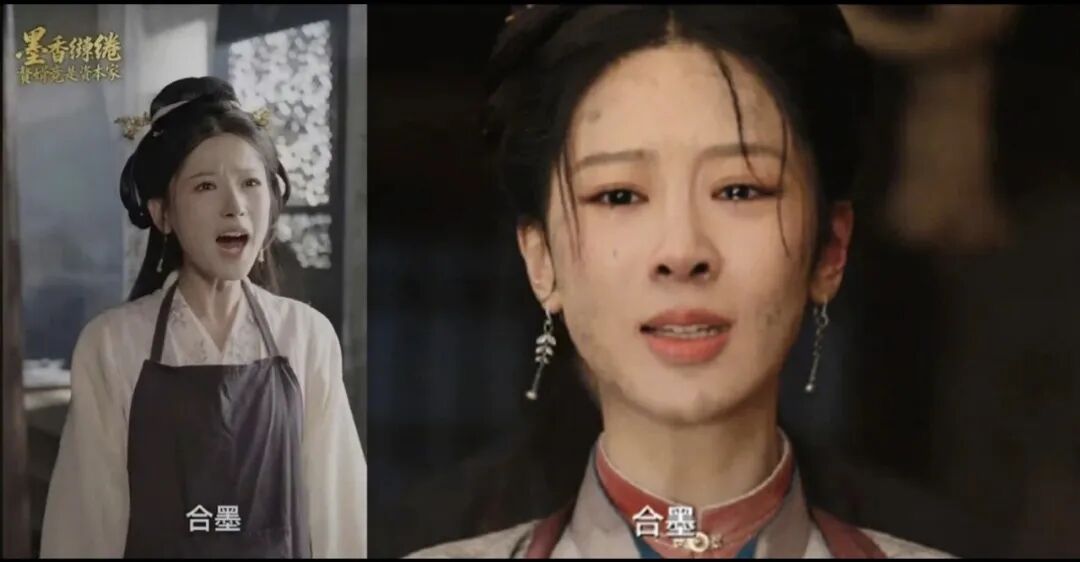
Core Viewpoint - The article discusses the issue of plagiarism in the short drama industry, highlighting the case of the upcoming long drama "Family Business" being preempted by the short drama "Ink Fragrance Entwined, The Son-in-law is a Capitalist," which allegedly copied scenes and plot elements from "Family Business" [1][3][5]. Group 1: Overview of the Incident - "Family Business," produced by iQIYI and Huace Film & TV, is set against the backdrop of the Ming Dynasty and focuses on the rise and fall of ink-making families in Huizhou, with a release date expected in 2026 [3]. - The short drama "Ink Fragrance Entwined" is set to premiere in November 2025, promoting itself as the "first domestic short drama on Huizhou ink culture," mirroring the themes and scenes of "Family Business" [3][5]. - Huace Film & TV issued a statement condemning the short drama for its alleged infringement, stating that they have gathered evidence and will pursue legal action against the infringing party [5][6]. Group 2: Industry Response and Trends - The incident has sparked support from fans of "Family Business," highlighting a broader issue of plagiarism in the short drama industry, which has often turned a blind eye to such practices [6]. - The short drama sector has been characterized by a culture of copying, with many works replicating elements from long dramas, including posters, character designs, and storylines [6][19]. - The article notes that the short drama industry has seen a rise in systematic plagiarism, with some production teams creating "meme libraries" to dissect and reassemble core elements from long dramas [20]. Group 3: Legal and Ethical Implications - The legal landscape for copyright infringement in the short drama industry is complicated, with many original creators lacking legal support and facing lengthy litigation processes [16][19]. - The article emphasizes that the current state of short drama plagiarism undermines the value of original content, calling for a shift towards respecting and protecting intellectual property [28]. - Recent regulatory changes and industry responses indicate a growing awareness and resistance to plagiarism, with platforms taking steps to combat script theft [23][25].