生态产品价值转化

Search documents
“公园乡村”是什么样的?浙江云和为山区县“两山”转化提供了样本
Zhong Guo Huan Jing Bao· 2025-11-21 00:19
Core Insights - Zhejiang province, as the origin and pioneer of the "Two Mountains" concept, has integrated high-quality development with high-level protection over the past two decades, exemplified by Lishui City's Yunhe County, which has achieved significant ecological and economic outcomes [1] Group 1: Ecological Foundation - Yunhe County prioritizes ecological resource protection as the foundation for the "Two Mountains" transformation, establishing a comprehensive ecological protection system through ecological planning, digital remediation, and systematic restoration [2] - The county has developed a quantitative standard system with 127 indicators across 30 categories to coordinate ecological, service, cultural, and economic development [2] - The forest coverage rate in Yunhe County has reached 81.29%, and the surface water quality compliance rate is 100% [1] Group 2: Ecological Restoration - The county has implemented integrated protection and restoration projects, restoring over 5,000 acres of terraced fields and reducing the abandonment rate from 65% in 2016 to 3.3% [3] - Innovative agricultural practices such as "rice + snail" and "rice + fish" have been adopted to achieve ecological and economic benefits [3] Group 3: Economic Transformation Mechanisms - Yunhe County has established the first "Two Mountains Bank" in the country, offering "Two Mountains Loans" that integrate ecological credit as a prerequisite for financial support [4] - By selling the first "ecological land" in the country, the county has developed a model that combines economic output value with ecological environment appreciation [4] - As of March 2025, loans for Yunhe snow pears have reached a total credit of 312 million yuan, with 143 million yuan disbursed [4] Group 4: Ecotourism and Industry Integration - In 2024, the Yunhe terraced scenic area is expected to receive over 1.2 million visitors, generating tourism revenue of 250 million yuan [5] - The terraced fields have been approved as a 5A scenic area, with 285,800 visitors during the National Day and Mid-Autumn Festival holidays in 2025, resulting in tourism consumption of 137 million yuan [5] Group 5: Park Village Development - Yunhe County has established eight "Park Villages" as demonstration sites, with per capita disposable income for rural residents projected to reach over 22,400 yuan in 2024 [6] - The county has invested 87 million yuan in 2023 for 28 projects, leading to a 60% increase in collective operating income for villages [7] Group 6: Long-term Operation Mechanisms - The county employs an EPCO model for project management, enhancing efficiency and providing job opportunities for villagers [8] - A special fund for operations has been established, with over 100 million yuan allocated for "farm stay" loans, promoting the gathering of technology, capital, and talent in rural areas [8]
推动“生态+养老”融合发展,让绿水青山变成幸福靠山
Zhong Guo Huan Jing Bao· 2025-11-19 05:23
Core Insights - By the end of 2024, the elderly population aged 60 and above in China is projected to reach 310 million, accounting for 22% of the total population, while those aged 65 and above will reach 220 million, making up 15.6% of the total population [1] Group 1: Aging Population and Demand - The demand for elderly care is shifting from "survival-oriented" to "quality-oriented" as living standards improve [1] Group 2: Ecological Integration in Elderly Care - Promoting the integration of "ecology + elderly care" is essential for both ecological product value transformation and addressing the challenges of an aging population [1] - Beautiful natural scenery and rich ecological resources are key competitive advantages for the high-quality development of the elderly care industry [1] Group 3: Development Models - Mountainous areas can develop a "forest health care" model, including therapeutic trails and botanical science parks, offering services like "forest bathing + traditional Chinese medicine therapy" [1] - Coastal regions can establish "seaside health care communities" as part of a "coastal health care" model [1] - Rural areas can implement a "countryside elderly care" model by transforming idle farmhouses into ecological health care lodgings, complemented by organic gardens and agricultural experience zones [1] Group 4: Environmental Considerations - Project construction must adhere to ecological red lines, avoiding ecologically sensitive areas for elderly care facility locations [1] - Facilities for wastewater treatment and waste classification must be built simultaneously to ensure environmental safety [1]
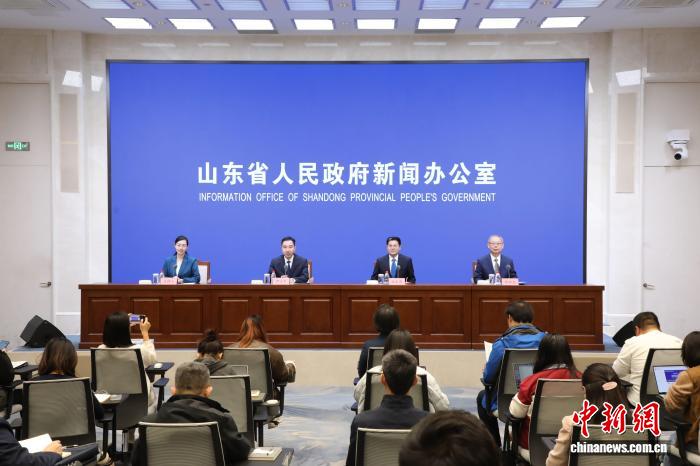
山东持续推进水土流失治理 提升区域水土保持功能
Zhong Guo Xin Wen Wang· 2025-11-18 07:21
Core Viewpoint - Shandong Province has made significant progress in soil and water conservation, achieving a dual decrease in the area and intensity of soil erosion, with a water conservation rate of 86.55%, surpassing the national average by 13.72 percentage points [1][4]. Group 1: Water and Soil Conservation Achievements - The area of soil erosion in Shandong is projected to be 21,300 square kilometers in 2024, with a water conservation rate of 86.55% [1]. - The province has established a comprehensive prevention and protection system, designating 5,462 square kilometers as key prevention areas and 16,540 square kilometers as key treatment areas [3]. - Shandong has implemented 164 key soil and water conservation projects, with several areas recognized as national demonstration projects [3][4]. Group 2: Policy and Economic Impact - Shandong has utilized a range of policy tools, including land, finance, and taxation, to achieve breakthroughs in the value realization of ecological products related to soil and water conservation, with total transaction amounts reaching 85.8 million RMB [4]. - The province's ecological environment quality has improved, with 80.4% of national control surface water sections meeting or exceeding Class III water quality standards [4]. Group 3: Ecological Restoration and Green Initiatives - Shandong has constructed over 300 kilometers of ecological buffer zones and established more than 300,000 acres of artificial wetland for water quality purification [5]. - The province has completed afforestation of over 800,000 acres since the 14th Five-Year Plan, enhancing the water and soil conservation functions of forest ecosystems [5][6]. - Future projects will focus on high-quality implementation of national land greening initiatives, emphasizing the protection of native vegetation and prevention of soil erosion [6].

从“海洋蓝”到“生态绿”
Jin Rong Shi Bao· 2025-11-18 05:10
Core Insights - The "Genghai No. 1" modern marine ranch complex in Yantai, Shandong, represents a significant investment of 320 million yuan, yielding an annual harvest of 150,000 kg of high-quality seawater fish and attracting 150,000 visitors, while reducing carbon emissions by approximately 1,000 tons [1] - The project integrates innovative practices such as "fishing-light complementary" and "multi-dimensional cultivation of shellfish and algae," establishing a new paradigm of "marine ranching + ecological restoration + smart tourism" [1] - Financial tools like "marine ranch equipment loans," "carbon sink revenue rights pledge loans," and "smart net box comprehensive insurance" have empowered the transformation of the marine economy [1] Financial Support and Policy Framework - The People's Bank of China Yantai Branch has initiated a "blue-green integration" development strategy, focusing on ecological, low-carbon, and sustainable transitions in the marine economy [2] - Yantai has developed the first national blue finance local standard, which includes a qualitative and quantitative indicator system for marine sub-industries, enhancing the effectiveness of blue finance services [2] - Collaborative measures have been established among various departments to support blue-green integration, including the issuance of financial products that activate blue carbon economic potential [2] Collaborative Efforts - The Yantai Branch has created a financial coordination mechanism with local government departments to facilitate information sharing and project collaboration, establishing a marine industry project database [3] - Financial institutions are encouraged to develop specialized service systems to meet the financing needs of marine industries, with significant loan support for marine ranch projects [3] - A total of 36 specialized marine financial institutions have been established in Yantai to support high-quality development in the marine economy [3] Ecological Value Realization - The integration of blue and green economies in Yantai is not only an economic initiative but also a significant improvement in livelihoods and ecological benefits [4] - The first loan of 4.9 million yuan based on ecological product value has been issued, allowing for the monetization of ecological benefits such as carbon fixation and water purification [4] - A long-term cooperation mechanism has been established to account for ecological product values and apply them in financial contexts, expanding the model to other green development areas [5] Product Innovation - Financial institutions in Yantai are developing innovative financial products to support the high-quality development of the marine economy, including syndicate loans and ecological environment-oriented project loans [6] - A total of 2 billion yuan has been allocated for the first EOD (Ecological Environment-Oriented Development) project loan in the province, facilitating the integration of ecological governance and industrial development [6] - Financial institutions have provided credit support of 2.93 billion yuan for three EOD projects, with 1.361 billion yuan disbursed in loans [6]
既守护绿水青山,又实现生态产品价值转化,安徽六安是这样治水的|水征文选登
Zhong Guo Huan Jing Bao· 2025-11-04 03:10
Core Viewpoint - Liu'an City is enhancing its water source protection and ecological environment management to ensure sustainable development and ecological safety for downstream areas [1][2][3] Group 1: Water Source Protection - Liu'an has completed the adjustment and delineation of drinking water source protection areas, which has been approved by the Anhui provincial government [1] - Regular environmental assessments of drinking water sources are conducted at both city and county levels, with a focus on establishing a long-term rectification plan for issues that cannot be immediately resolved [1] Group 2: Pollution Control and Water Quality Management - Strict approval processes for river discharge outlets are in place, with on-site evaluations for new, modified, or expanded discharge points [2] - Liu'an is implementing comprehensive pollution control projects in the Chaohu Lake basin, including integrated management of urban sewage and agricultural runoff [2] - A water quality compensation incentive mechanism has been established to address fluctuations in water quality at specific monitoring points [2] Group 3: Ecological Restoration and Cultural Integration - Liu'an is enhancing law enforcement on sewage treatment plants and monitoring pollution sources, while also providing technical support to enterprises for pollution control [3] - The city is integrating water ecological protection with cultural tourism, developing eco-tourism routes and educational bases that attract significant visitor numbers [3] - In 2024, Liu'an expects to receive 68.69 million tourists, generating approximately 52.2 billion yuan in tourism revenue [3]
总书记的关切·落地的回响|保护黑土地 大国粮仓更稳固
Ren Min Ri Bao· 2025-10-26 02:30
Group 1 - The core message emphasizes the importance of protecting black soil, referred to as the "panda of arable land," to ensure sustainable agricultural productivity for future generations [1] - The black soil region in Northeast China is crucial for grain production, facing challenges such as soil fertility depletion and erosion [1][2] - Significant investments have been made in the Northeast black soil area, with the Ministry of Water Resources allocating 14.406 billion yuan to address erosion and protect approximately 13.74 million acres of farmland [2] Group 2 - The implementation of various subsidies for black soil protection, including 20 yuan per acre for straw return and 150 yuan per acre for crop rotation, has incentivized farmers to adopt sustainable practices [2] - The average organic matter content in Heilongjiang Province's soil is projected to reach 40.3 grams per kilogram by 2024, reflecting an increase of 4.1 grams per kilogram since 2016 [2] - The governance of erosion control projects has seen a significant increase, with 27,700 erosion control projects planned for 2024, equivalent to the total of the past decade [3] Group 3 - The introduction of the "Black Soil Protection Law" signifies a robust legal framework aimed at safeguarding this vital agricultural resource [4] - The cumulative protection of black soil has exceeded 400 million acres during the 14th Five-Year Plan period, highlighting the government's commitment to agricultural sustainability [4] - The collaboration between central and local governments has led to innovative approaches in ecological product value transformation, enhancing the effectiveness of black soil protection initiatives [3]
保护黑土地 大国粮仓更稳固
Ren Min Ri Bao· 2025-10-26 02:05
Core Points - The protection and utilization of black soil, referred to as the "panda of arable land," is emphasized by President Xi Jinping, highlighting its importance for future generations [1] - The Northeast region of China, known for its black soil, faces challenges such as soil fertility depletion, necessitating effective measures for protection and sustainable use [1] Group 1: Black Soil Protection Initiatives - In 2025, the central government plans to strengthen the governance of erosion ditches in the Northeast black soil region, with significant investments made for restoration projects [1][2] - Heilongjiang Province has reported a successful increase in corn yield from 300 kg per mu to over 1000 kg per mu after implementing erosion ditch management [1] - The Ministry of Water Resources has allocated 14.406 billion yuan to the Northeast black soil region during the 14th Five-Year Plan, addressing 57,300 erosion ditches and protecting approximately 13.74 million mu of arable land [2] Group 2: Financial Support and Incentives - Farmers receive various subsidies for black soil protection practices, including 20 yuan per mu for straw returning, 30 yuan per mu for deep plowing, and 150 yuan per mu for crop rotation, with one farmer receiving nearly 20,000 yuan in total subsidies [2] - The average organic matter content in Heilongjiang's soil is projected to reach 40.3 grams per kilogram by 2024, an increase of 4.1 grams per kilogram since 2016 [2] Group 3: Innovative Governance and Collaboration - The Ministry of Water Resources is exploring ecological product value transformation to address challenges in valuation and monetization of ecological benefits from erosion ditch management [3] - A new guideline for ecological product value accounting has been introduced in Heilongjiang, incorporating indicators for erosion ditch restoration and enhancing the assessment of ecological value [3] - The governance of erosion ditches is now included in national policy documents, indicating a coordinated approach to improving soil quality and protecting arable land [3] Group 4: Legislative Framework - Over 400 million mu of black soil has been protected during the 14th Five-Year Plan, supported by the enactment of the Black Soil Protection Law, which aims to establish a robust foundation for food security in China [4]
保护黑土地 大国粮仓更稳固(总书记的关切·落地的回响)
Ren Min Ri Bao· 2025-10-25 22:54
Core Points - The Chinese government emphasizes the importance of protecting black soil, referred to as the "panda of arable land," to ensure sustainable agricultural productivity for future generations [1][4] - Significant investments and initiatives are being implemented to combat soil erosion and improve agricultural yields in Northeast China's black soil region [2][3] Group 1: Government Initiatives - The central government has allocated 144.06 billion yuan to the Northeast black soil region during the 14th Five-Year Plan, focusing on the treatment of 57,300 erosion gullies and protecting approximately 13.74 million acres of arable land, resulting in an annual increase of about 330 million jin of grain production [2] - The 2025 Central Document No. 1 highlights the need to strengthen the governance of erosion gullies in the Northeast black soil area [1][3] Group 2: Local Success Stories - In Yongfa Village, Heilongjiang Province, the treatment of a 2,810-meter-long erosion gully has led to a remarkable increase in corn yield from 300 kg per mu to over 1,000 kg per mu [1] - Local farmers are benefiting from various subsidies for black soil protection, including 20 yuan per mu for straw returning, 30 yuan per mu for deep plowing, and 150 yuan per mu for crop rotation, with one farmer receiving nearly 20,000 yuan in total subsidies [2] Group 3: Innovative Approaches - The Ministry of Water Resources is exploring ecological product value transformation to address challenges in valuation, collateral, and monetization of ecological benefits, with a focus on collaborative efforts between central and local governments [3] - The introduction of the "Black Soil Protection Law" aims to provide robust measures for safeguarding this critical agricultural resource, with over 400 million acres of black soil protected during the 14th Five-Year Plan [4]
内蒙古发布生态产品目录
Zhong Guo Zi Ran Zi Yuan Bao· 2025-10-23 06:05
Core Viewpoint - The Inner Mongolia Autonomous Region has released the "Ecological Product Catalog (2025 Edition)" to identify, explore, and develop ecological products, aiming to promote the value transformation of these products [1] Group 1: Ecological Product Classification - The catalog is based on six major ecosystem types: forests, grasslands, wetlands, deserts, farmland, and urban areas, systematically categorizing ecological products into three main types: material supply, regulatory services, and cultural services [1] - The compilation of the catalog reflects the development philosophy of "Lucid waters and lush mountains are invaluable assets," emphasizing the importance of developing high-quality ecological products with ecological premium effects [1] Group 2: Future Actions - The Inner Mongolia Autonomous Region plans to gradually incorporate easily identifiable, definable, and surveyable ecological products into the catalog, based on practical effectiveness [1] - The region aims to establish a sound mechanism for realizing the value of ecological products, facilitating the transformation of ecological advantages into developmental and economic advantages [1]
行走江河看中国|松辽流域绘就粮安与生态共荣新图景
Zhong Guo Xin Wen Wang· 2025-10-20 02:25
Core Viewpoint - The article highlights the transformation of the Songliao River Basin, emphasizing the integration of water management, land restoration, and ecological value realization to enhance food security and environmental sustainability in Northeast China [1][11]. Water Network Development - The Songliao River Basin has established over 600 irrigation areas exceeding 10,000 acres, covering 32% of the cultivated land with a total irrigation area of 1.8 million acres [4]. - Modern irrigation techniques such as "water-saving irrigation" and "drip irrigation" have been implemented, significantly reducing water usage while maintaining crop yields [5]. - The shift from traditional irrigation methods to precise water management has improved agricultural productivity and sustainability in the region [5]. Land Restoration Efforts - A multi-year "gully treatment campaign" has been initiated to restore eroded land, with significant investments leading to the treatment of 4,683 square kilometers of soil erosion and the protection of 1.374 million acres of farmland [7][8]. - The campaign has resulted in an annual increase of 330 million pounds of grain production, showcasing the effectiveness of land restoration efforts [7]. - Specific examples of successful land restoration include the transformation of eroded gullies into arable land in various counties, contributing to food security [8]. Ecological Value Realization - The region is exploring innovative practices for converting ecological value into tangible economic benefits, such as trading newly created farmland indicators from gully restoration projects [11][12]. - The first successful transaction of farmland indicators in the black soil area was completed, generating revenue that supports ongoing soil conservation efforts [12]. - The reduction of soil erosion area by nearly 10,000 square kilometers since 2020 indicates significant progress in ecological restoration and sustainable land management [12].