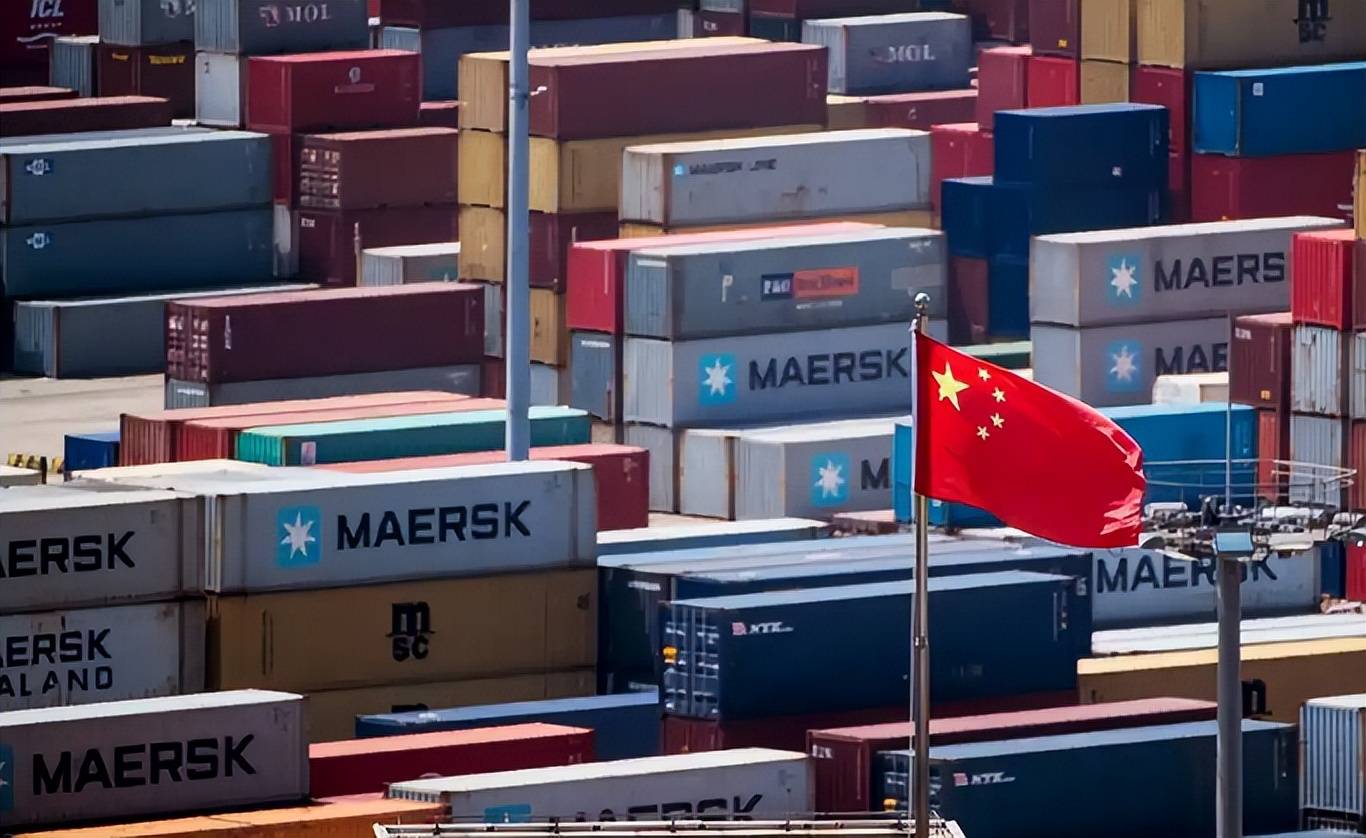
科技封锁

Search documents
美债最大“接盘侠”诞生,疯狂买走1.5万亿 既兴奋又欣喜,美专家:中国已摸透其心理
Sou Hu Cai Jing· 2025-06-09 04:53
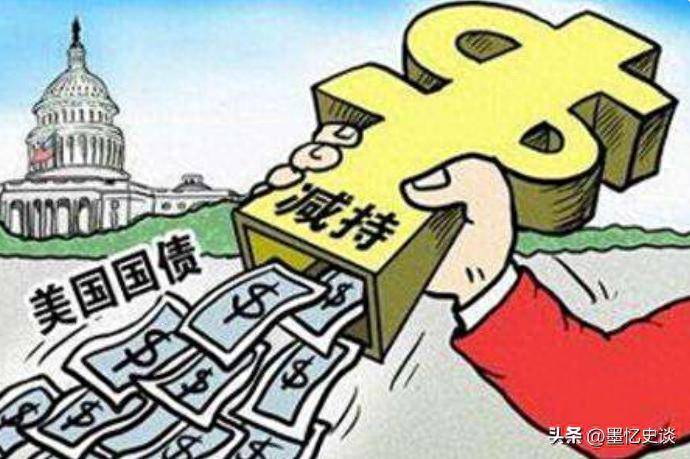
Group 1 - The article discusses the emergence of a significant buyer for U.S. Treasury bonds, which has purchased approximately $1.5 trillion in bonds over 18 months, surpassing the combined holdings of Japan and China [1] - The total U.S. debt has exceeded $36 trillion, with annual interest payments alone costing over a trillion dollars, making it challenging for the U.S. to rely solely on economic growth and fiscal surplus to manage this debt [3] - The U.S. has turned its attention to the cryptocurrency sector as a means to address its debt issues, initially through the speculative trading of Bitcoin, which attracted global investors to convert their currencies into dollars and invest in U.S. Treasuries [4][6] Group 2 - The article explains the concept of stablecoins, which are digital currencies pegged to traditional currencies, requiring issuers to purchase U.S. Treasuries to back the stablecoins they issue [8] - A recent U.S. Senate bill mandates that stablecoins must be fully backed by cash, demand deposits, or short-term U.S. Treasuries, making them attractive in countries with depreciating currencies [10] - Companies issuing stablecoins are profiting significantly from the interest on the U.S. Treasuries they purchase with the funds raised from stablecoin sales, with estimates suggesting that by 2028, stablecoin issuance could reach $2 trillion, creating an additional $1.6 trillion demand for U.S. short-term debt [12][14] Group 3 - The article raises concerns about the reliability of stablecoins, suggesting they are essentially a "new bottle for old wine" and could collapse if U.S. credit issues arise or if the cryptocurrency market crashes [16] - It highlights a recent incident where the USDC stablecoin lost value due to its association with a failing bank, illustrating the risks involved [18] - The long-term strategy of using stablecoins to alleviate U.S. debt issues is deemed unrealistic, as debt repayment ultimately relies on a solid economic foundation and national credit [21]

中美这场较量,终于迎来大结局?特朗普算盘全落空,美国自身难保
Sou Hu Cai Jing· 2025-06-06 05:26
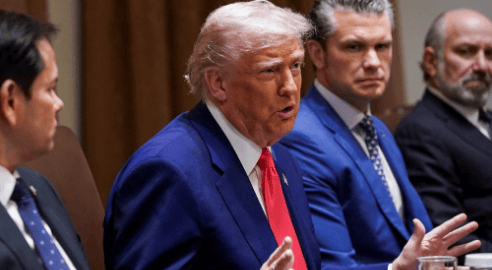
Group 1: Trade Relations - The U.S.-China trade relationship has been characterized by escalating tensions, particularly through tariff battles initiated by the U.S. [1][3] - The U.S. raised tariffs on Chinese goods to 125%, but later expressed a desire for peace, indicating a failure of the tariff strategy [1][3] - China responded by increasing its tariffs and demonstrated resilience by not yielding to U.S. pressure, ultimately leading to concessions from the U.S. [1][3] Group 2: Technology and Industry - The U.S. has attempted to restrict China's access to essential technology, particularly in the semiconductor sector, but these efforts have backfired [3][4] - China's advancements in AI and EDA tools have significantly improved chip design efficiency by over 40%, showcasing its ability to overcome technological barriers [3] - The U.S. restrictions on companies like NVIDIA have resulted in substantial losses, exceeding $150 billion in orders, while failing to halt China's progress in chip self-sufficiency [3] Group 3: Aerospace and Defense - The U.S. has halted technology exports to China in the aerospace sector, yet China's COMAC has achieved a 60% localization rate for its C919 aircraft [4] - The U.S. military's reliance on Chinese rare earth materials for critical components, such as those used in the F-35 fighter jet, highlights its vulnerability [4] - The ongoing technological and supply chain challenges faced by the U.S. military underscore the risks associated with its strategy against China [4] Group 4: Diplomatic Dynamics - The U.S. has shown a willingness to engage diplomatically with China, as evidenced by Trump's unexpected attendance at the G20 summit to meet with Chinese officials [6] - Despite diplomatic overtures, the U.S. continues to provoke tensions in the South China Sea, revealing a contradiction in its approach to China [6][8] - The U.S. must reconsider its hegemonic mindset and adopt a more respectful and cooperative stance towards China to avoid further failures [8]
美高官沮丧承认一事实,特朗普不是中国对手?美国该死心了
Sou Hu Cai Jing· 2025-05-31 11:17
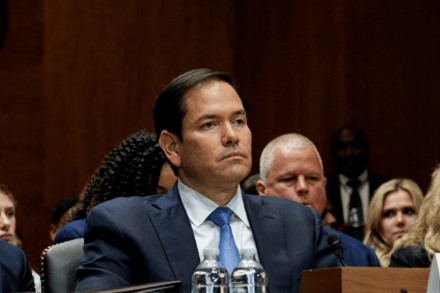
Core Viewpoint - The recent statement by U.S. Secretary of State Rubio highlights the limited influence the U.S. has over China's internal affairs, acknowledging the failure of past U.S. interference policies towards China [1][4]. Group 1: U.S.-China Relations - Rubio's comments reflect a recognition of the ineffectiveness of U.S. attempts to influence China's development through various means, including political criticism, trade wars, and cultural interventions [1][3]. - The trade war initiated during Trump's administration serves as a prime example of U.S. failure, as it quickly led to negotiations rather than the intended concessions from China [3][6]. - U.S. technology restrictions aimed at hindering China's tech development have not deterred Chinese companies, which have instead increased their investment in R&D and achieved significant advancements [3][6]. Group 2: Domestic Political Reactions - Rubio's statement has sparked significant backlash within U.S. domestic politics, particularly from Democrats who question his capabilities as Secretary of State [4][6]. - The division between the two major political parties in the U.S. regarding China policy reveals a lack of coherent strategy in addressing China's growing influence [6][9]. Group 3: Economic Context - China's robust domestic market and manufacturing capabilities position it as a critical player in global supply chains, contrasting with the U.S. challenges of industrial hollowing and debt crises [9]. - The U.S. is urged to abandon its confrontational economic policies towards China, as continued opposition may harm its own economic interests [9].
专访王义桅:中国经济韧性足够抵御外部冲击 中美合作未来应有突破口
Zhong Guo Xin Wen Wang· 2025-05-24 01:15
Group 1 - The core viewpoint is that China's large economic market, resilient industrial chain, and broad application scenarios enable it to withstand external shocks and maintain high-quality growth, making it an attractive destination for investment [1] - China's economic resilience is attributed to three main factors: the enduring and adaptable nature of Chinese civilization, the flexibility and policy elasticity of the Chinese system, and the prudent approach of the Chinese people, which avoids extremism [1] - The global economy is currently facing pressure from the U.S. protectionist policies, which also affect China, particularly through restrictions on advanced computing chips [3] Group 2 - The U.S. government's actions, such as technology blockades and trade wars, aim to limit China's development, but ultimately cannot prevent China's self-reliance and strength [3] - The U.S. has a psychological understanding of China that has evolved from neglect and denial to vilification, and eventually to a forced acceptance of China's high-quality development, leading to a strategy of "if you cannot beat them, then join them" [3] - Potential breakthrough areas for future China-U.S. cooperation include nuclear arms control, reform of the monetary system, and addressing the fentanyl crisis [4]

中美最终加征多少关税? 美国是被迫 “低头”还是赢麻了?
Sou Hu Cai Jing· 2025-05-13 05:35
Group 1 - The core point of the article is that the recent tariff negotiations between China and the U.S. appear to be a temporary pause in a larger trade conflict, with both sides maintaining significant tariffs on key goods [1][3]. - The U.S. decision to lower tariffs is seen as a strategic retreat under inflationary pressure, with potential annual costs of $3,800 for American households if tariffs remain high [3]. - China's significant export reductions, particularly in rare earths, highlight the leverage it holds in the supply chain, suggesting that the U.S. may not be able to rely solely on technology restrictions to pressure China [3][5]. Group 2 - The article emphasizes that China's manufacturing presence is growing globally, with a market share of over 60% in Africa for mobile phones and a significant presence in U.S. supermarkets [5]. - The narrative suggests that any attempts at de-globalization will ultimately fail, as evidenced by China's increasing trade with Latin America surpassing that with the U.S. [5]. - The ongoing tariff dispute is framed as a broader geopolitical struggle, with implications for global power dynamics and the diminishing unilateral influence of the U.S. [3][5].