
红色基因

Search documents
校馆弦歌丨以科学之光育人 以报国之志扬帆
Xin Hua Wang· 2025-10-07 07:29
Core Viewpoint - The articles highlight the importance of scientific spirit and patriotism in education, showcasing how various universities in China honor and promote the legacies of renowned scientists to inspire students and cultivate a sense of national pride and responsibility [1][2][3][4][5] Group 1: Contributions of Notable Scientists - Huang Danian, a prominent geophysicist, dedicated his life to advancing China's scientific endeavors, with significant contributions to projects like the "863" program and the "Earth Crust No. 1" drilling project [2] - Yuan Longping, known as the "Father of Hybrid Rice," made groundbreaking advancements in rice breeding, leading to the development of multiple hybrid rice varieties that have significantly improved agricultural productivity [3] Group 2: Educational Initiatives and Legacy - Jilin University has established the Huang Danian Memorial Hall as a practical teaching base for ideological and political education, using his inspiring story to educate students [2] - Hunan Agricultural University utilizes the Yuan Longping Science Spirit Exhibition Hall to conduct "political education in the rice fields," encouraging students to engage in agricultural research while honoring the legacy of Yuan Longping [3] Group 3: Integration of Red Culture in Education - Dalian University of Technology emphasizes its historical roots and red culture through its history museum, showcasing the university's development alongside the founding of New China and its commitment to industrialization [4][5] - The university has created immersive teaching experiences that combine historical narratives with themes of revolutionary spirit, enhancing the cultural impact of its educational programs [5]
电视剧《沉默的荣耀》聚焦隐蔽战线斗争
Xin Hua She· 2025-10-07 04:28
Core Viewpoint - The TV series "Silent Glory" showcases the true stories of martyrs from 1949 to 1950, revealing the details of the covert struggle during the liberation war [1] Summary by Relevant Sections - **Historical Context**: The series is based on real historical events and characters, intertwining the covert operations with the final stages of the liberation war [1] - **Character Focus**: It centers around the East China Intelligence Group and includes various underground workers, highlighting the bravery and dedication of the martyrs towards national unity [1] - **Creative Process**: Director Yang Yazu emphasized the team's deep research into historical documents, ensuring that both minor characters and the overall setting are grounded in authentic historical references [1] - **Cultural Significance**: The series aims to revive this forgotten history, continue the legacy of the red gene, and pass on the spirit of the heroes to inspire future generations [1]
演训场,声声答“到”诉忠勇
Ren Min Wang· 2025-10-07 01:00
Core Points - The article highlights the enduring legacy of hero Huang Jiguang within the Airborne Troops, showcasing how his spirit continues to inspire soldiers to uphold high standards in training and service [1][2][3] - The tradition of honoring Huang Jiguang is deeply embedded in the unit's culture, with soldiers regularly reporting to his name during significant events, reinforcing their commitment to emulate his bravery and loyalty [1][2] - Huang Jiguang's family has a strong military tradition, with 18 descendants serving in the armed forces, reflecting the family's dedication to his legacy [2] - The unit actively promotes the values associated with Huang Jiguang through various activities, aiming to instill a sense of duty and honor among the soldiers [2][3] - The article emphasizes the emotional connection soldiers have with Huang Jiguang's memory, which serves as a motivational force in their training and commitment to their country [3][4]
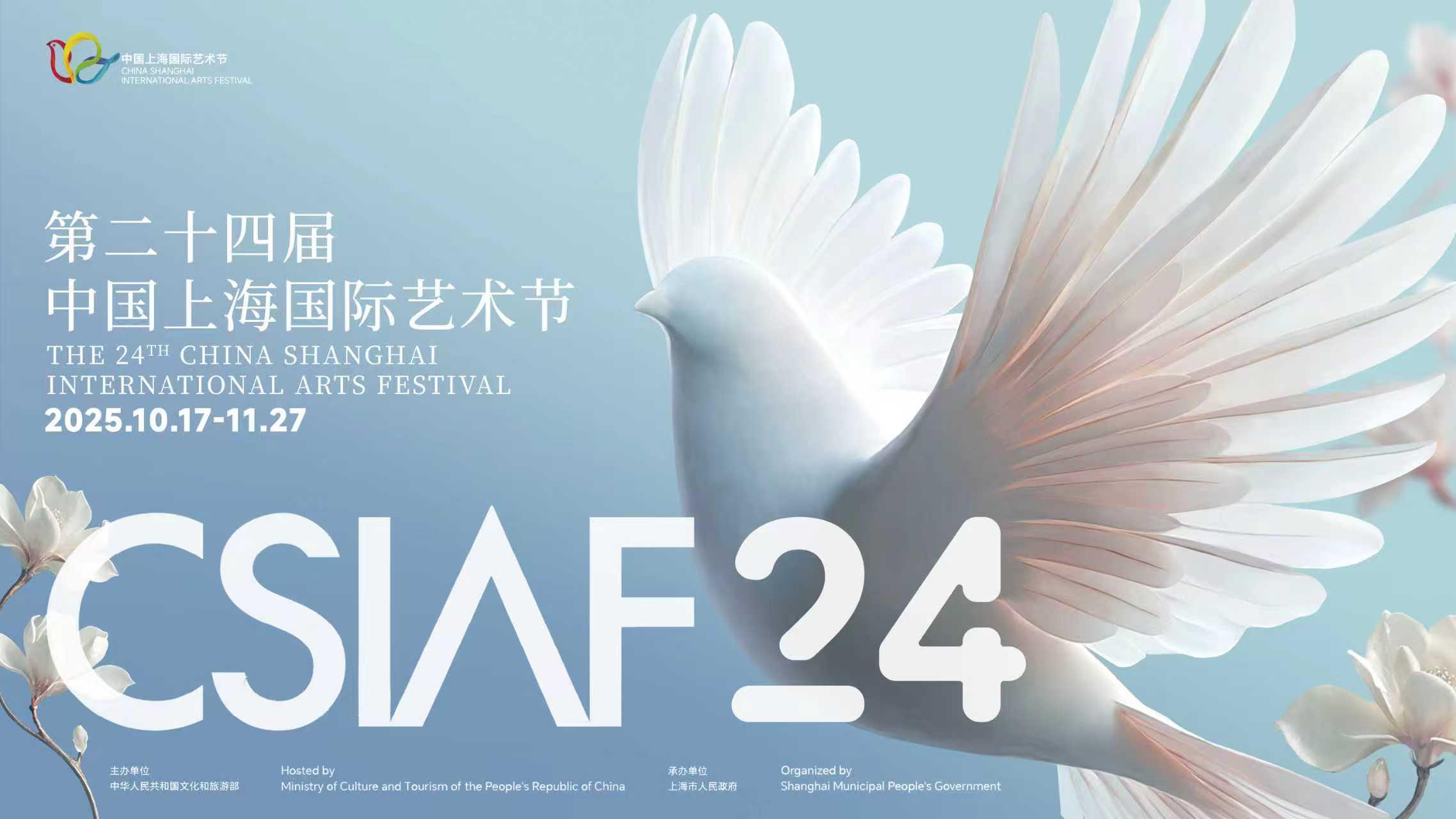
1200余场展演活动!第二十四届中国上海国际艺术节即将启幕
Yang Shi Xin Wen· 2025-09-24 06:34
Core Points - The 24th China Shanghai International Arts Festival will take place from October 17 to November 27, featuring over 500 performances and exhibitions, totaling more than 1,200 events [1] - Approximately 60% of the main performances are international projects, with over 90% being premieres in Shanghai [1] Group 1 - The opening and closing performances will follow the "one domestic and one international" model, showcasing Kunqu opera "Taihe Zhengyin - Palace Kunqu Collection" (Season 1) and a concert by Daniel Harding and the Santa Cecilia Orchestra [3] - Renowned international ensembles such as the Vienna Philharmonic, Dresden State Orchestra, and Berlin Theatre will participate in the festival [3] - Domestic productions will also feature prominently, including five major plays from Shaanxi People's Art Theatre, the final season of the stage play "Blossoms," and original works like the national opera "Tianxin Jie" and dance drama "Wang Yangming," reflecting both traditional Chinese culture and contemporary life [3] Group 2 - The "Art Sky" community benefit activities will include 60 performances and over 90 events across major public spaces in Shanghai, with nearly 2,000 artists from over 30 countries and regions participating [3] - Themes such as "Red Gene," "Belt and Road," "Sino-Italian Diplomatic Relations," and "Digital Youth Power" will be highlighted to create regional cultural characteristics [3] - More than 6,000 half-price tickets will be available, and all main performance projects can utilize the second round of cultural consumption vouchers launched this year [3] Group 3 - The festival will also establish sub-venues in Jiangsu, Zhejiang, and Anhui provinces, and will host the Guangdong-Hong Kong-Macao Greater Bay Area Cultural Week, featuring a series of performances, exhibitions, and promotions to enhance cultural interaction between mainland cities and Hong Kong and Macao [4]

【“两点一存”耀华夏】红军长征“加油站”哈达铺
Xin Hua She· 2025-09-23 06:25
Core Viewpoint - Hada Pu, located in Gansu Province, is historically significant as a "refueling station" for the Red Army during the Long March, contributing to its vibrant development today [2] Group 1 - Hada Pu is situated at the confluence of the Yellow River and Yangtze River basins, characterized by dense population and abundant resources [2] - The town has a rich history of trade and prosperity, which has been enhanced by its deep-rooted revolutionary heritage [2] - The arrival of the Red Army in September 1935 marked a pivotal moment for Hada Pu, leading to important strategic decisions that shaped its historical significance [2]
校馆弦歌|文脉赓续,弦歌不辍 高校校馆这样锚定青春航向
Yang Shi Wang· 2025-09-19 13:39
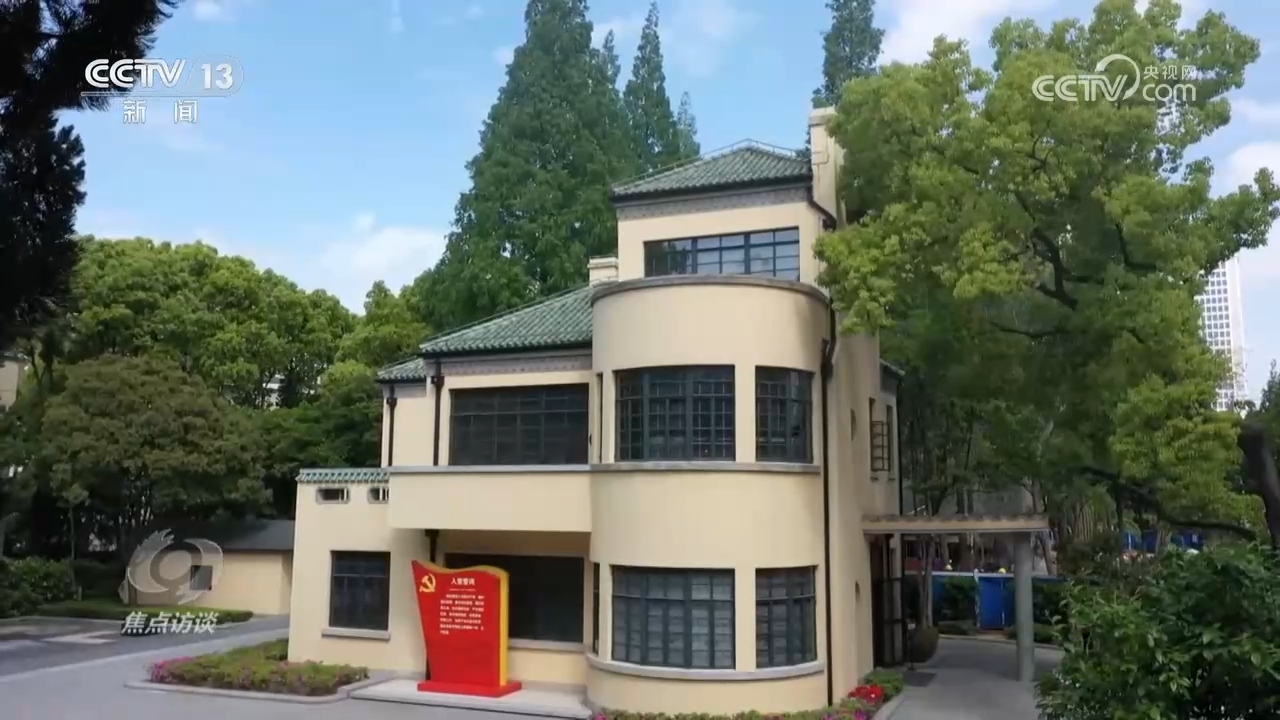
Core Viewpoint - The article emphasizes the importance of university museums and historical sites in fostering cultural heritage, national identity, and scientific spirit among students during the new academic year [1]. Group 1: University Museums and Historical Significance - Fudan University's old residence of Chen Wangdao, the first complete translator of "The Communist Manifesto," has been transformed into a museum that showcases the historical significance of the text and its impact on Chinese revolution [3][5]. - The museum features valuable exhibits, including the first complete Chinese translation of "The Communist Manifesto" published in August 1920 and the first Marxist publication aimed at workers, highlighting the rich history of Marxism in China [5][7]. Group 2: Cultural and Historical Education - Xi'an Jiaotong University's Westward Migration Museum serves as an immersive educational experience for new students, showcasing over 2,000 artifacts that narrate the struggles and achievements of faculty and students during the early years of the People's Republic of China [7][9]. - The museum's exhibits, including a pink train ticket with a declaration of "Marching towards Science, Building the Northwest," encapsulate the patriotic spirit of the intellectuals of that era [9][11]. Group 3: Traditional Culture and Family Letters - Renmin University of China has a Family Letters Museum that houses over 80,000 letters, providing insights into the historical struggles and cultural values of the Chinese people, particularly during the Anti-Japanese War [15][13]. - The museum aims to connect young people with traditional culture and instill values such as patriotism and family ethics through the letters [17][15]. Group 4: Scientific Spirit and Innovation - Northwestern Polytechnical University features a military quality education practice center that exhibits significant military equipment, including the Y-20 transport aircraft, symbolizing China's advancements in aerospace technology [19][21]. - The university's ongoing efforts in research and development across various fields contribute to national defense and technological innovation, showcasing the importance of scientific inquiry and education [21][22].
校馆弦歌|开在历史现场的“大思政课”
Ren Min Ri Bao· 2025-09-15 03:51
Group 1 - The article highlights the importance of integrating historical education with contemporary values, particularly through immersive experiences in significant historical sites [1][3][4] - Various universities, including Peking University and Fudan University, are engaging students in red culture and revolutionary history to instill a sense of mission and responsibility [1][3] - The activities include guided tours, storytelling, and volunteer service, aimed at fostering a deeper understanding of historical events and their relevance to modern society [3][4][9] Group 2 - The narrative emphasizes the role of educational institutions in promoting patriotism and ethical values among students, as seen in the initiatives at Hunan First Normal University and Xi'an Jiaotong University [5][9] - Historical figures and events are used as teaching tools to inspire students to contribute positively to society and uphold national interests [6][10] - The article also mentions the significance of preserving and sharing historical narratives through museums and educational programs, which serve as a bridge between past and present [11]
开在历史现场的“大思政课”(校馆弦歌)
Ren Min Ri Bao· 2025-09-14 22:03
Group 1 - The article highlights the importance of historical education in universities, emphasizing the role of various historical sites and museums in fostering a sense of national identity and values among students [1][3][4] - Universities are integrating immersive experiences into their curricula, allowing students to engage with historical narratives and red culture, thereby enhancing their ideological education [1][3][8] - The article mentions specific initiatives, such as the "Starfire" volunteer service team at Fudan University, which promotes the study of Marxism and the history of the Communist Party through innovative teaching methods [3][4][5] Group 2 - The narrative includes the historical significance of various universities, such as Hunan First Normal University, where Mao Zedong studied, and the impact of the "Westward Migration" movement on the development of higher education in China [6][7][9] - The article discusses the establishment of memorials and museums at universities like Xi'an Jiaotong University and Yunnan Normal University, which serve as platforms for students to learn about and share revolutionary history [9][10][11] - The commitment of students and faculty to uphold the spirit of patriotism and dedication to national service is emphasized, showcasing how historical legacies continue to inspire current generations [10][11][12]
传承铁军精神 立志建功军营
Zhen Jiang Ri Bao· 2025-09-12 23:51
Core Points - The event organized by the military department and local party committee aims to provide pre-enlistment national defense education for youth planning to enlist in the military [1] - Participants engaged in a historical tour to deepen their understanding of revolutionary history and strengthen their military commitment [1] Group 1 - The pre-enlistment national defense education activity included a visit to the "Yuegang Red Study Tour Route," allowing youth to experience the historical significance of the land [1] - Youths visited the Yuegang Battle Victory Monument, which served as a spiritual baptism for them, reinforcing their commitment to military service [1] - The event featured visits to the Yuegang Red Culture Park and the New Fourth Army Yuegang Anti-Japanese War Memorial Hall, where detailed exhibits showcased the heroic spirit of revolutionary predecessors [1] Group 2 - Participants expressed a deeper understanding of revolutionary history and the "Iron Army Spirit," committing to emulate revolutionary predecessors in their future military careers [1] - The activity emphasized the importance of rigorous training and contributing to national defense efforts [1]
辽宁:黑土地上英雄多
Ren Min Wang· 2025-09-11 02:02
公路上,来自铁岭开原的大货车司机高宠先"故意别车"后主动让道,为后方准备超车的小车避免了一场事故。 餐厅中,11岁的沈阳小学生胡紫涵用海姆立克急救法,在30秒内帮助不慎卡喉窒息的邻桌顾客转危为安。 深夜里,葫芦岛市建昌县四位民辅警驾车巡逻时,发现失控车辆正逼近在路边聊天的少年,迅疾将警车一横,救下5条 人命。 市民在沈阳"九·一八"历史博物馆参观"正义审判——新中国审判日本战犯史实特展"。人民网记者 邱宇哲摄 进入8月,沈阳"九·一八"历史博物馆迎来参观高峰。来自本溪的许玲一家人走出展馆时,眼圈都是红的,"其实在国歌 墙前跟大家一起唱国歌的时候,情绪就很激动了!后面看到赵一曼烈士留给儿子的家书,我实在是忍不住流泪了。""今天 的幸福生活是博物馆里像杨靖宇、赵一曼那样的英雄用血肉之躯换来的。"在博物馆残历碑广场前拍照留念后,许玲15岁的 儿子郑重地说。 讲好英雄故事,传承红色基因,辽宁的各类革命纪念馆、烈士陵园等纪念场所不仅是历史的见证,更是铭记英雄、鼓 舞后人的重要场所。 2022年8月16日,习近平总书记在锦州市考察辽沈战役纪念馆时指出,要讲好党的故事、革命的故事、英雄的故事,把 红色基因传承下去,确保红色 ...
