肥胖

Search documents
这八类人群,是高血压的“偏爱”对象
Ren Min Wang· 2025-10-14 03:13
Core Viewpoint - Hypertension has become a common health threat, and the article identifies eight groups of people who are more susceptible to developing high blood pressure, aiming to promote preventive measures for better health. Group 1: Dietary Factors - Individuals with a long-term high-salt diet, consuming more than 5 grams of sodium daily, are at increased risk due to elevated blood volume and vascular pressure [4] Group 2: Psychological Factors - People experiencing chronic mental stress are prone to hypertension, as stress leads to excessive secretion of catecholamines, causing blood vessel constriction and increased blood pressure [6][7] Group 3: Alcohol Consumption - Those who consume more than 25 grams of alcohol daily are also at risk, as regular high alcohol intake can contribute to elevated blood pressure [9] Group 4: Obesity - Individuals with a body mass index (BMI) over 28 are at risk, as excess fat tissue secretes more angiotensinogen, increasing vascular tension and blood pressure [11][13] Group 5: Diabetes - There is a significant correlation between diabetes and hypertension, with 60% of diabetes patients also suffering from high blood pressure [14] Group 6: Sleep Disorders - Patients with sleep apnea, characterized by severe snoring and recurrent nighttime oxygen deprivation, experience sustained sympathetic nervous system activation, leading to hypertension [15][16]

减肥反弹背后的生物学真相:《自然》双重研究揭秘"曾胖标记"与炎症细胞如何联手破坏你的减重成果
GLP1减重宝典· 2025-09-05 03:34
Core Insights - The article emphasizes that weight loss is not merely about the numbers on a scale but involves significant changes in the underlying fat tissue, which can reverse aging processes in metabolic cells [7][9][10]. Group 1: Research Findings - A study published in July 2025 in *Nature* revealed that obesity accelerates the aging of metabolic and vascular cells within fat tissue, but weight loss can significantly reverse this premature aging phenomenon [7]. - The research highlights that while weight loss reduces inflammation, the memory of immune responses remains, posing a risk for potential weight regain [10][12]. - The study focused on subcutaneous abdominal fat, which is linked to central obesity and metabolic disorders like type 2 diabetes and hyperlipidemia, suggesting that understanding its dynamic changes is crucial for unlocking the health benefits of weight loss [8]. Group 2: Mechanisms of Weight Loss - Weight loss not only leads to a decrease in body weight but also transforms the structure and function of fat tissue towards a healthier state, driven by complex immune regulatory mechanisms [10][15]. - Despite improvements in local inflammation and reductions in inflammatory markers, some macrophages remain in a pre-activated state, which could trigger inflammation again upon encountering new stimuli, potentially leading to weight regain [10][15]. Group 3: Long-term Effects of Obesity - Research indicates that even after successful weight loss, changes at the cellular level persist, with fat cells retaining characteristics from the obese state, which may lead to faster fat accumulation upon re-exposure to high-fat diets [15][19]. - Animal studies corroborate these findings, showing that fat tissue in obese mice retains a form of epigenetic memory that influences their metabolic responses even after weight loss [19]. Group 4: Implications for Weight Management - The persistent "obesity memory" in fat tissue and immune cells suggests that weight management strategies must consider these long-term changes to prevent weight regain and associated metabolic diseases [19]. - The article underscores the importance of developing comprehensive weight management approaches that address both the physiological and psychological aspects of obesity [19].

减肥反弹背后的生物学真相:《自然》双重研究揭秘"曾胖标记"与炎症细胞如何联手破坏你的减重成果
GLP1减重宝典· 2025-09-04 11:05
Core Insights - The article emphasizes that weight loss is not merely about the numbers on the scale but involves significant changes in the underlying fat tissue, which can reverse aging processes in metabolic cells [7][9][10] - It highlights the persistent "memory" of inflammation in immune cells and fat tissue, which can lead to weight regain after initial weight loss [10][15][19] Group 1: Research Findings - A study published in July 2025 in *Nature* revealed that obesity accelerates the aging of metabolic and vascular cells in fat tissue, while weight loss can significantly reverse this premature aging [7] - The research indicates that while weight loss reduces inflammation, the immune system retains a "memory" of the previous obese state, which may contribute to weight regain [10][12] - The study focused on subcutaneous abdominal fat, linking it to metabolic disorders such as type 2 diabetes and hyperlipidemia, suggesting that understanding its dynamics is key to unlocking the health benefits of weight loss [8] Group 2: Mechanisms of Weight Loss - Weight loss not only reduces body weight but also transforms the structure and function of fat tissue towards a healthier state, involving complex immune regulatory mechanisms [10][15] - Despite improvements in local inflammation and reduced expression of inflammatory factors, some macrophages remain in a pre-activated state, posing a risk for future inflammation and weight regain [10][12] - Research shows that even two years after successful weight loss, fat cells retain changes from the obese state, leading to increased absorption of sugars and fats, which can accelerate fat accumulation upon re-exposure to high-calorie diets [15][19] Group 3: Experimental Evidence - Animal studies using C57BL/6J mice demonstrated that after weight loss, the fat tissue still exhibited increased macrophage presence and persistent gene expression changes associated with obesity [17][19] - The findings indicate that these "obesity memories" in fat cells can lead to abnormal responses to metabolic stimuli, contributing to the risk of weight regain and the recurrence of obesity-related metabolic diseases [19]

肥胖全因贪吃?一文速查这些疾病引发的发胖你了解多少
GLP1减重宝典· 2025-09-04 11:05
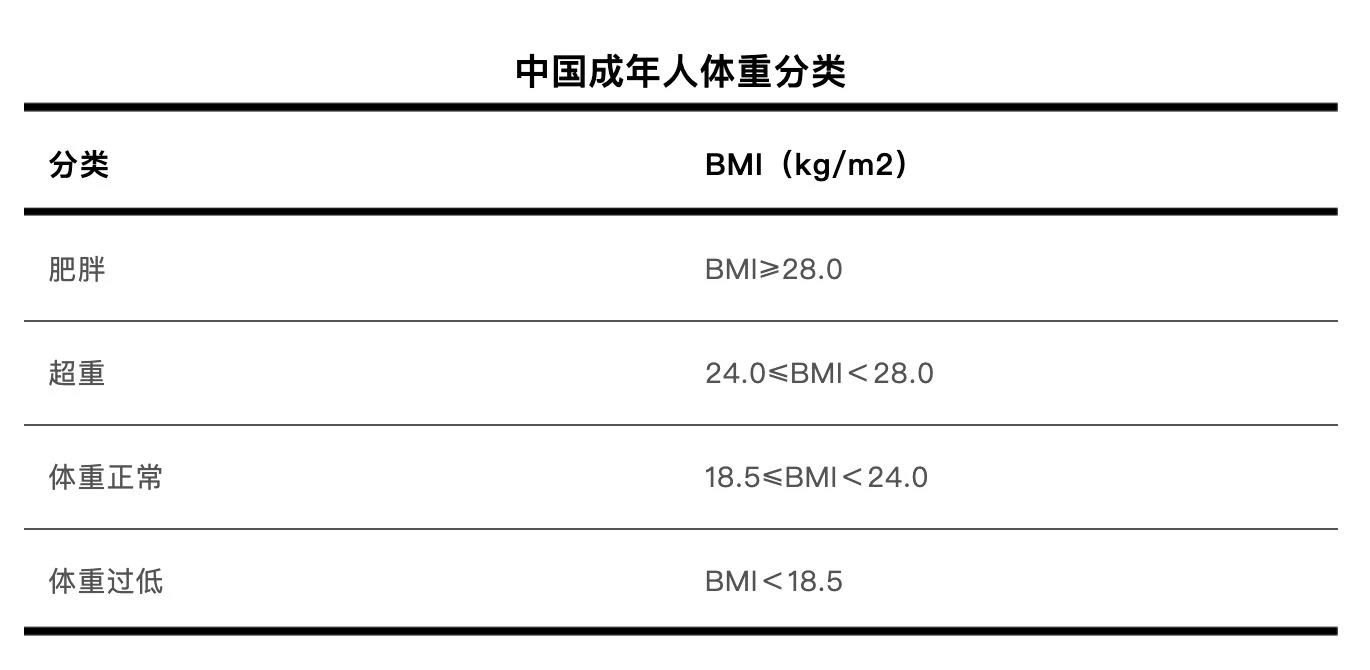
Core Viewpoint - Obesity is a significant health risk that can lead to various chronic diseases, and it is essential to understand its complex nature beyond simple lifestyle choices [4][6][21]. Group 1: Understanding Obesity - Obesity is often misperceived as merely a result of personal behavior, but it is influenced by societal changes and has become a major health issue in China, which has the fastest-growing obesity rates globally [4][6]. - The World Health Organization defines obesity with a BMI threshold of ≥30.0 kg/m², while Chinese guidelines set it at ≥28 kg/m², indicating a need for tailored approaches to obesity diagnosis and management [7][21]. - Obesity is not a singular disease but a complex health issue with various classifications based on genetic, metabolic, and environmental factors, necessitating comprehensive evaluation for effective treatment [7][21]. Group 2: Health Risks Associated with Obesity - Obesity significantly increases the risk of developing type 2 diabetes, hypertension, sleep apnea, and can reduce life expectancy by 6 to 14 years [6][21]. - The relationship between obesity and psychological issues, such as anxiety and depression, is critical, as these can exacerbate unhealthy behaviors leading to further weight gain [19][21]. Group 3: Specific Conditions Related to Obesity - Conditions like hypothyroidism, Cushing's syndrome, and polycystic ovary syndrome (PCOS) are linked to obesity, with specific symptoms and metabolic disruptions that require targeted management [8][10][12]. - Genetic factors play a role in obesity, with certain rare genetic syndromes leading to early-onset obesity and associated metabolic disorders, highlighting the need for genetic screening in specific populations [13][15][16]. Group 4: Treatment and Management Strategies - Effective obesity management requires a multifaceted approach, including lifestyle changes, psychological support, and medical interventions tailored to individual needs [21]. - Identifying and addressing medication-induced weight gain is crucial, as certain drugs can significantly contribute to obesity [18][21].

重磅!《自然》揭秘减重神奇密码:20万细胞告诉你,肥胖衰老可逆,但"炎症记忆"为何让你总反弹?
GLP1减重宝典· 2025-08-27 01:50
Core Viewpoint - The article discusses a groundbreaking study published in "Nature" that reveals how weight loss can reverse cellular aging and metabolic disorders associated with obesity, highlighting the complex changes in adipose tissue post-weight loss [5][8]. Group 1: Research Findings - A study analyzed over 170,000 cells from 25 obese patients post-weight loss surgery and 24 healthy controls, revealing significant changes in adipose tissue, including an increase in immune cell infiltration, particularly macrophages, from 14% to 31% [6]. - The study found that weight loss significantly reduced the total proportion of myeloid cells in adipose tissue to 18%, and shifted macrophage phenotypes from pro-inflammatory to a milder type, indicating improved metabolic function [6][7]. - Weight loss was shown to reverse gene regulation disruptions caused by obesity, including a significant reduction in the expression of aging markers like p21, demonstrating a strong anti-aging effect [7][8]. Group 2: Implications for Metabolic Health - The research indicates that weight loss promotes overall metabolic health by inhibiting aging and related inflammation and tissue damage mechanisms [8]. - The study establishes a spatial dataset of human adipose tissue post-weight loss, providing deeper insights into the biological mechanisms behind weight reduction and its effects on metabolism [8].

逆转人体时钟!Nature震撼发现:20万细胞告诉我们,瘦身不只是美貌问题,还能重启健康底层密码
GLP1减重宝典· 2025-08-23 03:03
Core Insights - Obesity is a global health crisis affecting over 1 billion people, linked to serious conditions such as type 2 diabetes, cardiovascular diseases, and certain cancers [7] - A groundbreaking study from Imperial College London published in Nature reveals a high-precision "cell map" of human adipose tissue during obesity and weight loss, providing insights into the underlying mechanisms of adipose tissue remodeling [7][9] Group 1: Obesity Mechanisms - The study found a significant increase in immune cells, particularly macrophages, in adipose tissue during obesity, with lipid-associated macrophages (LAM) rising from 14% in normal individuals to 31% in obese patients [9] - Obesity leads to a "metabolic trap" in adipocytes, characterized by increased stress and fibrotic subtypes, impaired lipid cycling, and branched-chain amino acid metabolism, resulting in severely reduced metabolic flexibility [9] Group 2: Weight Loss Effects - Weight loss significantly reduces the total number of macrophages to 18% and decreases the activity of inflammatory pathways, although the metabolic activation state of macrophages does not fully return to normal, potentially contributing to weight regain [10] - Adipocytes demonstrate remarkable "rejuvenation" capabilities post-weight loss, with the proportion of stressed adipocytes dropping from 55% to 14%, restoring lipid cycling and metabolic flexibility [10][12] Group 3: Cellular Aging and Reversal - The study highlights selective aging in adipose precursor cells and vascular cells, which exhibit stress phenotypes and pro-fibrotic characteristics, exacerbating adipose tissue dysfunction [11] - Remarkably, weight loss can reverse the selective aging of adipose precursor and vascular cells, primarily through the inhibition of hypoxia-inducible factor (HIF1A), providing molecular evidence for "weight loss anti-aging" [12] Group 4: Implications and Future Directions - The research uncovers three critical cellular changes in obesity: selective aging of metabolic, precursor, and vascular cells; loss of metabolic flexibility in adipocytes; and abnormal infiltration and activation of immune cells [15] - The findings suggest that targeted interventions on specific cell subpopulations or signaling pathways may offer new therapeutic avenues for obesity and related metabolic diseases, potentially benefiting millions affected by obesity-related health threats [15]

一个让你怎么都瘦不下来的原因 很多人都不知道
Yang Shi Xin Wen· 2025-08-09 22:14
Group 1 - Insulin resistance is a condition where the body's sensitivity to insulin decreases, leading to impaired glucose regulation and potential health issues [1][5][12] - Insulin plays a crucial role in managing blood sugar levels by facilitating the uptake of glucose into cells for energy [1][12] - Common methods to assess insulin resistance include measuring fasting insulin levels and conducting glucose clamp tests [1] Group 2 - Body Mass Index (BMI) is a widely used indicator for assessing body weight, with values of 24 or higher indicating overweight and 28 or higher indicating obesity [2][4] - Abdominal obesity is defined by waist circumference measurements of 90 cm or more for men and 85 cm or more for women [2][4] Group 3 - Genetic factors significantly influence the likelihood of developing insulin resistance, particularly in individuals with a family history of diabetes [5] - Age is another critical factor, as the risk of insulin resistance increases with age, although it can also occur in children and adolescents [5] Group 4 - Environmental and lifestyle factors contributing to insulin resistance include overweight and obesity, particularly central obesity, which affects insulin sensitivity [6][8] - Sedentary behavior and lack of physical activity reduce glucose utilization by muscle cells, further exacerbating insulin resistance [8] - Unhealthy dietary habits, such as high-energy diets rich in refined carbohydrates and sugars, can lead to increased insulin resistance [9] Group 5 - Insulin resistance is associated with several health risks, including the development of type 2 diabetes, obesity, cardiovascular diseases, and fatty liver disease [12][13][15][16] - The condition creates a vicious cycle where high insulin levels promote fat accumulation, which in turn worsens insulin sensitivity [13] Group 6 - Improving insulin resistance can be achieved through healthy dietary habits, such as reducing refined carbohydrate intake and increasing the consumption of whole grains and quality proteins [17][19] - Regular physical activity is essential, with recommendations of at least 150 minutes of moderate-intensity aerobic exercise per week, combined with strength training [19] - Medical intervention may be necessary for individuals showing prediabetic symptoms, emphasizing the importance of professional guidance [20]
《Nature》权威发布减肥如何重塑你的脂肪生态系统?
GLP1减重宝典· 2025-08-05 10:19
Core Viewpoint - The article discusses the significant health risks associated with obesity, emphasizing that it is not merely an aesthetic issue but a precursor to various metabolic diseases. The research highlights the mechanisms of fat tissue remodeling during weight loss and its implications for metabolic health management [6][18]. Group 1: Fat Tissue Remodeling Overview - A comprehensive single-cell atlas of adipose tissue was constructed, analyzing 171,247 cells from 70 subjects, including 25 severely obese individuals. The study focused on subcutaneous abdominal fat, revealing abnormal immune cell aggregation and a decrease in mature adipocytes in obese individuals, which improved significantly after weight loss [8][10]. Group 2: Abnormal Activation of Macrophages - The proportion of macrophages in adipose tissue increased from 14% to 31% in obesity, particularly lipid-associated macrophages (LAMs). Weight loss reduced this proportion to 18%, with a decrease in inflammation-related gene expression, although some metabolic activation remained, indicating potential epigenetic memory [10][12]. Group 3: Adipocyte Renewal and Metabolic Adaptation - Eight types of mature adipocytes were identified, with "stress-type" and "fibrotic-type" cells increasing in obesity, while "lipid-synthesis-type" cells decreased. Weight loss effectively reduced the stress-type cells and restored lipid-synthesis-type cells, enhancing metabolic functions and insulin sensitivity [12][14]. Group 4: Reversal of Multi-Cellular "Stress" State - Various subtypes of adipose precursor cells (APCs) were identified, with an increase in "stress-type" APCs during obesity. Weight loss led to a reduction in these cells and downregulated hypoxia and anti-adipogenic signals, improving the overall adipose tissue environment [14][16]. Group 5: Weight Loss and Cellular Aging - Weight loss was shown to downregulate multiple cellular aging markers, reducing the aging characteristics in adipose, precursor, and vascular cells. The study indicated a shared network between stress and aging cells, which weight loss could effectively mitigate [16][18].
中国超重与肥胖人数全球居首!健康减肥应该怎么做?
GLP1减重宝典· 2025-07-25 02:08
Core Viewpoint - The article emphasizes the severity of overweight and obesity issues in China, highlighting the need for effective weight management strategies in response to the "Healthy China 2030" initiative [1]. Group 1: Current Situation of Overweight and Obesity - Over half of the adult population in China is classified as overweight or obese, with a reported overweight rate of 34.3% and an obesity rate of 16.4% [4][5]. - The absolute number of overweight and obese individuals in China has surpassed 600 million, making it the highest in the world [5]. - Projections indicate that by 2030, the overweight and obesity rates among adults in China could rise to 65.3% [7]. Group 2: Understanding Obesity - Obesity is defined as a condition where body weight is significantly above normal, primarily due to excessive fat accumulation, particularly triglycerides [8]. - There are two types of obesity: simple obesity, which is not caused by organic diseases but influenced by genetics, social environment, psychological state, and lifestyle; and secondary obesity, which is linked to other health issues [9][10][11]. Group 3: Health Risks Associated with Obesity - Obesity is associated with numerous health risks, including hypertension, high blood sugar, high blood lipids, fatty liver, coronary heart disease, myocardial infarction, stroke, and certain cancers [17][19]. - Recent research indicates that obesity in youth significantly increases the risk of developing 17 different types of cancer later in life [19]. Group 4: Dietary Recommendations for Weight Management - A balanced diet is crucial for effective weight management, with recommendations to prioritize whole grains, fresh vegetables, and low-fat protein sources while limiting high-calorie foods [21][22]. - Specific food categories are suggested for consumption, including whole grains, a variety of vegetables, and lean proteins, while avoiding fried foods, sugary snacks, and high-fat meats [23][24]. Group 5: Tips for Sustainable Weight Loss - Emphasizing the importance of not making healthy eating feel like a punishment, the article suggests that sustainable weight loss comes from developing good habits and finding a balanced approach to nutrition [27][28]. - It is advised to monitor body measurements rather than just weight, as changes in body composition can occur without significant weight loss [29][30]. - Intermittent fasting is highlighted as an effective method for weight management, with recommendations to consult a professional for guidance [32].

2025年《世界肥胖报告》重磅揭晓!中国超四成人超重,双重方案助推科学减脂
GLP1减重宝典· 2025-07-19 04:59
Core Viewpoint - The article emphasizes the growing global challenge of obesity and its significant health implications, highlighting the urgent need for effective weight management strategies in response to the "Healthy China 2030" initiative [5]. Global Overweight and Obesity Status - By 2030, over 2.9 billion adults worldwide are projected to have a high BMI, with 1.1 billion classified as obese (BMI ≥ 30 kg/m²), including 487 million men and 643 million women [7]. - In China, the proportion of adults with high BMI (BMI ≥ 25 kg/m²) has been steadily increasing, expected to reach 41% by 2025, with an obesity prevalence of 9%. The estimated number of adults with high BMI in China by 2030 is projected to be 515 million [7]. Non-Communicable Diseases and High BMI - In 2021, over 17 million people under 70 died from non-communicable diseases, with 11 million of these deaths attributable to avoidable risk factors, where high BMI accounted for 15% of these preventable early deaths [9]. - The report highlights four major categories of non-communicable diseases linked to high BMI: diabetes, cardiovascular diseases, cancer, and chronic respiratory diseases, with high BMI significantly increasing the risk of these conditions [9]. Effective Control of Overweight/Obesity - The World Health Organization stresses that regular physical activity is crucial for preventing and controlling obesity, as well as reducing the risk of various diseases, including hypertension, multiple cancers, osteoporosis, type 2 diabetes, stroke, and heart disease [10]. - Despite the benefits, approximately one-third of adults and 81% of adolescents globally do not meet recommended physical activity levels, with sedentary behavior becoming increasingly common due to lifestyle changes [10]. - Unhealthy dietary factors, such as high sodium intake, insufficient whole grain consumption, excessive processed meat and sugary drink intake, and inadequate fruit and vegetable consumption, are closely linked to the risk of non-communicable diseases and premature death [10].