
药品监管

Search documents
药品抽检合格率99.8%以上,山东守牢用药安全底线
Qi Lu Wan Bao· 2025-12-11 12:18
齐鲁晚报·齐鲁壹点 张唯 "安全"是药品监管的首要任务。12月11日下午,在山东省政府新闻办举行的"'十四五'时期山东扎实推进 市场监管现代化建设情况"新闻发布会上,围绕"十四五"期间山东在药品监管方面采取了哪些管用新办 法守牢用药安全底线等问题,山东省药品监督管理局党组书记、局长李涛作出回应。 李涛介绍,"十四五"以来,山东省药监局深入贯彻落实"四个最严"要求,持续深化"安全提升""鲁药振 兴""铁军锻造"三大工程,铁腕守护安全底线,用心筑牢民生防线。 在责任落实方面,山东持续构建"三位一体"的责任落实体系。不断完善地方属地、部门管理、企业主 体"三位一体"责任落实体系,在全国率先以党内文件出台药品安全党政同责规定,压实地方属地和部门 管理责任。出台《药品经营监督管理办法》《药品使用质量管理规范》等,制定加强委托生产监管"一 细则、两清单、三指南"(药品持有人落实主体责任实施细则,化妆品注册人备案人主体责任清单、负 面清单,对受托生产企业遴选指南、对受托生产企业审核指南、医疗器械注册人委托生产现场检查指 南),有效督促企业主体责任落实。指导企业坚持"质量为本,以质取胜",新华制药(000756)通过德 国默 ...
贯彻落实党的二十届四中全会精神权威访谈丨以高效严格监管促进创新药和医疗器械发展——访国家药品监督管理局党组书记、局长李利
Xin Hua Wang· 2025-12-11 00:43
Core Viewpoint - The article emphasizes the importance of strict and efficient regulation in promoting the development of innovative drugs and medical devices in China, highlighting the achievements and future plans of the National Medical Products Administration (NMPA) in ensuring drug safety and supporting industry innovation [1]. Group 1: Achievements During the 14th Five-Year Plan - The NMPA has implemented comprehensive reforms in drug regulation, ensuring overall stability in drug safety and advancing the construction of a strong pharmaceutical nation [2]. - Continuous strengthening of supervision has led to a significant increase in the overall pass rate of drug safety inspections from 97.8% during the 13th Five-Year Plan to 99.4% [2]. - A total of 220 innovative drugs and 282 innovative medical devices have been approved, marking increases of 6.2 times and 3.1 times, respectively, compared to the previous five-year period [3]. Group 2: Future Measures for Drug Safety Regulation - The NMPA plans to enhance the drug safety responsibility system and transition from a "passive defense" to a "proactive prevention" approach [5]. - A focus on dynamic safety regulation across the entire supply chain will be implemented, addressing new challenges posed by product and technological innovations [6]. - Strict enforcement against illegal activities will be prioritized, with improved mechanisms for cross-regional and cross-level case handling [6]. Group 3: Support for Innovative Drug and Medical Device Development - The NMPA will support enterprises in enhancing their research and development capabilities for innovative drugs and medical devices, emphasizing the importance of effective market and proactive government roles [7]. - Policies will be optimized to accelerate the approval process for innovative products, particularly those that are globally novel or critical for domestic substitution [8]. - The NMPA aims to improve the regulatory framework for traditional Chinese medicine, ensuring quality management and modernization of production processes [8]. Group 4: Enhancing Public Benefit from Regulatory Reforms - The NMPA will prioritize enhancing public access to innovative treatments and ensuring that regulatory reforms benefit the general population [9]. - Efforts will be made to streamline the approval process for urgently needed drugs, including those for rare diseases and pediatric use [9]. - Collaboration with health and insurance departments will be strengthened to ensure comprehensive drug safety and accessibility [10].
国家药监局局长最新发声
财联社· 2025-12-10 14:31
Core Viewpoint - The article emphasizes the importance of strict regulation in promoting the development of innovative drugs and medical devices, highlighting the balance between ensuring drug safety and fostering industry innovation [1] Group 1: Achievements in Drug Regulation - Since the 14th Five-Year Plan, China's drug regulatory system has adhered to the "four strictest" requirements, leading to a stable drug safety situation and significant progress in building a strong pharmaceutical nation [2] - The overall pass rate for national drug sampling inspections increased from 97.8% during the 13th Five-Year Plan to 99.4% [2] Group 2: Promoting Industry Innovation - A total of 220 innovative drugs and 282 innovative medical devices were approved since the 14th Five-Year Plan, representing 6.2 times and 3.1 times the approvals during the 13th Five-Year Plan, respectively [3] - The approval of 415 children's drugs and 155 rare disease drugs, along with 28 innovative traditional Chinese medicines, indicates a growing vitality in pharmaceutical innovation [3] Group 3: Future Measures for Drug Safety - The regulatory focus will shift from "passive defense" to "active prevention," enhancing the drug safety responsibility system and improving risk management capabilities [4] - A comprehensive dynamic safety supervision system will be established, covering the entire lifecycle of drugs, from research and development to production and use [5] Group 4: Supporting Innovation in Pharmaceuticals - The regulatory body will support enterprises in enhancing their innovative drug and medical device research and development, emphasizing policy guidance and resource allocation for original products [6] - Efforts will be made to accelerate the market entry of innovative drugs and medical devices by optimizing registration processes and reducing costs [7] Group 5: Enhancing Public Welfare - The regulatory work will prioritize enhancing public satisfaction and safety, ensuring that regulatory reforms benefit all citizens and meet their health needs [8] - Measures will be taken to expedite the approval of urgently needed drugs, including those for rare diseases and children, while maintaining high standards [9] Group 6: Interdepartmental Collaboration - Strengthening coordination with health and insurance departments will be crucial for improving clinical trial oversight and drug traceability systems [10] - Public awareness campaigns will be conducted to enhance understanding of drug regulations and promote a supportive environment for innovative drug and device development [11]


贯彻落实党的二十届四中全会精神权威访谈|以高效严格监管促进创新药和医疗器械发展——访国家药品监督管理局党组书记、局长李利
Xin Hua She· 2025-12-10 14:23
Core Viewpoint - The article emphasizes the importance of strict and efficient regulation to promote the development of innovative drugs and medical devices in China, highlighting the achievements and future plans of the National Medical Products Administration (NMPA) in ensuring drug safety and supporting industry innovation [1][2]. Regulatory Achievements During the 14th Five-Year Plan - The NMPA has implemented comprehensive reforms in drug regulation, leading to a stable drug safety situation and significant progress in building a strong pharmaceutical nation [2]. - The overall pass rate for national drug sampling inspections increased from 97.8% during the 13th Five-Year Plan to 99.4% [2]. Industry Innovation and Development - A total of 220 innovative drugs and 282 innovative medical devices were approved during the 14th Five-Year Plan, representing 6.2 times and 3.1 times the approvals during the 13th Five-Year Plan, respectively [3]. - The NMPA has also approved 415 children's drugs and 155 rare disease drugs, along with 28 innovative traditional Chinese medicines [3]. Strengthening Regulatory Capacity - The NMPA has revised key regulatory laws and established a more comprehensive legal framework for drug regulation, enhancing the consistency of Chinese standards with international standards [4]. - The establishment of new inspection centers and regional review centers has improved the regulatory capacity of the NMPA [4]. Transition to Proactive Drug Safety Management - The NMPA aims to shift drug safety management from a "passive defense" approach to a "proactive prevention" model, enhancing risk identification and responsibility accountability [5]. - A dynamic safety supervision mechanism covering the entire lifecycle of drugs is being developed to address new challenges in product and technology innovation [6]. Support for Innovative Drug and Medical Device Development - The NMPA plans to enhance support for the research and development of innovative drugs and medical devices, focusing on policy guidance and resource allocation for original products [7]. - Efforts will be made to streamline the approval process for innovative products and improve the protection of intellectual property rights related to drug research [8]. Ensuring Public Benefit from Regulatory Reforms - The NMPA is committed to ensuring that regulatory reforms benefit the public, focusing on enhancing people's sense of gain, happiness, and safety [9]. - The agency will expedite the approval of urgently needed drugs and maintain high standards for generic drug quality to ensure affordable access to effective medications [9]. Collaborative Governance in Healthcare - Strengthening collaboration with health and insurance departments is essential for improving clinical trial oversight and drug traceability [10]. - The NMPA will enhance public awareness of drug safety and regulatory policies through education and outreach initiatives [10].
药监局:将审评资源向突破“卡脖子”技术的国产替代产品倾斜
Xin Hua She· 2025-12-10 14:12
Core Viewpoint - The National Medical Products Administration (NMPA) emphasizes the importance of combining effective market mechanisms with proactive government support to enhance innovation in pharmaceuticals and medical devices, aiming to transform new medical technologies into productive forces [1][8]. Group 1: Achievements in Drug Regulation - Since the 14th Five-Year Plan, the drug regulation system has adhered to the "four strictest" requirements, leading to comprehensive reforms and a stable drug safety situation, thereby advancing the construction of a strong pharmaceutical nation [3]. - The NMPA has conducted over 200,000 drug inspections and 20,000 medical device inspections annually, improving the overall drug inspection pass rate from 97.8% during the 13th Five-Year Plan to 99.4% [3][4]. Group 2: Support for Innovation - The NMPA has approved 220 innovative drugs and 282 innovative medical devices since the 14th Five-Year Plan, which is 6.2 times and 3.1 times the number approved during the 13th Five-Year Plan, respectively [4]. - The NMPA aims to enhance the innovation capacity of the pharmaceutical industry by optimizing regulatory policies, focusing on original products and domestic alternatives to critical technologies [8][9]. Group 3: Future Measures for Drug Safety - The NMPA plans to shift drug safety management from a "passive defense" approach to "active prevention," enhancing risk management and collaboration across departments [6][7]. - The agency will implement a comprehensive drug safety responsibility system and improve the regulatory framework to ensure high-quality development in the pharmaceutical sector [6][10]. Group 4: Enhancing Public Welfare - The NMPA is committed to ensuring that regulatory reforms benefit the public, focusing on enhancing people's sense of gain, happiness, and safety [10][11]. - Efforts will be made to expedite the approval of urgently needed drugs, including those for rare diseases and pediatric use, while maintaining high standards and procedures [11][12].
以高效严格监管促进创新药和医疗器械发展——访国家药品监督管理局党组书记、局长李利
Xin Hua She· 2025-12-10 14:01
Core Viewpoint - The article emphasizes the importance of drug safety and regulatory reforms in China, highlighting achievements during the 14th Five-Year Plan and outlining strategies for the 15th Five-Year Plan to enhance drug safety and support innovation in the pharmaceutical industry [1][2]. Achievements During the 14th Five-Year Plan - The national drug regulatory system has adhered to the "four strictest" requirements, leading to a stable drug safety situation and significant progress in building a strong pharmaceutical nation [2]. - Continuous strengthening of regulation has ensured drug quality and safety, with over 200,000 batches of drugs and 20,000 batches of medical devices tested annually, resulting in an overall drug inspection pass rate increase from 97.8% to 99.4% [2][3]. Innovation and Development Support - A series of measures have been implemented to promote innovation in the pharmaceutical and medical device sectors, with 220 innovative drugs and 282 innovative medical devices approved, marking increases of 6.2 times and 3.1 times, respectively, compared to the previous five-year period [3][4]. - The approval of 415 children's drugs and 155 rare disease drugs has further enhanced the vitality of innovation in the pharmaceutical industry [3]. Regulatory Capacity Enhancement - Revisions to key regulatory laws and the establishment of a comprehensive legal framework for drug regulation have been prioritized, alongside significant advancements in drug regulatory information technology [4]. - The establishment of specialized inspection centers and regional review centers has strengthened the capacity for drug regulation [4]. Transition to Proactive Drug Safety Management - The regulatory approach is shifting from "passive defense" to "active prevention," focusing on risk identification and responsibility enforcement to maintain drug safety [5][6]. - A dynamic safety supervision mechanism covering the entire lifecycle of drugs is being developed to address new challenges in product and technology innovation [5]. Support for Innovative Drug and Medical Device Development - The regulatory body aims to enhance the clinical value and technological content of innovative drugs and medical devices, supporting enterprises in their research and development efforts [7]. - Policies will be optimized to facilitate faster market entry for innovative products, including the implementation of a national drug standard improvement plan [8]. Ensuring Public Benefit from Regulatory Reforms - The regulatory work will prioritize enhancing public satisfaction and safety, ensuring that the benefits of reforms reach all citizens [9]. - Efforts will be made to expedite the approval of urgently needed drugs and improve the quality and efficacy of generic drugs [9]. Strengthening Social Cooperation and Public Awareness - Increased efforts in policy interpretation and public education on drug safety and regulatory measures are planned to enhance societal understanding and support for innovation in the pharmaceutical sector [10].
“回流药”花样翻新,治理要顺势应变
Bei Jing Qing Nian Bao· 2025-12-10 08:04
Core Viewpoint - The illegal resale of medical insurance drugs has formed a black industrial chain, posing health risks to patients and severely undermining the security of the national medical insurance fund [1][2][3]. Group 1: Traditional Practices and Current Trends - Traditional practices involved drug dealers directly purchasing reimbursed drugs from patients at slightly higher than the purchase price but significantly lower than market price, exploiting patients' lack of understanding of medical insurance policies [1]. - Recent trends show that drug dealers have developed a complete chain from inducing patients to acquire drugs, to multi-level transactions, ultimately leading to market entry, often using online platforms and social media to gain patients' trust [2]. Group 2: Emerging Risks and Regulatory Challenges - The rise of internet healthcare and online drug purchasing may lead to new illegal drug resale methods, such as using fake accounts and orders to obtain medical insurance reimbursements [3]. - The expansion of medical insurance cross-regional settlements increases the risk of illegal drug resales across regions, necessitating enhanced regulatory measures [3]. Group 3: Regulatory Recommendations - To combat the growing issue of cross-regional drug resales, it is recommended that various departments establish information-sharing and joint law enforcement mechanisms to break down information barriers [3]. - Utilizing big data and artificial intelligence for real-time monitoring and analysis of medical insurance reimbursement and drug circulation data is essential to detect anomalies and improve regulatory precision [3].
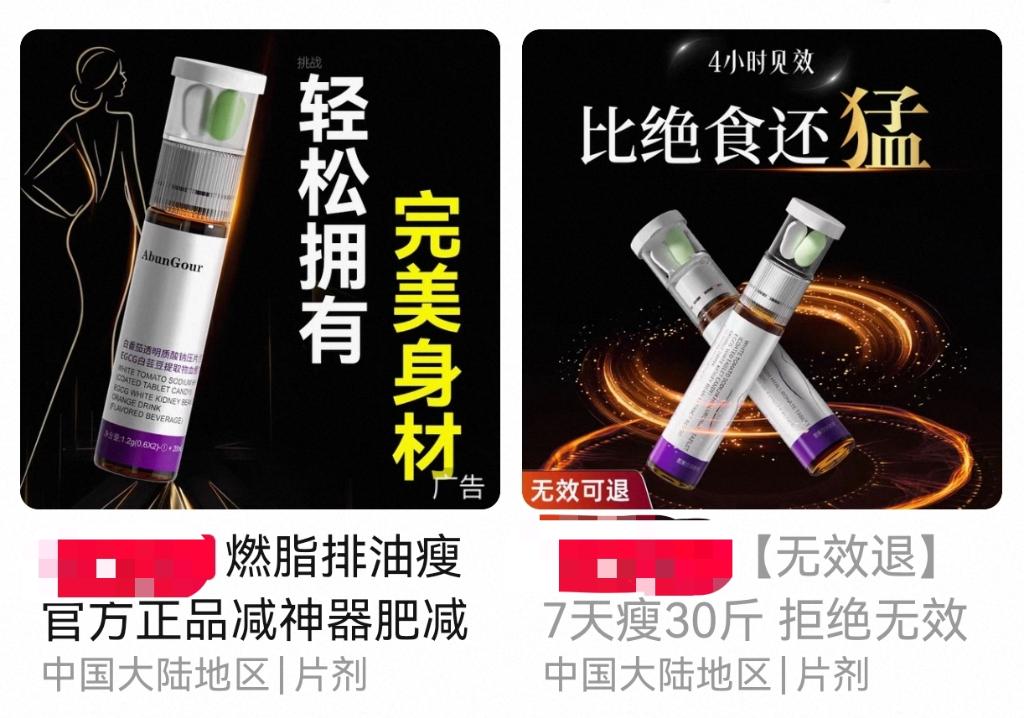
减肥药、美白丸、护眼“神水”……“网红药”靠谱吗
Zhong Guo Jing Ji Wang· 2025-12-10 02:38
Core Viewpoint - The rise of "internet celebrity drugs" has led to widespread concerns about their safety and efficacy, as many of these products lack proper regulation and can pose serious health risks to consumers [2][3][10]. Group 1: Overview of "Internet Celebrity Drugs" - Various "internet celebrity drugs" have gained popularity, including weight loss pills, whitening capsules, and vision-correcting eye drops, often promoted through social media and live-streaming platforms [1][3]. - Many of these drugs are marketed with exaggerated claims, leading to misuse and adverse health effects, such as malnutrition and hypoglycemia [3][4]. Group 2: Marketing Tactics - The marketing strategies for these drugs often include sensationalized advertising that preys on consumer anxieties, particularly among vulnerable populations [6][7]. - Some prescription medications are rebranded as "internet celebrity drugs," misleading consumers about their intended use and potential side effects [4][5]. Group 3: Regulatory Challenges - There are significant gaps in the regulation of online drug sales, allowing consumers to easily purchase prescription medications without proper oversight [5][10]. - Recent investigations have revealed numerous cases of illegal advertising and the sale of fake "miracle drugs," highlighting the need for stricter enforcement of existing laws [8][10]. Group 4: Recommendations for Improvement - Experts suggest enhancing the drug regulatory framework, improving medical education, and increasing the accountability of online platforms to prevent the spread of misleading health information [10][11]. - There is a call for better collaboration between regulatory bodies and healthcare professionals to ensure accurate medical guidance is available to the public [10][11].
减肥药、美白丸、护眼“神水”……“网红药”靠谱吗?
Xin Hua She· 2025-12-09 06:47
Core Viewpoint - The rise of "internet celebrity drugs" has led to widespread concerns about their safety and efficacy, as many of these products lack proper regulation and clinical validation [4][6][15]. Group 1: Popularity and Risks of "Internet Celebrity Drugs" - Various "internet celebrity drugs" are trending in the market, including weight loss pills, whitening capsules, and vision-correcting eye drops, often promoted through social media and live-streaming platforms [1][3]. - Many users have reported adverse effects from these drugs, such as malnutrition and hypoglycemia, highlighting the potential health risks associated with their misuse [5][6]. - Some of these drugs are marketed as "miracle cures" but may actually be unverified health products or prescription medications repackaged for mass appeal [6][10]. Group 2: Marketing Tactics - The marketing strategies for "internet celebrity drugs" often include exaggerated claims and emotional appeals that resonate with consumers' anxieties, particularly among vulnerable populations [9][10]. - Social media influencers and personal endorsements play a significant role in promoting these drugs, creating a sense of trust and urgency among potential buyers [10][13]. - There is a trend of using live-streaming and short video platforms for aggressive marketing, which has led to numerous cases of false advertising and consumer deception [11][15]. Group 3: Regulatory Challenges - The proliferation of "internet celebrity drugs" underscores the weaknesses in current drug regulation in the online space, necessitating stricter enforcement of existing laws [15][16]. - Recent actions by regulatory authorities have included investigations and penalties against sellers of misleading health products, indicating a growing recognition of the issue [15]. - Experts recommend enhancing regulatory frameworks, improving enforcement mechanisms, and promoting legitimate medical education to combat misinformation and protect public health [15][16].
创新药加速上市,质量如何保障(民生一线)
Ren Min Ri Bao· 2025-12-04 22:24
Core Viewpoint - During the "14th Five-Year Plan" period, China has approved 210 innovative drugs for market entry, with a focus on ensuring drug safety and efficacy through stringent regulations and quality management in drug development and production [1][2]. Group 1: Innovative Drug Approval and Market Entry - In the first eight months of this year, China approved 56 innovative drugs, surpassing the total of 48 from the previous year, indicating a rapid growth trend in innovative drug approvals [1][2]. - The National Medical Products Administration (NMPA) has established four expedited pathways for innovative drugs, including breakthrough therapy designation and conditional approval, to accelerate the drug approval process [2][7]. Group 2: Quality Management in Drug Development - The NMPA has implemented strict regulations for new drug development, requiring confirmation of chemical structures, animal testing, and rigorous clinical trials to ensure safety and efficacy before market approval [4][5]. - Companies like Shanghai Junshi Biosciences have successfully launched multiple innovative drugs, focusing on unmet clinical needs and maintaining a robust research and development team to ensure reliable drug development [5][6]. Group 3: Post-Market Surveillance and Risk Management - The NMPA emphasizes the importance of post-market surveillance to ensure drug quality and safety, requiring drug holders to establish comprehensive quality assurance systems and conduct thorough reviews of production processes before market release [8][9]. - A specialized mechanism for monitoring adverse drug reactions has been established to promptly identify and manage safety risks associated with newly launched innovative drugs [9].