跨境电商转型

Search documents
速卖通给中国品牌开新路:用在亚马逊一半成本,撬动全球市场
Xin Lang Cai Jing· 2025-09-24 03:56
Group 1 - The core viewpoint of the articles is that Chinese cross-border e-commerce platforms, particularly AliExpress, are challenging global giants like Amazon by offering brands a more cost-effective and supportive platform for international expansion [1][7][8] - AliExpress has launched a "Super Brand Going Global" initiative, inviting top Chinese brands to shift their focus from Amazon to AliExpress, promising to reduce costs by 50% while achieving higher sales in key markets [1][7] - The shift in strategy is driven by changes in the international trade environment and the evolution of Chinese supply chains, moving from a low-cost model to a focus on brand value and quality [2][4] Group 2 - AliExpress is positioning itself uniquely among China's "four dragons" of cross-border e-commerce by establishing a brand service team and targeting the mid-to-high-end market, moving away from the low-price competition [2][3] - The platform has seen significant growth, with a 70% year-on-year increase in the number of brands joining, and over 500 brands doubling their sales [5][6] - AliExpress is enhancing its operational capabilities by providing comprehensive support for brands, including local marketing, logistics, and AI tools to facilitate global expansion [6][5] Group 3 - The platform's growth is reflected in its financial performance, with the international digital commerce group becoming a key growth engine for Alibaba, maintaining double-digit growth even amid tariff impacts [4][5] - AliExpress aims to differentiate itself by offering a more flexible and supportive environment for brands compared to Amazon, which has been perceived as having rigid rules that hinder brand growth [7][8] - The company is committed to becoming a global player in e-commerce, aspiring to create a new market environment that emphasizes value over price, which aligns with the aspirations of emerging Chinese brands [8]

美国“小包免税”终结,卖家营收腰斩转战新市场
3 6 Ke· 2025-09-12 07:58
Core Insights - The U.S. has officially suspended tax exemptions for packages valued at $800 or less starting August 29, marking the end of the "low-cost direct mail + tax exemption" model that has supported cross-border e-commerce for years [2] - Chinese cross-border e-commerce sellers are facing increased tariffs and compressed profit margins, prompting a shift in focus towards European and Latin American markets [2] Group 1: Impact on U.S. Market - Tariff costs for U.S. sellers have increased by approximately 25%, significantly affecting pricing and profit margins [2] - For example, the cost of a keyboard has risen by about $20, leading to a price increase of 15% that resulted in a 30% drop in sales volume [2] - Profit margins have decreased from 25% to single digits, making it challenging to maintain profitability [2][3] Group 2: Shift to European Market - Sellers are exploring the European market due to higher demand for quality 3C products and better profit margins compared to the U.S. [4] - The average monthly sales growth rate in Europe is over 25%, with potential for higher profit margins due to less price competition [4] - Challenges in Europe include complex compliance and tax regulations, but the market offers significant growth opportunities [4][5] Group 3: Transition to Latin American Market - One seller reported a 50% drop in revenue in the U.S. market due to the removal of the tax exemption, prompting a search for new markets [6][7] - Latin America, particularly Mexico and Brazil, is seen as a promising market due to rising demand and less intense competition [10] - Initial challenges include logistics issues and cultural differences, but the seller has begun to adapt product offerings and marketing strategies to better fit local preferences [10][11] - Monthly growth in the Brazilian market has reached over 30%, indicating a positive trend despite lower profit margins compared to the U.S. [12][13]

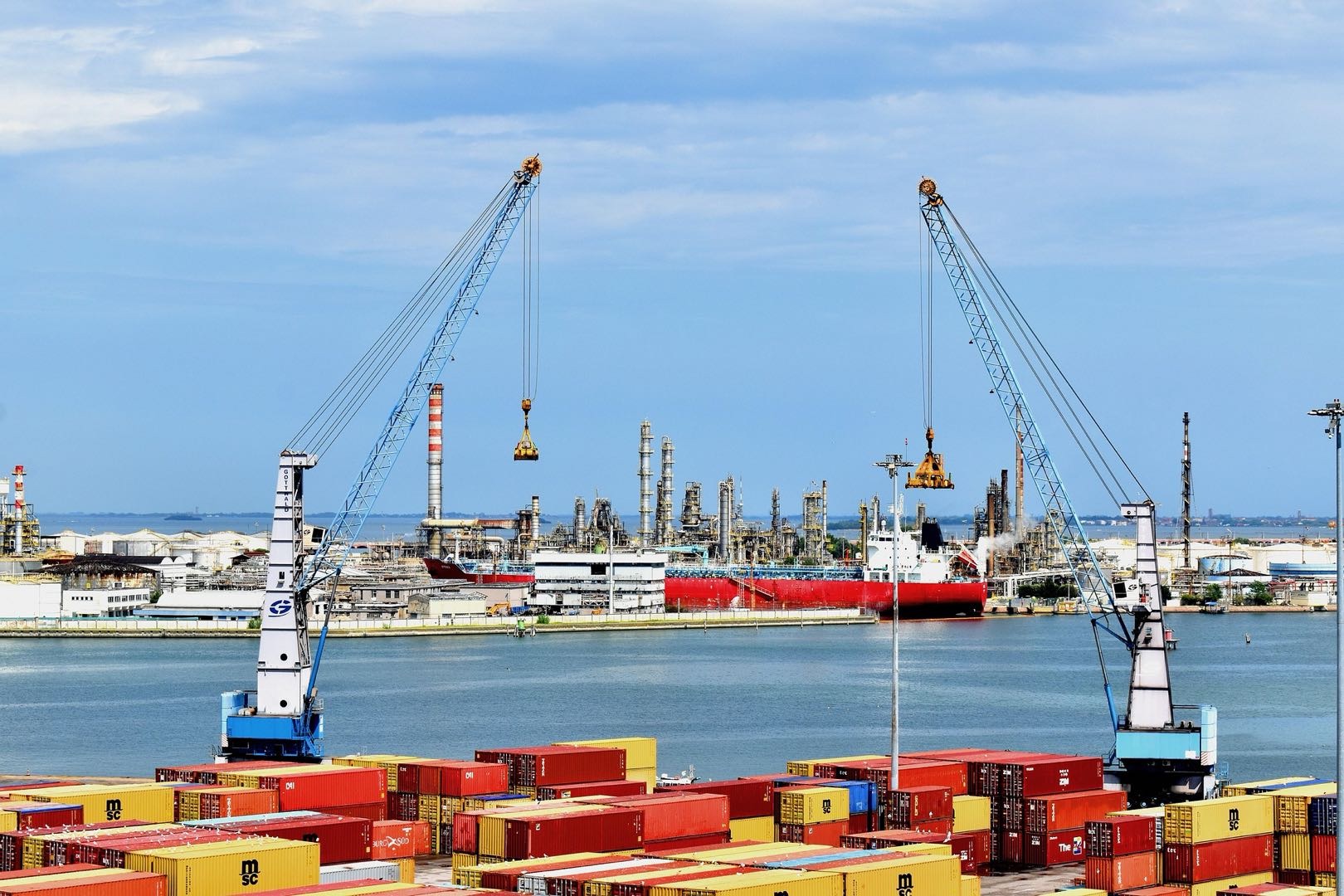
政策风暴下的美国跨境电商求生指南:第三方海外仓如何成为破局关键?
Sou Hu Cai Jing· 2025-09-11 07:04
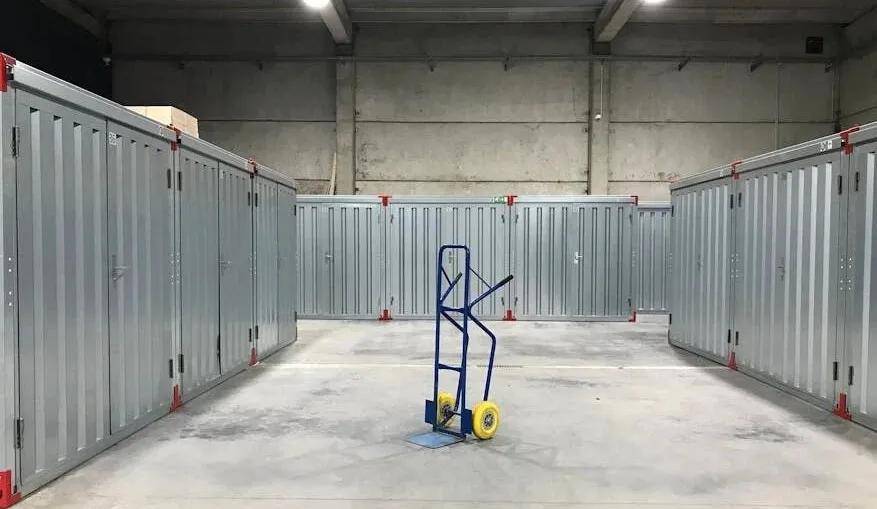
Core Viewpoint - The recent cancellation of the $800 tax exemption for cross-border e-commerce imports in the U.S. has led to significant challenges for the industry, including increased costs and operational complexities [1][3]. Group 1: Impact of Policy Change - The average tariff rate for imported goods has surged from 0% to 25%-30%, affecting key product categories such as electronics and apparel [1][3]. - 25 countries have suspended postal services, forcing sellers to rely on commercial logistics, which has seen shipping costs rise by 30%-50% [3]. - Major platforms like Temu and SHEIN have already raised prices, with Amazon reporting an average price increase of 29% across 930 products, leading to a decline in sales for some sellers by over 20% [3]. Group 2: Challenges for Sellers - The restructuring of logistics channels has created a "no ship" situation for small and medium-sized sellers, as new customs regulations and electronic pre-declaration requirements complicate the shipping process [3][5]. - The average customs clearance time has increased from 5-6 days to 8-9 days, diminishing the time-sensitive advantages previously enjoyed by sellers [3][5]. - Compliance requirements have intensified, with carriers now required to pre-collect tariffs, placing additional burdens on sellers' tax compliance capabilities [5]. Group 3: Advantages of Overseas Warehousing - The value of third-party overseas warehouses has been re-evaluated as a strategic response to the new regulations, offering a way to optimize tariff costs through bulk importation [6][9]. - Goods stored in overseas warehouses can avoid the new small package tariff regulations, significantly reducing overall tax burdens compared to direct shipping [6]. - Sellers utilizing overseas warehouses experience a 60% lower rate of logistics delays compared to those relying on direct shipping methods [7]. Group 4: Future Outlook - The transition to overseas warehousing is becoming essential for sellers to survive amidst rising costs and regulatory pressures, with those who adapt quickly likely to gain a competitive edge [9]. - The industry is expected to shift from "low-price competition" to "value competition," as companies seek to establish localized supply chains and efficient operational systems [9].

跨境电商只能靠海?风正从华中吹起
2 1 Shi Ji Jing Ji Bao Dao· 2025-09-03 11:44
Core Viewpoint - The central theme of the articles is the emerging opportunity for cross-border e-commerce in Central China, particularly in the Hubei, Henan, Hunan, and Jiangxi provinces, which are leveraging their manufacturing strengths and improving logistics to compete in the global market [1][2][6]. Group 1: Industry Trends - The cross-border e-commerce sector is undergoing transformation, with AI tools significantly lowering operational barriers and shifting the focus from "price competitiveness" to "brand empowerment" [2][11]. - Central China is experiencing a strategic opportunity period for cross-border e-commerce development, driven by the clustering effect of industrial belts, supportive government policies, and the application of advanced technologies like generative AI [1][11]. Group 2: Regional Manufacturing Strengths - Central China, known as the "backbone of Chinese manufacturing," has diverse industrial clusters focusing on high-end manufacturing, specialty agriculture, and niche industrial products, which have strong international competitiveness [3][4]. - The region's manufacturing capabilities, complete supply chains, and cost control advantages provide a solid foundation for the growth of cross-border e-commerce [3][4]. Group 3: Market Dynamics - As of June 2025, the number of active sellers from Central China on Amazon's global platforms has seen double-digit growth compared to the previous year [5]. - In 2024, Hubei's cross-border e-commerce import and export value reached 67.97 billion yuan, marking a 124% year-on-year increase, indicating significant market potential [5]. Group 4: Talent and Infrastructure - The return of talent and the improvement of logistics and environmental conditions are crucial for the growth of cross-border e-commerce in Central China [6][8]. - The region's educational institutions provide a stable talent pool, with local employees showing higher retention rates compared to coastal areas, enhancing competitive advantage [7][8]. Group 5: Challenges and Opportunities - Despite the growth, Central China still faces challenges such as a lack of talent and a supportive ecosystem compared to more established coastal regions [9][10]. - The shift in the external environment and the evolution of business logic in cross-border e-commerce present both challenges and opportunities for Central Chinese enterprises [11][12]. Group 6: Future Outlook - The transition from traditional distribution models to brand-oriented operations is essential for the future success of cross-border e-commerce, with a focus on creating recognizable brand identities [12][13]. - The current moment represents a unique opportunity for Central China to capitalize on the evolving landscape of cross-border e-commerce, as the industry undergoes a significant reshaping [13].
华凯易佰净利暴跌72%,刚盘下的通拓首次扭亏能否逆转乾坤
Nan Fang Du Shi Bao· 2025-08-31 04:35
Core Insights - The financial report of Huakai Yibai Technology Co., Ltd. reveals a mixed performance with revenue growth but a significant drop in net profit, indicating a strategic shift towards long-term health at the expense of short-term profitability [2][5]. Financial Performance - The company reported a revenue of 4.54 billion yuan for the first half of the year, representing a year-on-year increase of 28.97% [2][5]. - The net profit attributable to shareholders fell by 72.69% to 36.74 million yuan compared to 135 million yuan in the same period last year [2][5]. - The operating cash flow increased significantly by 365.65%, reaching 510 million yuan, indicating improved operational efficiency [2][7]. - The company’s total assets slightly decreased by 0.08% to approximately 4.74 billion yuan, while net assets attributable to shareholders increased by 10.12% to approximately 2.71 billion yuan [2]. Strategic Adjustments - The company is undergoing a strategic adjustment by clearing inventory through promotions, which has temporarily impacted profit margins but aims for long-term sustainability [2][5]. - The acquisition of Tongtuo Technology, which has turned profitable, is seen as a key strategic move to enhance the company's supply chain and operational capabilities [4][5]. Market Position and Challenges - Huakai Yibai has established itself as a leading player in the cross-border e-commerce sector, with a diverse product offering sold through major platforms like Amazon and eBay [5][7]. - The company faces challenges such as heavy reliance on Amazon, where over 50% of sales come from, making it vulnerable to platform policy changes [7]. - Increased competition in the cross-border e-commerce space has led to price wars, further compressing profit margins [7]. Future Outlook - Analysts suggest that the worst period for Huakai Yibai may be over, with forecasts indicating a potential net profit of 200 million yuan for the full year 2025, a 63.8% increase year-on-year [8]. - The growth of the Yimai ecosystem platform, which has expanded its merchant partnerships by 23.27% to 339, is expected to create new growth opportunities [8].


外贸巨头转型跨境,如何跳出传统思维上演“V型反转”?
Sou Hu Cai Jing· 2025-08-29 09:54
Core Insights - China is the only country with 41 industrial categories according to the UN classification, forming a solid foundation for the "world's factory" through various industrial belts [1] - The combination of "industrial belts + cross-border e-commerce" is a significant trend, enabling sellers to reach overseas consumers and enhance their value chain [1] Group 1: Challenges in Transformation - Many sellers from industrial belts face difficulties in understanding overseas market consumption habits and platform operations, which hinders their transition to cross-border e-commerce [3] - The "Huiqi Xing" project, initiated by Amazon Global Selling in collaboration with local governments and industry associations, aims to support sellers in overcoming these challenges [5] Group 2: "Huiqi Xing" Project Overview - The project features a "three-party linkage" model that identifies seller pain points and provides tailored support through small group training and one-on-one consultations [5][11] - The initiative has successfully launched in multiple cities, receiving 100% positive feedback from local sellers and promoting the healthy development of regional cross-border e-commerce ecosystems [11][12] Group 3: Case Study of Kaiyue Group - Kaiyue Group, a major foreign trade company, faced significant losses due to a "one-size-fits-all" product strategy but successfully transformed its approach by focusing on its strengths in large furniture [7][10] - With the support of the "Huiqi Xing" project, Kaiyue Group's cross-border sales surged from $20 million in 2022 to an expected $350 million in 2023 [10] Group 4: Training and Support Mechanisms - The "Huiqi Xing" program offers comprehensive training covering cross-border operations, including account security, category trends, and brand expansion [11][17] - The program has adapted its training format to cater to different seller needs, providing both intensive and flexible learning options [17]
800 美元以下包裹免税,取消!
Sou Hu Cai Jing· 2025-08-28 15:20
Core Insights - The U.S. has officially eliminated the tax exemption for imported packages valued at $800 or less, requiring full customs duties to be paid, which significantly impacts the cross-border e-commerce industry [2][3] - The new regulation disrupts the long-standing "small package tax exemption" that many cross-border e-commerce sellers relied on, leading to increased transaction costs and logistical challenges [3][4] Impact on Cross-Border E-Commerce - The average customs duty rate for previously exempt low-value packages is expected to rise from 0% to a range of 25%-30%, increasing costs for sellers [3] - 25 countries have suspended postal package shipments to the U.S., leading to a significant reduction in logistics channels available to sellers [3] - Sellers are now reliant on commercial logistics providers like UPS and FedEx, which charge 30%-50% higher shipping fees compared to postal services, exacerbating cost pressures [3] Seller Challenges - The elimination of the tax exemption has led to price increases among major platforms, with Amazon reporting a 29% average price increase across various categories since April 9 [5] - Price sensitivity among U.S. consumers has resulted in a decline in sales for some sellers, with reports indicating drops of over 20% for certain sellers [5] - Small and medium-sized sellers, who constitute about 30% of the U.S. cross-border e-commerce market, face significant challenges due to limited financial reserves and weaker supply chain negotiation power [5][6] Shift to Overseas Warehousing - The industry is rapidly shifting from a "direct shipping model" to an "overseas warehousing model" due to increased costs and delays associated with direct shipping [7][8] - Establishing an overseas warehouse requires an investment of $100,000 to $500,000, along with the need for accurate market demand forecasting to avoid inventory issues [8] - Companies like Temu and SHEIN are adapting by increasing their overseas warehouse inventory from 20% to 45%, which allows for faster delivery and avoidance of direct shipping duties [5][8] Long-Term Industry Transformation - The policy change is expected to drive the cross-border e-commerce industry towards compliance, branding, and localization, moving away from low-price competition [8] - Sellers with established overseas warehouses, multi-market operations, and product differentiation are likely to emerge stronger in the ongoing industry consolidation [8] - Various countries are exploring solutions to mitigate the impact, such as the EU negotiating simplified customs processes with the U.S. and Southeast Asian platforms like Lazada offering subsidies to reduce logistics costs for sellers [8]

美国取消 800 美元以下包裹免税,跨境电商如何变?
Nan Fang Du Shi Bao· 2025-08-28 12:42
Core Viewpoint - The United States has officially canceled the tax exemption for imported packages valued at $800 or less, requiring full customs duties to be paid, which significantly impacts the cross-border e-commerce industry, particularly for Chinese sellers who previously benefited from this exemption [1] Group 1: Impact of New Regulations - The new tariff policy disrupts the long-standing "small package tax exemption" that the cross-border e-commerce industry relied on, with average tariff rates for previously exempt low-value packages expected to rise from 0% to a range of 25%-30%, increasing transaction costs [1] - 25 countries have announced a suspension of postal package shipments to the U.S., leading to a significant reduction in logistics channels, forcing sellers to rely on commercial logistics providers like UPS and FedEx, which have higher shipping costs and are experiencing delays and service quality issues due to increased demand [1][2] Group 2: Seller Challenges - The $800 tax exemption was a core advantage for cross-border e-commerce sellers in the U.S. market, covering mainstream categories such as electronics, clothing, and daily necessities. Major platforms like Temu and SHEIN have already raised product prices in response to the new regulations, with Amazon reporting a 29% average price increase across various categories since April 9 [3] - Price sensitivity among U.S. consumers has led some to shift to domestic e-commerce platforms, resulting in sales declines of over 20% for certain sellers. Approximately 30% of cross-border e-commerce sellers in the U.S. are small and medium-sized enterprises (SMEs), which face greater challenges due to limited financial reserves and bargaining power in the supply chain [3] Group 3: Shift to Overseas Warehousing - Previously, over 60% of cross-border e-commerce sellers relied on direct shipping, benefiting from the tax exemption. However, the new regulations have made direct shipping costly and subject to delays, with average customs clearance times increasing from 5-6 days to 8-9 days [4] - The shift to overseas warehousing requires significant investment, ranging from $100,000 to $500,000, and necessitates accurate market demand forecasting to avoid inventory issues, posing greater operational challenges for SMEs [4] - The policy change is pushing the industry towards a transformation from "low-price competition" to "compliance, branding, and localization," with sellers that have overseas warehousing, multi-market operations, and product differentiation likely to emerge successfully from industry consolidation [4]
跨境电商大洗牌,谁能找到下一片蓝海
2 1 Shi Ji Jing Ji Bao Dao· 2025-07-09 14:08
Core Insights - The cancellation of the T86 exemption policy by the U.S. has significantly impacted cross-border e-commerce, pushing sellers to seek new markets while facing increased operational challenges [1][2][5] - Companies like SHEIN and Temu, which previously benefited from the exemption, are now experiencing a decline in user engagement and are accelerating their expansion into overseas markets [2][3] - Emerging markets such as Japan, Europe, and Latin America are being considered for expansion due to their growth potential, although challenges like compliance and logistics remain [3][4][5] Group 1: Market Dynamics - The U.S. has reduced the tax exemption for small packages, leading to a shift in the business model for cross-border sellers [1][2] - SHEIN and Temu have seen significant drops in daily active users, with SHEIN's U.S. monthly active users decreasing by 30% in May compared to March [1][2] - The cancellation of the exemption policy has forced companies to adapt quickly, with many looking towards markets like Japan, which offers lower logistics costs and a high consumer acceptance rate [3][4] Group 2: Regional Opportunities - Japan is emerging as a preferred market due to its proximity, high consumer income, and low return rates, making it attractive for cross-border sellers [3][4] - The European market presents strong consumer purchasing power but comes with complex compliance requirements, such as VAT registration [4] - Latin America, particularly Brazil and Mexico, is showing rapid growth in e-commerce, with expected revenue growth rates of 17.6% and 19% respectively [4][5] Group 3: Operational Challenges - The shift from fully managed to semi-managed models increases operational burdens on sellers, requiring them to handle logistics and customs themselves [7] - The need for local warehousing and the associated costs pose significant challenges, especially in distant markets like Latin America [4][6] - Companies must now focus on localizing their operations and understanding consumer behavior to remain competitive in the evolving landscape of cross-border e-commerce [7][8]
T86取消后,跨境卖家怎么应对?
Sou Hu Cai Jing· 2025-07-01 04:12
Core Insights - In May 2025, China's exports of low-value small packages to the U.S. plummeted by 40% year-on-year, reaching $1.09 billion, marking the lowest level since early 2023 [1] - The cancellation of the T86 policy, which previously allowed Chinese direct mail packages to bypass tariff barriers, has resulted in a maximum tax rate of 54% on exports to the U.S. [1] - Despite the decline in U.S. exports, China's total global exports of direct mail packages increased by 40% year-on-year in May 2025, indicating a shift in market dynamics [1] Group 1: Market Dynamics - The T86 policy allowed over 1.3 billion goods to enter the U.S. in 2024, but its removal has significantly impacted the cost structure for Chinese exporters [1] - Major platforms like SHEIN and TEMU are adjusting their strategies, with SHEIN raising product prices and TEMU halting direct shipments to the U.S. [1] Group 2: Alternative Markets - In May, China's small package exports to Malaysia exceeded $700 million, making it the second-largest market, with Belgium and Hungary also emerging as alternative markets due to their customs efficiency and cost advantages [3] - The rise of the China-Europe Railway Express has provided shorter transport times and lower logistics costs for shipments to Belgium and Hungary [5] Group 3: Strategic Adjustments - Companies are restructuring logistics by pre-stocking goods in U.S. warehouses to avoid tariff costs and reduce delivery times to within three days [5] - There is a shift towards higher-margin products such as smart home devices and self-branded items, while also expanding B2B operations through platforms like Amazon and Alibaba [5] - Direct mail packages to Malaysia can benefit from regional free trade agreements to reduce tariffs, enhancing competitiveness in that market [5]