智能家电

Search documents
中原证券晨会聚焦-20260401
Zhongyuan Securities· 2026-04-01 00:21
Core Insights - The report highlights the ongoing fluctuations in the A-share market, with various sectors experiencing different levels of performance, particularly in the context of macroeconomic factors and geopolitical tensions [5][9][14] - The manufacturing and non-manufacturing sectors in China have shown signs of recovery, with key indices returning to expansion territory, indicating a potential stabilization in economic activity [5][11] - The report emphasizes the importance of monitoring macroeconomic data and policy developments, as these will significantly influence market sentiment and investment opportunities [5][14][16] Domestic Market Performance - The Shanghai Composite Index closed at 3,891.86, down 0.80%, while the Shenzhen Component Index fell by 1.81% to 13,478.06 [3] - The average P/E ratios for the Shanghai Composite and ChiNext indices are 16.21 and 46.09, respectively, suggesting a favorable environment for medium to long-term investments [5][9] - Trading volumes in the A-share market remain robust, with recent daily transaction amounts exceeding 20 billion yuan, indicating active market participation [5][14] International Market Performance - Major international indices, including the Dow Jones and S&P 500, experienced declines, reflecting broader market concerns over inflation and geopolitical tensions [4] - The report notes that the performance of international markets can impact domestic investor sentiment and capital flows [4] Industry Analysis - The agricultural sector, particularly the livestock and pet food industries, is facing challenges with declining prices for pigs and fluctuations in chicken prices, while pet food exports are experiencing significant growth [17][18] - The power sector is highlighted as outperforming the market, with a notable increase in electricity demand driven by high-tech industries and a stable supply of electricity [23][24] - The new materials sector is underperforming, with significant declines in metal prices and overall market sentiment, suggesting a cautious outlook for investments in this area [19][20] Investment Recommendations - The report suggests focusing on sectors such as consumer electronics, precious metals, and banking for short-term investment opportunities, given their current performance and market conditions [5][14][16] - In the power sector, the report recommends a defensive investment strategy, emphasizing stable returns from large hydroelectric companies and high-dividend coal enterprises [23][24] - The virtual power plant industry is identified as a growth area, with increasing government support and market potential, particularly in regions like Henan [36][37]

中原证券晨会聚焦-20260327
Zhongyuan Securities· 2026-03-27 00:27
Key Insights - The report highlights the significant increase in domestic air travel fuel surcharges, with multiple airlines raising international surcharges by over 50% [5][8] - The transportation sector showed a robust performance in early 2026, with port cargo throughput reaching 2.87 billion tons, a year-on-year increase of 7.2% [5][8] - The mechanical industry maintained growth in early 2026, with general equipment manufacturing increasing by 8.9% and specialized equipment manufacturing by 8.8% [5][8] Market Analysis - The A-share market is experiencing a period of consolidation, with the Shanghai Composite Index and the ChiNext Index showing average P/E ratios above their three-year median, indicating a suitable environment for medium to long-term investments [9][10] - The core pressure on the market is attributed to overseas factors, particularly the potential escalation of conflicts in the Middle East, which could lead to rising oil prices and increased global inflationary pressures [9][10] - Domestic macroeconomic policies are becoming clearer, providing a solid support base for the market, with the central bank indicating a commitment to maintaining liquidity [9][10] Industry Insights - The virtual power plant industry is poised for rapid growth, supported by national policies aimed at optimizing power dispatch and integrating decentralized energy resources [16][17] - The smart home appliance market is projected to reach approximately $180 billion by 2026, with a compound annual growth rate of 22% from 2016 to 2026, driven by advancements in technology and consumer demand [18][19] - The automotive industry is facing challenges with a decline in production and sales in early 2026, influenced by seasonal factors and policy changes regarding new energy vehicles [21][22] Investment Recommendations - The report suggests focusing on sectors such as electric power, photovoltaic equipment, and communication devices for short-term investment opportunities, given their current market performance [9][10] - In the smart home appliance sector, companies like Haier, Midea, and Gree are recommended for their strong dividend yields and low valuations, alongside emerging players in high-growth segments like robotic vacuum cleaners [20] - The automotive sector is advised to be monitored closely, particularly companies with strong global capabilities and those involved in innovative technologies like smart driving and robotics [23]
中原证券:家电行业围绕股息友好等三大维度投资 推荐海尔智家(600690.SH)等
智通财经网· 2026-03-26 03:58
Group 1 - The core investment strategy for the home appliance industry includes three dimensions: dividend-friendly strategy, high-growth strategy, and overseas expansion strategy [1] - Major recommendations for high dividend and low valuation stocks include Haier Smart Home, Midea Group, and Gree Electric Appliances [1] - The market for smart home appliances is projected to reach approximately $147.5 billion by 2025, with a compound annual growth rate of 22% from 2016 to 2026 [1] Group 2 - The Chinese smart home appliance market has grown from 200 billion yuan in 2016 to 500 billion yuan in 2022, indicating significant growth potential [2] - By 2025, China's retail sales of smart home appliances are expected to reach approximately 450 billion yuan, accounting for 43.58% of the global market [3] - Chinese brands hold a shipment share of 38% to 40% in the global smart home appliance market, maintaining the leading position [3]




中原证券晨会聚焦-20260326
Zhongyuan Securities· 2026-03-26 00:22
Core Insights - The report highlights the recovery of the shipping business by COSCO Shipping, resuming new booking services to several Middle Eastern countries [9] - The report indicates a significant increase in China's power generation capacity, with a total installed capacity of 3.95 billion kilowatts, marking a year-on-year growth of 15.9% [6][9] - The report emphasizes the strong performance of the communication and non-ferrous metal sectors in the A-share market, suggesting a favorable environment for medium to long-term investments [10][11] Domestic Market Performance - The Shanghai Composite Index closed at 3,931.84, up by 1.30%, while the Shenzhen Component Index rose by 1.95% to 13,801.00 [4] - The average P/E ratios for the Shanghai Composite and ChiNext indices are 15.79 and 45.41, respectively, indicating a suitable environment for medium to long-term investment [10][11] International Market Performance - The Dow Jones Industrial Average closed at 30,772.79, down by 0.67%, while the S&P 500 and Nasdaq also experienced declines of 0.45% and 0.15%, respectively [5] Industry Analysis - The smart home appliance market is projected to reach approximately $180 billion by 2026, with a compound annual growth rate (CAGR) of 22% from 2016 to 2026 [15] - China's smart home appliance market has grown from 200 billion yuan in 2016 to 500 billion yuan in 2022, indicating a doubling in size over six years [16] - The report identifies a three-tier structure in the smart appliance industry based on gross margin levels, highlighting the competitive landscape [17] Automotive Industry Insights - The automotive industry index has decreased by 8.13%, underperforming the CSI 300 index by 5.08 percentage points [18] - In February 2026, the production and sales of automobiles were affected by seasonal factors, with production down by 31.7% and sales down by 23.1% month-on-month [19] - The report maintains a "stronger than market" investment rating for the automotive sector, emphasizing the importance of innovation and global competitiveness [20] Semiconductor Industry Trends - The semiconductor industry continues to experience growth, with global sales increasing by 46.1% year-on-year in January 2026 [29] - The report notes a significant rise in DRAM and NAND prices, with expectations for continued price increases in the coming quarters [29] - AI demand is driving growth in the semiconductor sector, particularly in storage and chip manufacturing [29] Food and Beverage Sector Developments - The food and beverage sector has shown a slight increase, with specific categories like prepared foods and beer performing well [34] - The report indicates a decline in fixed asset investment in the food manufacturing sector, with a year-on-year growth of only 2.2% in 2025 [35] - The focus on health and quality in food production is becoming increasingly important, reflecting a shift in consumer preferences [30]
行业唯一!海尔智家获批山东省智能家电AI标准化重点项目
Quan Jing Wang· 2026-03-20 11:10
Core Insights - The article discusses the challenges faced by the smart home industry, particularly in achieving seamless interaction among smart appliances, and highlights Haier Smart Home's leadership in addressing these issues through a newly approved project focused on AI technology standardization [1][2]. Group 1: Project Overview - Haier Smart Home has been approved to lead a strategic project in Shandong Province aimed at standardizing key technologies for AI multimodal interaction in smart appliances, marking it as the only leading enterprise in the region [1][2]. - The project aims to establish unified standards for AI perception frameworks, semantic understanding, and intent analysis, addressing inconsistencies in appliance responses to dialects, noise, and ambiguous commands [2][3]. Group 2: Technological Advancements - Prior to the project approval, Haier Smart Home launched the industry's first "AI Eye" technology, enhancing traditional voice interaction with visual language models to improve appliance understanding in complex home environments [3]. - The project seeks to overcome core technological bottlenecks related to understanding complex home scenarios and enabling collaborative decision-making among multiple devices [3][5]. Group 3: Industry Leadership and Standards - Haier Smart Home holds a leading position in the formulation of industry standards, having participated in the publication of 127 international standards and 905 national/industry standards [4]. - The company is actively involved in major international standard-setting organizations, including IEC, ISO, and IEEE, and has established a global open innovation system to foster collaboration and innovation [4]. Group 4: Future Implications - The standardization of AI in smart appliances is expected to break down long-standing technological barriers in the industry, facilitating collaborative upgrades among upstream and downstream enterprises [5]. - Haier Smart Home aims to leverage its resource advantages within a global open innovation framework to continue producing original technological achievements that drive high-quality industry development [5].


机器人进入家庭预计还要三年
第一财经· 2026-03-13 04:51
Core Viewpoint - The 2026 AWE (China Household Appliances and Consumer Electronics Expo) showcases a significant increase in household service robots, with expectations for embodied intelligence to enter homes within three years, although not necessarily in humanoid form [3][5]. Group 1: Household Service Robots - Haier introduced three types of household robots, including a companion robot for fall detection and medication reminders, a cleaning robot for tidying up, and a household robot capable of opening refrigerator doors and handling utensils [6]. - Companies like Hisense and Ecovacs are also advancing in the household service robot sector, with Hisense's smart companion robot evolving from previous models to offer health monitoring and safety checks [6]. - The chairman of Ecovacs highlighted that the integration of AI models and intelligent agents is crucial for the successful adoption of these robots in homes, emphasizing the need for technological maturity and consumer willingness to invest [6][7]. Group 2: AI Integration in Home Appliances - The article discusses the trend of AI integration into various home appliances, which is seen as a more immediate and practical approach compared to humanoid robots [9]. - Gree Electric's air conditioning division is focusing on three upgrade directions for 2026: proactive intelligence, energy efficiency, and comfortable airflow, all enhanced by AI [9]. - AI technology is also being applied to televisions, improving display quality and enabling natural language interaction with users, potentially transforming them into central smart home devices [9]. Group 3: Kitchen Appliances and AI - Boss Appliances showcased AI glasses that assist in cooking by linking with smart ovens, enhancing the cooking experience [10]. - Companies like Vatti are focusing on AI technology to improve kitchen appliances, such as smoke hoods that predict and manage smoke trajectories [10]. - The kitchen appliance sector is expected to evolve from individual smart controls to comprehensive smart, interconnected solutions, although there remains a gap between current capabilities and ideal expectations [10]. Group 4: Industry Collaboration and Development - The China Household Electrical Appliances Association held a forum during AWE to discuss the development of the household service robot industry, establishing a dedicated committee with participation from 50 related companies and research institutions [11]. - Industry participants emphasized the need for collaborative efforts to accelerate the development of household robots and the integration of robotics into home appliances [11].

浙江“放心贷”破1700万,2026年促消费有“五大行动”
第一财经· 2026-03-10 12:02
Group 1 - The core focus of the article is on the expansion of domestic demand and promotion of consumption as key elements for economic development in Zhejiang province, which has initiated a three-year action plan to optimize the consumption environment starting from May 2025 [2] - Zhejiang has been recognized for its efforts, with seven projects selected as pilot programs by the State Administration for Market Regulation, leading the nation in this regard [2] - The "放心贷" (Reassured Loan) program has exceeded 173.4 billion, benefiting 43,000 small and micro enterprises, and has been included in five national exemplary cases for optimizing the consumption environment [2] Group 2 - In consumer rights protection, the number of online dispute resolution (ODR) companies has increased to 12,782, resolving over 30% of consumer disputes at the source [3] - The province has established a comprehensive governance mechanism to combat improper profit-seeking behaviors through complaints and reports, successfully mediating 937 disputes and recovering over 3 million for consumers in 2025 [3] - A new return loss insurance product was launched in Ningbo, compensating businesses 358,000 and ensuring consumers received 9.85 million in return amounts [3] Group 3 - In 2026, Zhejiang plans to focus on five major actions targeting 19 key tasks, including improving consumption supply quality and optimizing consumption order [4] - The province aims to cultivate over 100 "品字标" (Pinzi Mark) enterprises and create more than 30 "Zhejiang Quality" products, with a target of over 50% penetration rate for new energy vehicles and a 10% increase in smart home appliance sales [4] - The initiative includes attracting 1,500 first stores and establishing over 800 convenient living circles within a 15-minute reach [4] Group 4 - Zhejiang will support equipment upgrades through financing leases amounting to no less than 45 billion and aims to cultivate 100 "credit-promoting consumption" business circles [4] - The province plans to add over 10,000 offline no-reason return units and 900 cross-regional stores, while also promoting an 8% increase in overnight visitors [4]
聚焦上游主线,筛选商品消费
2026-03-10 10:17
Summary of Conference Call Industry or Company Involved - The conference call primarily discusses the **commodity and agricultural sectors**, with a focus on **upstream and downstream pricing dynamics** and **geopolitical influences** on market conditions. Core Points and Arguments Upstream vs. Downstream Pricing - The current market condition is characterized by **upstream prices rising while downstream prices remain stagnant**. This is attributed to the economic transition phase rather than an expansion phase, where typically downstream brands can pass on costs more easily [1][2] - The **brand premium for consumer goods is under pressure**, leading to a potential state of **deflation or stagflation** in the consumer goods sector [1][2] Geopolitical Influences - Over **70% of recent price increases** are driven by **geopolitical factors** rather than supply-demand dynamics. This includes commodities like **precious metals, rare earths, and agricultural products** influenced by oil price expectations [2][3] - The **impact of geopolitical factors** on pricing is often more severe and abrupt compared to gradual supply-demand driven price increases [2][3] Investment Recommendations - Focus on **upstream sectors** and industries closely linked to raw materials, such as **light industry, food additives, and upstream appliance manufacturers** [3] - Suggested criteria for selecting investment opportunities include: 1. **Supply-side clearing** to ensure effective price transmission 2. **Product scarcity or technological barriers** to facilitate price increases 3. **Stable demand-side conditions** to support pricing [3] Chemical Industry Insights - The **chemical sector** is experiencing price increases due to geopolitical disturbances and oil price expectations. The market anticipates oil prices to remain elevated due to ongoing geopolitical tensions [6][7] - Investment focus should be on: 1. **Industries closely tied to oil** (e.g., oil and gas, refining) 2. **Downstream products that are less sensitive to price changes** (e.g., low-sugar beverages, animal feed additives) [8][9] Agricultural Sector Outlook - The agricultural sector is expected to follow the chemical sector in price increases, particularly in **rubber and pork** due to supply constraints and rising costs [12][13] - The **cost-push and substitute logic** are driving factors for agricultural price increases, with a focus on **rubber and pork** as key investment areas [12][13] Consumer Goods and Home Appliances - The **home appliance sector** is under pressure from rising raw material costs, particularly copper and electronic components, which significantly impact profit margins [16][17] - Companies with strong market positions and high-end brand offerings are better positioned to manage price increases and maintain profitability [16][21] - The **export-oriented companies** face challenges due to currency fluctuations, impacting their profit margins [19][20] Paper Industry Dynamics - The **paper industry** is witnessing price increases in pulp, driven by geopolitical factors and supply chain disruptions. The price of pulp has risen from **$500 to $600 per ton**, exceeding market expectations [25][26] - The **concentration of market share** among leading companies is significant, with the top firms controlling **70-80%** of the market, which may provide them with a competitive advantage in pricing [32] Food Ingredients and Sweeteners - The **sweetener sector**, particularly companies like **Fufeng Group and Huakang Group**, is expected to benefit from rising corn prices due to geopolitical factors, leading to potential profit recovery [33][34] Other Important but Possibly Overlooked Content - The **upstream price increases** are not uniformly beneficial across all sectors, with some downstream companies struggling to pass on costs due to weak demand and competitive pressures [21][22] - The **geopolitical landscape** remains a critical factor influencing commodity prices, with potential for further disruptions impacting supply chains and pricing strategies [2][3][6]
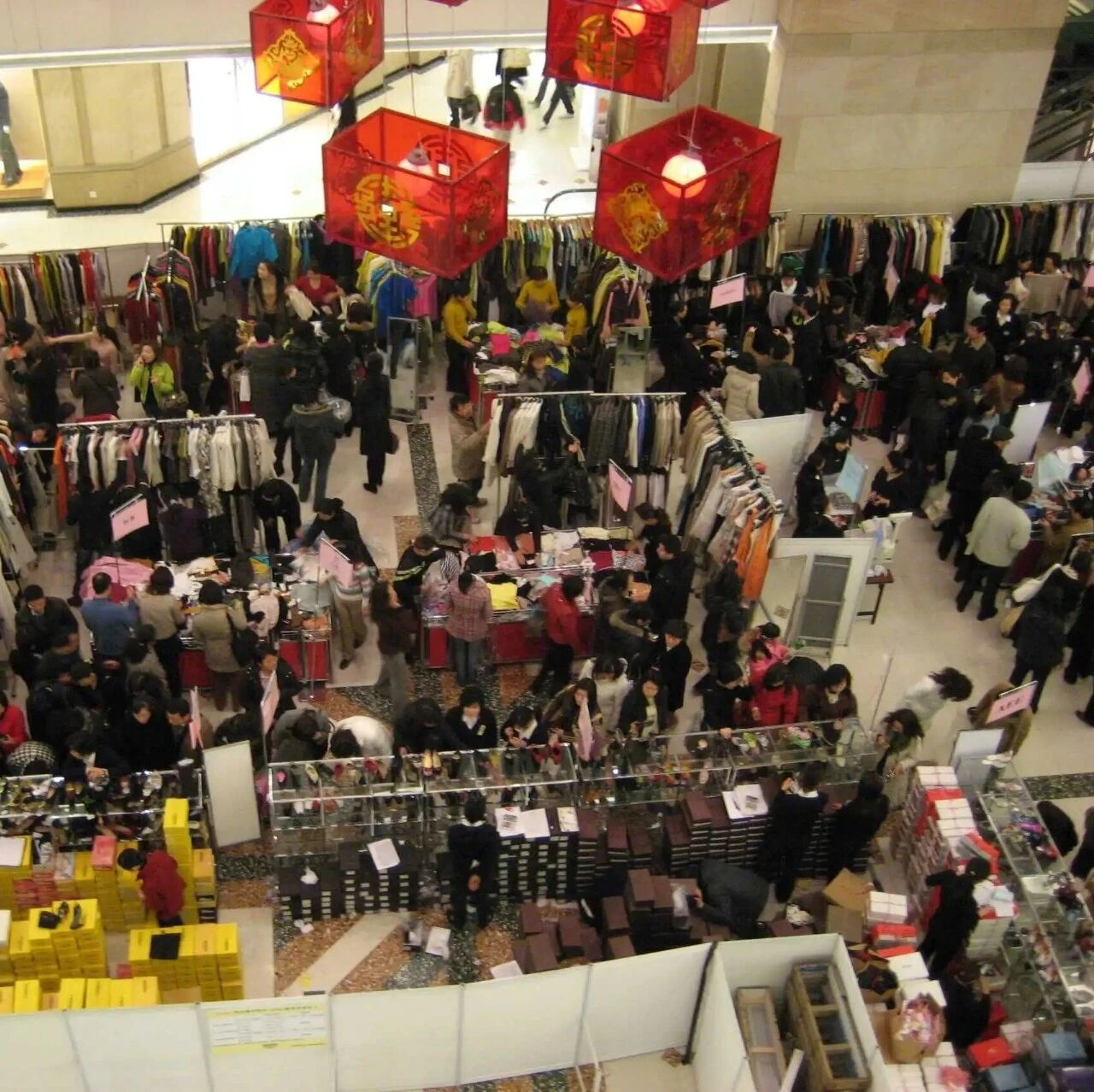
马不停蹄中国年
Xin Lang Cai Jing· 2026-02-27 22:33
Group 1: Policy Impact - The expansion of visa-free policies to 50 countries has significantly increased foreign tourist arrivals in China, with 460,000 entering during the Spring Festival, marking a 28.5% daily increase compared to the previous year [1] - The peak of cross-border travel reached 2.259 million people in a single day, reflecting the effectiveness of China's open-door policies and enhanced border services [1] Group 2: Cultural Significance - The inclusion of "Spring Festival" in UNESCO's intangible cultural heritage list has elevated its status as a global cultural symbol, attracting foreign tourists to experience traditional Chinese customs [2] - Cultural experiences, such as pottery making and local festivals, have transformed tourism into a deeper dialogue between civilizations, enhancing emotional connections between Chinese and foreign visitors [2] Group 3: Market Dynamics - The number of foreign tourists applying for tax refunds upon leaving China surged by 305% year-on-year, indicating a strong demand for high-quality Chinese products [3] - The total amount of tax refunds processed in January 2026 reached approximately 125 million yuan, showcasing the growing purchasing power of foreign visitors [3] - The shift in foreign tourists' shopping preferences from inexpensive goods to premium Chinese products reflects the ongoing transformation of China's economy [3] Group 4: Global Economic Impact - The Spring Festival has become a "super engine" for the global economy, with Chinese consumers driving demand for international products, thereby benefiting global supply chains [4] - Chinese-made products are increasingly being brought back by foreign tourists, creating a two-way exchange of goods and culture that strengthens economic ties [4] Group 5: Future Considerations - The tourism market must adapt to the evolving demands of international visitors, focusing on personalized experiences and innovative cultural products to maintain growth [5] - Continued investment in service enhancements and technological innovations is essential to overcome barriers and improve the overall experience for foreign tourists [5]
新春气象万千 中国活力奔涌
Zhong Guo Jing Ji Wang· 2026-02-27 03:01
Core Viewpoint - The Spring Festival holiday in 2026 showcased a vibrant economy with significant consumer activity, reflecting a positive trend in China's economic stability and growth. Group 1: Economic Indicators - The total box office revenue for the Spring Festival reached 5.752 billion yuan, indicating a strong performance in the film industry [4] - Domestic travel during the holiday saw 596 million trips, highlighting a robust tourism sector [4] - Daily sales revenue in consumer-related industries increased by 13.7% year-on-year, demonstrating heightened consumer spending [4] Group 2: Cultural and Tourism Consumption - Diverse cultural tourism experiences flourished, enhancing the festive atmosphere and showcasing traditional crafts and local attractions [4] - The integration of technology in cultural events, such as AI light shows and drone displays, reflects innovation in the cultural sector [5] - The popularity of intangible cultural heritage products and traditional crafts indicates a growing appreciation for cultural heritage among consumers [5] Group 3: Service Enhancements - The introduction of smart systems for traffic management and security at transportation hubs improved the efficiency of travel during the holiday [5] - Various local initiatives aimed at providing better services for travelers, including support for vulnerable groups, contributed to a smoother holiday experience [5]