金融改革开放

Search documents
数览“十四五”成绩单丨金融活水“精准滴灌”!高质量发展动能澎湃
Xin Hua Wang· 2025-09-22 11:11
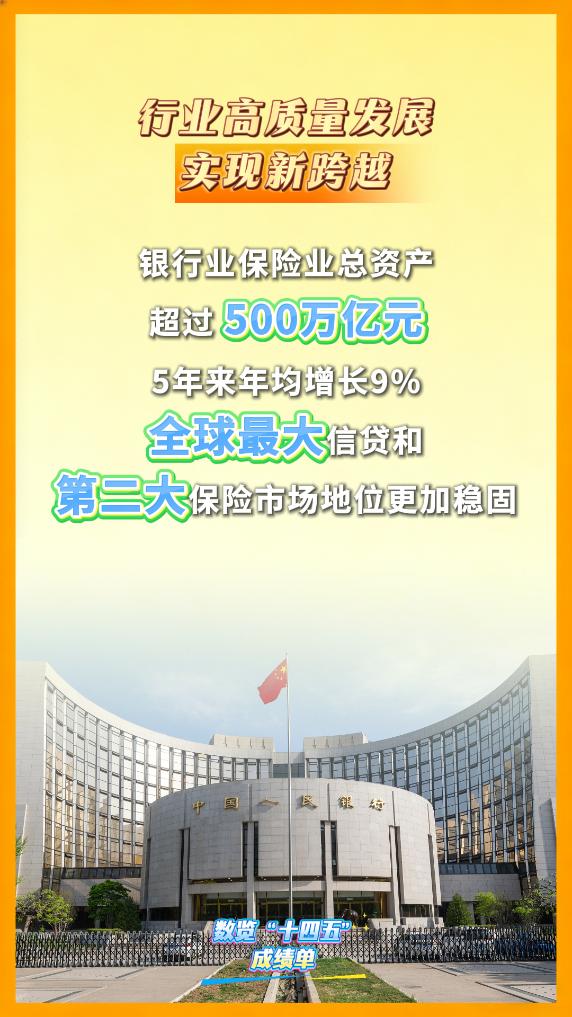
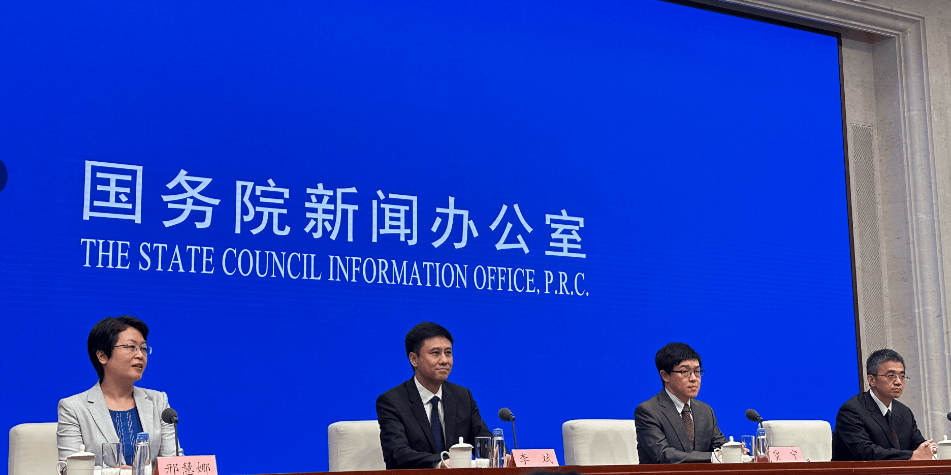
Core Insights - The press conference held by the State Council Information Office on September 22 highlighted the achievements of the financial sector during the "14th Five-Year Plan" period, focusing on how financial services can effectively support the real economy and the progress made in financial reform and opening up [1]. Group 1: Industry Development - The total assets of the banking and insurance sectors have exceeded 500 trillion yuan, with an average annual growth rate of 9% over the past five years [2]. - Among the global top 1,000 banks, 143 Chinese banks are listed, with China occupying 6 out of the top 10 positions [5]. - 43 of the world's top 50 banks have established institutions in China, and half of the largest 40 insurance companies have entered the Chinese market [5]. Group 2: Financial Regulation - The conference also discussed the new developments in financial regulation, emphasizing the importance of creating a robust regulatory environment to support the financial sector's growth and stability [11].

多地银保监局圈定下半年工作重点
Xin Hua Wang· 2025-08-12 06:19
Group 1 - The core viewpoint emphasizes the importance of stabilizing the macroeconomic environment and enhancing financial support for key sectors such as small and micro enterprises, cultural tourism, and technological innovation to promote economic recovery and regional development [2][3][4] - Local financial regulatory bodies are focusing on improving financial services for small and micro enterprises, enhancing credit information sharing, and facilitating financing arrangements for industries like catering and transportation [2][3] - There is a strong emphasis on supporting major regional projects and strategic initiatives, such as the coordinated development of the Beijing-Tianjin-Hebei region and the Belt and Road Initiative, to strengthen the industrial structure and supply chain [3][4] Group 2 - Financial risk prevention is a primary focus, with regulatory bodies aiming to gradually resolve risks in key areas, particularly concerning small and medium-sized banks and real estate financing [4][5] - The regulatory framework includes measures to ensure stable financing for the real estate sector while addressing the needs for affordable housing and long-term rental markets [5] - There is a commitment to deepening financial reforms, particularly in small and medium-sized banks and commercial pension sectors, to enhance operational efficiency and governance [6][7] Group 3 - Financial openness is being prioritized, with regions like Guangdong outlining plans for high-level financial reform and innovation, particularly in the Greater Bay Area and free trade zones [7] - The focus is on using reform to address developmental challenges and enhance regulatory alignment between different regions [7]
中国人民银行广东省分行:下半年稳步推进金融改革开放,进一步优化外汇管理与服务
Sou Hu Cai Jing· 2025-08-07 06:58
Core Viewpoint - The People's Bank of China (PBOC) Guangdong Branch emphasizes the implementation of a moderately loose monetary policy to support the economic development of Guangdong in the second half of 2025 [1] Group 1: Monetary Policy - The focus is on effectively implementing a moderately loose monetary policy to bolster Guangdong's economy [1] - The aim is to provide more effective financial support for high-quality economic development [1] Group 2: Financial Stability - The meeting highlights the importance of macro-prudential measures and financial stability to prevent systemic financial risks [1] Group 3: Financial Reform and Innovation - There is a commitment to steadily advance financial reform and opening up, ensuring Guangdong remains at the forefront of financial innovation [1] Group 4: Foreign Exchange Management - The meeting calls for further optimization of foreign exchange management and services to support the stability of foreign trade and foreign investment in Guangdong [1]
国家外汇管理局答每经问:上半年外资净增持境内股票和基金101亿美元,预计外资仍会逐步增配人民币资产
Sou Hu Cai Jing· 2025-07-22 14:14
Core Viewpoint - The press conference highlighted the stable inflow of foreign capital into China's financial markets, with a significant increase in foreign investment in both bonds and stocks, indicating a positive outlook for the allocation of RMB assets by foreign investors [1][3][4]. Group 1: Foreign Investment Trends - As of 2025, foreign investment in RMB-denominated bonds has reached over $600 billion, marking a historically high level [3]. - In the first half of the year, foreign investors net purchased $10.1 billion in domestic stocks and funds, reversing a two-year trend of net selling [3]. - The net increase in foreign stock holdings surged to $18.8 billion in May and June, reflecting a growing willingness among global investors to allocate capital to China's stock market [3]. Group 2: Economic and Policy Environment - The stable macroeconomic environment in China, with a GDP growth of 5.3% year-on-year, supports foreign investment [5][6]. - The contribution of domestic demand to economic growth has increased, with final consumption and capital formation accounting for 77% of growth in the second quarter, up 17 percentage points [5]. - China's commitment to high-level opening-up and the continuous improvement of the financial market's connectivity have created a favorable policy environment for foreign investment [4][6]. Group 3: Currency and Market Stability - The proportion of RMB cross-border receipts in goods trade reached approximately 30% in the first half of the year, a historical high [6]. - The resilience of the foreign exchange market is bolstered by a stable economic foundation and improved mechanisms for market-oriented exchange rate formation [6]. - The increasing awareness of exchange rate risk among enterprises and the growth of RMB cross-border transactions contribute to a more rational trading environment [6].
南沙持续“上新”
Nan Fang Du Shi Bao· 2025-06-24 23:13
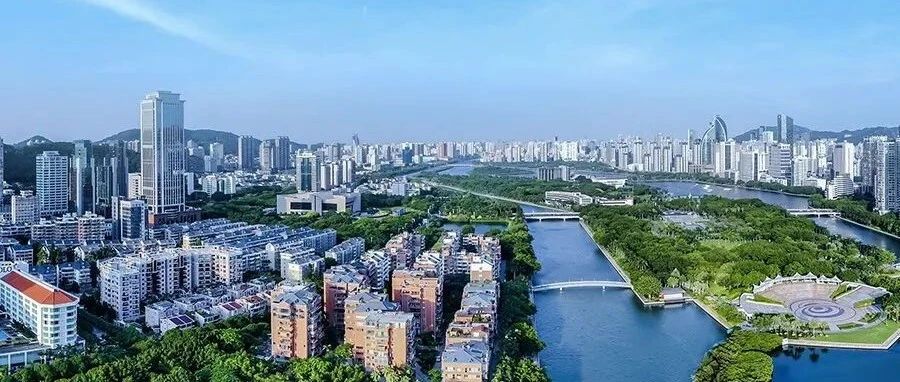
Core Viewpoint - Guangzhou Nansha is experiencing significant development changes and policy implementations that enhance its growth potential and attractiveness as a key area in the Guangdong-Hong Kong-Macao Greater Bay Area [1] Policy Updates - The "Nansha Financial 30 Measures" was launched to establish Nansha as a financial reform and opening-up highland, with 27 specific tasks across six areas aimed at making it a crucial international financial hub [2] - The "Three Measures to Stabilize Foreign Investment" were introduced, offering substantial rewards up to 100 million yuan for foreign investment enterprises, particularly targeting multinational company headquarters [3] - The "Golden 17 Measures for Foreign Trade" were released, providing incentives for foreign trade enterprises, with rewards up to 2 million yuan for demonstration platforms and 1 million yuan for enterprise growth [4] Project Developments - The establishment of the "Bay Area Artificial Intelligence Industry Innovation Alliance" aims to integrate technological resources and enhance the AI industry ecosystem in Nansha, promoting high-quality industrial development [5] - The Nansha Hub Area Comprehensive Development Project has commenced, marking a significant step in the integration of transportation and urban development in the Greater Bay Area [7] - The "Blue Fishing Port" project has been launched, expected to deliver over 30,000 tons of high-standard aquatic products annually to the Greater Bay Area [8] Educational and Urban Development - The expansion of the Guangzhou Nansha Minxin Port Children’s School has been completed, adding 540 new student places [9] - Major urban improvement projects in Nansha's central area have begun, aiming to enhance urban functionality, ecological environment, and cultural heritage [10] Technological Advancements - The launch of the first autonomous driving bus line in Nansha represents a significant advancement in smart connected vehicles, enhancing public transport options [11] - Preparations for the construction of the "Couple's Road" along the Nansha Coastal Avenue are underway, contributing to the development of a beautiful coastal city [12]
中国特色金融发展之路从这里出发——习近平同志在闽金融论述和实践经验
Jing Ji Ri Bao· 2025-06-24 13:50
Group 1 - The transformation of Lianjia boat dwellers from living on water to settling on land illustrates the positive impact of financial innovation in China, particularly through products like housing loans and entrepreneurial loans [1][2] - The establishment of a credit rating system for fishermen has enabled former boat dwellers to access credit limits of up to 1.5 million yuan, facilitating their transition from mere survival to thriving businesses [1][2] Group 2 - Xi Jinping's leadership in Fujian from 1985 to 2002 was marked by a strong emphasis on financial reform and innovation, laying the groundwork for modern financial practices in the region [2][3] - The strategic planning during Xi's tenure in Xiamen included the development of a comprehensive financial strategy that anticipated the implementation of deposit insurance, which was realized in 2015 [4] Group 3 - The introduction of financial officers in rural areas has improved access to financial services for villagers, allowing for better alignment of financial products with local needs [7][8] - The initiative to send financial personnel to rural areas has resulted in enhanced understanding of local agricultural needs and improved financial literacy among farmers [8] Group 4 - The financial sector in Fujian has seen significant growth, with a focus on supporting the real economy through various financial products and services, including those aimed at small and micro enterprises [12][15] - The balance of loans in the forestry sector reached 161.38 billion yuan, reflecting a 13.7% year-on-year increase, indicating a robust support system for rural economic development [15] Group 5 - The establishment of the Xiamen International Bank and other financial institutions has played a crucial role in supporting the development of the local economy and facilitating foreign investment [16][17] - The financial reforms initiated in Xiamen have set a precedent for broader financial liberalization across China, enhancing the region's attractiveness to international financial institutions [18] Group 6 - The focus on financial risk prevention has been a key aspect of Fujian's financial strategy, with measures implemented to maintain stability and prevent systemic risks [19][21] - The establishment of a financial dispute resolution center in Xiamen has contributed to maintaining a stable financial environment by effectively addressing consumer grievances [22]
习近平同志在闽金融论述与实践启示
中国基金报· 2025-06-19 11:09
Core Viewpoint - The article emphasizes the importance of financial development in supporting China's modernization and economic growth, highlighting the innovative practices and theories established during Xi Jinping's tenure in Fujian [1][10][48]. Group 1: Financial Development Strategy - Financial development is viewed as a crucial element for China's modernization, with a focus on long-term planning and systemic thinking [5][7][8]. - Xi Jinping's leadership in Fujian laid the groundwork for a modern financial organization system, contributing to China's financial reform experience [9][10]. Group 2: Financial Innovation and Support - The establishment of innovative financial mechanisms, such as the "Lin e loan" in Ningde, demonstrates how financial tools can support rural economic development [15][17]. - Financial support has been pivotal in major infrastructure projects in Fujian, enhancing local economic capabilities [20][21]. Group 3: Risk Management - The article highlights the importance of maintaining financial security and risk management as foundational principles for financial development [28][33]. - Fujian has successfully maintained a low non-performing loan rate of 1.19%, showcasing effective risk management practices [34]. Group 4: Financial Reform and Opening Up - The establishment of the first Sino-foreign joint bank, Xiamen International Bank, marked a significant step in financial reform and opening up [40][41]. - Recent reforms have included the removal of investment quotas for foreign institutions, reflecting China's commitment to deepening financial openness [45][46].
陆家嘴论坛主题演讲解读:以高质量金融改革,应对外部不确定性
Guoxin Securities· 2025-06-18 13:36
Group 1: Financial Reform Policies - The People's Bank of China announced 8 key financial policies to strengthen financial infrastructure, including the establishment of an interbank market trading report library and a digital RMB international operation center[4] - The National Financial Regulatory Administration proposed 9 financial opening measures, emphasizing institutional financial openness and enhancing the foreign investment environment[6] - The China Securities Regulatory Commission introduced 10 capital market reform measures aimed at deepening reforms in the Sci-Tech Innovation Board and the Growth Enterprise Market[9] Group 2: Specific Measures and Goals - Establishing a personal credit agency to diversify credit products and improve the social credit system[4] - Promoting offshore trade financial service pilot programs in the Shanghai Lingang New Area to support international trade[4] - Encouraging innovation in financial tools and market products, including the development of offshore bonds and structural monetary policy tools[4] Group 3: External Environment and Economic Stability - The report highlights the importance of maintaining a stable exchange rate amid external uncertainties, with the RMB showing resilience against external shocks[11] - The overall response to external challenges has led to a stable and slightly rising exchange rate, reflecting confidence in China's economic fundamentals[11] - The report warns of potential risks from unexpected inflation in the U.S. and geopolitical tensions that could impact global markets[13]
央行最新发声,择机降准降息
凤凰网财经· 2025-03-13 12:28
来源|中国证券报 图片来源:央行网站 会议指出,2025年政府工作报告科学提出了今年经济社会发展的总体要求、主要预期目标和宏观政策取向,全面部署了今年重点工作任务。 中国人 民银行要注重目标引领,把握政策取向,讲求时机力度,强化系统思维,为推动经济持续回升向好营造良好的货币金融环境。 一是实施好适度宽松的货币政策。平衡好短期与长期、稳增长与防风险、内部均衡与外部均衡、支持实体经济与保持银行体系自身健康性的关系。根据国 内外经济金融形势和金融市场运行情况,择机降准降息,综合运用公开市场操作等多种货币政策工具,保持流动性充裕,使社会融资规模、货币供应量增 长同经济增长、价格总水平预期目标相匹配。进一步疏通货币政策传导渠道,完善利率形成和传导机制,推动社会综合融资成本下降。加强与市场沟通, 提升政策透明度。坚持市场在汇率形成中的决定性作用,强化预期引导,保持人民币汇率在合理均衡水平上的基本稳定。 二是加强重大战略、重点领域和薄弱环节的金融服务。科学运用各项结构性货币政策工具,引导金融机构加力支持科技金融、绿色金融、普惠小微、养老 金融等领域。研究创设新的结构性货币政策工具,重点支持科技创新领域的投融资、促进消费和稳 ...
央行最新发声:择机降准降息!
21世纪经济报道· 2025-03-13 09:54
Core Viewpoint - The meeting of the People's Bank of China emphasizes the importance of implementing a moderately loose monetary policy to support economic recovery and stability, aligning with the strategic goals outlined by President Xi Jinping during the National People's Congress [1][2]. Group 1: Monetary Policy Implementation - The People's Bank of China aims to balance short-term and long-term goals, ensuring growth while managing risks, and will consider reducing reserve requirements and interest rates as needed to maintain liquidity [3]. - The focus will be on enhancing the transmission channels of monetary policy, improving interest rate formation mechanisms, and reducing the overall cost of financing in the economy [3]. Group 2: Financial Services Enhancement - The bank will utilize structural monetary policy tools to support key areas such as technology finance, green finance, and inclusive finance, while also promoting consumption and stabilizing foreign trade [4]. - There will be an emphasis on improving the service capabilities of financial institutions and optimizing the allocation of financial resources [4]. Group 3: Risk Management - The meeting highlights the need to effectively prevent and mitigate financial risks in key areas, ensuring the stability of financial markets and supporting the resolution of debt risks associated with financing platforms [4]. - A market-oriented and legal approach will be adopted to assist small financial institutions in managing risks [4]. Group 4: Financial Reform and Opening Up - The People's Bank of China will accelerate the improvement of the central bank system and enhance the dual-pillar framework of monetary and macro-prudential policies [5]. - There will be a focus on orderly opening up of the financial services sector and promoting the internationalization of the Renminbi [5]. Group 5: Party Governance - The meeting underscores the importance of strict governance within the party, emphasizing the need for effective implementation of corrective measures and maintaining a clean political environment [5].