金融风险防控

Search documents
过渡期临近,银行业首席合规官纷纷“就位”
2 1 Shi Ji Jing Ji Bao Dao· 2026-01-06 10:22
Core Viewpoint - The appointment of Chief Compliance Officers (CCOs) in Chinese banks is a response to regulatory requirements aimed at enhancing compliance systems and governance structures within the banking industry [1][3][10]. Group 1: Regulatory Framework - The Financial Regulatory Bureau issued the "Compliance Management Measures for Financial Institutions," mandating the establishment of CCOs at the headquarters of financial institutions, effective from March 1, 2025, with a one-year transition period [3][9]. - The implementation of CCOs is seen as a shift from "formal compliance" to "substantive compliance" across various types of banks, including state-owned banks, city commercial banks, and rural banks [3][7]. Group 2: Appointment Trends - A wave of appointments for CCOs has been observed, with banks like Zhangjiagang Rural Commercial Bank and others appointing existing senior management to these roles, reflecting a trend towards integrating compliance into the upper management structure [1][6][8]. - Different banks are adopting varied models for appointing CCOs, with many choosing to have existing senior executives, such as vice presidents or assistants to the president, take on these responsibilities [8][9]. Group 3: Compliance Needs and Challenges - Compliance pressures differ among banks of varying sizes, with larger banks facing more significant challenges due to their complex structures and global operations, while smaller banks focus on high-risk areas like credit and anti-money laundering [7][8]. - The need for a systematic and intelligent compliance framework is emphasized for larger banks, while smaller banks prioritize practical compliance integration into business processes [8][9]. Group 4: Qualifications and Responsibilities - CCOs must meet specific qualifications, including a minimum of eight years in financial work and three years in legal compliance, or equivalent experience, to ensure they can effectively manage compliance risks [9][10]. - The role of CCOs is crucial for establishing a robust compliance governance system, transitioning banks from reactive to proactive risk management [10][11]. Group 5: Future Trends - The future development of the CCO role is expected to trend towards systematization and technological integration, with compliance becoming a core part of risk management and corporate governance [10][11]. - There is potential for collaboration between CCOs and other roles such as Chief Risk Officers and Chief Technology Officers, expanding the scope of compliance from local to global standards [11].


银监法修订草案新增“整顿组”
Jing Ji Wang· 2026-01-04 02:27
Core Viewpoint - The revised draft of the Banking Supervision Law, which has been open for public consultation since December 27, 2025, aims to enhance risk management and shareholder supervision in the banking sector, while maintaining the overall direction established in the previous draft from three years ago [1][2]. Group 1: Risk Management Enhancements - The revised draft introduces a "restructuring group" as an intermediary layer between early intervention and takeover, creating a comprehensive risk management framework that includes restructuring, rectification, takeover, and revocation [1][2]. - Article 55 of the revised draft allows the banking regulatory authority to deploy a restructuring group to monitor the operations of financial institutions facing significant risks, with a six-month timeline to restore normal operations before considering further actions such as restructuring or bankruptcy [2][3]. Group 2: Regulatory Context and Historical Background - The current Banking Supervision Law has been in effect since 2004, a period during which regulatory experience in managing risks, particularly in small and medium-sized financial institutions, has been limited [3]. - The revision aligns with the "14th Five-Year Plan" which emphasizes strengthening financial regulation and diversifying risk management tools [3]. Group 3: Market-Based Solutions and Institutional Reforms - There has been a noticeable acceleration in the reform and risk management of small and medium-sized financial institutions, with significant reductions in the number of high-risk banks reported by the People's Bank of China [3]. - State-owned banks have increasingly participated in the reform of small banks, including acquiring village banks and converting them into branches, which helps mitigate risks without necessitating takeovers [4]. Group 4: Specific Provisions for Takeover Procedures - The revised draft provides more flexibility for market-based acquisitions during the takeover process, allowing the takeover group to implement measures such as entrusting other banks to manage the operations of the seized institution [5]. - It also introduces specific tools for managing takeovers, including debt-to-equity swaps and facilitating third-party institutions to assume assets and liabilities of the seized banks [5]. Group 5: Future Legislative Considerations - Future revisions of the Banking Supervision Law should ensure alignment with the upcoming Financial Stability Law and Financial Law to create a cohesive regulatory framework [6].
银监法修订草案新增“整顿组”,风险处置框架更趋系统完善
Zheng Quan Shi Bao Wang· 2026-01-01 08:32
Core Viewpoint - The revised draft of the Banking Supervision and Administration Law introduces a "restructuring team" to enhance the risk disposal framework, making it more systematic and comprehensive compared to the previous draft from three years ago [1][2]. Risk Disposal - The revised draft specifies that if a banking financial institution faces significant operational risks, the State Council's banking regulatory authority can dispatch a restructuring team to monitor the institution's operations and management activities [2]. - The restructuring team serves as an intermediary layer between early intervention and restructuring/takeover, thus forming a complete risk disposal framework that includes restructuring, rectification, takeover, and revocation [1][2]. - This approach enriches and refines preemptive risk control tools, allowing for early identification, warning, exposure, and disposal of risks [2]. Regulatory Context - The current Banking Supervision Law has been in effect since 2004, and the revision aims to address the lack of experience in handling risks, especially in small and medium-sized financial institutions [3]. - The revision aligns with the "14th Five-Year Plan" which emphasizes strengthening financial regulation and enhancing risk disposal resources and methods [3]. Market Dynamics - The People's Bank of China reported a significant reduction in high-risk small and medium-sized banks through various methods such as mergers and market exits, indicating a successful risk management strategy [3]. - The asset scale of "red zone" rural financial institutions is now less than 1% of the total assessed bank assets, reflecting improved stability in the banking sector [3]. Market-Based Solutions - State-owned banks have increasingly participated in the reform and risk management of small banks, including acquiring village banks and converting them into branches, which helps mitigate risks before they escalate to the point of takeover [4]. - The revised draft allows for more market-based solutions in the takeover process, including the delegation of management to other banking institutions and the implementation of debt-to-equity swaps [5]. Future Considerations - Future revisions of the Banking Supervision Law should ensure alignment with the upcoming Financial Stability Law and Financial Law [6].
深学细悟笃行习近平总书记在福州金融论述与实践启示
Jin Rong Shi Bao· 2025-12-29 01:32
Core Viewpoint - The development of urban commercial banks in China over the past 30 years has positioned them as key players in serving the local real economy, guided by the strategic tasks outlined in the 20th Central Committee's Fourth Plenary Session, emphasizing the importance of high-quality development and the role of various financial institutions in supporting the real economy [1][2]. Group 1: Leadership and Governance - Strengthening the leadership of the Communist Party is essential for ensuring effective financial services that align with economic development goals, as emphasized by Xi Jinping during his tenure in Fuzhou [3]. - The integration of party leadership with market principles is crucial for the healthy operation of financial institutions, highlighting the need for a collaborative approach between government and financial sectors [3]. Group 2: Strategic Planning - Strategic planning is vital for guiding high-quality economic development, with Xi Jinping advocating for long-term planning to avoid significant errors in local development [4]. - The "3820" strategic initiative led by Xi Jinping effectively integrated financial reforms into urban development, providing a framework for financial institutions to better serve local economies [4]. Group 3: People-Centric Financial Services - A focus on serving the people's needs is fundamental to financial institutions, with Xi Jinping stressing the importance of balancing economic and social benefits in financial services [5]. - Financial institutions are encouraged to enhance their service offerings to meet the diverse needs of the population, ensuring that financial services contribute to improving living standards [5]. Group 4: Risk Management - Risk prevention is a perpetual theme in financial work, with Xi Jinping highlighting the importance of managing financial risks to maintain economic stability [6]. - Financial institutions must develop robust risk management frameworks to safeguard against potential financial disruptions while effectively serving the real economy [6]. Group 5: Cultural Development - The cultivation of a distinctive financial culture rooted in Chinese traditions is essential for the sustainable development of financial institutions, as emphasized by Xi Jinping [7]. - Financial institutions are encouraged to uphold integrity and professionalism, ensuring that their operations are aligned with the values of trust and responsibility [7]. Group 6: Future Directions for Development - Urban commercial banks are urged to align their operations with national and local development goals, focusing on differentiated and specialized services to enhance their competitive advantages [9][10]. - Emphasizing innovation and reform is critical for the transformation of financial institutions, with a focus on leveraging technology to improve service efficiency and risk management [11][12].
1年近400家银行机构退出市场
21世纪经济报道· 2025-12-26 14:52
Core Viewpoint - The wave of mergers and restructuring among China's small and medium-sized banks has progressed with unexpected intensity and speed, focusing on financial risk prevention and high-quality industry development in 2025 [1][2]. Summary by Sections Mergers and Restructuring Overview - As of December 26, 2025, a total of 394 banking institutions have been approved for mergers or dissolutions, doubling the total from 2024 [1]. - Between 2024 and 2025, nearly 550 banking institutions were reduced through mergers and restructuring, surpassing the total from the previous seven years [1]. - The restructuring involved 28 provinces, with Inner Mongolia leading by integrating 139 institutions, followed by Shandong (33), Henan (26), and Sichuan (25) [1][9]. Characteristics of the Restructuring - The 2025 restructuring is characterized by two significant trends: the involvement of state-owned banks in "village-to-branch" transformations and the acceleration of provincial-level reforms in the rural credit system [2]. - This transformation is not merely a reduction in numbers but a comprehensive change across various types of institutions, moving towards a quality-driven development phase [2]. Regulatory and Policy Framework - The central financial work conference in 2024 emphasized the need to "properly handle risks in small financial institutions," placing them alongside local debts and real estate as key areas for financial risk prevention [4]. - The regulatory focus has been on risk prevention and resolution, with tailored reform plans developed for different regions [5]. Achievements and Progress - The reform efforts have led to a significant increase in the disposal of non-performing assets, with over a 40% increase compared to the previous five-year period [5]. - The number of high-risk small and medium-sized banks has significantly decreased, with some provinces achieving a "dynamic zero" for high-risk institutions [6]. Integration of Institutions - The integration process has seen state-owned banks actively participating in the restructuring of village banks, providing stronger support for their transformation [11]. - By the end of 2025, 231 village banks had merged or dissolved, with a notable acceleration in the second half of the year [12]. Future Outlook - The ongoing restructuring is expected to continue, with a focus on enhancing the quality and effectiveness of the integration process [17]. - The emphasis on "reducing quantity and improving quality" will remain a core theme in the upcoming years, as the industry transitions to a more stable and effective phase [17].



贵州省长李炳军为贵州农商联合银行揭牌
Xin Lang Cai Jing· 2025-12-25 13:17
Group 1 - The establishment of Guizhou Rural Commercial Bank is a significant measure for deepening the reform of rural credit cooperatives and improving the financial system in Guizhou Province [3] - The bank aims to enhance its service efficiency and play a crucial role in supporting the high-quality development of the province by focusing on agricultural and small micro-enterprise needs [3][5] - Emphasis is placed on strengthening party building, improving governance mechanisms, and enhancing core competitiveness while ensuring risk prevention and regulatory compliance [3] Group 2 - The unveiling ceremony was attended by key provincial leaders, including the Governor of Guizhou, who highlighted the importance of financial support for rural revitalization [2][5] - The bank is expected to innovate financial products tailored to the needs of the agricultural sector and small businesses, directing more resources to critical areas of rural development [3] - The focus will also be on reducing the comprehensive financing costs for the real economy while maintaining a strong regulatory framework to prevent systemic financial risks [3]

对标对表明年经济工作重点任务 提升服务实体经济质效
Jin Rong Shi Bao· 2025-12-17 01:49
Group 1 - The meeting emphasized the importance of aligning with the central economic work conference spirit and integrating it with the Party's 20th National Congress and subsequent plenary sessions [2] - The bank aims to implement the eight key tasks for economic work in 2024, focusing on risk prevention, regulatory strength, and promoting high-quality development [2] - The bank will enhance its capacity to serve national construction, prevent financial risks, and participate in international competition [2] Group 2 - The focus will be on improving service quality for the real economy, optimizing financial supply in key areas such as domestic demand, technological innovation, and support for small and medium enterprises [3] - The bank plans to accelerate the upgrade of its product service system and support effective investment to strengthen domestic circulation [3] - There will be a commitment to enhancing financial services in rural areas and promoting urban-rural integration and regional connectivity [3]

2025年前三季度四川涉外收支规模1302亿美元
Zhong Guo Xin Wen Wang· 2025-12-10 12:30
Core Insights - The foreign exchange revenue and expenditure scale in Sichuan reached 130.2 billion USD in the first three quarters of 2025, reflecting the province's efforts to enhance financial support for high-quality economic development during the 14th Five-Year Plan period [1] Group 1: Financial Support for Economic Development - Sichuan's financial system has significantly improved the quality and efficiency of financial services to the real economy, with strong financing support for key projects and consumption policies [1] - By the end of October 2025, the loan balance in the infrastructure sector is projected to be 4.47 trillion CNY, with technology loans at 1.35 trillion CNY and agricultural loans at 2.74 trillion CNY [1] Group 2: Financial Risk Prevention - The province has made new progress in financial risk prevention, emphasizing risk control as a permanent theme in financial work, with improved monitoring and early warning mechanisms [2] - The deposit insurance mechanism is operating smoothly, and financial risks in key areas are being effectively managed [1] Group 3: Financial Reform and Innovation - Continuous deepening of regional financial reform and innovation, with policies supporting the Chengdu-Chongqing economic circle being refined [2] - Successful completion of comprehensive rural financial service reform pilot projects in Chengdu, along with ongoing exploration of sustainable finance focusing on carbon neutrality goals [2] Group 4: Improvement in Financial Services - Payment services have been enhanced, with the establishment of 31 premium payment convenience business districts and a total of over 4 billion CNY in fee reductions for financial institutions [2] - The digital RMB pilot has expanded from Chengdu to the entire province, with 3.3 million unique application scenarios developed [2] Group 5: Deepening Financial Openness - Sichuan has facilitated trade foreign exchange revenue and expenditure for 623 enterprises, processing 73,000 transactions worth 15.47 billion USD [2] - The cross-border RMB settlement volume reached 1.1498 trillion CNY, representing a 112.7% increase compared to the 13th Five-Year Plan period [2]
全省前三季度社会融资规模增量全国第一
Xin Hua Ri Bao· 2025-12-08 08:27
报告称,今年以来全省金融要素供给充裕、保障有力。前三季度,全省新增本外币贷款2.31万亿元,保 持全国第一;制造业贷款、科技型企业贷款、绿色贷款、普惠小微贷款余额分别较年初增长11.1%、 16.2%、22.9%和11%;非金融企业(不含央企)发行债券1.15万亿元。今年截至目前,全省新增境内上 市公司24家、居全国第一,其中23家属于战略性新兴产业;科创板和北交所上市公司数量分别达114 家、54家,均居全国首位。全国私募创投类基金投资江苏企业的在投本金规模超3000亿元,居各省首 位。 本报讯 (记者 陈月飞) 11月26日,省十四届人大常委会第十九次会议听取了省政府《关于全省金融工 作情况的报告》。报告显示,前三季度,全省社会融资规模增量达2.99万亿元、居全国第一,法人金融 机构总资产超15万亿元,全省银行业不良贷款率0.82%、处于全国较低水平,金融业有力支撑江苏扛起 经济大省挑大梁的责任担当。 地方金融改革向新而行、亮点颇多。通过组建省国金投资集团和江苏农商联合银行,我省国有金融资本 布局进一步优化;通过设立华东地区首家信用增进公司,大力支持中小科创企业债券融资。省战略性新 兴产业基金集群加快发展 ...
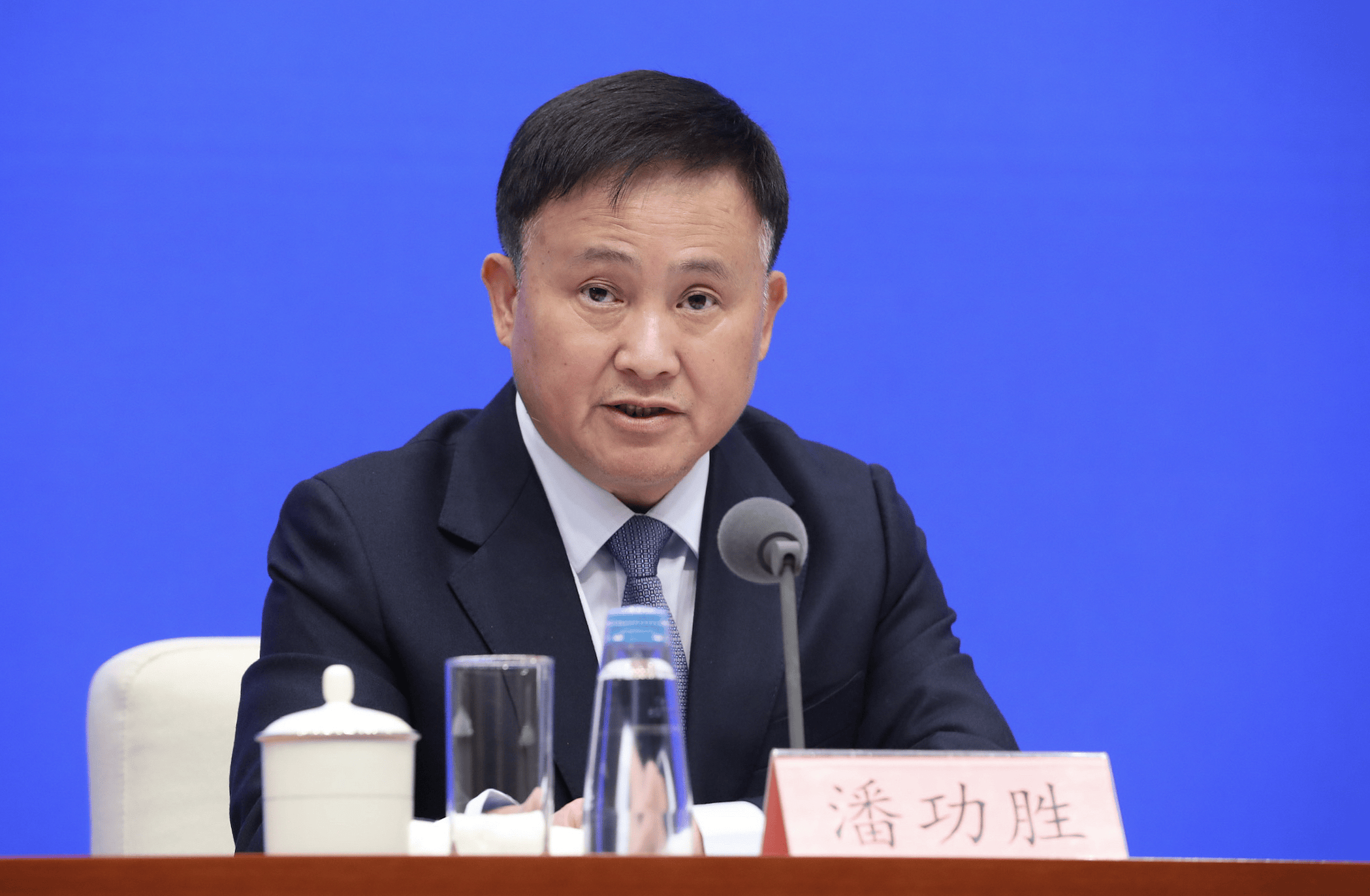
事关货币政策、金融风险防控,央行行长潘功胜最新发声
Sou Hu Cai Jing· 2025-12-04 02:21
三是内部和外部的关系。潘功胜表示,经过多年持续努力,人民币汇率弹性逐步增强,我国外汇市场参与者更加成熟,我们应对外汇市场波动的经验更加丰 富,有条件有能力兼顾平衡好内外部关系。 记者 辛圆 中国人民银行行长潘功胜在最新出版的人民日报上发表署名文章,谈及货币政策、金融风险防范等多个重要话题。 潘功胜提到,要把握好货币政策的力度、时机和节奏,更加注重做好跨周期和逆周期调节,保持货币条件与支持经济潜在增长和物价基本稳定的要求相匹 配,提升金融支持经济结构调整和高质量发展的适配性和精准性。具体来看,需要处理好三方面关系。 一是短期与长期的关系。潘功胜表示,根据经济金融运行需要,综合运用各种货币政策工具,加强逆周期调节,有力有效平滑经济波动。同时,关注跨周期 平衡,避免政策大放大收,防止政策过度导致效果衰减和长期副作用。 二是稳增长和防风险的关系。潘功胜提到,对于支撑经济增长来说,提升存量资金使用效率、优化资金投向与新增贷款同等重要。要统筹兼顾金融支持实体 经济增长和保持金融机构自身健康性的关系,提高资金配置效率,促进信贷可持续性和金融稳定,在推动经济高质量发展中化解金融风险。 除了谈到货币政策,潘功胜在文章中还提到, ...