生态保护

Search documents
2025年11月全国住宅产品月报
克而瑞地产研究· 2025-12-16 09:52
以下文章来源于克而瑞产品测评 ,作者产品力研究中心 克而瑞产品测评 . 聚焦房地产产品、交付研究及产品力、交付力测评 1本月看点 HIGHLIGHTS 房企产品动态 华润置地"公园+"理念与城市共生。 客户趋势 住宅结构特征 购房者的智能化需求已从基础功能转向品质体验。 智能家居应成为集安全、便捷、健康、高效、娱乐于一体的综合解决方案。 1 - 11月,全国市场成交结构趋向大面积产品,以120㎡为分界线,更大面积段产品成交占比均同比持增,120㎡以下各面积段产品占比均不及去年同期.从总价段来看, 环渤海、长三角区域波动主要出现在最高和最低总价段,中西部和珠三角区域趋向低总价段。 1 - 11月,上海100- 1 20㎡成交居首位,且市场份额较去年同期继续提升6.1个百分点至34. 7%,120 - 160㎡产品占比也同期提升5. 1个百分点,其余面积段产品成交占比 均持稳或回落。成都市场集中于三房、四房,两者的市场份额均在四成以上,其中,三房、五房及以上产品的市场份额均不及去年同期,而四房同比提升0. 8个百分 (点击图片可放大查看) 以下为 2025年11月住宅产品月报· 缩略版 公区亮点:"超配"策略重构 ...



守好一片杉林,引来百鸟栖息
Ren Min Ri Bao Hai Wai Ban· 2025-12-16 01:01
秋末冬初,池杉湖国家湿地公园内层林尽染。 来安县委宣传部供图 "开车过来60公里,路程不远。这是我们第一次来这里,风景真美。"正准备登船游览的南京游客马女士 说。 泛舟前行,只见红绿相间的池杉倒映水中,宛如流动的油画。 池杉湖国家湿地公园地处皖苏交界处,很难想象,这里曾是一片水涝频发的低洼滩涂。 上世纪七八十年代,当地为改善洼地环境,选择耐湿耐旱的池杉进行种植,总面积约千亩。 后来有一段时间,由于缺乏系统管理,这片林子曾面临危机——周边水体污染加重,鸟类被捕猎的现象 时有发生,部分村民因收入来源有限,产生砍树改建鱼塘的想法。 2005年退渔退耕还湿工程启动后,池杉湖迎来蜕变。 安徽省来安县雷官镇杨渡村退休村支书胡厚德等人主动承担起护林护鸟责任,日常巡林劝阻捕鸟、破坏 树木的行为。 "当时不少村民不理解,觉得退了鱼塘、农田就断了生计,抵触情绪不小。"胡厚德说。 为了打消大家顾虑,胡厚德不断向村民讲解保护生态的重要性。为了守住林子,胡厚德和老伴搬到林子 里住,日夜守护树木与鸟类。 清晨,雾气氤氲,成片的池杉树在水中矗立。初冬时节,池杉湖国家湿地公园层林尽染,众多鸟儿从北 方飞回,吸引众多游客前来观赏。 每年10月 ...

【汉中】我国特有珍稀鸟类白冠长尾雉现身汉中
Shan Xi Ri Bao· 2025-12-15 23:19
12月12日,留坝县湿地保护管理中心工作人员在留坝县玉皇庙镇两河口村发现了一个由5只个体组 成的白冠长尾雉野生种群。这一发现不仅证实了该珍稀物种在当地稳定存活,也为留坝县森林生态系统 的健康度、完整性提供了有力印证。 白冠长尾雉是我国特有珍稀鸟类,因其醒目的白色羽冠和极其修长的华丽尾羽而备受关注,素 有"林中仙子"之称。白冠长尾雉生性机警,主要栖息于海拔800米至2000米的原始针阔混交林深处,生 存高度依赖完整、安静的林下环境,被认为是反映森林原真性与生态健康的"活标尺"。正因其对栖息地 要求极为苛刻,加之历史上的人为干扰与栖息地破坏,其种群在世界自然保护联盟红色名录中被评估为 易危等级,在我国被列为国家一级重点保护野生动物,在留坝县鲜有其生活轨迹的相关记录。 "我们通过建设'空天地'一体化智能监测体系,布设红外相机网络,实现了从传统人防向科技技防 的转型升级,显著提升了生态保护的精准化与效能。同时,我们持续加强自然保护区规范化管理,严格 管控人为活动,推动基层执法力量整合延伸,为野生动物营造宁静安全的生存环境。"留坝县湿地保护 管理中心工作人员张涵文介绍,近年来,留坝县坚持以系统思维筑牢秦岭生态屏障,通过 ...
湿地成垃圾场,矿山修复仅“立牌”应付!中央督察点名天津
Nan Fang Du Shi Bao· 2025-12-15 12:52
2025年11月27日,督察组现场督察发现,天津市宁河区北淮淀镇的天津古海岸与湿地国家级自然保护区 缓冲区内堆填大量建筑垃圾和生活垃圾。 三是矿山修复治理工作不严不实。《蓟州区废弃矿山整治修复专项规划(2020—2035年)》明确,西五 百户白云岩矿修复工作应于2025年完成。蓟州区2022年启动修复工程招标后,却一直未开展实质性工 作。2024年,蓟州区重新编制《西五百户矿区生态修复实施方案》,明确对12公顷废弃矿山平台进行修 复,但仅仅是设置围栏和警示牌,就于2025年6月通过竣工验收。2025年11月督察发现,该矿区采矿作 业面大面积岩石裸露,无任何生态恢复迹象。督察还发现,蓟州区新房子内矿区修复治理工程也存在类 似问题。 通报称,天津市一些地方和有关部门对生态保护和修复治理重视不够,责任落实不到位,对自然保护区 和湿地破坏问题监管不力,矿山修复敷衍应对。督察组将进一步调查核实有关情况,并按要求做好后续 督察工作。 一是部分湿地保护缺位。《中华人民共和国湿地保护法》规定,禁止倾倒、堆放、丢弃、遗撒固体废物 等破坏湿地及其生态功能的行为。督察发现,天津市一些地方管理缺位,部分湿地被侵占。宁河区桥北 街道震 ...
行进的海岸线|国家级美丽海湾优秀案例 15载“海底造林”让三亚海棠焕新
Yang Guang Wang· 2025-12-15 07:54
Core Viewpoint - The article highlights the successful ecological restoration efforts in Sanya, Hainan, particularly focusing on coral reef rehabilitation and mangrove conservation, showcasing the transformation of tourism into active ecological participation by visitors [1][3]. Coral Reef Restoration - The coral coverage at Wuzhizhou Island has increased from less than 15% in 2010 to 37.08% currently, with fish species diversity rising from 62 to 265 [3]. - Over 30,000 tourists have participated in coral transplantation programs over the past decade, turning tourism activities into measurable ecological restoration actions [3]. - Real-time monitoring of coral growth is conducted using underwater cameras and sensors, allowing for tracking of the ecosystem's health [1][3]. Mangrove Conservation - The mangrove area at Tielu Port Natural Reserve includes nearly 100 ancient trees, featuring the critically endangered red mangrove species [6]. - The reserve has faced challenges, such as damage from Typhoon "Swordfish" in 2025, but recovery efforts have led to the survival and growth of these ancient trees [6]. - The ecological protection strategies implemented have resulted in a dynamic balance of the coastline, with nearshore water quality achieving a 100% excellence rate for three consecutive years [9]. Overall Ecological Impact - The combined efforts of coral reef transplantation, mangrove restoration, and shoreline rehabilitation have contributed to the overall improvement of the marine environment in Sanya, with the area being recognized as an exemplary case for national beautiful bays [9].

已超5000只!黄河湿地变身西伯利亚越冬大天鹅栖息地
Xin Hua Wang· 2025-12-13 08:15
"如今在平陆,大家冬日休闲都会来看天鹅。"市民孙女士边给孩子拍照边说,"带孩子过来游玩,在赏美景的同时也能教育孩子增强生态保护意 识。" 大天鹅在山西平陆黄河湿地栖息。新华社记者曹阳 摄 为确保天鹅安全越冬,当地野生动物保护部门已加强日常巡护与监测工作,加装了护栏,并提前储备了充足的食源。随着气温进一步下降,预计 还将有更多天鹅陆续飞抵。 成群结队的天鹅在宽阔水域悠然栖息、振翅嬉戏,洁白羽翼映衬碧水蓝天,吸引众多市民游客走进湿地,近距离感受人与自然和谐共生的冬日浪 漫。 新华社太原12月13日电(记者柴婷)在山西平陆黄河湿地保护区,一批批来自西伯利亚的野生大天鹅陆续飞抵,开始越冬。据悉,自10月底起, 大天鹅已开始分批抵达黄河湿地,进入12月后数量明显增加,目前该区域观测到的越冬天鹅已超5000只,到明年1、2月份可达上万只。它们悠然 自得的身影,为黄河岸畔增添了一道灵动的风景线。 山西省平陆县黄河湿地位于山西与河南两省交界处,总面积6000多公顷。这里气候温和、食物丰富,非常适宜天鹅越冬。近年来,平陆县持续加 大对黄河湿地的生态修复与保护力度,生态环境不断改善。 ...

那些宝藏“洋老师”(我在中国·行耕记)
Ren Min Ri Bao Hai Wai Ban· 2025-12-12 22:00
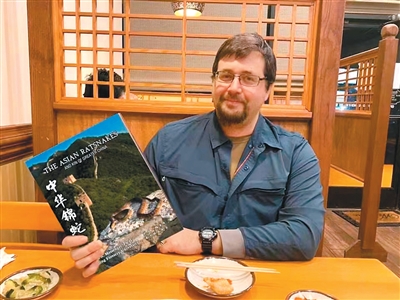
Group 1: Core Perspectives - The article highlights the increasing presence and impact of foreign teachers in Chinese higher education, showcasing their contributions to cultural exchange and education [1] - It emphasizes the personal stories of three foreign educators, Kevin, Ma Tianyu, and Abou, illustrating their dedication to teaching and their unique approaches to engaging students [1][6][11] Group 2: Kevin's Contributions - Kevin, an American zoologist, has dedicated his career to wildlife conservation and education in China, inspiring students to appreciate and protect biodiversity [2][4] - He utilizes hands-on experiences in nature to enhance students' understanding of animal behavior and ecology, demonstrating the importance of practical learning [2][4] - Kevin has observed a growing interest among Chinese youth in animal protection, indicating a shift in career aspirations towards environmental sciences [2][4] Group 3: Ma Tianyu's Teaching Methodology - Ma Tianyu, a French language teacher, employs interactive and creative teaching methods, such as drama and performance, to engage students and enhance their language skills [6][7] - He encourages students to explore Chinese literature through the French language, fostering a deeper cultural understanding [7][8] - Ma's approach balances traditional textbook learning with innovative practices, aiming to develop students' language proficiency progressively [8][9] Group 4: Abou's Focus on Energy Transition - Abou, an Iraqi professor, emphasizes the importance of practical experience in engineering education, organizing internships for students to work on real-world energy solutions [11][12] - He is actively involved in international cooperation projects related to energy transition, particularly in the context of the Belt and Road Initiative, aiming to address energy challenges in Iraq [12][14] - Abou aspires to cultivate "bridge-type talents" who possess both technical expertise and cross-cultural communication skills, contributing to global energy solutions [14][15]
市政府就《政府工作报告》征求党外人士意见建议
Chang Jiang Ri Bao· 2025-12-12 08:51
12月11日,市委副书记、代市长熊征宇主持召开座谈会,就《政府工作报告(征求意见 稿)》和政府工作听取各民主党派、工商联和无党派人士代表的意见建议。 座谈会上,各民主党派市委会、市工商联负责人和无党派人士代表彭富春、舒晓刚、穆 书芹、徐旭东、梁鸣、刘江东、黄芬、李运玲、刘冬、韩震宇等先后发言。大家对报告给予 高度评价,并围绕产业发展、科技创新、消费提振、对外开放、壮大民营经济、城市建设管 理、民生改善、生态保护、文旅融合等方面积极建言献策。 市委常委、统战部部长胡勇政参加会议。 在认真听取大家发言后,熊征宇对各民主党派、工商联和无党派人士长期以来对武汉发 展作出的积极贡献、对政府工作的关心支持表示感谢。他说,大家的发言政治站位高、谋划 思考深、民生情怀浓,体现了参政议政的高水准和联系实际的好作风。市政府将认真梳理、 充分吸纳,形成一个更加严谨务实、凝心聚力的好报告,并在今后的政府工作中推进落实。 熊征宇指出,今年以来,全市上下认真贯彻落实习近平总书记考察湖北重要讲话精神, 在省委、省政府和市委坚强领导下,聚焦支点建设,统筹做好稳增长、促转型、防风险、惠 民生各项工作,推动全市经济社会发展迈上新台阶。2026年 ...
央视新闻丨辽宁朝阳:共筑生态家园 候鸟用翅膀投下信任票
Yang Shi Xin Wen· 2025-12-12 01:23
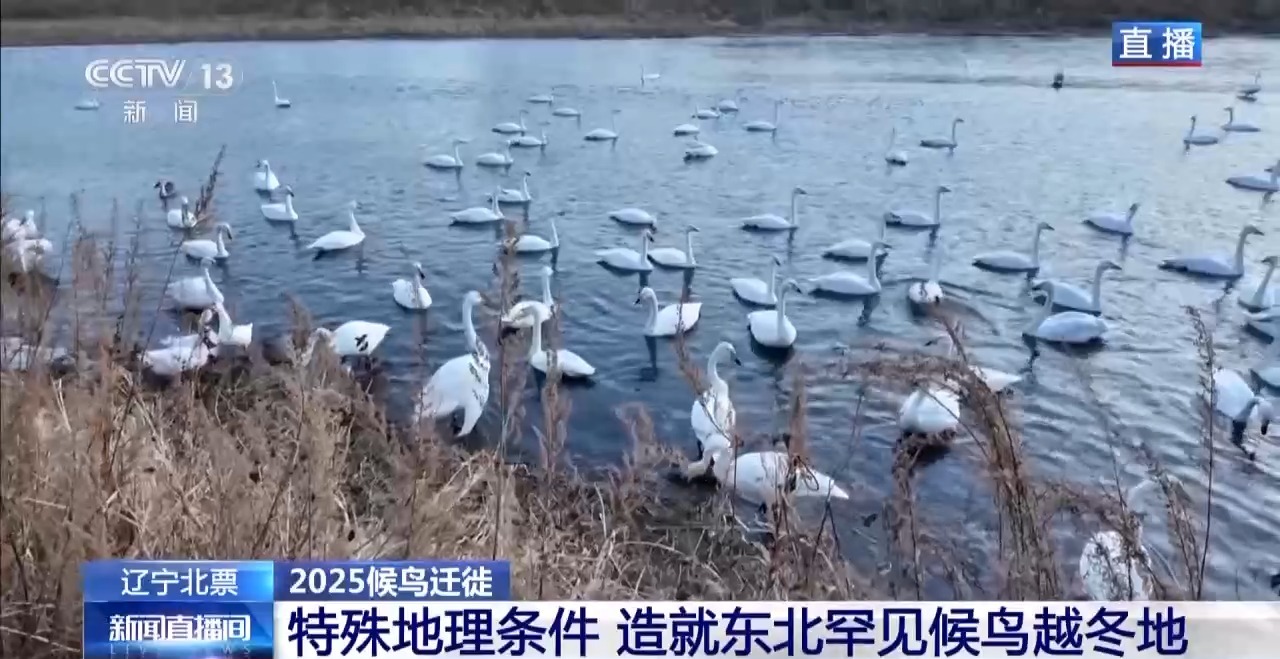
Core Viewpoint - The transformation of Hong Village in Liaoning's Beipiao City into a winter haven for swans highlights the successful integration of ecological conservation and local economic development, attracting nearly 500 swans for wintering due to favorable environmental conditions [2][20]. Group 1: Ecological Conditions - The average winter temperature in Beipiao is around 0°C, which is suitable for swans that prefer cooler climates [5]. - The Daling River near Hong Village has a unique topography that prevents freezing, allowing swans to find food and shelter [5][7]. - The presence of underground hot springs contributes to maintaining a higher water temperature, supporting the growth of aquatic plants that swans feed on [7]. Group 2: Community Involvement - A couple of volunteers, Li Haifeng and Wang Zhaohui, have dedicated ten years to protecting the swans, actively monitoring their well-being and reporting any injured birds [9][10]. - The couple's efforts have fostered a deeper understanding and respect for nature among local residents [12]. Group 3: Economic Impact - The influx of swans has led to increased tourism, prompting villagers to convert homes into guesthouses and agritourism businesses, significantly boosting local income [24]. - The collective income of Hong Village has risen from less than 100,000 yuan to nearly 1 million yuan, with a portion reinvested into ecological improvements [24]. - The village has also innovatively introduced medical insurance for swans to ensure timely care for injured birds [26].
法护长渠清如许
He Nan Ri Bao· 2025-12-11 23:33
Core Viewpoint - The South-to-North Water Diversion Project is crucial for ensuring water security and quality, with a focus on collaborative legal and ecological protection efforts across regions [1][3][19]. Group 1: Project Overview - The South-to-North Water Diversion Project's central channel officially began operations on December 12, 2014, delivering water from the Danjiang River to Beijing and Tianjin [1]. - The project spans 731 kilometers through eight provincial cities in Henan, emphasizing the importance of maintaining water safety and quality [1]. Group 2: Legal and Ecological Protection - The Henan legal authorities are actively exploring cross-regional collaboration to combat water resource destruction and environmental pollution, establishing a legal framework for ecological protection [1][3]. - The "Yihong Bihui" ecological big data platform in Xichuan County integrates data from multiple departments for real-time water quality monitoring and risk alerts [3][6]. Group 3: Collaborative Efforts - Xichuan County collaborates with surrounding areas to address issues like illegal fishing and pollution, successfully dismantling illegal fish farming operations and promoting ecological restoration [5][6]. - The establishment of a "Judicial + Ecological Restoration" model enhances cooperation between judicial and environmental authorities, leading to effective ecological damage compensation agreements [6][17]. Group 4: Law Enforcement and Community Engagement - Local police units are engaged in continuous patrols along the South-to-North Water Diversion Project, ensuring the security of the water source through both ground and aerial surveillance [8][9]. - Community outreach initiatives educate residents on water protection, fostering a collective responsibility for safeguarding the water source [11][19]. Group 5: Judicial Efficiency - The focus on centralized jurisdiction for environmental cases in regions along the diversion project has improved the efficiency and effectiveness of legal proceedings [12][15]. - The establishment of a specialized environmental court in Jiaozuo enhances the handling of complex environmental cases through a comprehensive approach [16][17].