
绿色消费

Search documents
盛秋平:汽车以旧换新新能源占近六成
Zhong Guo Jing Ji Wang· 2026-01-06 11:16
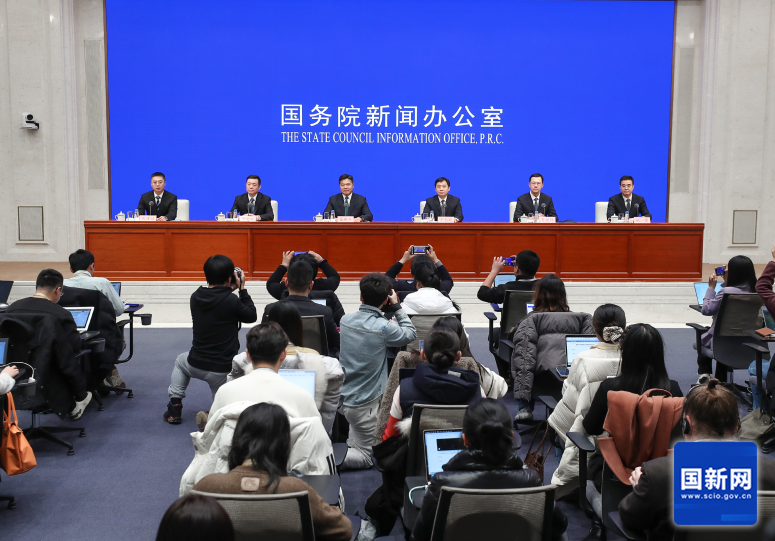
新闻发布会现场(刘健 摄) 商务部副部长盛秋平(徐想 摄) 盛秋平表示,开展绿色消费是践行绿色低碳发展理念、深入实施提振消费专项行动、加快经济社会 全面绿色转型的重要抓手,是顺应消费升级趋势、培育消费新增长点的有力举措,既能推动生产生活方 式绿色变革、促进产业结构优化升级,也能助力减少碳排放,实现低碳目标,为"十五五"时期经济社会 高质量发展作出重要贡献。 中国经济网北京1月6日讯(记者 郭涛) 今日,国新办举行新闻发布会,介绍推进绿色消费有关情 况。商务部副部长盛秋平指出,新能源汽车等绿色商品消费增长带动绿色消费市场规模稳步扩大,绿色 产品供给更加丰富,绿色消费的模式不断创新,绿色消费的环境持续优化。但也面临着绿色产品的标准 不一、激励机制不完善、绿色消费的意识不强等问题。 为深入推进绿色消费发展,商务部会同国家发改委、生态环境部、农业农村部、市场监管总局等九 部门于近日联合出台了《关于实施绿色消费推进行动的通知》,围绕绿色消费全链条明确了七方面20项 举措,对"十五五"时期绿色消费工作作出系统安排。 《通知》提到,促进汽车绿色消费。支持消费者购买新能源汽车。做强汽车产业链,挖掘二手车、 汽车租赁、汽车改装 ...

惠及4.94亿人次!以旧换新政策带动3.92万亿元消费
Xin Lang Cai Jing· 2026-01-06 11:12
来源:中国青年报客户端 《通知》明确,要丰富绿色产品供给、提升绿色服务消费、创新绿色消费模式、推动绿色循环回收、优 化绿色消费环境、夯实绿色消费基础、加大政策支持力度。 盛秋平表示,下一步,商务部将会同有关部门加强统筹协调,细化落实举措,推动各项政策措施落地见 效,促进生产方式和生活方式绿色化,把绿色低碳理念贯穿到各个环节,为经济社会高质量发展注入绿 色动能。 中国青年报客户端北京1月6日电(中青报·中青网记者 赵丽梅)今天,在国新办举行的新闻发布会上, 商务部副部长盛秋平介绍,商务部把落实大规模消费品以旧换新政策作为推动绿色消费的重要机遇, 2024-2025年,实现汽车以旧换新1830万辆,其中新能源汽车占比近60%。实现家电以旧换新1.92亿台, 其中一级能效占比达到了90%以上,以旧换新政策带动消费品销售额3.92万亿元,惠及消费者4.94亿人 次。 盛秋平谈到,新能源汽车、绿色智能家电等绿色商品消费增长带动绿色消费市场规模稳步扩大,绿色产 品供给更加丰富,绿色消费的模式不断创新,绿色消费的环境持续优化。但也面临着绿色产品的标准不 一,激励机制不完善,绿色消费的意识不强等问题。 日前,为深入推进绿色消 ...
“十五五”时期 我国将推动200个左右城市开展“无废城市”建设
Xin Lang Cai Jing· 2026-01-06 11:12
生态环境部还着力推动完善资源回收体系,促进废弃消费品规范回收利用。王志斌介绍,全国地级及以 上城市居民小区基本设立可回收物投放收集的设施,2024年全国新增智能化社区回收设施1.1万余个。 生态环境部会同财政部大力支持规范拆解处理废旧家电,2025年中央财政累计投入50亿元,处理了约1 亿台废旧电器,累计产出超300万吨再生资源,有效促进了资源循环利用和行业绿色低碳发展。 此外,科技创新也极大便利了废弃物资源化利用。他举例说,利用微生物技术,电池废渣可以"变身"为 可以吸附重金属的环保材料,类似这样的"以废治废、点石成金"的研究成果,为废弃物资源化提供了新 的可能。 来源:中国青年报客户端 中国青年报客户端北京1月6日电(中青报·中青网记者 赵丽梅)"废旧物资是消费链的末端,只有打通废 弃物处置堵点,才能畅通绿色消费循环。"今天,在国新办举行的新闻发布会上,生态环境部科技与财 务司司长王志斌介绍,今后,生态环境部将进一步高标准推进"无废城市"建设,畅通废弃物回收再利用 循环,助力绿色消费发展。"十五五"时期,生态环境部将推动200个左右城市开展"无废城市"建设,让 群众能够切身感受建设成果,厚植中国式现代化的 ...
护航“十五五”绿色转型措施
Qi Lu Wan Bao· 2026-01-06 11:12
Group 1 - The article emphasizes the importance of expanding the supply of green agricultural products, encouraging enterprises to procure organic and high-quality agricultural products, and supporting the establishment of dedicated sales areas for green products [2] - It promotes the purchase of certified green smart home appliances and eco-friendly building materials, focusing on green, intelligent, and elderly-friendly directions [3] - The article supports the purchase of new energy vehicles and aims to strengthen the automotive industry chain while exploring the potential of the second-hand car market and new consumption models like RV camping and car cinemas [4] Group 2 - It highlights the development of green dining by urging restaurants and delivery platforms to implement regulations, reduce waste, and promote eco-friendly packaging [5] - The article discusses the cultivation of green hotels that use non-toxic, water-saving products and encourage the use of refillable toiletries [6] - It promotes the use of environmentally friendly cleaning products in home services and encourages innovative online booking and shared service models [7] Group 3 - The article advocates for the creation of a green supply chain that promotes sustainable practices throughout the supply chain, including shared delivery and recyclable packaging [8] - It encourages the establishment of a green consumption points system that links product certification with consumer rewards for purchasing green products [9] - The article promotes innovative sharing models for transportation, space, and goods, integrating artificial intelligence with green consumption [10] Group 4 - It emphasizes the reduction of single-use plastic products by encouraging retailers to provide reusable alternatives and promoting recyclable packaging in e-commerce [12] - The article discusses the establishment of a three-tier recycling system to facilitate the collection and reuse of waste materials [13] - It supports new business models for second-hand goods, including online platforms and community flea markets [14] Group 5 - The article encourages the use of energy-efficient facilities and prioritizes the use of green electricity in buildings [15] - It advocates for a green consumption mindset, promoting sustainable practices such as bringing personal containers and choosing low-carbon products [16]
四部门详解,推进绿色消费举措
Zhong Guo Zheng Quan Bao· 2026-01-06 11:03
1月6日,国新办举行新闻发布会,商务部、生态环境部、农业农村部、市场监管总局相关负责人在会上 介绍推进绿色消费有关情况。 要点速览 以旧换新政策带动消费品销售额3.92万亿元,惠及消费者4.94亿人次 推动消费商业设施、节能降碳环保等设备更新纳入大规模设备更新政策支持范围 鼓励地方政府对分拣中心建设改造予以政策保障 完善能效水效标识制度 "十五五"时期将推动200个左右城市开展"无废城市"建设 增加绿色优质农产品供给,实施农业品牌提升行动 商务部:进一步发挥消费品以旧换新政策 对丰富绿色产品供给的拉动作用 商务部副部长盛秋平介绍,2024年-2025年实现汽车以旧换新1830万辆,其中新能源汽车占比近60%。 实现家电以旧换新1.92亿台,其中一级能效(水效)占比达到90%以上,以旧换新政策带动消费品销售额 3.92万亿元,惠及消费者4.94亿人次。 谈及落实绿色消费推进行动,盛秋平表示,商务部将会同国家发展改革委等部门,进一步发挥消费品以 旧换新政策对丰富绿色产品供给的拉动作用,对个人消费者购买1级能效或水效标准的6类家电产品,以 及单价不超过6000元的4类数码和智能产品,符合条件的新能源乘用车、燃油乘用 ...
商务部将构建绿色消费积分体系,鼓励消费者购买绿色产品获取积分兑换优惠
Xin Lang Cai Jing· 2026-01-06 10:13
"例如,有的采用绿证绿电,降低用能成本;有的设立绿色消费账户,以多倍积分激励绿色消费行为; 还有的采用 '互联网+回收'模式,给予兑换优惠券,助力公益项目,这些都是很好的做法,我们将及时 总结推广。"盛秋平说。 记者 辛圆 盛秋平在会上表示,商务部将发挥市场主导作用,构建绿色消费积分体系。将支持行业协会探索建立线 上线下通兑通用的绿色消费积分体系,引导零售企业、电商平台等规范开展积分采集,鼓励消费者通过 购买绿色产品、使用低碳服务获取积分,用于兑换商品折扣或服务优惠。 国务院新闻办周二召开新闻发布会。商务部副部长盛秋平介绍了商务部在推动构建绿色消费激励机制方 面的举措。 上述《意见》指出,优化政府采购政策,拓展绿色产品采购范围和规模。支持有条件的地区通过发放消 费券、绿色积分等途径,鼓励企业采取以旧换新等方式,引导消费者购买绿色产品,鼓励用户扩大绿色 能源消费。 除了提出构建绿色消费积分体系,在当天的发布会上,盛秋平提到,要激发消费者主体作用,培育全民 绿色消费理念。将推动把绿色消费纳入全国生态环保、节能宣传周宣传重点,支持社区开展绿色公益活 动,呼吁广大消费者绿色出行,自带水杯、布袋、洗漱用品,点外卖时遵循 ...
直通部委|去年药品抽检合格率保持在99%以上 我国成为全球第一航空人口大国
Xin Lang Cai Jing· 2026-01-06 10:13
Group 1: Drug Safety and Regulation - In 2025, China's drug inspection pass rate remained above 99%, with a total of 19,700 batches inspected [1] - The National Medical Products Administration (NMPA) handled 105,800 cases related to drugs, cosmetics, and medical devices, with a total value of 1.723 billion yuan [1] - The drug inspection pass rate improved from 97.75% during the 13th Five-Year Plan to 99.4% during the 14th Five-Year Plan, with no major drug safety incidents reported [1] Group 2: Aviation Industry Growth - In 2025, China's civil aviation completed a total transportation turnover of 1,640.8 billion ton-kilometers and transported 770 million passengers, marking year-on-year growth of 10.5% and 5.5% respectively [2] - The international flight operations recovered to over 90% of 2019 levels, with international passenger transport increasing by 21.6% [2] - China's aviation population exceeded 500 million, making it the world's largest aviation population country [2] Group 3: Financial Regulation and Fraud Prevention - Since the beginning of 2024, the China Securities Regulatory Commission (CSRC) has investigated 159 financial fraud cases, imposing administrative penalties in 111 cases with fines totaling 8.1 billion yuan [4] - The CSRC has emphasized accountability for major shareholders and actual controllers in 43 cases, and has referred 112 cases to public security for suspected financial fraud [4] Group 4: Climate Change Monitoring - In 2025, the global average surface temperature increased by 1.40°C compared to pre-industrial levels, making the past three years the warmest on record [6] - The Arctic region's average temperature was 1.17°C above the norm, ranking third historically, while the Third Pole region also recorded significant temperature increases [6] Group 5: Oil Price Regulation - As of January 6, 2026, domestic fuel prices were not adjusted due to international oil price fluctuations, with the adjustment amount being less than 50 yuan per ton [7] - The National Development and Reform Commission (NDRC) indicated that geopolitical uncertainties are the main factors affecting short-term international oil price volatility [7] Group 6: Healthcare Payment System - The Supreme People's Court issued a ruling on the conditions for advance payment from the basic medical insurance fund, effective from February 1, 2026 [8] - The ruling allows for advance payments for medical expenses caused by third-party infringement when the third party fails to pay [8] Group 7: Food Safety Monitoring - During the New Year period, the State Administration for Market Regulation conducted 21,425 food safety inspections, addressing 1,876 safety hazards and removing 556 batches of non-compliant food [9] - The inspections focused on popular food items and aimed to ensure consumer safety in key market areas [9] Group 8: Emergency Management Achievements - During the 14th Five-Year Plan, China achieved significant safety management milestones, with the number of fatalities from production safety accidents dropping below 20,000 for the first time [10] - The plan also aimed for a significant reduction in disaster-related casualties and economic losses by 2030 [10] Group 9: Green Consumption Initiatives - The "trade-in" policy led to sales of 3.92 trillion yuan in consumer goods, benefiting 494 million consumers [11] - The policy resulted in the trade-in of 18.3 million vehicles, with nearly 60% being new energy vehicles [11] Group 10: Export Control Regulations - The Ministry of Commerce announced strengthened export controls on dual-use items to Japan, prohibiting exports to military users and those enhancing Japan's military capabilities [12] - Violations of these regulations will result in legal accountability [12]

瑞达期货热轧卷板产业链日报-20260106
Rui Da Qi Huo· 2026-01-06 09:51
1. Report Industry Investment Rating - Not provided in the report 2. Core View of the Report - The steel market fundamentals are mixed, with coal and coke futures prices rebounding from their lows, ore prices remaining strong, and the downward trend of the black sector slowing down, providing support for hot-rolled coils. It is recommended to conduct short - term trading and pay attention to risk control [2] 3. Summary by Relevant Catalogs 3.1 Futures Market - The closing price of the HC main contract is 3,263 yuan/ton, up 15 yuan; the trading volume is 1,274,085 lots, down 20,441 lots. The net position of the top 20 in the HC contract is 22,252 lots, down 6,347 lots. The HC5 - 10 contract spread is - 19 yuan/ton, up 4 yuan; the HC2605 - RB2605 contract spread is 152 yuan/ton, up 8 yuan. The HC warehouse receipt on the Shanghai Futures Exchange is 132,188 tons, unchanged [2] 3.2 Spot Market - The price of 4.75 hot - rolled coils in Hangzhou is 3,300 yuan/ton, up 10 yuan; in Guangzhou it is 3,250 yuan/ton, unchanged; in Wuhan it is 3,320 yuan/ton, unchanged; in Tianjin it is 3,160 yuan/ton, down 10 yuan. The basis of the HC main contract is 37 yuan/ton, down 5 yuan; the spread between hot - rolled coils and rebar in Hangzhou is - 10 yuan/ton, up 20 yuan [2] 3.3 Upstream Situation - The price of 61.5% PB powder ore at Qingdao Port is 802 yuan/wet ton, down 7 yuan. The price of quasi - first - grade metallurgical coke in Hebei is 1,540 yuan/ton, unchanged. The price of 6 - 8mm scrap steel in Tangshan (ex - tax) is 2,160 yuan/ton, unchanged. The price of Q235 billet in Hebei is 2,930 yuan/ton, unchanged. The inventory of iron ore at 45 ports is 158.6194 million tons, up 3.538 million tons. The inventory of coke at sample coking plants is 486,000 tons, down 13,700 tons. The inventory of coke at sample steel mills is 6.4383 million tons, up 14,300 tons. The inventory of billets in Hebei is 1.2661 million tons, up 86,000 tons [2] 3.4 Industry Situation - The blast furnace operating rate of 247 steel mills is 78.96%, up 0.66 percentage points; the blast furnace capacity utilization rate is 85.28%, up 0.32 percentage points. The weekly output of hot - rolled coils at sample steel mills is 2.9354 million tons, up 16,300 tons; the capacity utilization rate of hot - rolled coils at sample steel mills is 74.98%, up 0.41 percentage points. The inventory of hot - rolled coils at sample steel mills is 805,200 tons, down 29,000 tons; the social inventory of hot - rolled coils in 33 cities is 2.967 million tons, down 106,000 tons. The monthly output of domestic crude steel is 69.87 million tons, down 2.13 million tons; the monthly net export volume of steel is 9.48 million tons, up 200,000 tons [2] 3.5 Downstream Situation - The monthly output of automobiles is 3.5316 million vehicles, up 172,900 vehicles; the monthly sales volume is 3.429 million vehicles, up 106,900 vehicles. The monthly output of air conditioners is 15.026 million units, up 822,000 units; the monthly output of household refrigerators is 9.442 million units, up 654,000 units; the monthly output of household washing machines is 12.013 million units, up 978,000 units [2] 3.6 Industry News - Hebei Province has drafted the Interim Measures for Reward for Reporting Illegally New - added Steel Production Capacity (Draft for Comment) and is soliciting public opinions. The Passenger Car Association preliminarily estimates that the wholesale volume of new - energy passenger vehicles of national manufacturers in December 2025 is 1.57 million, a year - on - year increase of 4% and a month - on - month decrease of 8%. The cumulative wholesale volume of new - energy passenger vehicles in 2025 is expected to be 15.33 million, a year - on - year increase of 25% [2]
农业农村部:通过“五个一批”满足城乡居民节日消费需求
Xin Hua Wang· 2026-01-06 09:45
1月6日,国务院新闻办公室举行新闻发布会,介绍推进绿色消费有关情况,并答记者问。农业农村 部市场与信息化司司长雷刘功介绍,近期,农业农村部以"品特产、寻年味"为主题,在全国部署开展了 元旦、春节"两节"促消费工作,提出了"五个一批",以此来满足城乡居民这种绿色化、高品质以及丰富 多样的节日消费需求。 【纠错】 【责任编辑:王雪】 新华社音视频部制作 ...
市场监管总局:我国已成为全球第三大有机消费市场
Zhong Guo Xin Wen Wang· 2026-01-06 09:45
Group 1 - The core viewpoint of the news is that China has become the world's third-largest organic consumption market, driven by government initiatives to promote green consumption and improve the quality of green products [1][2]. Group 2 - The government is working on improving the institutional framework for green product certification, including the establishment of a unified certification mechanism and management guidelines [1]. - There has been a significant increase in the supply of green and organic products, with nearly 40,000 certification certificates issued for 122 types of green products and over 32,000 for 47 types of organic products [2]. - A multi-level certification result acceptance mechanism has been established, promoting the application of certification results in various sectors, including affordable housing and key projects [3].