反洗钱

Search documents
民生银行济宁兖州支行走进代发企业开展共筑反洗钱坚固防线宣传活动
Qi Lu Wan Bao· 2025-07-30 13:10
Core Points - The core message of the articles emphasizes the importance of anti-money laundering (AML) initiatives by Minsheng Bank's Jining Yanzhou branch, showcasing their commitment to social responsibility and enhancing employee awareness of AML practices [1][2] Group 1: Event Overview - On July 18, 2025, Minsheng Bank's Jining Yanzhou branch conducted an anti-money laundering awareness event at a local enterprise, aiming to strengthen the AML defense line [1] - The event featured a well-organized setup with eye-catching promotional displays and a variety of educational materials, including easy-to-understand brochures and engaging pamphlets [1] - A specialized lecture was delivered by bank employees, highlighting the urgency and significance of AML efforts, along with practical case studies [1] Group 2: Employee Engagement - The event included an interactive Q&A session, allowing employees to ask questions related to AML issues they encounter in their work [1] - Bank staff provided thorough answers to the inquiries, enhancing the understanding and knowledge of AML among the participating employees [1] Group 3: Future Initiatives - Minsheng Bank's Jining Yanzhou branch plans to continue increasing its AML promotional efforts and innovate its outreach methods to improve effectiveness [2] - The bank aims to contribute to a safer and more stable financial environment through these ongoing initiatives [2]

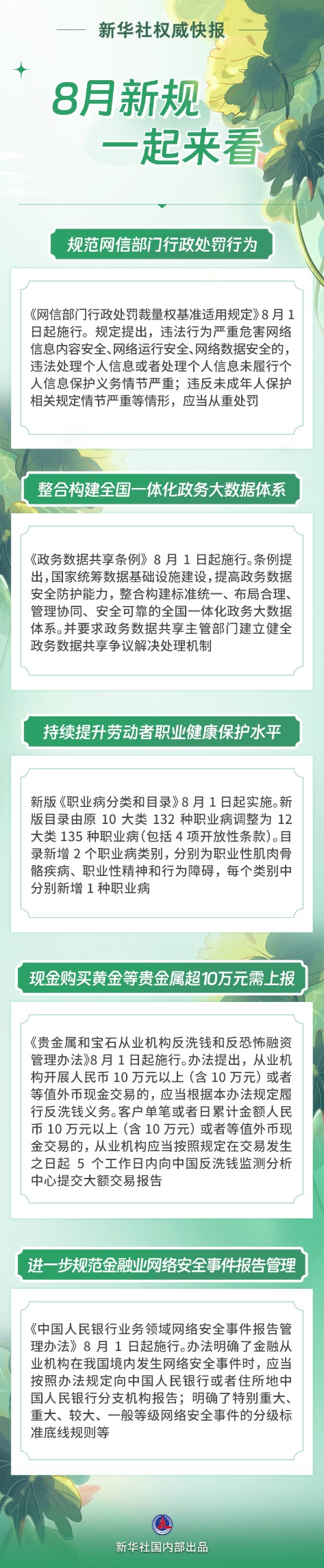
新华社权威快报丨8月新规,一起来看
Xin Hua She· 2025-07-29 12:33
Group 1 - The new regulations effective from August include the implementation of a revised "Occupational Disease Classification and Catalog," which expands the categories from 10 to 12 and increases the total number of occupational diseases from 132 to 135, adding new categories for musculoskeletal diseases and mental disorders [3] - A new anti-money laundering regulation mandates that transactions involving cash purchases of gold and other precious metals exceeding 100,000 RMB must be reported, requiring institutions to submit large transaction reports within five working days [3] - The "Cybersecurity Incident Reporting Management Measures" will standardize the reporting of cybersecurity incidents in the financial sector, requiring institutions to report significant incidents to the People's Bank of China [3]

民生银行潍坊寿光支行开展反洗钱宣传活动
Qi Lu Wan Bao· 2025-07-28 07:52
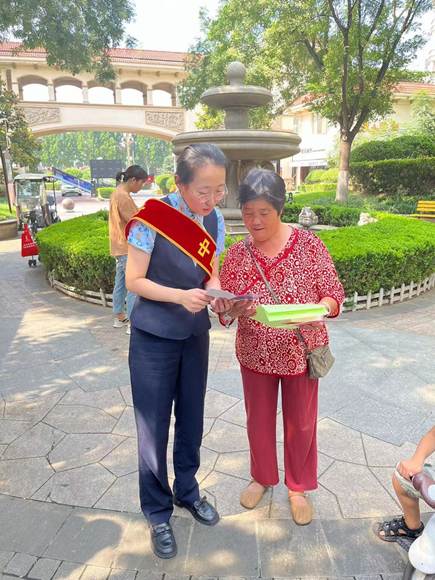
Core Viewpoint - The article highlights a community outreach initiative by Minsheng Bank's Weifang Shouguang branch aimed at enhancing public awareness and understanding of anti-money laundering (AML) practices, thereby fostering a collective effort to combat money laundering crimes [1][3]. Group 1: Event Overview - On July 16, Minsheng Bank's Weifang Shouguang branch organized an anti-money laundering promotional event in the Central Huafu community, focusing on increasing public recognition and effectively combating money laundering [1]. - The event included setting up consultation booths in high-traffic areas, distributing educational materials such as the "Anti-Money Laundering Knowledge Handbook" and "Guidelines for Preventing Money Laundering Crimes," and providing on-site answers to residents' questions [1]. Group 2: Community Engagement - The promotional activity received positive feedback from community residents, many of whom reported a deeper understanding of money laundering and basic prevention techniques, enhancing their self-protection awareness [3]. - Residents expressed surprise at the proximity of money laundering risks, with one stating they would be more vigilant about account security and avoid lending their bank cards [3]. Group 3: Future Initiatives - To broaden the outreach, Minsheng Bank's Weifang Shouguang branch plans to utilize online channels, including WeChat, social media, and short video platforms, to disseminate anti-money laundering knowledge and engage more community members [3]. - The bank aims to institutionalize and normalize anti-money laundering promotions, tailoring activities to different demographic needs to further enhance public financial security awareness and risk prevention capabilities [3].
线上研讨会邀请|亚太地区金融欺诈的格局转变:您需要了解什么
Refinitiv路孚特· 2025-07-28 06:52
Group 1: Event Background - Financial fraud is rapidly escalating, with new threat patterns emerging in global and Asia-Pacific markets. Financial institutions and companies must rethink how to identify, respond to, and prevent fraud [1] - The online seminar will explore major trends affecting the threat landscape, including complex fraud techniques related to financial crime and the defensive strategies being adopted by industry peers [1] - Attendees will gain insights on identifying various financial frauds and related crimes through real case studies, which will provoke critical thinking [1] Group 2: Event Information - The online seminar is scheduled for August 7, 2025, at 4 PM Beijing time, and will be conducted in English [3] - The seminar will be hosted by Rose Marie Sixta, Southeast Asia Market Customer Success Manager, and Gokce Arslan Kumar, Senior Manager of Research Knowledge Management at LSEG Risk Intelligence [3] Group 3: Company Product Overview - LSEG World-Check has been providing accurate and structured information for over 20 years, assisting companies in fulfilling KYC and third-party due diligence screening obligations [6][10] - The database helps financial institutions and regulated non-bank sectors comply with mandatory regulations related to KYC, anti-money laundering, counter-terrorism financing, anti-bribery, and anti-corruption [8][10] - World-Check integrates global intelligence, human expertise, and cutting-edge technology to help organizations identify hidden financial system risks [8] Group 4: Data and Features - World-Check offers access to over 4 million highly structured records, including information from reputable public domain sources to assist in due diligence obligations and identify potential financial crime activities [15][19] - The database includes specific datasets for monitoring politically exposed persons (PEPs), sanctions lists, and negative media, among others [19]
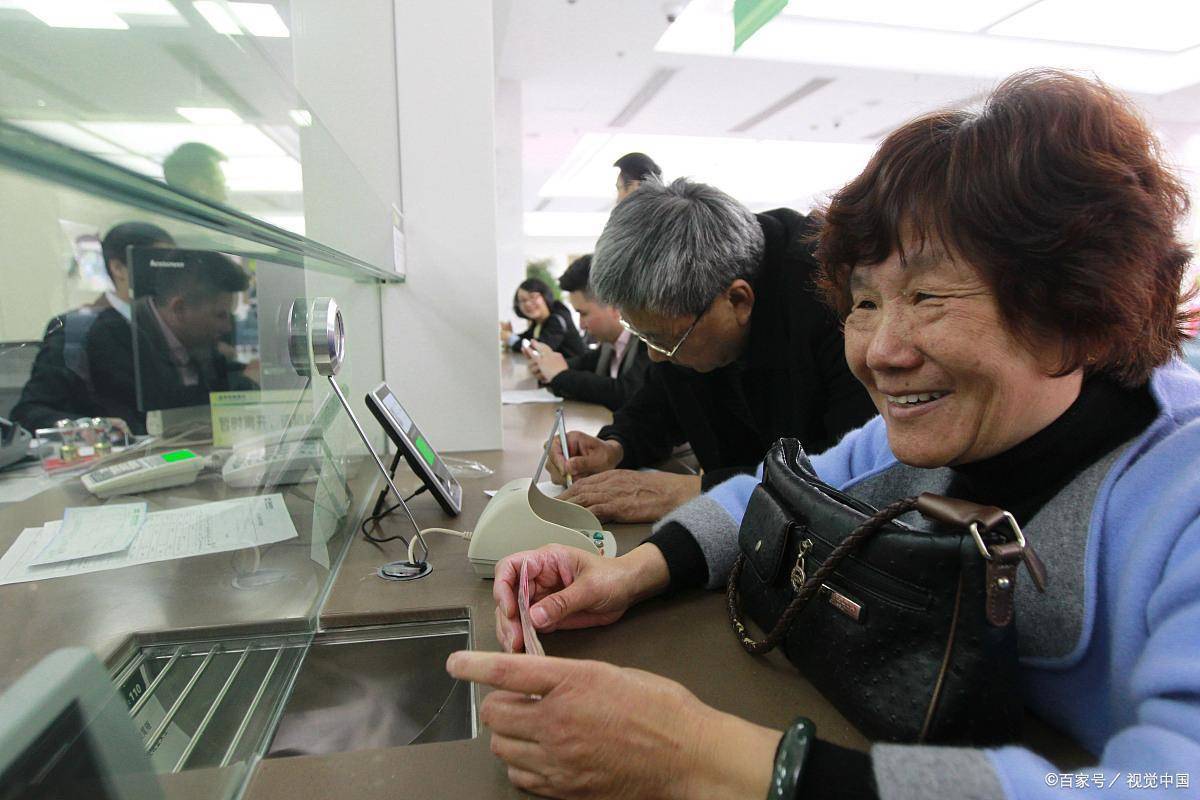
银行问你为什么取钱?记住这3句“万能话术”,让柜员闭嘴办业务
Sou Hu Cai Jing· 2025-07-27 00:22
Core Viewpoint - The article discusses the reasons behind banks questioning customers about the purpose of large cash withdrawals, emphasizing the importance of preventing money laundering and protecting customers from fraud [3]. Group 1: Reasons for Bank Inquiries - Banks inquire about cash withdrawal purposes to curb money laundering and maintain financial stability, as mandated by China's Anti-Money Laundering Law [3]. - The inquiries also aim to prevent telecom fraud, particularly protecting elderly customers who may be more vulnerable to scams [3]. Group 2: Customer Responses to Bank Inquiries - Customers can respond to bank inquiries by citing the Commercial Banking Law, asserting their rights to withdraw funds without disclosing specific purposes [5]. - In cases where bank staff persist in questioning, customers can reference the Anti-Money Laundering Law and request written legal justification for continued inquiries [6][8]. - If banks delay or obstruct withdrawals, customers can invoke regulations from the China Banking and Insurance Regulatory Commission, indicating their right to file complaints [8][10]. Group 3: Evidence and Documentation - Customers are advised to record conversations during withdrawal attempts to document any obstruction, stating their transaction is legal and that recordings may serve as evidence for complaints [10]. - It is also recommended to keep receipts and note the bank staff's identification details for further reference [10].
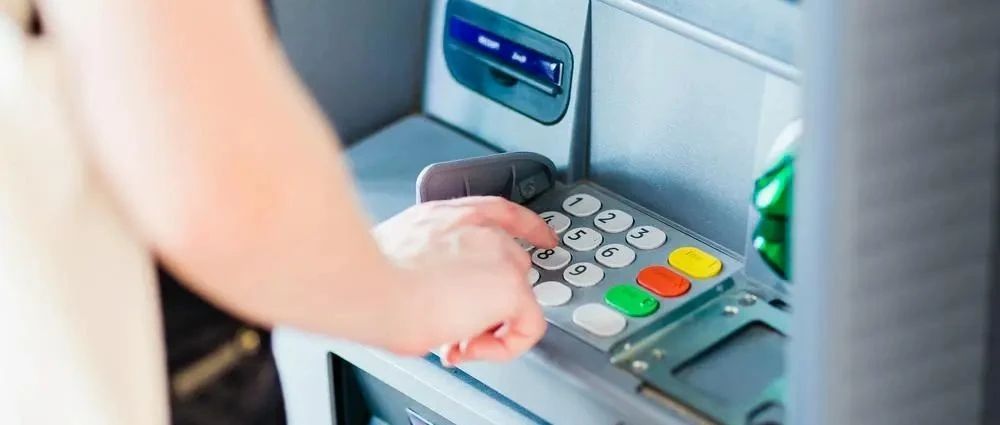
凌晨6小时内禁止他行卡取款!湖南多地调整ATM服务规则
财联社· 2025-07-25 06:01
Core Viewpoint - Recent announcements from multiple rural commercial banks in Hunan province indicate a restriction on ATM withdrawals using cards from other banks during the hours of midnight to 6 AM, reflecting heightened concerns over anti-money laundering and anti-fraud measures [1][2][5]. Group 1: Announcement Details - Hunan Yuanjiang Rural Commercial Bank announced that starting July 25, ATM services will not support withdrawals using other bank cards from 0:00 to 6:00 AM, with the service available from 6:01 AM to 11:59 PM [1][5]. - Similar announcements have been made by other rural commercial banks in Hunan, such as Xiangtan Rural Commercial Bank, which implemented the same restrictions starting July 23 [6]. Group 2: Industry Context - The adjustments in ATM withdrawal policies are attributed to increasing pressures from regulatory bodies regarding anti-fraud and anti-money laundering efforts, as well as incidents of fraud involving late-night withdrawals [2][7]. - Reports indicate that rural banks' ATMs have become targets for fraudsters, particularly in rural areas, where they exploit the system to withdraw funds during off-peak hours [7].
香港金管局总裁余伟文谈稳定币监管:避免过度炒作、严防金融风险,牌照制度摘要将于下周公布
Mei Ri Jing Ji Xin Wen· 2025-07-24 11:53
每经记者|黄婉银 特约记者丨李旭馗 每经编辑|张海妮 7月23日,香港金融管理局总裁余伟文发文再谈稳定币监管,强调需为当前稳定币市场的过度炒作降 温,并阐述了监管机构在稳妥、可持续原则下推动《稳定币条例》落地的下一步举措。他透露,香港金 融管理局将于下周公布"稳定币发行人发牌制度"的摘要说明,详细说明牌照申请的具体安排。 文章发布于香港金融管理局官网的专栏《汇思》中,该栏目由高层人员撰写,阐述香港金融管理局一些 重要的新政策及工作或公众关心的其他事宜。《每日经济新闻》记者梳理发现,这是自2022年年初以 来,余伟文第四次在《汇思》栏目中探讨稳定币相关话题。 余伟文指出,稳定币作为新兴支付工具进入传统金融体系有其积极意义,但必须警惕市场和舆论的过度 炒作。他列举了两个值得关注的现象: 一是过度概念化。余伟文表示,围绕稳定币的讨论容易集中于其对传统金融特别是支付体系的颠覆作 用,但是一旦要由虚入实,从概念和理论层面转到应用场景和具体安排,就出现明显落差。 据悉,目前已有数十家机构接触香港金融管理局,有的明确表示有意申请稳定币牌照,有的属于初步探 路性质。但大多仅停留在提升跨境支付效率、支持Web3.0发展、提升外 ...
金融监管精细化程度显著提升
Jin Rong Shi Bao· 2025-07-24 01:02
Regulatory Overview - In the first half of 2025, financial regulation in China has intensified, with a total of 1010 fines issued to banking institutions, amounting to approximately 744 million yuan [1][2] - The number of fines and total penalties have increased compared to the same period last year, with January alone accounting for nearly 30% of the total fines [2] Penalty Distribution - Among the fines, rural commercial banks received the highest number, totaling 322 fines and nearly 220 million yuan in penalties, followed by state-owned banks with 259 fines and approximately 174 million yuan [2] - Seven fines exceeded 10 million yuan, with the majority of significant penalties issued by the People's Bank of China, primarily related to account management violations [3] Individual Accountability - A total of 1672 individuals in the banking sector were penalized, with 46 receiving lifetime bans from the banking industry [4][5] - The penalties for individuals included fines, warnings, and prohibitions from engaging in banking activities, with 1046 individuals warned and 827 fined [5] Focus Areas of Violations - Credit management remains a critical area of concern, with nearly half of the fines related to loan management issues, including inadequate loan checks and mismanagement of loan funds [7][8] - Violations in anti-money laundering practices and account management were also significant, with around 140 fines issued for breaches in account management regulations [8][9] Regulatory Evolution - The regulatory approach is shifting from strict enforcement to a more precise and targeted strategy, emphasizing compliance management and risk control within financial institutions [10]

香港金管局:向公众宣传推广任何无牌稳定币,均属违法
证券时报· 2025-07-23 08:17
7月23日,香港金管局总裁余伟文再次发文给稳定币降温。 余伟文表示,已经有数十家机构主动接触金管局团队表达对稳定币牌照的兴趣,但初期只会发放数个稳定币牌 照。余伟文还强调,争取在7月底正式发布《稳定币条例》下的监管和反洗钱两份指引,而金管局将于下周公 布"稳定币发行人发牌制度"的摘要说明,文件会阐述金管局接受和处理牌照申请的安排。 在文中,余伟文表示,稳定币作为新兴的支付工具,并通过监管而逐渐进入传统金融体系,有积极的意义,公 众对它的功能和发展前景感兴趣并有所期待非常正常。但他认为,近期市场和舆论的过度炒作值得关注。 一是过度概念化。余伟文认为,当前围绕稳定币的讨论容易集中于其对传统金融特别是支付体系的颠覆作用, 但是一旦要由虚入实,从概念和理论层面转到应用场景和具体安排,就出现明显落差。他以香港的经验为例, 至今已经有数十家机构主动接触金管局团队,有的明确表示有意申请稳定币牌照,有的属于初步探路性质。总 结这些接触发现,很多只停留在概念阶段,如提出要提升跨境支付效率、支持Web3.0发展、提升外汇市场效 率等愿景,但缺乏实际的应用场景,无法提出切实可行的具体方案和落实计划,更遑论具备管控风险的意识和 能力 ...

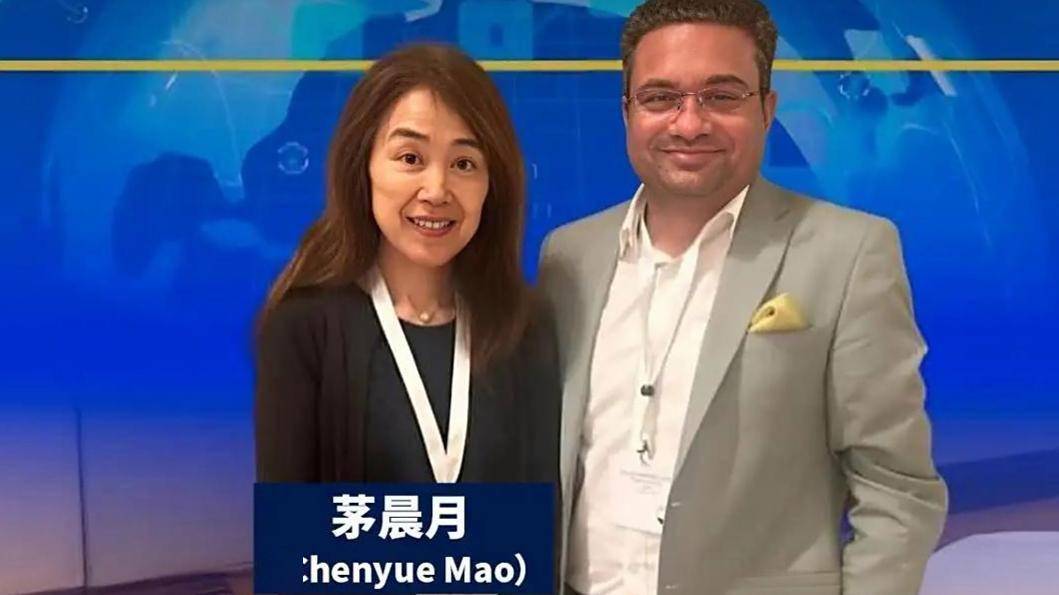
心中有鬼?茅晨月被限制出境后,华尔街集体取消中国行程!
Sou Hu Cai Jing· 2025-07-22 18:22
Core Points - The incident involving the freezing of travel plans for Wall Street executives to China highlights a significant compliance and regulatory risk in cross-border finance [1][3][5] - The arrest of a top executive from Wells Fargo, who is also the chair of the global factoring organization FCI, signals a serious escalation in geopolitical tensions affecting financial operations [3][8] - The situation reflects a broader trend of increased scrutiny and regulatory challenges faced by foreign banks operating in China, particularly in light of past compliance failures [6][8] Group 1: Company Actions - Wells Fargo has frozen all travel to China for its employees following the incident, indicating a reactive approach to compliance and safety concerns [3] - Other major banks, including JPMorgan and Goldman Sachs, have also taken precautionary measures, such as canceling trips and increasing oversight on financial operations in China [3][5] - The incident has led to a collective retreat from Wall Street, emphasizing the urgency of compliance in the current geopolitical climate [3][6] Group 2: Regulatory Environment - The Chinese government has made it clear that all individuals, regardless of nationality, must adhere to Chinese laws, which has raised alarms among foreign financial institutions [3][5] - The case involving the Wells Fargo executive is tied to broader concerns about compliance with Chinese regulations, particularly regarding anti-money laundering laws [6][8] - The historical compliance issues faced by Wells Fargo, including significant fines for past misconduct, have intensified scrutiny on its operations and raised questions about the integrity of its financial practices [6][8] Group 3: Industry Implications - The incident underscores the fragility of trust in cross-border financial transactions, particularly in light of the increasing regulatory pressures from both the U.S. and Chinese governments [6][8] - The potential for financial innovation to be perceived as a means of circumventing regulations has created a challenging environment for foreign banks operating in China [6][8] - The situation has led to significant disruptions in cash flow for businesses relying on cross-border financing, highlighting the interconnectedness of global finance and the risks involved [6][8]