
双碳目标

Search documents
工信部电子信息司:治理光伏行业内卷是今年工作的重中之重
Xin Lang Cai Jing· 2026-02-05 05:08
炒股就看金麒麟分析师研报,权威,专业,及时,全面,助您挖掘潜力主题机会! 2月5日消息,在今天举行的"光伏行业2025年发展回顾与2026年形势展望研讨会" 上,工业和信息化部 电子信息司副司长王世江表示,光伏行业当前也正处于新一轮的深度调整期,行业供需错配的深层次矛 盾尚未根本解决,企业经营仍面临较大挑战,但也更要看到光伏产业作为实现双碳目标的中坚力量,作 为我国少有的从端到端实现全球领先优势的战略性产业,也正处于从量的扩张向质的跃升转变的关键窗 口期。 王世江指出,2026年是光伏行业治理的攻坚之年,电子信息司将坚决落实好座谈会会议精神,治理行业 内卷,这是今年工作的重中之重。通过加强部门的协同统筹施策,综合运用产能调控、标准引领、质量 监督、价格执法,防范垄断风险,加强知识产权保护,促进技术进步,积极拓展应用市场等手段,加快 实现供需动态平衡。(刘丽丽) 责任编辑:杨赐 2月5日消息,在今天举行的"光伏行业2025年发展回顾与2026年形势展望研讨会" 上,工业和信息化部 电子信息司副司长王世江表示,光伏行业当前也正处于新一轮的深度调整期,行业供需错配的深层次矛 盾尚未根本解决,企业经营仍面临较大挑战, ...
浙江:加快构建新型能源体系 建设更高水平生态省
Zhong Guo Huan Jing Bao· 2026-02-05 03:35
Core Viewpoint - The Zhejiang Provincial Party Committee and Government emphasize the importance of a "dual carbon" strategy to drive comprehensive green transformation and establish a new energy system, supporting high-quality development and common prosperity [1] Group 1: Goals and Objectives - By 2030, Zhejiang aims to establish a distinctive new energy system, a modern industrial system, and a modern logistics system, significantly enhancing its dual carbon governance capabilities [2] - The focus will be on "three optimizations and one enhancement," leading the green transformation through dual carbon initiatives [2] Group 2: Key Initiatives - Implementation of green low-carbon development and energy supply stability projects, promoting green power, a robust and secure power grid, and a technology-driven new energy storage system [2] - Development of a modern transportation system, leveraging world-class ports and a strong transportation province, with an emphasis on optimizing logistics networks and promoting the use of new energy vehicles [2][3] Group 3: Environmental and Economic Strategies - Accelerating the upgrade of traditional industries and promoting green low-carbon industries, while enhancing the capacity for carbon sinks through pollution prevention and forest management [3] - Advocating for green buildings and comprehensive energy-saving strategies to foster a culture of low-carbon living and drive the transformation towards a greener economy [3]
我国风电光伏装机首超18亿千瓦,相当于约82个三峡电站
Zhong Guo Neng Yuan Wang· 2026-02-05 02:21
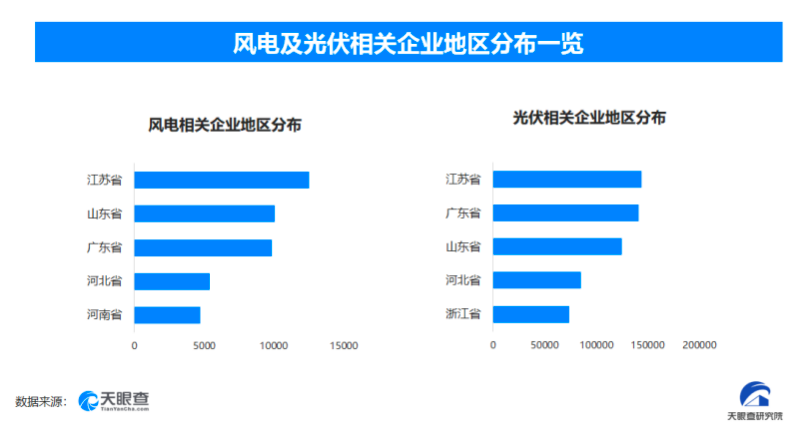
截至2025年底,我国太阳能发电装机容量达12亿千瓦,风电装机容量6.4亿千瓦,风电光伏累计装机首次超18亿千 瓦,相当于约82个三峡电站。在这一全球瞩目的绿色能源建设浪潮中,产业链上涌现出大量设备制造、工程建设和 运营服务企业。 对于项目投资方、业主或采购方而言,在选择供应商或合作伙伴时,核实其工商信息以确认资质,并利用天眼风险 功能筛查其是否存在重大合同纠纷、安全环保行政处罚或法律诉讼记录,已成为保障项目质量、工期及长期稳定运 行的基础风控手段。 我国风电光伏装机规模连续10余年稳居全球第一,占全球风光总装机近一半,近十年推动全球风光发电成本大幅下 降,为全球减碳作出巨大贡献。 我国电力需求体量巨大,"双碳"目标下,传统产业转型和新兴产业升级为风电光伏提供海量应用场景。从大型地面 电站到分布式光伏,从海上风电到"光伏+",多样化场景的开拓,高度依赖于持续的技术创新与专业的项目开发、 运营团队。 无论是企业引进高端技术人才,还是投资者评估一个项目公司的执行能力,通过任职信息与主要人员查询,了解其 核心技术骨干、项目管理核心成员的行业背景、项目经验及专业资质,已成为判断其能否胜任复杂场景、实现高效 运营的关键 ...

创新驱动,需求适配,稳步推进固废资源化利用
Jing Ji Ri Bao· 2026-02-05 00:38
Core Insights - The State Council has issued the "Solid Waste Comprehensive Management Action Plan," aiming for an annual comprehensive utilization of 4.5 billion tons of major solid waste and 510 million tons of main recycled resources by 2030, providing a clear roadmap and timeline for solid waste resource utilization [1] - China's annual generation of various solid waste exceeds 11 billion tons, with historical industrial solid waste storage surpassing 33 billion tons, occupying over 3,500 square kilometers, highlighting the urgency of solid waste management and the potential for resource utilization [1] - Under the "dual carbon" goals, solid waste resource utilization is evolving beyond environmental management to become a key support for enhancing resource security in China [1] Group 1 - The Action Plan emphasizes resource conservation and efficient utilization, focusing on enhancing the comprehensive utilization of major solid waste, improving the recycling level of renewable resources, and promoting the application of recycled materials [1] - The plan requires the use of new technologies, processes, and methods to expand the depth and breadth of solid waste comprehensive utilization [2] - Specific tasks include efficient extraction and overall utilization of valuable components, promoting diversified utilization of coal gangue, and upgrading "urban mineral" demonstration bases [2] Group 2 - The initiative aims to create a dynamic balance between demand-driven supply and supply-creating demand, enhancing the level of solid waste resource utilization [2] - The comprehensive utilization of major solid wastes like coal gangue, red mud, phosphogypsum, and construction waste should adapt to market supply and demand fluctuations for sustainable development [2] - A cautious approach is recommended for solid wastes that are currently difficult to utilize economically, suggesting compliance with sanitary landfilling or ecological disposal methods until conditions for resource recycling are met [2]
能源如何走出自立自强之路
Xin Hua Ri Bao· 2026-02-04 23:20
Core Viewpoint - Jiangsu province is making significant strides in its transition to renewable energy, achieving a historic milestone of over 100 million kilowatts of installed renewable energy capacity, becoming the first province in the Yangtze River Delta to reach this level [1] Group 1: New Energy System Characteristics - The new energy system is characterized by two main features: green low-carbonization, where renewable sources like solar and wind gradually replace traditional coal power, and market-oriented electricity trading, allowing renewable energy companies to participate in market transactions and realize the value of green electricity and carbon reduction [1] - The construction of this system faces challenges related to the intermittency and volatility of renewable energy sources, which can impact grid stability [2] Group 2: Core Objectives and Challenges - The core objective of a clean and efficient new energy system is to achieve a full-chain clean, low-carbon, safe, efficient, and intelligent collaboration in energy production, storage, transportation, consumption, and regulation, ultimately aiming for energy self-reliance and green development [2] - The fundamental conflict in building this new energy system lies between the existing traditional energy system's path dependence and the new energy system's transformation requirements, necessitating advancements in core technologies like energy storage and high-end equipment [2][3] Group 3: Innovative Practices and Solutions - Jiangsu has implemented innovative practices such as "network construction" technology to address the challenges of integrating high proportions of renewable energy into the grid, significantly contributing to the new energy system [3] - The use of "embedded" AC/DC hybrid technology has enabled point-to-point transmission of green electricity, resulting in a daily delivery of 6 million kilowatt-hours and a cumulative reduction of 600,000 tons of coal consumption and 1.6 million tons of CO2 emissions annually [3] Group 4: Recommendations for Development - To advance the new energy system, it is recommended to accelerate technological innovation and integration with industry, support independent innovation among Jiangsu's tech companies, and enhance R&D investment and talent cultivation [4] - Suggestions include focusing on precise policy support, efficient market mechanisms, and large-scale application scenarios to lower transformation costs and stimulate market vitality [4]
把脉产业发展趋势 解锁企业“风控密码”
Qi Huo Ri Bao Wang· 2026-02-04 18:49
上海有色网行业研究院新能源事业部储能分析师李亦沙在会上介绍,全球储能市场主要增长区域集中于 中国、美国、欧洲、中东以及澳大利亚等地。预计2024—2030年全球储能电芯需求将持续增长,复合年 均增长率(CAGR)为24%。谈及碳酸锂价格变动对储能成本的影响,李亦沙表示,碳酸锂价格每上涨 1万元/吨,电芯成本增加6元/千瓦时,内部收益率(IRR)下降0.12%。 碳酸锂是动力电池的核心原材料,它的价格波动也会给电池和新能源汽车市场带来影响。中国汽车流通 协会乘用车市场信息联席分会秘书长崔东树在会上介绍,近年来新能源汽车销量呈现持续增长态势, 2025年全年零售量大幅增长。与此同时,2025年,新能源商用车电池月度需求峰值突破1700万千瓦时, 全年需求规模较往年翻倍。崔东树认为,当前汽车正从机械工具转变为耐用电子消费品,使用周期缩 短、更新加速。电动车兼具出行工具、第三空间、储能单元等多重属性,将推动锂电池在能量密度、循 环寿命等方面的需求升级。目前来看,世界汽车生产体系正从美日韩向中国等新兴市场转移,中国新能 源汽车产业链优势持续强化,锂电池需求将随产业转移进一步增加。崔东树预测,"十五五"期间,我国 汽车销 ...
10+亮点抢先看!第11届生物基大会暨展览|5.20-22 上海
DT新材料· 2026-02-04 16:05
Core Viewpoint - The Bio-based materials industry is a crucial pathway to achieve carbon neutrality goals and has a trillion-dollar market potential, making it a global strategic focus and a key part of China's "14th Five-Year Plan" [1]. Group 1: Event Overview - The 11th Bio-based Conference and Exhibition (Bio-based 2026) will feature 9 major thematic forums, 9 concurrent activities, 1000 new product displays, and an innovation award ceremony, aiming to promote green and low-carbon transformation in the industry [1]. - The event will take place from May 20-22, 2026, at the Shanghai Fuyue Hotel, inviting industry experts and leaders to discuss trends, technological innovations, and project roadshows [1]. Group 2: Awards and Recognition - The 4th DT New Leaf Award 2026 has been launched to recognize outstanding products, technologies, and companies in the bio-based sector, with four award categories: Innovative Materials Award, Innovative Application Award, Most Commercially Valuable Award, and Innovative Industry Solution Award [3]. Group 3: Forums and Discussions - The conference will host 9 major forums covering various topics, including key chemicals and materials, bio-based coatings, and biodegradable packaging, aimed at fostering collaboration and innovation within the industry [7][10][14]. - Specific forums will focus on bio-based chemicals, applications in packaging, and the development of bio-based materials for automotive use, among others [12][17][22]. Group 4: Exhibition Highlights - The exhibition is expected to showcase over 1000 new products, emphasizing technology, innovation, and demand-side connections, with a focus on bio-based materials and solutions [24]. - Concurrent activities will include technical matchmaking sessions, product launches, and standard evaluation meetings for bio-based materials [25].
废气治理成为钢企环境治理投资增长主体 增量比例超过85%
Xin Lang Cai Jing· 2026-02-04 15:22
Core Viewpoint - The steel industry in China is facing unprecedented environmental pressure due to high energy consumption and emissions, prompting a systemic construction of green and low-carbon development policies under the "14th Five-Year Plan" [1] Group 1: Policy and Regulatory Framework - The "14th Five-Year Plan" has established a clear direction for the steel industry's green transformation and high-quality development, with stringent control requirements and clear implementation paths [1] - The carbon emission control will focus on intensity control, supplemented by total volume control, pushing enterprises to optimize production processes and adjust energy structures [2][3] Group 2: Investment Trends - Environmental governance investment by steel enterprises has increased significantly, with a total investment of 584.31 billion yuan, a growth of 58.45% compared to the "13th Five-Year Plan" period [4] - The investment in waste gas treatment has increased by 499.07 billion yuan, a growth of 49.92%, indicating a strong response to environmental policies [4] Group 3: Environmental Tax and Subsidies - The intensity of environmental protection tax payments by steel enterprises has gradually increased, while the total amount of environmental protection subsidies received has reached 45.65 billion yuan, 2.7 times that of the "13th Five-Year Plan" period [5] Group 4: Project Implementation and Results - The number of major environmental governance projects has increased to 1,576, a growth of 64.0% compared to the "13th Five-Year Plan" period, with total investment reaching 5.279 billion yuan, a growth of 45.89% [6] - The North China region completed 252 projects with an investment of 341.59 billion yuan, while the Northeast region completed 220 projects with an investment of 174.45 billion yuan, showing significant regional investment variations [6][7] Group 5: Future Directions and Recommendations - Recommendations for promoting green low-carbon development include differentiated support policies for environmental funds, optimization of the environmental tax and subsidy linkage mechanism, and the establishment of a cross-regional environmental cost-sharing mechanism [8] - The establishment of an environmental blacklist system for non-compliant enterprises and the promotion of shared and intelligent upgrades of environmental facilities are also suggested [8]
太重集团开启“智造”新航程
Xin Lang Cai Jing· 2026-02-04 12:21
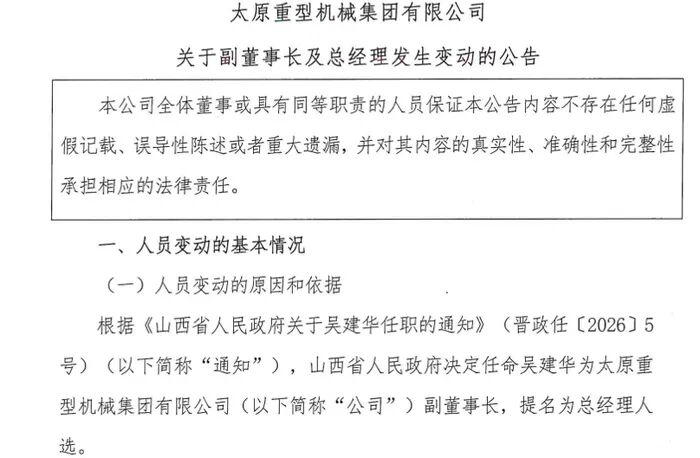
Core Viewpoint - The appointment of Wu Jianhua as Vice Chairman and proposed General Manager of Taiyuan Heavy Machinery Group marks a significant leadership transition aimed at driving innovation and transformation within the company, leveraging his technical expertise and management experience [1][3][4]. Group 1: Leadership Transition - Wu Jianhua has been appointed as Vice Chairman and nominated as General Manager, completing the leadership restructuring alongside Tao Jiajin, who serves as the Party Secretary and Chairman [1][3]. - This leadership team combines seasoned management with technical expertise, establishing a dual-core driving model for the company [1][4]. - Wu's rapid ascent from technical department head to core management in less than four years highlights his capabilities and the trust placed in him by the organization [3][4]. Group 2: Technical Innovation - Wu Jianhua has a strong background in technical innovation, having established a three-tier innovation system that includes strategic, research, and support layers, which provides a framework for technological breakthroughs [4][14]. - He has led the development of significant equipment such as the TZX1600 multi-axis truss arm crane and a 7.25-meter coking furnace, contributing to the company's product portfolio [4][14]. - His involvement in the renewable energy sector, particularly in wind power project development and intelligent manufacturing, positions the company favorably for future growth [4][14]. Group 3: Financial Overview and Strategic Challenges - As of September 2022, Taiyuan Heavy Machinery Group reported total assets of 88.35 billion yuan and total liabilities of 65.45 billion yuan, with revenues of 13.26 billion yuan and a profit of 193 million yuan, indicating a need for urgent transformation [4][16]. - The new leadership team is stepping in during a critical transition period for the company, where balancing short-term operational pressures with long-term technological investments will be essential [4][16]. - The company, founded in 1950, is now facing opportunities in smart manufacturing and green transformation, which are crucial for its future competitiveness in a challenging industry landscape [4][16].

林伯强:发展中国碳交易市场有益于应对欧盟碳边境调节机制
Di Yi Cai Jing· 2026-02-04 12:08
Core Viewpoint - The European Union's Carbon Border Adjustment Mechanism (CBAM) has transitioned from the design phase to strict implementation, with significant implications for global trade and carbon emissions regulations [1][2]. Group 1: CBAM Implementation Details - The CBAM has tightened its regulations in three significant ways: the default value mechanism will now serve as a punitive threshold, requiring verified emissions data from companies starting in 2026 [2] - The CBAM's collection intensity will align with the reduction of free emission allowances within the EU, starting with a 2.5% collection rate in 2026 and aiming for 100% by 2034 [2] - After the transition period, companies will no longer be able to self-report emissions data; all compliance data must be verified by EU-recognized third parties [2] Group 2: Impact on Chinese Industries - China, as a major manufacturing and trading nation, faces dual pressures from the CBAM: increased export costs for carbon-intensive products like steel and aluminum, and heightened demands for green transformation [3] - The CBAM recognizes carbon costs already paid by imported products, allowing exporting countries to offset domestic carbon costs through carbon taxes or inclusion in carbon markets [3] Group 3: Challenges for China's Carbon Market - The clarity of the carbon market construction path is insufficient, leading to weakened confidence among market participants; currently, only the power sector is included, with other high-emission industries lacking clear timelines for inclusion [4] - Significant differences in emission reduction costs and potential among industries could lead to unfair allocation of allowances and volatile carbon prices, particularly if high-emission sectors are included prematurely [5] - The uncertainty surrounding international carbon border adjustment policies complicates the external environment for China's carbon market [5][6] Group 4: Recommendations for China's Carbon Market - To effectively respond to the CBAM, China should expand the carbon market's coverage and enhance policy transparency, including the inclusion of high-carbon industries like steel and cement [7] - A proactive approach to the global trend of carbon tariffs is necessary, including establishing a tracking and assessment mechanism for major economies' carbon tariff policies [8] - China should actively participate in shaping international carbon market rules and pricing frameworks to ensure fair treatment of its industries [9] - The carbon market's revenue distribution mechanism should be designed to support low-carbon transitions in high-emission industries, directing auction revenues towards technology upgrades and clean energy initiatives [10]