
边缘计算

Search documents
美股异动|Arista Networks股价下跌3.22% 投资者聚焦国际化与技术创新挑战
Xin Lang Cai Jing· 2025-10-02 22:44
Core Insights - Arista Networks (ANET) experienced a stock price decline of 3.22% on October 2, reflecting complex market reactions to the company's recent developments [1] - The company is navigating challenges and opportunities amid global economic volatility, with its data center interconnect solutions playing a crucial role in revenue growth [1] - Increased R&D investments are being made to maintain technological leadership in a competitive environment [1] Company Strategy - Arista Networks is actively expanding into international markets to diversify risks, particularly important given the current uncertainties in global trade [1] - The international market expansion is expected to provide new revenue sources and help mitigate risks associated with fluctuations in single markets [1] Industry Trends - The rapid development of cloud computing and edge computing is driving demand for network infrastructure, which Arista Networks is well-positioned to benefit from due to its technological advantages [2] - However, ongoing innovation from competitors and market share competition pose challenges to the company's future performance [2] External Factors - Global events, including geopolitical tensions and supply chain issues, may impact the company, potentially leading to market sentiment fluctuations that affect stock prices [2] - Long-term prospects for Arista Networks remain positive if the company can effectively advance its globalization strategy and continue to innovate [2] Investment Considerations - Investors are advised to monitor global economic data and industry dynamics to better assess the future stock price trajectory of Arista Networks [2] - A rational investment strategy should include a comprehensive evaluation of the company's financial health, market competitiveness, and changes in the external environment [2]

GPU仍是王者,ASIC来势汹汹
半导体行业观察· 2025-10-01 00:32
Core Insights - President Trump announced a plan to make the U.S. a leader in AI and machine learning by removing restrictions on companies developing future technologies [2] - Major chip manufacturers like Nvidia, Intel, and AMD are actively developing new processors to meet increasing AI performance demands, indicating a promising market for AI chips [2] - The AI chip market is expected to grow significantly, but market maturity and consolidation may limit opportunities for new entrants [2] AI Processor Market Growth - Omdia predicts that the AI data center chip market will continue to grow rapidly, with an annual growth rate of over 250% from 2022 to 2024, but slowing to about 67% from 2024 to 2025 [4] - AI infrastructure spending is expected to peak in 2026, driven primarily by AI, before gradually decreasing by 2030 [4] - Precedence Research forecasts the AI chip market will grow from $94.31 billion in 2025 to $931.26 billion by 2034, with a compound annual growth rate of 28% [5] GPU and ASIC Dominance - GPUs remain dominant in the AI chip market due to their parallel processing capabilities, essential for training and inference tasks in data centers [5] - ASICs are expected to drive future growth in the AI chip market due to their efficiency in specific AI functions, particularly in inference-heavy environments [6] Major Developments by Chip Manufacturers - AMD launched the Instinct MI350 series GPUs, offering significant performance improvements and cost-effectiveness for AI solutions [9] - Intel introduced new Xeon 6 series CPUs designed to enhance the performance of GPU-driven AI systems [10] - Nvidia released the Rubin CPX GPU, designed for high-speed processing of large amounts of data, and integrated it into the new Vera Rubin NVL144 CPX platform [11] Cloud and Edge Computing Trends - By 2024, cloud AI processing is expected to dominate the market with a 52% share, driven by investments from major cloud providers [13] - Edge AI processing is rapidly growing due to the demand for low-latency, device-side intelligence in applications like autonomous vehicles and smart city infrastructure [12] Industry Consolidation and Collaboration - Jon Peddle Research predicts that by 2030, the AI processor market will consolidate to about 25 key players, with IoT and edge computing suppliers likely to survive due to their larger market potential [14] - OpenAI and Nvidia have formed a strategic partnership to deploy NVIDIA systems for training next-generation AI models, with Nvidia planning to invest up to $100 billion [14][15] Technical Challenges in AI Processing - The performance demands of AI processors are creating challenges for existing memory configurations, leading to the adoption of new memory designs to meet data and speed requirements [16] - Liquid cooling solutions are being explored to manage the heat generated by high-performance processors, although they add complexity and cost [17]



科学家构建基于光学的图像生成模型
Ke Ji Ri Bao· 2025-09-30 23:48
Group 1 - A research team from the University of California, Los Angeles has developed a new optical-based image generation model that significantly reduces energy consumption for generative AI, paving the way for a more sustainable future [1] - Current generative AI systems face scrutiny due to their high energy consumption and environmental impact, requiring substantial electricity and water resources for cooling data centers, raising concerns about long-term sustainability [1] - The new model utilizes an innovative computing paradigm that combines digital encoding with optical decoding, allowing for a single-step image generation process that enhances efficiency and reduces computational burden [1] Group 2 - The optical system has demonstrated the capability to perform complex generative AI tasks at scale, potentially leading to faster and more energy-efficient AI systems that can be integrated into everyday devices [2] - Testing on multiple datasets has shown that the optical model can generate images such as handwritten digits, clothing, butterflies, and faces with significantly lower energy consumption compared to traditional methods [2] - The system offers unique security and privacy advantages, and its compact size and low power consumption enable integration into smart glasses, augmented reality, virtual reality headsets, and mobile devices, promoting localized real-time content generation and supporting the development of edge computing [2]
天准科技跌2.02%,成交额1.50亿元,主力资金净流入250.12万元
Xin Lang Cai Jing· 2025-09-30 06:24
Core Points - Tianzhun Technology's stock price decreased by 2.02% on September 30, trading at 57.68 CNY per share with a market capitalization of 11.198 billion CNY [1] - The company has seen a year-to-date stock price increase of 34.76%, with a 0.75% rise over the last five trading days [1] - Tianzhun Technology's main business includes industrial vision equipment development, production, and sales, with revenue contributions from various segments [1] Financial Performance - For the first half of 2025, Tianzhun Technology reported revenue of 597 million CNY, a year-on-year increase of 10.32% [2] - The company experienced a net profit loss of 14.1923 million CNY, but this represented a 45.92% improvement compared to the previous year [2] Shareholder Information - As of June 30, 2025, the number of shareholders increased by 7.37% to 11,000, while the average number of circulating shares per person decreased by 6.87% to 17,586 shares [2] - The company has distributed a total of 516 million CNY in dividends since its A-share listing, with 268 million CNY distributed over the last three years [3] - Notable institutional shareholders include Huaxia CSI Robot ETF and Xingquan Multi-Dimensional Value Mixed Fund, both of which increased their holdings [3]

高通构建双引擎生态:骁龙赋能终端,跃龙深耕产业
半导体行业观察· 2025-09-29 01:37
Core Viewpoint - Qualcomm has established itself as a leader in the wireless communication industry through continuous investment in research and development, exceeding $100 billion since its inception in 1985, and is now expanding its business into various fields including AI, IoT, and automotive technology [1][2]. Group 1: Business Expansion and Innovation - Qualcomm has evolved beyond traditional wireless technologies, developing platforms like Snapdragon for smartphones, PCs, and automotive applications, and the new Dragonwing platform for industrial IoT [1][2][16]. - The company is focusing on AI integration, emphasizing its role in reshaping user interactions and device connectivity [1][21]. Group 2: Chip Development Strategy - Qualcomm is building a robust chip ecosystem by acquiring companies like NUVIA and Alphawave, enhancing its capabilities in CPU, GPU, and AI processing [4][6]. - The Snapdragon 8 Gen 2, featuring the Qualcomm Oryon CPU, represents a significant leap in mobile processing power, achieving unprecedented CPU frequencies and energy efficiency [10][14]. Group 3: Product Offerings - The Snapdragon platform has become the preferred choice for flagship smartphones, with the latest Snapdragon 8 Gen 2 offering substantial performance improvements in CPU, GPU, and AI capabilities [8][12]. - Qualcomm's new Snapdragon X2 Elite processors for PCs are designed for high performance and efficiency, with the X2 Elite Extreme leading in CPU performance by 75% compared to competitors [14][15]. Group 4: AI and Future Trends - Qualcomm is positioning itself at the forefront of AI development, with a focus on edge computing and real-time AI applications, aiming to make AI ubiquitous across devices [19][22]. - The company identifies six core trends driving the future of AI, including the shift from smartphone-centric to agent-centric computing and the evolution of computing architectures [21][22]. Group 5: Collaboration and Market Impact - Qualcomm has played a crucial role in the development of China's technology sector over the past three decades, partnering with local companies to enhance mobile technology and automotive solutions [17][18]. - The company aims to leverage its technology to drive transformation in various industries, including industrial IoT and network infrastructure, under the new Dragonwing brand [16][19].


工业边缘AI计算赛道升温,设备与芯片厂商抢占风口
2 1 Shi Ji Jing Ji Bao Dao· 2025-09-28 23:40
Core Insights - The 25th China International Industrial Expo showcased several manufacturers presenting industrial edge AI computing products, highlighting a shift towards edge AI computing that integrates AI algorithms for real-time data processing and analysis near data sources [1] Group 1: Transition from Cloud to Edge Computing - Edge computing is defined as processing data near its source rather than relying on centralized cloud computing, addressing issues of latency, privacy, and bandwidth [2] - The first step in digital transformation for industrial enterprises is equipment networking, which leads to the need for edge computing to gather and process data locally before sending it to the cloud [2] Group 2: Benefits of Edge AI Computing - Edge AI computing devices are typically compact and energy-efficient, reducing data transmission distances and frequencies, which lowers energy consumption [3] - An example provided indicates that a small edge gateway can cover an entire charging station, performing tasks such as sensor data collection and image recognition [3] Group 3: Industrial Large Model Deployment - The demand for inference in industrial applications is increasing, leading to the development of edge AI that allows for real-time inference at the edge [4] - Large models require significant computational resources, but they can be more cost-effective in development compared to small models, which need extensive data for training [5] Group 4: Hardware and Chip Development - The integration of powerful AI chips like GPUs, ASICs, and NPUs into edge devices is essential for supporting large models, with companies like Dawning Network and Advantech leading in this area [5][6] - The demand for low-latency, high-efficiency custom chips is rising, with new products being developed to support industrial-grade applications [6]
以色列,重塑全球芯片版图
半导体芯闻· 2025-09-28 09:47
Core Viewpoint - Israel has transformed from a "startup nation" to a global semiconductor powerhouse, playing a crucial role in reshaping the global chip landscape, with around 200 semiconductor companies and an annual export exceeding $10 billion, accounting for 5% of the national export [1][3]. Historical Development - The pivotal year for Israel's semiconductor industry was 1964 when Motorola established the first semiconductor R&D center in Israel, laying the foundation for the industry [3]. - Over the next decade, major companies like Microsoft and National Semiconductor entered Israel, enhancing local technological capabilities and establishing manufacturing facilities [3][4]. - The 1980s to 2000s marked a significant growth period, highlighted by Intel's development of the 8088 processor in 1984, which became a key component in the rise of the global PC industry [4]. Local Innovations - Israeli companies have made significant contributions, such as Galileo Technology's development of the first true flash file system in 1990, which revolutionized storage devices [5]. - Mobileye's introduction of the first ADAS-specific processor in 2004 established Israel as a leader in automotive technology, culminating in its acquisition by Intel for $15.3 billion [6]. Key Industry Players - Major global companies like Intel have played a significant role in Israel's semiconductor landscape, establishing R&D centers and manufacturing facilities that integrate local talent and technology into global supply chains [9]. - Mobileye's trajectory exemplifies the successful transition from R&D to commercialization, with its technology being widely adopted in the automotive industry [10]. - Other notable companies include Mellanox, acquired by NVIDIA for $6.9 billion, and Habana Labs, acquired by Intel for approximately $2 billion, both enhancing their respective parent companies' capabilities in AI and data center technologies [11][12]. Emerging Technologies - Israel's semiconductor industry is well-positioned to capitalize on emerging technologies such as AI, with the generative AI chip market projected to reach $125 billion by 2024 [30]. - The rise of edge computing and IoT aligns with Israel's strengths in sensor and edge computing chip development, presenting opportunities for commercialization in various sectors [30]. Competitive Advantages - Israel's semiconductor industry benefits from a strong local ecosystem supported by multinational companies, high R&D investment (4.3% of GDP), and a vibrant startup culture with around 70 semiconductor startups raising $5.5 billion [28][29]. - The education system emphasizes engineering and technology, producing a skilled workforce that supports innovation and aligns with global industry standards [28]. Future Outlook - The future of Israel's semiconductor industry will depend on its ability to leverage opportunities while addressing challenges such as talent retention, geopolitical risks, and competition from other regions [32][33]. - By focusing on its strengths in design and R&D, Israel can enhance its position as a "technology innovation node" in the global semiconductor landscape, particularly in AI and edge computing [33].
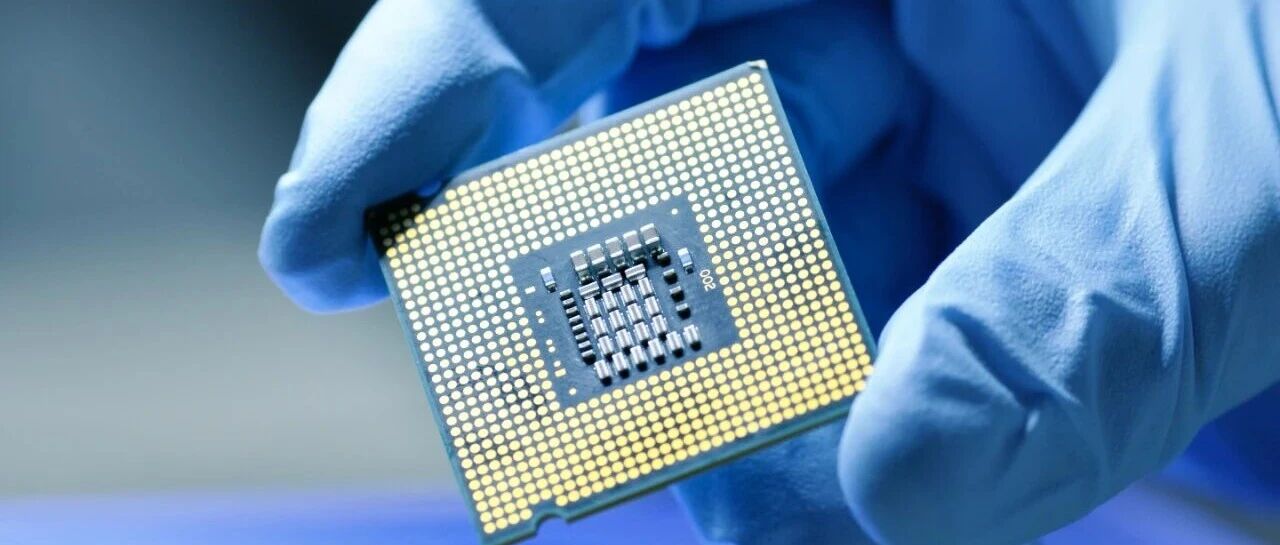
边缘计算对人工智能的未来至关重要
Di Yi Cai Jing· 2025-09-26 07:49
Core Insights - A new wave of innovation in edge devices is accelerating, creating vast opportunities for the future of artificial intelligence (AI) through deep collaboration between cloud and edge computing, leading to hybrid AI [2] - Qualcomm has been a leader in technology innovation for 40 years, establishing performance benchmarks across various sectors including mobile, automotive, personal computing, extended reality (XR), networking, and industrial robotics [2] - The company's advanced system-on-chip (SoC) technology offers significant advantages in performance, energy efficiency, and edge AI, which are crucial for the development of edge intelligence [2] Edge AI Applications - The proliferation of edge computing will transform personal AI, physical AI, and industrial AI, with intelligent agents managing connections between devices [4] - Personal AI terminals are evolving from smartphone accessories to unique, personalized AI experiences through devices like smart glasses and wearables [4] - Physical AI has been deployed at scale in automotive and advanced driver-assistance systems (ADAS), utilizing edge AI for perception, planning, and execution [4] - Industrial AI will leverage edge intelligence for real-time decision-making and action based on data collected from sensors in security cameras and manufacturing [4] Future of Connectivity - 6G technology is expected to be the core link between cloud and edge, facilitating the realization of ubiquitous intelligent computing [5] - The evolution of next-generation connectivity will not only optimize speed, reliability, and latency but also advance towards a fully "AI-native" stage, enhancing energy efficiency and resilience [4][5] AI Development in China - In China, these technological trends are accelerating due to the recent "AI +" action plan aimed at deep integration of AI across industries [6] - Qualcomm is committed to advancing edge intelligence globally, leveraging over 30 years of development in China to initiate the "AI Acceleration Program" focused on three innovation pillars [6] - The company anticipates collaboration with Chinese ecosystem partners to embark on the next exciting phase of technological advancement [6]

乐鑫科技涨2.05%,成交额1.71亿元,主力资金净流出576.16万元
Xin Lang Cai Jing· 2025-09-26 01:57
Core Viewpoint - Lexin Technology's stock has shown significant performance with a year-to-date increase of 35.45%, and a recent surge of 14.38% over the last five trading days, indicating strong market interest and potential growth in the semiconductor sector [1][2]. Company Performance - As of June 30, 2025, Lexin Technology reported a revenue of 1.246 billion yuan, representing a year-on-year growth of 35.35%, and a net profit attributable to shareholders of 261 million yuan, which is a 72.29% increase compared to the previous year [2]. - The company has distributed a total of 384 million yuan in dividends since its A-share listing, with 145 million yuan distributed over the last three years [3]. Stock Market Activity - On September 26, 2023, Lexin Technology's stock price reached 210.85 yuan per share, with a trading volume of 171 million yuan and a market capitalization of 33.041 billion yuan [1]. - The stock has experienced a net outflow of 5.7616 million yuan in principal funds, with significant buying and selling activity from large orders [1]. Shareholder Information - As of June 30, 2025, the number of shareholders for Lexin Technology was 16,100, a decrease of 0.47% from the previous period, while the average number of tradable shares per shareholder increased by 40.32% to 9,733 shares [2][3]. - Major shareholders include Hong Kong Central Clearing Limited and various investment funds, indicating a diversified ownership structure [3].

仕佳光子(688313):公司动态研究报告:净利润显著高增,有源、无源产品多场景协同发展
Huaxin Securities· 2025-09-25 08:36
Investment Rating - The report assigns a "Buy" investment rating for the company, indicating a positive outlook for its stock performance in the next 12 months [7]. Core Insights - The company has experienced significant growth in net profit, with a remarkable increase in revenue driven by demand in the data communication market, particularly benefiting from AI computing needs [3][6]. - The company's active products have made breakthroughs, adapting to various application scenarios, including stable supply of DFB laser chips for access networks and successful small-scale shipments of silicon photonic modules [4]. - The company leads in passive products, with enhanced supply capabilities for AWG components, and has successfully introduced DWDM AWG products into mainstream equipment supply chains [5]. Summary by Sections Financial Performance - In the first half of 2025, the company achieved operating revenue of 999.3 million yuan, a year-on-year increase of 121.12%, and a net profit attributable to shareholders of 217 million yuan, a year-on-year increase of 1712.00% [3]. - The company forecasts revenues of 2.002 billion yuan, 2.835 billion yuan, and 3.743 billion yuan for 2025, 2026, and 2027 respectively, with corresponding EPS of 1.02 yuan, 1.47 yuan, and 1.94 yuan [6][9]. Product Development - The company has a comprehensive product lineup, including 2.5G and 10G DFB laser chips, which are crucial for access networks, and has made advancements in CW DFB laser chips for silicon photonic modules [4]. - The company is also expanding its product offerings in high-speed optical modules, with successful developments in 100G EML and 50G PON products [4][5]. Market Position - The company is recognized as a leading manufacturer of a full range of PLC optical splitters, AWG chips, and components, with a strong presence in the supply chain for high-speed optical modules ranging from 100G to 800G [5]. - The demand for optical communication products is rapidly increasing, positioning the company for new growth opportunities in the market [7].
