供应链金融

Search documents
金融创新助力商贸流通
Jing Ji Ri Bao· 2025-06-15 21:54
Group 1 - The annual "618" e-commerce promotion is approaching, and many merchants are in a critical inventory preparation phase, facing challenges with financing needs and long payment cycles [1] - Financial institutions have launched innovative products to address merchants' financing needs, such as "Fengrongtong," which offers instant online applications and flexible borrowing options [1] - "Fengrongtong" has provided over 8.5 billion yuan in financing support to more than 90 distributors in key industries like home appliances, liquor, and milk powder, helping companies shorten their capital turnover cycles [1] Group 2 - This year's "618" sees banks focusing on deepening service scenarios rather than engaging in a price war over loan interest rates, as consumer loan rates have been declining [2] - Financial institutions recognize that competing on interest rates is not sustainable and are instead enhancing products and services to better support the entire consumption-related supply chain [2] - The logistics sector is identified as a crucial entry point for financial institutions to improve services, as it connects merchants and consumers and plays a vital role in trade circulation [2] Group 3 - The commercial circulation industry is characterized by its asset-light nature, leading to challenges in securing financing due to a lack of collateral [3] - The industry has a high demand for cash flow and relies heavily on external financial resources, particularly bank credit, to sustain development [3] - Financial institutions are innovating various business models to support the logistics sector, with customized financial service solutions being developed for different logistics enterprises [3] Group 4 - Overall, support from bank credit for the commercial circulation industry remains insufficient, with issues of information asymmetry hindering accurate assessments of companies' situations [4] - Banks suggest that commercial enterprises leverage their vast data advantages and collaborate with upstream and downstream partners to create a systematic supply chain finance ecosystem [4]

深度|行业热议车企账期,供应链金融工具该背锅吗?
Di Yi Cai Jing· 2025-06-15 15:56
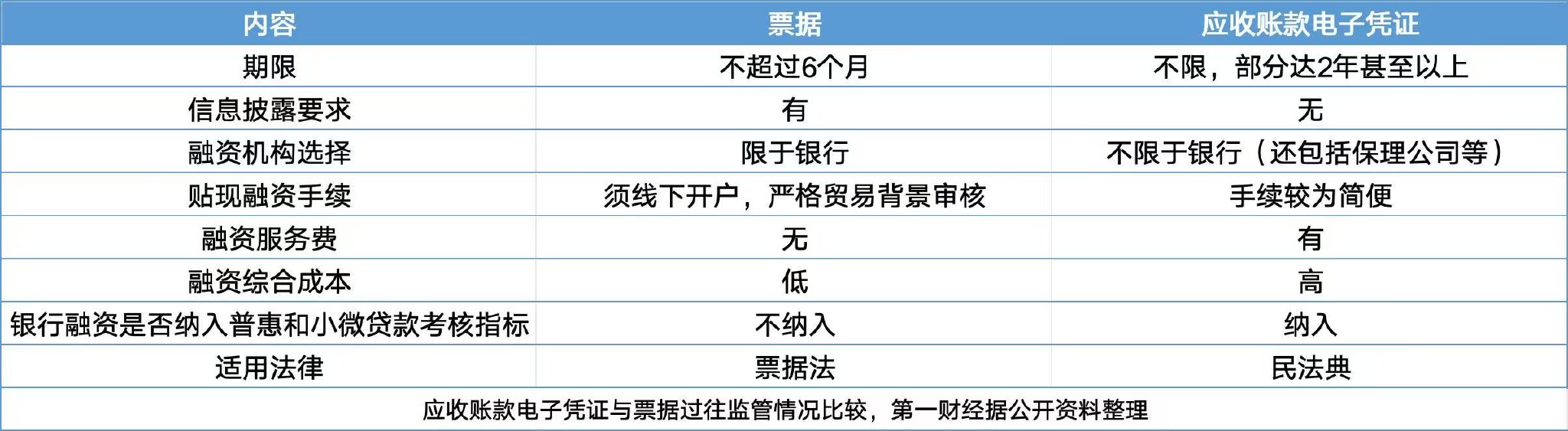
Core Insights - Major automotive companies are standardizing supplier payment terms to within 60 days, raising concerns about the implications for supply chain finance tools [1][2] - The implementation of new regulations aims to address the long payment cycles and "triangular debt" issues faced by small and medium-sized enterprises (SMEs) [3][4] - The market for accounts receivable electronic certificates is projected to reach 4.4 trillion yuan in 2024, indicating significant demand for this financial tool [11] Group 1: Payment Terms and Regulations - Nearly 20 automotive companies have committed to a unified payment term of 60 days, but many have not clarified the calculation rules for this period [1][5] - The revised "Regulations on Payment of Funds to Small and Medium-sized Enterprises" mandates that large enterprises must pay within 60 days of delivery, prohibiting the use of non-cash payment methods to extend payment terms [3][4] - The new regulations are seen as a response to the increasing scale of accounts receivable, which reached nearly 26 trillion yuan by April 2023, with an average recovery period of 70.3 days [4] Group 2: Supply Chain Finance Tools - The discussion around the exclusion of accounts receivable electronic certificates from supply chain finance tools has emerged, with some advocating for a complete ban on such tools [2][9] - The accounts receivable electronic certificate was initially designed to alleviate financing difficulties for SMEs but has faced criticism for being misused by some core enterprises [11][12] - The recent regulations emphasize the need for a real trade background and set a maximum payment term of one year for electronic certificates, aiming to enhance transparency and accountability [16][17] Group 3: Industry Impact and Future Outlook - The automotive sector's shift towards standardized payment terms is viewed as a positive signal, but the actual impact will depend on the clarity of the payment cycle calculation [8][16] - The reliance on non-cash payment methods, such as commercial bills and electronic certificates, remains a concern, particularly for SMEs facing cash flow pressures [6][8] - The future of accounts receivable electronic certificates is uncertain, with industry experts suggesting that while there is a need for regulation, a complete ban is unlikely due to the existing demand [16][18]



一财社论:让金融正本清源方可防风险、注活力
Di Yi Cai Jing· 2025-06-15 13:06
Group 1 - The core viewpoint emphasizes the need for the government, enterprises, and households to recognize and manage risks effectively to facilitate economic growth and credit liberation [5] - The latest financial data from the central bank shows that the total social financing increment for the first five months reached 18.63 trillion yuan, an increase of 3.83 trillion yuan year-on-year [1] - Government bonds have contributed significantly to social financing, with net financing of 6.31 trillion yuan in the first five months, which is a year-on-year increase of 3.81 trillion yuan [1] Group 2 - The State Council approved a plan to improve the credit repair system, which aims to enhance liquidity for enterprises and households by restructuring and revitalizing government assets [2] - The total accounts receivable for large industrial enterprises reached 26.06 trillion yuan by the end of 2024, reflecting an 8.6% year-on-year increase [2] - There is a need to clear policies that hinder corporate mergers and acquisitions, and to strengthen supply chain governance to alleviate credit pressure on leading enterprises [2][3] Group 3 - The government is encouraged to use fiscal subsidies to motivate financial institutions and enterprises to enhance supply chain financial services, thereby injecting liquidity into the real economy [3] - Improving the corporate merger and bankruptcy restructuring system is essential for allowing non-viable companies to exit the market, which will enhance overall credit ratings [3] - For households, it is crucial to modify systems to facilitate adjustments in asset-liability structures and to promote personal bankruptcy mechanisms [3]
追问车企60天账期承诺:万亿票据、弹性操作、供应链金融何解
经济观察报· 2025-06-14 06:03
Core Viewpoint - The automotive industry is experiencing a collective commitment from 17 major car manufacturers to limit payment terms to 60 days, which is seen as a positive step towards alleviating the long-standing issue of extended payment periods that have strained the supply chain [2][3][4]. Group 1: Industry Response and Context - The commitment to a 60-day payment term was initiated by major manufacturers like China FAW, Dongfeng Motor, and GAC Group, with many others following suit, reflecting a response to the financial pressures faced by suppliers due to prolonged payment cycles [2][3]. - The automotive market is currently facing a price war, with manufacturers attempting to transfer financial pressure onto suppliers through extended payment terms, exacerbating cash flow issues across the supply chain [2][3]. - The recent revision of the "Regulations on Payment of Funds to Small and Medium-sized Enterprises" by the State Council mandates that large enterprises must pay small and medium-sized enterprises within 60 days, influencing the industry's shift towards shorter payment terms [6][19]. Group 2: Challenges and Concerns - Despite the optimistic outlook, industry experts caution that the implementation of the 60-day payment term may face significant challenges, including unclear payment calculation methods and potential financial strain on manufacturers [4][9]. - Many manufacturers have high accounts payable turnover days, with an average of 182 days for domestic listed car companies, significantly higher than their international counterparts, indicating a deeper cash flow management issue [7][8]. - The financial structure of many car manufacturers is heavily reliant on accounts payable, with some companies like Seres having over 82% of their liabilities tied to accounts payable, raising concerns about their ability to meet the new payment commitments [7][8]. Group 3: Financial Implications - The cash flow situation for many manufacturers is precarious, with several companies reporting negative operating cash flow, which could hinder their ability to comply with the new payment terms [8][9]. - For instance, BYD's accounts payable for the first quarter of 2025 amounted to approximately 250.77 billion yuan, and if payment terms are shortened to 60 days, they would need to pay around 125 billion yuan to suppliers, creating a significant cash flow challenge [8]. - The reliance on financial instruments like commercial acceptance bills and bank acceptance bills for payments could further complicate the situation, as these methods often extend the actual payment period beyond the stated 60 days [12][14]. Group 4: Future Outlook and Strategies - Industry experts suggest that manufacturers may need to negotiate phased adjustments to payment terms with suppliers and optimize internal settlement processes to effectively implement the 60-day payment commitment [18][19]. - The potential for improved cash flow and reduced financial strain on suppliers could lead to a healthier supply chain ecosystem, benefiting both manufacturers and their suppliers in the long run [19][20]. - The overall goal is to enhance the quality of development within the automotive industry, moving away from a focus on volume growth towards a more sustainable and collaborative approach [19][20].



经观头条|追问车企60天账期承诺:万亿票据、弹性操作、供应链金融何解
Jing Ji Guan Cha Wang· 2025-06-14 05:17
Core Viewpoint - The automotive industry in China is experiencing a significant shift towards reducing payment terms to within 60 days, initiated by several major automakers in response to long-standing issues with extended payment periods that have strained the supply chain [2][3][5]. Group 1: Industry Response - On June 10, 2023, major automakers including China FAW, Dongfeng Motor, GAC Group, and others committed to limiting supplier payment terms to 60 days, with 17 companies making similar pledges by June 13 [2]. - The collective commitment to a 60-day payment term is seen as a positive development for the automotive supply chain, which has been burdened by long payment cycles and financial strain [2][3]. - The recent commitment follows the implementation of the revised "Regulations on Payment of Small and Medium-sized Enterprises" by the State Council, mandating large enterprises to pay small and medium-sized suppliers within 60 days [5]. Group 2: Financial Implications - The average accounts payable turnover days for domestic listed automakers is projected to reach 182 days in 2024, significantly higher than that of German (40.5 days) and American (60.5 days) automakers, highlighting a deep cash flow management issue [5]. - Companies like Seres and others have a high proportion of accounts payable in their liabilities, indicating a reliance on supplier financing [6]. - In Q1 2025, the A-share passenger car industry reported a net operating cash flow of -2.376 billion yuan, the lowest in five years, indicating severe cash flow challenges [6]. Group 3: Challenges in Implementation - Many automakers have not provided clear definitions or details regarding the implementation of the 60-day payment term, raising concerns about the feasibility of this commitment [4]. - Industry experts suggest that the extended payment terms were initially a result of insufficient cash flow, and enforcing a 60-day payment term could impose significant financial pressure on automakers [4][6]. - The use of commercial acceptance bills and bank acceptance bills for payments may still prolong the actual payment timeline, despite the 60-day commitment [10][11]. Group 4: Supply Chain Dynamics - The automotive supply chain is characterized by a complex payment structure, where suppliers often face delays due to the need for goods to be inspected and invoiced before payments can be processed [11]. - The reliance on supply chain finance platforms by automakers has led to extended payment periods, as suppliers may have to wait months to receive payments [9][10]. - The potential for automakers to manipulate payment timelines through acceptance and inspection processes remains a concern for suppliers [11]. Group 5: Future Outlook - The commitment to a 60-day payment term is viewed as a necessary step towards fostering a healthier relationship between automakers and suppliers, promoting high-quality industry development [3][5]. - Experts believe that reducing payment terms could enhance cash flow for suppliers, enabling them to invest in research and development, ultimately benefiting the entire automotive ecosystem [14]. - The long-term success of the 60-day payment term will depend on effective regulatory enforcement and collaboration within the industry [12][14].

车企是如何靠“打白条”,把供应商压榨到需要借钱运转的?
3 6 Ke· 2025-06-13 12:24
Core Viewpoint - The discussion around BYD's "Di Chain" has intensified, particularly in light of concerns regarding the company's high debt levels and payment terms, which have drawn comparisons to the troubled Evergrande Group [2][22]. Group 1: Debt and Payment Terms - BYD's debt ratio is reported to be 70% with total liabilities reaching 584.66 billion [2]. - BYD's average turnover days are 127, comparable to Geely, and lower than other competitors like SAIC and Great Wall [2]. - Following public scrutiny, multiple car manufacturers, including BYD, committed to a payment term of no more than 60 days, highlighting regulatory concerns about extended payment periods harming the automotive industry [2][26]. Group 2: Di Chain Overview - "Di Chain" is an electronic debt certificate provided by BYD to its suppliers, functioning similarly to a promissory note but lacking the legal protections of traditional commercial bills [3][5]. - Suppliers can hold Di Chain until maturity for cash or use it as a debt instrument for financing [3][5]. Group 3: Financial Implications - Di Chain serves as a supply chain financial tool that can help alleviate cash flow issues for small and medium-sized enterprises (SMEs) while generating revenue for banks [5][6]. - Some banks offer financing against Di Chain, providing a 50% discount rate and charging a 3% annual interest rate for loans secured by Di Chain [6]. Group 4: Supplier Challenges - Suppliers face pressure to accept Di Chain, especially smaller ones with less negotiating power, leading to extended payment timelines [7][9]. - The payment cycle can exceed 6 months, significantly impacting suppliers' cash flow and operational capabilities [9][11]. - Di Chain can create a cascading effect where risks are transferred down the supply chain, further entrenching smaller suppliers in a cycle of dependency [11][12]. Group 5: Regulatory and Market Context - The scale of Di Chain issuance is substantial, with reports indicating over 400 billion in cumulative issuance, raising concerns about liquidity and potential risks if suppliers demand cash simultaneously [22][24]. - Compared to other automotive companies, BYD's issuance volume is significantly higher, which could pose systemic risks [22][23]. - The automotive industry is facing a common challenge regarding supply chain financing, necessitating regulatory oversight to ensure sustainable growth [25][26].
北汽、上汽加码承诺:不采用商业承兑汇票等增加供应商资金压力的结算方式
起点锂电· 2025-06-12 09:52
Core Viewpoint - Major automotive companies, including SAIC and BAIC, have committed to standardizing supplier payment terms to within 60 days, explicitly abandoning the use of commercial acceptance bills to avoid extending payment periods and increasing financial pressure on suppliers [1][2]. Group 1: Regulatory Response - This initiative is a direct response to the newly revised "Regulations on Ensuring Payment to Small and Medium Enterprises," which mandates that large enterprises must complete payments to small and medium enterprises within 60 days of delivery and prohibits the use of commercial bills to extend payment terms [2]. - Commercial acceptance bills, which are debt certificates issued and accepted by enterprises, are often used to extend payment cycles in supply chain finance, posing risks to suppliers [2]. Group 2: Financial Implications - The actual cost of commercial acceptance bills exceeds their face value, as suppliers face high discount fees if they need to cash them in early. For instance, a 1 million yuan commercial bill with a 10% discount rate would result in only 900,000 yuan being received by the enterprise [2]. - Despite the risks, commercial acceptance bills are widely used in the automotive industry. For example, BYD reported a balance of 1.258 billion yuan in commercial acceptance bills for 2024 [3]. Group 3: Supplier Risks - Suppliers holding commercial acceptance bills face significant risks if the main manufacturers encounter operational difficulties, as seen with companies like Neta, WM Motor, and HiPhi, which have previously led to suppliers being unable to recover payments, creating substantial survival pressures for them [3].
推进药材种植标准化,三台县探索建设数智化产地仓 这里的麦冬都有身份证
Si Chuan Ri Bao· 2025-06-12 00:29
Core Viewpoint - The establishment of a digital comprehensive management platform for the entire industrial chain of medicinal herbs, particularly for the cultivation and processing of Mai Dong (Ophiopogon japonicus), is being promoted in Sichuan Province, enhancing quality control and ensuring farmers' benefits through standardized practices and innovative financial services [5][11]. Group 1: Digital Management and Quality Control - The construction of a digital comprehensive management platform integrates planting, processing, storage, sales, quality inspection, and finance, utilizing modern digital technologies for traceability [5][11]. - The introduction of a digital system allows for precise monitoring of the entire cultivation and processing process, ensuring compliance with standardized practices [7]. - Each batch of Mai Dong is assigned a unique QR code after passing strict quality checks, providing detailed information about its origin, composition, and environmental conditions [7][8]. Group 2: Storage and Supply Chain Management - The physical storage facility can hold 6,500 tons of Mai Dong, ensuring compliance with pharmacopoeia standards for up to three years and optimizing storage space to prevent damage [8]. - The storage facility plays a crucial role in market stabilization by maintaining a buffer stock of 1,000 tons of Mai Dong to mitigate price fluctuations and supply shortages [8]. Group 3: Farmer Support and Financial Services - The order production model between the storage facility and farmers guarantees reasonable returns regardless of market conditions, enhancing farmers' confidence [9]. - The development of a supply chain financial cloud platform provides various financial services, including loans for agricultural inputs and insurance products, supporting the entire Mai Dong industry chain [10]. Group 4: Innovation and Industry Development - The introduction of a third-party quality control system and collaboration with research institutions aims to enhance the standardization and quality management of Mai Dong production [10]. - The expansion into derivative products, such as beverages and personal care items, aims to increase the value of the Mai Dong industry and promote integrated development across different sectors [10].

治理汽车业“长账期”问题可探索强化立法
2 1 Shi Ji Jing Ji Bao Dao· 2025-06-11 18:47
Core Viewpoint - The automotive industry in China is collectively committing to standardize supplier payment terms to within 60 days, in response to the "anti-involution" policy and the upcoming "Regulations on Payment of Funds to Small and Medium-sized Enterprises" effective June 1, 2025, aimed at improving the business environment and addressing payment delays to suppliers [1][4]. Group 1: Industry Context - The rapid development of the new energy vehicle sector has led to price wars that have negatively impacted supplier margins, with net profit margins for domestic parts suppliers dropping from 9% in 2015 to 3.8% in Q1 2025 [2]. - The average accounts payable turnover days for 16 listed Chinese car companies is estimated to be 182 days in 2024, significantly longer than the 60 days maintained by 14 international car manufacturers [2][3]. Group 2: Financial Implications - The profit margin for the Chinese automotive industry is projected to decline from 4.3% in 2024 to 3.9% in Q1 2025, which is below the average for the manufacturing sector, indicating a risk of increased losses for more vulnerable companies [3]. - Companies with high accounts payable ratios and extended payment terms face the dilemma of either participating in price competition, risking further profit loss, or abstaining, which could affect sales and cash flow [3]. Group 3: Regulatory and Structural Considerations - The need for stronger legislation to address delayed payments and protect supplier profits is emphasized, alongside the establishment of a reliable execution mechanism to enforce these regulations [4]. - The current commitments from some companies regarding payment terms lack sufficient binding power, as they may be contingent on further price reductions or cost-shifting to suppliers [3].
对供应商支付账期统一至60天内!17家车企先后“发声”,业内人士:实现难度大
Mei Ri Jing Ji Xin Wen· 2025-06-11 10:41
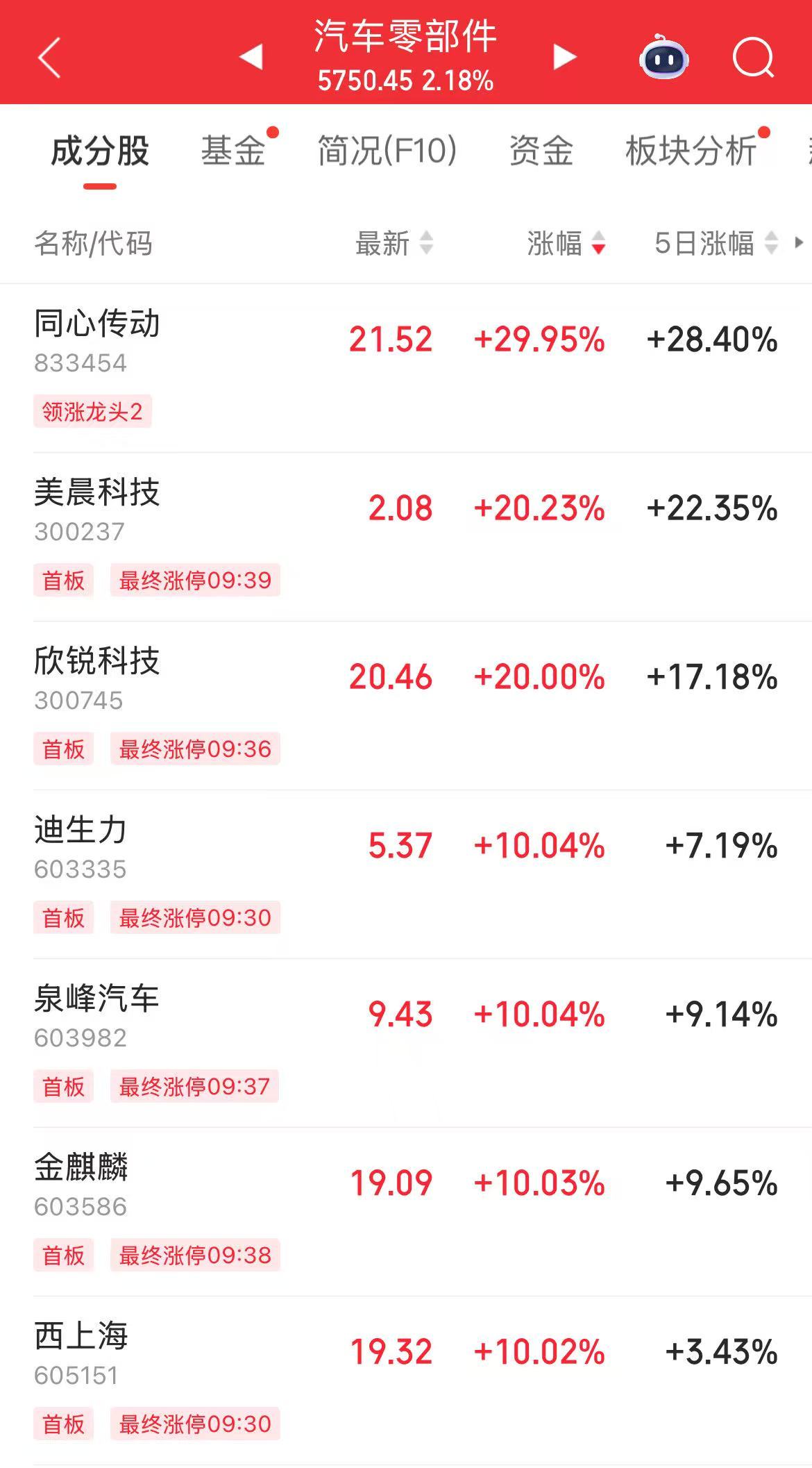
每经记者|段思瑶 每经实习编辑|余婷婷 承诺"支付账期不超过60天"的车企还在不断扩围。6月11日上午,小鹏汽车、零跑汽车、长城汽车、小米汽车、理想汽车、奇瑞集团等陆续宣布,"将对供应 商支付账期统一至60天内"。 就在6月10日晚间,中国一汽、东风汽车、广汽集团、赛力斯、长安汽车等多家头部车企接连发布声明,承诺"将对供应商支付账期统一至60天内"。 复盘这次由众多车企发起的"60天账期承诺"集体行动宣言,可以发现节奏、文风高度一致。 从时间线上看,广汽集团最先发声。6月10日晚8点刚过,广汽集团发布关于供应商账期的郑重承诺,表示"坚持以不超过60天的供应商账期,保障供应链资 金高效周转"。 受上述消息影响,6月11日,A股汽车零部件概念股集体走强。截至收盘,同心传动涨停,美晨科技、欣锐科技涨幅超20%,华阳变速、迪生力、泉峰汽 车、金麒麟、西上海、通达电气等多股上涨。 | | | 汽车零部件 5750.45 2.18% | | | | --- | --- | --- | --- | --- | | 成分股 | 其余 | 简况(F10) | 资金 | 板块分析 | | 名称/代码 | | 最新 ◆ | 涨幅 ...