端侧AI

Search documents
此芯科技:以通用异构 SoC 撬动端侧 AI 新格局
半导体芯闻· 2025-12-05 10:21
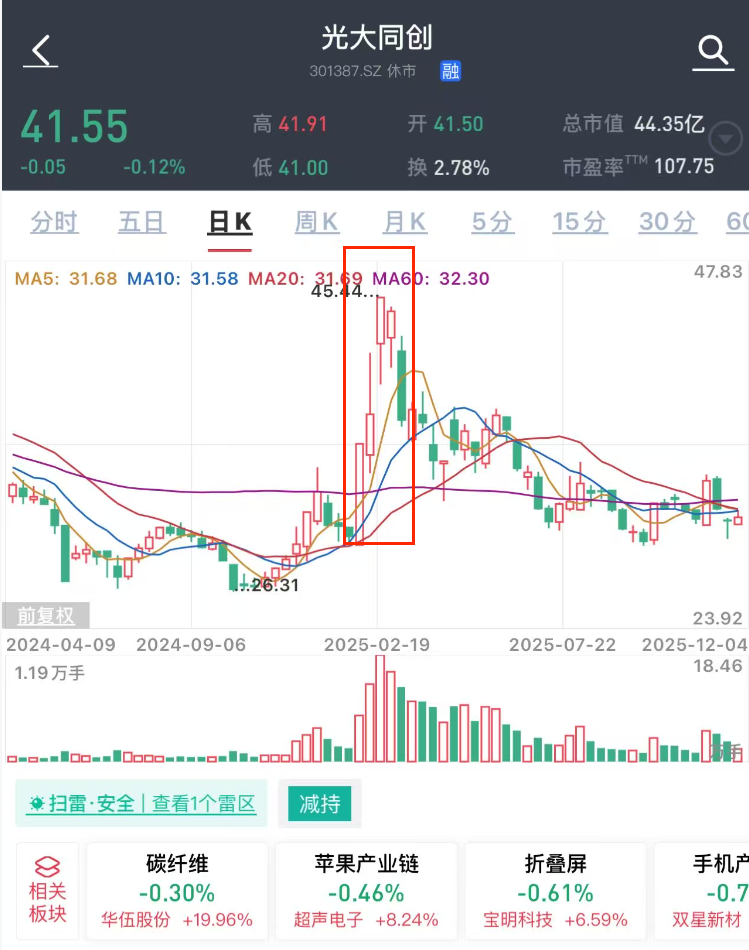
编按 "选择对了方向,又能坚持执行,行业不会给你立即掌声,但会给你长期红利。"此芯科技创 始人、CEO孙文剑在11月27日的「此芯科技2025生态大会」采访中谈到。对于一家押注 Arm SoC 芯片方向的初创企业而言,这句话,也正成为此芯科技此刻的注脚。 Arm作为CPU架构,在过去几十年里完成了三次关键跃迁:在 IoT 时代,它成为低功耗计算的事 实标准;在移动互联网时代占据智能手机的绝对主导;而现在,随着 AI 浪潮和算力形态的改变, Arm 正从移动端进一步走向 PC、边缘计算与机器人,进入一个新的应用时代。 四五年前,此芯科技判断:Arm 将在 PC、服务器、MR 设备、具身智能等新计算形态中释放更大 潜力,并对 x86 架构形成结构性替代。这一趋势判断清晰,但路径选择却并不简单。面对 Arm 在 数据中心、端侧与消费终端不同方向的可能性,不少创企尝试"全赛道布局",最终因资源分散而停 滞甚至退出。选择,成为决定走向的分水岭。 而今天,此芯科技正在成为坚持者之中的"幸存者"。孙文剑坦言:"Arm的机会一直都在,但具体 选择哪一类算力区间、哪种落地形态、进入产业链哪个位置,才是决定企业能否走下去的关键。 ...

华曦达 x 江波龙 | 联合创新实验室揭牌,共筑 AI Home 算力存储基石
Xin Lang Cai Jing· 2025-12-05 09:04
Core Insights - Shenzhen Huaxida Technology Co., Ltd. and Shenzhen Jiangbolong Electronics Co., Ltd. have established a joint innovation laboratory to focus on AI Home ecosystem development [1][3] Group 1: Joint Innovation Laboratory - The joint laboratory aims to build a technology verification system covering AI terminal development, focusing on AI devices and smart home scenarios [3] - The collaboration leverages Jiangbolong's expertise in semiconductor storage and memory chip design, validation, and packaging, alongside Huaxida's experience in AI Home device development [3][4] - The laboratory will address compatibility issues between storage chips and AI terminal devices, ensuring the stability and compatibility of AI models in complex reasoning scenarios [3] Group 2: Strategic Goals - Both companies aim to explore new AI storage packaging solutions for terminal applications, enhancing data transmission capabilities and creating a flexible foundational computing base [3][4] - The initiative will promote deep integration of AI storage technology, AI Home devices, and AI algorithms, forming an innovative system that spans from foundational storage to terminal devices and smart scenarios [3] Group 3: Leadership Statements - Huaxida's Chairman Li Bo emphasized the importance of this collaboration in enhancing core competitiveness and providing practical AI home ecosystem support [4] - Jiangbolong's Chairman Cai Huabo highlighted the laboratory as a platform for exploring innovative paths in storage and AI scene adaptation, supporting the development of the AI smart ecosystem [4] Group 4: Future Directions - The companies plan to deepen cooperation around key areas such as AI Home, edge AI, and multi-device collaboration, accelerating technological integration [4] - There is a commitment to expand ecological cooperation boundaries and build a more open, robust, and sustainable AI Home ecosystem [4]


探路者并购两芯企 构建完整手机AI和端侧AI防护体系
Cai Jing Wang· 2025-12-05 02:39
Core Insights - The acquisition of 51% stakes in Better Life and Shanghai Tongtu for a total of 680 million yuan highlights the strategic move by the company to enhance its position in the semiconductor industry, particularly in the AI sector [1] - The company aims to leverage the technological strengths of the acquired firms to create a comprehensive ecosystem that integrates outdoor scenarios with chip commercialization, showcasing its commitment to core chip technology and high-growth AI opportunities [1] Group 1: Acquisition Details - The company is acquiring two profitable leaders in their respective segments, ensuring a solid foundation for revenue generation from the acquisition [1] - Better Life has over a decade of experience in mixed-signal chain chips, with its fingerprint recognition chip holding the top market share in smart locks, and its touch chips being integrated into leading laptop brands [2] - Shanghai Tongtu has established a competitive edge in display processing and IP licensing, with its RISC-V based SOC chip leading the high-end OLED smartphone market [3] Group 2: Technological Synergy - Better Life's products, including touch chips and specialized MCUs, are designed to enhance security and interactivity in smart devices, aligning well with edge AI applications [2] - Shanghai Tongtu's technology, including a self-developed compression algorithm, significantly reduces memory costs for AI terminals, providing a critical advantage in the market [3] - The acquisition is expected to create a synergistic effect, expanding the company's product offerings and customer base across multiple sectors, including smart wearables and smart home devices [4] Group 3: Strategic Implications - The acquisition aligns with the company's strategy to integrate chip technology with specific applications, reinforcing its leadership in the outdoor sector while providing a clear monetization path for its chip business [5] - The company anticipates a cumulative net profit of 300 million yuan from the acquired firms between 2026 and 2028, with potential cash rewards for exceeding performance targets [4] - This strategic move marks a transition from a linear layout to an ecological network in the chip business, supporting the company's long-term growth in outdoor equipment and AI applications [5]

饿了么正式更名为“淘宝闪购”
证券时报· 2025-12-05 02:12
Group 1 - The "Ele.me" app has officially rebranded to "Taobao Flash Purchase" as of December 5, with updates rolling out to reflect this change across all related scenarios [1] - The State Administration for Market Regulation has implemented a recommended national standard for food delivery platforms, aiming to enhance service management and promote high-quality industry development [3] - The new standards focus on various aspects including merchant management, platform fees and promotions, labor management for delivery personnel, and dispute resolution mechanisms [3] Group 2 - The standards emphasize the importance of merchant responsibility, encouraging platforms to ensure food safety and transparency in service management [3] - There is a push for fair competition by clarifying fee structures and promoting reasonable promotional practices [3] - The guidelines also aim to protect the rights of delivery workers by addressing labor conditions and social security [3]

坚定不移看好端侧AI
Jin Tou Wang· 2025-12-05 00:33
Group 1 - The launch of Doubao Mobile Assistant marks a significant event in the consumer electronics industry, indicating the beginning of the "Agent era" for AI on mobile devices [1] - Doubao Mobile Assistant achieves human-like mobile operation capabilities, with a task success rate exceeding 80%, significantly surpassing market expectations [2] - Key features include system-level interaction, cross-app execution, and scheduled tasks, allowing for complex operations without opening apps, enhancing user experience [3] Group 2 - The emergence of Doubao Mobile Assistant represents a broader trend in edge AI technology and ecosystem nearing a "singularity" [4] - The period from December 2025 to mid-2026 is expected to see a surge in the release of edge AI hardware, with various companies launching AR glasses and other AI-integrated devices [5] - Breakthroughs in edge model technology, such as model compression and low-bit quantization, are essential for ecosystem expansion and will drive the dual leap in AI intelligence and penetration [6] Group 3 - The technological implementation and ecosystem expansion of edge AI are reshaping the value logic of the consumer electronics supply chain, revealing clear investment opportunities in SOC chips, edge storage, and consumer electronics [7] - SOC chips are the core of edge AI computing power, with demand expected to grow alongside AI smartphones and AIoT hardware [8] - Companies like Hengxuan Technology and Lexin Technology are well-positioned to benefit from the expansion of the Doubao ecosystem, while others like Rockchip and Tailin Micro may see valuation re-rating opportunities [9] Group 4 - The demand for high-bandwidth, low-cost storage driven by local inference needs in edge AI highlights the significance of companies like Zhaoyi Innovation, which has a technological lead in 3D DRAM products [10] - The consumer electronics sector presents opportunities in ODM manufacturing and core components for AR glasses, with companies like Tianyue Advanced and GoerTek expected to benefit from increased orders in AIoT hardware production [11]

大模型战火烧到端侧:一场重构产业格局的算力革命
3 6 Ke· 2025-12-04 14:08
Core Viewpoint - The AI industry is undergoing a significant transformation, shifting from cloud-based computing to edge AI, with a focus on developing AI chips for end devices, which is expected to reshape the future of technology and user interaction [3][8][29]. Group 1: Industry Trends - The global edge AI market is projected to reach 1.2 trillion yuan by 2029, with a compound annual growth rate (CAGR) of 39.6% [8]. - China's edge AI market is expected to achieve 307.7 billion yuan by 2029, with a CAGR of 39.9% [9]. - The transition from cloud-based AI to edge AI is driven by the need for lower latency and cost-effective solutions in various applications, including industrial and consumer sectors [8][10]. Group 2: Technological Evolution - The evolution of computing technology has transitioned from CPU-dominated general computing to GPU-centric intelligent computing, with a significant shift in the architecture of supercomputers from 90% CPU reliance in 2019 to less than 15% by 2025 [6]. - The emergence of large language models (LLMs) and vision-language models (VLMs) has created a demand for "cognitive-level computing," necessitating advancements in both cloud and edge AI chip technologies [5][12]. Group 3: Market Dynamics - Major tech companies are competing in the edge AI space, with significant investments in AI hardware and software solutions, such as OpenAI's acquisition of io for $6.5 billion and the introduction of AI smartphones by ByteDance [3][4]. - The development of model distillation technology allows for the compression of large models, making them suitable for deployment on edge devices, thus enhancing their performance while reducing computational complexity [8][14]. Group 4: Future Outlook - The future of edge AI is expected to involve a shift towards independent neural processing units (dNPUs) as the primary computing architecture, moving away from integrated solutions to meet the growing demands for AI performance [19][21]. - The evolution of edge AI will lead to a multi-tiered approach to computing power, with low, medium, and high-performance solutions tailored to specific application needs [20][21].

大模型战火烧到端侧:一场重构产业格局的算力革命
36氪· 2025-12-04 13:54
Core Viewpoint - The article emphasizes the imminent shift towards edge AI chips, predicting that by 2026, the focus on AI hardware will transition from cloud-based solutions to edge devices, marking a significant evolution in the AI landscape [2][11]. Group 1: Industry Trends - In 2025, major tech companies like Google and OpenAI are initiating significant AI projects, while simultaneously, a quiet revolution in AI hardware is occurring at the edge [3][4]. - The AI industry is witnessing a shift from cloud computing dominance to edge computing, where AI capabilities are increasingly integrated into everyday devices [4][11]. - The global edge AI market is projected to reach 1.2 trillion yuan by 2029, with a compound annual growth rate (CAGR) of 39.6% [12]. Group 2: Technological Evolution - The evolution of computing technology has historically been driven by paradigm shifts, such as the transition from CPU to GPU dominance in cloud computing [5][10]. - The emergence of large language models (LLMs) and visual language models (VLMs) has created a demand for "cognitive-level computing," necessitating advancements in both cloud and edge AI technologies [9][10]. - The transition from CPU-based general computing to GPU-centric intelligent computing has been rapid, with the share of CPU-based supercomputers dropping from nearly 90% in 2019 to less than 15% by 2025 [10]. Group 3: Edge AI Development in China - China's edge AI market is expected to reach 307.7 billion yuan by 2029, with a CAGR of 39.9%, driven by strong policy support and market demand [12][13]. - The country has a complete edge AI industry chain, from chip manufacturers to algorithm providers and terminal product developers, creating a unique ecosystem [13][14]. - Policies like the "14th Five-Year Plan" emphasize the importance of AI integration across various industries, aiming for over 90% penetration of smart terminals by 2030 [13]. Group 4: Model and Chip Innovations - Techniques like model distillation are enabling the compression of large models, making them suitable for deployment on edge devices while maintaining performance [12][23]. - The demand for edge computing power is surging, particularly for multi-modal models that require significant processing capabilities [24][25]. - The supply of edge computing chips is evolving, with new architectures providing higher performance and efficiency, such as the introduction of independent neural processing units (NPUs) [25][30]. Group 5: Future of Edge AI - The future of edge AI is expected to see a shift towards independent NPUs, which will dominate the landscape due to their performance advantages and flexibility [32][36]. - The integration of edge AI into daily life is anticipated to transform user experiences, moving from basic connectivity to advanced autonomous systems capable of complex decision-making [40][41]. - The ultimate goal is to achieve a seamless integration of AI into everyday devices, leading to a future where AI is ubiquitous and enhances human capabilities [48][49].

达瑞电子(300976) - 2025年12月4日投资者关系活动记录表
2025-12-04 12:38
Group 1: Company Overview - The company focuses on precision functional components, structural components, and automation equipment, aiming to become a core supplier in the "end-side AI" and "new energy" sectors [2] - The company has established a solid cooperative relationship with major clients, emphasizing a strategy of "old customers with new products, new customers with old products" [4] Group 2: Financial Performance - In the first three quarters of 2025, the company achieved revenue of CNY 227,836.22 million, representing a year-on-year growth of 28.59% [4] - The net profit attributable to shareholders, excluding non-recurring items, was CNY 21,695.48 million, with a year-on-year increase of 33.02% [5] Group 3: Strategic Partnerships and Developments - The company is actively collaborating with Meta, which is expected to become a new growth opportunity in the coming year [2] - The acquisition of Vistek, which supplies carbon fiber composite materials for foldable screens, is part of the company's strategy to enhance its core competitiveness in lightweight materials [5] Group 4: Future Outlook - The company expresses confidence in its overall business performance for 2025, with ongoing development of new projects and clients [4] - Future mergers and acquisitions will focus on enhancing core competitiveness and seeking projects that provide synergistic effects in customer expansion, technological innovation, and cost control [5]

坚定不移看好端侧AI
格隆汇APP· 2025-12-04 10:54
Core Viewpoint - The launch of Doubao Mobile Assistant by ByteDance marks a significant event in the consumer electronics industry, indicating the onset of the "Agent Era" in mobile AI applications [4][5]. Group 1: Doubao Mobile Assistant Features - Doubao Mobile Assistant achieves a "human-like" operation capability, allowing for complex cross-application tasks with a success rate exceeding 80%, significantly surpassing market expectations [7]. - Key highlights include: - **System-level Interaction**: Supports voice, side AI key, and Bluetooth headset wake-up, enabling real-time Q&A, voiceprint unlocking, and video calls without opening apps [8]. - **Cross-Application Execution**: Users can command the assistant to perform tasks like comparing prices across platforms and modifying images, with user intervention only required for critical payment steps [8]. - **Scheduled Tasks**: Automates operations like capturing trending topics on Weibo and daily coupon collection, running silently in the background to minimize user disruption [8]. Group 2: Industry Trends and Opportunities - The emergence of Doubao Mobile Assistant is part of a broader trend where edge AI technology is nearing a "singularity," with a dense release period for edge AI hardware expected from December 2025 to mid-2026 [10]. - Major companies like Ideal, Samsung, Baidu, and Google are set to launch various edge AI products, enhancing the competitive landscape [10][11]. - The breakthrough in edge model technology supports ecosystem expansion, with advancements in model compression and low-bit quantization becoming standard [12]. Group 3: Investment Opportunities - **SOC Chips**: As the core of edge AI's computing power, SOC chips are expected to see sustained demand with the growth of AI smartphones and AIoT hardware [15]. - Companies like Hengxuan Technology and Lexin Technology are well-positioned to benefit from this expansion, with potential valuation increases anticipated [16]. - **Edge Storage**: The demand for high-bandwidth, low-cost storage driven by local inference in edge AI creates strong opportunities, with companies like Zhaoyi Innovation leading the sector [17]. - Their 3D DRAM products are expected to achieve breakthroughs in various applications by 2026, enhancing their market value [18]. - **Consumer Electronics**: Opportunities in the consumer electronics sector are concentrated in ODM manufacturing and core components for AR glasses, with companies like Tianyue Advanced and GoerTek expected to gain from increased orders in AIoT hardware production [19].

消费电子顶级盛会下月召开,英伟达、联想等巨头出席,多款AI新品有望亮相
Xuan Gu Bao· 2025-12-04 08:20
Event Overview - The 2026 International Consumer Electronics Show (CES) will be held in Las Vegas from January 6 to 9, 2026, featuring major tech companies such as Samsung, Intel, AMD, NVIDIA, Qualcomm, Google, Amazon, Sony, LG, Tesla, Microsoft, and various domestic firms like Lenovo, TCL, Hisense, Xiaomi, and others [1] AI Product Launches - Major companies including Intel, AMD, NVIDIA, and Siemens are expected to unveil new AI products at CES 2026. Intel will globally launch the Core Ultra 3rd generation "Panther Lake" processor, while AMD plans to release new flagship and gaming processors [2] - Siemens will showcase advancements in AI, digital twins, and automation technologies for manufacturing and infrastructure. LG will present flexible transparent OLED technology and Micro RGB LCD TVs [2] - Lenovo will demonstrate how technology is transforming F1 and introduce AI-driven experiences for the upcoming FIFA World Cup [2] - Zhuhai Mojie Technology will launch two lightweight AI glasses, weighing 25g and 38g, featuring dual-color display and cameras [2] Smart Cleaning Innovations - Companies like Yunji, Chasing, MOVA, and Weilan Dalu will introduce smart cleaning products, including handheld vacuum cleaners, floor washing machines, and robotic lawn mowers targeted at the North American market during CES 2026 [3] Historical Performance of Industry Leaders - The Taipei International Computer Show in June 2024 saw a significant rise in A-share consumer electronics stocks, with a notable increase of over 50% for Guangda Tongchuang in late May 2024, driven by the AI hardware trend [4] Market Growth Projections - According to Frost & Sullivan, the global edge AI market is expected to grow from 321.9 billion yuan to 1.22 trillion yuan from 2025 to 2029, with a compound annual growth rate of 40% [6] - Shanghai Securities anticipates continued market growth for AI devices, including smartphones and wearables, supported by government policies promoting digital consumption [7] Relevant Concept Stocks - Key players in the System on Chip (SoC) sector include Tai Ling Micro, Jingchen Co., Hengxuan Technology, and others [8] - In the consumer electronics space, notable companies are Luxshare Precision, GoerTek, Lens Technology, and Edifier [9] - Storage-related firms include Zhaoyi Innovation, Baiwei Storage, Demingli, and others [9]